
Reviewed · CITY TOURS
Düsseldorf: Guided City Architecture Walking Tour
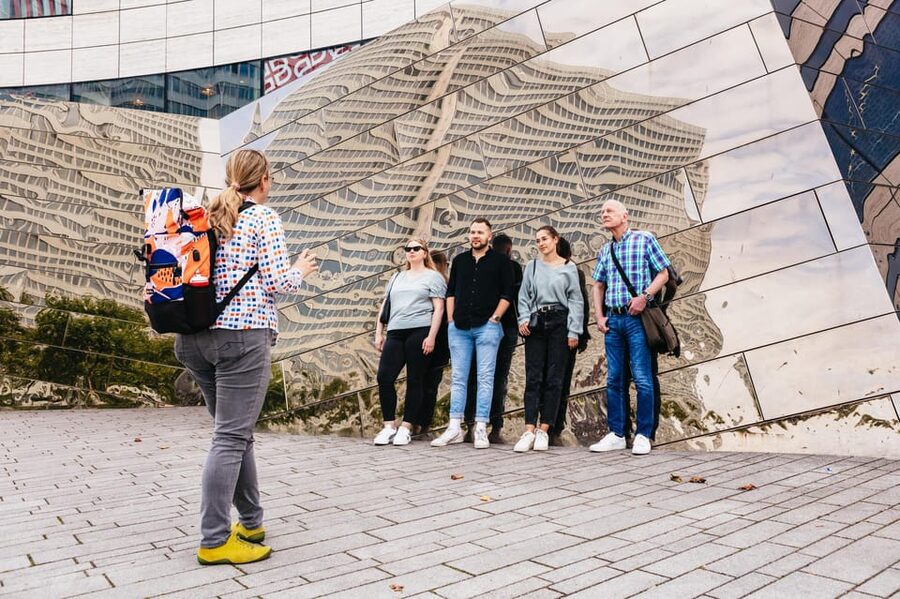
Düsseldorf’s best stories are built into its walls. This two-hour walk links the polished shops of Königsallee with the Old Town and Ehrenhof, showing you how international architects, local designers, politics, and changing tastes shaped the city. I especially like the route’s variety: you see 1920s Expressionism, postwar Brutalism, and Daniel Libeskind’s modern Kö-Bogen in one compact outing.
I also like the guide-led approach, since the buildings are far more interesting once you hear what happened behind their facades. The biggest consideration is pace. One German-language tour member called it a fast, information-packed march, so you should bring a strong appetite for facts and be ready to keep moving.
In This Review
- Key points to know before you book
- Why this short walk works so well
- Starting at Mannesmannufer and Alter Stahlhof
- Königsallee, beyond the shopping image
- The Kö-Bogen and the value of a good explanation
- Dreischeibenhaus and Düsseldorf’s postwar face
- Through the Altstadt, with architecture over nightlife
- Ehrenhof, the final architectural chapter
- What the guides do best
- Pace, language, and group choice
- Is $23 a fair price?
- Who should book this walk?
- Should you book the Düsseldorf architecture walk?
- FAQ
- How long does the Düsseldorf architecture tour last?
- What language is the tour conducted in?
- Where is the meeting point?
- Which parts of Düsseldorf does the route visit?
- Which buildings are highlighted?
- Is museum admission included?
- Can I cancel the booking?
Key points to know before you book
- Three very different districts in two hours: The route runs from Königsallee through the Altstadt and finishes at Ehrenhof.
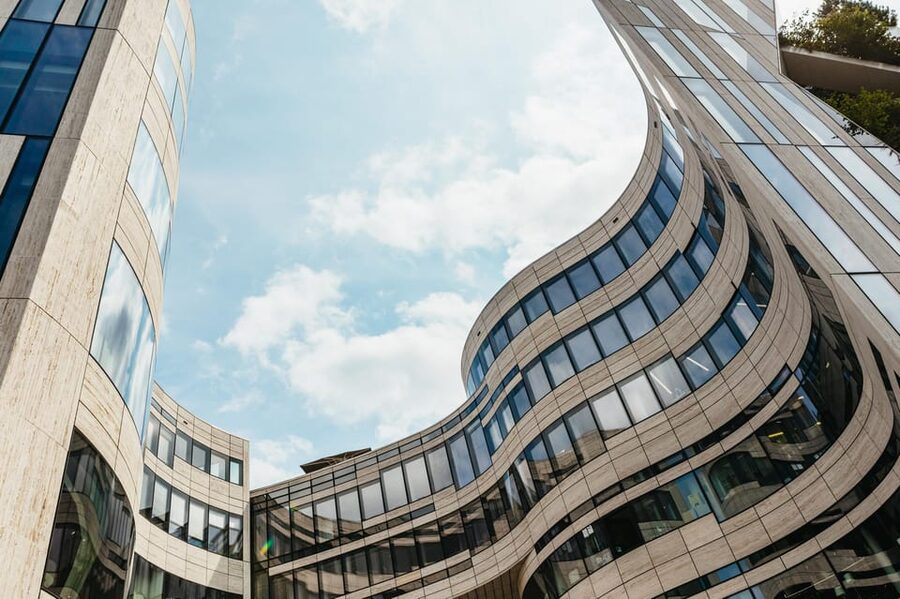
- Major names in modern architecture: Expect attention to Daniel Libeskind, Wilhelm Kreis, Karl Friedrich Schinkel, Bernhard Pfau, and Helmut Hentrich.
- Big buildings, viewed from outside: The Kö-Bogen, Dreischeibenhaus, and Schauspielhaus are important stops, but the route describes them as pass-by views rather than interior visits.
- A German-language experience: The live guide conducts the tour in German.
- City Museum entry included: The price includes admission to the City Museum at Bergerallee 2.
- Good value at $23: You get two hours with a guide, a focused route, and museum entry, though the value depends on your interest in architecture.
Why this short walk works so well
Düsseldorf can look polished and businesslike at first glance. Königsallee has its grand shopping image, the Old Town has its famous pubs and narrow streets, and Ehrenhof has monumental cultural buildings. This tour helps you connect those separate impressions.
The focus is not only on pretty facades. You hear about the designers behind them and the ideas that shaped the city. Wilhelm Kreis, Daniel Libeskind, Karl Friedrich Schinkel, Bernhard Pfau, and Helmut Hentrich each represent a different chapter in Düsseldorf’s architectural story.
That range gives the walk its real value. You can compare older formal styles with the angular green forms of the Kö-Bogen, then consider the bold postwar character of the Dreischeibenhaus and Schauspielhaus. In just a few square kilometers, the city presents Expressionism from the 1920s alongside Brutalism and later modern design.
I would not treat this as a general orientation walk. It is much more specialized. If you want restaurant tips, shopping advice, or a broad introduction to Düsseldorf’s daily life, you may find the subject narrow. If you enjoy asking why a building looks the way it does, this is a strong choice.
More City Tours in Dusseldorf
- Düsseldorf: City Sightseeing Cruise on the Rhine
★ 4.1 · 2,954 reviews - Düsseldorf: Classic City Segway Tour
★ 4.8 · 132 reviews - Düsseldorf Segway Tour: Classical City Experience
★ 4.5 · 77 reviews
Starting at Mannesmannufer and Alter Stahlhof
The stated meeting point is Mannesmannufer 2, with Alter Stahlhof and other listed starting options connected to the route. Check your exact booking details carefully, since the meeting information should tell you which departure point applies.
Beginning near the river gives the walk a useful sense of place before it reaches the city center. You do not simply appear at the famous shopping street with no context. Instead, the route moves toward the central buildings and uses the city itself as an open-air classroom.
The guide is the key to this opening section. A good architecture walk depends less on entering buildings than on knowing where to look, what details matter, and how one structure relates to another. The strongest feedback about this experience centers on guides who combine architectural facts with history, humor, and anecdotes.
Dietmar Schönhoff receives especially warm praise for making technical subjects easy to follow. His style is described as both entertaining and well informed, with answers ready when the group asks questions. Other comments also point to a friendly, capable guide with a strong grasp of Düsseldorf’s history.
The German-only format matters here. You should be comfortable following a sustained explanation in German, especially since the tour packs a great deal into two hours.
Königsallee, beyond the shopping image
Königsallee is Düsseldorf’s famous grand boulevard, known for its elegant appearance and high-end shops. On this walk, you use it less as a shopping stop and more as a stage for architectural comparison.
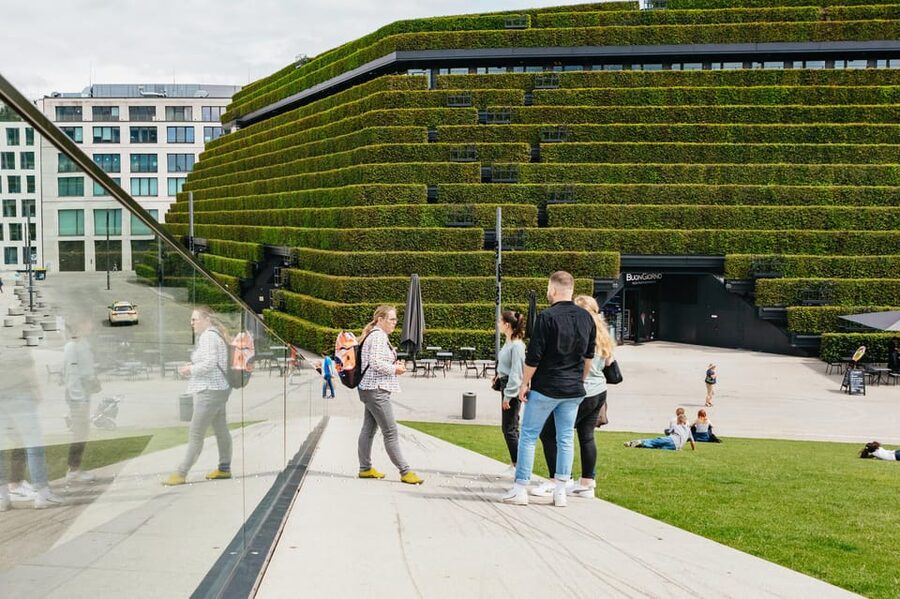
The main focus is the Kö-Bogen, designed by New York architect Daniel Libeskind. Its dramatic form gives the guide a chance to explain how an international architect affected the center of Düsseldorf. This is not just a quick photo opportunity. The point is to consider how a new building changes the way people see and move through a familiar part of the city.
The tour also highlights the 96-meter Dreischeibenhaus. Its height and formal design give it a very different character from the Kö-Bogen. Looking at both together helps you see how Düsseldorf’s center shifted from postwar office architecture toward newer, more sculptural design.
The Schauspielhaus is another major stop in this part of the route. Like the Dreischeibenhaus, it is viewed from outside, so you should expect explanation and photography rather than a performance or interior visit.
This section is likely to appeal most to you if you enjoy contrast. One building may represent corporate modernism, another a bold architectural statement, and another a cultural institution. The pleasure comes from comparing them while standing in the same urban setting.
The Kö-Bogen and the value of a good explanation
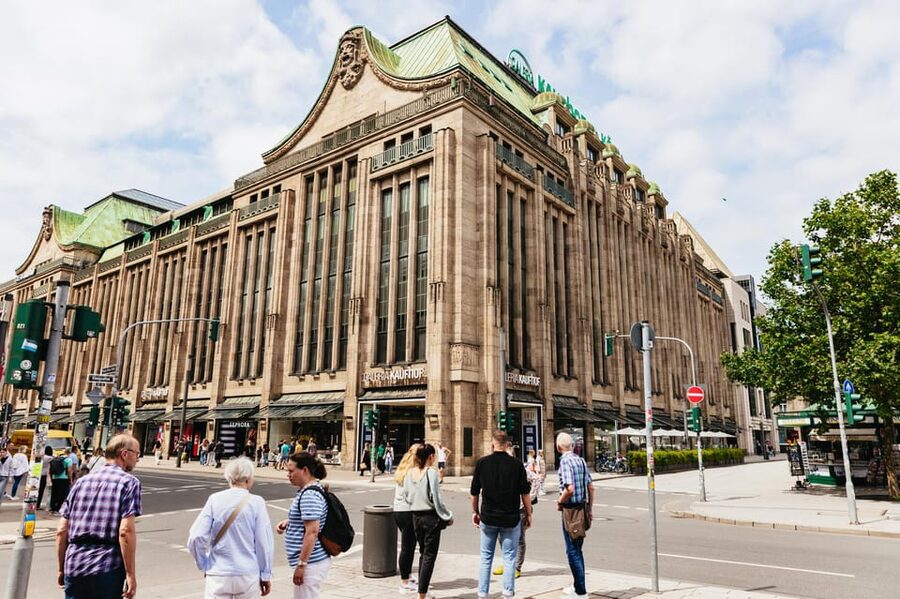
The Kö-Bogen is easy to notice. Its unusual shape and green-covered surfaces draw attention even if you know nothing about its architect. The challenge is understanding what makes it important beyond its appearance.
That is where the guide adds real value. You can photograph the building on your own, but you may not know why Libeskind’s design matters to Düsseldorf or how it fits into the city’s architectural development. The tour gives you a framework for reading the structure rather than simply looking at it.
The experience includes regular stops for photographs, which is helpful because architecture needs time. You should not expect a continuous lecture while walking without pauses. The route allows you to stop, look up, take pictures, and hear stories connected to the facade in front of you.
Still, the two-hour schedule creates pressure. One participant felt there was enough material for several days or even weeks, while the actual walk moved quickly. That is a useful warning. You may leave with a long list of buildings and ideas that deserve a second look.
More Walking Tours in Dusseldorf
- Düsseldorf: Altbier-Safari Beer Walking Tour
★ 4.4 · 1,150 reviews - Düsseldorf: Sweet Treats Guided Walking Tour of Old Town
★ 4.7 · 66 reviews - Düsseldorf: Tipping based – Old Town Walking Tour
★ 4.8 · 38 reviews - Dusseldorf : Highlights Walking tour with A Guide
★ 4.6 · 16 reviews
Dreischeibenhaus and Düsseldorf’s postwar face
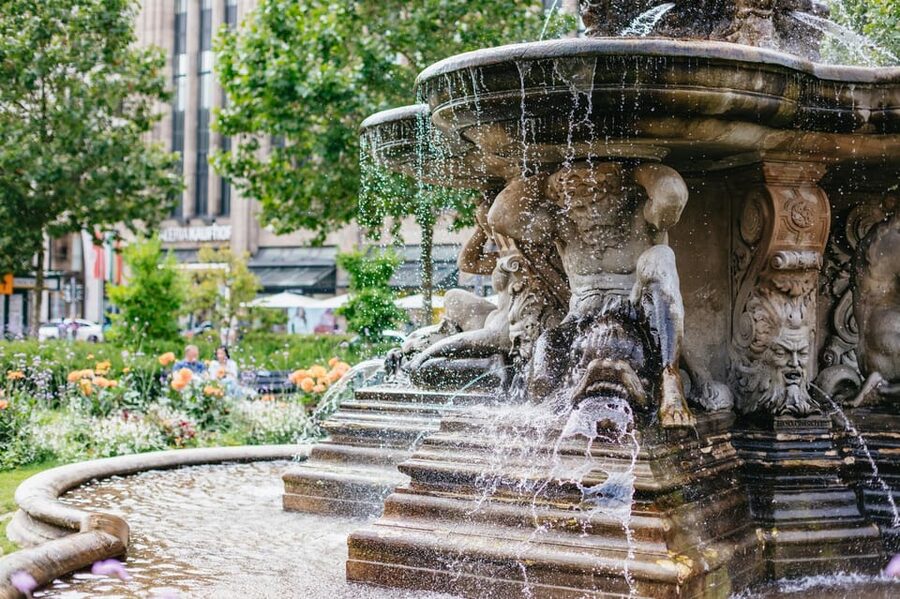
The 96-meter Dreischeibenhaus provides one of the clearest chances to consider Düsseldorf’s postwar identity. Its scale and office character signal a city shaped by business and reconstruction, rather than by the older streets of the Altstadt.
The tour’s attention to Brutalism is especially useful here. Brutalist buildings can divide opinion, and a guide can explain the design choices instead of reducing the building to attractive or ugly. You might not change your mind about the style, but you will have more to discuss.
This is one point where the tour can become more than a list of architects and dates. Architecture reflects authority, money, public taste, and ideas about how a city should function. One thoughtful response to the experience wished for more discussion of power, controversy, city life, and the relationship between people and buildings.
That criticism also reveals the tour’s limit. The guide gives you many facts and connections, but the exact balance between detailed building analysis and wider social debate may depend on the individual guide. The walk can be highly guide-shaped, which is part of its charm and part of its unpredictability.
Through the Altstadt, with architecture over nightlife
The route then enters Düsseldorf’s Old Town. This is a welcome change from the broad streets and large modern structures around Königsallee.
In the Altstadt, the tour continues as an architectural walk rather than switching into a standard sightseeing circuit. You should expect attention to facades, urban form, and the stories behind the buildings. The Old Town section gives you a chance to see how a more historic street pattern differs from the planned spaces and isolated modern structures encountered earlier.
This part may be the most useful for you if you already know Düsseldorf’s famous Old Town but have never considered its buildings closely. One German participant who knew the city well still found many details that were new. That is a good sign for repeat visitors and residents who want to look at familiar streets with fresh attention.
It is also worth remembering that the route is not designed as a slow café-and-pub stroll. The walk keeps its architectural purpose. If you want time to stop for a drink, browse shops, or linger over every street corner, you may need to do that separately after the tour.
Ehrenhof, the final architectural chapter
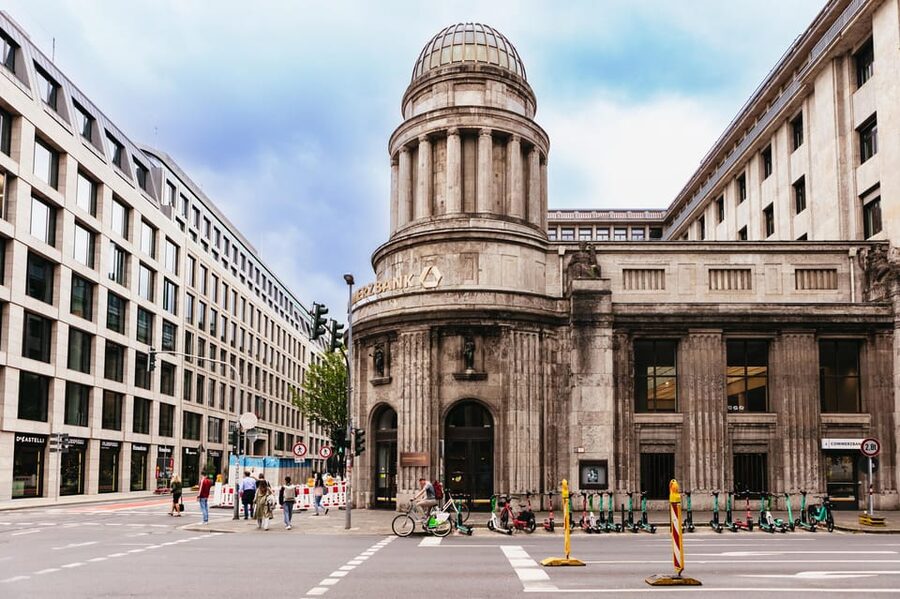
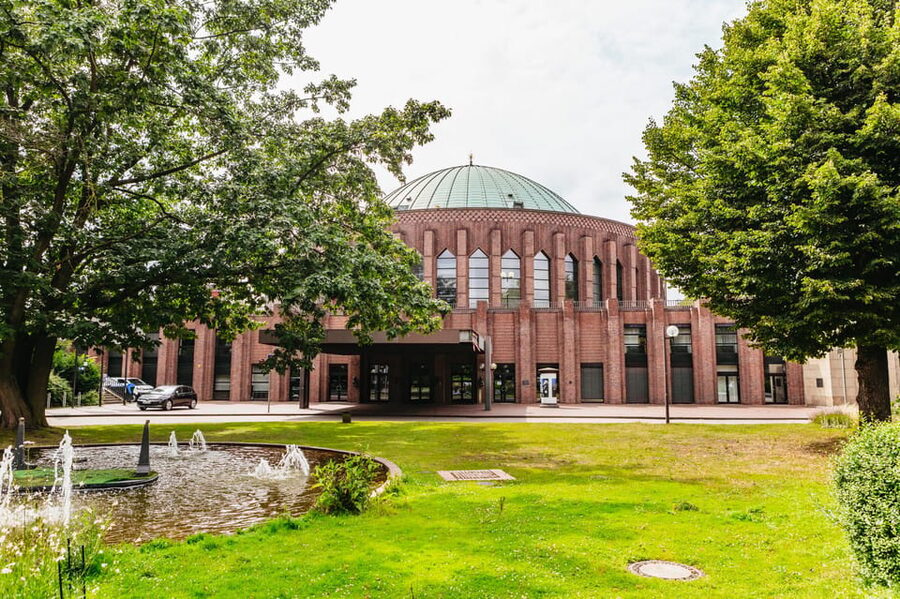
The walk ends at Ehrenhof, a major cultural and architectural area in Düsseldorf. Finishing here gives the route a strong final section rather than simply ending wherever the guide happens to run out of time.
Ehrenhof helps widen the story beyond offices and shopping streets. The route’s earlier stops show how commercial and business districts changed. The final area gives you another setting in which to consider public culture, design, and the way buildings shape civic space.
The exact payoff depends on how much background the guide provides. The experience names several Düsseldorf designers, including Wilhelm Kreis, Bernhard Pfau, and Helmut Hentrich, so you should expect the final section to place local and regional work alongside internationally known architects.
You finish at Ehrenhof, with two listed drop-off points in that area. This is practical if your plans already include the district or if you want to continue exploring after the walk. The included City Museum entry at Bergerallee 2 adds another useful option, though the provided details do not specify when or how the museum visit fits into the walking schedule. Confirm that point when booking if the museum matters to you.
What the guides do best
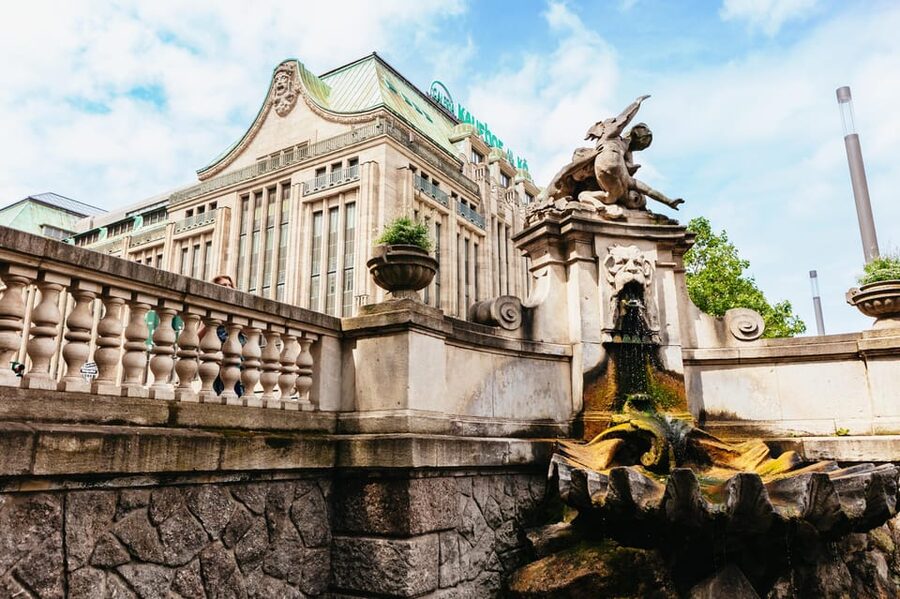
The most consistent strength is the quality of explanation. The strongest guide feedback points to clear answers, extensive background, humor, and personal anecdotes. That combination matters because architecture tours can become dry very quickly.
Dietmar Schönhoff is praised by name for making the two hours pass quickly. That is not a small compliment when the tour covers several styles, designers, and districts in a tight time frame. A friendly guide also makes it easier to ask questions, which can turn a prepared route into a more useful conversation.
The experience is not built around theatrical entertainment. Its appeal comes from substance, observation, and the chance to understand buildings you might otherwise pass without noticing. You should expect the guide’s personality to shape the experience, especially since the tour appears to leave room for questions and interpretation.
One serious service failure is worth noting. On one scheduled date, the guide did not arrive, the group received no immediate information, and the cancellation message came the following Monday, reportedly because of illness. That appears to be an isolated but important problem. The generous cancellation terms help protect your booking, but I would still keep your confirmation and meeting details handy on the day.
Pace, language, and group choice
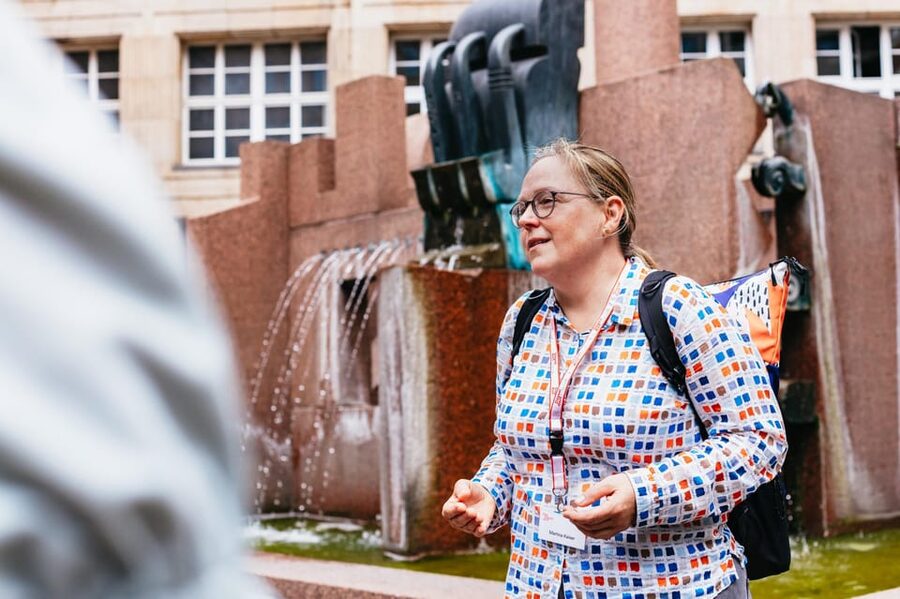
The tour lasts two hours, which is long enough to cover a meaningful route but short enough to fit into a busy Düsseldorf visit. The tradeoff is speed. You will cover Königsallee, the Old Town, and Ehrenhof, with many subjects along the way.
Choose this if you enjoy focused walking and can listen while moving. It may be less suitable if you need frequent rest stops or prefer a relaxed pace with long periods at each building. The route includes photo stops, but it is not presented as a leisurely wander.
You can choose between a shared group tour and a private guided walk. A shared group usually offers a social setting and the listed price of $23 per person is particularly appealing there. A private option may suit you better if you want more control over questions and pacing, though the supplied information does not give its separate price or group limits.
The tour is conducted in German. This is the single most important practical filter. If you do not understand German well enough to follow architectural and historical explanations, the value drops sharply.
Is $23 a fair price?
At $23 per person, the tour is reasonably priced for a two-hour guided city walk, especially because entry to the City Museum is included. You are paying for interpretation, not admission to a series of interiors, so the value comes from the guide’s ability to make outside views meaningful.
I think the price works best for three types of people:
- You already know Düsseldorf and want details you have missed.
- You enjoy architecture, design, and urban history.
- You prefer a focused guided experience instead of researching buildings alone.
The price is less compelling if you only want quick photos of the Kö-Bogen and Dreischeibenhaus. You can see those from public streets without booking a tour. The fee earns its keep through the stories, comparisons, and historical setting.
Flexible booking also reduces the risk. You can cancel up to 24 hours ahead for a full refund, and you can reserve now while paying later. Those terms are useful when your schedule in Düsseldorf is still changing.
Who should book this walk?
I would recommend it to architecture fans, design students, curious residents, and repeat visitors who have already seen the obvious Düsseldorf sights. It also suits you if you like a guide who can answer detailed questions rather than recite a short script.
The walk can work for a first visit, but I would not make it your only Düsseldorf tour if you want a broad introduction to food, local customs, museums, and daily life. Its subject is buildings and the people who designed them.
Bring comfortable shoes, arrive ready to walk, and leave some mental space for facts. The route is only two hours, but the content is dense. A Sunday departure may feel calmer because one participant specifically appreciated the lighter car traffic on that day, though traffic conditions can vary.
Should you book the Düsseldorf architecture walk?
Book it if you want to understand why Düsseldorf looks the way it does, not just take pictures of its best-known buildings. The route offers strong value at $23, a useful mix of historic and modern design, and guides who can make technical subjects lively.
Skip it if you need an English-language tour, dislike fast walking, or want to spend most of your time inside buildings. The tour is German-only, exterior-focused, and information-heavy.
For the right audience, it is a sharp, rewarding look at Düsseldorf’s built character. You may finish at Ehrenhof with more questions than answers, but that is a good reason to keep exploring.
FAQ
How long does the Düsseldorf architecture tour last?
The walking tour lasts two hours.
What language is the tour conducted in?
The live guided tour is conducted in German.
Where is the meeting point?
The stated meeting point is Mannesmannufer 2. Alter Stahlhof and other starting options are also listed, so check your booking details for the exact departure point.
Which parts of Düsseldorf does the route visit?
The route goes along Königsallee, continues through Düsseldorf’s Old Town, and finishes at Ehrenhof.
Which buildings are highlighted?
The tour focuses on the Kö-Bogen, the 96-meter Dreischeibenhaus, and the Schauspielhaus. It also discusses architects including Daniel Libeskind, Wilhelm Kreis, Karl Friedrich Schinkel, Bernhard Pfau, and Helmut Hentrich.
Is museum admission included?
Yes. Entry to the City Museum at Bergerallee 2 is included.
Can I cancel the booking?
You can cancel up to 24 hours in advance for a full refund. The activity also offers a reserve-now, pay-later option.
Just added around Dusseldorf
- (H)Alt! 4 Bier! Brauhaus! Führung!★ 4.3 · 27 reviews
- Filmtour Düsseldorf: From Hollywood to Netflix★ 4.9 · 4 reviews
- Explore Düsseldorf with Passionate tour guides!★ 4.0 · 69 reviews
- Düsseldorf: The Wehrhahn Line Metro Guided Tour★ 4.5 · 29 reviews
- Düsseldorf: The Ultimate Team event (3 rooms – 9 games)★ 3.4 · 5 reviews
- DüsseldorfCard Plus★ 4.1 · 14 reviews
- Düsseldorf: Culinary Soul Guided Tour★ 4.7 · 110 reviews
- Düsseldorf: Scavenger Hunt Self-Guided Tour★ 4.6 · 127 reviews
City Tours, compared.

1-Hour City Tour by Boat with Guaranteed Seating
Read our review →
City History Canal Sightseeing Tour on a Motorboat
Read our review →
Browse the lists this tour appears in