

Reviewed · HAMBURG TOURS
Hamburg: Schanzenviertel Culinary Tour
Food tells the story of a city. This three-hour walk through Hamburg’s Schanzenviertel combines five tastings with the district’s political past, creative businesses, and changing streets. I like the small local food stops and the way the guide connects them to real neighborhood issues. I also like that you see places you might easily pass without noticing.
The main point to consider is that the tastings are not all strongly tied to northern German cuisine. One recent experience included two stops that felt somewhat random, and the order of sweet and savory foods did not suit everyone. You should also expect some standing while eating, so wear good shoes and weatherproof clothing.
In This Review
- Key points to know before booking
- Why Schanzenviertel makes a good food walk
- Five tastings, with room for surprises
- From Carl Hagenbeck to the old piano factory
- The Rote Flora and the cost of popularity
- What the three-hour pace feels like
- Is $57 a fair price?
- Who will enjoy this walk most?
- Final verdict: book it for the neighborhood, not only the snacks
- FAQ
- How long does the Schanzenviertel culinary tour last?
- How many food stops are included?
- Is the tour available in English?
- Is the tour suitable for vegetarians?
- Are drinks included?
- Is transportation included?
- Can I eat all the tastings while seated?
- What should I wear?
Key points to know before booking
- Five tasting stops: You visit five local food spots, with portions designed as samples rather than a full restaurant meal.
- A neighborhood with a political edge: The walk discusses rising rents, investors, commerce, and the fight against gentrification.
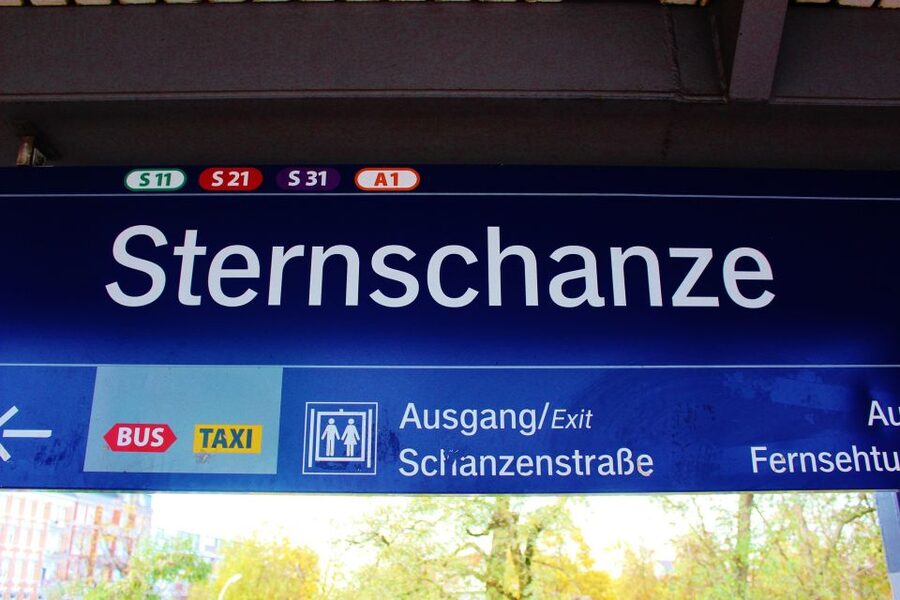
- Sternschanze is tiny but packed with character: The district covers only about 0.60 square kilometers, so much of the tour unfolds within a compact area.
- Local history comes with unexpected names: The route touches on Carl Hagenbeck, the Rote Flora, the old piano factory, and local revolutionaries.
- The guide makes the difference: Guides speak German or English, and recent tours led by Ute and Ursula earned especially warm praise for clear stories and good organization.
- Good for flexible food lovers: Vegetarian guests can take part, and most people do not need to eat before or after the tour.
Why Schanzenviertel makes a good food walk
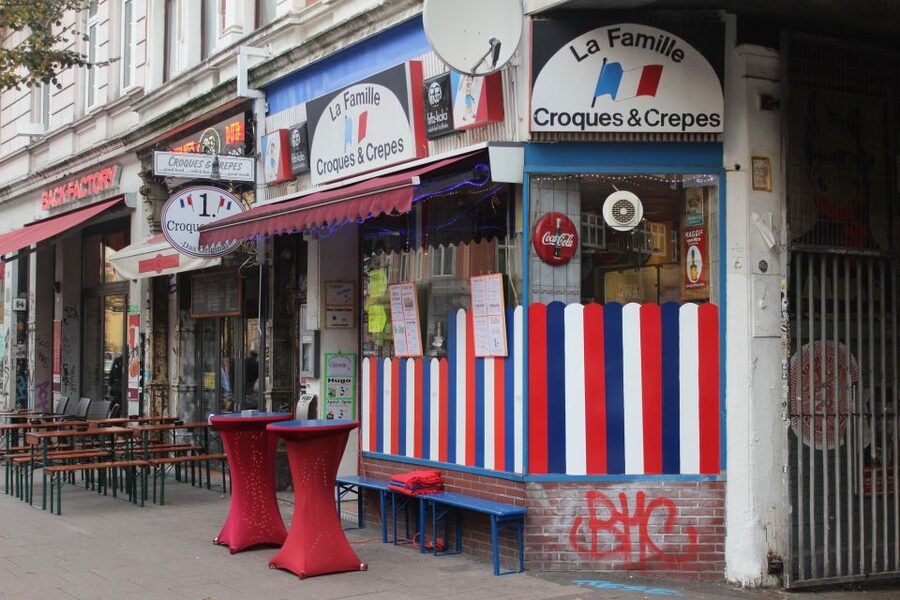
Sternschanze is not Hamburg’s polished postcard district. It is compact, crowded with cafes and bars, and full of contrasts. Old industrial traces sit beside independent shops, food counters, and businesses shaped by the area’s creative spirit.
The district takes its name from a star-shaped defense structure, a detail that gives the modern streets an older foundation. Today, Sternschanze has a cult reputation in Hamburg, with a status often compared to the Reeperbahn. The appeal is different, though. Here, the focus is less on nightlife spectacle and more on daily neighborhood life, political discussion, food, and small-scale craftsmanship.
I like this setting for a culinary tour because food gives you a reason to move through the district slowly. Instead of simply looking at facades, you stop, taste something, and hear why the place matters. A guide can also explain the tension beneath the district’s popularity. As rents rise and outside investment grows, the same qualities that made Schanzenviertel attractive can become harder for long-time residents and independent businesses to protect.
That conversation is part of the experience, not an unwanted lecture. If you want only snacks and cheerful restaurant talk, parts of the discussion may feel more serious than expected. If you enjoy seeing how a city changes, this context adds real value.
A few more Hamburg trips worth comparing
- Hamburg: Sex and Crime in St. Pauli Tour for Ages 18+
★ 4.7 · 15,447 reviews - Hamburg: 1.5-Hour Harbor and Speicherstadt Day Cruise
★ 4.6 · 14,200 reviews - Hamburg: 90-Minute Evening Lights Harbor Cruise
★ 4.5 · 7,728 reviews
Five tastings, with room for surprises
The tour includes five food tastings at local establishments. The exact meeting point and food choices can vary, so you should check the details for your selected departure. The stops are presented as local favorites, with an emphasis on culinary variety and small businesses.
Do not expect five large meals. The samples are meant to build a picture of the district, not replace breakfast, lunch, or dinner for every person. Still, the food usually provides enough for most people not to need a full meal before or after the walk.
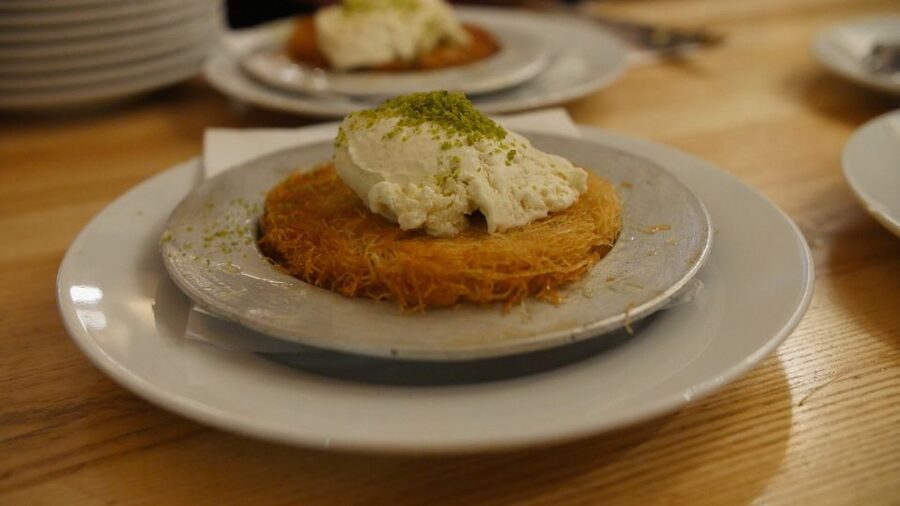
The range of foods is one of the tour’s strengths. Schanzenviertel is known for its many cafes and bars, so the tastings reflect the area’s broad food culture rather than one narrow regional menu. That makes the walk useful if you want several introductions in one afternoon.
There is also a limitation. At least one recent experience found two tastings poorly matched to the rest of the route, with a weaker connection to local or regional food traditions. Another preference was to start with savory snacks and finish with sweet items. The current order may not follow that pattern.
I would treat the food as a sampler of neighborhood life, not a strict tour of classic Hamburg cooking. If you want a focused study of traditional northern German dishes, this may not be the right choice. If you enjoy trying different foods while moving through an interesting district, the format works better.
Some tastings may be eaten standing, while others can be enjoyed seated when needed. That makes the pace informal, but it is worth remembering if you have difficulty standing for long periods. You can also request the vegetarian option, according to the tour information.
From Carl Hagenbeck to the old piano factory

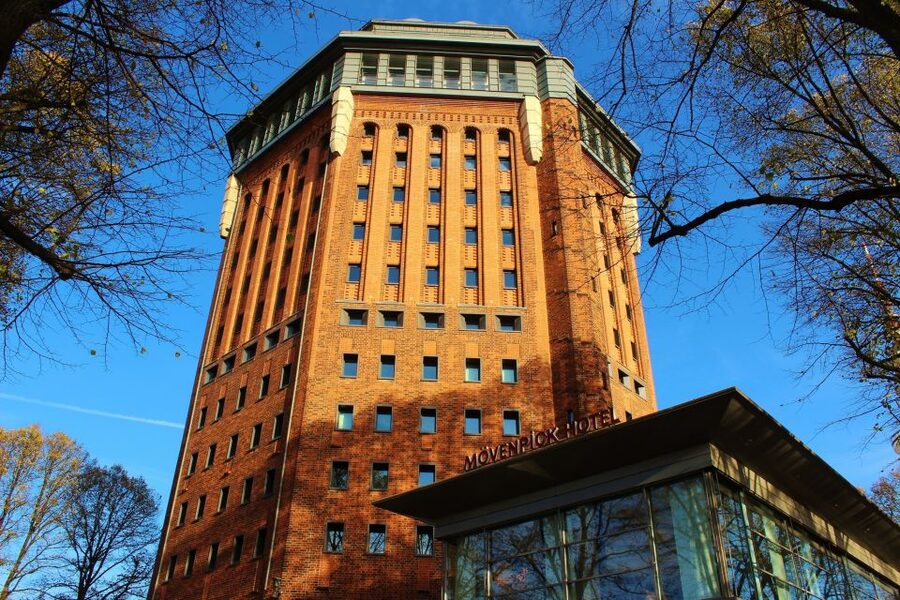
The walking route adds useful layers to the food stops. One historical thread follows Carl Hagenbeck, a major name in Hamburg’s past. The experience also points to the old piano factory, a reminder that the district once had a stronger industrial and craft identity.
These references help you see Schanzenviertel as more than a collection of trendy addresses. The old piano factory represents the kind of working infrastructure that shaped the neighborhood before cafes, bars, and creative businesses became its main public face.
The tour also looks at the people described as true revolutionaries. That phrase is not just colorful decoration. The district has long been linked with political resistance and left-wing activism, and the Rote Flora remains the clearest symbol of that side of Sternschanze.
You visit the area around the Rote Flora and learn why it matters. The autonomous center sits at the heart of the neighborhood, and its presence makes the questions about protest, property, and urban change feel close at hand. One recent tour even took place alongside a demonstration and fireworks near the building, although such events are not guaranteed and should not be expected as part of the standard route.
The value here is the connection between past and present. You are not simply told that the neighborhood has changed. You see the places where industry, protest, independent business, and commercial pressure meet.
The Rote Flora and the cost of popularity
Schanzenviertel offers a clear view of the problems that arrive when a working district becomes fashionable. Popular cafes and bars bring energy and spending, but they can also push up rents. Investors may see opportunity where residents see pressure.
The tour discusses rising rent prices, commerce, and investor interest directly. That gives you a more honest understanding of the district than a simple food crawl would provide. You can enjoy the area while also asking who gets to remain there as prices rise.
I appreciate that the tour does not present gentrification as an abstract idea. You are standing in a neighborhood where the conflict is visible. The Rote Flora, old industrial buildings, independent food spots, and newer commercial activity all help make the subject concrete.
This part may appeal most to people who like urban history and current affairs. Families with young children or anyone hoping for nonstop food and light entertainment might find the discussion less engaging. The guide’s skill matters a lot here. Recent tours led by Ute and Ursula were praised for well-organized routes, clear explanations, and vivid descriptions of how the district developed.
The strongest comments about the experience focus on those explanations. One guide was especially appreciated for finding lesser-known places that the group would probably not have entered alone. That is exactly the advantage of taking a guided walk in a district like this. You do not need to research every address in advance, and you gain some local context along the way.
Still Hamburg, at a slower pace:
- Hamburg: 2-Hour XXL Port of Hamburg Cruise Tour
★ 4.7 · 6,979 reviews - Hamburg: Line A Sightseeing Hop-On Hop-Off Bus Tour
★ 4.6 · 6,958 reviews - Hamburg: Elbphilharmonie Plaza Guided Tour
★ 4.7 · 5,882 reviews - Hamburg: Hamburg Dungeon Admission Ticket
★ 4.7 · 5,745 reviews
What the three-hour pace feels like
Three hours is enough time to cover the district without turning the experience into a rushed checklist. You move between food stops, hear stories, and have time to notice the streets around you.
The route is a walking tour, so transfers are not included. The meeting point can differ according to the option you book, which means you should check your confirmation carefully rather than assume the tour begins at a single fixed location.
The pace is generally easy to follow, but the weather can shape your enjoyment. A February experience remained entertaining despite cold conditions, while another recent tour benefited from unusual activity near the Rote Flora. You should not count on good weather or special events. Wear a rainproof layer and suitable footwear, especially if you are visiting during Hamburg’s cooler or wetter months.
The food stops break up the walking. Still, you may eat while standing, and the group may need to wait briefly at some locations. This is not a formal seated tasting menu. It feels more like a moving neighborhood introduction with food built into the route.
Private groups are available. That option may suit families, friends, or colleagues who want a more personal pace and the chance to ask more questions. A standard group is likely the better value if you simply want an introduction to Schanzenviertel.
Is $57 a fair price?
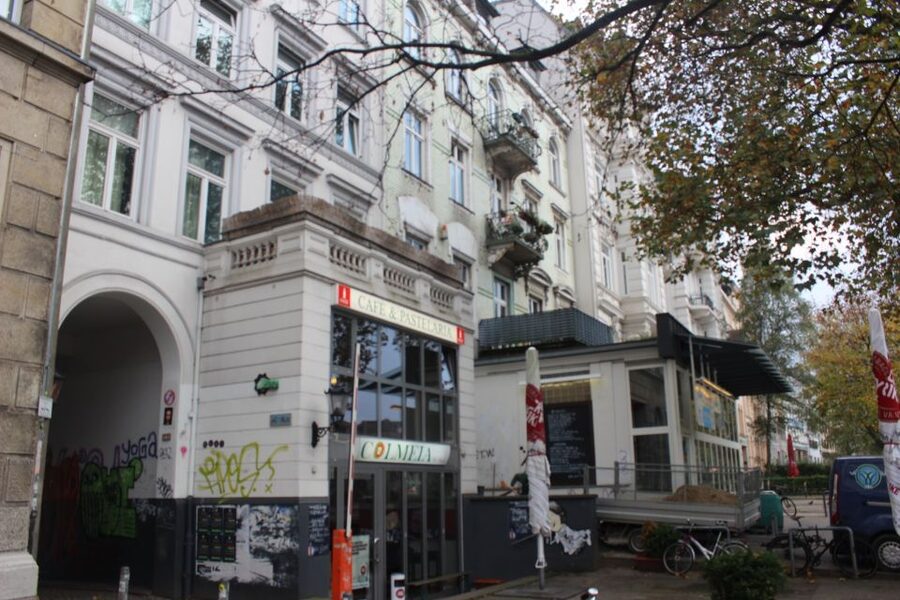
At $57 per person, the tour is not the cheapest way to find food in Hamburg. You are paying for five tastings, a three-hour guided walk, local stories, and access to places you might not choose on your own.
The value depends on how you would otherwise explore. If you already know Hamburg well, speak German comfortably, and enjoy planning your own food stops, you might spend less by choosing cafes yourself. You would also miss the organized route and the explanation of the district’s political and economic changes.
For a first visit, the price is easier to justify. Five small tastings can add up quickly, and a good guide gives you more than a list of dishes. You get a sense of where Schanzenviertel came from, why it attracts people now, and what it may be losing as rents increase.
The food selection is the one factor that could weaken the value. If two stops feel disconnected from the district or the regional theme, you may judge the price more critically. I would book this for the combination of food and neighborhood insight, not for a guaranteed showcase of Hamburg specialties.
The high overall rating, 4.6 from 2,051 reviews, fits the experience’s main strengths: friendly guides, good organization, interesting explanations, and enjoyable stops. Still, one serious problem has occurred: a tour was canceled at short notice without a same-day alternative. That appears to be an exception, but it is worth keeping in mind if your schedule is tight.
Free cancellation up to 24 hours before the tour and reserve-now, pay-later booking make it easier to keep plans flexible. Those policies help, but they do not remove the need to protect an important meal or connection later in the day.
Who will enjoy this walk most?
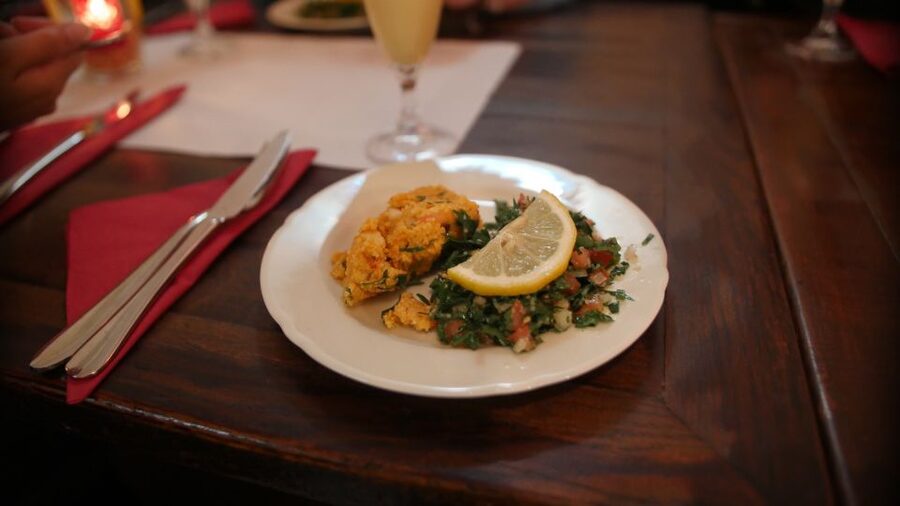
I would recommend the tour to you if you like eating in small local places, walking through districts with a strong identity, and hearing about present-day city issues. It is especially useful during a first Hamburg visit, when you want an introduction to a neighborhood beyond the usual central sights.
It also suits solo visitors and couples who prefer a guide to doing all the research themselves. The five tastings give you several ideas for returning later, while the stories help you decide which parts of the district deserve more time.
Vegetarians can join, and the food is varied enough to make the option practical. You should still confirm the details when booking if you have strict dietary needs, since the supplied information confirms vegetarian suitability but does not list every ingredient or allergy accommodation.
I would be more cautious if you want a fully seated meal, a traditional Hamburg menu, or a tour focused only on food. The standing format and the discussions about housing, protest, and investment are central to the experience.
Final verdict: book it for the neighborhood, not only the snacks
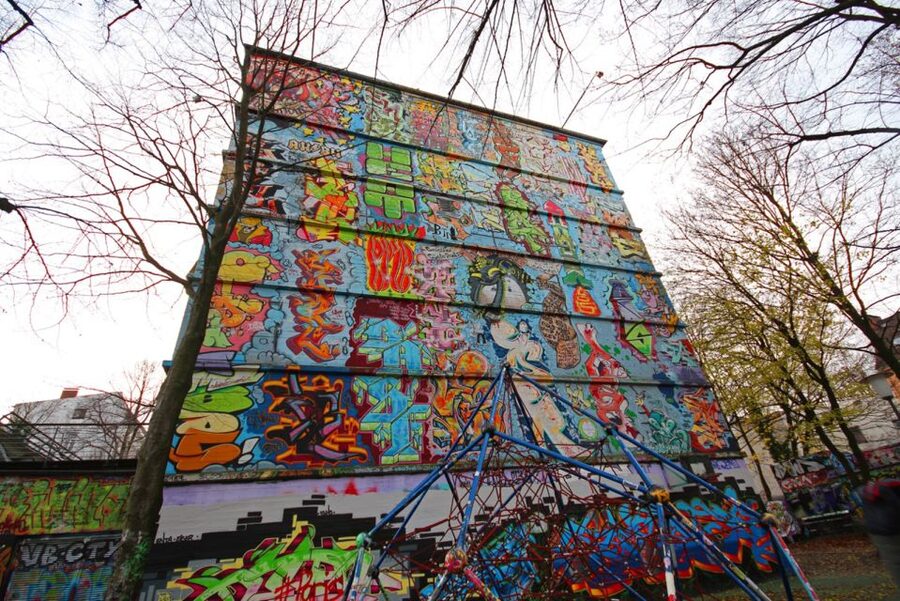
This is a strong choice if you want to understand why Schanzenviertel matters. The five tastings make the walking easy and enjoyable, while the stories about Carl Hagenbeck, the old piano factory, the Rote Flora, and gentrification give the district shape.
The food may not follow a perfect regional theme, and the tasting order may not please everyone. That is a fair trade if you see the tour as a guided portrait of a changing Hamburg neighborhood rather than a formal culinary seminar.
Book it if you value local context, independent food spots, and direct discussion of urban change. Skip it if you want a conventional restaurant crawl or a guaranteed seated meal. For most first-time visitors with three free hours, the combination of five samples and a thoughtful walk offers good value at $57.
FAQ
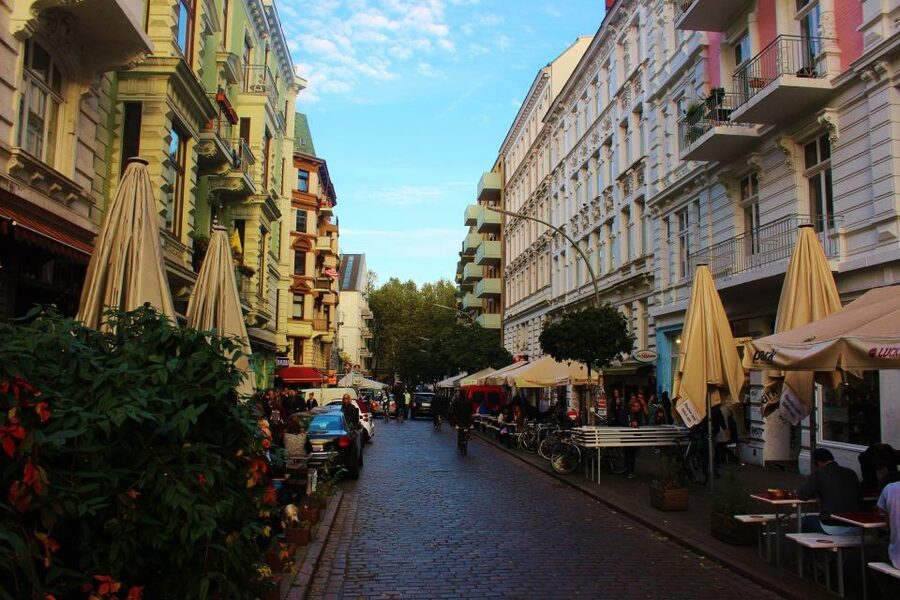
How long does the Schanzenviertel culinary tour last?
The tour lasts three hours and combines walking, five food tastings, and explanations about the district.
How many food stops are included?
You visit five local establishments and receive a food tasting at each one.
Is the tour available in English?
Yes. The live guide can conduct the tour in German or English.
Is the tour suitable for vegetarians?
Yes. The tour information states that it is suitable for vegetarians.
Are drinks included?
No. Drinks are not included in the tour price.
Is transportation included?
No. Transfers are not included. This is a walking tour through the Schanzenviertel.
Can I eat all the tastings while seated?
Not always. Food may be eaten standing, although seating can be provided when necessary.
What should I wear?
Wear weatherproof clothing and suitable footwear. Hamburg weather can be cold or wet, and the experience takes place outdoors while walking between stops.
Just added around Hamburg
- Hamburg: St. Pauli Food and Bier Tour★ 4.7 · 5 reviews
- St. Pauli Tour: Drag-Attack with Barbie Stupid & Lee Jackson★ 4.8 · 280 reviews
- Hamburg: Private Tour Red Light District Walking Tour★ 4.7 · 227 reviews
- St. Michael’s, Elbe Tunnel & Harbor 2-Hour Hamburg Tour★ 4.9 · 21 reviews
- Satt Pauli – der kulinarische Rundgang durch St. Pauli★ 4.8 · 12 reviews
- Hamburg: Safari tour in St. Pauli★ 4.9 · 11 reviews
- Hamburg: Reeperbahn Comedy Club★ 4.3 · 53 reviews
- Radtour um die Alster & durch traumhafte Alsterviertel★ 4.9 · 34 reviews
Hamburg Tours, compared.
Sex and Crime in St. Pauli Tour for Ages 18+
Read our review →
1.5-Hour Harbor and Speicherstadt Day Cruise
Read our review →



Reeperbahn Lust & Laster Tour for Adults Only
Read our review →Browse the lists this tour appears in