
Reviewed · CASTLES AND PALACES
Small Group Rheingau Vineyards Tour with Castles and Abbeys
Wine and medieval stone make a fine pairing. This half-day tour from Mainz combines the 1,000-year-old Kloster Eberbach, several generous tastings, and a scenic ride through Germany’s Rheingau wine country. I especially like the way guide Jérôme connects each glass to the monks, estates, and river valley that shaped German wine. I also like the small maximum group of seven, which gives the outing a personal feel rather than a bus-tour rhythm.
The main thing to consider is cost. At about $199.55 per person, this is not a cheap tasting excursion, and lunch is extra. You are paying for private transport, a guide, admission, and a full day of hosted tastings, so the value is strongest if you care about wine and want context along with your pours.
In This Review
- Key points at a glance
- Why Rheingau wine country makes a good day trip
- Kloster Eberbach: monks, Riesling, and old stone
- Johannisberg Palace from the road
- RheinWeinWelt in Rüdesheim: tasting before lunch
- The family-run estate and six more wines
- Jérôme makes the difference
- What the $199.55 price really covers
- Practical details before you book
- Who will enjoy this Rheingau tour most
- Should you book the Rheingau Vineyards Tour?
- FAQ
- Where does the Rheingau wine tour start and end?
- How long does the experience last?
- How many people can join the tour?
- Is lunch included in the price?
- How many wines will I taste?
- Is the tour suitable for people with restricted mobility?
Key points at a glance
- Kloster Eberbach sets the historical scene: Explore the former monastery known as the Cradle of Riesling, then taste four to six wines in its tasting room.
- You sample across the Rheingau: The day includes wines from a large selection of regional producers, followed by a six-wine flight at a family-run estate.
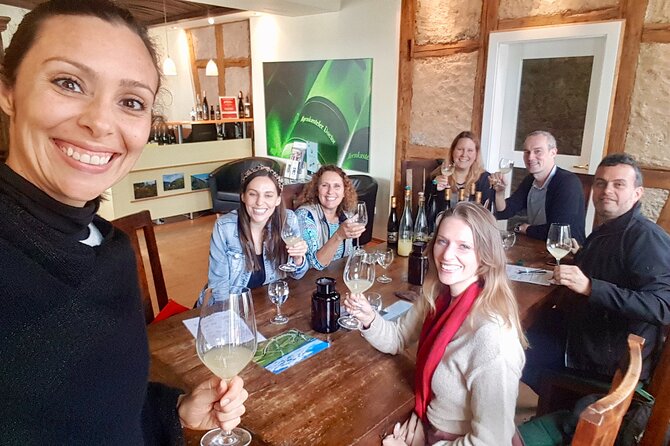
- Jérôme is a major part of the experience: He explains German wine in clear, engaging terms and adjusts suggestions to suit your preferences.
- The group never exceeds seven people: That matters when you want to ask questions, compare opinions, or discuss which bottles fit your taste.
- Lunch is flexible but not included: At RheinWeinWelt, you can order a cooked meal or choose cheese and charcuterie boards.
- The route includes more than tasting rooms: You pass Johannisberg Palace and see abbeys, castles, villages, and vineyards from the comfort of an air-conditioned vehicle.
Why Rheingau wine country makes a good day trip
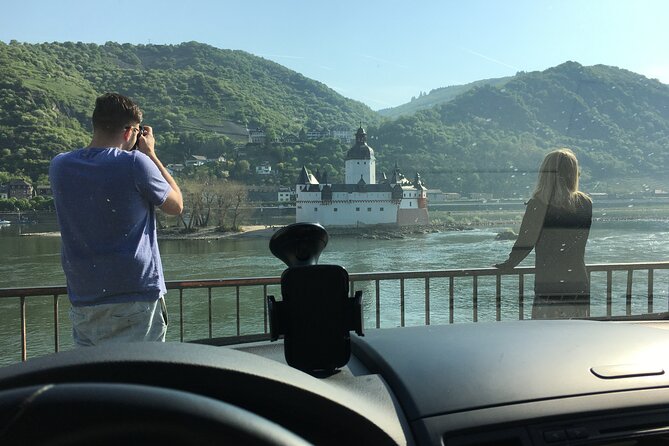
The Rheingau is one of Germany’s best-known wine areas, and Riesling is its star. The region is not only about sipping white wine beside rows of vines. Its wine story reaches back through monasteries, noble estates, family vineyards, and river commerce.
That is what makes this tour more useful than a simple series of tastings. You get a sense of how wine developed here, why Riesling matters, and how different producers express the same regional traditions.
Starting in Mainz is practical. The meeting point is BottleStops at Binger Schlag, and the tour returns there at the end. Mainz is also easy to reach by train from Frankfurt, making this a workable day trip if you are staying in either city. The tour is offered in English and runs for roughly five to six hours.
I would allow most of a day for it. The scheduled stops alone account for about six hours, and the route includes time on the road between sites. This is not a quick tasting squeezed between sightseeing appointments.
More Castles and Palaces in Frankfurt
- From Frankfurt: Heidelberg, Castle and Old City Guided Tour
★ 4.5 · 677 reviews - Heidelberg Castle and Old Town Tour from Frankfurt
★ 4.0 · 587 reviews - Heidelberg Castle and City Day Tour from Frankfurt
★ 4.5 · 292 reviews
Kloster Eberbach: monks, Riesling, and old stone
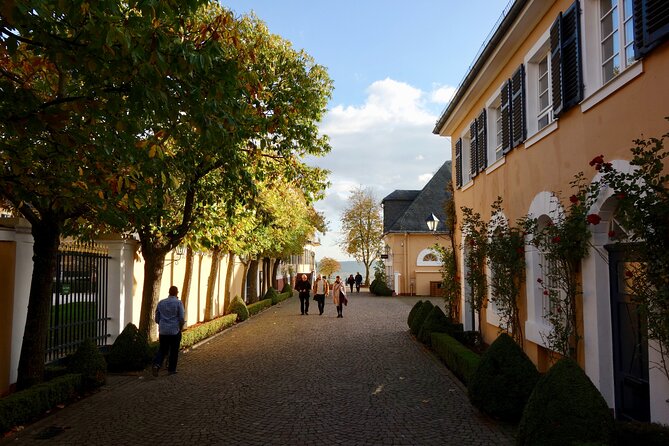
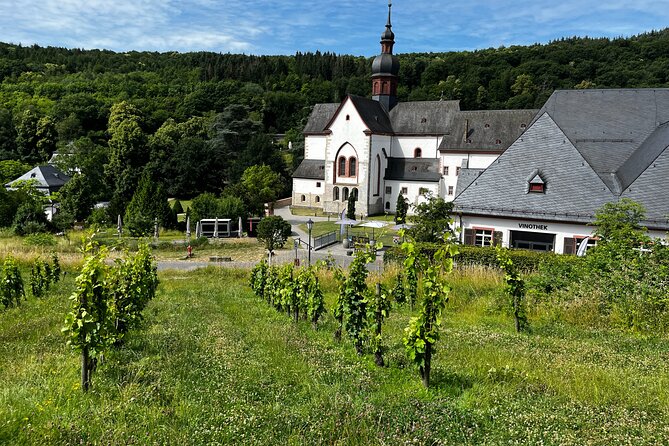
The first stop is Kloster Eberbach, a monastery roughly 1,000 years old. Its importance to wine is not decorative. The monks helped develop winemaking in the area, and the monastery gives Jérôme a natural place to explain the early foundations of Rheingau wine.
The setting adds weight to the tasting. You are not simply seated in a modern shop with bottles lined up on a shelf. You explore historic buildings before tasting four to six wines in the monastery’s tasting room.
For many people, this will be the strongest stop of the day. The abbey is visually impressive, and it gives the wine a sense of place. The visit also helps you understand that German wine traditions are tied to institutions that worked the land over many centuries.
The tasting itself is a solid introduction. Four to six wines are enough to notice differences without turning the first stop into a blur of glasses. Jérôme’s role is important here, since the tour’s best feature is not just the number of wines but the explanation behind them.
You should expect walking over uneven surfaces and stairs. Comfortable shoes are a smart choice. The site is not recommended for people with restricted mobility because of steep stairs and uneven paving.
Johannisberg Palace from the road
Between the main stops, the route passes the impressive setting of Johannisberg Palace. There may be a brief stop if time allows, but it is not guaranteed.
That distinction matters. Think of Johannisberg Palace as a scenic addition rather than a full palace visit. If you are hoping to tour the interiors or spend a long time exploring the grounds, this outing may not meet that expectation.
Still, the pass-by helps fill out the story of the Rheingau. Wine estates, monasteries, castles, and noble residences all appear in the same regional picture. You get to see how closely wine and power were once linked here, even if the palace visit is brief.
RheinWeinWelt in Rüdesheim: tasting before lunch
The second main stop is Vinothek Rheinweinwelt in Rüdesheim. This is a different sort of wine experience from Kloster Eberbach. Instead of focusing on one historic estate, the tasting room presents bottles from about 80 winemakers across the Rhine River region.
You sample five wines while waiting for lunch. The broad selection gives you a chance to compare producers and styles. Jérôme asks about your preferences, then points you toward wines that suit your palate. That personal adjustment is useful if you are unsure about dry, sweet, crisp, full-bodied, or fruit-forward Rieslings.
The lunch setting is also part of the appeal. You can choose a freshly cooked meal using local produce, or order a cheese and charcuterie board. The latter makes obvious sense if you want to keep the focus on wine, but the choice lets you set your own pace.
Lunch is not included in the tour price. Budget for it separately, and remember that the tasting and meal occupy about 90 minutes. That time is not wasted, but it does mean the tour is built around sitting, eating, and talking rather than moving constantly from one sight to the next.
RheinWeinWelt works well as a middle stop because it broadens your understanding of the region. At the monastery, you learn about origins and tradition. Here, you taste a wider range of current producers. The two experiences feel different enough to keep the day from becoming repetitive.
Still Frankfurt, at a slower pace:
- Frankfurt: River Main Sightseeing Cruise with Commentary
★ 4.3 · 5,127 reviews - Frankfurt: Hop-On, Hop-Off Grand or Express Bus Ticket
★ 3.9 · 2,088 reviews - Frankfurt: 1-Hour Panorama Boat Cruise on the river Main
★ 4.4 · 1,822 reviews - From Frankfurt: Rhine Valley Day Trip
★ 4.4 · 1,317 reviews
The family-run estate and six more wines
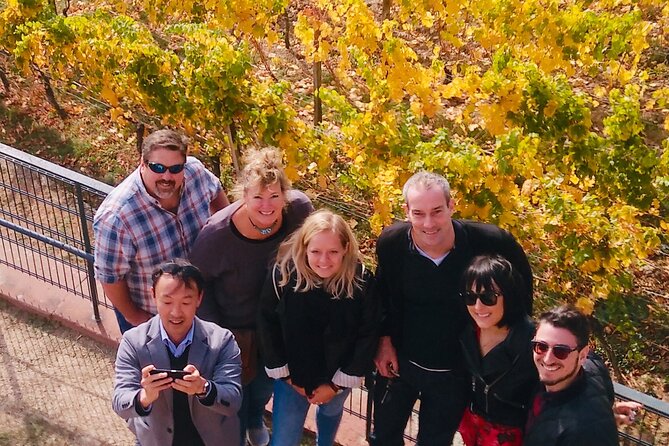
The final stop is a tasting at Weingut Kaufmann, or at a similarly highly rated estate such as Ress. The precise winery can vary, so you should not book this expecting one fixed producer every time.
The tasting includes six wines representing the estate. The flight moves from Riesling to Pinot varieties, giving you a wider look at German wine than a Riesling-only session would provide.
This is a useful final stop because you have already learned the basic regional story. By this point, you can compare the family estate with the wines sampled at the monastery and RheinWeinWelt. You may also have a clearer idea of the styles you prefer.
The stop lasts about 90 minutes. That is enough time for a proper tasting, questions, and conversation without feeling hurried. A family-run winery also gives the day a more personal finish than another large commercial venue would.
The tour description allows for a similar high-quality estate if Kaufmann or Ress is not used. If you have your heart set on one specific winery, confirm before booking.
Jérôme makes the difference
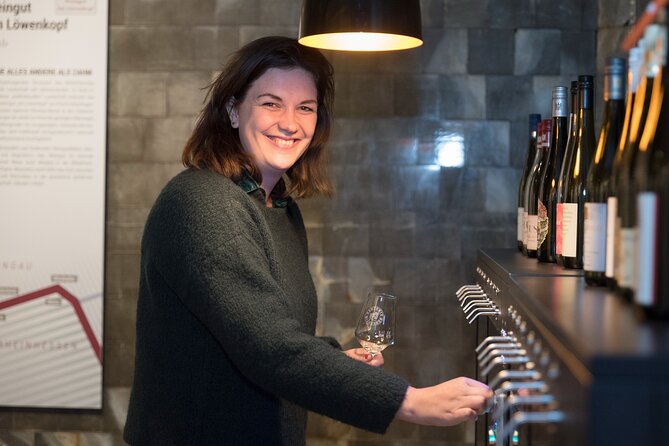
The guide is central to this experience. Jérôme is described as friendly, entertaining, and deeply informed about both German wine and the region. He also contacts you before the tour with meeting instructions, which is helpful when you are arriving by train or unfamiliar with Mainz.
The strongest pattern is his ability to explain without turning the day into a lecture. He blends wine instruction with stories about the monastery, the Rheingau, and the estates you visit. That balance matters. Too much technical detail can make a tasting tiring, while too little leaves you with a pleasant drink but no lasting understanding.
He also pays attention to what you like. If you prefer a particular style, tell him early. The tastings can then become more useful, rather than a fixed procession of wines selected without regard for your palate.
The small group helps here. With no more than seven people, you have room to ask questions and discuss the wines. Several groups have been as small as four, creating something close to a private outing without the full price of booking a private tour.
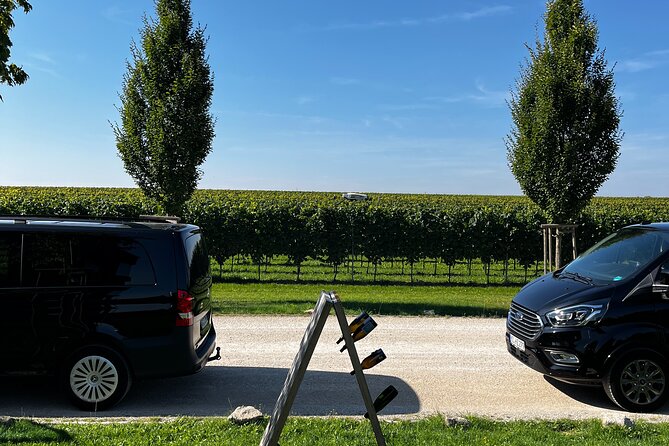
The air-conditioned vehicle is another practical strength. Rheingau sightseeing involves several stops, and comfortable transport makes the connections easier. You are not responsible for driving after tasting wine, which is reason enough for many people to choose a guided tour.
What the $199.55 price really covers
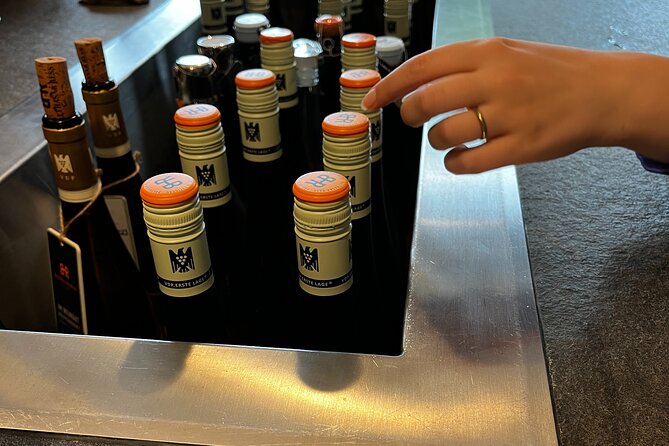
The price is high compared with a single winery visit, but the comparison is not quite fair. You are paying for transport from Mainz and back, a guide for roughly five to six hours, admission fees, the monastery visit, several tastings, and a small-group format capped at seven people.
The tastings are also substantial:
- Four to six wines at Kloster Eberbach
- Five wines at RheinWeinWelt
- Six wines at the final estate
That adds up to roughly 15 to 17 wines, depending on the exact pours. The value improves if you would otherwise need to arrange taxis, trains, winery appointments, and a designated driver.
Lunch is the main extra cost. Since it is not included, you can control the expense by choosing a lighter cheese board or ordering a full cooked meal. I like that flexibility, but you should include lunch in your day’s budget.
The tour is especially good value for wine drinkers who want instruction and regional background. It is less compelling if your main goal is castles, photography, or a relaxed drive through the countryside with only one or two tastings. The wine is the focus, while the historic and scenic elements support it.
Practical details before you book
The experience starts and ends at BottleStops, Binger Schlag, 55122 Mainz. It is near public transportation, and the company provides confirmation when you book.
The tour is for adults age 18 and over. Most people can participate, but you need to manage stairs, steep sections, and uneven ground at the historic sites. Wear shoes with a secure sole. This is not the right choice if walking difficulties make stairs or rough paving uncomfortable.
The tour operates in English. Since the day depends on explanation and conversation, that is useful even if you already know a little about wine.
Free cancellation is available if you cancel at least 24 hours before the start time. Changes or cancellations inside that window are not accepted for a refund. The tour also requires a minimum number of participants, and if that minimum is not reached, you will be offered another date or experience, or a full refund.
It is commonly booked well ahead, with an average booking time of about 49 days. I would reserve early if your Mainz dates are fixed, particularly if you want a specific day during a busy season.
Who will enjoy this Rheingau tour most
I would choose this tour if you want to taste widely but also understand what is in your glass. It suits wine lovers at several levels, including beginners who want a clear introduction to German wine and experienced drinkers who enjoy comparing estates.
It is also a good match for couples, friends, and small groups who prefer conversation over a large coach. The format gives you time to ask about grapes, producers, and regional styles.
You should think twice if you dislike structured tastings or do not drink wine. The day includes many pours, and wine is the main thread from start to finish. Likewise, people with limited mobility may find Kloster Eberbach and the other walking sections difficult.
If you are staying in Frankfurt, the train connection to Mainz makes the tour practical. You will need to reach the Mainz meeting point on time, but you avoid the hassle and risk of driving between wineries after tasting.
Should you book the Rheingau Vineyards Tour?
Yes, if you want an educational wine day with historic places, personal guidance, and enough tasting to make the price worthwhile. The combination of Kloster Eberbach, RheinWeinWelt, Johannisberg Palace views, and a family-run estate gives you a well-rounded look at the Rheingau.
I would be less quick to recommend it to someone seeking a low-cost excursion or a full castle tour. Lunch costs extra, the palace stop may be brief, and the walking can be demanding.
For the right audience, this is a strong choice. The 4.9 rating from 100 reviews and 99 percent recommendation rate fit the experience described: Jérôme’s warm hosting, the comfortable vehicle, the varied wineries, and the monastery visit are the main reasons to book.
FAQ
Where does the Rheingau wine tour start and end?
The tour starts at BottleStops, Binger Schlag, 55122 Mainz, Germany, and returns to the same meeting point.
How long does the experience last?
The tour lasts approximately five to six hours. The listed visits include three hours at Kloster Eberbach, 90 minutes at RheinWeinWelt, and 90 minutes at the final winery, plus driving time.
How many people can join the tour?
The group is limited to a maximum of seven travelers.
Is lunch included in the price?
No. Lunch is an additional expense. At RheinWeinWelt, you can choose a freshly cooked meal or a cheese and charcuterie board.
How many wines will I taste?
The tastings include four to six wines at Kloster Eberbach, five wines at RheinWeinWelt, and six wines at the final estate. The total is approximately 15 to 17 wines.
Is the tour suitable for people with restricted mobility?
The tour is not recommended for people with restricted mobility because it includes steep stairs, uneven pavements, and walking over uneven surfaces. Comfortable shoes are recommended.
Just added around Frankfurt
- Day Trip to Rothenburg from Frankfurt★ 4.6 · 25 reviews
- Rhine Valley: Half Day Tour from Frankfurt★ 3.7 · 66 reviews
- Private Tour with Native English speaking Local★ 4.9 · 60 reviews
- Darmstadt: Mathildenhöhe UNESCO Site Guided Visit★ 4.7 · 124 reviews
- Mainz: Private custom tour with a local guide★ 3.8 · 11 reviews
- Mainz: guided evening tour of the Rhine embankment/old town in German and English★ 4.9 · 38 reviews
- Mainz Highlights, private walking tour★ 4.9 · 15 reviews
- Hohenzollern Castle: Full-Day Tour from Frankfurt★ 4.3 · 11 reviews
Castles and Palaces, compared.
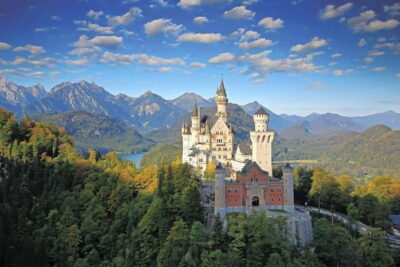
Neuschwanstein & Linderhof Castle-Fairytale Day Tour from Munich
Read our review →
Premium Neuschwanstein Castle and Linderhof VIP Tour from Munich
Read our review →
Browse the lists this tour appears in