
Reviewed · CITY TOURS
Cologne: City Highlights with Local Guide
Cologne reveals itself one street at a time. This two-hour walk links Heumarkt, Fischmarkt, and the cathedral while showing how Roman foundations, medieval trade, religious power, and wartime destruction shaped the city. I like the clear route and the chance to see the main old-town sights without spending half a day on a tour.
I also like the human touch. Guides such as Markus and Angelika bring warmth, humor, and room for questions. The main consideration is language: the tour is offered in German, so it may not suit you if you need an English explanation.
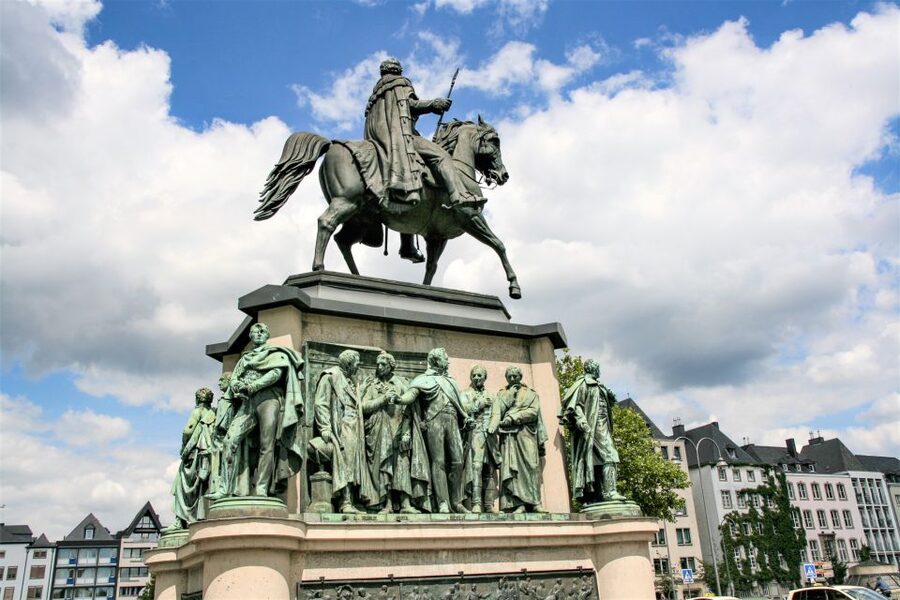
At $16 per person, this is an appealing way to get your bearings in Cologne. Wear good shoes, dress for the weather, and meet at the equestrian monument on Heumarkt. If an event fills the square, use the Heumarkt corner at Gürzenichstraße instead.
In This Review
- Five useful things to know before you go
- Starting at Heumarkt, where modern Cologne meets the old city
- From Roman traces to medieval trade
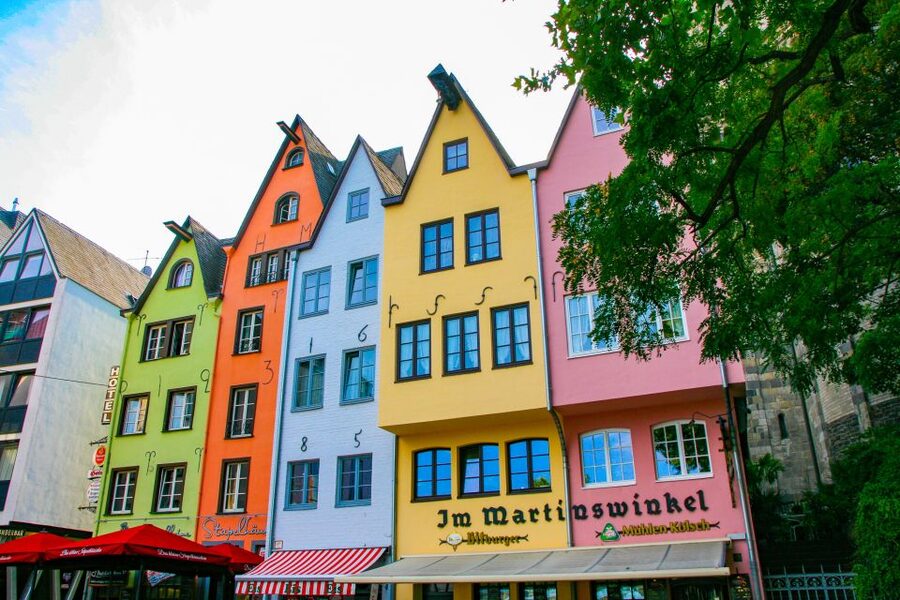
- Fischmarkt and Groß St. Martin, Cologne’s picture-book stretch
- Alter Markt and the historic town hall
- Cologne Cathedral, the grand final focus
- Seeing war damage and Cologne’s postwar rebirth
- Local guides who keep the history lively
- Is two hours enough for Cologne’s old town?
- The $16 price and what you receive
- Who will get the most from this Cologne walk?
- Should you book it?
- FAQ
- How long is the Cologne city highlights tour?
- What is the price per person?
- Where does the tour meet?
- What happens if there is an event on Heumarkt?
- Which language is the tour in?
- What places does the route include?
- Does the tour cover Cologne’s Roman past?
- Does the tour discuss wartime destruction?
- What should I bring?
- Can I cancel the booking?
Five useful things to know before you go
- The route covers Cologne’s historic core: You walk from Heumarkt toward Fischmarkt, Groß St. Martin, Alter Markt, the town hall, and Cologne Cathedral.
- The focus is more than monuments: The guide connects Roman remains, bishops, merchants, craftsmen, monks, French influence, and postwar rebuilding.
- German is the tour language: The guide is live and local, but no other language is listed.
- Expect a brisk two hours: The walk is long enough for a solid introduction, but not so long that it takes over your day.
- The guiding style matters: Markus is praised for his history knowledge and open answers, while Angelika is described as friendly and funny.
- The price is easy to justify: At $16, you get a local guide and a useful first look at Cologne’s old town.
Starting at Heumarkt, where modern Cologne meets the old city
Heumarkt is a practical starting point because it puts you right in the center of Cologne’s old town. The equestrian monument gives you a clear landmark, though a crowded square or public event can change the exact meeting spot. In that case, head to the corner of Heumarkt and Gürzenichstraße.
The first value of the tour is orientation. Cologne’s center can seem like a collection of churches, squares, narrow lanes, and grand civic buildings. A guide gives those places an order. You begin to see how the city grew from Roman roots into a medieval trading center and later rebuilt itself after war.
The walk also introduces Cologne’s local character. The experience is not only a parade of dates and stonework. It includes the city’s cheerful, open-minded attitude and its particular way of welcoming people from outside Cologne. That human angle helps prevent the old town from feeling like an outdoor museum.
Heumarkt is also a good place to think about scale. Cologne is a large German city, but the historic center can be covered well on foot. In two hours, you get a compact look at the part most first-time visitors want to understand.
More City Tours in Cologne
- Cologne: Panoramic City Cruise
★ 4.3 · 5,698 reviews - Cologne City Tour Experience cathedral city on the Rhine
★ 5.0 · 852 reviews - Cologne: The Dark Side of the City Walking Tour
★ 4.8 · 142 reviews
From Roman traces to medieval trade
Cologne has around 2,000 years of history, and the tour uses that long timeline as its main thread. You hear about the Romans, French influence, monks, bishops, powerful medieval merchants, craftsmen, and the city’s later recovery from wartime destruction.
That range is useful because Cologne’s story is not just religious. The cathedral may dominate the skyline, but the city grew through commerce and skilled work as much as through church power. Merchants shaped the old town. Craftsmen gave it daily life. Bishops and monks shaped its religious identity. Roman foundations point to an even earlier beginning.
You should expect the guide to explain these layers as you move through the streets rather than stop for a long lecture in one place. That keeps the walk moving and lets the setting do some of the teaching.
The Roman material may interest history fans most, but it also gives casual visitors a way to understand why Cologne matters. You are not looking at an isolated medieval quarter. You are walking through a city that changed hands, changed purpose, and changed appearance many times.
Fischmarkt and Groß St. Martin, Cologne’s picture-book stretch
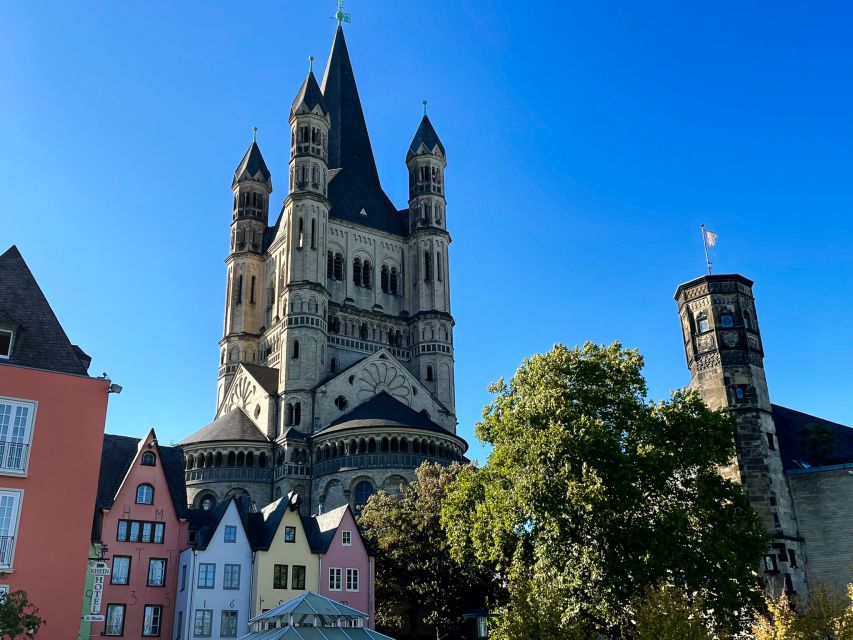
The route continues to Fischmarkt, one of the most recognizable parts of the old town. Its location near the Rhine and its collection of historic buildings make it a natural place to pause and look closely at Cologne’s architecture.
From there, the walk passes Groß St. Martin. The church is one of the key visual markers of the old town, with a form that gives the area much of its character. The guide helps you place the church within Cologne’s religious and civic story instead of treating it as a photogenic stop with no context.
This part of the route is especially useful if you want the classic Cologne experience without wandering at random. You see the church, the old streets, and the relationship between the riverfront area and the inner town.
Keep your expectations realistic. A two-hour walking tour cannot provide a full architectural study of every building. You get the main story and the important landmarks, not an exhaustive catalog. That is a fair trade for a short introduction, especially if you want time afterward to explore on your own.
Alter Markt and the historic town hall
Alter Markt brings the tour into one of the old town’s central civic spaces. Here, the emphasis shifts from churches and riverfront views to public life, government, trade, and the people who governed Cologne.
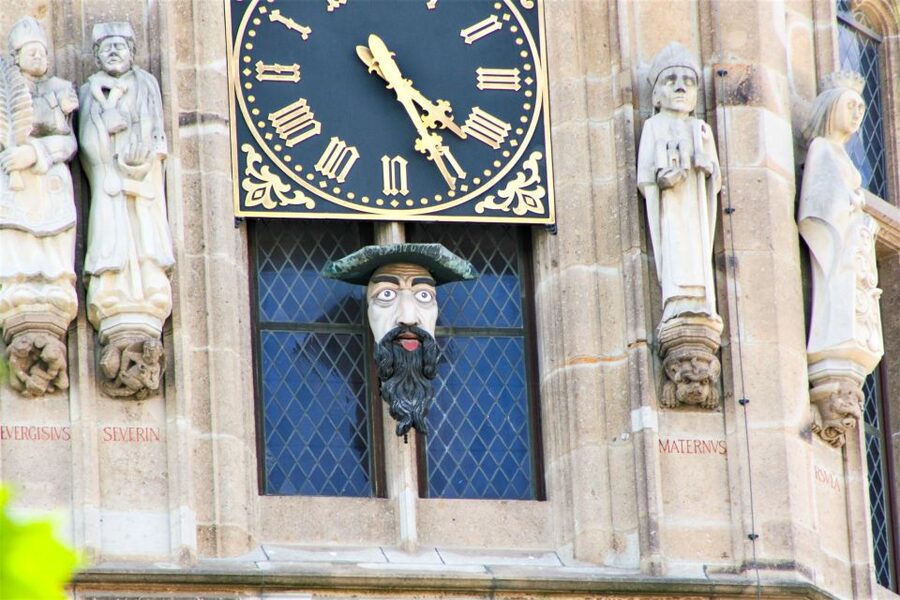
The historic town hall adds another layer to the walk. It represents the city’s civic power and helps balance the strong focus on Cologne Cathedral. The story is not only about bishops and religious authority. It is also about merchants, local government, skilled workers, and the practical business of running a major city.
I like this part of the route because it gives you a better sense of how medieval Cologne worked. You can connect grand buildings to ordinary city life: markets, trades, administration, and the movement of people through public squares.
The narrow streets around Alter Markt also show why a guide can be useful. Without explanation, you may notice the architecture but miss the reason the streets developed as they did. The guide can point out traces of earlier eras and explain how later rebuilding changed the appearance of the old town.
Still Cologne, at a slower pace:
- Cologne: Brewery Tour with 3 Kölsch Beer Tastings
★ 4.7 · 3,108 reviews - Cologne: Top Sights Rhine River Cruise – Skyline Tour
★ 4.4 · 3,030 reviews - Cologne: Chocolate Museum Entrance Ticket
★ 4.4 · 2,790 reviews - Cologne: 24h Hop-On Hop-Off Sightseeing Bus Ticket
★ 4.3 · 2,735 reviews
Cologne Cathedral, the grand final focus
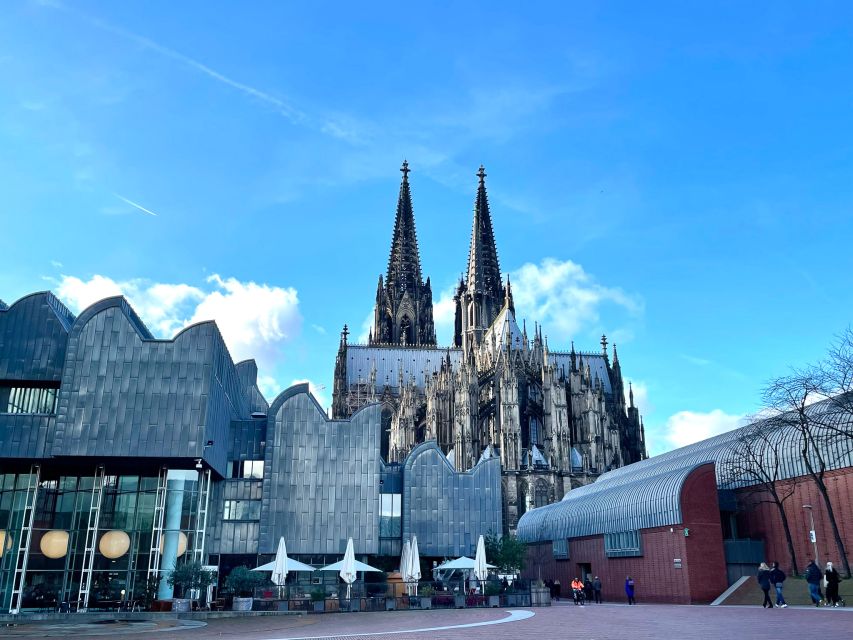
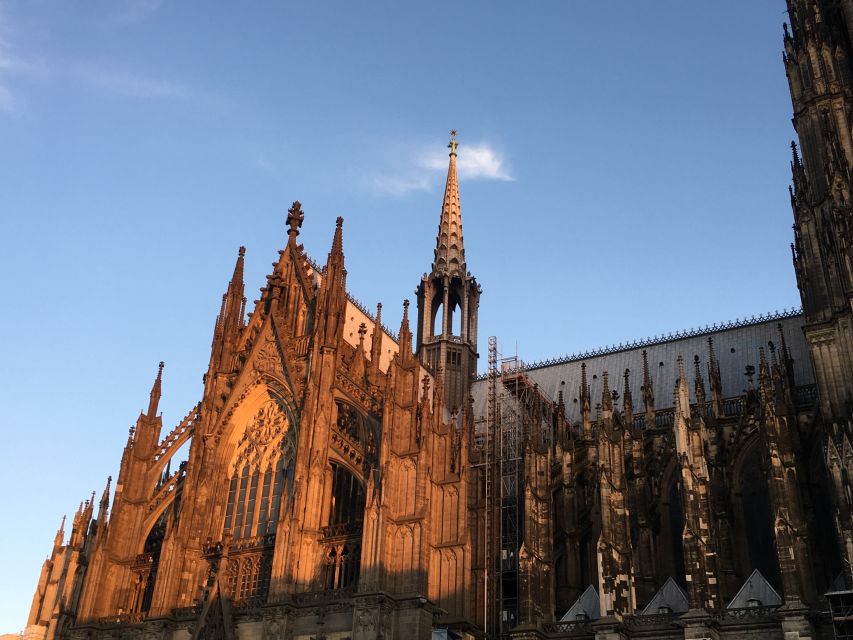
The cathedral is the visual high point of the walk. The route explains its architecture and history, placing it within the story of Cologne rather than presenting it as an isolated landmark.
You should expect to learn why the cathedral carries such weight in the city’s identity. Its scale and decoration are impressive, but the tour also connects it to the power of bishops and the importance of Cologne as a religious center. That context makes the building easier to read.
The cathedral area can be busy, so pay attention to the guide and stay aware of the group. The supplied information does not promise an interior visit or a tower climb. You should treat the cathedral portion as an exterior history and architecture stop unless the guide tells you otherwise.
That distinction matters. If you want a detailed indoor cathedral tour, this short walk may not be enough by itself. If you want a useful explanation before exploring the cathedral independently, it fits the bill well.
Seeing war damage and Cologne’s postwar rebirth
One of the strongest parts of the subject matter is the inclusion of wartime destruction and rebuilding. Cologne’s old town is not simply an untouched medieval quarter. Much of what you see reflects both survival and reconstruction.
This helps you look at the architecture with sharper eyes. Some buildings may appear old while representing careful rebuilding or later interpretation. A guide can explain how Cologne dealt with the damage and how the city restored its historic center.
That story adds emotional weight without turning the walk into a solemn memorial tour. You learn that historic cities are often edited by disaster, politics, money, and changing taste. Cologne’s identity comes from what survived, what vanished, and what was rebuilt.
For me, this is a major reason to choose a guided walk rather than rely only on photographs. A photograph can show a facade. A local guide can explain what the facade means in the city’s longer story.
Local guides who keep the history lively
The guide can make or break a short city walk. Here, the personal feedback is particularly encouraging. Markus is praised for his strong command of the subject, his clear passion for history, and his willingness to answer questions beyond the immediate theme.
That last point matters. You may arrive with a question about Cologne that does not fit neatly into the route. A guide who can respond thoughtfully makes the experience feel like a conversation rather than a memorized speech.
Angelika is described as friendly, funny, and informative. Her style may suit you if you prefer history delivered with a light touch. The tour also aims to introduce Cologne’s cheerful and open local mentality, so warmth is part of the experience, not a side benefit.
The language remains the biggest practical limit. The tour is listed in German, and no English option is provided. If you understand German comfortably, this is a useful chance to hear local history from a local guide. If you do not, you may miss the main value of the walk.
Is two hours enough for Cologne’s old town?
Two hours is a sensible length for this route. You have enough time to connect several major sights, but the walk should still leave room for a cathedral visit, a meal, a museum, or independent wandering afterward.
A shorter walk might only point out the cathedral and a few nearby buildings. A much longer tour could become tiring, especially if the weather turns poor. This format gives you a structured introduction without asking you to commit an entire morning or afternoon.
The tradeoff is depth. You will not cover every district of Cologne or explore each landmark in detail. The route stays focused on the historic center, which is exactly what most people need on a first visit.
Comfortable shoes are important. The old town route includes streets and squares rather than a single paved viewing platform, and weather-appropriate clothing will make a real difference. The meeting point is outdoors, so do not arrive dressed only for an indoor attraction.
The $16 price and what you receive
At $16 per person, the tour offers good value if you want context, direction, and local interpretation. You receive an experienced local guide for two hours, with the route covering several of Cologne’s most important historic places.
The value is strongest for first-time visitors. You can spend the rest of your day returning to places that caught your attention instead of using valuable sightseeing time trying to work out the old town’s story on your own.
It is also a reasonable choice for people who enjoy history but do not want an expensive private tour. The price keeps the commitment low, and free cancellation up to 24 hours before the start gives you some flexibility. You can also reserve now and pay later, which helps if your plans are still shifting.
Still, price should not be the only factor. Since the tour is in German, the $16 is worthwhile mainly if you can follow German well enough to understand the explanations and ask questions.
Who will get the most from this Cologne walk?
I would recommend this experience to you if you want a quick, structured introduction to the old town. It suits first-time visitors, history fans, and anyone who prefers local explanation to reading a guidebook while walking.
It also works well for a short stay. The route covers Heumarkt, Fischmarkt, Groß St. Martin, Alter Markt, the town hall, and the cathedral without taking up your whole day.
You may want to skip it if you need an English-language tour, a deep interior visit to the cathedral, or a specialized focus on art, food, Roman archaeology, or wartime history. The walk touches many subjects, but its strength is the broad city story.
The high rating of 4.8 from 237 reviews supports the idea that the format works well for many people. The most praised qualities are the informative content, friendly guiding, humor, and strong value. Markus and Angelika are useful examples of the kind of personal approach you may encounter.
Should you book it?
Book this walk if you want Cologne’s main historic sights explained in a friendly two-hour route, and you are comfortable with German. The price is modest, the subject range is broad, and the path gives you a sound base for exploring the cathedral and old town afterward.
Skip it if you need English commentary or want a detailed cathedral interior tour. For German-speaking visitors, though, this is a practical and good-value first look at Cologne’s Roman roots, medieval power, local personality, wartime losses, and rebuilt old town.
FAQ
How long is the Cologne city highlights tour?
The tour lasts two hours.
What is the price per person?
The listed price is $16 per person.
Where does the tour meet?
Meet at the equestrian monument on Heumarkt.
What happens if there is an event on Heumarkt?
If an event takes over the square, meet at Heumarkt at the corner of Gürzenichstraße.
Which language is the tour in?
The tour is conducted in German by a live guide.
What places does the route include?
The route goes from Heumarkt to Fischmarkt, past Groß St. Martin, Alter Markt, the historic town hall, and the area around Cologne Cathedral.
Does the tour cover Cologne’s Roman past?
Yes. The tour discusses Roman traces along with Cologne’s later medieval and modern history.
Does the tour discuss wartime destruction?
Yes. The tour includes the destruction of war and how Cologne was rebuilt afterward.
What should I bring?
Bring comfortable shoes and clothing suited to the weather.
Can I cancel the booking?
You can cancel up to 24 hours in advance for a full refund. You can also reserve now and pay later.
Just added around Cologne
- The rather unknown Melaten★ 4.9 · 26 reviews
- Rickshaw Glühwein Ride★ 4.6 · 24 reviews
- Public brewhouse tour Cologne in English★ 4.9 · 154 reviews
- Informative and fun brewery tour in German, public★ 4.9 · 47 reviews
- Private photoshoot in Cologne★ 5.0 · 5 reviews
- Cologne: Old City Guided Walking Tour★ 4.9 · 63 reviews
- Cologne-Nippes: Gourmet wine tasting with cheese platter★ 4.6 · 26 reviews
- Cologne-Nippes: wine hopping (wine trip)★ 4.9 · 7 reviews
City Tours, compared.
1-Hour City Tour by Boat with Guaranteed Seating
Read our review →
City History Canal Sightseeing Tour on a Motorboat
Read our review →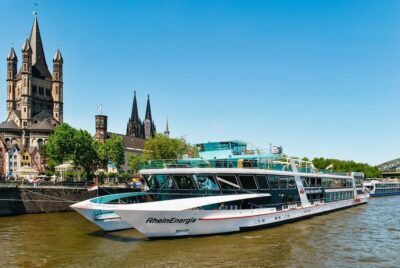
Browse the lists this tour appears in