
Reviewed · MUSEUMS
Cologne: Chocolate Museum Entrance Ticket
Chocolate makes a fine tour guide. Cologne’s Chocolate Museum turns a sweet treat into a lively lesson in cocoa, trade, culture, and modern production. I like the working glass factory and the way the route moves from cocoa trees to finished pralines. I also like the generous tastings, including chocolate from the museum’s three-meter fountain. The main drawback is that busy days can mean queues, warm production rooms, and too few toilets.
You can spend about one to two hours here, or stretch the visit beyond two and a half hours if you read every panel, stop at the café, and make a custom bar. The museum suits families especially well, though adults who prefer quiet art museums may find the sampling stations and machinery more appealing than the text-heavy displays.
In This Review
- Key things to know before you go
- Why Cologne’s chocolate museum works so well
- Begin with a cocoa tree in the tropical house
- Follow cocoa through 5,000 years of culture
- Watch the glass factory turn beans into chocolate
- Save room for the three-meter chocolate fountain
- The café is more than an afterthought
- Make your own bar for a more hands-on visit
- Browse the shop, but compare prices
- How long should you plan?
- What the $19 ticket is worth
- Who will enjoy this most?
- Should you book the Cologne Chocolate Museum?
- FAQ
- How much does the Cologne Chocolate Museum ticket cost?
- How long is the ticket valid?
- Is a guided tour included?
- Where do I enter the museum?
- Can I cancel the ticket?
- Can I reserve now and pay later?
- Is the museum wheelchair accessible?
- What time should I arrive?
Key things to know before you go
- The visit starts in a tropical house: You see cocoa trees growing in a warm, glass-covered setting before learning how their beans become chocolate.
- The route covers 5,000 years: Displays trace chocolate from pre-Columbian Central America through Baroque-era Europe and industrial production.
- The factory is the star: Glass walls let you watch roasting, mixing, molding, and other steps in the making of chocolate products.
- Tasting is part of the fun: Small chocolates appear along the route, with a wafer dipped at the large chocolate fountain.
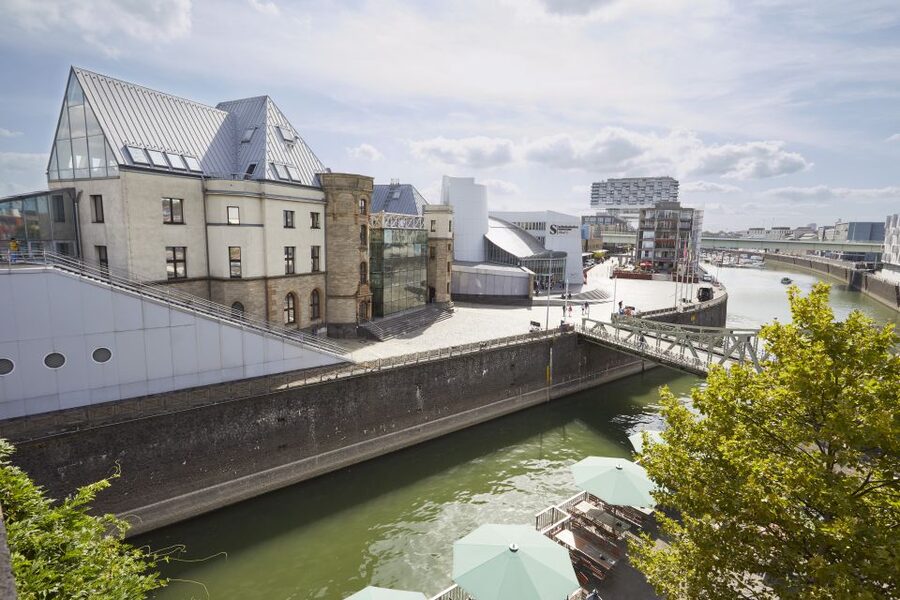
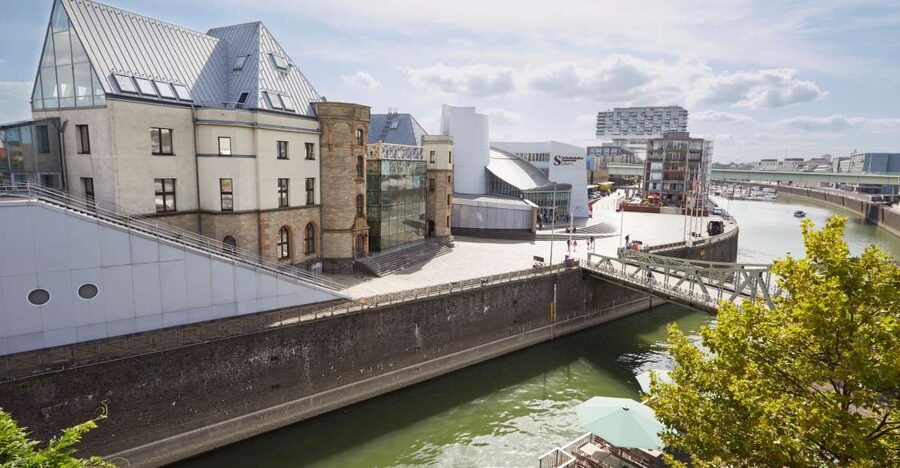
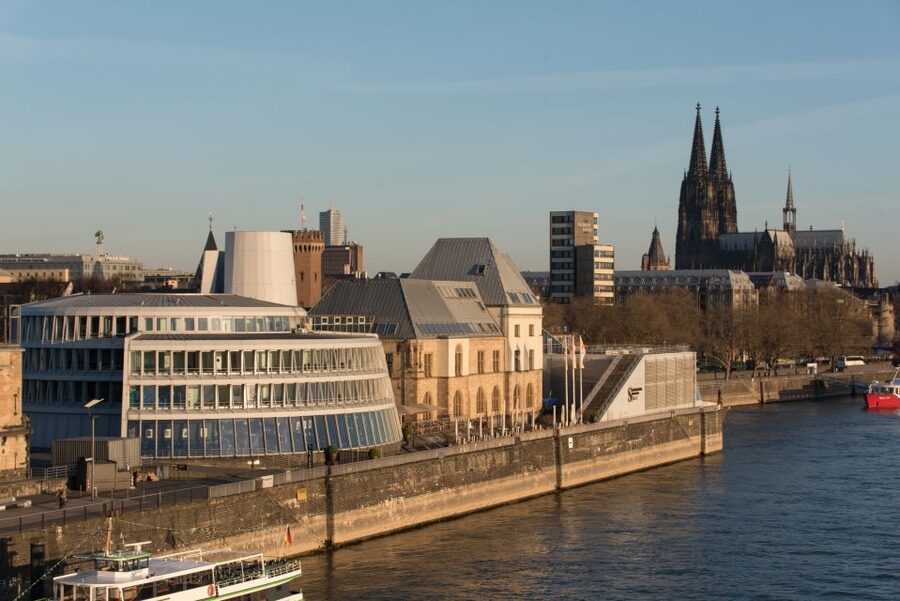
- The Rhine location adds appeal: The museum sits beside the river, making it a useful stop during a walk through Cologne.
- Plan your timing carefully: Last entry is one hour before closing, and production areas shut about 30 minutes before the museum.
Why Cologne’s chocolate museum works so well
The museum is not just a shop with a few historical panels attached. It gives you a clear story: cocoa grows in a tropical climate, ancient cultures used it in particular ways, European tastes changed it, and factories turned it into the chocolate products you know today.
That order matters. You see the raw plant before you meet the finished sweet. By the time you reach the machines, the process makes sense rather than looking like a row of anonymous equipment.
I particularly like the mix of subjects. You get natural history, Central American cultures, European decorative arts, industrial technology, and food production in one visit. The museum’s collection includes porcelain and silver from the Baroque period, along with old machinery from industrialisation. It is an unusual combination, but it helps explain how chocolate moved from a special drink and luxury product into mass-market food.
The exhibits are self-guided. Your ticket includes an information booklet, but not a guided tour. That gives you control over the pace. You can move quickly with children, or pause over the sections on cocoa farming, trade, and production.
A few more Cologne trips worth comparing
- Cologne: 24h Hop-On Hop-Off Sightseeing Bus Ticket
★ 4.3 · 2,735 reviews - Cologne: IceBar Entry Ticket with Drinks
★ 3.3 · 770 reviews - Pub Crawl Cologne Including Admission Fee for Bars and Shots
★ 3.8 · 636 reviews
Begin with a cocoa tree in the tropical house
The first major stop is a walk-in tropical house. This is one of the museum’s most effective choices because it gives you a physical sense of where chocolate begins.
You see real cocoa trees and receive natural history information about the plant and its growing conditions. The warm environment also prepares you for an important fact: chocolate starts with an agricultural product, not a factory machine or a candy wrapper.
The tropical house is a highlight for children. A real tree is easier to remember than a paragraph about cultivation. It also gives the museum a change of pace early in the visit, before you reach the more traditional displays.
The warmth can be a drawback on hot days. One visitor found the museum uncomfortably warm and left sooner than planned. If you are sensitive to heat, go early and allow yourself time to pause in cooler areas when possible.
Follow cocoa through 5,000 years of culture
The historical sections take you far beyond the familiar story of chocolate bars. You learn about cocoa in pre-Columbian Central America, where cacao had cultural and economic importance long before European industrial production.
This section gives needed context. Chocolate did not begin as a modern dessert. Its early use, preparation, and meaning were tied to the societies that grew and valued cacao. The displays help you see chocolate as part of human history and trade, not only as a sugary snack.
The route then moves into European development. The porcelain and silver collection from the Baroque period shows how chocolate became linked with ceremony, status, and refined tableware. I like this section because it makes the social side of chocolate visible. A cup, serving vessel, or decorative object can tell you who was drinking chocolate and how special it once was.
You will find plenty to read. Some people move through in about an hour, while careful readers can spend two hours or more. Families may want to choose a few sections rather than attempt every panel. The museum remains enjoyable when you treat it as a flexible route rather than a test of endurance.
Watch the glass factory turn beans into chocolate
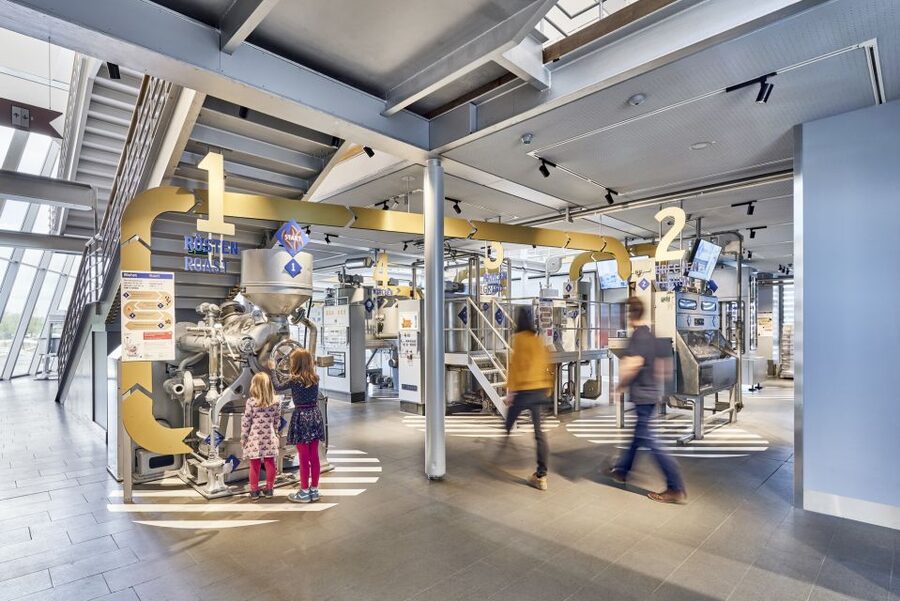
The modern production area is the museum’s strongest feature. A large glass factory lets you watch chocolate being made in front of you instead of viewing only static displays.
You can follow the process from cocoa bean to finished product, including stages such as roasting, mixing, and molding. The machines show the scale and precision of industrial production, while staff and chocolatiers demonstrate how individual products are finished.
This is where the museum becomes especially useful for children and curious adults. You can point to the equipment and connect it to the earlier displays. Cocoa is no longer an abstract crop, and chocolate is no longer simply something bought in a shop.
The machinery also gives the visit a sense of movement. Visitors have praised the production line, the small factory, and the chance to watch chocolate come fresh off the line. If you have limited time, give this area priority.
Production facilities close about 30 minutes before the museum itself. Do not arrive near closing and expect to see every machine operating. Last entry is one hour before closing, so check the day’s hours and arrive with a reasonable cushion.
More Museums in Cologne:
- Cologne: Ticket for the German Sport & Olympia Museum
★ 4.5 · 84 reviews - Cologne: HOUSE OF BATES // CONTENT GALLERY
★ 4.7 · 46 reviews - Berlin: Jewish Museum Berlin Entrance Ticket
★ 4.5 · 8,393 reviews - Berlin: DDR Museum Tickets
★ 4.3 · 3,443 reviews
Save room for the three-meter chocolate fountain
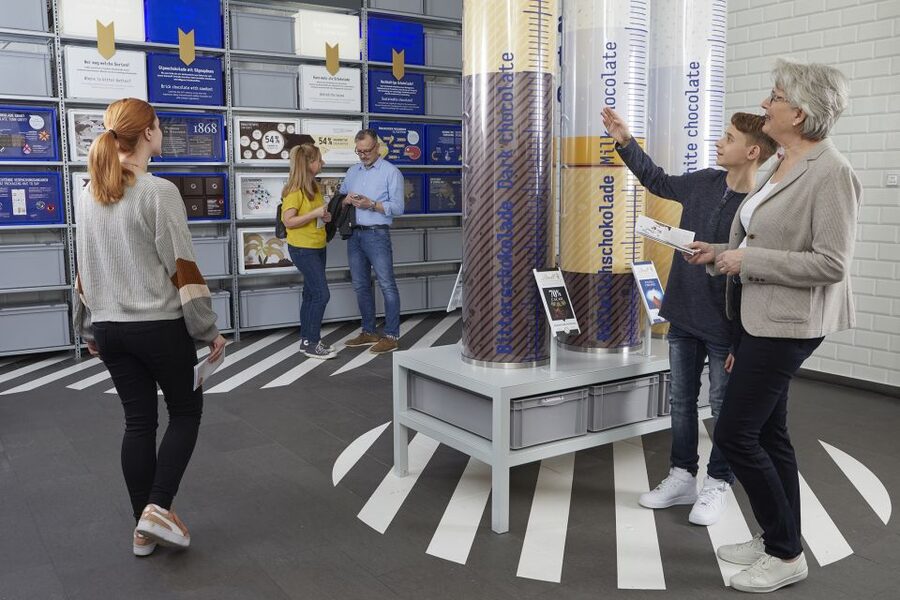
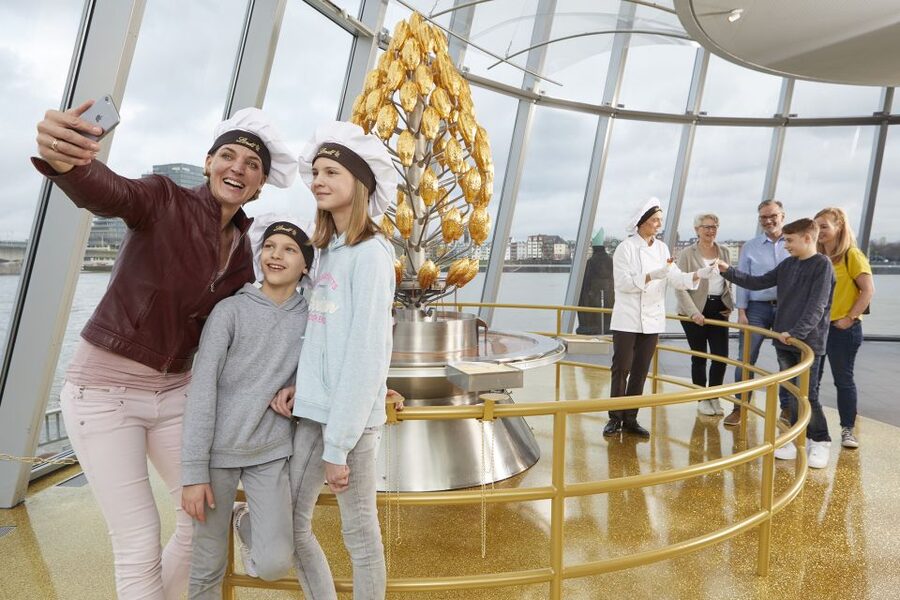
The fountain is the museum’s most memorable photo opportunity and one of its tastiest stops. About 200 kilograms of chocolate bubble continuously through a three-meter-high fountain.
A staff member provides chocolate for tasting, and dipping is encouraged. The wafer coated at the fountain receives especially strong praise, so take the small sample seriously. It may be small, but it is a perfectly timed reward after the historical displays.
Small chocolate samples are also given along the route. The exact number can vary by account, but one visitor counted six pieces. Other visitors wanted more, so I would treat the tastings as a pleasant part of admission rather than a meal.
If you are visiting with children, the fountain gives you a natural halfway point. If you have dietary concerns, the supplied information does not specify ingredients or allergy arrangements, so ask museum staff before tasting.
The café is more than an afterthought
The café deserves its own time. It is not merely a place to buy a quick coffee while someone else finishes the exhibits.
Chocolate cake, waffles, fondue, soufflé, espresso, coffee, and hot chocolate all receive warm praise. The portions can be substantial. One visitor specifically warned that the waffles are large, especially if you also order a fondue for two.
I like the café as a sensible ending because it lets you sit down after the self-guided route and continue the theme without rushing. Prices are described as reasonable by several visitors, and the food and service receive particularly good comments.
You do not need to eat there to enjoy the museum, but it adds value if you have time. Build in a little extra time rather than treating the café as an emergency stop.
Make your own bar for a more hands-on visit
The basic ticket covers museum admission, but creating your own chocolate bar costs extra. For families and teenagers, this can be worth adding if the activity is available during your visit.
You choose a personal recipe, and the museum makes the bar while you watch. It turns the production lesson into something you can take away. Children often enjoy seeing their own idea pass through the same kind of process demonstrated in the factory.
This is not essential to understand the museum. If you are keeping costs down, the displays, machines, fountain, and tastings already fill the visit. If you want a souvenir with a personal touch, the custom bar is more memorable than another packaged box.
Browse the shop, but compare prices
The museum shop offers plenty of gift possibilities. It is easy to find something for friends and family, especially if you want a Cologne souvenir that is lighter and simpler than a traditional craft item.
The shop is part of the pleasure for many people, but prices deserve a quick check. One visitor felt that Lindt products cost more there than at home. I would browse freely, then compare familiar products before buying a large quantity.
A custom chocolate bar can be a better choice if you want something connected to the museum itself. Otherwise, set a budget before entering. Chocolate shops have a way of turning a small admission-day purchase into a large bag.
How long should you plan?
The official ticket is valid for one day, but most people will not need the entire day inside. A brisk visit can take around one to one and a half hours. Two hours is more comfortable if you read the displays and watch the factory.
Allow at least two and a half hours if you are traveling with children, stopping for samples, making a custom bar, eating in the café, and visiting the shop. The Rhine setting also makes the museum easy to pair with a walk along the river and through Cologne.
Going near opening time is a smart move. The museum can become much busier later, particularly on weekends. An online ticket may help you avoid buying at the ticket counter, but it does not always mean walking straight through every queue. On a busy weekend, people with advance tickets may still line up for entry.
The meeting instruction is simple: go to the museum entrance and scan your mobile ticket. One visitor found the meeting point description slightly confusing because it appeared to place the meeting spot outside, while the actual entrance was inside. Look for the museum entrance rather than waiting outdoors for a guide.
What the $19 ticket is worth
At about $19 per person, the admission offers good value if you use the full route. You receive access to the tropical house, cultural and historical displays, Baroque objects, industrial machinery, glass factory, chocolate fountain, and tastings.
The ticket does not include a guided tour. That is important if you expect a staff-led explanation from start to finish. You receive an information booklet and explore independently.
For a family, the value comes from the range of activities. Children can watch machines, see a real cocoa tree, taste chocolate, and possibly make a bar for an additional charge. Adults receive enough cultural and industrial context to avoid feeling that the visit is only a confectionery advertisement.
The admission is less compelling if you plan to rush through in 30 minutes or avoid the café, shop, and production demonstrations. Give the museum enough time to make the price feel worthwhile.
The ticket also offers free cancellation up to 24 hours before the visit and a reserve-now, pay-later option. That flexibility can help if you are arranging a Cologne itinerary around changing weather or train plans.
Who will enjoy this most?
I would recommend the museum to families, couples, food lovers, and anyone looking for an indoor Cologne activity. Teenagers tend to have enough visual and hands-on material to stay interested, especially around the production line and custom-bar station.
It also works well for solo visitors because you can set your own pace. If you love industrial design, the old machines and working factory may be the main reason to go. If you care more about culture, the Central American and Baroque sections provide substance beyond the tasting stations.
The museum is wheelchair accessible, and it also suits pushchairs according to the available details. Children under 12 must be accompanied by a paying adult.
I would be more cautious if you dislike warm rooms, crowded indoor attractions, or displays with a lot of reading. The limited number of toilets is another practical annoyance during a longer family visit.
Should you book the Cologne Chocolate Museum?
Yes, I would book it if you want a flexible, family-friendly museum with real production, generous samples, and a good Rhine location. The best reasons to go are the working factory, cocoa tree, and fountain, not just the gift shop.
Book early in the day when possible, especially on a weekend. Allow two hours for a relaxed visit, add time for the café, and consider the custom bar if you are bringing children or want a distinctive souvenir.
Skip it only if your schedule is packed with Cologne’s major landmarks and you would have to rush. For most visitors, $19 buys a pleasant mixture of food, culture, machinery, and fun, with enough chocolate to justify the name.
FAQ
How much does the Cologne Chocolate Museum ticket cost?
The listed price is $19 per person.
How long is the ticket valid?
The ticket is valid for one day. You should check availability for the operating times on your chosen date.
Is a guided tour included?
No. The ticket includes museum admission and an information booklet, but not a guided tour.
Where do I enter the museum?
Go directly to the museum entrance and scan your mobile ticket.
Can I cancel the ticket?
Yes. You can cancel up to 24 hours in advance for a full refund.
Can I reserve now and pay later?
Yes. The booking option allows you to reserve your spot and pay later.
Is the museum wheelchair accessible?
Yes, the museum is wheelchair accessible.
What time should I arrive?
Last entry is one hour before closing. The production facilities close about 30 minutes before the museum, so arrive early enough to see the factory in operation.
Just added around Cologne
- The rather unknown Melaten★ 4.9 · 26 reviews
- Rickshaw Glühwein Ride★ 4.6 · 24 reviews
- Public brewhouse tour Cologne in English★ 4.9 · 154 reviews
- Informative and fun brewery tour in German, public★ 4.9 · 47 reviews
- Private photoshoot in Cologne★ 5.0 · 5 reviews
- Cologne: Old City Guided Walking Tour★ 4.9 · 63 reviews
- Cologne-Nippes: Gourmet wine tasting with cheese platter★ 4.6 · 26 reviews
- Cologne-Nippes: wine hopping (wine trip)★ 4.9 · 7 reviews
Museums, compared.


Skip-the-Line: Berlin Wall Museum at Checkpoint Charlie
Read our review →
Browse the lists this tour appears in