
Reviewed · BREMEN TOURS
Bremen: Underworld Tour with the Cellar of the Theatre
Bremen has secrets below street level. This two-hour German-language tour links a former synagogue cellar, old prison cells, and the Theater Bremen’s maze of backstage rooms. I like the strong historical range and the chance to see parts of the theater normally closed to the public. I also like that the guide brings real personal interest to Bremen’s past.
The main catch is expectation. Underworld sounds like one vast underground network, but the stops are separate cellars and rooms in different buildings. The synagogue and prison sections may feel modest if you have already seen similar sites, while the theater cellar is likely to be the big payoff.
In This Review
- Key points at a glance
- What this Bremen underworld tour is really like
- Meeting beneath Passage Bischofsnadel
- The former synagogue cellar and Bremen’s difficult past
- The Ostertorwache and the Cells for Impure Women
- The bunker that became an art venue
- The Theater Bremen cellar is the main prize
- Why the stops work better as a group
- The guide makes or breaks the experience
- Is the $18 price good value?
- Who should book this tour?
- Practical advice before you go
- Should you book the Bremen Underworld Tour?
- FAQ
- Where does the tour meet?
- How can I identify the guide?
- How long does the tour last?
- What language is the tour in?
- What is included in the price?
- Is hotel pickup included?
- What historical site connected with Jewish history does the tour visit?
- What is the Ostertorwache?
- What can I see at the Theater Bremen?
- Can the program change?
- Can I cancel for a refund?
- Can I reserve without paying immediately?
Key points at a glance
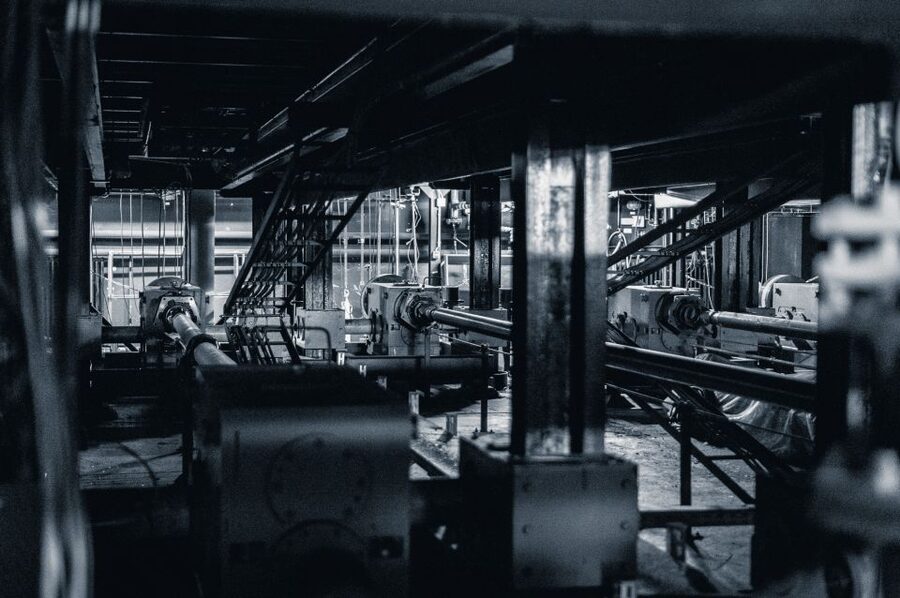
- Theater Bremen’s Kulissenkeller: Explore machine rooms, backstage areas, and twisting corridors beneath the theater.
- A synagogue cellar turned memorial: Visit the remains connected with the synagogue destroyed by the Nazis in 1938.
- Ostertorwache prison cells: See the cramped Cells for Impure Women in Bremen’s former prison.
- A bunker with an artistic afterlife: Hear about a bunker that became an art venue.
- A two-hour historical walk: The tour connects several places in central Bremen, rather than taking you through one continuous tunnel.
- German-language guiding: The guide wears a bag marked with red and white StattReisen Bremen footprints and meets you at Passage Bischofsnadel.
What this Bremen underworld tour is really like
I would treat this as a history tour with underground settings, not as a spooky tunnel adventure. The appeal comes from the stories attached to the rooms: persecution, imprisonment, theater machinery, and the changing uses of old city spaces.
The price is about $18 per person, which is fair for a two-hour guided experience with entry to all the places included in your booked option. You are paying for access and explanation, not just a walk past cellar doors. The guide helps connect sites that could otherwise seem unrelated.
The tour has a rating of 4.2 from 74 reviews, a solid result that fits the experience’s mixed character. The guide quality receives the warmest praise. One recent German-language review describes a guide who clearly spends personal time studying historical subjects and the details around them. That enthusiasm came through in the explanations, which is important here because several stops need context to make sense.
The tour is conducted in German. If you understand German well, you should get much more from the historical detail and the guide’s explanations. If you do not, confirm language arrangements before booking, since the supplied information lists German as the tour language.
A few more Bremen trips worth comparing
- Bremen: Walking Tour in German with Night Guard
★ 4.7 · 2,922 reviews - Bremen: City Center Guided Walking Tour
★ 4.5 · 2,709 reviews - Bremen: Underground Guided Tour
★ 4.1 · 1,408 reviews
Meeting beneath Passage Bischofsnadel
The meeting point is beside the water at Passage Bischofsnadel, between the tunnel and the sculpture Das Ende. Look for the guide carrying a bag with the red and white StattReisen Bremen footprints.
That detail matters in a city center where several passages, bridges, and water channels can make a quick meeting harder than expected. Give yourself a little time to locate the sculpture and waterside position rather than arriving at the last second.
The tour does not include hotel pickup or drop-off. You make your own way to the meeting point and leave from the final stop on your own. Check the starting time for your chosen date, as the schedule is not fixed in the information provided.
The former synagogue cellar and Bremen’s difficult past
One of the most serious stops is the cellar of a former synagogue. The synagogue was burned down by the Nazis in 1938, and the cellar now serves as a memorial site.
Do not expect a complete synagogue interior or a large museum display. The power of the visit comes from being in a surviving part of the building and hearing how that place fits into Bremen’s Jewish history and the destruction carried out during the Nazi period.
This stop can feel quiet and restrained. That is part of its value, but it also means you should not expect a theatrical presentation. The physical space is an old cellar, and the meaning depends heavily on the guide’s explanation.
I would give this section your full attention. The tour places a real memorial within an ordinary part of the city, below the level where daily life continues. That contrast can make the history feel close and concrete without turning it into a spectacle.
Some people may find the stop less visually dramatic than expected. If you have already visited several Holocaust memorial sites or former Jewish buildings, the cellar itself may not feel entirely new. Even so, the local focus gives it a place in a Bremen visit, especially if you want to understand what happened beyond the city’s handsome squares and Hanseatic façades.
The Ostertorwache and the Cells for Impure Women
The next part takes you into the Ostertorwache, an old prison. The tour includes the oppressive cells known as the Cells for Impure Women.
This is a small phrase with a grim weight. The name points to the moral judgments once imposed on women, and the cramped setting helps show how punishment and social control worked inside the old prison.
You should expect narrow, uncomfortable rooms rather than a large prison complex. The atmosphere comes from the scale of the cells and the guide’s account of their use. If you have visited former prisons before, this section may feel familiar. One recent assessment found the early stops, including the prison and synagogue cellar, less exciting for exactly that reason.
That is a fair warning, not a reason to skip the tour. These sites provide the social and historical groundwork for the more unusual theater visit later. I would see the prison as a compact stop that adds another side of Bremen’s past, rather than the main reason to book.
The word oppressive is appropriate here, but do not assume the tour is designed as a horror attraction. The focus is historical. You are looking at old cells and hearing about the people and attitudes connected to them.
Still Bremen, at a slower pace:
- Bremen: 3-Hour Beck’s Brewery Tour
★ 4.6 · 1,091 reviews - Bremen: Walking Tour of Historic Schnoor District
★ 4.8 · 429 reviews - Bremen: Universum Science Center Entrance Ticket
★ 4.6 · 324 reviews - The Dark Side of Bremen: Killers and Criminals
★ 4.4 · 264 reviews
The bunker that became an art venue
The tour also tells the story of a bunker that later became an art venue. The information does not specify the exact bunker name or the full format of this stop, so you should ask the operator shortly before your date if this location is included in your booked option.
This detail gives the tour a useful change of direction. Bremen’s underground spaces are not only places of war, punishment, or mourning. Some have been reused for art and public life. That change in purpose is one of the most interesting ideas running through the experience.
Do not book expecting a long visit inside a bunker unless the operator confirms it. The exact program can change because of organizational constraints. A different location will be offered if a planned site is closed, but the replacement may alter the balance of the tour.
The Theater Bremen cellar is the main prize
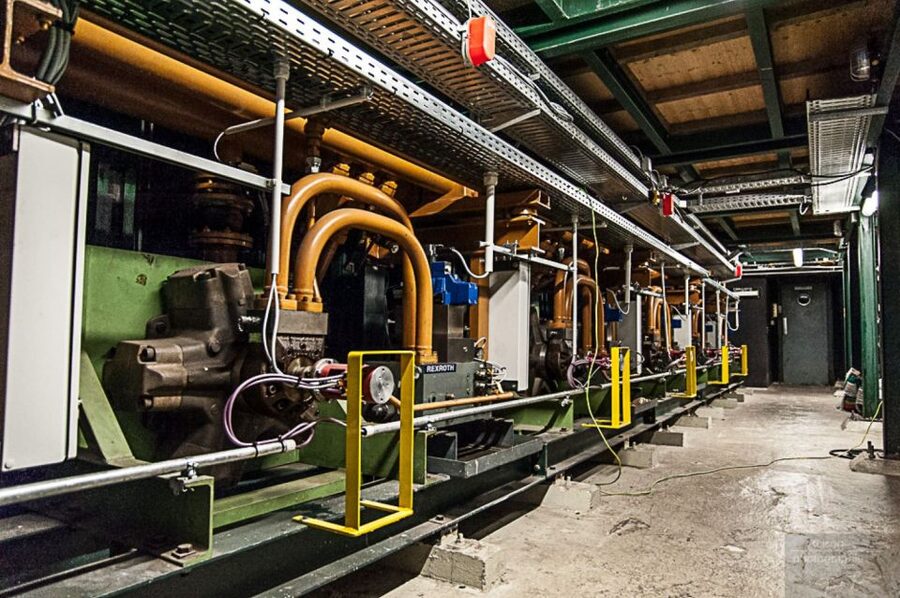
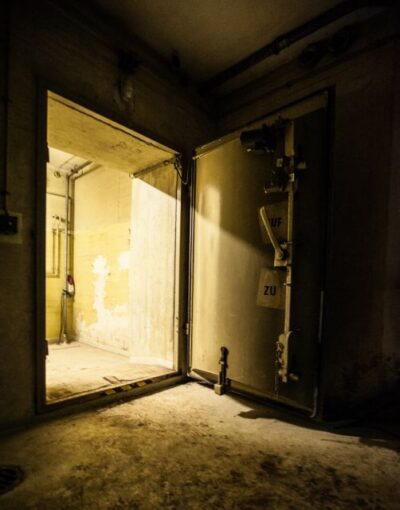
The final theater section is likely to be the highlight. Beneath the Theater Bremen, the large Kulissenkeller contains theatrical machine rooms and labyrinthine corridors connected with stage production.
This is a different kind of underground experience. Instead of looking at a preserved room from the past, you get a sense of the working machinery behind live performance. The cellar is tied to scenery, stage operations, and the complex movement of productions below and behind the stage.
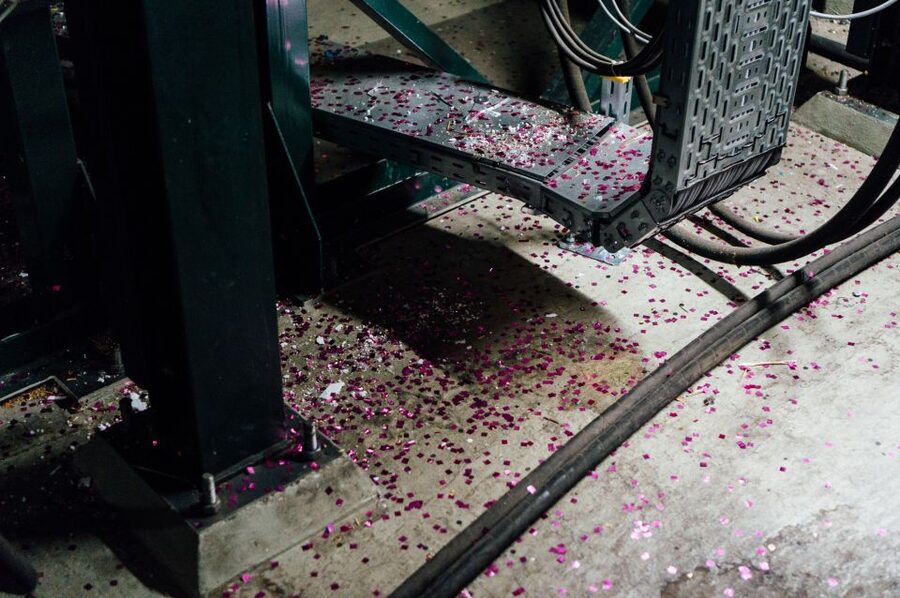
One especially memorable visit took place while stage preparations were under way for an evening premiere. The group could go onto and below the stage and look into the Kulissenkeller as the theater was being prepared. That sort of timing cannot be promised, but it shows why the theater stop can feel more alive than the earlier rooms.
The theater section also rewards curiosity. You may see large service spaces, theatrical equipment, and corridors whose purpose is not obvious at first glance. The point is less about polished decoration and more about discovering how a theater works away from the audience seats.
I like this stop because it gives you access to a part of Bremen’s cultural life that a normal performance ticket does not reveal. You are not only visiting an old building. You are seeing the practical machinery and back rooms that allow the public show to happen.
At the same time, keep your expectations measured. The exact access may depend on theater operations and organizational limits. A production, rehearsal, or closure could change what you see. Ask the tour provider shortly before your visit if the theater cellar is available.
Why the stops work better as a group
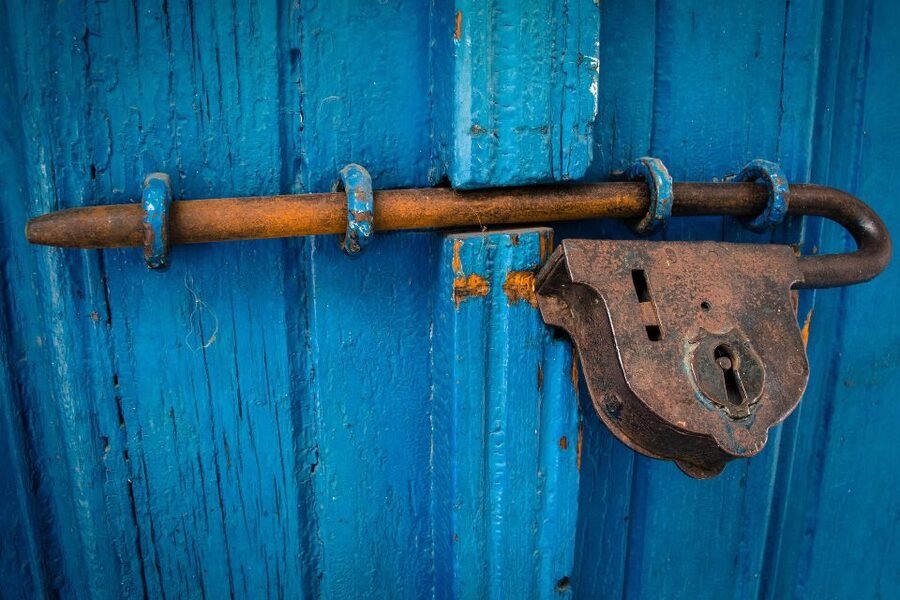
Taken one by one, the cellar and prison stops may seem small. Together, they create a picture of how Bremen has used its underground spaces over time.
The former synagogue cellar brings memory and loss. The Ostertorwache brings confinement and social punishment. The bunker introduces reuse after wartime construction. The theater cellar brings technical work, culture, and the backstage life of the present.
That pattern gives the tour more substance than a simple search for eerie rooms. You move from places shaped by exclusion and violence to a space built around shared public performance. The settings are physically low and enclosed, but the subjects range widely.
This is also why the quality of the guide matters so much. Without clear storytelling, you might see several old cellars and wonder what connects them. With a strong guide, the route becomes a lesson in how the city stores its past beneath ordinary streets.
The guide makes or breaks the experience
The guide speaks German and leads the tour through all included locations. A recent booking described the guide as genuinely committed to the work, with strong personal interest in local history and its surrounding details.
That kind of passion is useful here. The spaces are not all self-explanatory, and the tour depends on the guide to explain what happened in them, why they survived, and how they relate to Bremen.
You should also expect some variation. The program may change because of organizational constraints, and a particular location may be unavailable near your date. The provider says there will always be a good alternative, but an alternative is not necessarily the stop you most wanted.
For that reason, contact StattReisen Bremen shortly before the tour if the theater cellar, synagogue cellar, or another specific location is central to your decision. This is especially sensible if you have limited time in Bremen and cannot easily return for another visit.
Is the $18 price good value?
At $18, the tour offers good value if you appreciate guided history and unusual access. You receive two hours of commentary and entry to the sites visited under your selected option. A self-guided walk could show you the outside of some buildings, but it would not give you the same access to the cellar spaces or the theater’s backstage areas.
The value is strongest when the theater cellar is open and the guide is as engaged as the best recent feedback suggests. That combination gives you a rare look at stage infrastructure plus several serious historical locations.
The value is weaker if you want one dramatic underground complex or a fast-moving list of spectacular rooms. The tour uses separate buildings and different types of cellar. Some stops are visually plain, and the first half may feel slow if prisons and Jewish history are already familiar subjects for you.
Still, the low price makes the risk reasonable. You are not paying for a full-day excursion or a premium performance experience. You are paying for a focused local tour that adds depth to a city center visit.
Who should book this tour?
I would recommend it to you if you enjoy:
- Local history presented at the actual places where it happened
- Memorial sites and difficult subjects handled with care
- Architecture, old prisons, bunkers, and unusual city spaces
- Theater production and backstage workings
- Guided tours in German
- Experiences that fit into a two-hour schedule
Families may also find it worthwhile. One recent booking specifically noted that children enjoyed the tour, likely helped by the mix of cells, corridors, underground rooms, and theater machinery.
I would hesitate if you want an English-language experience, a ghost tour, or a continuous tunnel system. The word underworld can create the wrong picture. You will visit underground rooms in different buildings, not roam through one connected subterranean city.
The tour also suits repeat visitors to Bremen better than a standard first-time sightseeing route. If you still need the main square, cathedral, Town Hall, and Böttcherstraße, handle those first. Then use this tour to see a less polished side of the city.
Practical advice before you go
Wear shoes suitable for old cellar floors and corridors. The supplied information does not list a formal dress code or accessibility details, so ask the operator directly if uneven surfaces, stairs, or confined rooms could affect your visit.
Arrive at Passage Bischofsnadel early enough to identify the meeting point by the water and the sculpture Das Ende. The guide’s red and white StattReisen Bremen footprints bag is the key visual clue.
Keep your schedule flexible after booking. The program can change if a location closes or if theater operations make access impossible. You can cancel up to 24 hours before the tour for a full refund, and the reserve now, pay later option lets you hold a place without paying immediately.
Most important, ask whether the specific locations you care about are available shortly before the tour date. The provider promises a good alternative, but your own priorities may favor the synagogue memorial, the prison cells, or the theater cellar.
Should you book the Bremen Underworld Tour?
Book it if you want a thoughtful look at Bremen’s cellars, prisons, memorial spaces, and theater machinery, and you are comfortable taking the tour in German. The strongest reason is the Theater Bremen’s Kulissenkeller, where backstage corridors and machine rooms reveal how much work happens below the public performance.
The synagogue cellar and Ostertorwache add serious historical weight, though they may feel understated if you have seen similar sites elsewhere. Go in expecting separate underground rooms, not a single dramatic tunnel, and the tour’s $18 price looks sensible.
If the theater cellar is confirmed and the guide is as engaged as recent feedback suggests, I would book. If that stop is unavailable, ask what replaces it before deciding.
FAQ
Where does the tour meet?
Meet at the waterside of Passage Bischofsnadel, between the tunnel and the sculpture Das Ende.
How can I identify the guide?
The guide carries a bag with the red and white StattReisen Bremen footprints.
How long does the tour last?
The tour lasts two hours.
What language is the tour in?
The live guided tour is conducted in German.
What is included in the price?
The price includes the tour guide and access to all places visited, depending on the option you book.
Is hotel pickup included?
No. Pickup and drop-off are not included.
What historical site connected with Jewish history does the tour visit?
The tour visits the cellar of a former synagogue that was destroyed by the Nazis in 1938. The cellar is now a memorial site.
What is the Ostertorwache?
Ostertorwache is an old prison. The tour visits its Cells for Impure Women.
What can I see at the Theater Bremen?
You can explore the theater’s large Kulissenkeller, including theatrical machine rooms and labyrinthine corridors. Access can depend on the theater’s operations.
Can the program change?
Yes. Organizational constraints may require changes. The provider says a good alternative will be available if a location is closed.
Can I cancel for a refund?
You can cancel up to 24 hours in advance for a full refund.
Can I reserve without paying immediately?
Yes. The reserve now and pay later option lets you keep your plans flexible and pay nothing at the time of booking.
Just added around Bremen
- The Dark Side of Bremen: Killers and Criminals★ 4.4 · 264 reviews
- Bremen Tour: Full-Day Canoe Rental on the Wümme River★ 4.8 · 4 reviews
- Bremen: Public Tour of the Town Hall in English★ 4.6 · 207 reviews
- Bremen: Übersee Museum Entrance Ticket★ 4.3 · 59 reviews
- Bremen: Private Walking Tour with a Professional Guide★ 4.2 · 22 reviews
- Bremen Schwachhausen: Crime Mystery Tour★ 3.6 · 4 reviews
- Bremen: Outdoor Escape Game in the Old Town★ 4.4 · 41 reviews
- Bremen: Old Town Tour with Costumed Performer & Tour Guide★ 4.3 · 257 reviews
Bremen Tours, compared.
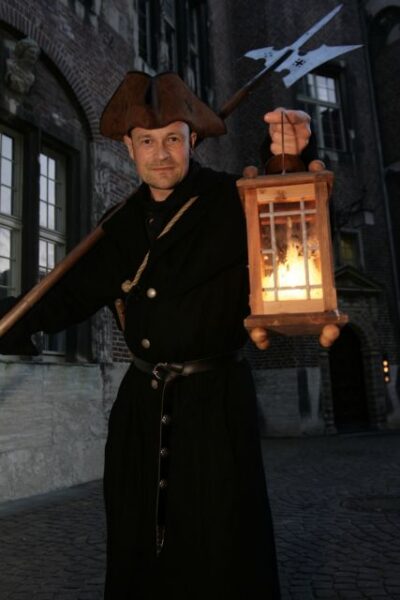



Old Town Tour with Costumed Performer & Tour Guide
Read our review →Browse the lists this tour appears in