
Reviewed · MUSEUMS
Bremen: Übersee Museum Entrance Ticket
One museum, many worlds to explore. Bremen’s Übersee-Museum makes a strong case for spending a full day indoors, especially if you want more than a quick display of objects behind glass. I like its mix of cultures, trade, and nature, and I like that it tackles current issues such as migration and climate change instead of stopping with the past.
The museum is especially good for curious families, first-time visitors to Bremen, and anyone who wants a broad introduction to Africa, Asia, and the Americas. The possible drawback is the sheer range of material: with so many regions and themes, you may need to choose your priorities rather than expect to absorb everything in one pass.
In This Review
- Key things to know before you go
- What the $17 ticket gives you
- Starting with Bremen’s global connections
- Asia after dark and among modern cities
- Africa, from human origins to dramatic animal scenes
- The Americas and the Pre-Columbian golden treasure
- Current issues in What Makes the World Go Round
- Finding the overlooked objects in Übermaxx
- How interactive displays change the visit
- A practical route for your day
- Who will get the most from this museum?
- Should you book the Übersee-Museum?
- FAQ
- How long is the Übersee-Museum ticket valid?
- What is included with admission?
- Is a live tour guide included?
- Can I take photographs inside the museum?
- Is the museum wheelchair accessible?
- Can I cancel my booking?
Key things to know before you go
- A full world tour in Bremen: The galleries cover Asia, Africa, the Americas, nature, trade, belief, migration, and climate change.
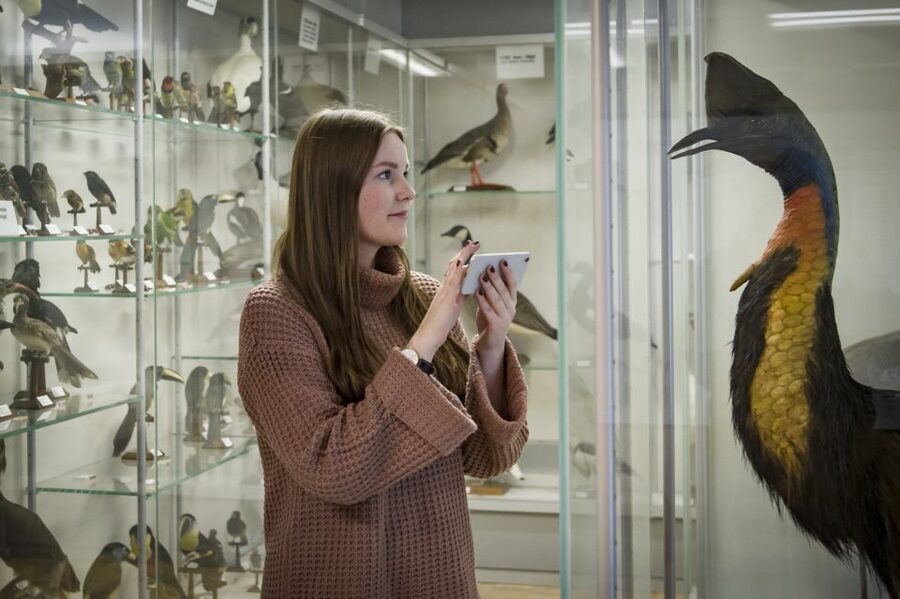
- Strong animal displays: Africa includes carefully staged animal scenes and presentations about the continent’s natural settings.
- Hands-on learning: Interactive stations give you places to pause, try things, and engage with the material beyond reading labels.
- A serious look at colonial history: Germany’s colonial past is included as part of the museum’s wider story about trade and global connections.
- Übermaxx adds a treasure-hunt feel: This exhibit presents objects from across the world and rewards slow, curious looking.
- Good practical value: The $17 ticket includes one day of admission, a media guide, and free Wi-Fi.
What the $17 ticket gives you
Your ticket is valid for one day from first activation. That matters here because the museum is not built around a short, tightly timed route. You can spend time with the main regional galleries, take a break, and return to sections you passed too quickly.
At $17 per person, the value depends on how long you stay. If you rush through in an hour, the ticket feels less attractive. If you give the museum several hours and use the media guide, it becomes a sensible indoor activity in Bremen, particularly on a rainy day or when you want a break from outdoor sightseeing.
The admission also includes free Wi-Fi and a media guide. There is no live tour guide, so the media guide is useful if you want extra context while moving through the displays. Food and drinks are not included, so plan your museum visit around your own meal arrangements.
The booking terms are friendly for uncertain schedules. You can cancel up to 24 hours before the visit for a full refund, and the reserve-now, pay-later option lets you hold a place without paying immediately.
A few more Bremen trips worth comparing
- Bremen: Universum Science Center Entrance Ticket
★ 4.6 · 324 reviews - Dresden: Semperoper Tickets and Guided Tour
★ 4.7 · 12,102 reviews - Berlin: Jewish Museum Berlin Entrance Ticket
★ 4.5 · 8,393 reviews
Starting with Bremen’s global connections
The museum brings together three large subjects: people, trade, and nature. That combination gives the visit a wider frame than a traditional ethnographic museum, where galleries can sometimes feel split into unrelated regional collections.
Here, the goal is to show how human life, commerce, and the natural world affect one another. That makes the museum useful for visitors who want context, not just beautiful objects.
The section on Germany’s colonial history deserves your attention. It places Germany within the wider story of European overseas power and trade. This is not simply a display of exotic goods or faraway cultures. You are asked to consider how objects, ideas, and wealth moved between regions, and how those connections affected the people involved.
I appreciate that this part of the museum appears alongside modern questions. It gives you a chance to connect the past with present-day debates instead of treating colonialism as a closed chapter.
Asia after dark and among modern cities
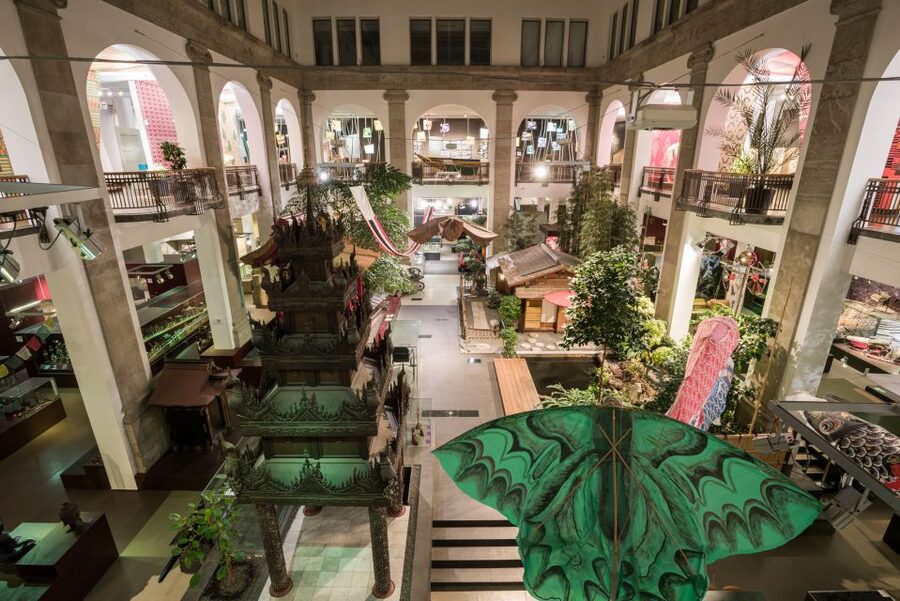
The Asian galleries offer several different ways into the region. One particularly memorable concept is an Asian rainforest shown by night. That change in lighting and mood can make the setting feel very different from a standard daytime display, and it gives the natural world a clear place within the cultural galleries.
You also encounter large cities and the forces that shape modern urban life. The focus is not only on old traditions. The museum places ancient, spiritual, traditional, and modern subjects next to one another, helping you see Asia as a living region rather than a collection of frozen customs.
Look for the interactive stations as you go. They are useful if you need a pause from reading, and they give children a practical way to stay involved. Adults may appreciate them too, since the displays encourage you to test an idea or examine a subject from another angle.
The Asia section may be one of the museum’s broadest areas, so it rewards selectivity. You might choose to focus on the rainforest, city life, spiritual traditions, or trade rather than trying to remember every object.
Africa, from human origins to dramatic animal scenes
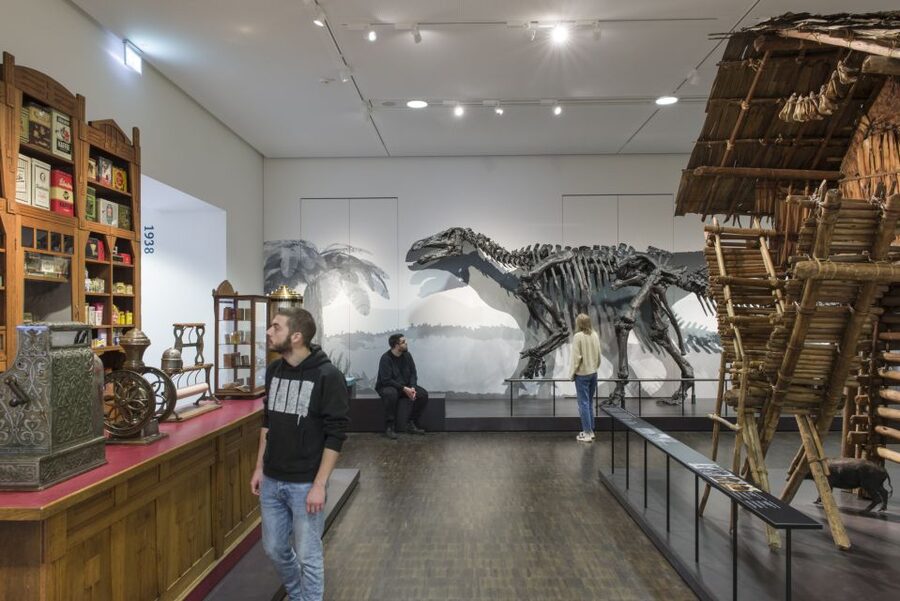
The Africa section moves between human history, ancient Egypt, traditional life, and the continent’s wildlife. The presentation includes the cradle of mankind, which gives the gallery a strong starting point for thinking about human origins and development.
Ancient Egypt provides another recognizable point of entry. It can be familiar territory, but the museum places it within a broader African setting instead of allowing Egypt to represent the entire continent.
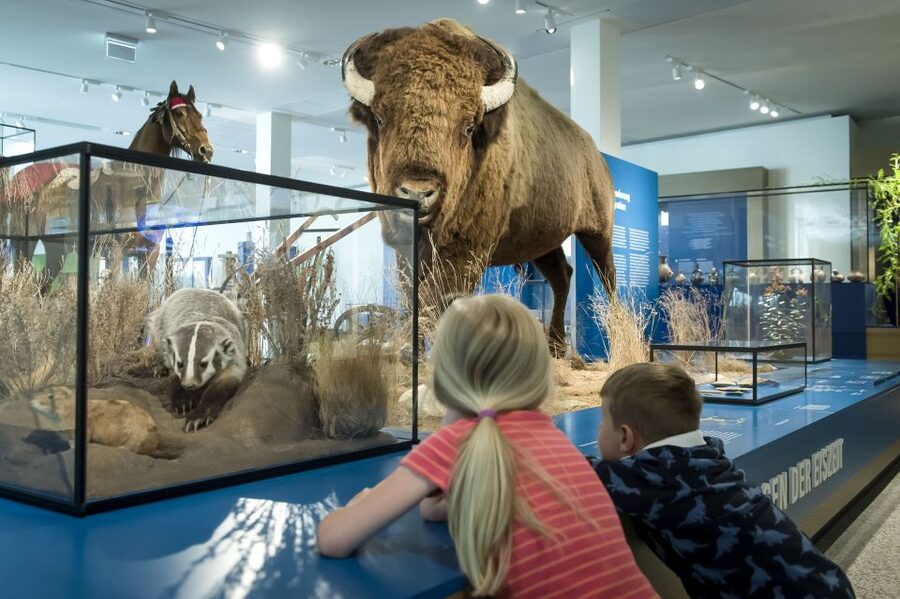
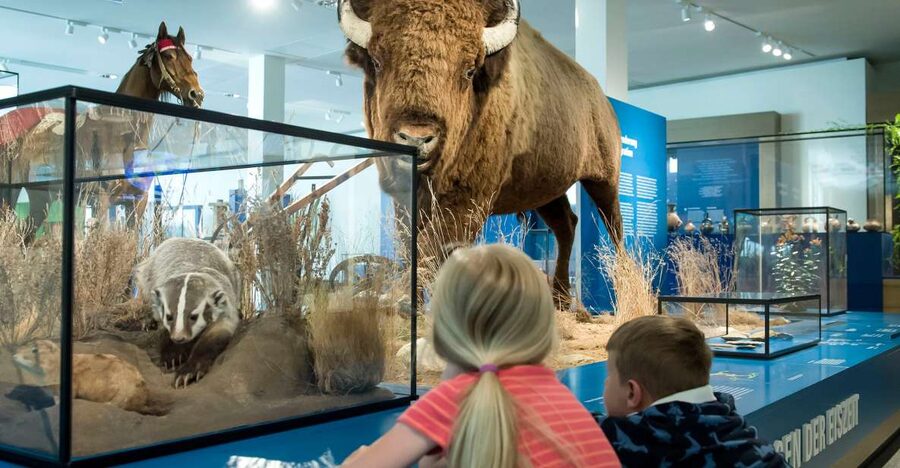
The animal displays are a major draw. Masterful dioramas and staged scenes present wildlife within natural settings, helping you think about animals in relation to their surroundings. These displays are likely to appeal to families, but they also give adults a useful visual pause between more text-heavy sections.
The main limitation is that Africa is too large and varied for any museum to cover fully. You will receive selected stories and examples, not a complete picture of every region or community. Keep that in mind, and treat the gallery as an introduction that points toward further reading rather than the final word.
More Museums in Bremen:
- Berlin: DDR Museum Tickets
★ 4.3 · 3,443 reviews - Berlin: Natural History Museum Entrance Ticket
★ 4.6 · 3,382 reviews - Berlin: Neues Museum Entry Ticket
★ 4.6 · 3,261 reviews - Cologne: Chocolate Museum Entrance Ticket
★ 4.4 · 2,790 reviews
The Americas and the Pre-Columbian golden treasure
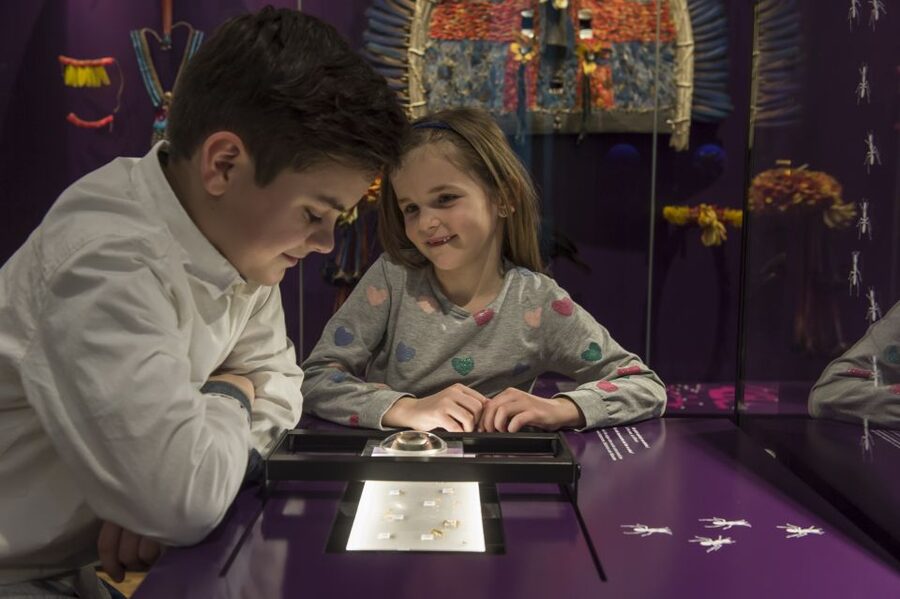
The Americas section includes the lives of Indigenous peoples in North and Latin America. That gives the gallery a human focus, rather than presenting the Americas only through famous archaeological objects or European exploration.
The Pre-Columbian golden treasure is a natural highlight. Gold catches the eye, but the more useful question is what the objects reveal about the societies that made and used them. Give yourself time to look beyond the shine and consider the skill, belief, and social meaning connected with the pieces.
The gallery’s scope also requires patience. North and Latin America contain enormous cultural variety, and the museum can only present selected examples. I would treat this area as a chance to compare different ways of living, making, trading, and understanding the world.
For families, this section can provide good conversation starters. Ask children what the objects were made from, what they might have been used for, and how the lives shown here differ from their own.
Current issues in What Makes the World Go Round
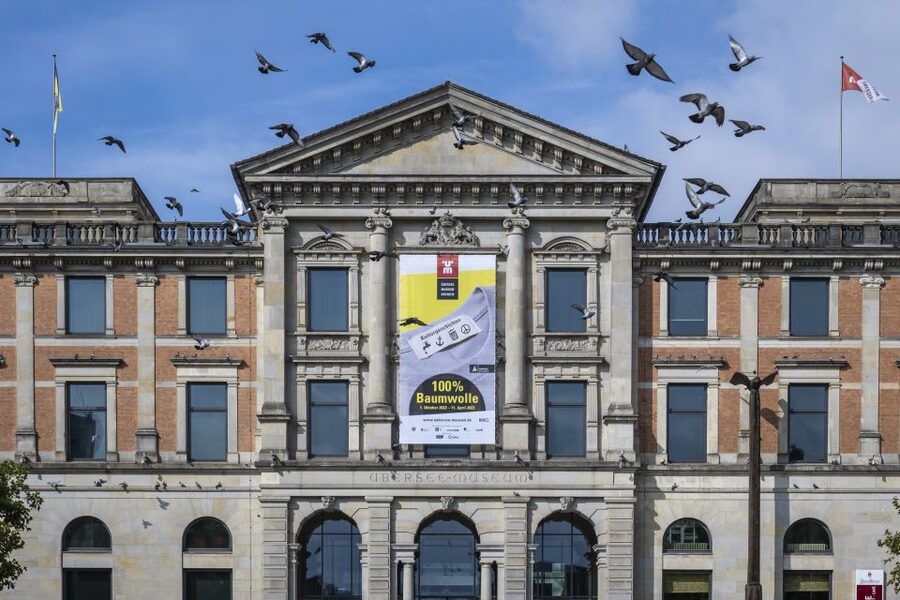
The exhibition titled What Makes the World Go Round brings the museum into the present. Its subjects include migration and climate change, two issues that affect how people move, work, live, and relate to the natural world.
This part is valuable because it gives the rest of the museum a modern connection. After looking at trade routes, cultural practices, wildlife, and colonial history, you can consider how those forces continue to shape daily life.
The displays may feel more demanding than the animal scenes or treasure cases. That is a good reason to slow down. You are not just looking for a memorable photograph here. You are being asked to think about systems and consequences.
I like this balance. A museum about the world should not present distant cultures as decoration while ignoring the pressures facing people and nature now. The current-topics section makes the visit more relevant, though visitors seeking only light entertainment may find it more serious.
Finding the overlooked objects in Übermaxx
Übermaxx is the museum’s place for treasures from around the world. The name suggests something expansive, and the gallery works well as a final stop or as a section you return to after seeing the regional displays.
This is where you can let your curiosity lead. Instead of following a single story from one country to another, you may find yourself comparing materials, designs, beliefs, and uses across regions.
I would not rush through Übermaxx. Object-rich displays can blur together when you are tired, especially after several hours in the main galleries. Choose a few items that catch your eye and use the media guide to add context where it is available.
The exhibit also helps explain the museum’s wider purpose. The objects are not isolated souvenirs. They relate to movement, exchange, craftsmanship, belief, and the way museums collect and present material from different parts of the world.
How interactive displays change the visit
The museum includes stations where you can stop, relax, and try things out. These moments matter because a long museum visit can become tiring when every room requires close reading.
The interactive elements also make the visit more flexible. You can spend longer with a subject that interests you and move quickly through one that does not. Children can engage with the displays physically, while adults get a chance to rest and discuss what they have seen.
Do not assume that the most entertaining station is always the most important one. Use the hands-on features as a way to support the larger stories about people, trade, nature, and global challenges.
Photography for private purposes is allowed, but you must not use flash or a tripod. Any object that cannot be photographed is marked. That makes it easy to follow the rules, and the no-flash policy protects the displays while still letting you record permitted highlights.
A practical route for your day
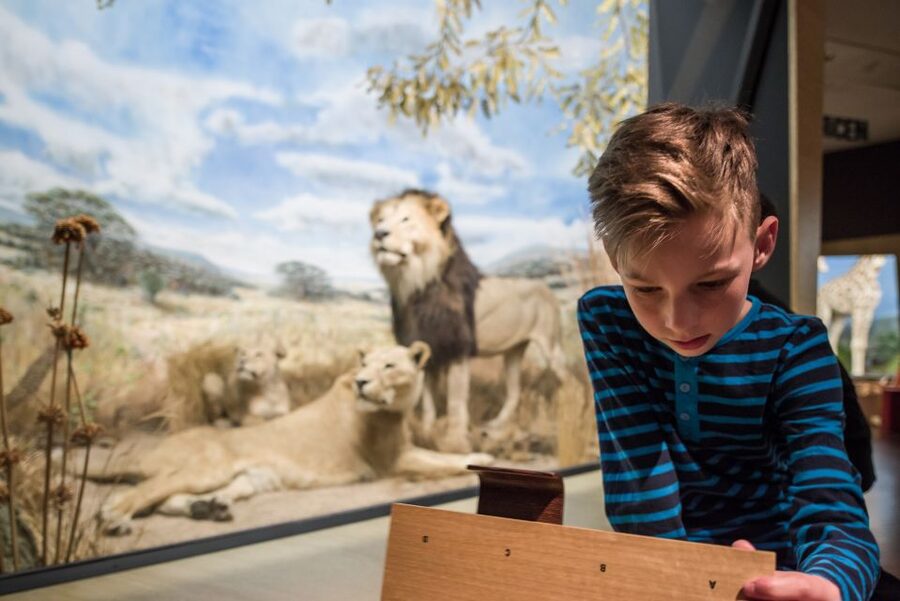
If you have several hours, begin with the regional galleries and note which subjects deserve a second look. You could start with Asia, continue through Africa, and then visit the Americas before turning to current issues and Übermaxx.
There is no required order provided for the visit, so you can shape the day around your interests. Families might start with the animal displays and interactive stations. Visitors focused on history may prefer colonial history, ancient Egypt, and the Americas before moving to the current-topics section.
Use the media guide when a display raises questions. The museum’s wide range means it is easy to collect impressions without fully understanding them. A little extra explanation can turn a striking object into a meaningful one.
Build in pauses. The museum invites you to stay, relax, and try things, so a break is part of the intended rhythm rather than wasted time. Since the ticket is valid for a full day, you do not need to race from room to room.
Who will get the most from this museum?
I would recommend the Übersee-Museum to you if you enjoy museums that connect art, culture, science, and social questions. It is also a good choice if your Bremen plans need a weather-proof activity with enough material for a substantial visit.
Families should find plenty to hold attention, especially in the animal displays and interactive stations. The broad subject range also means different members of a group can choose different favorites.
The museum suits first-time visitors who want a general introduction to world cultures, but specialists may find some subjects too briefly covered. If you want a detailed study of one country or one historical period, this is probably not the right single destination.
The museum is wheelchair accessible, which makes it practical for visitors who need step-free access. The ticket begins when you first activate it and remains valid for one day, giving you room to set your own pace.
Should you book the Übersee-Museum?
Book it if you want an interesting, varied, and informative museum visit rather than a quick collection of famous sights. The strongest features are the combination of cultural and natural displays, the excellent animal scenes, the hands-on stations, and the inclusion of colonial history and present-day issues.
At $17, it is good value when you plan to spend several hours inside and make use of the media guide. It is less compelling if you have only a short gap in Bremen or prefer a narrowly focused museum.
My advice is simple: give it a half day if you can, choose a few sections to explore carefully, and save energy for Übermaxx and What Makes the World Go Round. This is a museum that rewards curiosity more than speed.
FAQ
How long is the Übersee-Museum ticket valid?
The ticket is valid for one day from the time you first activate it.
What is included with admission?
Admission to the Übersee-Museum, a media guide, and free Wi-Fi are included.
Is a live tour guide included?
No. A tour guide is not included, but a media guide is provided.
Can I take photographs inside the museum?
Yes. Private photography is allowed without flash or a tripod. Displays that cannot be photographed are marked.
Is the museum wheelchair accessible?
Yes, the activity is wheelchair accessible.
Can I cancel my booking?
Yes. You can cancel up to 24 hours in advance for a full refund. You can also reserve and pay later to keep your plans flexible.
Just added around Bremen
- Bremen: Underworld Tour with the Cellar of the Theatre★ 4.2 · 74 reviews
- The Dark Side of Bremen: Killers and Criminals★ 4.4 · 264 reviews
- Bremen Tour: Full-Day Canoe Rental on the Wümme River★ 4.8 · 4 reviews
- Bremen: Public Tour of the Town Hall in English★ 4.6 · 207 reviews
- Bremen: Private Walking Tour with a Professional Guide★ 4.2 · 22 reviews
- Bremen Schwachhausen: Crime Mystery Tour★ 3.6 · 4 reviews
- Bremen: Old Town Tour with Costumed Performer & Tour Guide★ 4.3 · 257 reviews
- Bremen: Private pub crawl with insider-guide & free shots★ 4.5 · 22 reviews
Museums, compared.


Skip-the-Line: Berlin Wall Museum at Checkpoint Charlie
Read our review →
Browse the lists this tour appears in