
Reviewed · HISTORICAL TOURS
Bremen: Walking Tour of Historic Schnoor District
Small streets tell big stories. Bremen’s Schnoor quarter is ideal for a short walking tour because its narrow lanes, old houses, and craft shops are packed into a compact area. For $14 per person, you get a one-hour guided walk through one of the city’s most atmospheric historic neighborhoods.
I especially like the beautiful mix of 14th-century buildings and later Baroque, Renaissance, Classical, and historicist details. I also like that the tour adds local stories to streets you could otherwise wander through in just a few minutes. The main drawback is simple: every building is viewed from outside, and the tour is conducted in German only.
The meeting point is in front of Die Glocke concert hall at Domsheide 6. Look for a guide holding a sign marked Bremen Tour Guide. The tour is available as a shared walk or a private group, and guide Sönke has been praised for his funny stories and warm Bremen character.
In This Review
- Key things to know before you book
- Why Schnoor is worth an hour of your time
- Meeting at Die Glocke and entering the old quarter
- St. John’s Church and the Franciscan connection
- The narrow houses and changing building styles
- Haus Schnoor 15 and Packhaus Schnoor 2
- Goldsmiths, handicrafts, and Schnoor today
- What the guide adds to the experience
- Is $14 good value for one hour?
- Who should book this Schnoor walk?
- My final recommendation
- FAQ
- How long does the Bremen Schnoor walking tour last?
- What is the price of the tour?
- Where does the tour meet?
- How will I recognize the guide?
- What language is the tour conducted in?
- Can I book a private tour?
- Are the historic buildings open to tour participants?
Key things to know before you book
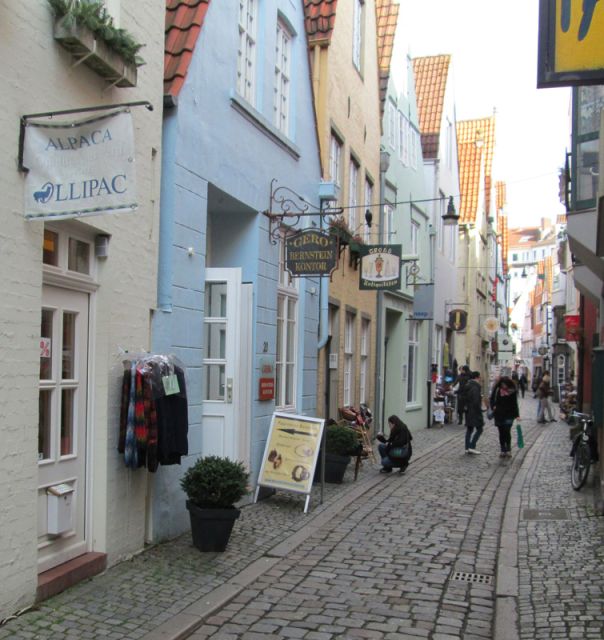
- A one-hour route through Schnoor’s tight medieval lanes: This is a focused introduction, not a long city walk.
- Houses from several centuries: You will see preserved 17th- and 18th-century homes, older structures, reconstructions, and facades moved from other locations.
- Important landmarks along the way: The route includes St. John’s Church, Haus Schnoor 15, and Packhaus Schnoor 2.
- German-language guiding: The live guide speaks German, so a good grasp of the language will help you follow the stories.
- A strong price for a short orientation: At $14, the tour is useful if you want context before exploring Schnoor on your own.
- Outdoor sightseeing only: Wear comfortable shoes, and note that this activity is not suitable for wheelchair users.
Why Schnoor is worth an hour of your time
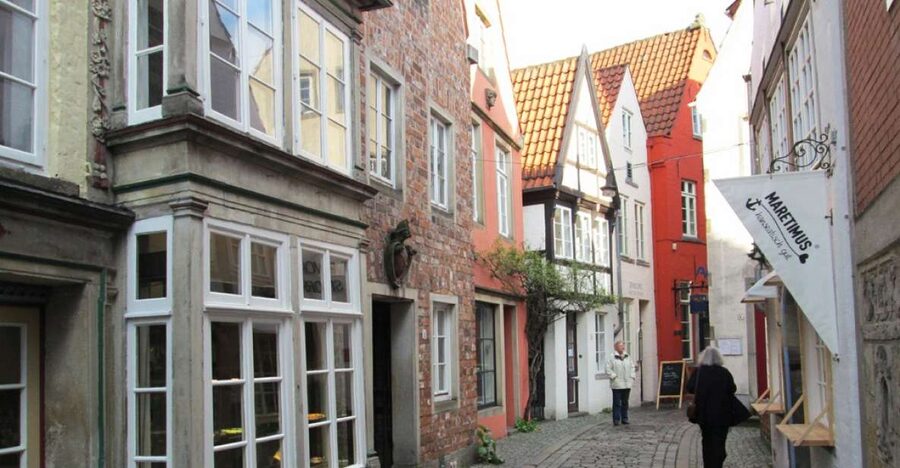
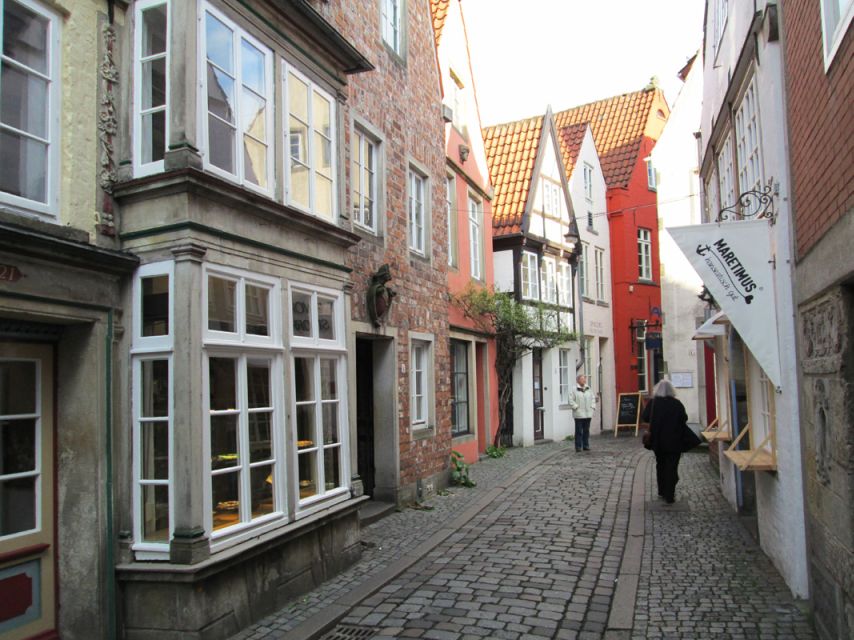
Schnoor is not the kind of place you visit for one grand monument. Its appeal comes from the way small buildings crowd around narrow lanes. The houses seem linked together like beads, with little gaps, bends, overhanging upper floors, and changing building materials shaping the walk.
I find this setting much easier to appreciate with a guide. On your own, you may notice the half-timbering and bright facades, but miss why the quarter matters or how much of what you see belongs to different periods. The tour explains Schnoor through its buildings and inhabitants, giving the lanes a human scale.
The district’s first known written reference dates to the 13th century. A Franciscan monastery was built at the edge of the area, and only the monastery church remains today. That fact gives the tour a useful starting point: Schnoor is not simply a collection of pretty old houses. It grew around religious, residential, and working life over many centuries.
You should expect a relaxed pace rather than a strenuous walk. The one-hour length works well if you are fitting Schnoor between Bremen’s cathedral, the town hall, or another city sight. It also makes the tour a sensible first activity after arriving, since you can get oriented without committing half a day.
More History Tours in Bremen:
- Bremen: Historic old town tour with Geo Epoche
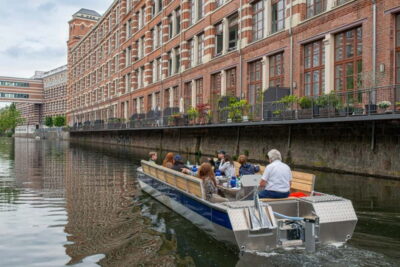
★ 3.3 · 5 reviews - Leipzig: City History Canal Sightseeing Tour on a Motorboat
★ 4.7 · 6,232 reviews - Berlin: Natural History Museum Entrance Ticket
★ 4.6 · 3,382 reviews
Meeting at Die Glocke and entering the old quarter
The tour begins outside Die Glocke concert hall at Domsheide 6, Bremen 28195. Your guide waits with a Bremen Tour Guide sign, which makes the starting point easier to identify in a central city setting.
From there, the walk leads you toward the Schnoor quarter. The meeting point matters because Schnoor’s lanes are close together and can be confusing on a first visit. Starting with a guide helps you understand where the district begins and how its streets connect to the surrounding center.
I recommend arriving ready to walk as soon as the tour starts. Comfortable shoes are important because the route uses historic streets and compact lanes rather than broad modern promenades. The information does not specify the exact distance or paving, so you should plan for ordinary outdoor walking conditions and avoid footwear that feels unstable on uneven surfaces.
The tour is offered as a shared walk or a private group. A shared tour is the lower-cost choice and gives you a guided introduction for $14. A private option may suit a family or group that wants the guide’s attention, though the supplied details do not state a separate private price or maximum group size.
St. John’s Church and the Franciscan connection
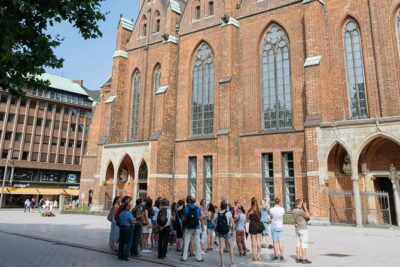
One of the key sights is Catholic St. John’s Church, built in the 14th century in redbrick Gothic style. Its brick exterior fits the northern German setting, but the church also gives you a clear architectural marker within a neighborhood otherwise filled with small domestic buildings.
The church is linked to Schnoor’s earlier Franciscan presence. The first written reference to the quarter dates from the 13th century, when a Franciscan monastery was built nearby. Today, the monastery church is the surviving reminder of that period.
This part of the route helps you read the neighborhood as more than a postcard scene. The church points to the religious life that helped shape the district, while the surrounding houses show how people lived and worked in later centuries. You will not be entering the buildings as part of this tour, so the value comes from the guide’s explanation and the outside view.
If church interiors are a major reason for booking, this tour may leave you wanting more. The stated program is exterior sightseeing only. For most people, though, the church works well as an architectural stop during a short walk.
The narrow houses and changing building styles
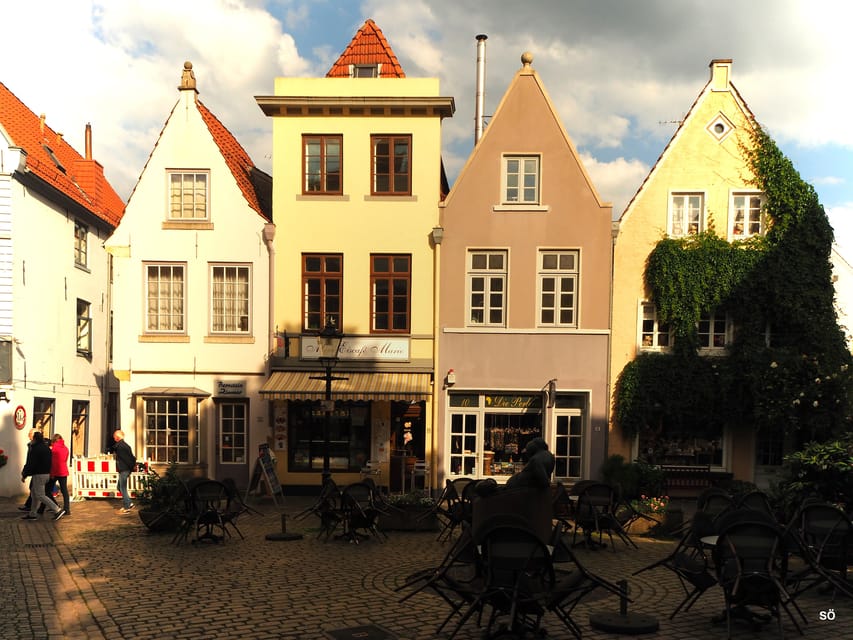
Schnoor’s greatest pleasure is its variety. Many houses from the 17th and 18th centuries remain preserved in their original condition. Their scale and close spacing create a romantic sense of earlier urban life, but the tour also points out that the quarter is not frozen in one single period.
You will encounter half-timbered houses, brick buildings, and examples connected with later Classicism and historicism. Baroque and Renaissance details also appear in the story of the district. This range gives you something to compare from one lane to the next.
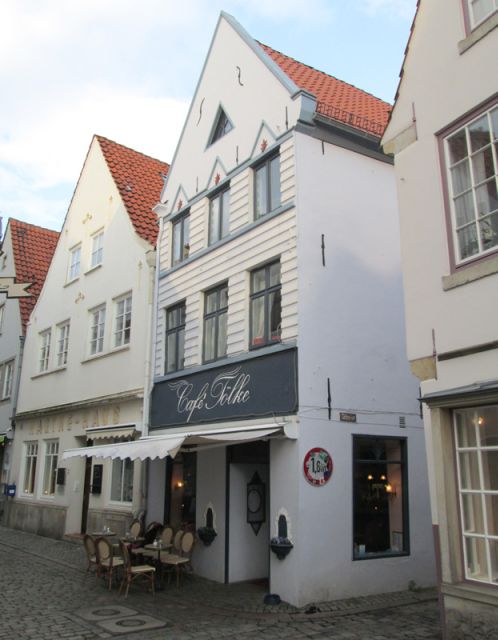
A particularly memorable feature is the half-timbered house with a tea room. The supplied information does not promise an interior visit or a stop for tea, so treat it as an exterior point of interest. Even so, it shows how old structures have found new uses without losing their visual character.
You may also see buildings that now consist only of facades. These facades once stood elsewhere and were recreated or incorporated according to historical specifications. That detail adds an honest wrinkle to the sightseeing. Schnoor contains genuine old fabric, careful recreations, and relocated architectural elements. A good guide helps you tell the difference.
More Walking Tours in Bremen:
- Bremen: Walking Tour in German with Night Guard
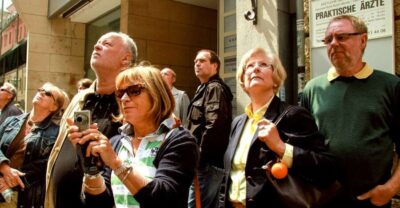
★ 4.7 · 2,922 reviews - Bremen: City Center Guided Walking Tour
★ 4.5 · 2,709 reviews - Bremen: Private Walking Tour with a Professional Guide
★ 4.2 · 22 reviews - Discover Berlin Half-Day Walking Tour
★ 5.0 · 9,624 reviews
Haus Schnoor 15 and Packhaus Schnoor 2
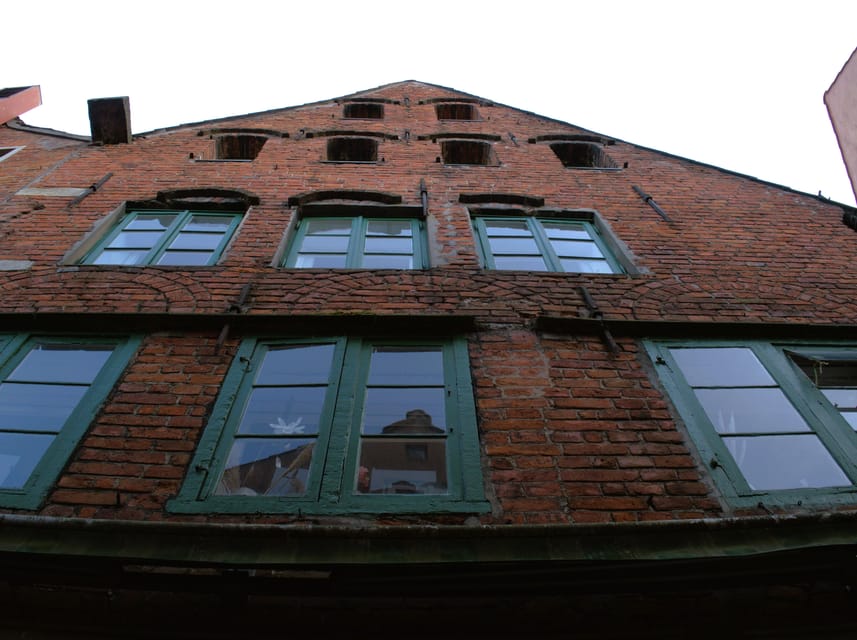
The route includes some of the oldest remaining secular buildings in the quarter. Haus Schnoor 15, also known as Brasilhaus, is one of the named highlights. Packhaus Schnoor 2 is another, dating to the 15th century.
These buildings matter because they show that Schnoor’s story is not limited to religious landmarks. The quarter also preserves the remains of everyday urban life, trade, storage, and domestic architecture. The term secular simply means these structures were not built as churches or monasteries, but their value is just as strong for understanding the neighborhood.
Pay attention to the proportions. The houses are narrow, and the lanes are tight. That physical closeness is part of the experience. You are not looking at isolated grand buildings from a wide square. You are seeing how homes and working spaces were fitted into a small district near the Weser River.
The tour does not list interior access, so you will see these buildings from the street. That limitation is worth keeping in mind, especially if you hoped to explore old rooms or museum displays. The benefit is that the walk remains quick and affordable, with the architecture visible without an additional entrance fee.
Goldsmiths, handicrafts, and Schnoor today
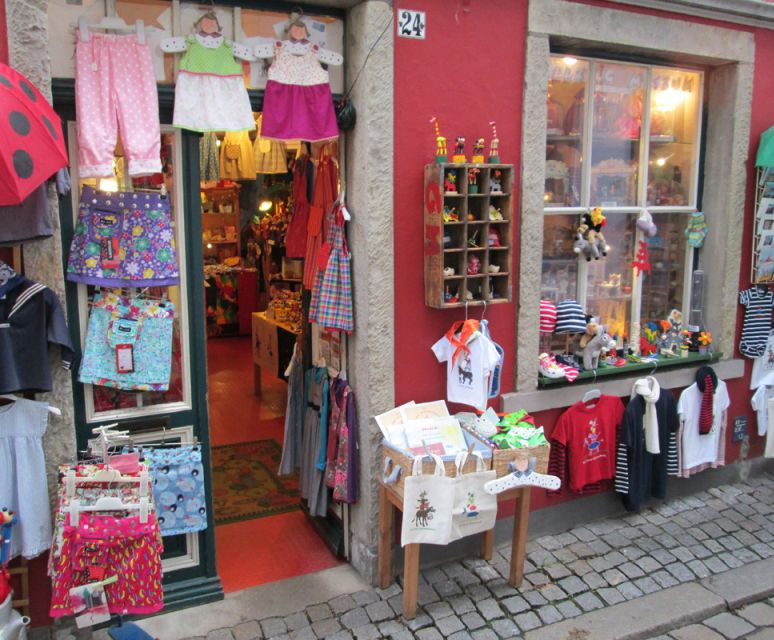
The quarter is not only an old town display. You will walk past goldsmiths and shops selling local handicrafts. These businesses give the lanes a present-day purpose and help you see how Schnoor functions beyond its historic appearance.
I like this balance. A district made entirely of preserved facades can feel lifeless, but working shops keep the streets connected to modern Bremen. At the same time, the tour is not presented as a shopping trip. The main focus remains the architecture, the history, and the people who lived in the quarter.
You may want to leave a little time after the one-hour walk to look more closely at the shops. Food and drinks are not included, and the tour does not promise a tasting or café stop. That is not a serious flaw at this price, but it means you should treat refreshments as your own plan.
The craft shops also make Schnoor a better stop for people who prefer small local businesses to large commercial streets. You can browse at your own pace once the guided portion ends, without needing to fit shopping into the guide’s schedule.
What the guide adds to the experience
The strongest part of this tour is likely to be the storytelling. A walk through Schnoor can be visually enjoyable without a guide, but the buildings become more interesting when you know their age, former use, and place in the quarter’s development.
Guide Sönke has received especially warm praise for his humor and local character. He is described as a lovable Bremen original who tells many funny and interesting stories about Schnoor and its surroundings. That style matters in a one-hour tour. A dry list of dates would make the walk feel short in the wrong way, while local anecdotes can make the lanes memorable.
Other feedback describes the tour as informative, entertaining, and easy to enjoy. The German phrase Döntsches refers to humorous local tales or jokes, and these were used to add fun alongside the facts. If you understand German well, this combination should make the hour feel lively rather than academic.
The language is the key limitation. The live tour guide speaks German, and no other language is listed. If you do not understand German, you may still appreciate the houses and narrow lanes, but you will miss much of the tour’s main value. In that case, an independent visit or a tour in a language you understand may be a better choice.
Is $14 good value for one hour?
At $14 per person, I consider this a fair price for a short, guided introduction to Schnoor. You are paying for a live guide, a structured route, and context you may not pick up by simply walking through the quarter. The cost is especially reasonable if this is your first visit to Bremen.
The value depends on what you want from the experience. If you need a long tour with several indoor entrances, food, or extended city coverage, this will feel limited. If you want to understand Schnoor quickly and then explore the lanes, church area, and craft shops independently, the one-hour format makes good sense.
A private group is available if you prefer a more personal format. The shared option is likely the practical choice for most people who want to keep the price low. Since no private-group rate is provided, check the current price before booking if you are comparing options.
You can reserve now and pay later, which helps if your Bremen schedule is still changing. Free cancellation is available up to 24 hours in advance for a full refund. These policies are useful, but the main reason to book should be the guided explanation of Schnoor, not simply the flexible payment terms.
Who should book this Schnoor walk?
I would recommend it to first-time visitors who want a quick introduction to Bremen’s oldest-feeling quarter. It also suits anyone who enjoys architecture, historic houses, local stories, and small craft shops more than large museums.
The tour works well for:
- People with only an hour available in central Bremen
- Visitors who understand German and enjoy humorous local storytelling
- Architecture fans interested in half-timbering, brick Gothic, Baroque, Renaissance, Classicism, and historicism
- People who want a guide before exploring Schnoor alone
- Small groups that may prefer a private walking experience
I would be more cautious if you need step-free access, since the activity is not suitable for wheelchair users. I would also skip it if you want to go inside historic houses, since the buildings are viewed only from outside.
My final recommendation
Book this tour if you want a short, affordable, German-language introduction to Schnoor with local humor and architectural detail. The strongest reasons are the compact route, the range of old buildings, and the chance to hear stories about a district that is easy to admire but harder to understand on your own.
Do not book it expecting a full-day history program or interior access. Instead, use the hour as a primer. Let the guide explain St. John’s Church, Haus Schnoor 15, Packhaus Schnoor 2, the half-timbered houses, and the recreated facades, then stay in the quarter to browse the goldsmiths and handicraft shops at your own pace.
FAQ
How long does the Bremen Schnoor walking tour last?
The tour lasts one hour.
What is the price of the tour?
The listed price is $14 per person.
Where does the tour meet?
The meeting point is in front of Die Glocke concert hall at Domsheide 6, Bremen, 28195.
How will I recognize the guide?
The guide will be waiting at the meeting point with a sign saying Bremen Tour Guide.
What language is the tour conducted in?
The live tour guide speaks German.
Can I book a private tour?
Yes. A private group option is available.
Are the historic buildings open to tour participants?
No. The buildings viewed during the walk are seen from the outside only.
Just added around Bremen
- Bremen: Underworld Tour with the Cellar of the Theatre★ 4.2 · 74 reviews
- The Dark Side of Bremen: Killers and Criminals★ 4.4 · 264 reviews
- Bremen Tour: Full-Day Canoe Rental on the Wümme River★ 4.8 · 4 reviews
- Bremen: Public Tour of the Town Hall in English★ 4.6 · 207 reviews
- Bremen: Übersee Museum Entrance Ticket★ 4.3 · 59 reviews
- Bremen: Private Walking Tour with a Professional Guide★ 4.2 · 22 reviews
- Bremen Schwachhausen: Crime Mystery Tour★ 3.6 · 4 reviews
- Bremen: Outdoor Escape Game in the Old Town★ 4.4 · 41 reviews
Historical Tours, compared.
City History Canal Sightseeing Tour on a Motorboat
Read our review →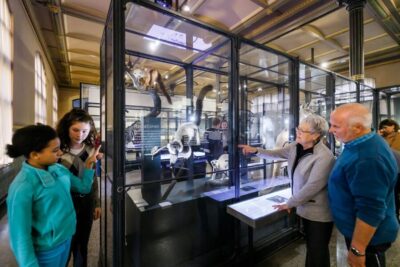

Browse the lists this tour appears in