
Reviewed · WALKING TOURS
Hamburg: Crimes of St. Pauli Guided Walking Tour
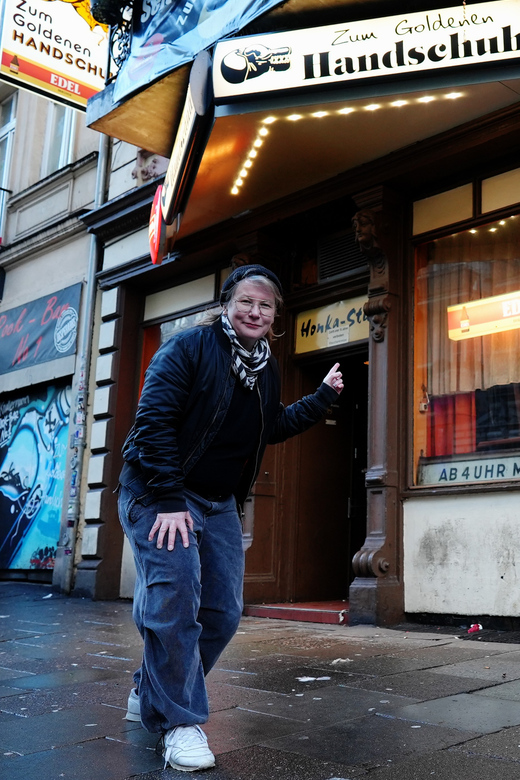
Crime leaves long shadows. This two-hour walk through St. Pauli links Hamburg’s past to the streets you see today, tracing cases involving Fritz Honka, Mucki Pinzner, and the violent pimp wars of the 1980s. I like the focus on real places rather than a museum display, and I like the local guides’ use of anecdotes and insider detail. The main catch is clear: the tour is conducted in German, and some notorious cases may receive only brief treatment.
You should also expect adult subject matter, including murder, prostitution, and organized crime. The route offers a darker way to understand St. Pauli and the Reeperbahn, but it will not suit children or anyone looking for a light sightseeing stroll.
In This Review
- Key points to know before you book
- Why St. Pauli makes a strong true-crime setting
- Starting at the St. Pauli Office
- Following Mucki Pinzner and the crime stories of St. Pauli
- The Fritz Honka story and the limits of a short tour
- The 1980s pimp wars and a tougher side of the Reeperbahn
- A local guide can make or break the walk
- What two hours feels like on the street
- Is $29 a fair price?
- Who should book this St. Pauli walk?
- My verdict: book it for the district, not one case
- FAQ
- How long does the Crimes of St. Pauli tour last?
- What language is the tour conducted in?
- Where do I meet the guide?
- Is the tour suitable for children?
- What crime stories are covered?
- Does the tour include hotel pickup?
- Are food and drinks included?
- Can I cancel the booking?
Key points to know before you book
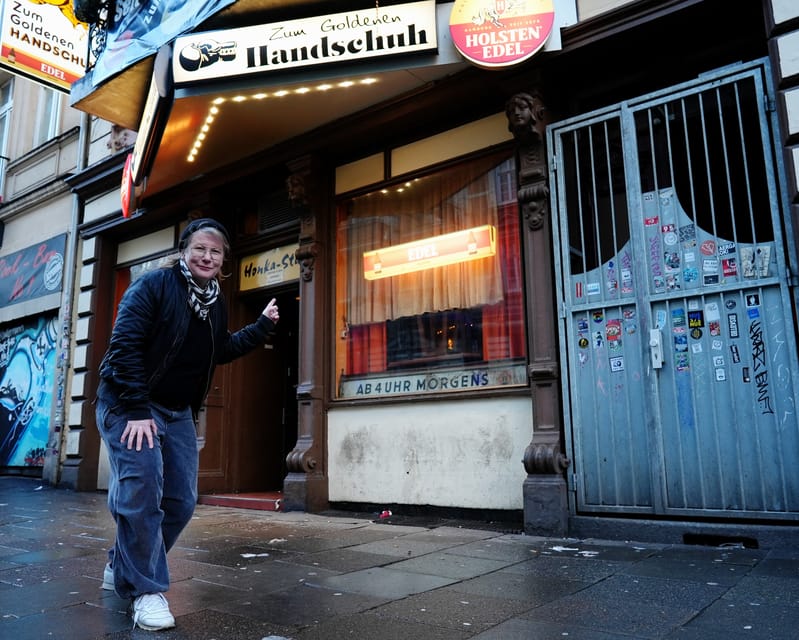
- The tour covers real crime scenes: You visit locations linked to notorious events, including the 1980s pimp wars.
- Fritz Honka is a major figure: His murders form one of the most disturbing parts of the story.
- The Reeperbahn gets a historical reading: You learn how St. Pauli survived and changed after decades of crime.
- German is the only tour language: You need a strong enough command of German to follow detailed stories.
- The local guide shapes the experience: Guides such as Malte have been praised for making the walk lively and personal.
- It costs $29 for two hours: That is fair value if you care about true crime and urban history, less so if you mainly want general sightseeing.
Why St. Pauli makes a strong true-crime setting

St. Pauli is not simply a nightlife district. Its streets carry layers of port activity, entertainment, prostitution, organized crime, and efforts to clean up the area’s public image. This tour uses that setting as its main subject.
That matters because true crime can feel flat when it is told only through dates and names. Here, the guide connects the cases to actual places in St. Pauli. You are not just hearing that an event happened somewhere in Hamburg. You are walking through the part of town shaped by the people, businesses, and conflicts behind the headlines.
The route also looks at what has been removed or scrubbed from the district. Some places no longer look connected to their past. That contrast is one of the tour’s best ideas. A normal walk along the Reeperbahn can show you lights, bars, and crowds. This one asks you to notice what the modern district has tried to leave behind.
I would not expect a polished museum-style presentation. The appeal is more direct: a guide, a neighborhood, and stories tied to the pavement beneath your feet. That makes the experience personal, but it also means the quality depends heavily on the guide and on how much detail the group wants.
More Walking Tours in Hamburg
- Hamburg: Guided Walking Tour for Magic Fans
★ 4.8 · 1,992 reviews - Reeperbahn Walking Tour with St. Pauli Local
★ 4.8 · 577 reviews - Hamburg: Speicherstadt Walking Tour with Coffee Tasting
★ 4.6 · 360 reviews
Starting at the St. Pauli Office
You need to register 15 minutes before the start at the counter in the St. Pauli Office at Wohlwillstraße 1, 20359 Hamburg. This early arrival is worth taking seriously. The tour is not a drop-in meeting on the Reeperbahn, so give yourself time to reach the office and check in without rushing.
Wohlwillstraße places you in the St. Pauli area before the walk begins. That is useful context in itself. You start away from a standard tourist attraction and enter the neighborhood where the stories took place.
The activity lasts two hours. That is long enough to build a connected story, but short enough to fit around other Hamburg plans. You might schedule it after seeing the harbor or before an evening in the district, though the adult subject matter can change how you view the surrounding nightlife.
There is no hotel pickup or drop-off. You make your own way to the meeting point, and food and drinks are not included. Since this is a walking tour, wear shoes suited to two hours on city streets and check the weather before setting out.
Following Mucki Pinzner and the crime stories of St. Pauli
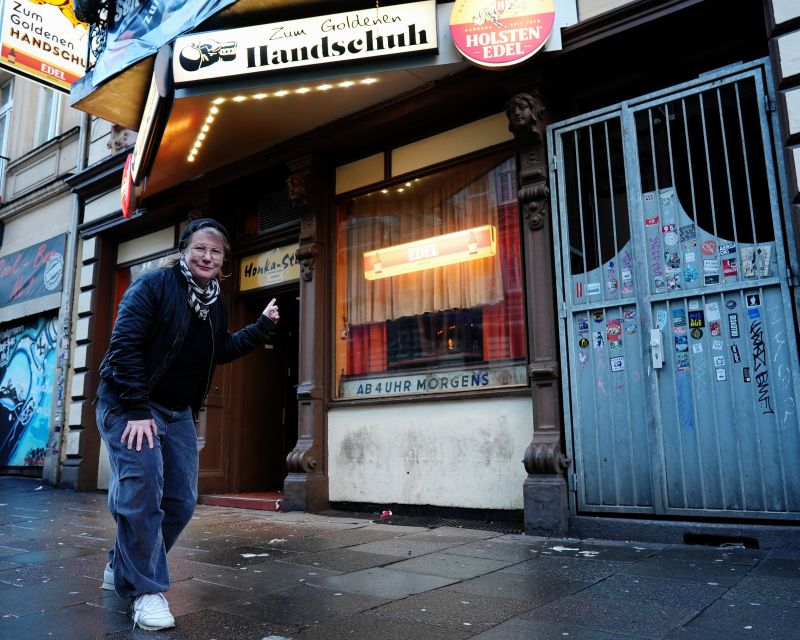
One section retraces the steps of Mucki Pinzner, a criminal figure tied to St. Pauli’s underworld. The value of this part is not only the name. It shows how individual criminals fit into a wider world of power, fear, and local control.
The guide’s job is to make those connections clear. You should hear how crime helped shape the district, not just receive a list of offenses. The most useful explanations will show how certain streets and businesses became connected with the area’s criminal past.
The tour’s format gives these stories a physical edge. You move between places rather than standing in one room while looking at photographs. That can make the past feel more immediate, though it also asks you to listen carefully while walking and taking in a busy city around you.
A practical point: the exact balance between cases may vary with the guide and the group. The central themes include several figures and periods, so not every story can receive the same amount of time. If one case matters most to you, it may be worth asking about it during the walk.
The Fritz Honka story and the limits of a short tour
The Fritz Honka case is likely to be the most disturbing part of the experience. Honka became known for murdering women in St. Pauli, and the tour presents his story as part of the district’s darker past.
This is not a subject for children. The tour is restricted to people aged 18 and over, and that rule makes sense given the material. The stories involve murder and victims, not harmless tales of old nightlife.
You should also keep your expectations measured. On one recent private tour, the Honka murders were covered only briefly, with little background on the victims. That is an important warning for anyone booking mainly to hear a full case study of Honka.
The tour appears better suited to someone who wants a broad walk through St. Pauli’s criminal history, with Honka as one major chapter. If you want a detailed investigation into one murderer, this two-hour format may feel too short. If you want to understand how the case fits into the neighborhood’s past, the treatment may work better.
That distinction is central to the value of the tour. You are buying a guided story of a district, not a specialist lecture on one criminal case.
Still Hamburg, at a slower pace:
- Hamburg: Sex and Crime in St. Pauli Tour for Ages 18+
★ 4.7 · 15,447 reviews - Hamburg: 1.5-Hour Harbor and Speicherstadt Day Cruise
★ 4.6 · 14,200 reviews - Hamburg: 90-Minute Evening Lights Harbor Cruise
★ 4.5 · 7,728 reviews - Hamburg: 2-Hour XXL Port of Hamburg Cruise Tour
★ 4.7 · 6,979 reviews
The 1980s pimp wars and a tougher side of the Reeperbahn
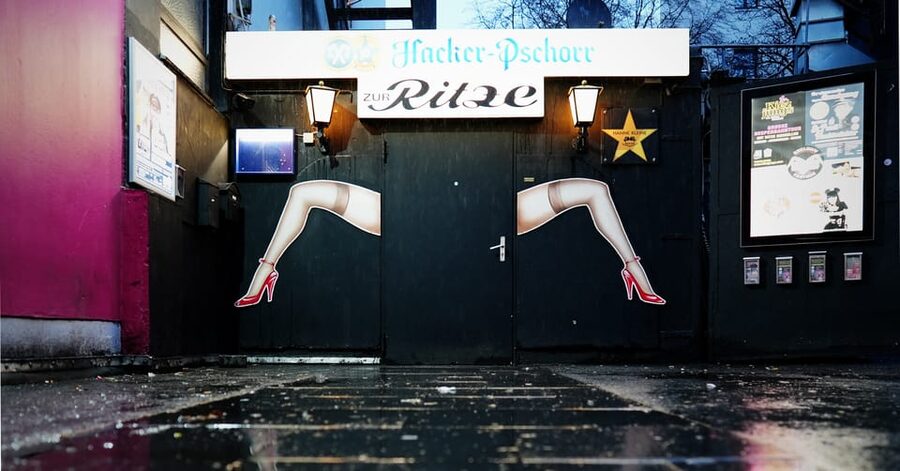
The pimp wars of the 1980s provide another key part of the walk. These conflicts reveal how control of the red-light district could become a serious source of violence and power.
The subject helps explain why St. Pauli’s reputation became so strong. The Reeperbahn was not shaped only by clubs and adult entertainment. It was also marked by competing interests and criminal disputes that affected the identity of the entire area.
Seeing the locations connected with those conflicts gives the story more force. A guide can point out how a street or building fits into the old narrative, even when the physical setting has changed. You may find that the most memorable moments come from this gap between ordinary modern surroundings and the events once linked to them.
The tour does not present St. Pauli as frozen in its worst period. Instead, it follows how the Reeperbahn survived its troubled past. That makes the walk more useful than a simple collection of shocking anecdotes. You get a sense of change, removal, and reinvention.
Still, this section will appeal most if you have some interest in the red-light district and its history. One guest who cared mainly about the murder cases found the nightlife and red-light material less satisfying. That is fair. The tour gives both subjects considerable space, so your enjoyment depends on what you want to learn.
A local guide can make or break the walk
The guide is the heart of this experience. The strongest feedback points to lively storytelling and insider detail. Malte, in particular, has been praised for turning the walk into an engaging and interesting experience. Those comments suggest that a good guide does more than recite prepared facts.
A local guide can explain which parts of St. Pauli have been erased, which stories still affect the district’s image, and how to read the streets beyond their present-day appearance. Anecdotes add personality, especially when the tour moves between several decades and criminal figures.
There is also evidence of a thoughtful approach to the subject. Olivia, who led one private walk, asked which topics the group wanted to keep or skip. That kind of flexibility can help when the material is intense or when your interests differ from the standard route.
At the same time, personal style matters. A guide who spends more time on the red-light district may disappoint you if you mainly want murder cases. Another guide may tell the same broad story with more background or stronger local detail. I would book this with an open mind and treat the named cases as themes rather than promises of equal coverage.
The overall score of 4.6 from 265 ratings suggests that the guide-led format usually works well. It does not remove the need to check the language and subject matter before booking.
What two hours feels like on the street
Two hours is a sensible length for this subject. A shorter walk might feel rushed, while a much longer one could become heavy, especially in bad weather or when the stories turn grim.
You should expect a steady progression through St. Pauli rather than a single dramatic reveal. The guide introduces the district’s criminal past, connects it to specific locations, and moves through cases such as Honka, Pinzner, and the pimp wars. The final effect is cumulative. Each story adds another layer to your view of the neighborhood.
Weather can affect the experience. A recent booking became a private tour because other participants canceled in poor conditions. That may give you more room to ask questions, but it also shows why a waterproof jacket and practical shoes matter. No indoor backup program is described, so plan for an outdoor walk.
You also need to remain attentive. City streets can be distracting, and the most important details may come in short explanations while the group is moving. If you want photographs at every stop, you may miss part of the narration.
The tour’s pace should suit you if you prefer a guided walk with a clear theme. It may not suit you if you want a flexible route where you can linger at each location.
Is $29 a fair price?
At $29 per person, the cost is reasonable for a two-hour guided city walk, especially if you value local stories and a focused subject. You are paying for the guide’s interpretation, the route through St. Pauli, and access to anecdotes that are difficult to gather from a standard guidebook.
The value drops if you mainly want famous sights. This is not a general orientation tour of Hamburg, and the price does not include food, drinks, transportation, or hotel pickup. You are paying for a specialized experience.
I would compare it with the price of an evening activity. For roughly the cost of a casual meal or a few drinks, you get two hours of context that can change how you see the Reeperbahn afterward. That is a good deal for true-crime fans, urban-history readers, and repeat visitors who want a different view of Hamburg.
The reserve-now-and-pay-later option also helps if your schedule is still moving. You can hold a place without paying immediately, and cancellation is free up to 24 hours before the start for a full refund. Those terms reduce the risk of booking in advance.
Who should book this St. Pauli walk?
I would recommend it to adults who:
- Have a strong interest in true crime and criminal investigations
- Want to understand the darker side of the Reeperbahn
- Enjoy walking tours built around real locations
- Can follow a detailed tour in German
- Prefer local anecdotes to a standard sightseeing script
- Have already seen Hamburg’s main sights and want a different angle
I would think twice if murder stories upset you, if you dislike red-light district history, or if you want a gentle introduction to Hamburg. The tour is also a poor fit for anyone under 18, since children are not permitted.
German ability is the biggest practical issue. The tour is conducted in German, with no other language listed. Because the value depends on stories, context, and spoken anecdotes, basic German may not be enough. You should be comfortable following a local guide for two hours.
My verdict: book it for the district, not one case
Book this tour if you want to see St. Pauli through its crimes, characters, and changing reputation. I especially like the combination of real locations, the 1980s pimp wars, and the question of what has been removed from the modern Reeperbahn.
I would not book it solely for an exhaustive account of Fritz Honka or any single murder case. The route covers a century of criminal events, so the time is spread across several stories. Go expecting a brisk, adult walking history of St. Pauli, and the $29 price makes sense.
FAQ
How long does the Crimes of St. Pauli tour last?
The walking tour lasts two hours.
What language is the tour conducted in?
The live tour guide speaks German. German is the only language listed for the experience.
Where do I meet the guide?
You must register 15 minutes before the start at the counter in the St. Pauli Office, Wohlwillstraße 1, 20359 Hamburg.
Is the tour suitable for children?
No. The tour is not suitable for children under 18.
What crime stories are covered?
The tour covers about a century of criminal events in St. Pauli, including Fritz Honka, Mucki Pinzner, and the pimp wars of the 1980s.
Does the tour include hotel pickup?
No. Hotel pickup and drop-off are not included.
Are food and drinks included?
No. You need to arrange your own food and drinks.
Can I cancel the booking?
Yes. You can cancel up to 24 hours before the tour for a full refund. You can also reserve now and pay later.
Just added around Hamburg
- Hamburg: St. Pauli Food and Bier Tour★ 4.7 · 5 reviews
- St. Pauli Tour: Drag-Attack with Barbie Stupid & Lee Jackson★ 4.8 · 280 reviews
- Hamburg: Private Tour Red Light District Walking Tour★ 4.7 · 227 reviews
- St. Michael’s, Elbe Tunnel & Harbor 2-Hour Hamburg Tour★ 4.9 · 21 reviews
- Satt Pauli – der kulinarische Rundgang durch St. Pauli★ 4.8 · 12 reviews
- Hamburg: Safari tour in St. Pauli★ 4.9 · 11 reviews
- Hamburg: Reeperbahn Comedy Club★ 4.3 · 53 reviews
- Radtour um die Alster & durch traumhafte Alsterviertel★ 4.9 · 34 reviews
Walking Tours, compared.





Old Town & Viktualienmarkt City Walk in German
Read our review →Browse the lists this tour appears in