
Reviewed · WALKING TOURS
Hamburg: Guided Walking Tour in Danish
Hamburg’s past is written in brick and fire. This two-hour Danish-language walk links the city center with Speicherstadt and HafenCity, giving you a clear story of how a Saxon marketplace grew into Germany’s largest port city. I especially like the route’s strong mix of landmarks and historical context, and the chance to see both old Hamburg and its modern waterfront in one outing. The main consideration is the pace: with eight stops in two hours, some places receive a useful introduction rather than a long visit.
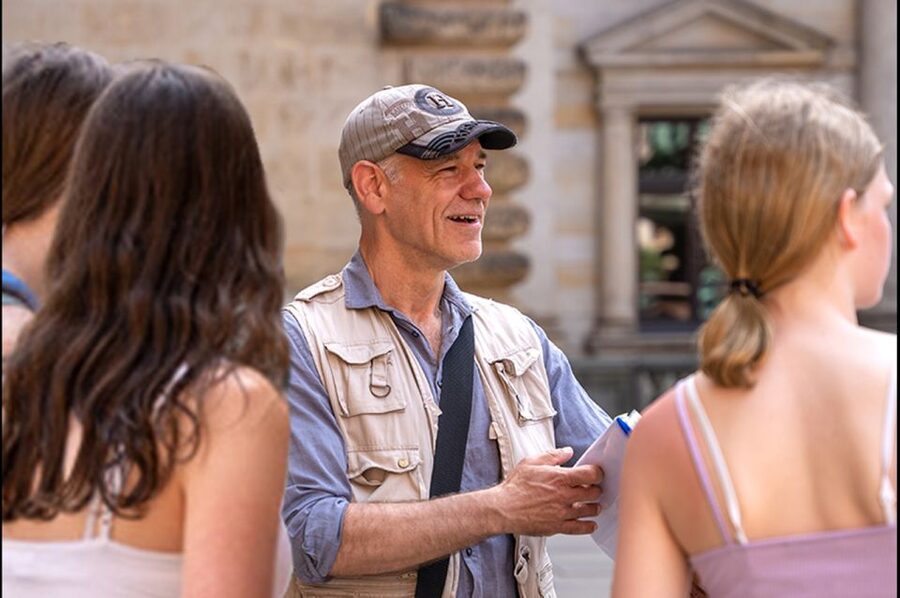
I also like that the tour ends at the Elbphilharmonie, where you can continue on your own to the Plaza and public viewing platform. Guide Christian Meyer-Pedersen has received especially warm praise for his lively explanations of Hamburg’s history and culture, although the guide assigned to your date may differ. Bring good shoes and a coat or rain layer, since the walk operates in all weather and includes several outdoor stretches.
In This Review
- Key points to know before you book
- Starting beside the Alster at Jungfernstieg
- Hamburg Townhall and the city’s public face
- Deichstraße and the clue hidden in Hamburg’s fires
- The Patriotic Society and Hamburg’s civic identity
- St. Nikolai Memorial and Operation Gomorrah
- Laeiszhof and the port connection
- Speicherstadt, Hamburg’s brick-built warehouse district
- HafenCity and the city’s newest chapter
- The Elbphilharmonie finish
- What the Danish guide adds
- Is $280 good value for your group?
- Who should book this walk?
- Should you book Hamburg’s Danish walking tour?
- FAQ
- How long does the Hamburg walking tour last?
- What language is the tour conducted in?
- Where does the tour begin?
- Where does the tour end?
- Is the Elbphilharmonie Plaza included?
- What should I bring?
Key points to know before you book
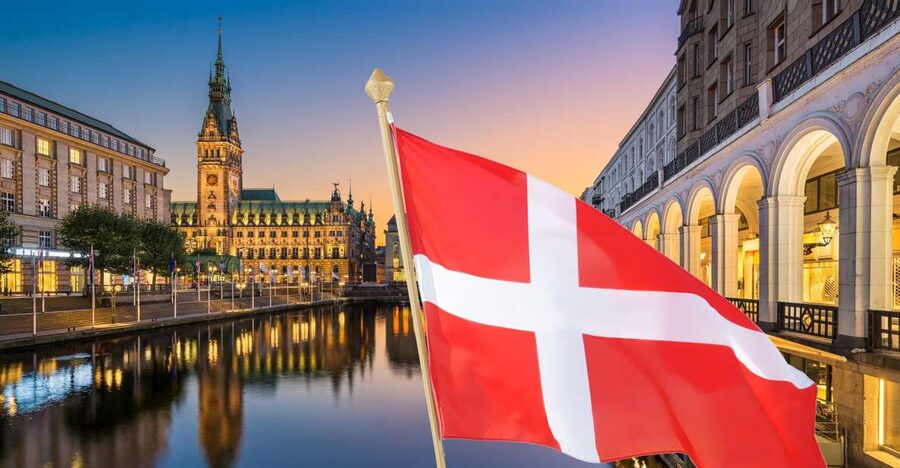
- Danish-language storytelling: A licensed guide explains Hamburg’s 1,200-year story in Danish, a valuable choice if you prefer history in your first language.
- Eight meaningful stops: The route includes the Townhall, Deichstraße, St. Nikolai Memorial, Speicherstadt, HafenCity, and the Elbphilharmonie.
- A useful old-to-new route: You move from Hamburg’s central civic heart through historic warehouse streets to the city’s modern waterfront district.
- A strong history focus: Fire, war, trade, the Hanseatic League, and Hamburg’s changing city center all play a part.
- Group pricing: The cost is $280 per group of up to 30 people. At the full group size, that works out to about $9.33 per person.
- Important access limits: The walk is not suitable for children under six, people with mobility impairments, wheelchair users, or people with visual or hearing impairments.
Starting beside the Alster at Jungfernstieg
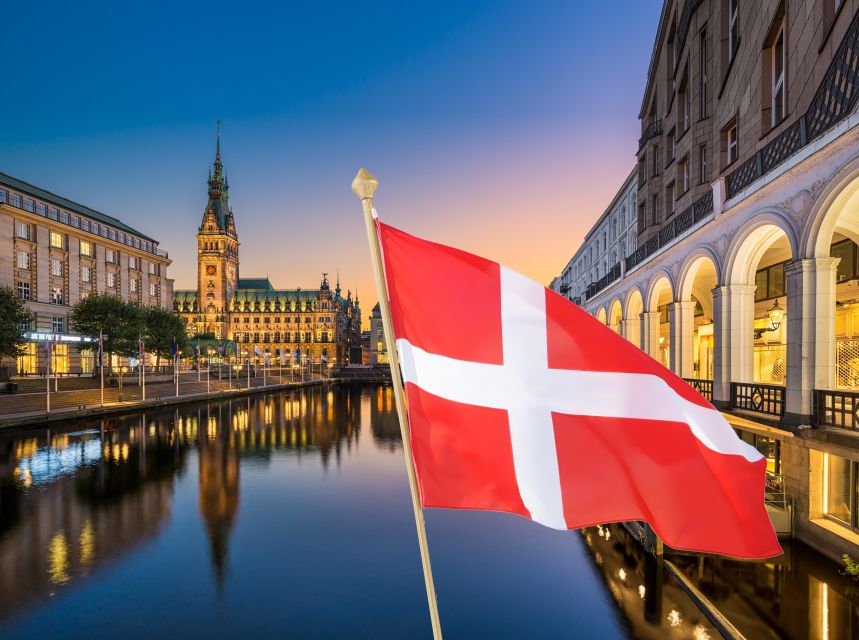
Your meeting point is in front of the Swatch Shop at the corner of Jungfernstieg and the Alsterarkaden. This is a central place to begin, and it puts you near Hamburg’s main city-center sights from the first minute.
The route is not a museum tour with long indoor stops. It is an outdoor walk built around streets, buildings, memorials, and views. That means your shoes matter. Wear comfortable clothes and prepare for rain or cold. One Danish participant described a February outing as very cold but still worthwhile, which is a useful warning: Hamburg weather can test your enthusiasm before the history does.
The tour lasts two hours, so you should expect a steady pace. The description does not give a group size beyond the maximum of 30, so the feel may vary depending on how many people book your time. A large group can make it harder to hear or gather around a small site, while a smaller group may feel more conversational.
More Walking Tours in Hamburg
- Hamburg: Guided Walking Tour for Magic Fans
★ 4.8 · 1,992 reviews - Reeperbahn Walking Tour with St. Pauli Local
★ 4.8 · 577 reviews - Hamburg: Speicherstadt Walking Tour with Coffee Tasting
★ 4.6 · 360 reviews
Hamburg Townhall and the city’s public face
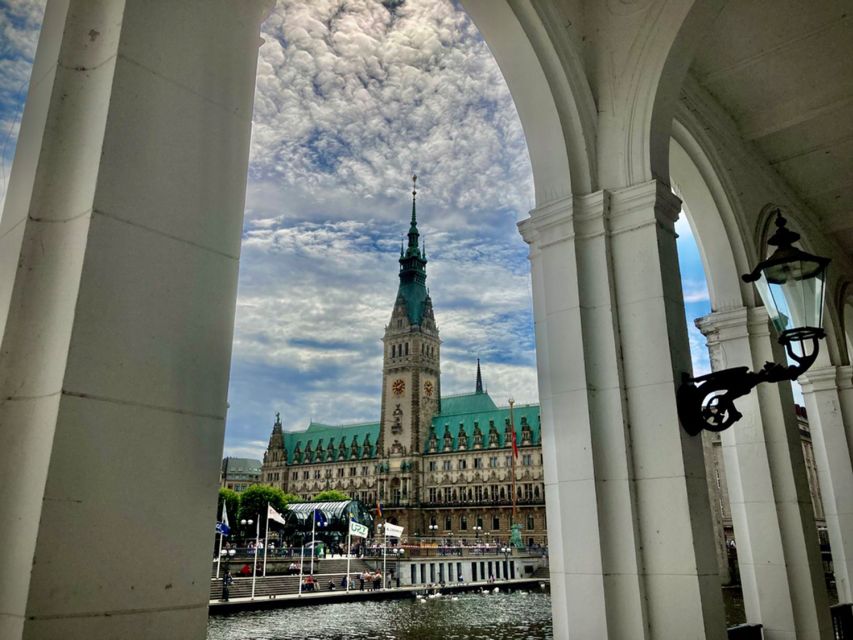
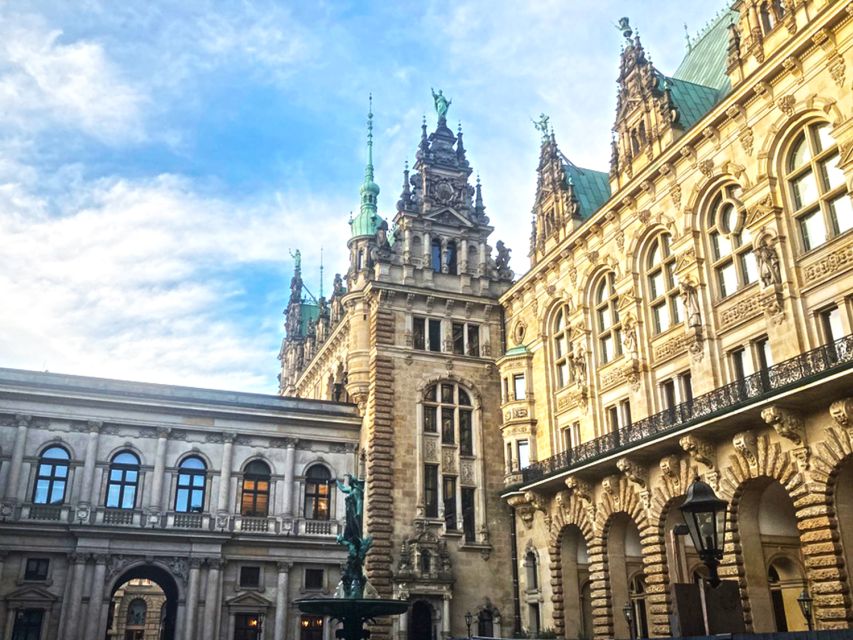
The first major stop is Hamburg’s Townhall, with about 20 minutes of guided explanation. This is the longest scheduled stop, and that makes sense. The building offers a strong starting point for understanding Hamburg as a civic and economic center.
Here, your guide sets up the city’s long story, from its early days as a Saxon marketplace to its medieval role in the Hanseatic League and its modern place as a major port and cultural center. The value is not simply seeing an impressive building. It is learning how power, trade, and urban growth shaped the city around you.
A short walking tour can easily turn into a parade of photographs. This stop should help prevent that. You get a frame for the rest of the outing, so the later warehouse buildings and waterfront projects feel connected rather than random.
You should not expect a full interior visit to every building on the route. The planned stop is a guided tour point, not a long architectural tour. If you want extended time inside the Townhall, you will need to arrange that separately.
Deichstraße and the clue hidden in Hamburg’s fires
The walk continues to Deichstraße, where the guide spends about 15 minutes discussing Hamburg’s development. This part of the route is especially useful because the tour focuses on why fire played such an important role in the city’s story.
Hamburg’s Old Town is described as actually quite new, an intriguing point that gives the walk a little bite. Instead of treating the historic center as a perfectly preserved medieval quarter, the guide explains how fire and rebuilding changed what you see today.
That is the kind of detail I value on a city walk. It helps you read the streets instead of simply admiring them. A building may look old, but the story behind its survival, rebuilding, or replacement can tell you more about Hamburg than a date on a plaque.
The 15-minute timing is enough for a focused explanation, but not enough for a leisurely architectural study. Listen closely here, especially if you are interested in how disasters alter a city’s shape.
The Patriotic Society and Hamburg’s civic identity
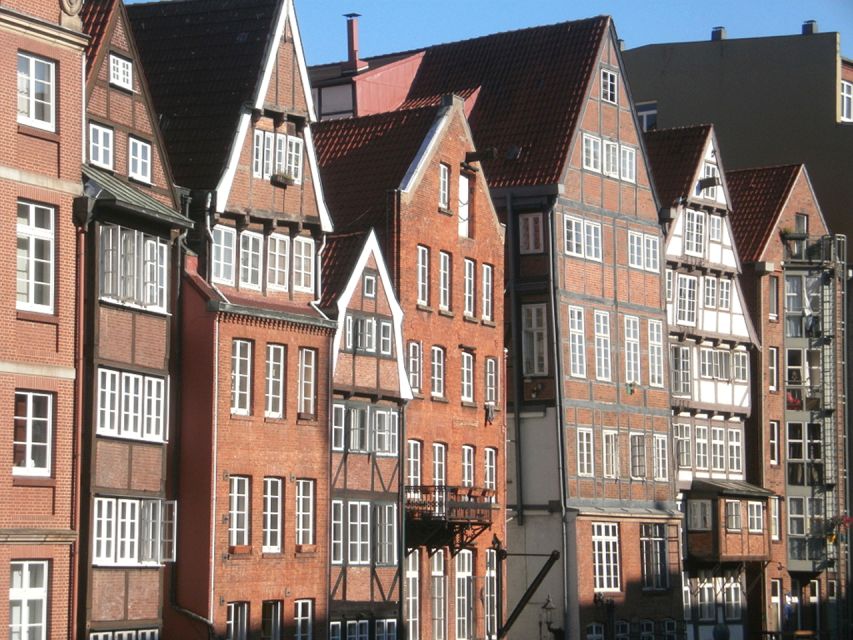
The next stop is the Patriotic Society of 1765, with about 10 minutes of commentary. This is the shortest scheduled stop, so expect a concise explanation rather than a long visit.
Its place on the route helps connect Hamburg’s commercial success with its civic life. The tour is not only about ships, warehouses, and trade. It also considers the institutions and people who helped shape the city as a political and cultural center.
Ten minutes can be enough when a guide has a clear point to make. It can also feel brief if you want detailed information about the building itself. I would treat this as a useful link between the earlier discussion of the city center and the heavier wartime history that follows.
Still Hamburg, at a slower pace:
- Hamburg: Sex and Crime in St. Pauli Tour for Ages 18+
★ 4.7 · 15,447 reviews - Hamburg: 1.5-Hour Harbor and Speicherstadt Day Cruise
★ 4.6 · 14,200 reviews - Hamburg: 90-Minute Evening Lights Harbor Cruise
★ 4.5 · 7,728 reviews - Hamburg: 2-Hour XXL Port of Hamburg Cruise Tour
★ 4.7 · 6,979 reviews
St. Nikolai Memorial and Operation Gomorrah
At the St. Nikolai Memorial, the tour spends about 15 minutes. This is one of the most serious stops on the route.
The church was bombed by Allied forces during Operation Gomorrah in 1943. Its remains now house a World War II memorial and museum. The damaged structure gives the history a physical presence that a spoken account alone cannot provide.
This stop is valuable because it avoids presenting Hamburg only as a prosperous port or a handsome northern city. The tour also addresses the destruction that shaped modern Hamburg. You can see how war left its mark on the city, and how the site was later preserved as a place of memory.
The timing is enough for an introduction, but the museum itself may deserve more attention than the group schedule allows. If the subject matters to you, plan to return or spend extra time here after the walking tour, provided opening arrangements allow it. The guided walk gives you context, while independent time would let you examine the memorial at your own pace.
Laeiszhof and the port connection
Laeiszhof receives about 15 minutes of guided attention. This stop helps move the story toward Hamburg’s commercial and maritime identity.
The tour’s larger argument becomes clear here: Hamburg developed through trade, port activity, civic organization, rebuilding, and constant change. You are not simply walking from one famous building to another. You are following the forces that made Hamburg what it is.
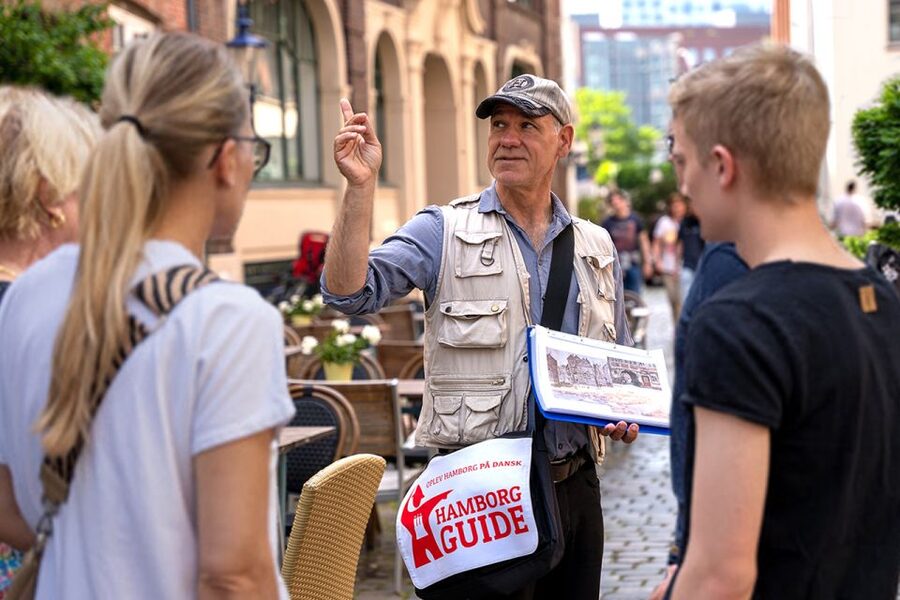
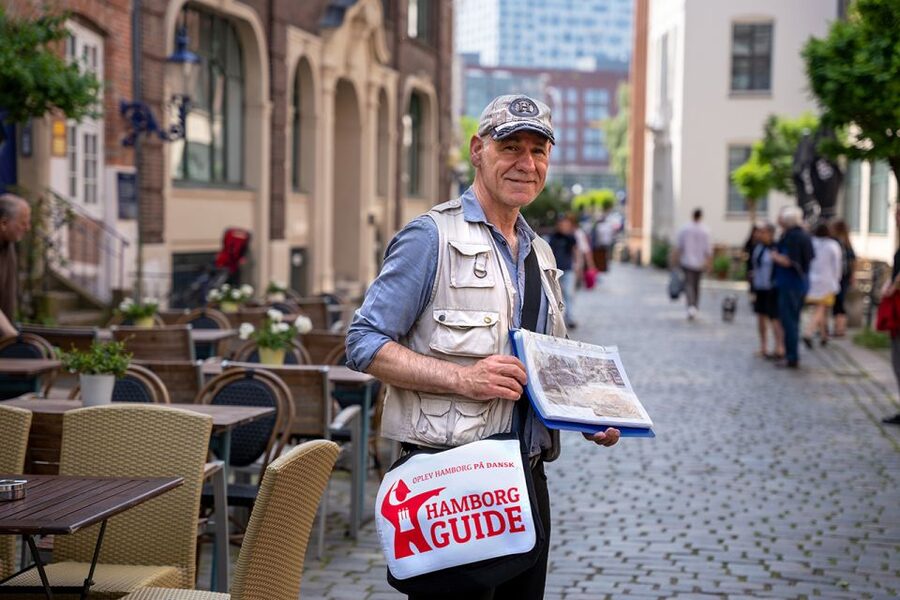
The guide also uses historical visual aids. That is a practical advantage when discussing a city that has changed greatly over 1,200 years. Old images or other visual material can help you picture what no longer survives, especially when modern streets cover earlier layers of the city.
Do not expect a port cruise or a visit inside a working harbor. This is a walking route, and Laeiszhof functions as part of the city’s historical sequence rather than as a separate attraction.
Speicherstadt, Hamburg’s brick-built warehouse district
The route then reaches Speicherstadt, described as the world’s largest warehouse district. You have about 15 minutes here, which gives you time to hear why this district matters and to take in its distinctive scale.
Speicherstadt is one of the tour’s strongest stops because it shows Hamburg’s trading past in a very direct way. The warehouse district is not an abstract chapter in a history book. Its brick buildings and canals make the city’s commercial story visible.
This is also where the walk’s short duration becomes both helpful and limiting. You get a clean introduction to a major part of Hamburg, but 15 minutes is not enough to explore every corner or linger over every view. I like the tour as an orientation. Afterward, you can return for photographs, museums, cafés, or a slower walk through the district.
The guide’s Danish commentary adds value for anyone who wants more than a few dates and labels. Hamburg’s economic rise can be complicated, and hearing the story in Danish makes it easier to follow while you are also watching the streets around you.
HafenCity and the city’s newest chapter
From Speicherstadt, the route moves into HafenCity, Hamburg’s residential and business district. This change in scenery gives the tour a useful before-and-after structure.
Instead of ending with Hamburg’s older buildings, the walk shows how the city continues to grow and remake its waterfront. HafenCity represents a modern part of Hamburg, and the 15-minute stop gives you a chance to understand its role in the city today.
I like this contrast. Many historic walks finish once the old center is covered. Here, you see that Hamburg is not frozen in the past. The route asks you to compare the city’s older warehouse district with its newer residential and business areas.
The trade-off is that HafenCity is broad, and a short guided stop cannot explain every part of it. Think of this as a guided introduction to the district, not a full architectural or urban-planning tour.
The Elbphilharmonie finish
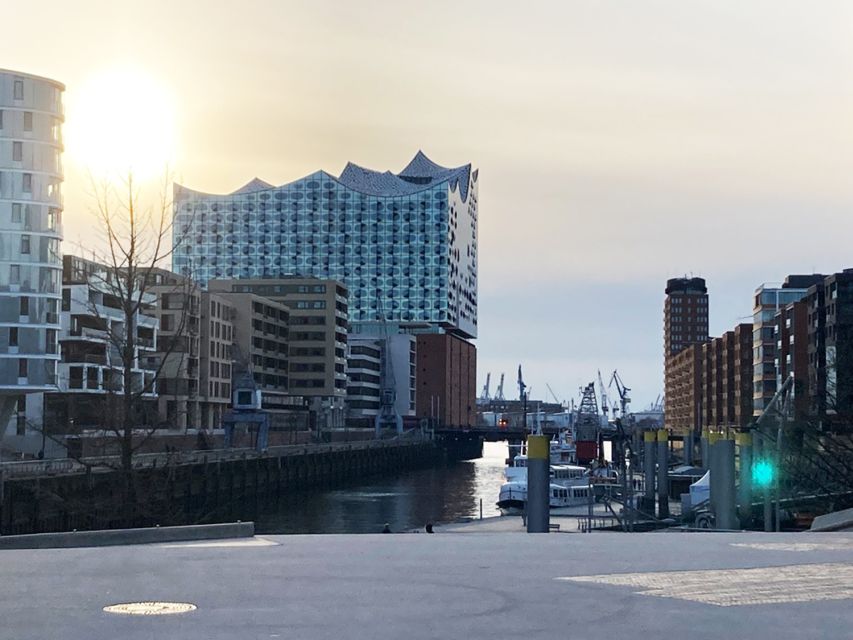
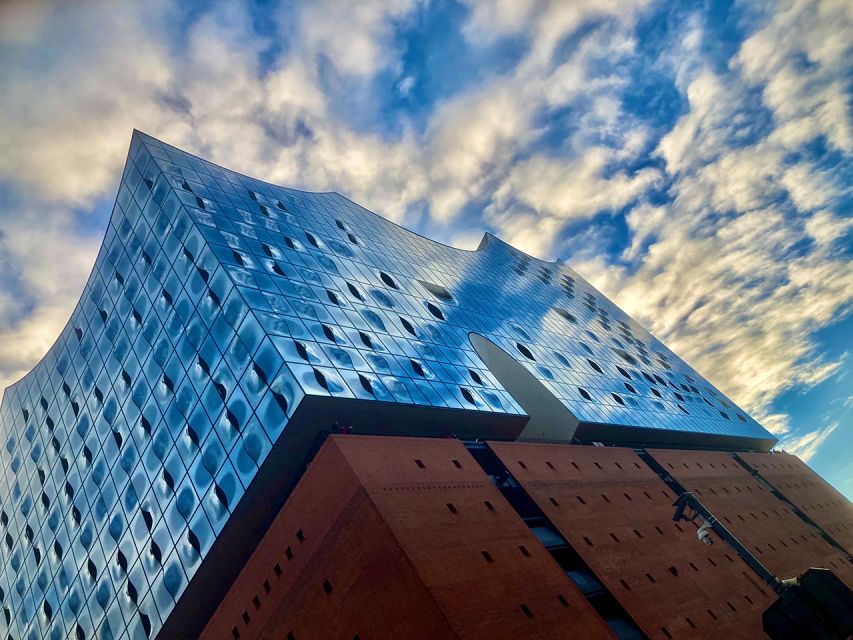
The final stop is the Elbphilharmonie, with about 15 minutes of commentary. The concert hall is the dramatic endpoint of the walk, both visually and historically.
After hearing about medieval trade, fire, wartime destruction, warehouses, and port development, you finish with a major symbol of contemporary Hamburg. The building’s setting in HafenCity gives the last section a strong sense of arrival without requiring a separate transport connection.
The tour ends at Platz der Deutschen Einheit. That is convenient because you can continue on your own to the Elbphilharmonie Plaza and public viewing platform. The guided portion gets you there and provides context, then leaves you free to decide how long you want to stay.
This is one of the best design choices in the experience. You are not rushed through the final sight and immediately sent back to the starting point. You can finish the walk, take in the views, and explore the building area independently.
What the Danish guide adds
The strongest reason to choose this experience is the language. A Danish-speaking guide can explain the city’s story with greater ease and nuance than a written brochure or an audio guide in a less comfortable language.
Christian Meyer-Pedersen is specifically praised for his lively account of Hamburg’s history and culture. He is also described as pleasant and easy to listen to. That combination matters. A guide can know plenty of facts and still make a two-hour walk feel heavy. The comments about Christian suggest an engaging approach, though you should not assume he will lead every departure.
The best moments on this route are likely to come from the connections between places: why fire changed the Old Town, how Hamburg’s trade shaped the warehouse district, and how war and rebuilding affected the modern city. Those links turn separate sights into one understandable story.
The supplied rating is 5 out of 5 from 11 ratings, with Danish participants repeatedly praising the tour as informative, friendly, and historically worthwhile. One person described getting Hamburg’s history in two hours, which is a fair way to see the goal. You receive a broad city introduction, not a specialist course.
Is $280 good value for your group?
The price is $280 per group of up to 30 people. That makes the value depend heavily on how many people are in your party.
At the full limit, the cost is about $9.33 per person for a licensed guide and two hours of walking commentary. That is a strong price for a large family group, school group, association, or organized party that wants Danish-language guiding.
For a small group, the per-person cost rises quickly. Two people would effectively pay $140 each, while five people would pay $56 each. The price can still make sense if Danish guiding is important to you, but it is less of a bargain for couples or very small parties.
Historical visual aids are included, and food and drinks are not. You should eat before the walk or plan a stop afterward. The route ends in an area where you can continue sightseeing, but no meal or refreshment is part of the tour.
Who should book this walk?
I would choose this tour if you want a clear first look at Hamburg and prefer to hear the story in Danish. It suits adults, families with older children, and groups interested in history, architecture, war memorials, port cities, and urban change.
It is particularly useful early in a Hamburg stay. After two hours, you will have seen the central landmarks, Speicherstadt, HafenCity, and the Elbphilharmonie, giving you a better sense of where to spend your free time later.
I would hesitate if you want long visits inside attractions, a relaxed photography walk, or a detailed tour of the Elbphilharmonie itself. The route covers a lot of ground and gives most stops 10 or 15 minutes.
The access restrictions also matter. The experience is not suitable for children under six, wheelchair users, people with mobility impairments, or people with visual or hearing impairments. Since it runs rain or shine, comfort and weather preparation are part of the decision.
Should you book Hamburg’s Danish walking tour?
Book it if Danish is your preferred tour language, your group wants a broad historical introduction, and you like walking between major sights rather than sitting on a bus. The route is well chosen, moving from Jungfernstieg and the Townhall through fire, war, trade, Speicherstadt, and HafenCity before ending at the Elbphilharmonie.
For a large group, the $280 group price offers particularly good value. For a couple, it is a more expensive choice, but the Danish-language service and licensed guide may justify it. Bring comfortable shoes, cash, and weather-ready clothing, then keep extra time after the tour for the Elbphilharmonie Plaza and the St. Nikolai Memorial if those places catch your interest.
FAQ
How long does the Hamburg walking tour last?
The tour lasts two hours.
What language is the tour conducted in?
The live tour guide speaks Danish.
Where does the tour begin?
Meet the guide in front of the Swatch Shop at the corner of Jungfernstieg and the Alsterarkaden.
Where does the tour end?
The walk ends at Platz der Deutschen Einheit, near the Elbphilharmonie in HafenCity.
Is the Elbphilharmonie Plaza included?
The guided walk ends near the Elbphilharmonie and provides an opportunity for you to visit the Plaza and public viewing platform independently. Access to those areas is not listed as part of the guided tour.
What should I bring?
Bring comfortable shoes, comfortable clothing, and cash. The tour operates in rain or sunshine, so dress for the weather. Food and drinks are not included.
Just added around Hamburg
- Hamburg: St. Pauli Food and Bier Tour★ 4.7 · 5 reviews
- St. Pauli Tour: Drag-Attack with Barbie Stupid & Lee Jackson★ 4.8 · 280 reviews
- Hamburg: Private Tour Red Light District Walking Tour★ 4.7 · 227 reviews
- St. Michael’s, Elbe Tunnel & Harbor 2-Hour Hamburg Tour★ 4.9 · 21 reviews
- Satt Pauli – der kulinarische Rundgang durch St. Pauli★ 4.8 · 12 reviews
- Hamburg: Safari tour in St. Pauli★ 4.9 · 11 reviews
- Hamburg: Reeperbahn Comedy Club★ 4.3 · 53 reviews
- Radtour um die Alster & durch traumhafte Alsterviertel★ 4.9 · 34 reviews
Walking Tours, compared.
Old Town & Viktualienmarkt City Walk in German
Read our review →Browse the lists this tour appears in