
Reviewed · CITY TOURS
München: Stadtführung Henker, Huren, Hexen in GERMAN
Dark stories make old cities feel human. This two-hour German walking tour connects Munich’s churches, gates, and old streets with tales of executioners, prostitution, witch hunts, torture, and executions. I like the route’s unusual focus, especially the claim that Munich’s executioners also worked as pimps. I also like the mix of famous sights and lesser-known city customs. One concern is that the subject can get stretched around church visits, and a past tour had serious problems with sound and timing.
The tour costs about $25 per person, which is fair if you want a guided introduction to Munich’s grim past rather than a standard sightseeing walk. Guide Julia earned special praise for keeping spirits high during bad weather, while another guide was described as friendly and well versed in history but difficult to hear near the Frauenkirche.
In This Review
- Key points to know before booking
- Why Munich’s darker side makes a good walking tour
- Meeting under the Neuhauser archway
- Neuhauser Tor and the road to execution
- St. Michael’s Church and the role of religion
- The former Jesuit college and witch hunts
- Frauenkirche, Alter Hof, and the challenge of a city-center route
- Prostitutes, pimps, and the end of prostitution in the 1970s
- Storytelling, sound, and guide quality
- How much value do you get for $25?
- Practical advice for a better walk
- Who should book this German-language tour?
- Should you book it?
- FAQ
- How long does the Munich Henker, Huren, Hexen tour last?
- What language is the tour conducted in?
- Where does the tour meet?
- How do I identify the guide?
- Which Munich sights are included?
- Is the tour available as a private experience?
- Does the tour include food, drinks, or entrance fees?
- Can I cancel the booking?
Key points to know before booking
- The tour begins under the Neuhauser archway, where you look for a guide carrying a large blue bag marked Weis(s)er Stadtvogel.
- The central theme is Munich’s dark social history, including executioners, pimps, prostitutes, witches, torture, and public executions.
- Neuhauser Tor marks the route’s strongest historical starting point, since condemned people were led out of the city there.
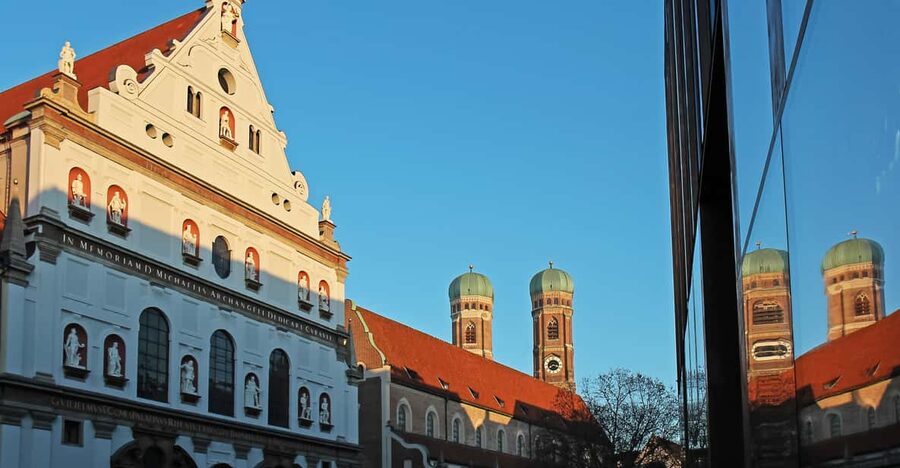
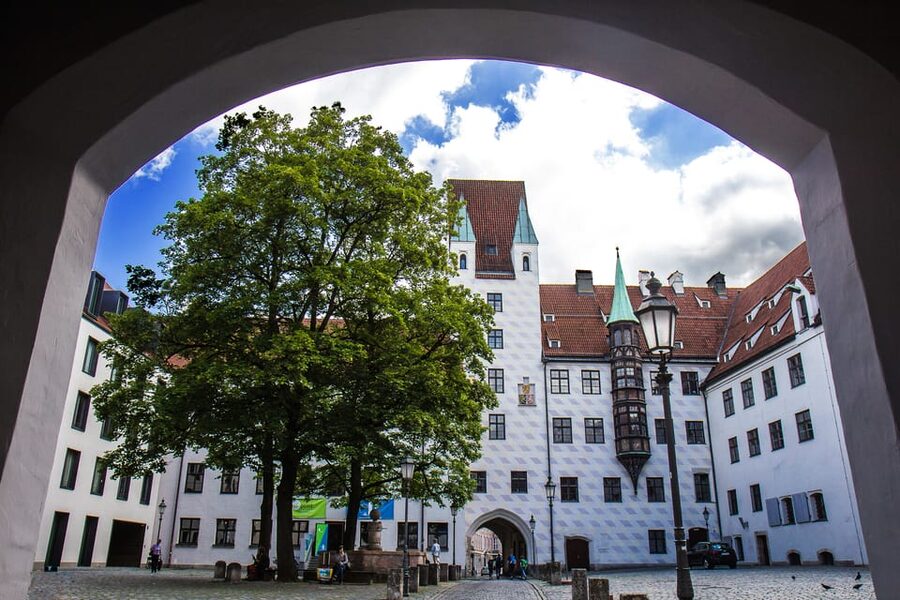
- The walk also includes major landmarks, such as St. Michael’s Church, Frauenkirche, Alter Hof, and the former Jesuit college.
- It is conducted in German, with a choice of shared group or private tour.
- The tour runs in all weather, and comfortable shoes are essential. The activity is described as wheelchair accessible but also not suitable for people with mobility impairments, so confirm conditions before booking.
Why Munich’s darker side makes a good walking tour
Munich is easy to associate with grand churches, royal buildings, beer halls, and polished squares. This walk takes a different route through the city’s past. It asks who dealt with crime, how authorities controlled sex work, why witch hunts gained force, and where punishment took place.
That gives the familiar old center a sharper edge. A church is no longer just a beautiful building. A city gate becomes the last point on a prisoner’s route. A busy street follows the old salt road, once a major commercial artery, while your guide explains how law, religion, trade, and public order overlapped.
I like this approach because it gives you questions to carry into the rest of your Munich visit. You begin to notice who had power, who lived outside accepted society, and how much of city life was managed through fear and public example.
The tone appears to be informative with a dose of humor. The description promises fun stories and anecdotes, but this is not a theatrical fright walk. There are no actors and no reenactments. You get a live guide speaking German while you walk through the real streets connected to the subject.
More City Tours in Munich:
- Munich: Old Town & Viktualienmarkt City Walk in German
★ 4.7 · 2,304 reviews - Munich: City Bus Tour & FC Bayern Munich Allianz Arena Tour
★ 4.5 · 2,071 reviews - Munich City Hop-on Hop-off Tour
★ 3.5 · 1,233 reviews
Meeting under the Neuhauser archway
The meeting point is under the Neuhauser archway. This is the Neuhauser Tor area, one of the most useful places to begin because it connects directly to the story of punishment in Munich.
Look for the guide carrying a big blue bag with the white words Weis(s)er Stadtvogel. That detail matters in a crowded central area, where finding the right person can otherwise take a few minutes.
Arrive ready to walk. The tour lasts two hours, and pickup and drop-off are not included. You make your own way to the archway and leave the group at the end of the walking route.
The provider offers both a shared group tour and a private option. The shared walk should suit most visitors who want a lower price and a social setting. A private tour may be worth considering if you want more questions, a slower pace, or a quieter presentation, though the exact private-tour arrangements are not given.
Neuhauser Tor and the road to execution
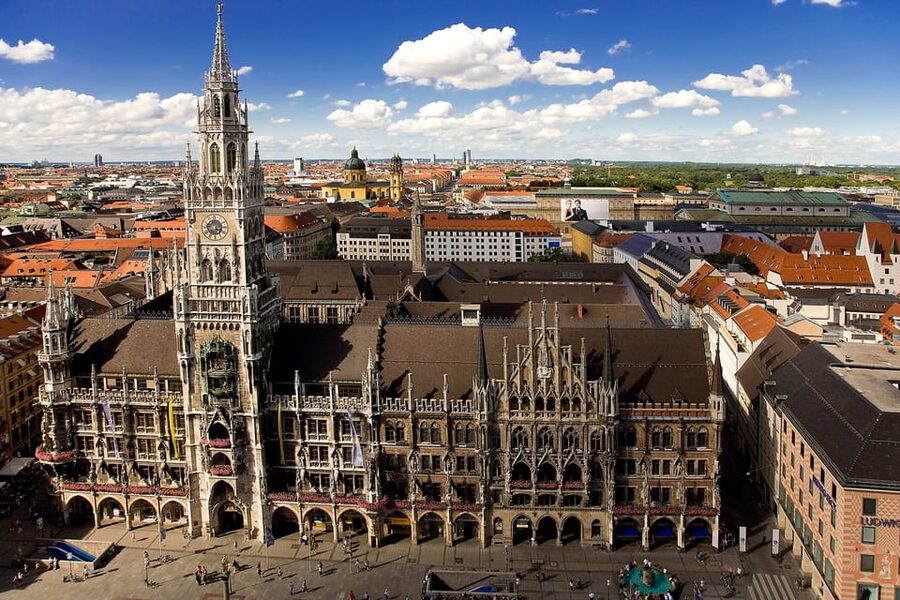
Neuhauser Tor gives the tour an immediate sense of place. This was where delinquents were led out of Munich to be executed. The point is not just the punishment itself, but the public nature of it. A gate that now feels like part of the city center once marked a boundary between civic order and what lay beyond it.
From here, the guide follows the historic salt road. Salt was a valuable trade good, and the road helped connect Munich with wider commercial routes. On this walk, that ordinary trade connection becomes part of a darker story about how people, goods, criminals, and officials moved through the city.
This is one of the route’s strongest features. You are not only hearing dates and names. You are being shown the physical path tied to the subject. That can make the material easier to remember than a lecture indoors.
The tour also deals with the executioner’s unusual position. In the city’s social order, executioners were needed by the authorities but often kept apart from respectable society. The guide explains why their headquarters were located outside the city and how executioners could also act as pimps.
That combination is the hook of the whole experience. It links official violence with an unofficial sex trade, showing how a person pushed to the edge of society could still perform important work for the authorities.
St. Michael’s Church and the role of religion
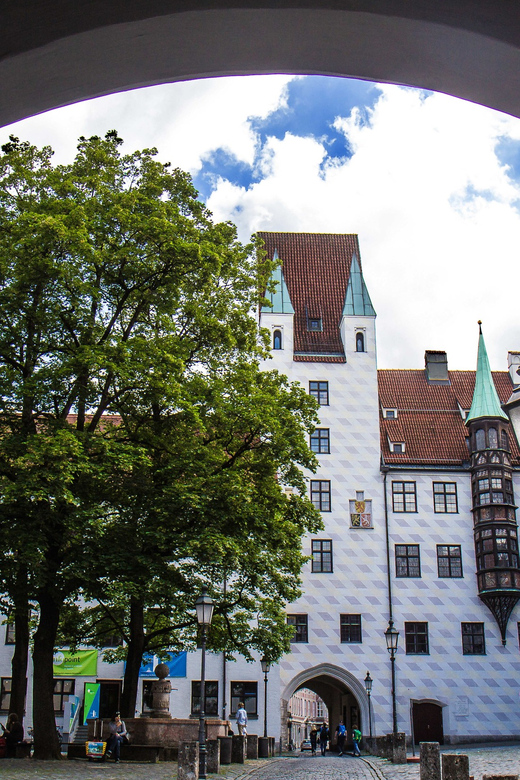
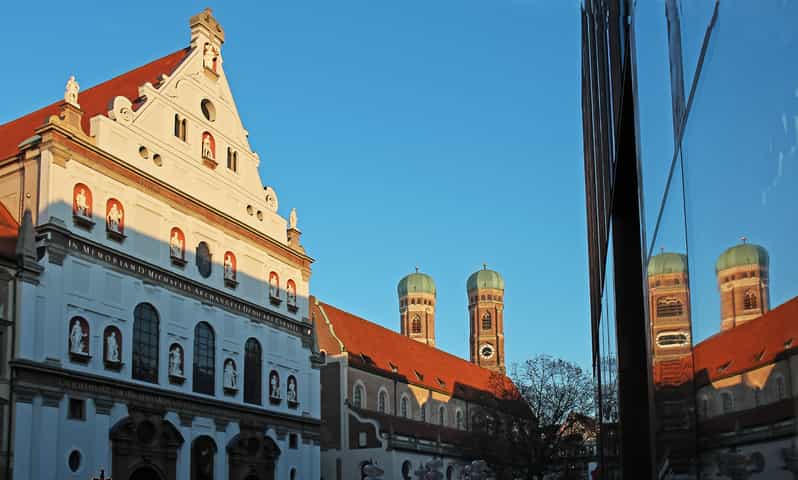
St. Michael’s Church is one of the major stops named in the route. The church gives the guide a place to discuss religion, authority, and the beliefs that shaped witch hunts and punishment.
The subject can be uncomfortable. Witch hunts were not simply spooky tales for entertainment. They were tied to fear, accusation, religious ideas, and the power of officials to decide who was dangerous. The tour uses the former Jesuit college to explain this part of Munich’s past.
You should expect historical interpretation rather than a supernatural show. The activity does not use actors or staged scenes, so the impact comes from the guide’s explanation and the buildings around you.
One practical point is worth keeping in mind. A past experience became frustrated when the guide tried to connect too many churches to the main subject without enough clear evidence. That does not mean St. Michael’s is irrelevant, but it does suggest that the quality of the visit depends heavily on how tightly the guide links each stop to the advertised theme.
A few more Munich trips worth comparing
- From Munich: Neuschwanstein & Linderhof Castle Full-Day Trip
★ 4.5 · 12,494 reviews - Neuschwanstein & Linderhof Castle-Fairytale Day Tour from Munich
★ 4.5 · 7,275 reviews - Munich: Third Reich & WWII Walking Tour
★ 4.6 · 6,181 reviews - Dachau Concentration Camp Memorial Site Tour from Munich by Train
★ 4.5 · 5,637 reviews
The former Jesuit college and witch hunts
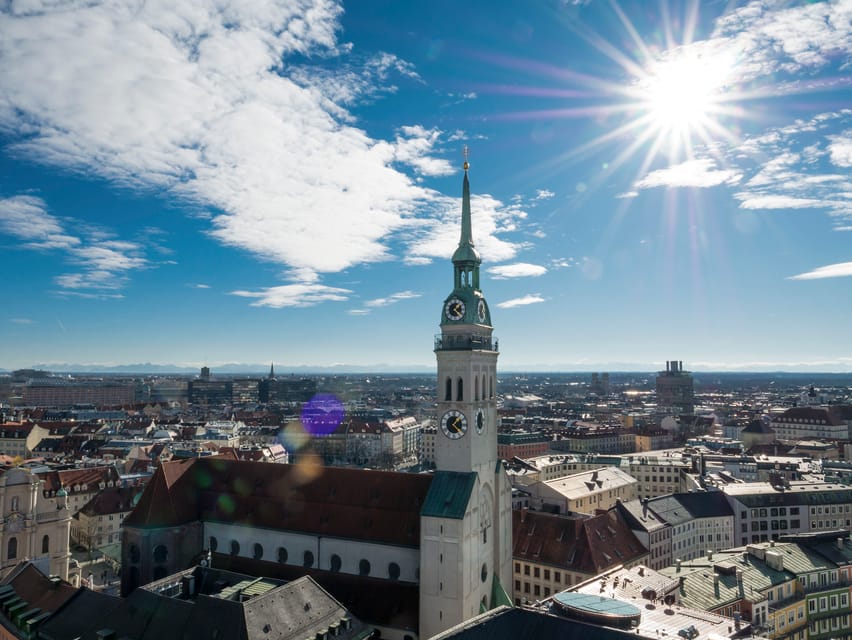
The former Jesuit college is included as the place where you hear more about witch hunts. This stop broadens the tour beyond executions and prostitution. It shows how religious institutions and civic authorities could help shape ideas about guilt, danger, and punishment.
I would pay close attention here to the difference between documented events and interpretation. The subject invites dramatic storytelling, and a good guide should make clear when a claim is supported by historical evidence and when it is a reasonable explanation of the period.
That distinction matters because one lower-rated experience raised concerns about speculation. The guide was described as friendly and well informed, but the visitor felt that some connections to the theme were not sufficiently supported. If you enjoy careful history, ask questions when the guide makes a broad claim.
The tour’s format also affects how much you absorb. You are outdoors, moving from place to place, with street noise around you. If the group stops near a church or major square, it may be harder to hear every detail.
Frauenkirche, Alter Hof, and the challenge of a city-center route
The route passes the Frauenkirche, Munich’s best-known landmark, and the Alter Hof, the Old Court. These sights help place the darker stories within the city’s main political and religious center.
The Frauenkirche is also where timing may matter. One past tour was held during a large choir rehearsal and the ringing of the church bells at 3 p.m. The guide continued speaking, but the sound made it difficult to understand much of the explanation.
That is a useful warning. You cannot control every noise in central Munich, but a guide can sometimes move the group a short distance to a quieter spot. If hearing every word is important to you, consider a private tour or ask about the timing when you book.
The Alter Hof adds a different piece of the city’s past. As the Old Court, it helps show the connection between government, urban control, and the people who enforced social rules. The route is not a museum visit, and entrance fees are not included. You see the exterior setting while the guide provides the story.
For many people, this is enough. You get a sense of place without spending extra time indoors. If you want detailed architectural information about each building, this may not be the best match, since the focus remains on the tour’s darker subject.
Prostitutes, pimps, and the end of prostitution in the 1970s
The title promises attention to prostitutes, and the tour asks what executioners, prostitutes, and witches had in common in Munich’s social system. It also addresses the unusual role of executioners as pimps.
You should expect the topic to be part of a wider story about marginal groups, law enforcement, and public morality. The guide explains why prostitution ended in the 1970s, a modern detail that brings the story beyond medieval and early modern Munich.
This is a useful contrast. The walk is not only about distant crimes and punishments. It shows that questions about prostitution and city control continued into recent decades.
Still, the title sets a high expectation. One poor experience specifically complained that the prostitution theme received little attention. If that subject is your main reason for booking, ask at the start how much time the guide plans to give it.
The advertised material also puts witches, torture, and executions near the center of the walk. You should expect a serious history tour with entertaining anecdotes, not a detailed study of every aspect of sex work in Munich.
Storytelling, sound, and guide quality
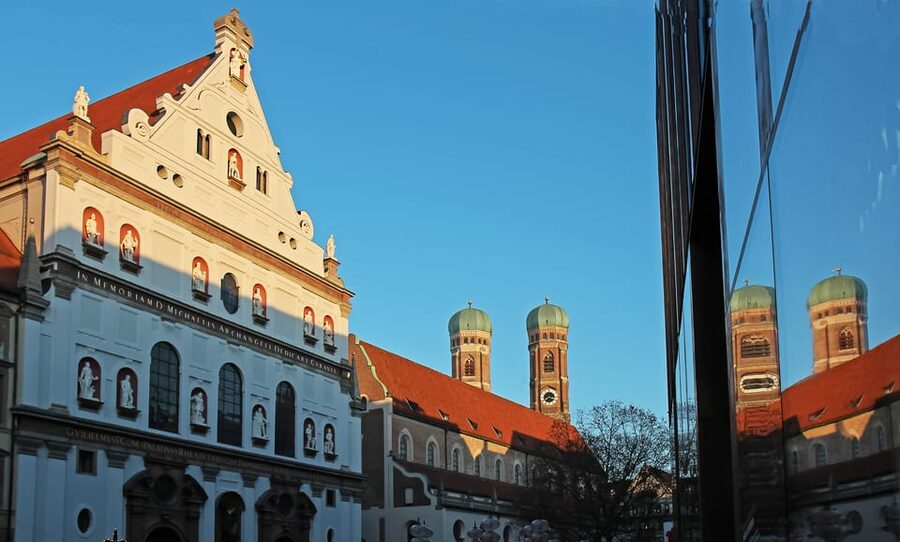
The strongest praise focuses on the guides and the mood of the experience. Julia was singled out as an excellent guide during a rainy day, with the group’s good spirits surviving poor weather. Another guide was praised as very friendly and able to share interesting information.
That matters on a walking tour with a grim subject. The right guide can keep the material clear without turning suffering into cheap entertainment. Fun anecdotes can help you stay engaged, while a careful explanation keeps the history grounded.
Sound is the main risk. The tour takes place in busy parts of central Munich, and one guide was hard to understand. The visitor also felt the walk went on too long because too much time was spent trying to connect various churches to the theme.
You can reduce that risk by standing close to the guide and avoiding the back of a large group. If you have hearing difficulties, a private tour may provide a better setting, though the available information does not promise special audio equipment.
The overall score is 4.6 from six ratings. That is a strong result, but the small number of ratings means you should treat it as a useful signal rather than a guarantee. The pattern is clear enough: the tour can be excellent with the right guide and conditions, but sound, timing, and thematic focus deserve attention.
How much value do you get for $25?
At about $25, the tour is reasonably priced for two hours with a live guide. You are paying for local interpretation, a planned route, and stories that would be difficult to build from a guidebook alone.
The value is strongest if you already know Munich’s main landmarks and want a fresh angle. St. Michael’s Church, Frauenkirche, and Alter Hof are more rewarding when you understand how religion, government, punishment, and social control shaped city life.
The price is less attractive if you want entrance visits, food, drinks, or transportation. None of those are included. This is a walking tour, not a full attraction package.
The reserve-now-and-pay-later option also gives you some planning flexibility. Free cancellation is available up to 24 hours before the tour for a full refund. Since the walk goes ahead in rain or shine, that policy is useful if the forecast looks poor.
Practical advice for a better walk
Wear comfortable shoes. Two hours on city streets is manageable for most people, but the tour is not suited to people with mobility impairments according to the restrictions provided.
There is an important contradiction in the information: the activity is marked wheelchair accessible, yet it is also listed as not suitable for people with mobility impairments. Do not assume the route will work for every wheelchair or mobility aid. Contact the provider before booking and ask about the actual surfaces, route, stops, and any difficult sections.
Bring weather-appropriate clothing because the tour runs in all conditions. Rain may not ruin the experience, as Julia’s well-received tour during poor weather shows, but wet conditions can make a long walk less pleasant.
Choose your timing carefully if possible. A visit near the Frauenkirche during choir practice or church bells may make the guide hard to hear. If your schedule is flexible, avoid a time when major church events are likely to interfere.
Finally, decide what you want from the tour. If you want a lively overview of Munich’s darker past, the experience should fit well. If you need a tightly documented academic treatment of prostitution or witch trials, you may find the presentation too broad.
Who should book this German-language tour?
I would recommend it to visitors who enjoy unusual city history and do not mind uncomfortable subjects. It suits people who prefer walking and storytelling to museum displays, and it gives repeat visitors a new reason to look at Munich’s central sights.
It is also a good choice for German speakers who want a local-language tour. The provider’s language is German, and no English option is listed.
Families should consider the subject matter carefully. Witch hunts, torture, executions, and prostitution may not suit younger children, though the tour does not use graphic reenactments or actors.
I would be more cautious if you have limited mobility, difficulty hearing in city noise, or a very specific interest in prostitution. The accessibility information is unclear, one past tour had sound problems, and the title may promise more attention to prostitutes than every guide provides.
Should you book it?
Book this tour if you want a two-hour German walk through Munich’s darker history, especially the unusual link between executioners and pimps. The route brings real places into the story, and the price is fair for a guided introduction.
Before paying, check the start time, ask how the current route handles the prostitution theme, and confirm accessibility if needed. With a clear-speaking guide and a quiet enough route, this can be a memorable way to see familiar Munich landmarks from a less polished, more revealing angle.
FAQ
How long does the Munich Henker, Huren, Hexen tour last?
The tour lasts two hours.
What language is the tour conducted in?
The live tour guide speaks German. No other language is listed.
Where does the tour meet?
Meet your guide under the Neuhauser archway.
How do I identify the guide?
Look for a guide carrying a big blue bag with the white words Weis(s)er Stadtvogel.
Which Munich sights are included?
The route includes St. Michael’s Church, the Frauenkirche, the Alter Hof, the Neuhauser Tor area, the historic salt road, and the former Jesuit college.
Is the tour available as a private experience?
Yes. You can choose between a shared group tour and a private tour.
Does the tour include food, drinks, or entrance fees?
No. Food, drinks, pickup, drop-off, and entrance fees are not included.
Can I cancel the booking?
Yes. You can cancel up to 24 hours in advance for a full refund. A reserve-now-and-pay-later option is also available.
Just added around Munich
- Pub crawl incl. Oktoberfest museum guided tour with beer tasting (private)★ 5.0 · 5 reviews
- South Tyrolean specialties and wine tasting★ 5.0 · 5 reviews
- Size Matters Beer Tour Munich★ 4.6 · 105 reviews
- Short & sweet: Tasting the Viktualienmarkt★ 4.8 · 37 reviews
- Secret Food Tours Munich★ 4.8 · 5 reviews
- Munich: Romantic Wine Experience for Two at Viktualienmarkt★ 4.2 · 14 reviews
- Residence of Munich private tour with skip the line ticket★ 5.0 · 4 reviews
- Munich: Resistance against Hitler – Historical Walking Tour★ 5.0 · 5 reviews
City Tours, compared.
1-Hour City Tour by Boat with Guaranteed Seating
Read our review →
City History Canal Sightseeing Tour on a Motorboat
Read our review →
Browse the lists this tour appears in