
Reviewed · HISTORICAL TOURS
Munich: Resistance against Hitler – Historical Walking Tour
Munich’s bravest stories hide in plain sight. This two-hour walking tour follows the city’s resistance to Hitler, from the White Rose at Ludwig Maximilian University to a lone bomber and a failed military coup. I like the way it connects famous names with lesser-known acts of courage, and I especially like that Alex, a Munich local, brings the subject to life with historical images and clear storytelling.
I also like the route itself. You walk between original sites rather than viewing the past from a museum room, and the final stop at handsome Odeonsplatz gives the story a strong sense of place. Alex’s warm manner helps with a grim subject, while his command of the material lets him handle questions well.
The main consideration is language: the live tour is in German. You should also wear comfortable shoes and be ready to walk in rain or shine. For visitors who understand German and want more than the usual Nazi-era landmarks, the $28 price is fair.
In This Review
- Key points to know before you go
- Why Munich is the right place for this story
- Beginning at the White Rose fountain
- The White Rose and Munich’s younger generation
- The former Central Ministry and the machinery of power
- The lone bomber and the danger of acting alone
- The military coup at its original setting
- Alex’s guiding style and what you can expect
- Is two hours and $28 a fair price?
- Who should book this Munich resistance tour?
- Should you book it?
- FAQ
- Where does the tour start?
- Where does the tour finish?
- How long does the walking tour last?
- What language is the tour conducted in?
- Is the tour wheelchair accessible?
- What should I bring?
Key points to know before you go
- Start at LMU’s main entrance: Meet by the large fountain at Geschwister-Scholl-Platz 1, a fitting place to begin the White Rose story.
- Hear more than the famous White Rose tale: The route covers several resistance movements, including lesser-known people and plans.
- Visit original historic locations: The University’s main building, the former Central Ministry, and Odeonsplatz all play a role.
- See the courage of one person: One story follows the man who built a bomb in secret to kill Hitler.
- Learn about a dangerous military plot: The tour explains the attempted coup against the Nazi leadership at its actual setting.
- Plan for German narration: Alex leads the tour in German, with personal Munich recommendations included.
Why Munich is the right place for this story
Munich was not just another city in the Nazi story. It was the birthplace of National Socialism, the place where Hitler first made speeches and where the Nazi Party was founded. The city also became a center for Nazi propaganda, right through the final years of the regime.
That background gives this walk its force. You are not studying resistance in a distant capital. You are following it through the city that helped Hitler gain power. The contrast is hard to miss: the same streets tied to Nazi success also saw students, workers, soldiers, and individuals take terrible risks against the regime.
I value that balance. The tour does not present Munich as a city of heroes who all resisted from the start. The story includes the many people who stayed silent or looked away. That makes the acts of resistance feel more serious, not less. Courage was dangerous, rare, and often lonely.
The subject is heavy, but the experience is not designed to leave you with only despair. The stories are tragic, yet they also show that people still had choices, even when the cost of making one was enormous.
More History Tours in Munich
- Munich: Guided Tour of the historic Town Hall on Marienplatz
★ 4.8 · 63 reviews - Munich Craft Beer & Cultural Tour With Snack
★ 5.0 · 46 reviews - Munich History Tour: Private & Personalized with a Local Guide
★ 4.5 · 33 reviews
Beginning at the White Rose fountain
The meeting point is the large fountain in front of the main entrance to LMU, at Geschwister-Scholl-Platz 1. This is a practical meeting place because it is easy to identify, but it is also one of the most meaningful starting points in Munich for a tour about opposition to Hitler.
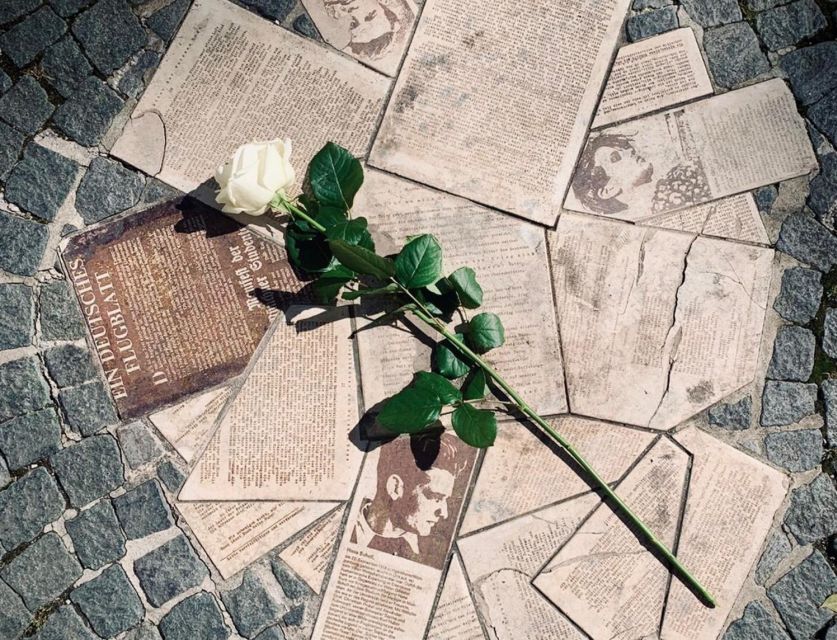
The University is closely tied to the White Rose, Germany’s best-known resistance group. The movement was connected with young people who distributed leaflets attacking Nazi rule and urging Germans to think for themselves. Their story gives the tour an immediate human focus: these were students, not distant political figures from a history textbook.
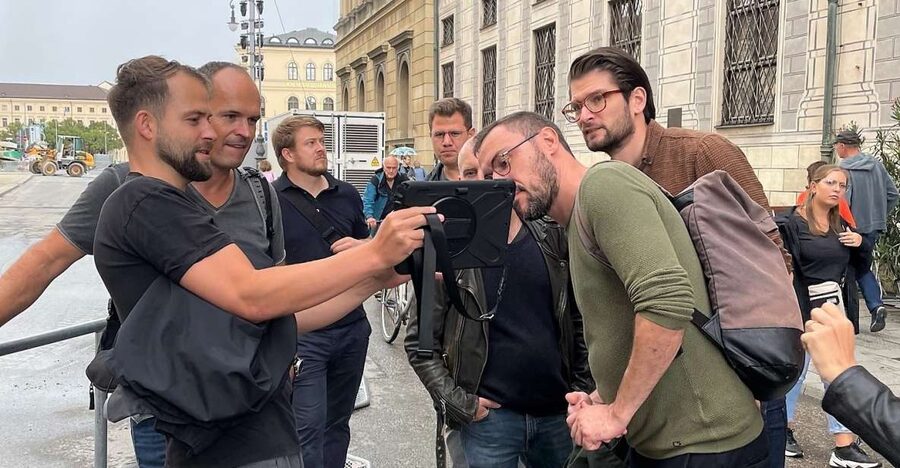
From the start, you can expect Alex to explain the setting rather than rush through it. His approach, according to the details of the tour, includes historical images that match the places you visit. That matters at LMU, where modern daily life can make it difficult to picture the fear and tension of the 1940s.
The University’s main building is one of the original sites on the route. It is not simply a backdrop for a lecture. It helps you understand how resistance took shape in a place associated with young people, learning, and debate. The story of the White Rose also raises an uncomfortable question: how many people saw what was happening, and how many chose not to act?
That question gives the tour more weight than a simple list of names and dates. You are asked to think about moral decisions in real places, not just admire a few famous figures.
The White Rose and Munich’s younger generation
The White Rose is often the only Munich resistance story people know before arriving. This tour uses that familiar starting point, then widens the picture.
You learn that Munich’s youth was also willing to resist at a time when many older people deliberately looked away. That point is important because it avoids treating resistance as something carried out only by generals or senior politicians. Young people also took action, even when they had much to lose and little power to protect them.
The White Rose story can be emotionally difficult. Students and their associates faced the full force of the Nazi state, and the consequences were tragic. Alex’s style appears to help here. The tour’s German-language reviews describe him as sympathetic, passionate, and able to create a relaxed atmosphere without making the subject feel casual.
That is a valuable skill. A guide can either bury you under dates or soften the subject too much. Alex seems to aim for a middle path: serious facts, direct answers, and enough warmth to keep the group engaged.
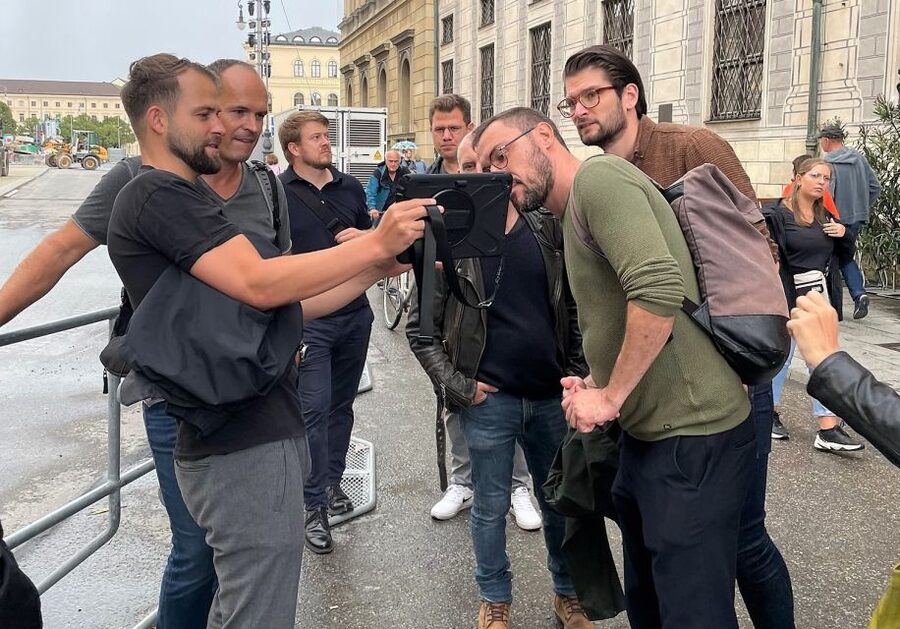
His use of unusual historical images is another strong feature. Seeing old photographs alongside the current streets can help you notice details that a standard sightseeing walk would pass by. You leave the University with a wider understanding of resistance, rather than only the most famous chapter.
The former Central Ministry and the machinery of power
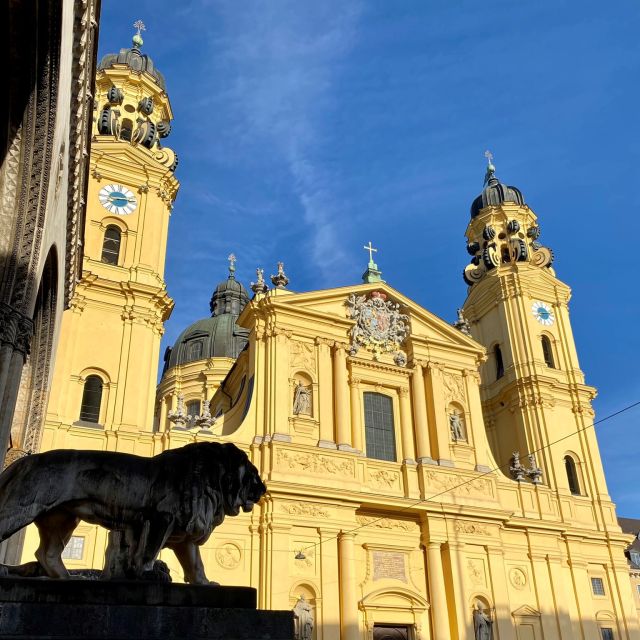
The route continues to the former Central Ministry, another original site tied to the Nazi period. The supplied information does not identify every room or building detail you will see there, so it is best to think of this stop as a place for context rather than a formal museum visit.
Here, Alex explains how resistance existed alongside the institutions that helped maintain Hitler’s rule. That contrast is one of the tour’s strongest ideas. The walk does not isolate brave individuals from the system around them. It shows that their actions took place in a city filled with official power, propaganda, and fear.
For you, this means the tour works best as a historical walk, not as a general introduction to Munich architecture. The buildings matter because of what happened around them. If your main interest is royal palaces, churches, or food markets, this is not the right two hours. If you want to understand how a dictatorship looked and functioned in daily city life, the route has real value.
I also appreciate that the tour includes resistance movements that are almost forgotten. That promises a broader account than the standard White Rose presentation. You may hear about different kinds of opposition, with different motives, levels of planning, and chances of success.
The stories are not all equally tidy. Some people acted alone. Some joined secret networks. Some planned military action. Others resisted through words, youth groups, or quiet refusal. That variety helps explain why the word resistance covers many very different forms of courage.
More Walking Tours in Munich
- Munich: Third Reich & WWII Walking Tour
★ 4.6 · 6,181 reviews - Third Reich Walking Tour Munich
★ 4.5 · 4,291 reviews - Munich: Old Town & Viktualienmarkt City Walk in German
★ 4.7 · 2,304 reviews - Munich: Night Watchman Walking Tour
★ 4.7 · 2,092 reviews
The lone bomber and the danger of acting alone
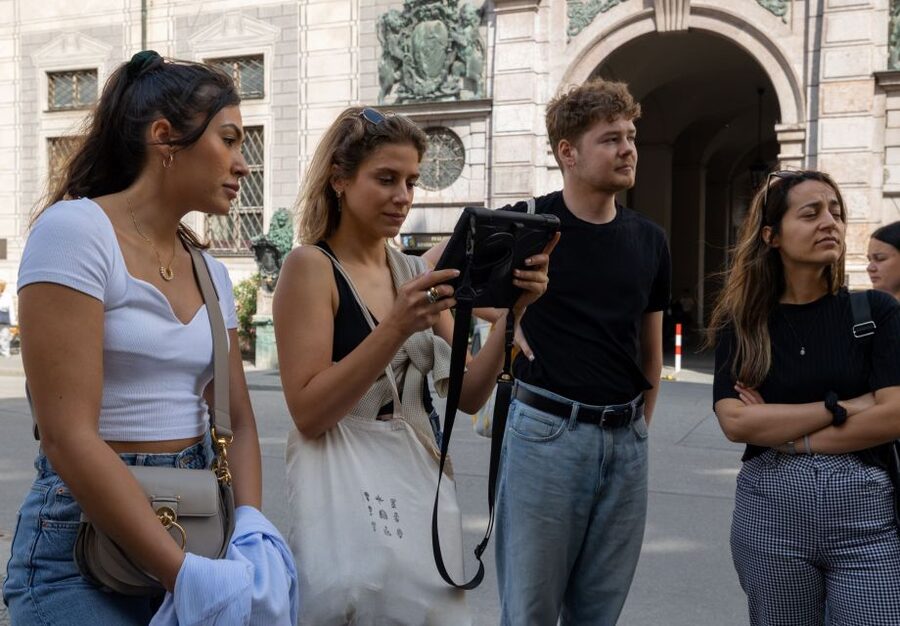
One of the tour’s most striking stories concerns a man who built a bomb in secret to kill Hitler. The information provided does not name him, so you should expect Alex to supply the personal detail during the walk rather than rely on a prepared summary.
This is a powerful part of the route because it narrows the story to one person, one plan, and one act of extreme risk. Military plots can feel abstract when discussed only through ranks and organizations. The lone bomber story brings the danger down to the level of a single human being making a decision.
You also get a useful counterpoint to the White Rose. The students’ resistance and the bomber’s plan were very different in method, yet both came from people who recognized what the Nazi regime was doing and decided that silence was not acceptable.
This stop is likely to appeal to anyone who already knows the most famous names and wants a wider account of Munich’s opposition. It also shows why this is not a cheerful sightseeing walk with a little history added on. The stories include failed plans, fear, sacrifice, and the painful limits of individual action.
If you prefer a light city tour, choose another route. If you are willing to spend two hours with difficult material and think carefully about the choices people made, this is likely to be one of the most memorable sections.
The military coup at its original setting
The route also covers a secret military plot and a dramatic coup attempt against the Nazis. The final story leads to Odeonsplatz, which is both a beautiful square and the last stop on the tour.
That setting gives the walk a strong ending. Odeonsplatz is visually impressive, but here it also becomes a place to discuss a dangerous attempt to challenge Hitler’s government. The importance of standing at the actual site is simple: political events stop feeling like distant diagrams when you can locate them on the city map.
Alex’s job is especially important at this point. Military plots can involve many names, dates, and shifting plans. A good guide must make the sequence understandable without turning the walk into a lecture. The available comments about Alex repeatedly point to his ability to answer questions and explain unfamiliar events in a clear way.
The tour also appears to place the coup beside other forms of resistance, rather than treating it as the only serious effort. That is a useful distinction. Opposition came from students, individuals, young people, and military figures, and each group faced different pressures.
By ending at Odeonsplatz, the walk leaves you with a broader view of Munich. You have seen the city as the birthplace of Nazism, but also as a place where people challenged it. That does not erase Munich’s role in Hitler’s rise. It gives you a more honest picture.
Alex’s guiding style and what you can expect
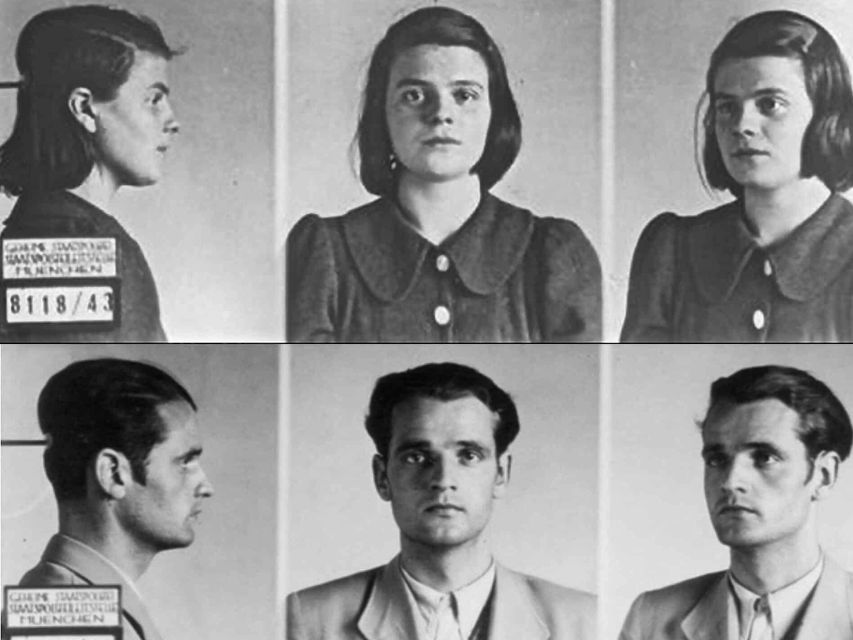
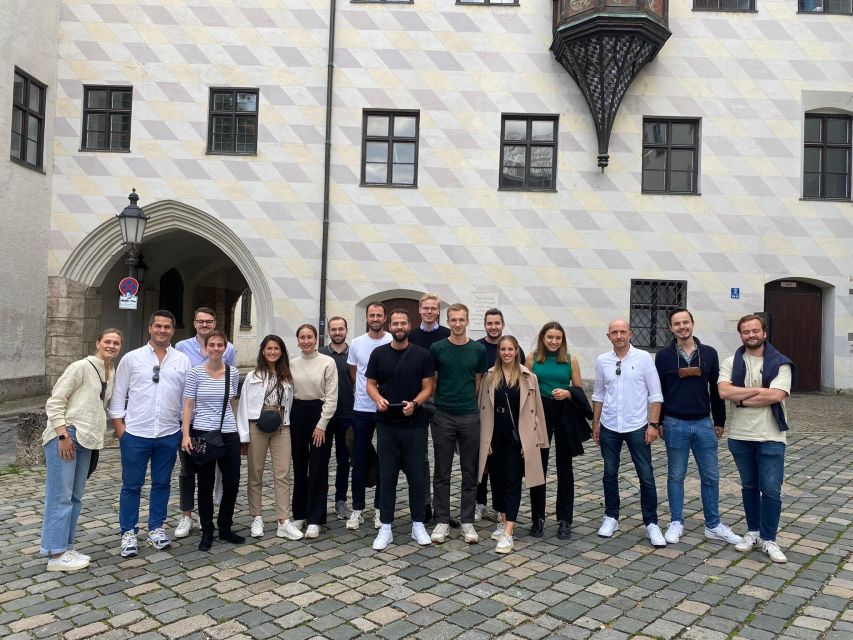
Alex is a real Munich local who leads the tour in German. The praise for his work is remarkably consistent: people describe him as informed, friendly, passionate about history, well organized, and able to explain unfamiliar events in an interesting way.
That combination matters more than a long list of facts. A guide who knows the subject but cannot answer questions can make a serious tour feel stiff. Alex appears to welcome questions and use historical images to support the stories.
His local connection is useful after the formal history ends, too. Personal recommendations for exploring Munich like a local are included. The information does not specify particular restaurants, streets, or museums, so do not book this tour expecting a full city orientation. Still, a local guide’s suggestions can help you make better use of the rest of your time.
The tour has received a top rating from five verified bookings, with especially strong praise for Alex’s historical knowledge, friendly manner, organization, and unusual visual material. That is a small sample, so I would not treat it as statistical proof. It does, however, point clearly to the experience’s main strength: the guide.
Is two hours and $28 a fair price?
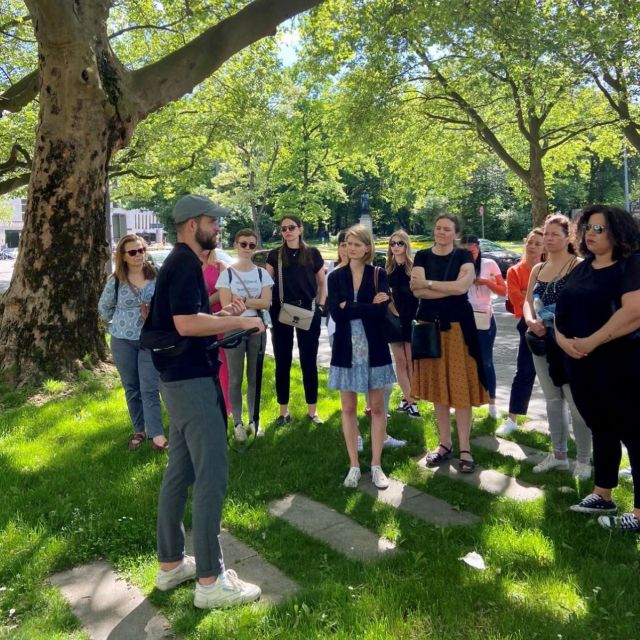
At $28 per person, this is not the cheapest way to spend two hours in Munich, but the price is reasonable if you value a focused, guided history walk. You are paying for Alex’s preparation, interpretation, access to a carefully chosen route, and the chance to connect several original sites in one outing.
The value is strongest for you if you would otherwise read about the White Rose, the lone bomber, and the military coup in separate places. The tour gives those stories a shared setting and a clear sequence. It also saves you the work of finding the locations and understanding their connection.
The value is weaker if you already have a strong command of German resistance history or if you need an English-language tour. The live guide language is German, and no translation service is listed.
Two hours is a good length for this subject. It is long enough to cover several movements without demanding half a day, yet short enough to fit around other Munich plans. The walking format means you should use comfortable shoes. The tour operates rain or shine, so a wet forecast should not surprise you.
You can cancel up to 24 hours before the start for a full refund, and the reserve-now, pay-later option keeps your plans flexible. These are useful practical terms, especially if you are arranging several activities before your schedule is fixed. Hotel pickup is not included, so make your own way to LMU.
Who should book this Munich resistance tour?
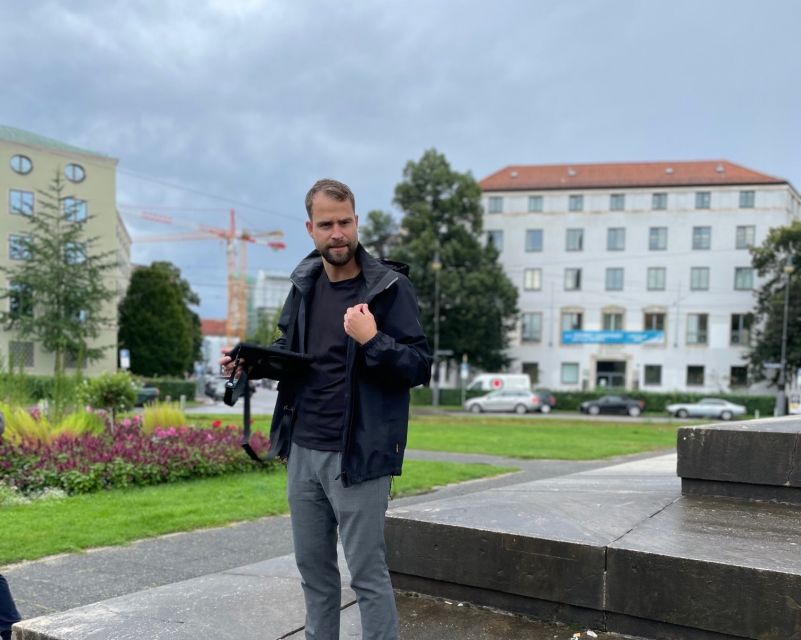
I would recommend it most strongly to visitors who already know a little about the Nazi period and want to understand Munich’s specific role. It is also a good choice for students, history-minded families with older children, and anyone who prefers places and stories over large museum displays.
German speakers will get the fullest experience because the tour is conducted in German. The route is wheelchair accessible, but the information does not describe the walking surfaces, distance, or rest points, so you may want to confirm those details before booking if mobility is a concern.
This is not a broad Munich introduction. You will not get a general tour of the city’s major sights, and the subject matter is serious throughout. You should choose it because you want to examine resistance, moral courage, and the city’s connection to Hitler’s rise.
I like that the tour gives equal space to famous and lesser-known stories. I like that it does not pretend Munich’s past can be reduced to one movement or one heroic group. Most of all, I like the route’s central lesson: resistance was possible, but it was never easy, safe, or guaranteed to succeed.
Should you book it?
Book this tour if you understand German, can walk for two hours, and want a thoughtful look at Munich’s resistance to Hitler. Alex’s local knowledge, strong storytelling, historical images, and personal recommendations make the $28 fee good value for a focused history experience.
Skip it if you want light sightseeing, an English-language guide, or a tour centered on Munich’s palaces and food. For the right audience, though, this is an unusually direct way to connect the White Rose, individual assassins, young resisters, and military conspirators with the real streets where their choices unfolded.
FAQ
Where does the tour start?
The tour starts at the large fountain in front of the main entrance to the University of Munich, LMU. The address is Geschwister-Scholl-Platz 1.
Where does the tour finish?
The final stop is Odeonsplatz.
How long does the walking tour last?
The tour lasts about two hours.
What language is the tour conducted in?
The live tour guide speaks German.
Is the tour wheelchair accessible?
Yes, the activity is listed as wheelchair accessible.
What should I bring?
Bring comfortable shoes. The tour takes place rain or shine, so suitable clothing for the weather is also sensible.
Just added around Munich
- Pub crawl incl. Oktoberfest museum guided tour with beer tasting (private)★ 5.0 · 5 reviews
- South Tyrolean specialties and wine tasting★ 5.0 · 5 reviews
- Size Matters Beer Tour Munich★ 4.6 · 105 reviews
- Short & sweet: Tasting the Viktualienmarkt★ 4.8 · 37 reviews
- Secret Food Tours Munich★ 4.8 · 5 reviews
- Munich: Romantic Wine Experience for Two at Viktualienmarkt★ 4.2 · 14 reviews
- Residence of Munich private tour with skip the line ticket★ 5.0 · 4 reviews
- Quatsch Comedy Club München: Die Live Show★ 4.6 · 56 reviews
Historical Tours, compared.
City History Canal Sightseeing Tour on a Motorboat
Read our review →
Browse the lists this tour appears in