
Reviewed · SCAVENGER HUNTS AND ESCAPE GAMES
Munich: Scavenger Hunt Self-Guided Tour for Children
Munich gets more fun when children lead the way. I like that this self-guided scavenger hunt turns the old town into a puzzle, and I like that your family can stop for photos, snacks, or a break whenever needed. The main catch is that the clues may feel too easy for older children, especially those around 10 to 12.
The route begins at Stachus and guides you toward the Frauenkirche, Marienplatz, and Viktualienmarkt with eight numbered envelopes. At $47 per group of up to 10, it can be good value for a family, but remember that you receive the materials by mail and there is no guide waiting at the starting point.
In This Review
- Key points to know before you book
- Starting at Stachus with a box of clues
- Frauenkirche, Munich’s familiar landmark
- Marienplatz and the two town halls
- Viktualienmarkt adds a food stop
- How the eight-envelope format works
- A good choice for families who dislike rigid tours
- Age fit: strongest for children from 6 to 12
- What the $47 group price really buys you
- Mail delivery is the main planning detail
- Who will enjoy this Munich walk most
- Should you book this scavenger hunt?
- FAQ
- Where does the scavenger hunt begin?
- Is there a guide at the meeting point?
- How long does the activity take?
- Which Munich sights are included?
- What is included in the price?
- What is not included?
- What age group is this best for?
Key points to know before you book
- Eight envelopes shape the outing: Each contains riddles, directions, information, and facts written for children.
- Stachus is the starting point: You begin in central Munich and walk through the historic center toward major sights.
- The pace belongs to your family: You can pause the game at any time for pictures, food, or a rest.
- The best age range is roughly 6 to 12: Younger children get a playful introduction, while older children may find some questions simple.
- The whole group pays one price: The $47 rate covers up to 10 people, making the cost per person lower for larger families.
- There is no live guide: You need to bring the mailed game box and follow the clues on your own.
Starting at Stachus with a box of clues
Stachus, officially Karlsplatz, is a large square in central Munich and a practical place to begin a city walk. Here, your family opens the first envelope and starts solving the clues that point you toward the next sight.
That opening matters. Children are not simply being marched from one monument to another while an adult explains dates and names. They have a job to do. They must read, look around, discuss the answer, and decide what to do next.
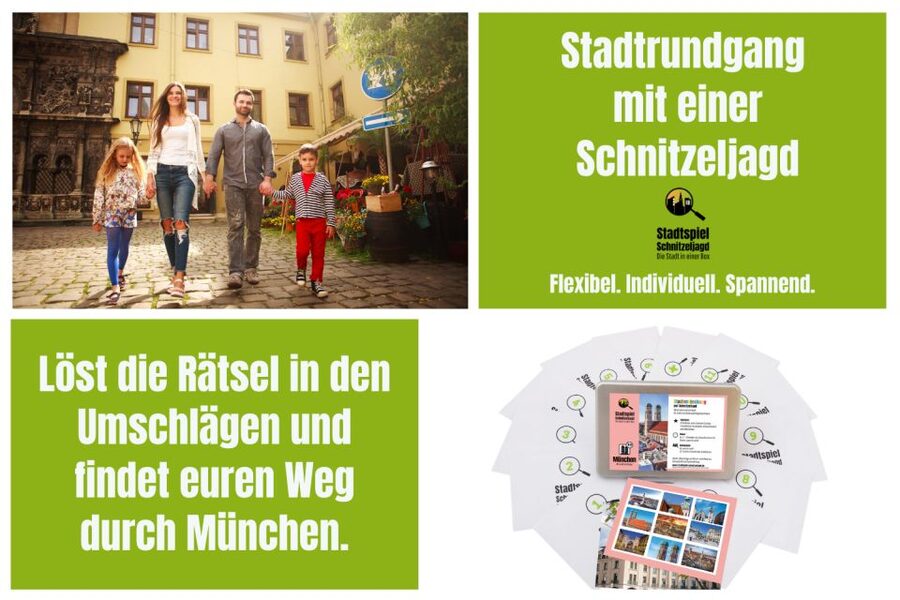
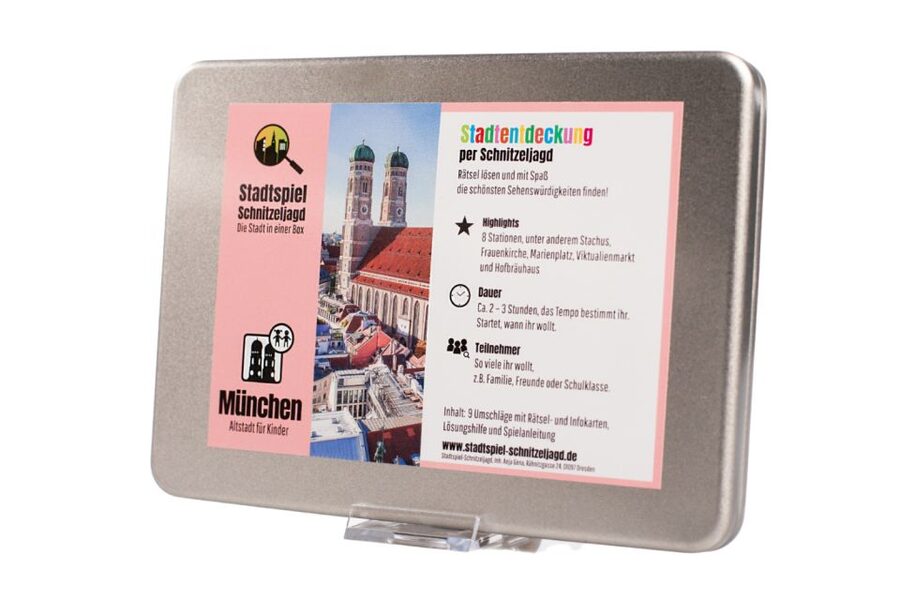
The box contains eight numbered envelopes. Each one combines a puzzle with directions and short information about Munich. The kid-friendly facts give adults useful background too, so you can help without turning the outing into a formal history lesson.
You should bring the box with you and have comfortable shoes. There is no pickup option in Munich, and no guide meets you at Stachus. This is a genuine independent activity, not a guided tour with a game added on.
The stated duration is 150 minutes, or about two and a half hours. That is a sensible amount of time for families, although your actual outing may vary because you can stop whenever you like. If your children need a snack break or lose interest for a few minutes, the activity does not fall apart.
More Scavenger Hunts in Munich:
- Munich: Self-guided sightseeing scavenger hunt for families
★ 4.2 · 6 reviews - Hamburg: Scavenger Hunt Self-Guided Tour for Children
★ 4.5 · 319 reviews - Dresden: Old Town Self-Guided Scavenger Hunt Tour
★ 4.5 · 151 reviews
Frauenkirche, Munich’s familiar landmark
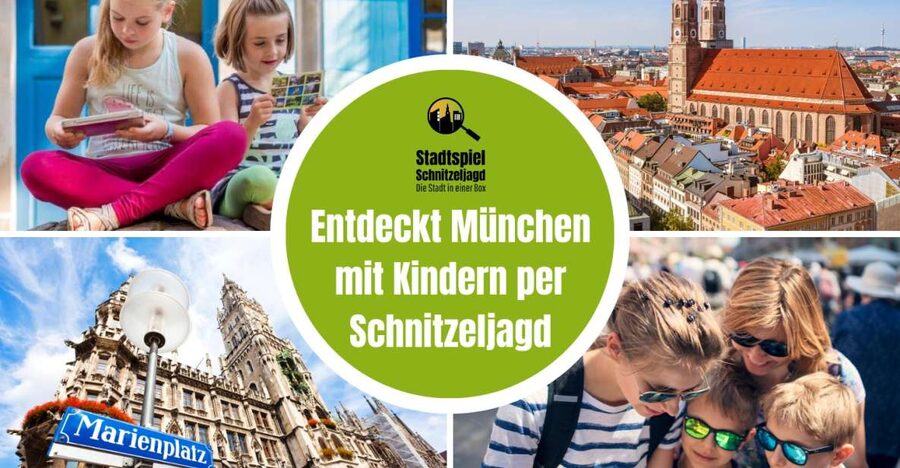
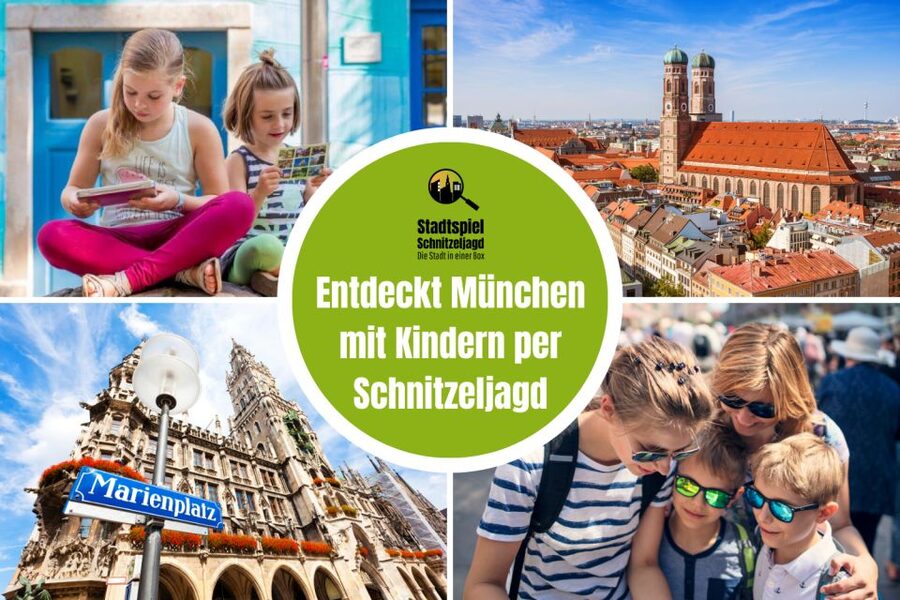
The route takes you to the Frauenkirche, one of Munich’s best-known landmarks and a symbol of the city. Its twin towers make it easy to recognize, and the building gives children a clear visual target as they work through the clues.
This is where the hunt’s method can be more effective than a standard sightseeing walk. A child who is looking for an answer tends to pay attention to details that might otherwise pass unnoticed. The puzzle gives purpose to the stop, while the information in the envelope adds context.
I would not expect a full architectural lesson here. The supplied details promise facts about the city and its landmarks, but not a long expert talk. That is a strength for families with younger children. You get enough information to make the building meaningful without asking a six-year-old to stand still through a lecture.
The drawback is that children who already know Munich well may not find every question challenging. One family from Munich found that the puzzles were a little too easy for children aged 10 to 12, although the activity remained enjoyable. I would treat that as useful guidance: older children may need adults to add their own questions or encourage them to look for extra details.
Marienplatz and the two town halls
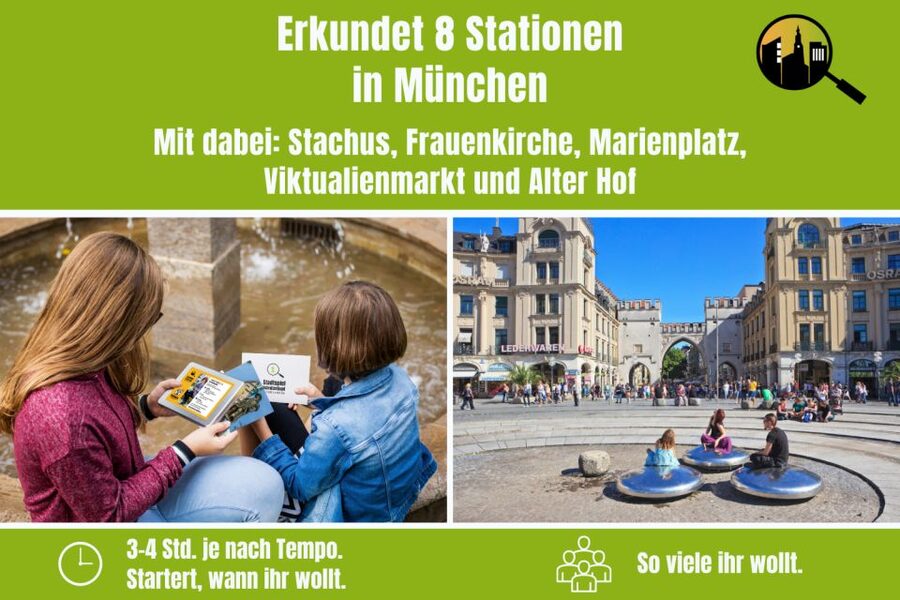
From the Frauenkirche, the hunt brings you to Marienplatz, Munich’s central square. This is one of the most rewarding stops because it brings together the Altes Rathaus, or Old Town Hall, and the Neues Rathaus, or New Town Hall.
The two buildings give children a simple way to compare old and new civic architecture. The clues can turn the square into a visual search, asking your family to look carefully rather than simply pass through on the way to the next stop.
Marienplatz can also be a lively place, so keep your group together and let the children solve the puzzles while an adult stays aware of the surroundings. The activity is self-guided, which means nobody is managing the group for you.
I like this part of the route because it gives the game a strong sense of place. You are not solving abstract riddles in a park. You are using Munich’s most recognizable public spaces as the answer sheet.
The exact experience will depend on how quickly your group works. Some families may move through the clues briskly. Others will pause to take photos, study the buildings, or explain what a town hall does. The freedom to adjust the pace is one of the tour’s best features.
Viktualienmarkt adds a food stop
The route also includes Viktualienmarkt, a popular gourmet food market in Munich. This changes the mood of the walk. After churches and civic buildings, you reach a place connected with food, shopping, and everyday city life.
The market is especially useful for families because it gives you a natural reason to pause. Food and drinks are not included in the price, but you can choose to buy something separately if your group needs a break. Since the hunt can be paused at any time, you do not have to rush past the market to keep up with a guide.
I appreciate that the route includes more than grand monuments. A market helps children see how a city works in ordinary life. They get a sense of Munich as a place where people shop and eat, not only as a collection of impressive buildings.
Keep your expectations practical. This is not a food tour, and the price does not cover tastings or meals. Viktualienmarkt is one of the stops on the puzzle route, not a guided culinary experience. You will need to pay for any food or drink yourself.
A few more Munich trips worth comparing
- From Munich: Neuschwanstein & Linderhof Castle Full-Day Trip
★ 4.5 · 12,494 reviews - Neuschwanstein & Linderhof Castle-Fairytale Day Tour from Munich
★ 4.5 · 7,275 reviews - Munich: Third Reich & WWII Walking Tour
★ 4.6 · 6,181 reviews - Dachau Concentration Camp Memorial Site Tour from Munich by Train
★ 4.5 · 5,637 reviews
How the eight-envelope format works

The game is built around a sequence of eight envelopes. Each contains four useful elements:
- Riddles to solve
- Directions to the next point
- Information about Munich
- Facts written with children in mind
The numbered format gives the walk structure without forcing you to stay on a strict timetable. You open the envelopes as you progress, which can create a small sense of anticipation for children.
An emergency envelope contains all the solutions. That is a welcome safety net. If a clue proves confusing, you do not have to abandon the activity or spend half an hour guessing. You can check the answer and move on.
I would use the solutions carefully. For younger children, a hint may keep the game enjoyable. For older children, you may want to give them more time before opening the answer. The goal is to keep the puzzle moving, not to turn a family outing into a test.
The format also works well for mixed ages. A six-year-old can help spot things and listen to the clues, while an older child can read and reason through the answer. One family of six, ranging in age from 7 to 58, found the activity interesting for everyone. That suggests the best group is not limited to children alone. Adults can join in without taking over.
A good choice for families who dislike rigid tours
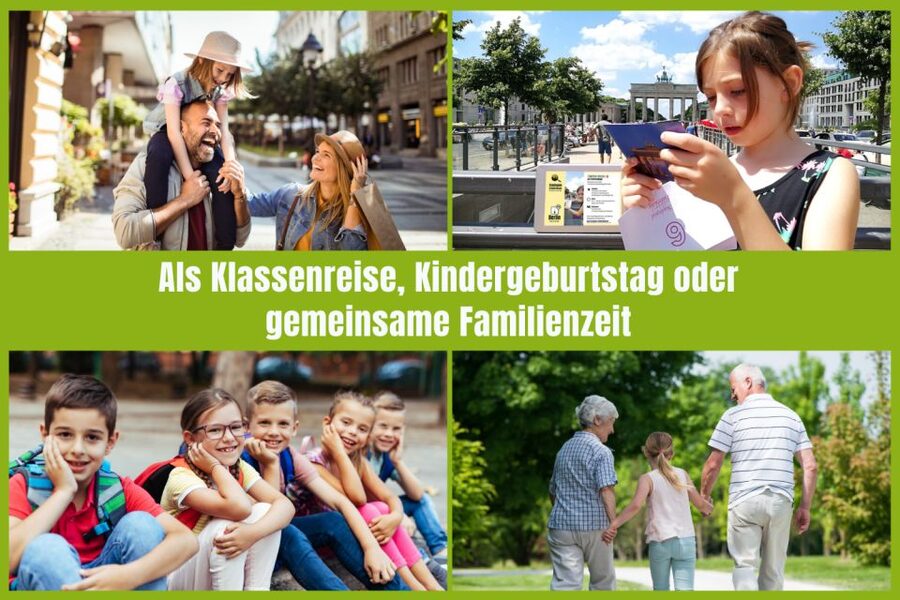
Many family tours fail because they expect children to follow an adult timetable. This one avoids that problem. You can stop for photos, take a break, or pause the game and restart later.
That freedom is useful in Munich, where a family day can change quickly. A child may be eager at Stachus and tired by Marienplatz. A market stop may take longer than expected. With no guide and no fixed group waiting for you, the route can bend around your family’s needs.
The absence of a guide also has a cost. You will need one adult to read the directions, keep the materials organized, and help the group navigate from one clue to the next. If your family prefers to listen to a professional explain every stop, this will feel thin.
I would call the experience a sightseeing game rather than a full guided tour. You get historical information and landmark facts, but the main aim is participation. That makes it a good fit for children who need something to do with their hands and minds while walking.
It is also a useful option for families who want privacy. You are not sharing the experience with a large group, and you can work at your own speed. For some parents, that alone is worth more than a polished live commentary.
Age fit: strongest for children from 6 to 12
The suggested age range is 6 to 12, and I think that is a fair starting point. Children around six may need an adult to read and explain some clues. Children in the middle of that range can often take a more active role.
The experience can still work with teenagers, but do not expect the puzzles to challenge them equally. The clearest warning comes from a family who felt the questions were too easy for children aged 10 to 12. That does not mean older children will dislike it. It means you should frame the activity as a light city game, not an advanced puzzle competition.
A family with children aged 10 and 13 enjoyed the mix of information, play, and fun. That gives the activity some range, but your child’s personality matters. A curious teenager may enjoy being part of a family team, while a teenager looking for difficult riddles may want more complexity.
Adults can make the game work better for older children by asking follow-up questions. What does a town hall do? Why would a market be located in the city center? Which building looks older? Those prompts add depth without changing the official activity.
What the $47 group price really buys you
The price is $47 for a group of up to 10 people, including shipping for the scavenger hunt box. For a family of four, that works out to about $11.75 per person. For eight people, it is about $5.88 each. A full group of 10 pays less than $5 per person.
That is a fair value if you plan to spend two to two and a half hours walking through central Munich and want an organized activity. You are paying for the prepared game, the route, the printed clues, and the convenience of having the materials delivered.
The value is less obvious for a small group that wants a traditional guided tour. The price does not include a guide, food, entrance fees, or transport tickets. You are also responsible for getting to the starting point and returning afterward.
The route focuses on major public sights, so the game gives you a sightseeing framework rather than paid access to attractions. That keeps extra costs under your control. You can complete the walk without buying an entrance ticket, but any food at Viktualienmarkt is separate.
For a large family or a multigenerational group, the pricing is one of the strongest reasons to consider it. The activity can include up to 10 people under one booking, and the age spread does not have to be narrow.
Mail delivery is the main planning detail

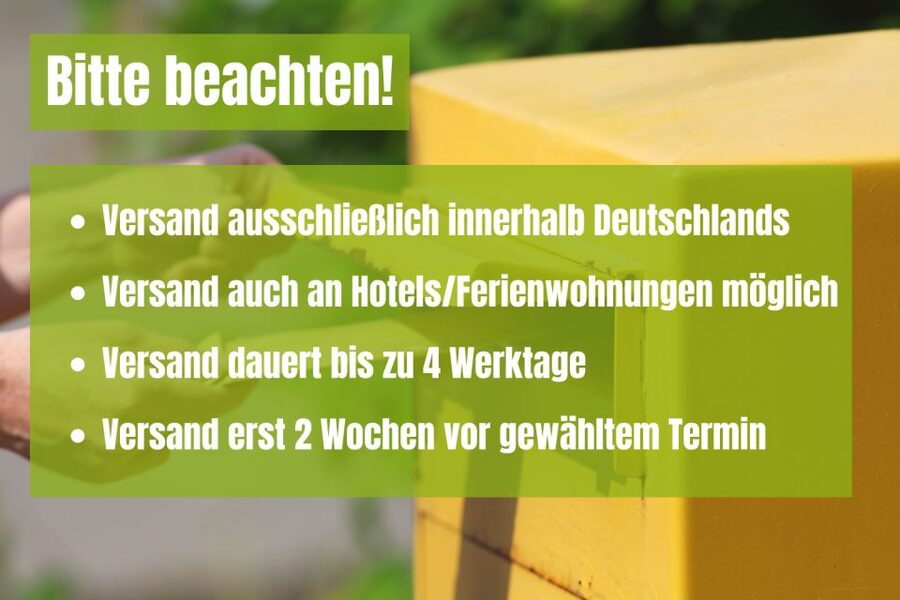
The game box is shipped to you by mail. Within Germany, delivery can take up to four working days, and shipping begins no earlier than two weeks before your selected date.
This means you should provide a correct shipping address and leave enough time for the box to arrive. You cannot collect it in Munich, so do not book this expecting to pick up the materials after landing.
The selected date and time do not lock you into a single start. You can use the hunt after the box arrives, regardless of the date and time chosen at booking. That flexibility is helpful, but only if you have the physical box in hand.
I would make the delivery the first thing you check before paying. If you are already in Munich or leaving Germany soon, this may not be the right activity. If you are booking ahead and can receive the package, the arrangement is straightforward.
Comfortable shoes are recommended. The activity is wheelchair accessible, which improves its usefulness for families with different mobility needs. The supplied details do not describe the condition of every surface along the route, so you should still consider your group’s specific needs.
Free cancellation is available up to 24 hours in advance, and you can reserve while paying later. Those terms give you some flexibility, but they do not remove the need to plan around delivery.
Who will enjoy this Munich walk most
I would recommend this activity to:
- Families with children aged 6 to 12
- Groups that want a private activity rather than a scheduled tour
- Parents who like letting children take the lead
- Mixed-age groups that enjoy light puzzles
- Families staying long enough to receive the mailed box
- Groups of five to 10 people looking for good per-person value
I would be more cautious if your children need difficult riddles, dislike walking, or want a detailed live explanation at every sight. The game provides information, but it does not replace a professional guide.
It is also not the best choice for a last-minute booking if you are outside Germany and cannot allow time for shipping. The box is essential. Without it, there is no practical way to play.
Should you book this scavenger hunt?
Book it if you want Munich sightseeing to feel like a shared family activity instead of a list of monuments. The combination of Stachus, the Frauenkirche, Marienplatz, and Viktualienmarkt gives you a useful introduction to the old town, while the envelopes keep children involved.
I especially like the flexible timing and the group price. The main caution is the difficulty level. For children aged 6 to 9, the clues should be approachable. For older children, add your own questions and let them take on more responsibility.
Choose this for a relaxed, family-controlled walk with a playful structure. Skip it in favor of a live guide if your priority is expert commentary, detailed explanations, or challenging puzzles.
FAQ
Where does the scavenger hunt begin?
It begins at Stachus, the large central square in Munich. You need to bring the scavenger hunt box with you.
Is there a guide at the meeting point?
No. This is a self-guided activity, so no guide meets you at the starting point.
How long does the activity take?
The stated duration is 150 minutes, or two and a half hours. You can pause the game at any time for breaks or photos.
Which Munich sights are included?
The route includes the Frauenkirche, Marienplatz with the Altes Rathaus and Neues Rathaus, and Viktualienmarkt. It begins at Stachus.
What is included in the price?
The price includes the scavenger hunt box and shipping, plus eight envelopes containing riddles, directions, information, and child-friendly facts. An emergency envelope with the solutions is also included.
What is not included?
A guide, food and beverages, transportation to and from the activity, transportation tickets, and entrance fees are not included.
What age group is this best for?
The activity is designed for families with children between 6 and 12 years old. Some older children may find the questions easy, although mixed-age families can still enjoy the game together.
Just added around Munich
- Pub crawl incl. Oktoberfest museum guided tour with beer tasting (private)★ 5.0 · 5 reviews
- South Tyrolean specialties and wine tasting★ 5.0 · 5 reviews
- Size Matters Beer Tour Munich★ 4.6 · 105 reviews
- Short & sweet: Tasting the Viktualienmarkt★ 4.8 · 37 reviews
- Secret Food Tours Munich★ 4.8 · 5 reviews
- Munich: Romantic Wine Experience for Two at Viktualienmarkt★ 4.2 · 14 reviews
- Residence of Munich private tour with skip the line ticket★ 5.0 · 4 reviews
- Munich: Resistance against Hitler – Historical Walking Tour★ 5.0 · 5 reviews
Scavenger Hunts and Escape Games, compared.


Self-Guided Family and School Class Scavenger Hunt
Read our review →
Escaping and spying on the Berlin Wall Scavenger hunt
Read our review →


Leipzig City Centre: Scavenger Hunt Self-Guided Tour
Read our review →
Browse the lists this tour appears in