Reviewed · BERLIN TOURS
Potsdam: Entry to DAS MINSK Kunsthaus in Potsdam
A small museum with a big past. DAS MINSK Kunsthaus turns a former 1970s terrace restaurant into a meeting place for modern and contemporary art, and I like the way the building itself becomes part of the visit. I also like the focus on art from the former GDR, shown through the Hasso Plattner Collection, and the excellent café terrace views over Potsdam. The main drawback is that the art can feel dark or heavy, and the basic admission does not include an audio guide, tour, workshop, or event.
A two-hour visit gives you enough time to see the exhibitions without rushing. The museum is wheelchair accessible, admission costs about $11 per person, and you can skip the ticket line. If the current spring exhibition Soft Power is on, expect textile design treated as an artistic tool for examining power and control, not simply as decoration.
In This Review
- Key points before you go
- Why the old Minsk building matters
- Seeing former GDR art in a new setting
- Soft Power and the three chapters of textile art
- A realistic two-hour visit
- Café HEDWIG and the summer terraces
- Is the $11 admission good value?
- What may frustrate you
- Who will enjoy DAS MINSK most?
- Should you book this Potsdam museum visit?
- FAQ
- Where is DAS MINSK Kunsthaus located?
- How long does a visit take?
- How much does admission cost?
- What does the admission ticket include?
- Are guided tours included?
- Is an audio guide included?
- What is Soft Power about?
- Is the museum wheelchair accessible?
- Can I eat or drink at the museum?
Key points before you go
- A 1970s GDR building gets a new public life: The former Minsk terrace restaurant was built in a modernist style and has been restored as an art center.
- The collection brings former East German art into view: Works from the Hasso Plattner Collection are shown in new settings and alongside contemporary art.
- Soft Power focuses on textiles and power: The spring group exhibition is arranged in three chapters and treats textile design as a form of artistic expression.
- Plan on about two hours: That is enough time for the exhibitions, a pause at Café HEDWIG, and a look from the terraces.
- The café is part of the appeal: You can stop for lunch, cake, or coffee, with a strong view over Potsdam in summer.
- Admission is simple but limited: Your ticket covers the exhibitions only. Guided tours, events, and workshops cost extra or require separate arrangements.
Why the old Minsk building matters
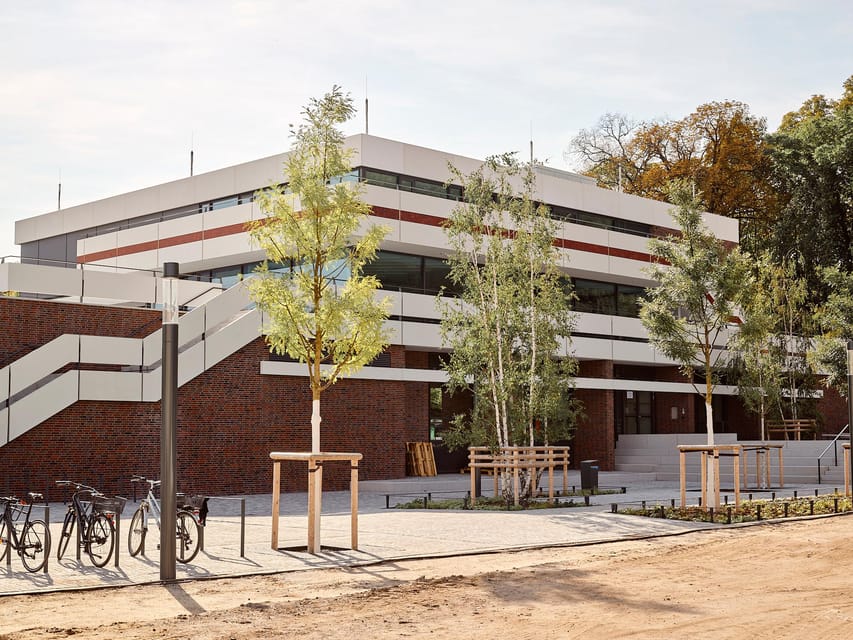
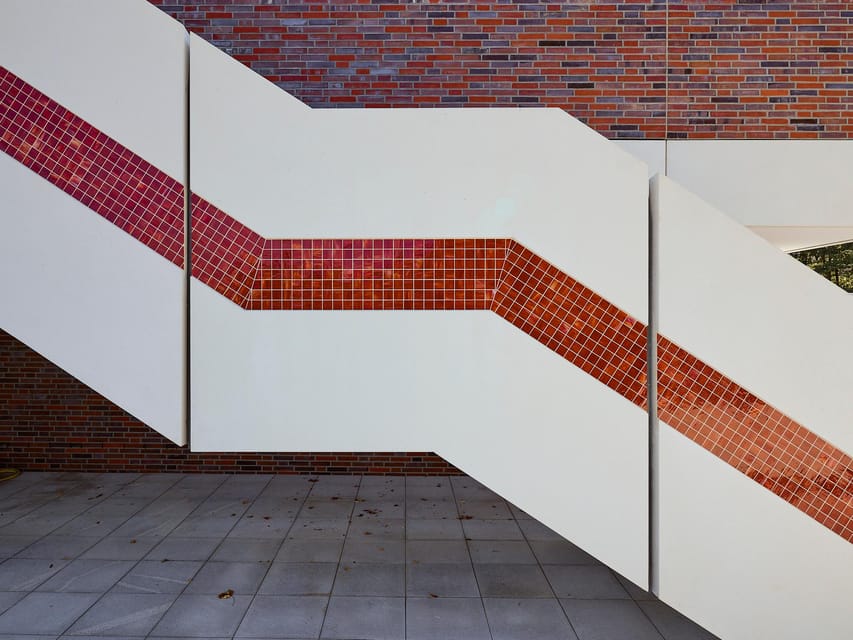
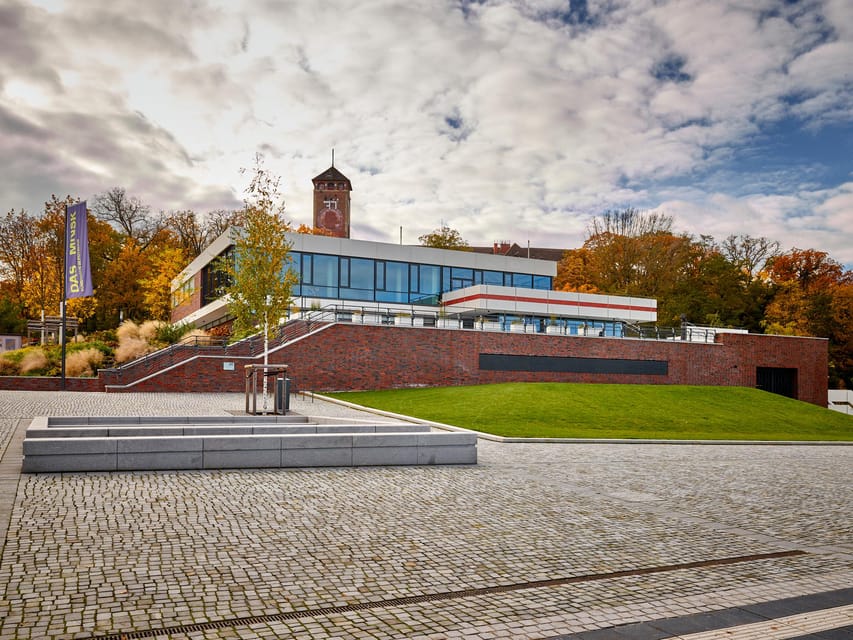
DAS MINSK is not a neutral white box built only for hanging pictures. Its setting begins with the building, a former terrace restaurant constructed in the 1970s in the modernist style of the German Democratic Republic.
That detail gives the museum a useful sense of place. You are not only looking at art connected with the former GDR. You are also entering a structure shaped by the same period, now used for a different public purpose.
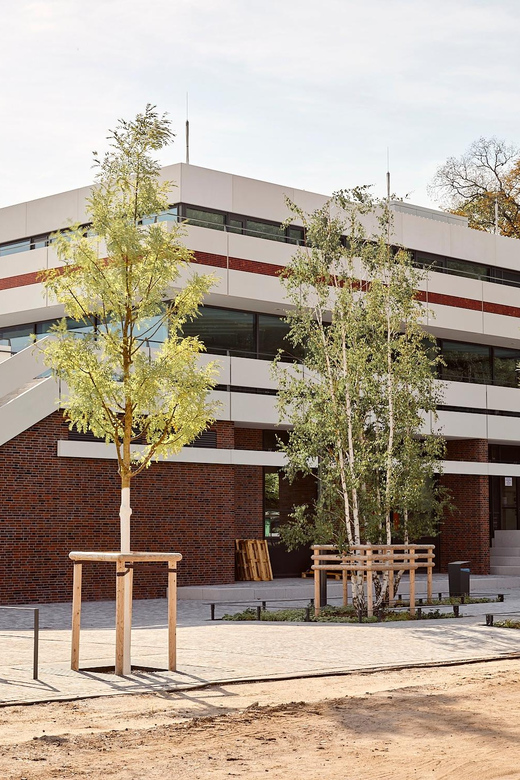
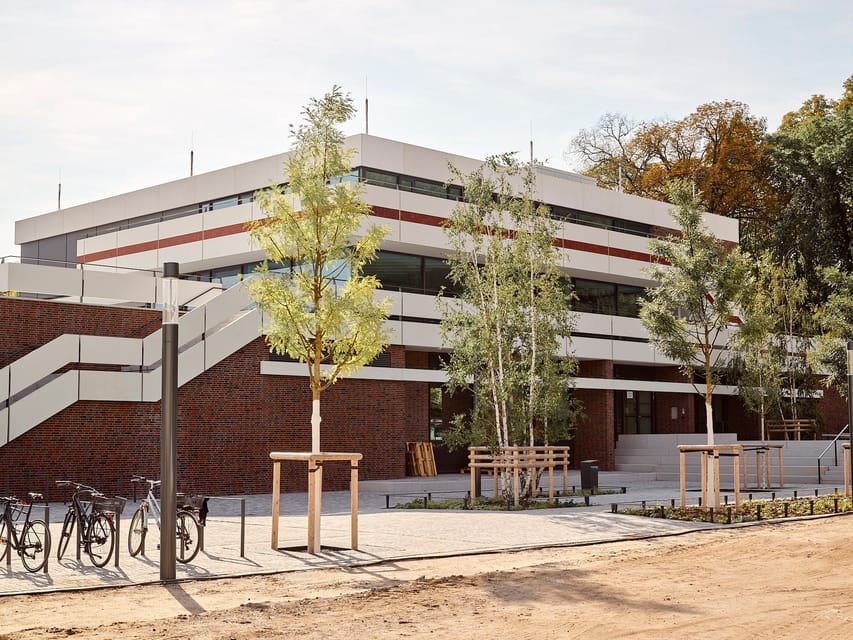
The building was renovated, and the restoration is one of the first things you will notice. The result creates an interesting contrast: the architecture carries the marks of its modernist past, while the exhibitions bring in contemporary questions and new artistic voices.
I like this combination because it gives the visit more substance than a quick display of paintings. You can think about how a building designed for everyday social life has become a place for discussion, art, and shared memory.
The museum is also described as a place of encounter between modern and contemporary art, and between people. That aim is reflected in the café, the terraces, and the decision to preserve the identity of the Minsk building rather than erase it completely.
A few more Potsdam trips worth comparing
- Potsdam: City and Castles Tour
★ 4.7 · 3,721 reviews - Potsdam: Palace Tour by Boat
★ 4.5 · 2,369 reviews - Potsdam: Sanssouci Palace and Prussian Palaces Entry Ticket
★ 4.5 · 2,101 reviews
Seeing former GDR art in a new setting
One of the strongest reasons to visit is the presentation of works from the former GDR in the Hasso Plattner Collection. The value here is not just seeing art from East Germany. It is seeing that art placed in new contexts, where it can be compared with later and current approaches.
The former GDR is often reduced to political symbols or stories about the Berlin Wall. Art can make that period more complicated. It can show daily life, official ideals, personal expression, and the pressures artists worked under, depending on the work and the way it is presented.
You should not expect a light, purely decorative museum visit. The exhibitions may deal with difficult subjects, and the tone can feel serious. One visitor found the presentation too negative, dark, and burdensome. That reaction is worth taking seriously if you prefer cheerful galleries or easy historical storytelling.
At the same time, that seriousness may be exactly what makes the museum worthwhile. DAS MINSK is not trying to turn the former GDR into a nostalgic postcard. It gives the period room for questions and disagreement.
The exhibitions change, so the exact works and themes will depend on the date of your visit. The steady thread is the conversation between the building, art from the former GDR, and contemporary practice.
Soft Power and the three chapters of textile art
The spring group exhibition Soft Power shifts attention to textiles. Here, textile design is treated as an artistic means of expression that can question power relations.
That idea gives you a useful way to look at the displays. Fabric, patterns, clothing, weaving, and related design can seem domestic or practical at first. In an exhibition setting, they can also speak about authority, identity, labor, social expectations, and who gets to shape public taste.
Soft Power is organized in three chapters. The supplied details do not name each chapter, so I would not arrive expecting a fixed list of themes. Instead, plan to move through the exhibition as a sequence of related questions about textiles and power.
This structure should help you avoid treating the works as isolated objects. Look for connections between design and control, personal expression and public identity, or ordinary materials and larger social forces.
The exhibition may appeal especially to you if you enjoy design, fashion, craft, or social history as much as traditional painting and sculpture. If textile art is not your usual choice, the building and the former GDR collection give you other points of interest.
Because the show is temporary, check the exhibition schedule before setting aside a special trip for Soft Power. The museum has changing exhibitions, so the spring program will not define DAS MINSK forever.
A realistic two-hour visit
The stated duration is two hours, which feels like a sensible plan. You can see the current exhibitions at a measured pace, spend time with selected works, and leave room for the café.
Start by getting your bearings at the entrance. Basic orientation may not be automatic, so ask if you are unsure where to begin or how the exhibition is arranged. This is a useful tip, especially if you want to understand the relationship between the main display areas.
The museum does not include guided tours, workshops, or events with standard admission. If you want more explanation, an audio guide is worth considering. One visitor specifically recommended audio accompaniment, and that advice makes sense for exhibitions dealing with historical and political themes.
Without added interpretation, you may need to supply more of the context yourself. That is not necessarily a flaw, but it affects how you should plan the visit. The $11 ticket buys access to the exhibitions, not a full guided experience.
Give yourself time to look at the architecture as you move through the museum. The former restaurant is part of the story, and hurrying from artwork to artwork would miss one of the most distinctive features of the place.
Still Potsdam, at a slower pace:
- Potsdam by Boat: Island Cruise
★ 4.6 · 1,308 reviews - Potsdam: City Sightseeing Hop-On Hop-Off Bus Tour
★ 4.2 · 864 reviews - Potsdam: Museum Barberini Entry Ticket
★ 4.6 · 403 reviews - City and Palaces Tour Potsdam – Stadt- und Schloesserrundfahrt Potsdam
★ 4.5 · 317 reviews
Café HEDWIG and the summer terraces
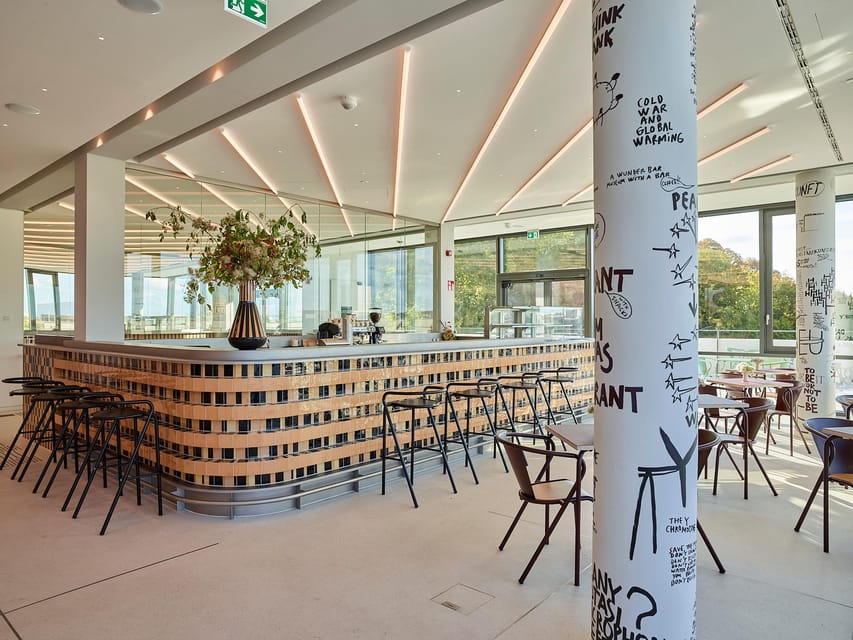
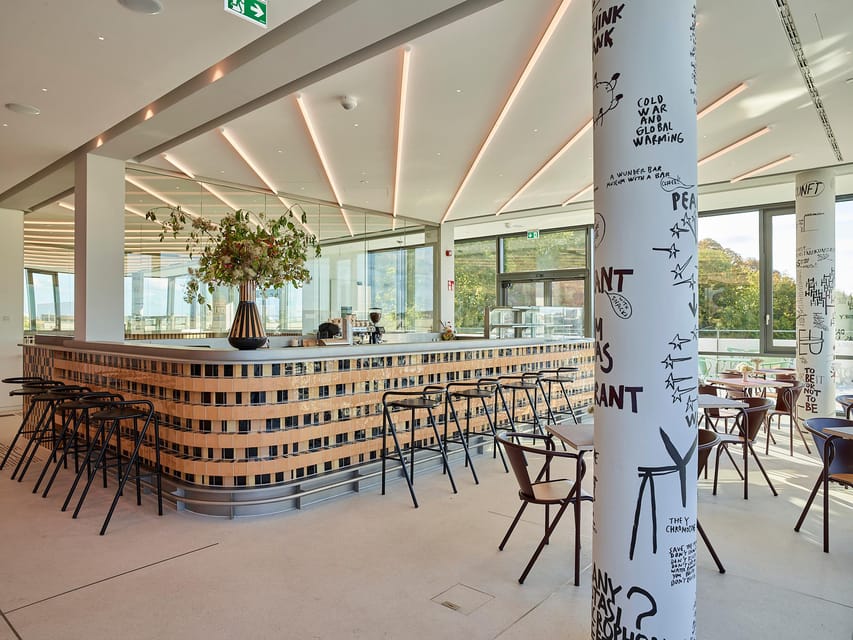
Café HEDWIG offers lunch, cakes, and coffee, making it an easy place to add a break before or after the exhibitions. This matters because the museum visit is compact. You do not need to build a whole day around the gallery, but you can make it part of a slower Potsdam outing.
The café has received especially positive practical attention. The building was described as nicely renovated, while the café was praised for its pleasant setting and strong views. In summer, the spacious terraces provide a view over the city.
I would save the terrace for a clear day if possible. The view is one of the few features that changes noticeably with the season, and it gives you a chance to step back from the serious tone of the galleries.
The café also helps make DAS MINSK useful for companions who are less interested in art. Someone can enjoy coffee, cake, lunch, or the view while another person spends more time with the exhibitions.
Facilities include gender-inclusive toilets, according to the information available. That practical detail may matter to some visitors and fits the museum’s role as a public meeting place.
Is the $11 admission good value?
At around $11 per person, DAS MINSK is reasonably priced for a two-hour museum visit, especially if you care about modern architecture, contemporary art, or the former GDR. The value is strongest when you take time with the building and exhibitions rather than treating the ticket as a quick stop.
The ticket includes entry to the exhibitions. It does not include guided tours, events, or workshops, so compare the price carefully if you are looking for a structured activity with a guide.
You also get the flexibility of a short visit. A large museum can consume half a day and leave you tired. DAS MINSK offers a smaller commitment, with the option of adding lunch or coffee at Café HEDWIG.
The overall rating is 4.1 from 24 reviews, which suggests a generally positive but not universally enthusiastic experience. That fits the museum well: the renovation, café, view, and concept appeal to many people, while the serious presentation and limited orientation may not suit everyone.
For me, the best value comes from seeing the museum as three things at once: an art venue, a piece of GDR-era architecture, and a café stop with a city view. If you only want a broad collection of famous masterpieces, the admission may feel less rewarding.
What may frustrate you
The lack of an automatic introduction is the clearest practical weakness. If you want to know where to start, what the exhibition is trying to do, or how the rooms connect, ask for help when you arrive.
The absence of included guided interpretation also changes the experience. An audio guide may improve your visit, particularly if you are unfamiliar with GDR art or textile design as a political subject. If you prefer to read a short label and move on, you may be fine without it.
The emotional tone is another consideration. The art may be presented in a way that feels negative, dark, or burdensome. That can be thoughtful and honest, but it is not a carefree afternoon attraction.
You should also remember that Soft Power is seasonal. The exact exhibition will change, and the subject matter may be different when you arrive. Check the current program if one particular theme is the reason you are going.
Finally, two hours is enough for the museum, but not enough to assume every special event or workshop is part of the ticket. Those activities are not included in standard admission.
Who will enjoy DAS MINSK most?
I would recommend DAS MINSK to you if you like museums that connect art with place. The former restaurant, the GDR collection, and the modern exhibition program work together in a way that feels specific to Potsdam.
It is also a good choice if you are interested in the history and culture of East Germany but want more than a political museum. Art offers a less direct route into the period, and the current building adds another layer.
Design fans should pay attention to Soft Power. The focus on textile design makes the exhibition a good fit for anyone interested in fabric, clothing, craft, visual design, or the social meaning of everyday objects.
You may want to skip it if you need a highly guided visit, a large number of major artworks, or a light and playful mood. The museum can feel demanding, and the basic ticket leaves interpretation largely up to you.
Families and mixed-interest groups may find the café useful, but the provided information does not describe a special children’s program. I would not book it specifically as a family activity unless the current exhibitions suit your group.
Booking is made easier by free cancellation up to 24 hours before the visit and a reserve-now, pay-later option. Those terms are useful if your Potsdam schedule is still shifting. The ticket also lets you skip the ticket line, and the museum is wheelchair accessible.
Should you book this Potsdam museum visit?
Book DAS MINSK if you want a thoughtful, compact art stop with a strong architectural identity. The $11 price is fair when you include the former GDR setting, changing exhibitions, Café HEDWIG, and the summer terrace views.
Go with the right expectations. This is not a guided sightseeing tour, and the art may feel serious or dark. Ask for orientation, consider audio accompaniment, and allow two hours rather than racing through the rooms.
For a richer visit, choose a day when you can sit for coffee or lunch after the galleries. That pause helps you appreciate what makes DAS MINSK different: it is not only a museum ticket, but also a restored piece of Potsdam’s modernist and urban story.
FAQ
Where is DAS MINSK Kunsthaus located?
DAS MINSK Kunsthaus is in Potsdam, in northern Germany.
How long does a visit take?
The suggested duration is two hours. This allows time for the exhibitions and, if you choose, a stop at Café HEDWIG.
How much does admission cost?
Admission costs about $11 per person.
What does the admission ticket include?
The ticket includes entry to the exhibitions at DAS MINSK Kunsthaus.
Are guided tours included?
No. Guided tours, events, and workshops are not included in the standard admission.
Is an audio guide included?
The provided information does not say that an audio guide is included. Audio accompaniment is recommended if you want more help understanding the exhibitions.
What is Soft Power about?
Soft Power is a spring group exhibition about textile design as an artistic means of questioning power relations. It is arranged in three chapters.
Is the museum wheelchair accessible?
Yes. DAS MINSK Kunsthaus is wheelchair accessible.
Can I eat or drink at the museum?
Yes. Café HEDWIG offers lunch, cakes, and coffee. During the summer months, the building’s spacious terraces provide views over Potsdam.
Just added around Potsdam
- Private Sightseeingtour im Taxi nach Potsdam und Sanssouci★ 5.0 · 12 reviews
- Potsdam: Private Walking Tour of Potsdam and Sanssouci★ 4.8 · 28 reviews
- Potsdam: Outdoor Escape Game★ 4.4 · 22 reviews
- Potsdam: Jägervorstadt Outdoor Crime Mystery Tour★ 4.4 · 4 reviews
- Potsdam: Biosphäre Potsdam Entry Ticket★ 4.6 · 289 reviews
- Potsdam: Guided Walking Tour of UNESCO Site and Architecture★ 4.7 · 49 reviews
- City and Palaces Tour Potsdam – Stadt- und Schloesserrundfahrt Potsdam★ 4.5 · 317 reviews
- Potsdam: Museum Barberini Entry Ticket★ 4.6 · 403 reviews
Berlin Tours, compared.
Reichstag, Dome and Government District Guided Tour
Read our review →
1-Hour City Tour by Boat with Guaranteed Seating
Read our review →
Government District around the Reichstag Guided Tour
Read our review →
Reichstag, Plenary Chamber, Cupola & Government Tour
Read our review →