
Reviewed · BALTIC COAST TOURS
Stralsund: Factory Tour with Fermented and Organic Tastings
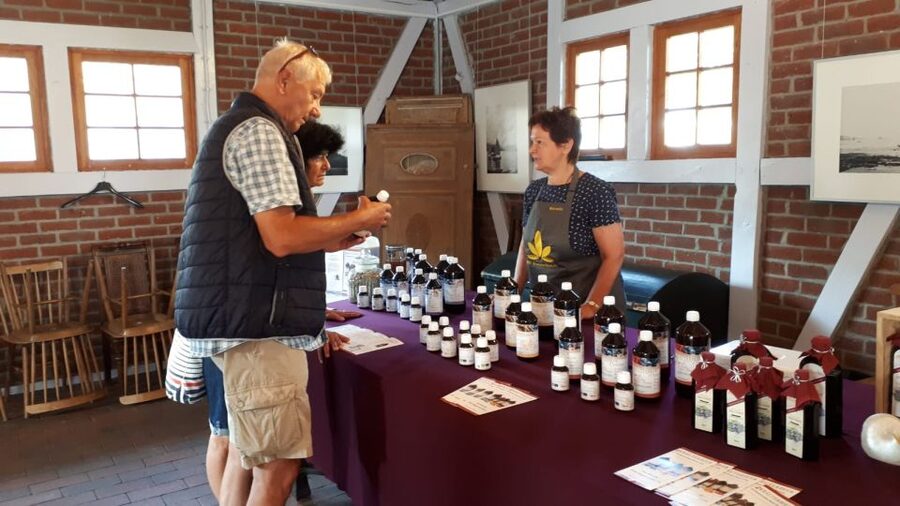
Small factories can tell big stories. This one-hour tour in Stralsund introduces you to a family-run producer making fermented foods with lactic acid bacteria, herbs, berries, roots, and spices. I like the close look at production rooms that are normally off limits, and I like that the tasting goes beyond food to include products made for animals and soil care.
The price is appealing at $11 per person, especially with a guide, factory access, and tastings included. I also like the small group limit of six, which should make it easier to ask questions. The main consideration is that fermentation can be an acquired taste, and the visit may feel brief if you want a long technical tour or a large working factory.
In This Review
- Key points before you book
- Entering Stralsund’s world of fermentation
- What the one-hour route covers
- Why the production rooms matter
- Lactic acid bacteria, herbs, and organic ingredients
- The tasting: mustard and more
- A family business with a personal tone
- Is $11 a good value?
- Who will enjoy this tour most?
- Language, access, and practical planning
- Should you book the Stralsund factory tour?
- FAQ
- Where does the factory tour take place?
- How long does the tour last?
- What is included in the experience?
- What languages are available?
- How many people are in each group?
- Is the factory wheelchair accessible?
- Can I take photographs or videos inside?
Key points before you book
- A genuine small-business visit: You see how a family company makes its products by hand, with an emphasis on organic ingredients and natural processes.
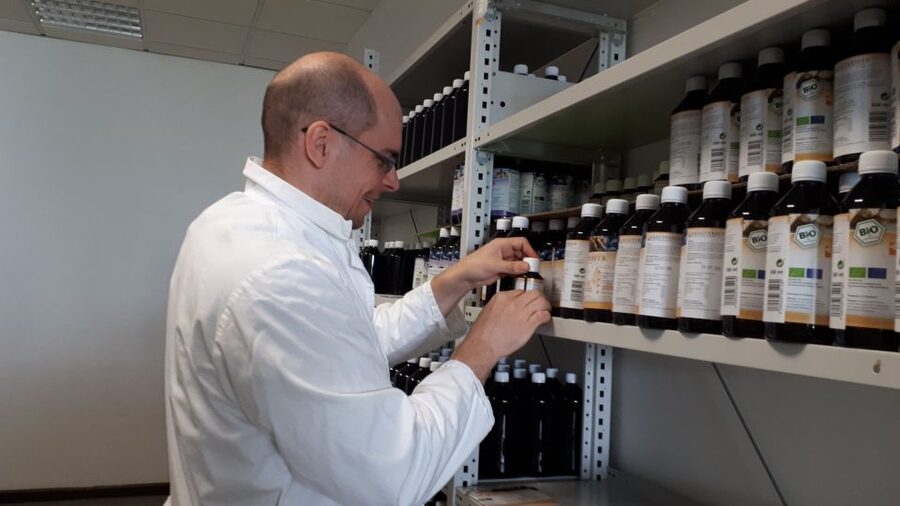
- Production rooms are included: The tour goes into areas that are usually closed to the public, giving you more than a shop visit.
- Fermentation is the main subject: You learn about nine different strains of lactic acid bacteria, along with herbs, berries, roots, and spices.
- The tasting includes mustard: A particularly popular sample is the mustard, which adds a familiar and easy entry point to the more unusual fermented products.
- Only six people per group: The small format suits curious visitors who want time for questions and conversation.
- Plan around strict site rules: No indoor smoking, alcohol, drugs, drones, sharp objects, photography, or video recording are allowed.
Entering Stralsund’s world of fermentation
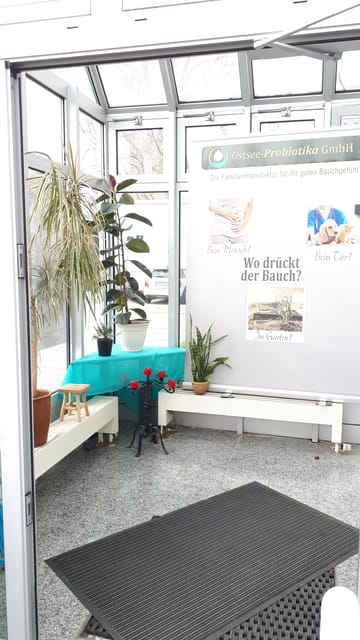
This is not a grand brewery tour with polished galleries and rows of gleaming visitor displays. It is a more personal look at a small producer called Ostsee-Probiotika GmbH, where the work centers on fermentation and organic ingredients.
The company makes products with lactic acid bacteria, herbs, berries, roots, and spices. The products are BIO certified or approved for organic farming, so the tour has a clear focus on natural production rather than industrial shortcuts.
I like that the experience connects food with a wider idea of good gut feeling. The company also makes products intended for animals and for soil preparation. That gives the visit a broader angle: you are not only hearing about fermented food for people, but also about how similar principles are used in animal care and gardening.
You should keep your expectations realistic. The visit lasts one hour, and the business is small. That is part of its charm, but it also means you are unlikely to get a long museum-style presentation, a large production spectacle, or a full technical course in fermentation.
A few more Baltic Coast trips worth comparing
- Schwerin: City Highlights Guided Tour
★ 4.7 · 541 reviews - Schwerin: Tour with the Night Watchman
★ 4.5 · 366 reviews - Stralsund: 1-Hour Harbor Cruise
★ 4.6 · 365 reviews
What the one-hour route covers
The tour begins with a guided introduction to the factory and the company’s working principles. Your guide explains what makes the products different and outlines the steps they pass through before reaching customers.
The precise route can depend on production activity, but the central focus is the working side of the business. You get access to production rooms that are normally closed to the public, giving you a chance to see the setting where the products are made.
That access matters. A shelf of finished bottles can tell you what a product is called, but it cannot show you how ingredients are combined, handled, and prepared. Seeing the working rooms helps connect the labels and tasting samples with a real production process.
The tour also introduces the ingredients used in the recipes. Handpicked herbs, special berries, roots, and spices are part of the company’s approach. The use of nine different strains of lactic acid bacteria is another detail that sets the subject apart from a simple explanation of pickling or food preservation.
You will hear how natural fermentation shapes the products. The guide also explains the principles that guide daily work at the factory. The tone appears to be friendly and informal rather than stiff or academic. One highly praised tour was described as mixing useful information with relaxed humor, which is a good fit for a small group setting.
Why the production rooms matter
Factory access is the strongest part of the experience for me. Stralsund has plenty of historic sights, but this tour gives you a look at a modern local business and the people behind it.
You can expect large equipment and a working production environment rather than a staged display. That makes the visit useful for anyone interested in small-scale manufacturing, organic farming, food science, or local enterprise.
The company’s handmade approach is another important part of the story. Products are made with care and attention rather than on the scale of a faceless mass producer. You may not see every step of every recipe during a one-hour visit, but you should leave with a clearer sense of how the factory operates.
The small group limit of six helps here. With fewer people around, you have a better chance of hearing the guide clearly and asking about ingredients, fermentation, or the products made for animals and soil. This is also a more comfortable format if you are visiting with a partner or a small family group.
There is one practical restriction to remember: photography and video recording inside are not allowed. You will need to pay attention rather than document the production rooms. For some people, that is a drawback. For others, it keeps the visit focused and protects the working environment.
Lactic acid bacteria, herbs, and organic ingredients
Fermentation can sound complicated, but the tour appears designed to make the subject approachable. Your guide explains the role of lactic acid bacteria and the way the company uses nine different strains in its recipes.
That number is useful context. It shows that the products are not based on one generic formula. Different strains, ingredients, and recipes can produce different flavors and uses, so the tasting should give you a sense of the range.
The herbs and berries also help make the subject more familiar. Roots and spices add another layer, especially for visitors who are used to thinking of fermentation only in terms of sauerkraut, yogurt, or bread.
The products are described as BIO certified or approved for organic farming. That is important if you care about how ingredients are sourced or want to understand the company’s place in organic production. Still, you should treat the tour as an introduction to the products, not as medical advice. The phrase good gut feeling is part of the company’s identity, but the visit should not be taken as a promise to cure a health problem.
I would come with curiosity rather than a fixed idea of what fermented food should taste like. Some samples may be tangy, sharp, earthy, herbal, or spicy. If you already enjoy bold flavors, the tasting will probably be more rewarding. If you prefer mild foods, the mustard may be the easiest place to begin.
Still Baltic Coast, at a slower pace:
- Rostock: Guided tour of the historic city center
★ 4.5 · 311 reviews - Rostock: City Walking Tour
★ 4.9 · 198 reviews - Rostock: Full-Day, Half-Day, or Sunset Sailing Experience
★ 4.7 · 174 reviews - Rostock: Electric Boat Rental on the Warnow River
★ 4.8 · 106 reviews
The tasting: mustard and more
The final tasting lets you experience the products directly rather than simply hearing about them. This is a smart ending because fermentation is a subject you understand better through smell and taste.
The selection can include products for people, animals, and soil care. Not everything is necessarily a conventional food sample, so you should expect the tasting to reflect the company’s full range rather than a standard snack plate.
Mustard is one sample worth noting. It received particular praise, and it offers a familiar flavor for anyone who is less certain about fermented products. Start there if you want an easy introduction, then move toward the more unusual items.
The tasting also helps explain why the company talks about recipes and natural processes. You can compare flavors and notice how herbs, berries, roots, and spices affect the finished product. The experience becomes less about a sales pitch and more about using your senses to understand the work.
There is no indication of an alcoholic tasting, and alcohol is not allowed on site. The experience is about food and organic production, not drinks or nightlife.
A family business with a personal tone
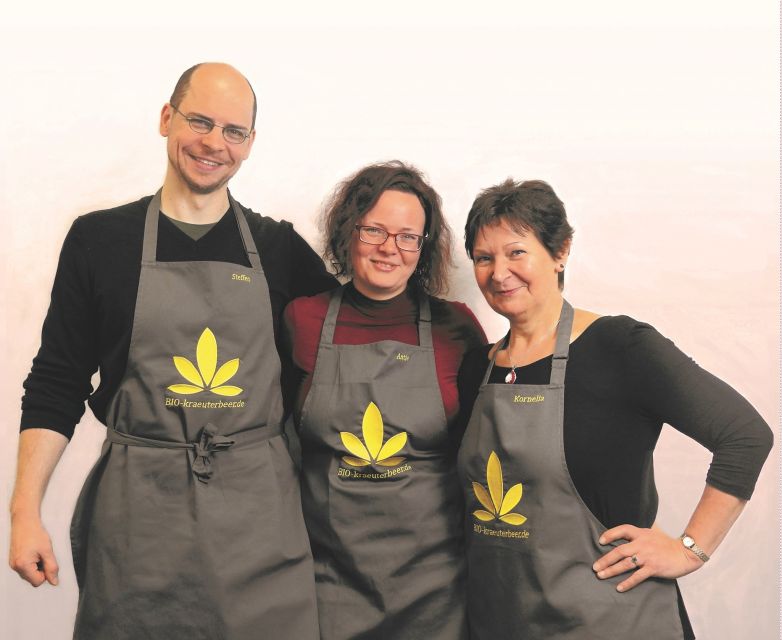
Ostsee-Probiotika GmbH comes across as a small family business with a strong personal identity. That affects the feel of the visit. You are not being moved through a large facility in a crowd. You are meeting a local producer whose work depends on care, consistency, and a clear set of values.
The human side is one of the most praised elements. The team has been described as very friendly, and the presentation as both informative and relaxed. On one occasion, the staff waited for a party delayed on its journey from Berlin. That was a kind gesture, but I would not treat it as a guarantee that late arrivals can always be accommodated. Arrive on time and contact the company if you expect a delay.
The family-run setting also means the guide may speak from practical experience. You get explanations connected to actual recipes, equipment, and production rather than only general facts about fermentation.
At the same time, the informal character may not suit everyone. If you want a large visitor center, a highly polished multimedia show, or a long lecture with laboratory detail, this will probably feel modest. The appeal is the direct connection with a small producer.
Is $11 a good value?
At $11 per person, this is an easy activity to justify if you are interested in local food or organic production. You get a one-hour guided visit, access to production rooms, and a tasting. The small group size adds value because you are less likely to feel like one person in a crowd.
The price is also modest compared with many food tours, though this is not a full meal and should not replace lunch. Think of it as an educational visit with samples, not a restaurant experience.
Value depends on your interests. If you enjoy food production, small businesses, fermentation, or organic farming, the tour offers plenty for a low cost. If you are only looking for a quick tasting, the factory explanation may feel like more information than you wanted.
The 4.3 out of 5 rating from 15 bookings suggests a generally strong experience with some variation in satisfaction. One very short negative response shows that it will not suit everyone. Since the tour has only one hour to cover a factory, production methods, ingredients, and tasting, your enjoyment will depend on how much you want to learn.
Who will enjoy this tour most?
I would recommend this experience to you if you like seeing how local products are made. It is especially suitable for adults interested in fermentation, organic ingredients, food science, gardening, or animal care.
It also works well for visitors who prefer small-group activities. Six participants is a useful limit, especially when the subject involves questions and discussion.
Families may enjoy it if children are old enough to follow a guided explanation and try unfamiliar flavors, though no age guidance is provided. You should decide based on your own child’s interest in factory settings and fermented food.
Gardeners and people interested in sustainable growing may find the soil products especially interesting. The same is true for animal owners, since the company makes products intended for animals as well as people.
You may want to skip it if you dislike strong flavors, do not enjoy production tours, or want to take photographs indoors. The ban on photography and video is firm in the stated rules.
Language, access, and practical planning
Tours are offered in German, English, and French. That makes the visit accessible to a broad range of international visitors, but you should select or confirm your preferred language when booking.
The factory is wheelchair accessible. That is useful for visitors who need step-free access, though the available information does not describe restroom arrangements, seating, or the exact movement through production rooms.
The duration is one hour, with starting times dependent on availability. I would place it in your schedule as a compact activity rather than a half-day outing. You can fit it between other Stralsund plans, but allow enough time to arrive without rushing.
The site does not permit weapons or sharp objects, smoking, drones, alcohol, drugs, bare feet, photography, or video recording. These rules are more restrictive than at a casual tasting, so pack lightly and plan to experience the visit without taking pictures inside.
You can cancel up to 24 hours before the start for a full refund, and you can reserve now while paying later. Those options help if your Stralsund plans are still changing.
Should you book the Stralsund factory tour?
Book it if you want a friendly, low-cost look at a real family business and you are open to unusual flavors. The strongest reasons are the small group, production-room access, organic ingredients, and tasting of products that reach beyond ordinary food.
I would be especially keen to book if I wanted a break from standard sightseeing or had an interest in gardening, animal care, or fermentation. The mustard is a safe starting point, while the wider tasting gives you a better sense of the company’s unusual range.
Skip it if you want a major industrial tour, extensive photography, or a full meal. For most curious visitors, though, $11 is a fair price for one focused hour and a personal introduction to a local producer.
FAQ
Where does the factory tour take place?
The experience takes place at Ostsee-Probiotika GmbH in Stralsund, in northern Germany.
How long does the tour last?
The guided factory tour lasts one hour.
What is included in the experience?
The price includes a guided tour and a tasting of the company’s products.
What languages are available?
The tour is available in German, English, and French.
How many people are in each group?
The experience is limited to six participants.
Is the factory wheelchair accessible?
Yes, the activity is described as wheelchair accessible.
Can I take photographs or videos inside?
No. Photography and video recording inside are not allowed.
Just added around Baltic Coast
- Stralsund: Stadtrundfahrt durch die historische Altstadt★ 4.0 · 45 reviews
- Stralsund: Old Town Highlights Private Walking Tour★ 5.0 · 5 reviews
- Stralsund: Old Town Evening Tour with a Night Watchman★ 4.7 · 20 reviews
- Rostock: Tour with the Rostocker Executioner★ 4.7 · 28 reviews
- Rostock: Electric Boat Rental on the Warnow River★ 4.8 · 106 reviews
- Rostock: Full-Day, Half-Day, or Sunset Sailing Experience★ 4.7 · 174 reviews
- Rostock: Private Guided Walking Tour★ 5.0 · 4 reviews
- Rostock: Hot Rod Sightseeing Tour to Warnemünde★ 5.0 · 19 reviews
Baltic Coast Tours, compared.

Full-Day, Half-Day, or Sunset Sailing Experience
Read our review →
Browse the lists this tour appears in