
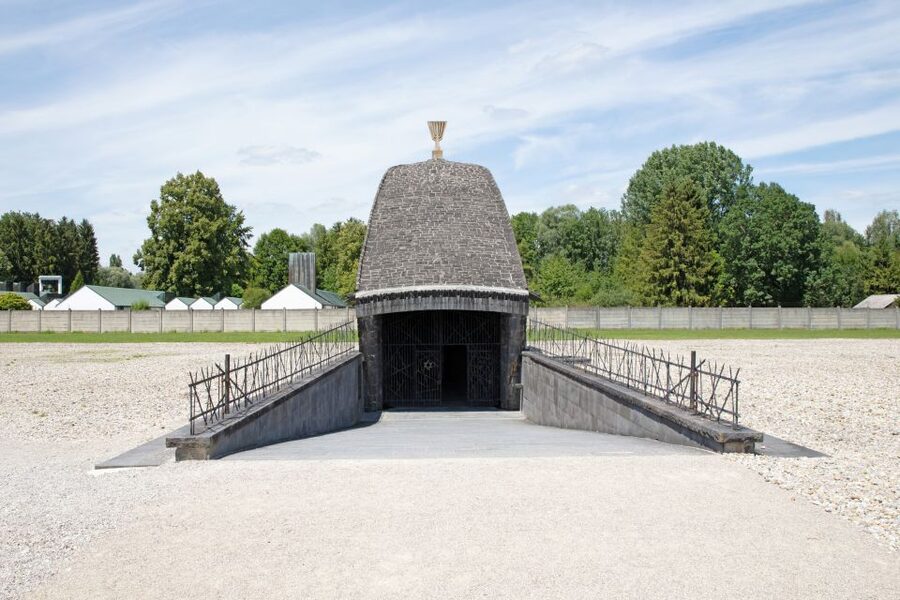
Reviewed · CONCENTRATION CAMP MEMORIAL VISITS
From Munich: Dachau Concentration Camp Private Tour by Car
Dachau asks for silence before words. This private tour makes that difficult visit easier to approach, with door-to-door car service from Munich and a guide who can explain the site without turning it into a rushed checklist. I like the calm, private format, and I like having a five-star licensed guide focused on the history of the camp and the people imprisoned there. The main drawback is the price: at $710 per person, it is a serious splurge, especially for solo visitors or couples.
You get a two-hour guided visit to the Dachau Memorial Site, plus about 90 minutes of total driving between Munich and Dachau. The six-hour version adds a documentary in the former farm building, which gives you more context but leaves less spare time for the exhibits. The subject is painful, as it should be, and this is not a light sightseeing stop.
In This Review
- Key points to know before booking
- Why Dachau is a difficult but important stop
- Leaving Munich in a private car
- Entering the Dachau Memorial Site
- What the former barracks and crematorium reveal
- The six-hour option and its documentary
- The guide makes the private format worthwhile
- Is $710 per person good value?
- Timing, cancellation, and practical planning
- Who should book this Dachau tour?
- My verdict on the private Munich to Dachau tour
- FAQ
- How long does the Dachau private tour from Munich last?
- Is hotel pickup included?
- How long is the transfer between Munich and Dachau?
- How long is the guided visit at the memorial site?
- Is the documentary included in every tour option?
- What languages are available?
- What type of vehicle is used?
- What does the tour price include?
- Can I cancel the tour?
Key points to know before booking
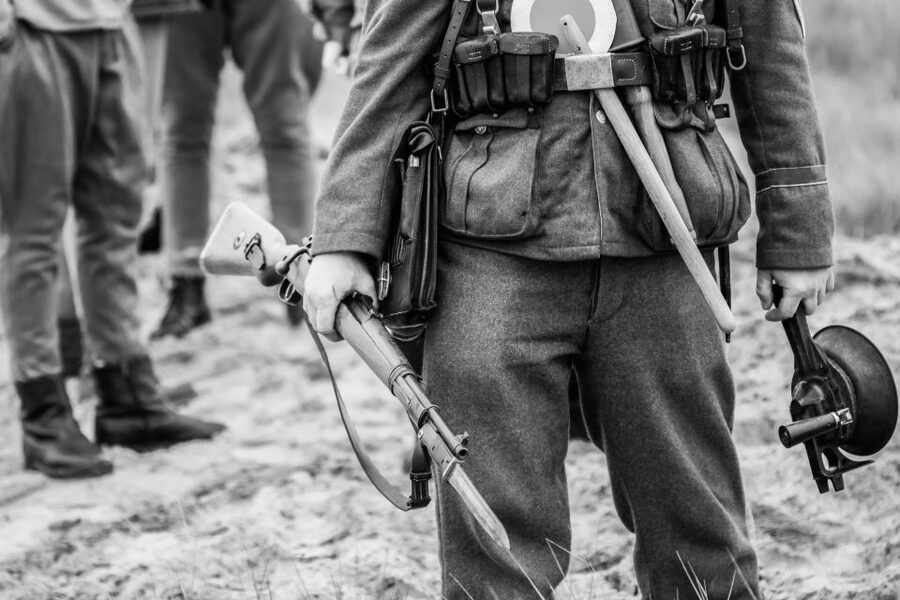
- Private pickup at your Munich accommodation: You avoid finding your way to a station or meeting point, and travel in an air-conditioned sedan or van.
- A two-hour guided memorial visit: The route covers the former prison area, barracks, crematorium, exhibitions, and the camp layout.
- The six-hour option includes a documentary: The film uses photographs, documents, objects, artwork, plans, film footage, and testimony.
- Guides praised for empathy and clarity: Antje is noted for her sensitive handling of the subject, while Stephen has been praised for explaining small details and keeping children engaged.
- The camp is presented as a model for later Nazi camps: You learn not only what happened at Dachau, but how the system was organized and expanded.
- The cost pays for privacy and convenience: This makes the most sense for families, small groups, and visitors who value a personal guide over the lowest possible fare.
Why Dachau is a difficult but important stop
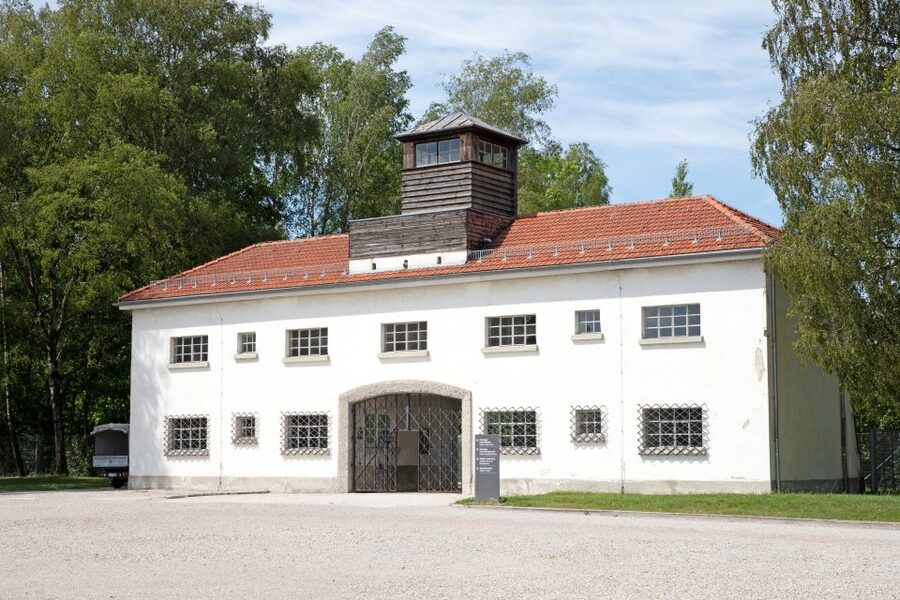
Dachau was the first Nazi concentration camp and the longest-running one in Nazi Germany. It operated from 1933 to 1945, and its design and methods became a model for later concentration camps.
That fact gives the visit a particular weight. You are not only looking at one former camp. You are learning how the Nazi system developed its rules, buildings, labor practices, punishments, and machinery of control.
The memorial site deals with forced labor, starvation, illness, torture, death, and liberation. It also asks you to think about the people who designed and maintained this system, including Heinrich Himmler and other officials of the Third Reich.
I find the guided format useful here because the grounds alone cannot explain everything. A building may look plain. A guide can explain what it was for, who used it, and how it fitted into the wider camp system. That context is the difference between simply seeing old structures and understanding the crime committed there.
You should also expect an emotionally demanding visit. This is not a place for quick photographs and cheerful commentary. The tone is serious, and the best approach is to allow yourself time to listen, think, and ask respectful questions.
Other memorial sites open to visitors:
- Dachau Concentration Camp Memorial Site Tour from Munich by Train
★ 4.5 · 5,637 reviews - From Munich: Dachau Memorial Site Day Tour
★ 4.8 · 2,723 reviews - From Munich: Dachau Memorial Site Half-Day Trip
★ 4.7 · 2,526 reviews
Leaving Munich in a private car
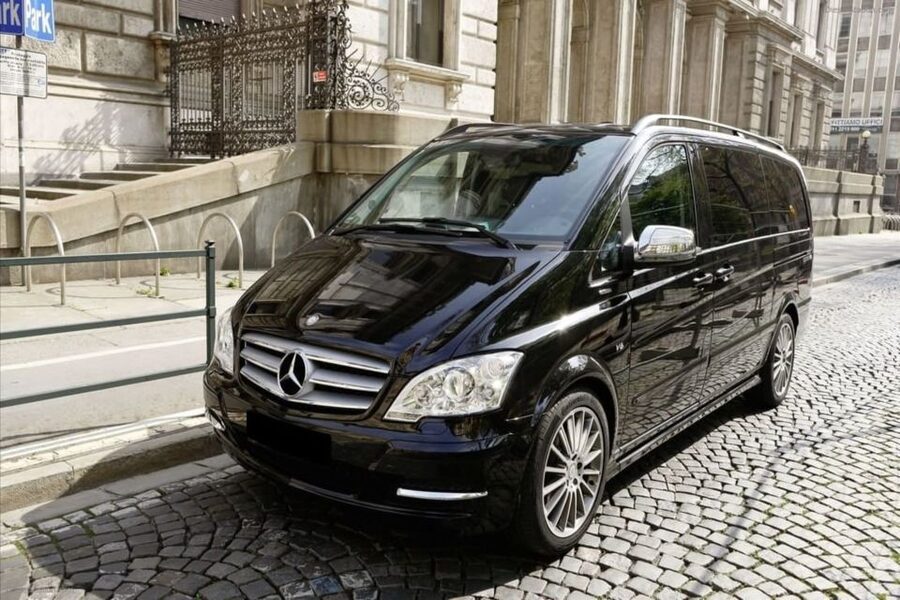
Your day begins with pickup and drop-off at your accommodation in Munich. The vehicle is clean and air-conditioned, with a standard sedan for groups of one to four people and a larger van for groups of five or more.
The transfer between Munich and Dachau takes an estimated 1.5 hours in total, though traffic and your exact accommodation can change that. This matters because a six-hour booking is not six hours inside the memorial site. Much of the day is split between the road, the guided visit, and, on the longer option, the film.
The private car is the tour’s most practical feature. You do not need to work out the local transport route, find the correct entrance, or keep a larger group moving through connections. For a family with children, older relatives, or a group staying outside central Munich, that ease can be worth real money.
The drive can also serve as an introduction. Stephen, one of the guides associated with this experience, has been praised for giving historical background on the way to Dachau. That helps you arrive with a basic timeline instead of trying to absorb every fact at the gate.
Still, the private transfer does not make the day casual. It only removes transport friction. Once you arrive, the focus changes completely.
Entering the Dachau Memorial Site
The guided visit at the memorial site lasts two hours. You follow the path taken by prisoners, from arrival through camp life and forced labor to death or liberation.
The former camp prison, prisoner barracks, crematorium, and other facilities form the main physical points of the visit. The buildings and grounds show the planned nature of the camp. This was not an accidental collection of temporary structures. Its organization helped enforce control over prisoners and provided a pattern later used elsewhere.
Your guide explains the camp as both a place of imprisonment and a working system. Hunger, forced labor, disease, torture, and death were not isolated events. They were connected to the camp’s rules, staffing, buildings, and purpose.
That is where a private guide earns the fee. You can stop to ask about a term, a building, or a detail that might otherwise pass unnoticed. Stephen has been praised for pointing out small features that helped bring the site into focus, and that kind of observation is especially useful for younger members of a family.
A two-hour visit gives you a clear guided introduction, but it is not endless. One visitor noted that there was not enough time to see every exhibit area. You should treat the tour as a structured overview rather than a chance to read every panel in full.
If you already have a strong interest in Nazi Germany, you may want more time than the standard guided portion provides. The private format gives you personal attention, but it does not remove the limits of the schedule. Pay close attention during the tour, and ask your guide which exhibits deserve your remaining time.
What the former barracks and crematorium reveal
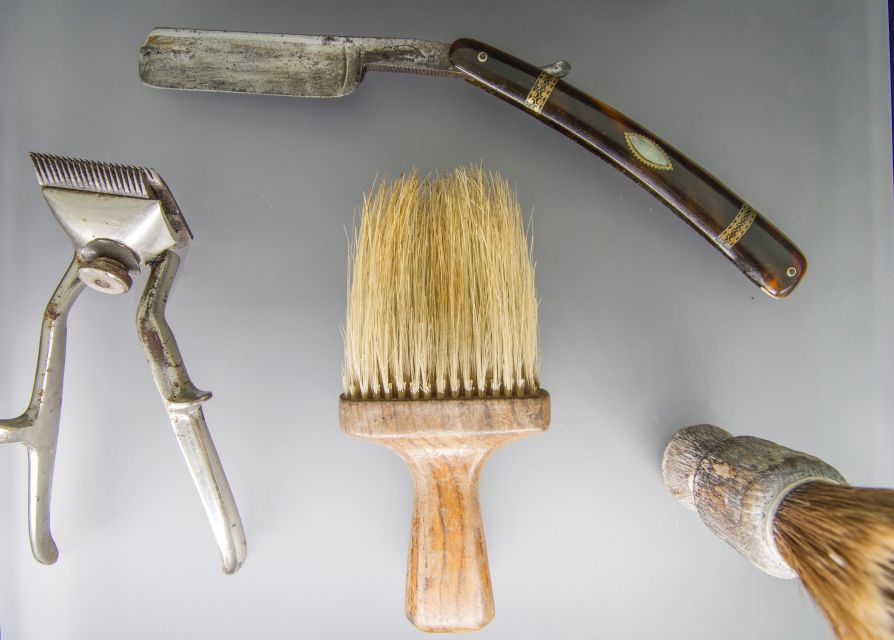
The barracks help show the daily reality of camp life. They are part of the story of overcrowding, hunger, forced labor, illness, and the loss of personal freedom.
The crematorium area carries a different emotional weight. It is one of the places where the camp’s system of death becomes especially direct and difficult to process. Your guide can place it within the history of the camp and explain how it relates to the wider Nazi system.
The value of seeing these locations is not that they are dramatic ruins. It is that the physical spaces connect official policy to individual suffering. A plan, a wall, a barracks layout, or a work area can show how an abstract phrase such as forced labor became an everyday reality for prisoners.
You should not expect a theatrical presentation. The power of Dachau comes from the facts, the surviving spaces, and the discipline of the memorial site. A good guide adds human scale without resorting to sensationalism.
Antje has been praised for handling this difficult subject with empathy and professionalism, including when young people were part of the group. That is an important quality. Families need clear explanations, but children and teenagers also need the subject handled with care and honesty.
A few more Munich trips worth comparing
- From Munich: Neuschwanstein & Linderhof Castle Full-Day Trip
★ 4.5 · 12,494 reviews - Neuschwanstein & Linderhof Castle-Fairytale Day Tour from Munich
★ 4.5 · 7,275 reviews - Munich: Third Reich & WWII Walking Tour
★ 4.6 · 6,181 reviews - Neuschwanstein Castle Tour from Munich
★ 4.5 · 5,117 reviews
The six-hour option and its documentary
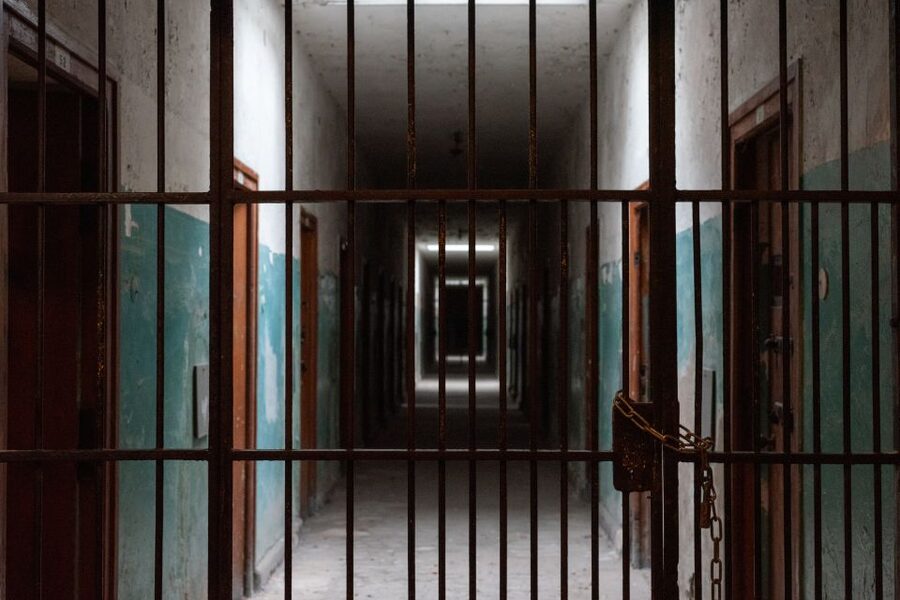
The extended six-hour tour includes a screening of The Dachau Concentration Camp, a 2021 documentary shown in the cinema of the former farm building.
The film tells the story of the camp from its creation to the present day. It uses historical film footage, photographs, objects, artwork, plans, graphics, documents, and testimony from people who experienced the period.
I see the documentary as the strongest reason to choose six hours. The guided walk gives you a physical sense of the site. The film can connect that place to a longer timeline and a wider body of evidence.
It is available in English, German, Italian, French, or Spanish. Choose the language that lets you follow complex material without effort. A film also gives you a quiet period to absorb information after walking through the grounds.
There is one tradeoff. The six-hour option still includes only a two-hour guided tour, and the added film makes the day longer without automatically giving you more time to study every exhibit. If your priority is seeing as much of the memorial site as possible, the shorter option may leave a little more flexibility.
If your priority is a fuller historical explanation, I would choose the six-hour version. The documentary is not filler. Its mix of primary material and testimony helps place Dachau within the broader history of Nazi persecution.
The guide makes the private format worthwhile
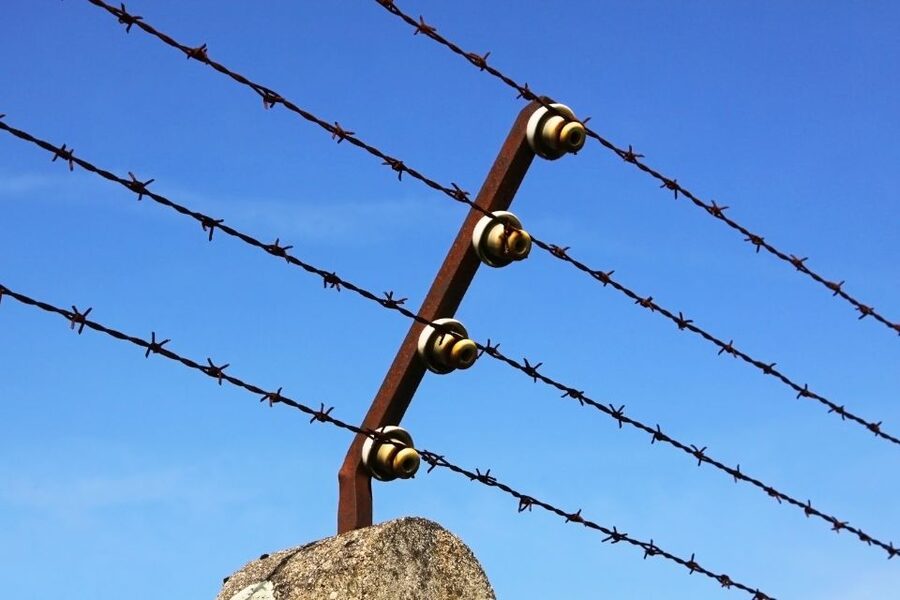
The guide is the heart of this experience. A private visit lets you ask questions in your own language and at your own pace, rather than trying to follow a large group.
Guiding is offered in English, German, French, Italian, and Spanish. The available information identifies the guide as a five-star licensed professional at Dachau, with WWII history as a central area of expertise.
Stephen has earned particular praise for explaining details that might otherwise be missed and for making the history accessible to three children in one family. That does not make Dachau easy for children, but it shows how much the guide’s approach matters.
Antje has also been praised for being flexible, deeply empathetic, and able to support both adults and young people through a hard subject. Those qualities matter more here than a fast delivery or a long list of dates.
You should still take an active role. Tell the guide your group’s age range and background knowledge. Ask for clarification when a term or event is unfamiliar. If you need a quiet moment, take it. A private tour gives you room to respond in a way that a large scheduled group may not.
Is $710 per person good value?
At $710 per person, this is not a budget visit to Dachau. The value comes from the private car, private return transfer, licensed guide, language choice, and direct attention at the memorial site.
For one person or a couple, the cost may feel hard to justify. Public transport and a standard group visit can cost much less, though they will not provide the same door-to-door convenience or private questions.
For a family or small group, the calculation changes. The sedan covers one to four people, while groups of five or more receive a large van. If you want extra space for a smaller group, the booking information suggests reserving the larger vehicle option for five people, which is worth checking before you pay.
The tour becomes a better value when several people share the private experience and when time matters. You avoid transport planning, and you have a guide who can adjust explanations to your group. That is particularly useful if someone in your party speaks a language other than English or if younger visitors need a careful explanation.
I would not book this simply because it is private. I would book it because you want a focused historical visit with minimal transport stress. The fee buys comfort and attention, not luxury sightseeing.
Timing, cancellation, and practical planning
The available schedule is listed as six hours, with starting times depending on availability. A four-hour version is also offered, so check the exact option before booking.
The four-hour choice includes the private transfer, the guide, and a two-hour guided visit to the memorial site. It does not include the documentary.
The six-hour choice adds the film and is the better fit if you want more historical framing. Remember that the road time is part of the total day, and traffic can affect the schedule.
Check your email the day before departure for important tour information. Pickup and drop-off are included at your Munich accommodation, but the exact transfer time depends on distance and traffic.
You can cancel up to 24 hours in advance for a full refund. The reserve-now, pay-later option also helps if your Munich plans are still changing.
Who should book this Dachau tour?
I would recommend it to families, small groups, and first-time visitors who want a serious introduction without handling the transport themselves. It is also a strong choice if you need French, Italian, Spanish, English, or German guidance.
The tour suits you if personal questions matter, if you want historical background during the journey, or if you prefer a guide who can adapt to children and adults together.
It may not suit you if your main goal is the lowest price or a long, self-guided day reading every exhibit. The two-hour guided visit is useful but limited, and the price is far above a simple independent outing.
Think about the emotional side as well. Dachau is an important place, but it is not easy sightseeing. You should book it because you are ready to give the subject your attention, not because it is a convenient item to tick off during a Munich stay.
My verdict on the private Munich to Dachau tour
I like this experience for three clear reasons: the private pickup removes transport trouble, the guide can explain the camp with care, and the six-hour documentary adds useful historical context.
The strongest praise has gone to the guides, especially Stephen’s eye for small details and Antje’s sensitive work with adults and young people. Those qualities are exactly what you need at Dachau.
The price remains the big question. If you are alone or watching every euro, this is probably more than you need. If you are sharing the cost with family or friends and want a thoughtful, private visit from Munich, the convenience and personal guidance make the fee easier to defend.
Choose four hours for a focused introduction. Choose six hours if you want the documentary and a fuller account of Dachau’s history. Either way, arrive ready to listen. This is a place where careful attention matters more than speed.
FAQ
How long does the Dachau private tour from Munich last?
The main experience is listed as six hours, including transfers, the guided memorial visit, and the documentary in the extended option. A four-hour version is also available.
Is hotel pickup included?
Yes. Pickup and drop-off at your accommodation in Munich are included.
How long is the transfer between Munich and Dachau?
The round-trip transfer is estimated at 1.5 hours. The exact time can change depending on your accommodation and traffic.
How long is the guided visit at the memorial site?
The guided tour of the Dachau Concentration Camp Memorial Site lasts two hours.
Is the documentary included in every tour option?
No. The documentary is included only with the six-hour option. It is not included in the four-hour option.
What languages are available?
Guiding is available in English, German, French, Italian, and Spanish. The documentary is also available in those five languages.
What type of vehicle is used?
Groups of one to four people travel in a standard sedan. Groups of five or more use a large van.
What does the tour price include?
The $710 per person price includes the private half-day trip, private return hotel transfer, a five-star licensed guide in your chosen language, free entry, and the two-hour guided visit. The six-hour option also includes the documentary screening.
Can I cancel the tour?
Yes. You can cancel up to 24 hours in advance for a full refund. A reserve-now, pay-later option is also available.
Just added around Munich
- Pub crawl incl. Oktoberfest museum guided tour with beer tasting (private)★ 5.0 · 5 reviews
- South Tyrolean specialties and wine tasting★ 5.0 · 5 reviews
- Size Matters Beer Tour Munich★ 4.6 · 105 reviews
- Short & sweet: Tasting the Viktualienmarkt★ 4.8 · 37 reviews
- Secret Food Tours Munich★ 4.8 · 5 reviews
- Munich: Romantic Wine Experience for Two at Viktualienmarkt★ 4.2 · 14 reviews
- Residence of Munich private tour with skip the line ticket★ 5.0 · 4 reviews
- Munich: Resistance against Hitler – Historical Walking Tour★ 5.0 · 5 reviews