
Reviewed · CONCENTRATION CAMP MEMORIAL VISITS
From Munich: Dachau Memorial Site Day Tour
Dachau leaves little room for easy sightseeing. This five-hour tour makes the visit clear, respectful, and manageable, taking you from Munich by public train and bus to the former concentration camp. I especially like the human stories from former prisoners and the guide’s help with transport. The main drawback is time: the memorial deserves long, quiet reading, but a half-day tour can feel tightly planned.
I also like the afternoon departure at 1:10 PM. Fewer school groups are usually on site then, which can make this difficult visit calmer. Guides such as Thomas, Aileen, Alex, Michael, Jessie, Mat, and Conni have earned praise for combining solid historical detail with care for the emotional weight of Dachau. Still, packed buses, public transport delays, and noisy school groups can occasionally interrupt the rhythm.
In This Review
- Key points to know before you go
- Meeting in Munich’s Marienplatz
- The train ride from Munich to Dachau
- Understanding Dachau before entering the memorial
- Walking through the former camp grounds
- The museum exhibition and prisoner accounts
- Why a guided visit is worth the $49 price
- Choosing the morning or afternoon departure
- Handling the emotional weight of Dachau
- Who this Dachau tour suits best
- Practical advice before booking
- Should you book this Dachau Memorial tour?
- FAQ
- How long does the Dachau Memorial tour take?
- Where does the tour meet in Munich?
- How do I identify the guide?
- Is transport included?
- What language is the tour conducted in?
- What can I see at Dachau Memorial?
- Is the memorial site wheelchair accessible?
- What should I bring?
- Is the afternoon departure less crowded?
- Can I cancel the booking?
Key points to know before you go
- Public transport is part of the experience: Your guide leads you by train and connecting transport from Munich, with the ticket included.
- The 1:10 PM departure may be quieter: Fewer school classes and groups are usually at the memorial in the afternoon.
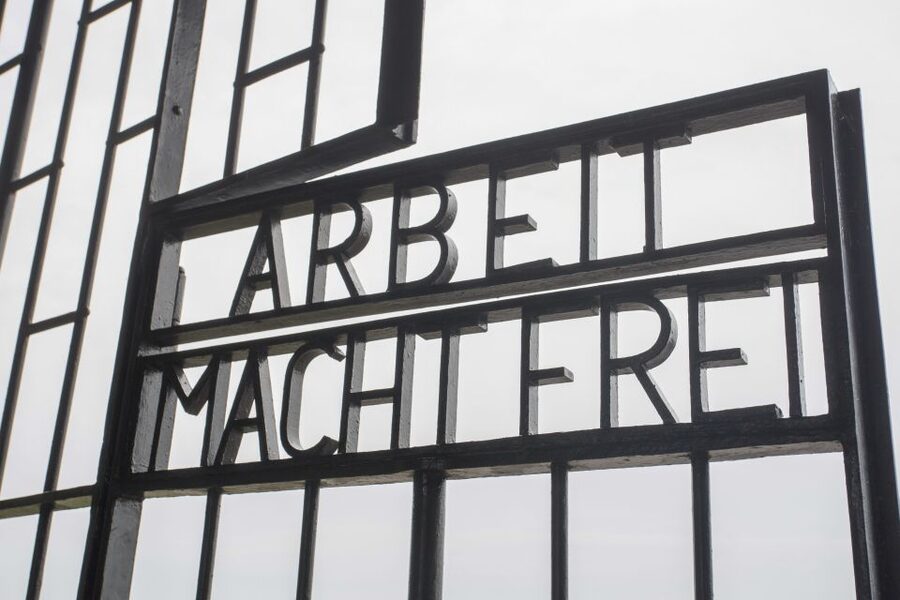
- The tour covers the main remains: You see the former barracks, cells, gas chambers, memorial grounds, and museum exhibition.
- Personal stories give the history meaning: Prisoner photographs and reports show what everyday life was like inside the camp.
- The subject is emotionally heavy: This is a serious place of remembrance, not a casual day trip.
- The guide adds real value: Visitors repeatedly praise the guides for sensitivity, structure, and strong historical explanation.
Meeting in Munich’s Marienplatz
The tour begins in front of the Tourist Information office at Munich’s Gothic Town Hall in Marienplatz. Look for a guide holding a yellow sign with Dachau Memorial Tour written in red.
This is a sensible meeting point. Marienplatz is central, easy to recognize, and familiar to anyone exploring Munich’s old town. Still, do not treat the departure time casually. The group leaves at the stated time, and late arrivals may be left behind.
If you use a wheelchair or have difficulty walking, arrive 10 minutes early. The group uses a different entrance for the platform and train, and you will need a carer. The tour is listed as wheelchair accessible, but the early arrival matters because the standard group route and the accessible route are not identical.
Your guide gathers the group, checks that everyone is present, and explains how the journey works. This early briefing is useful because the trip involves public transport rather than a private coach. You do not have to work out the correct train and connections yourself, but you do need to stay with the group.
Other memorial sites open to visitors:
- Dachau Concentration Camp Memorial Site Tour from Munich by Train
★ 4.5 · 5,637 reviews - From Munich: Dachau Memorial Site Half-Day Trip
★ 4.7 · 2,526 reviews - From Munich: Dachau Memorial Site Full-Day Tour
★ 4.9 · 1,406 reviews
The train ride from Munich to Dachau
The journey to the memorial uses a public train, with transfers by public transport included in the price. You get countryside views along the way, but the real value is not sightseeing from the carriage. It is having someone handle the practical details while setting the historical context before you arrive.
Several guides have been praised for keeping groups together during crowded or delayed services. That matters on busy days, especially when a connecting bus is full. The return journey can also be crowded, and the group may be split briefly when boarding. Your guide explains where to get off and what to do if the group becomes separated.
This is less polished than a private vehicle. A train may be delayed, and a bus can be packed. One visitor described the return bus as crowded enough to feel uncomfortable. That is not the guide’s fault, but it is part of choosing a public transport tour.
The upside is that the trip feels grounded in ordinary Munich life. You are not sealed inside a tourist bus from start to finish. You travel as local residents do, while your guide gives the journey purpose and context.
Understanding Dachau before entering the memorial
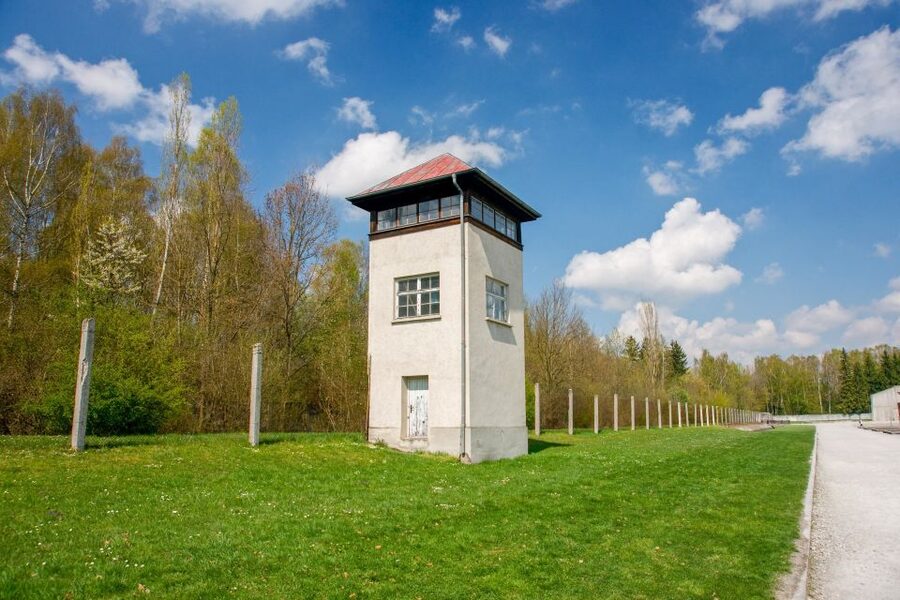
Dachau was the first German concentration camp, opened outside Munich in 1933. Since 1965, the site has served as a memorial and educational center.
That timeline matters. The camp was not created only during the Second World War. It began during the rise of National Socialism and operated until liberation by Allied forces in 1945. A good guide helps you understand how the camp developed and why Dachau became a model for the concentration camp system.
This is where the guides make the strongest difference. Thomas has been praised for explaining the period from the camp’s beginnings through liberation, while Michael is noted for placing the site within the wider history of the Holocaust. Alex has been described as clear, thoughtful, and willing to answer difficult questions with care.
The best commentary does not turn the site into a dramatic show. It gives you names, dates, photographs, and individual stories, then leaves room for reflection. Guides such as Jessie and Conni have been praised for presenting the atrocities directly without losing sight of the people who suffered there.
You should expect a serious tone. Some guides use questions and discussion to keep the group engaged, while others offer a more formal historical explanation. The exact personality varies, but the repeated strengths are preparation, empathy, and strong command of the subject.
Walking through the former camp grounds
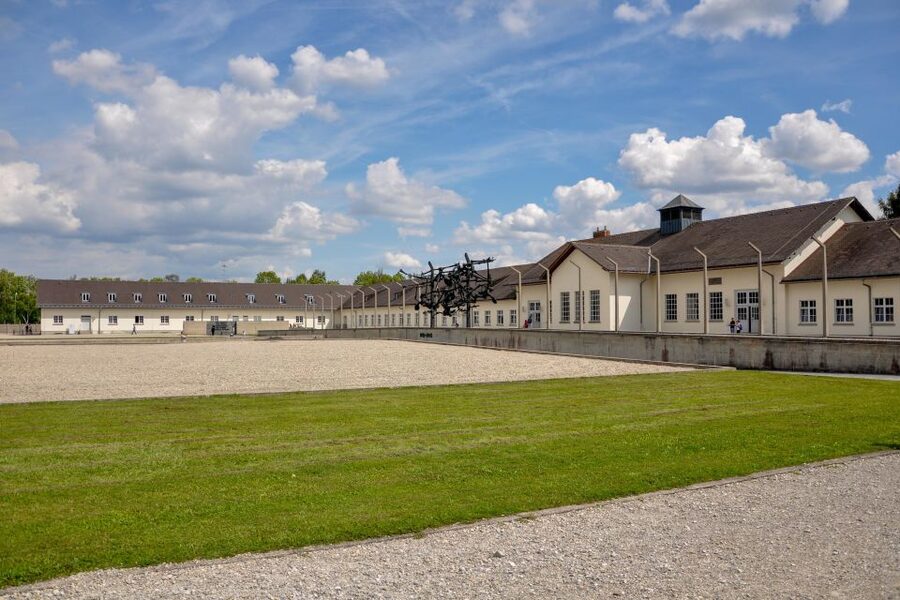
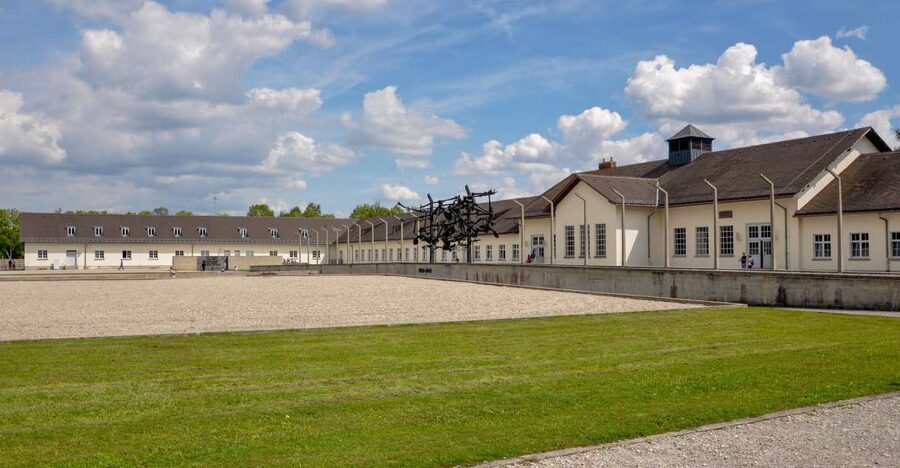
At the memorial site, the tour takes you through the main surviving areas and reconstructed sections. You see the former barracks, cells, gas chambers, and exhibition spaces.
The physical remains are important, but they are not the whole story. Much of the power comes from the contrast between the orderly layout and the human suffering explained by the guide. Buildings, pathways, and rooms can look plain at first glance. With context, they become evidence of a system built to imprison, control, and destroy human lives.
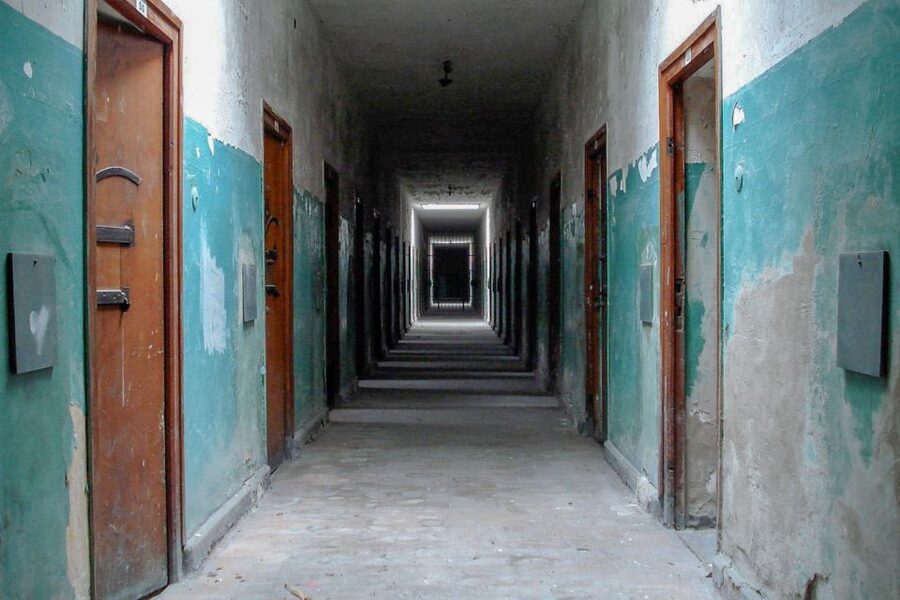
The former barracks show the scale and organization of camp life. The cells point to imprisonment and punishment. The gas chamber area is especially difficult for many people, and it should be approached with quiet respect. This is not a stop for casual photographs or light conversation.
Guides move the group efficiently between locations. That helps you see the key parts of the memorial within five hours, including the travel from Munich and back. It can also create a tradeoff. You may want more time in one room, or more time to read every panel, but the group must keep moving.
If you already study the Holocaust or the Second World War, you may know much of the general material. Even then, a guide can add individual details and explain how the buildings fit into the wider history. One guide, Aileen, was praised for adding facts that even a well-read visitor had not encountered before.
A few more Munich trips worth comparing
- From Munich: Neuschwanstein & Linderhof Castle Full-Day Trip
★ 4.5 · 12,494 reviews - Neuschwanstein & Linderhof Castle-Fairytale Day Tour from Munich
★ 4.5 · 7,275 reviews - Munich: Third Reich & WWII Walking Tour
★ 4.6 · 6,181 reviews - Neuschwanstein Castle Tour from Munich
★ 4.5 · 5,117 reviews
The museum exhibition and prisoner accounts
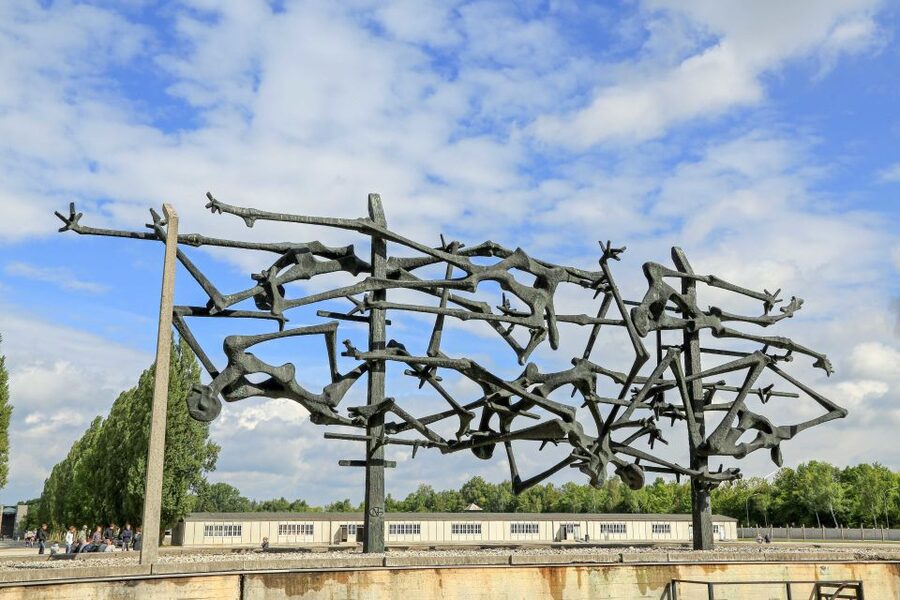
The Dachau Memorial Museum contains photographs and reports by prisoners. These materials describe everyday life in the camp from its opening to liberation in 1945.
This is one of the most valuable parts of the visit. Large historical events can feel distant when reduced to dates and official names. Prisoner accounts bring attention back to daily experience, personal fear, deprivation, and endurance.
I would give the exhibition your full attention, but you may not have unlimited time to read it all. Several visitors wanted longer to study the photographs, documents, and displays. The guide manages the schedule so the group can cover the grounds, yet that means independent reading time is limited.
Listen carefully during the guided explanation, then use your free moments for the sections that speak most strongly to you. The guide’s overview can help you choose what deserves a closer look. Without that structure, you could spend too long in one room and miss other key parts of the memorial.
The combination of spoken history and original material works better than relying only on an audio guide or wall text. Thomas has been praised for bringing photographs and stories into his explanation, while Michael and Alex have been noted for making complex events easier to understand without flattening their seriousness.
Why a guided visit is worth the $49 price
At $49 per person, this is a good-value option if you want a structured visit from central Munich. The price includes the guided tour, public transport ticket, and transfers by public transport.
You could visit the memorial without a tour, but then you would need to manage the train and bus connections, understand the return route, and build your own historical framework. The entry site itself provides important material, yet a guide helps connect the rooms, buildings, dates, and prisoner accounts.
The largest value comes from the guide’s time. The tour begins in Munich, continues through the transport journey, covers the memorial, and returns you to the city within about five hours. Guides have been praised for answering questions, keeping groups together, and adjusting when transport problems occur.
The price will feel less worthwhile if you want several hours of quiet independent study. You may find the pace too brisk, particularly in the museum. An independent visit gives you more control over where you linger, while this tour gives you more support and interpretation.
For most first-time visitors, I think the balance favors the guided option. Dachau is not a place where a quick look at buildings tells you enough. The guide’s explanation turns the visit into a serious history lesson rather than a confusing walk through an unfamiliar site.
Choosing the morning or afternoon departure
The tour lasts five hours, and starting times vary. The stated afternoon departure is 1:10 PM.
Choose the afternoon if you want the best chance of avoiding the largest number of school classes and organized groups. The memorial is still a working educational site, so children and school groups are part of the setting. They can sometimes be noisy or disruptive, even though their presence reflects the memorial’s role in teaching future generations.
The afternoon may also suit a slower Munich morning. You can explore Marienplatz, have lunch, and then meet the group at the Tourist Information office. Remember that the tour returns later in the day, so plan your evening with some flexibility.
A morning tour may suit you better if you want more daylight around the site or prefer to finish the memorial visit earlier. The supplied information specifically recommends the 1:10 PM departure for lighter crowds, so that is the clearest practical choice when crowd levels matter most.
Handling the emotional weight of Dachau
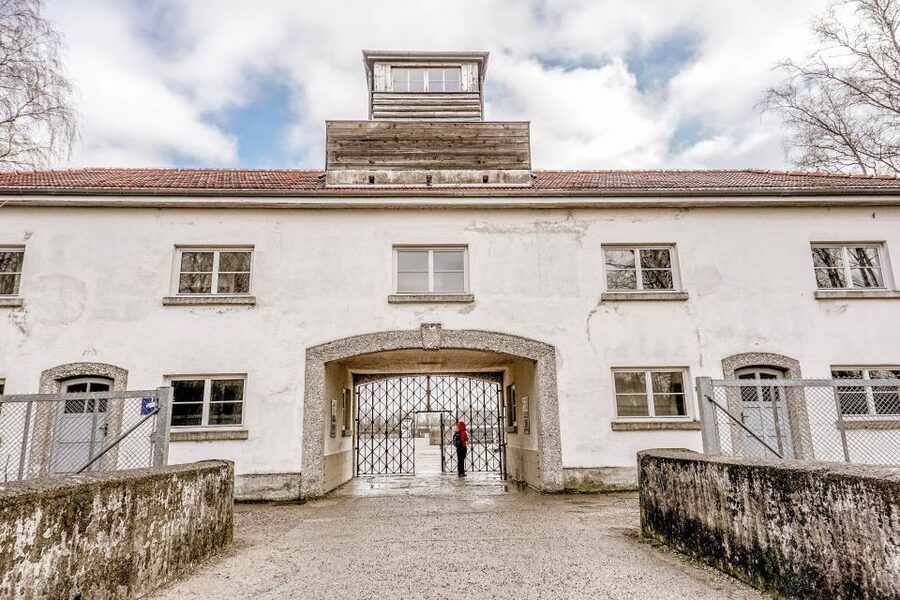
This is a sobering experience. The site contains evidence of imprisonment, persecution, and mass suffering, and the tour does not soften that reality.
The strongest guides are careful without becoming vague. Aileen has been praised for making everyone feel included while treating the subject with seriousness. Conni has been described as empathetic and direct, using personal stories to show the human cost. Stephanie has been praised for adjusting her approach even when the group was very small.
You may feel sad, unsettled, or quiet afterward. That is a normal response to the place. Give yourself space after the tour rather than planning another demanding attraction immediately afterward.
Families and older children can find the tour meaningful, but the subject is not light. One group specifically appreciated a guide who explained the material well for a 17-year-old as well as adults. Parents should decide how their children will respond to graphic historical material before booking.
Comfortable shoes and water are essential. The memorial visit involves walking, and the site can be emotionally and physically tiring. Smoking and pets are not allowed.
Who this Dachau tour suits best
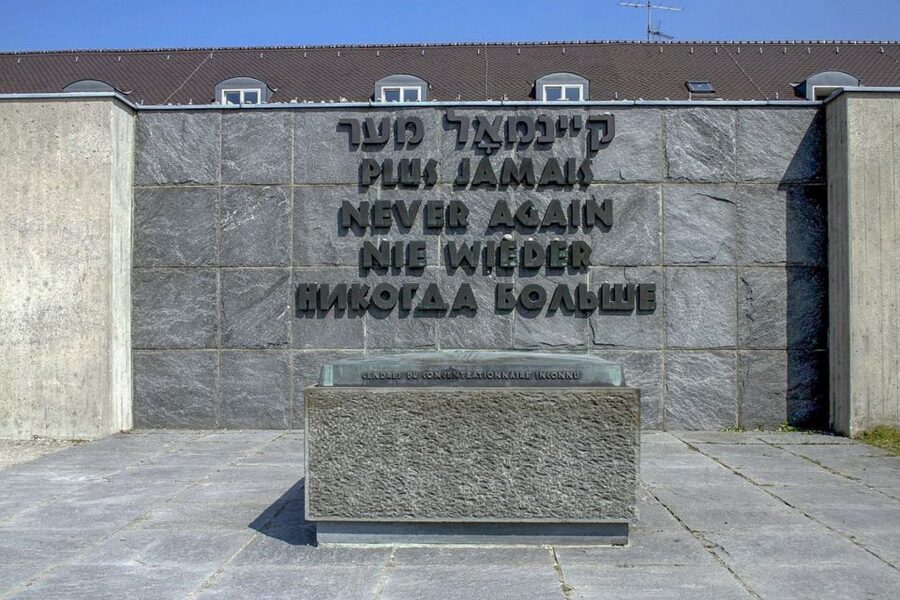
I recommend this tour if you are staying in Munich and want a clear, guided introduction to Dachau Memorial. It suits first-time visitors, people interested in modern European history, and anyone who would rather follow an expert than navigate public transport alone.
It is also a good choice if you want the wider German and Nazi-era context explained before you reach the buildings. The guides do not only point out locations. They explain how the camp began, how it operated, and how prisoner testimony helps us understand daily life.
You may prefer an independent visit if you already have extensive subject knowledge and want long periods to read every display at your own pace. You might also prefer going alone if you need privacy during a very personal or emotional visit.
For everyone else, the structure is helpful. The guide handles the route, keeps track of the group, explains the difficult material, and leaves some time for your own observation.
Practical advice before booking
Meet in front of the Tourist Information office at Munich’s Gothic Town Hall, not at the Dachau memorial itself. Arrive early, especially if you use a wheelchair or have limited mobility.
Wear comfortable shoes and carry water. Stay close to the guide during train and bus transfers, since services can be crowded and delays are possible.
The tour is conducted in English with a live guide. Cancellation is free up to 24 hours before departure, and you can reserve now and pay later. Those policies are useful if your Munich schedule is still changing.
The overall rating is 4.8 from 2,723 reviews, and the praise is remarkably consistent in a few areas: guides explain the history clearly, handle the subject with respect, and make the public transport route easy to follow. The weaker points are not usually the teaching. They are limited reading time, crowded buses, and other groups on the site.
Should you book this Dachau Memorial tour?
Yes, if you want a well-organized and thoughtful first visit from Munich. At $49, the included transport and strong guiding make it a sensible use of half a day, especially if you do not want to work out the route yourself.
Book the 1:10 PM departure if fewer school groups matter to you. Go with the understanding that this is a memorial and educational visit, not a standard sightseeing outing. You will see important buildings and displays, but the lasting value comes from the prisoner accounts, historical context, and careful explanation that helps you understand what happened there.
FAQ
How long does the Dachau Memorial tour take?
The tour lasts five hours, including public transport from Munich, the guided visit, and the return journey.
Where does the tour meet in Munich?
It meets in front of the Tourist Information for the City of Munich at the Gothic Town Hall in Marienplatz.
How do I identify the guide?
The guide holds a yellow sign with Dachau Memorial Tour written on it in red letters.
Is transport included?
Yes. The tour includes a public transport ticket and transfers by public transport.
What language is the tour conducted in?
The live guided tour is conducted in English.
What can I see at Dachau Memorial?
The tour includes the former barracks, cells, gas chambers, memorial site, and the exhibition in the Dachau Memorial Museum.
Is the memorial site wheelchair accessible?
The activity is listed as wheelchair accessible. If you have difficulty walking or use a wheelchair, arrive 10 minutes early and bring a carer because you will use a different entrance for the platform and train.
What should I bring?
Bring comfortable shoes and water. Pets and smoking are not allowed.
Is the afternoon departure less crowded?
The 1:10 PM afternoon tour is recommended if you want to visit when there are usually fewer school classes and groups on site.
Can I cancel the booking?
You can cancel up to 24 hours before the tour for a full refund. You can also reserve now and pay later.
Just added around Munich
- Pub crawl incl. Oktoberfest museum guided tour with beer tasting (private)★ 5.0 · 5 reviews
- South Tyrolean specialties and wine tasting★ 5.0 · 5 reviews
- Size Matters Beer Tour Munich★ 4.6 · 105 reviews
- Short & sweet: Tasting the Viktualienmarkt★ 4.8 · 37 reviews
- Secret Food Tours Munich★ 4.8 · 5 reviews
- Munich: Romantic Wine Experience for Two at Viktualienmarkt★ 4.2 · 14 reviews
- Residence of Munich private tour with skip the line ticket★ 5.0 · 4 reviews
- Munich: Resistance against Hitler – Historical Walking Tour★ 5.0 · 5 reviews