
Reviewed · CONCENTRATION CAMP MEMORIAL VISITS
From Munich: Dachau Memorial Site Full-Day Tour
Dachau asks for your full attention. This six-hour visit combines Munich public transport with a guided walk through the former concentration camp and its memorial exhibits. I like the Memorial-qualified guides, who explain the site with care and strong historical detail, and I like that train and bus fares are included. The main drawback is the long, serious walking day, with no meal break and limited suitability for children or people with mobility or respiratory concerns.
You meet in central Munich, travel as a group, and return to Marienplatz in the late afternoon. Guides such as Sam, Adam, Marcin, Keith, Hein, and Scott have received particularly strong praise for clear explanations, calm organization, and respectful handling of painful material. You should expect a sobering educational visit, not a casual sightseeing outing.
In This Review
- Key points to know before you book
- Why Dachau is worth visiting from Munich
- Starting at Marienplatz with a clear meeting point
- The train and bus ride to Dachau
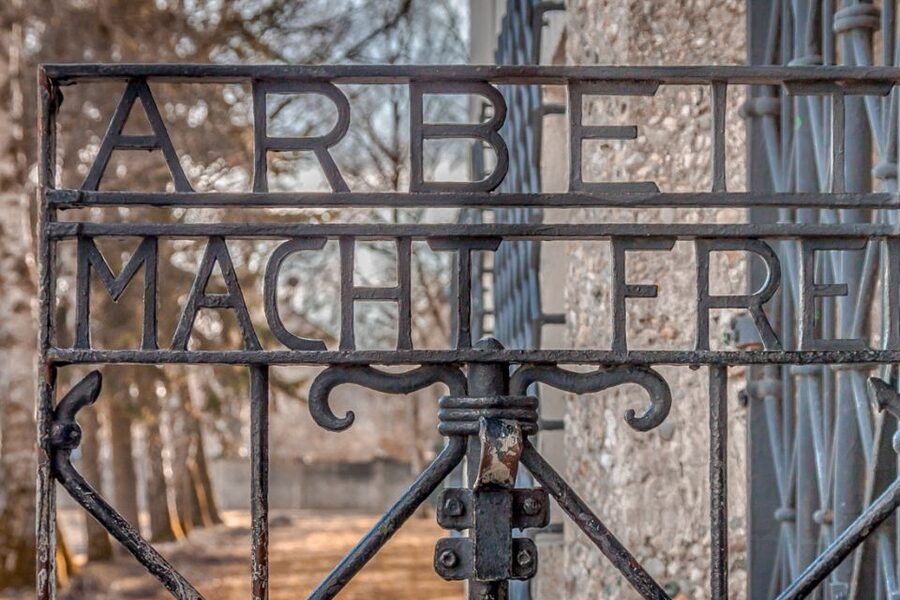
- Entering through the Jourhaus and Arbeit Macht Frei
- Understanding the camp’s three phases
- The Appellplatz, Bunker, and Barracks
- Nearly four hours inside the memorial site
- The guides make the biggest difference
- Is $51 good value?
- Who should book this Dachau tour?
- Should you book it?
- FAQ
- Where does the Dachau tour begin?
- Where does the tour end?
- How long does the Dachau tour last?
- Is transportation included?
- What language is the tour conducted in?
- What important places will I see?
- Can children join the tour?
- Can I eat during the visit?
- What should I bring?
- Is the tour suitable for wheelchair users or people with mobility issues?
Key points to know before you book
- The tour begins at Marienplatz, in front of Ludwig Beck at Marienplatz 11, under a white and blue umbrella.
- Public transport is part of the experience, with about 40 minutes by train or subway and 10 minutes by bus each way.
- The camp visit lasts nearly four hours, including a short break and the guided route through major memorial buildings.
- The focus is serious and graphic, covering imprisonment, torture, forced labor, disease, and death under the Nazi regime.
- Food cannot be eaten during the tour, so have a substantial breakfast or bring food for the train.
- Children under 14 are not permitted, and the tour is not suitable for wheelchair users or people with mobility or respiratory impairments.
Why Dachau is worth visiting from Munich
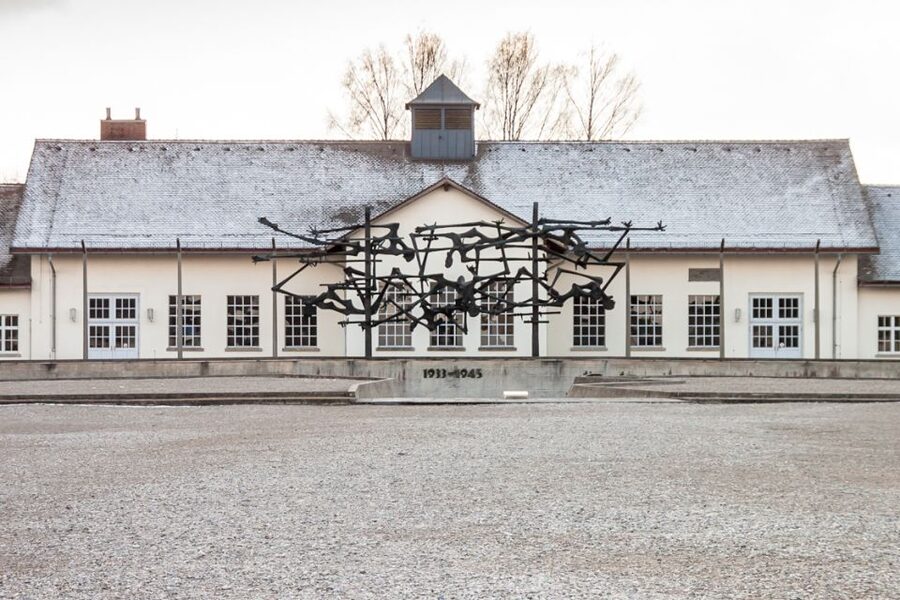
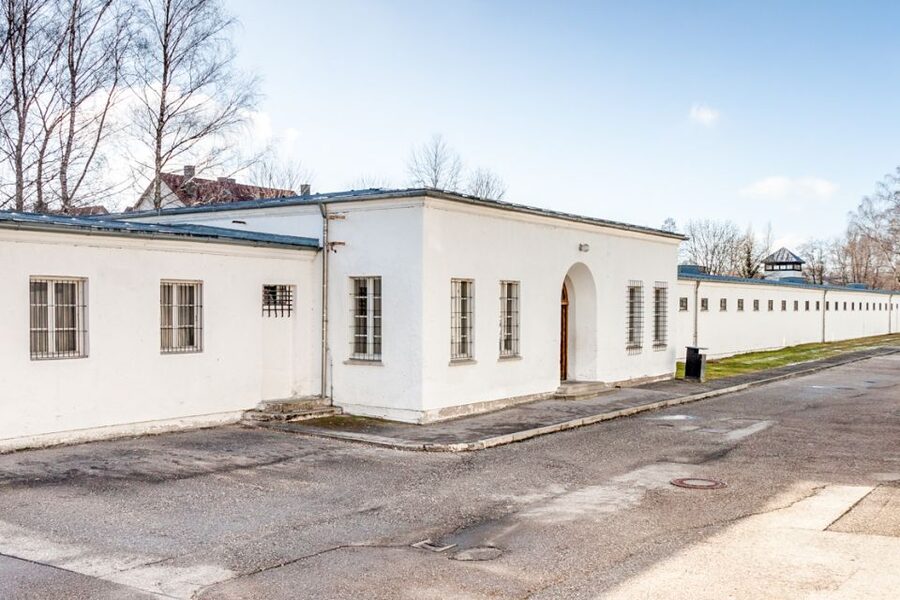
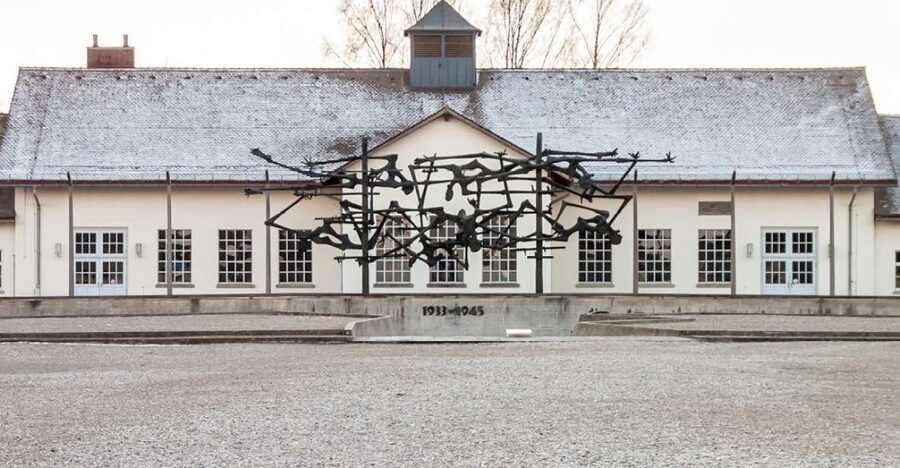
Dachau was the first permanent concentration camp established by Nazi Germany. It opened in 1933 and continued operating throughout the regime’s 12 years, making it a central site for understanding how persecution developed into a vast system of imprisonment and murder.
A visit here gives you more than dates and names. You see the route prisoners took, the buildings used to control them, and the physical layout that made terror part of daily life. The setting is restrained, and that restraint matters. The memorial site is not presented as entertainment. It asks you to look closely, listen carefully, and think about how an organized system can turn cruelty into routine.
I would not treat this as simply another day trip from Munich. It is a memorial visit with a guided historical explanation. The subject is difficult, but the guide helps you understand the site rather than leaving you to move through it without context.
Other memorial sites open to visitors:
- Dachau Concentration Camp Memorial Site Tour from Munich by Train
★ 4.5 · 5,637 reviews - From Munich: Dachau Memorial Site Day Tour
★ 4.8 · 2,723 reviews - From Munich: Dachau Memorial Site Half-Day Trip
★ 4.7 · 2,526 reviews
Starting at Marienplatz with a clear meeting point
The meeting point is easy to reach in central Munich: in front of the department store Ludwig Beck at Marienplatz 11. Look for the white and blue umbrella and signs for the Dachau tour.
That detail is useful because Marienplatz can be crowded, especially around transport connections and the square’s busy pedestrian areas. Arrive early enough to find the guide without rushing. If you are delayed or cannot locate the group, use the emergency phone number provided with your booking and contact the local partner immediately.
The guide gathers the group before leading everyone onto public transportation. Since the tour includes several changes, listen closely to instructions at the start. Adam received praise for keeping people together and handling a disrupted subway journey, while Hein was noted for giving clear directions and keeping the group organized.
The train and bus ride to Dachau
The journey takes about two hours in total, with roughly 40 minutes on the train or subway and 10 minutes by bus in each direction. Train and bus fares are included in the price, so you do not need to work out the ticket system on your own.
This transport time is not wasted. It gives the guide a chance to explain the day’s route, outline the camp’s role, and answer questions before you arrive. It also gives you a practical chance to eat, since food is not permitted during the tour at the memorial site.
Public transport has one drawback: it may be crowded. One part of the journey can feel especially packed in both directions, so do not expect the privacy or ease of a private coach. Still, the shared transport keeps the tour cost at $51 per person and lets you see how the memorial site connects with Munich by ordinary local routes.
Bring water, comfortable shoes, and clothing suited to the weather. You will spend substantial time walking and standing, often outdoors. A snack for the train is sensible, but do not plan to eat once the guided visit begins.
Entering through the Jourhaus and Arbeit Macht Frei
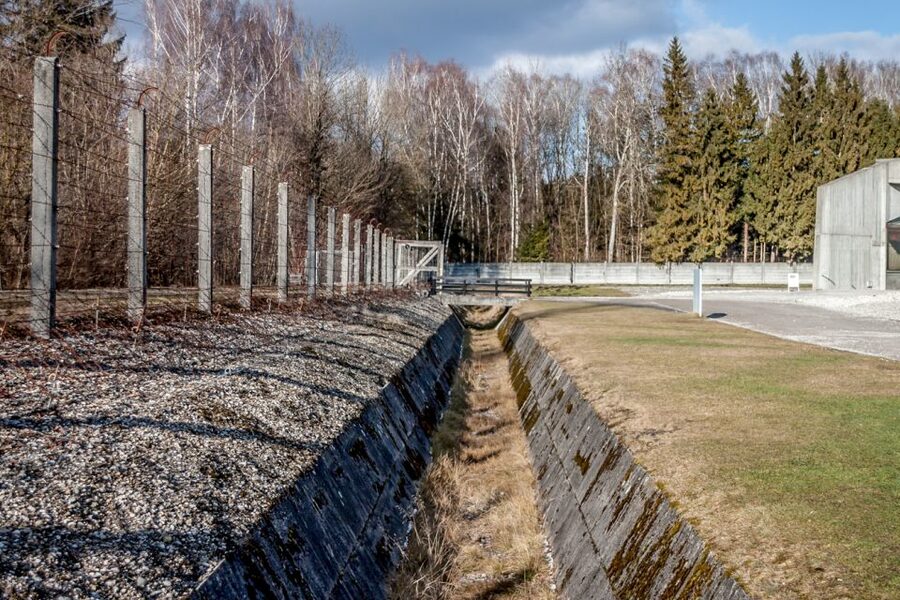
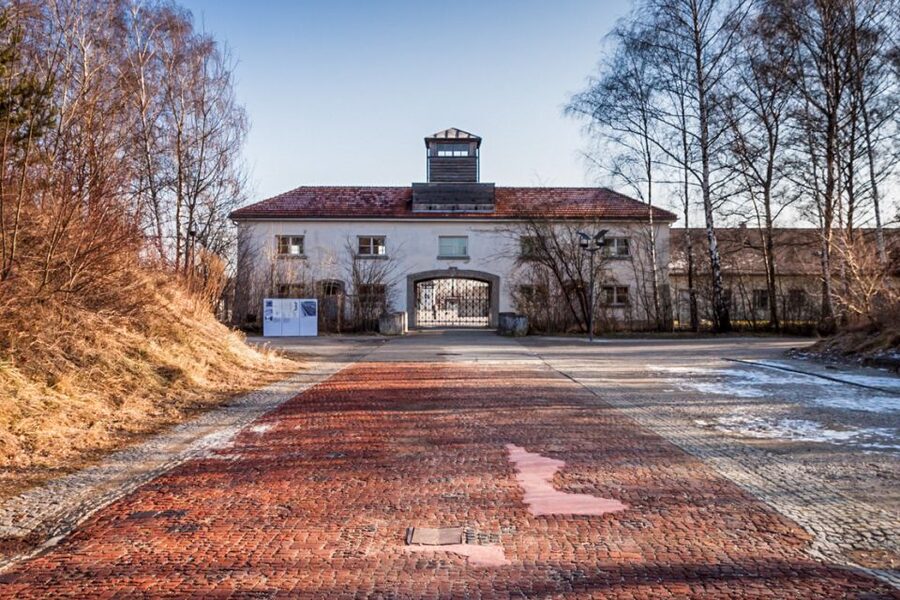
The first major point is the Jourhaus, the former entrance building and gateway into the camp. Passing through this structure brings you into the central historical space, where the notorious Arbeit Macht Frei sign is displayed.
The guide explains what the entrance meant in practice. It was not a doorway into rehabilitation or orderly work. It was part of a system designed to strip prisoners of identity, control their movements, and create fear from the moment they arrived.
This is one reason I strongly prefer a guided visit here. Without explanation, you might see the sign, the gate, and the buildings as isolated objects. With a guide, the entrance becomes part of the prisoner experience and part of the Nazi system’s deliberate use of language, architecture, and procedure.
The group then follows the route through key areas of the former camp. Your guide may pause often, so expect a measured pace rather than a fast march from one building to the next.
A few more Munich trips worth comparing
- From Munich: Neuschwanstein & Linderhof Castle Full-Day Trip
★ 4.5 · 12,494 reviews - Neuschwanstein & Linderhof Castle-Fairytale Day Tour from Munich
★ 4.5 · 7,275 reviews - Munich: Third Reich & WWII Walking Tour
★ 4.6 · 6,181 reviews - Neuschwanstein Castle Tour from Munich
★ 4.5 · 5,117 reviews
Understanding the camp’s three phases
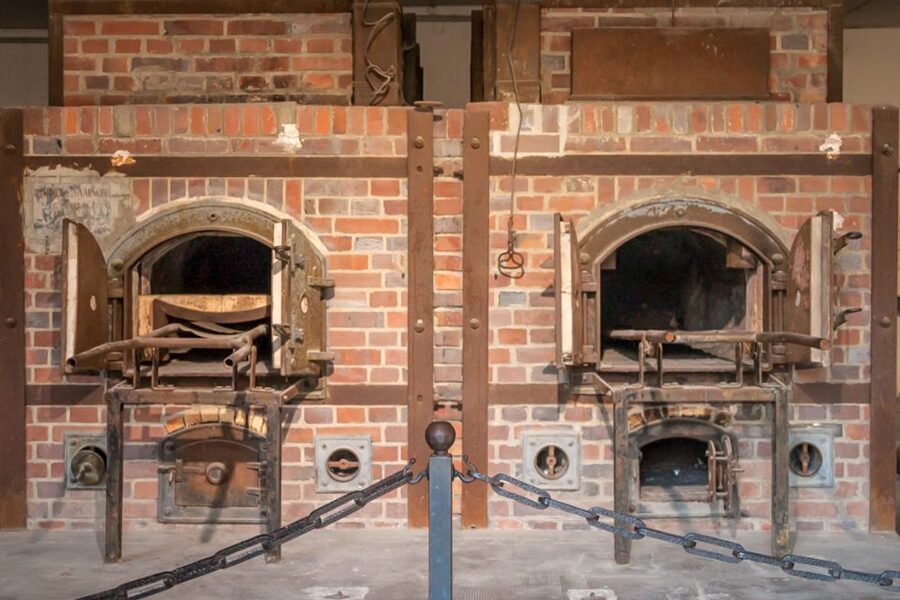
A major strength of the tour is its focus on the camp’s development over time. You learn about the three phases of Dachau, why the camp opened, who the first prisoners were, and how its function changed as Nazi rule expanded.
That timeline helps you understand Dachau as an evolving institution rather than a site frozen in one moment. The guide connects the camp’s opening in 1933 with its continued operation until 1945, showing how imprisonment, punishment, forced labor, and persecution became more organized and more destructive.
You also hear about the camp’s daily administration. Prisoners went through registration, classification, discipline, punishment, and harsh living conditions. The tour explains how the system worked from the arrival of new prisoners through the routines that controlled every part of their lives.
Several guides have been praised for adding survivor stories and personal accounts learned through contact with survivors. These stories give the history a human scale, but they are handled as part of a serious explanation rather than used for drama.
The Appellplatz, Bunker, and Barracks
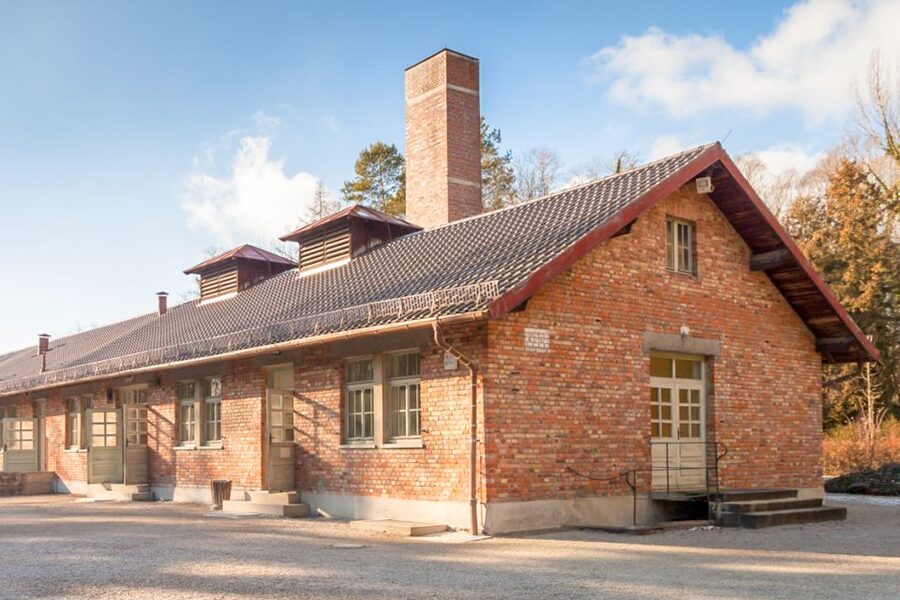
The Appellplatz, or roll-call area, is one of the central places on the route. Here, the guide explains how prisoners were assembled and subjected to long, rigid procedures as part of the camp’s control system.
You then see the Bunker, the camp prison area, where punishment and detention formed another layer of terror. The guide discusses how prisoners could be subjected to abuse and torture, making clear that the camp was not only a place of confinement. It was built around deliberate degradation and violence.
The barracks help explain the crowded and controlled conditions of camp life. Barrack X is another important stop, and the guide places it within the wider story of the camp’s operations and mass death.
The route contains difficult material. Some exhibits and subjects are graphic, which is why children aged 13 and under cannot join. Children aged 14 and above may attend only with parents who understand what they will encounter, and proof of age may be requested.
Nearly four hours inside the memorial site
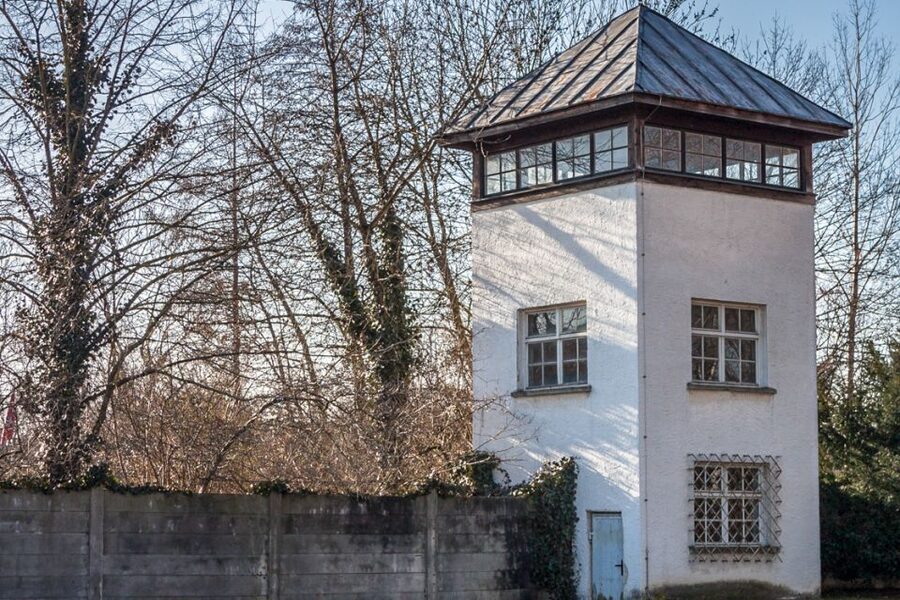
The schedule allows about 15 minutes of break time before a guided visit lasting roughly 3 hours and 50 minutes. Altogether, the visit inside the memorial site takes about four hours, with the remaining two hours used for transportation from Munich and back.
That is enough time for a serious explanation of the major areas, but it also means you need to manage your energy. One guide has noted that there are no regular coffee breaks during the visit, and toilet access is limited to specific points along the route. Use the facilities when the group arrives and take care of food and drinks before entering the guided portion.
The long visit is a benefit if you want historical context. You are not simply taken to the entrance, shown the barracks, and sent back to Munich. The guide has time to explain the camp’s origins, operations, punishment system, and development.
It can feel demanding if you prefer short museum visits. The emotional weight adds to the fatigue. Give yourself quiet time afterward rather than scheduling another major attraction immediately after returning to Munich.
The guides make the biggest difference
The strongest part of this tour is the standard of guiding. The experience uses Memorial-qualified guides, and the feedback consistently highlights careful pacing, clear instructions, and strong command of the subject.
Sam has been praised for being friendly, considerate, and especially clear when explaining difficult facts. His pacing and attention to practical needs, including weather, group movement, and bathroom timing, are useful on a long day.
Adam has received particular praise for his ability to explain the site, the Nazi regime, and the wider Munich transport system. He also allowed time for people to look around quietly while continuing to guide the group through the prisoners’ route. His explanations were described as passionate but professional, with personal survivor stories adding a human element.
Marcin is another guide who has earned strong praise for his historical detail, organization, and respectful manner. He is also happy to answer questions about Munich, which can make the wider day easier for first-time visitors.
Keith, Hein, and Scott have likewise been praised for clear explanations and steady organization. The guide you receive will depend on the departure, but the repeated pattern is encouraging: expect a serious professional who can make a complicated subject easier to follow.
A small group, listed as a maximum of 14 people in one review, can also improve the visit. You are more likely to hear the guide, ask questions, and stay connected through the transport changes.
Is $51 good value?
At $51 per person, the price is reasonable for a six-hour guided excursion that includes the live English-speaking guide, train fare, and bus fare. You are paying for interpretation and organization as much as transport.
You could potentially reach Dachau on your own using Munich’s public transport, but then you would need to plan the route, manage the connections, understand the site’s layout, and make sense of the exhibits without a guide. For a place as complex and painful as Dachau, the explanation is the main value.
The price is especially fair if you want a structured first visit and do not want to spend time working out local transport. It may be less attractive if you already know the site well or want to explore alone at your own pace.
The activity has a 4.9 rating from 1,406 ratings, with repeated praise for the guides and organization. That does not remove the need to prepare emotionally, but it suggests the service is doing the practical job well.
Who should book this Dachau tour?
I would recommend it to adults and older teenagers who want a careful, guided account of the Holocaust and Nazi persecution. It suits you if you value historical explanation, prefer traveling with a small organized group, or feel unsure about navigating Munich’s public transport system.
It is also a good choice if you want the guide to connect individual buildings with the camp’s wider development. The emphasis is on understanding how Dachau operated, not merely photographing its surviving structures.
I would hesitate to recommend it if you want a light day trip, have limited stamina for several hours of walking and standing, or find graphic historical material especially difficult. It is not suitable for children under 14, wheelchair users, people with mobility impairments, or people with respiratory issues.
Wear practical shoes and weather-appropriate clothing. Eat before the visit or use the train journey for food, since eating is not allowed during tours at the memorial site. You can cancel up to 24 hours before departure for a full refund, and the reserve-now, pay-later option keeps your Munich schedule flexible.
Should you book it?
Book this tour if you want Dachau explained with care rather than visited quickly on your own. The included transport, central meeting point, small-group format, and consistently praised guides make it a strong value at $51.
Do not book it expecting a pleasant excursion. Book it because the site matters, because the history deserves attention, and because a good guide can help you understand what you are seeing without reducing it to a list of grim facts. Sam, Adam, Marcin, Keith, Hein, and Scott have all been praised for bringing clarity and respect to the day. That is exactly what this visit needs.
FAQ
Where does the Dachau tour begin?
Meet the guide in front of the Ludwig Beck department store at Marienplatz 11 in Munich. Look for a white and blue umbrella and signs advertising the Dachau tour.
Where does the tour end?
The activity ends back at the Marienplatz meeting point in Munich.
How long does the Dachau tour last?
The full activity lasts six hours. About two hours are used for travel, and about four hours are spent inside the Dachau Memorial Site.
Is transportation included?
Yes. The train and bus fees are included in the tour price.
What language is the tour conducted in?
The live guided tour is conducted in English.
What important places will I see?
The route includes the S.S. Training Facility, also known as the School of Terror, the Jourhaus entrance, the Arbeit Macht Frei sign, the Appellplatz, the Bunker, Barrack X, and other areas of the memorial site.
Can children join the tour?
Children aged 13 and under are not permitted. Children aged 14 and older may attend with parents who understand the graphic nature of the material, and proof of age may be required.
Can I eat during the visit?
No. Eating is not permitted during tours at Dachau. Eat a substantial breakfast or bring food to eat on the train.
What should I bring?
Bring comfortable shoes, water, snacks for the train, and clothing suitable for the weather.
Is the tour suitable for wheelchair users or people with mobility issues?
No. The activity is listed as unsuitable for wheelchair users and people with mobility impairments or respiratory issues.
Just added around Munich
- Pub crawl incl. Oktoberfest museum guided tour with beer tasting (private)★ 5.0 · 5 reviews
- South Tyrolean specialties and wine tasting★ 5.0 · 5 reviews
- Size Matters Beer Tour Munich★ 4.6 · 105 reviews
- Short & sweet: Tasting the Viktualienmarkt★ 4.8 · 37 reviews
- Secret Food Tours Munich★ 4.8 · 5 reviews
- Munich: Romantic Wine Experience for Two at Viktualienmarkt★ 4.2 · 14 reviews
- Residence of Munich private tour with skip the line ticket★ 5.0 · 4 reviews
- Munich: Resistance against Hitler – Historical Walking Tour★ 5.0 · 5 reviews