

Reviewed · WALKING TOURS
Hanover: Crime Walking Tour
Crime is hiding in plain sight. Hanover’s two-hour Crime Walking Tour turns familiar streets into the settings for murders, fraud, prison stories, political intrigue, and unsolved questions. I like its use of original locations and its mix of crime history with major city sights. I also like that the guide actively involves the group instead of delivering a dry lecture.
The main limitation is clear: the tour is offered in German, and its subject matter is not suitable for children under 16. You should also be comfortable walking outdoors for two hours in any weather, with a few references to confined places that may trouble people with claustrophobia.
In This Review
- Key details before you book
- Why Hanover makes a good setting for a crime walk
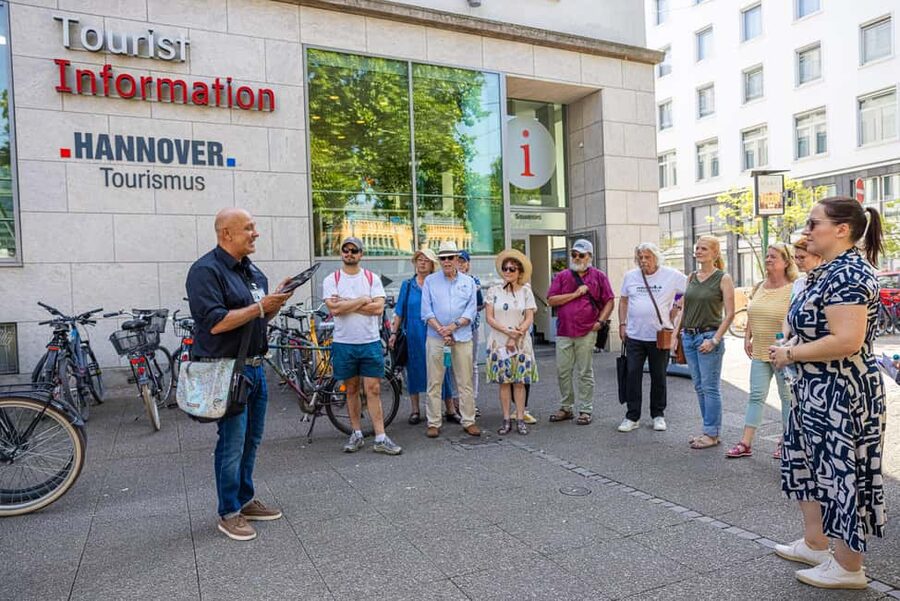
- Starting at Hannover Tourism
- Georgsplatz and the city’s public face
- Leibnizufer and the question of the body
- Hanebuth-Gang and the legend of the camp
- Clevertor Prison and the darker side of justice
- Kröpcke and the city’s busiest meeting point
- The cases: from royal scandal to modern attacks
- What the guide adds
- Price, value, and the right audience
- Who should book this Hanover walk?
- My verdict on the Crime Walking Tour
- FAQ
- How long does the Hanover Crime Walking Tour last?
- Where does the tour begin?
- Where does the tour end?
- What language is the tour conducted in?
- Is the tour wheelchair accessible?
- Is the tour suitable for children?
- What should I bring?
- Can I cancel the booking?
Key details before you book
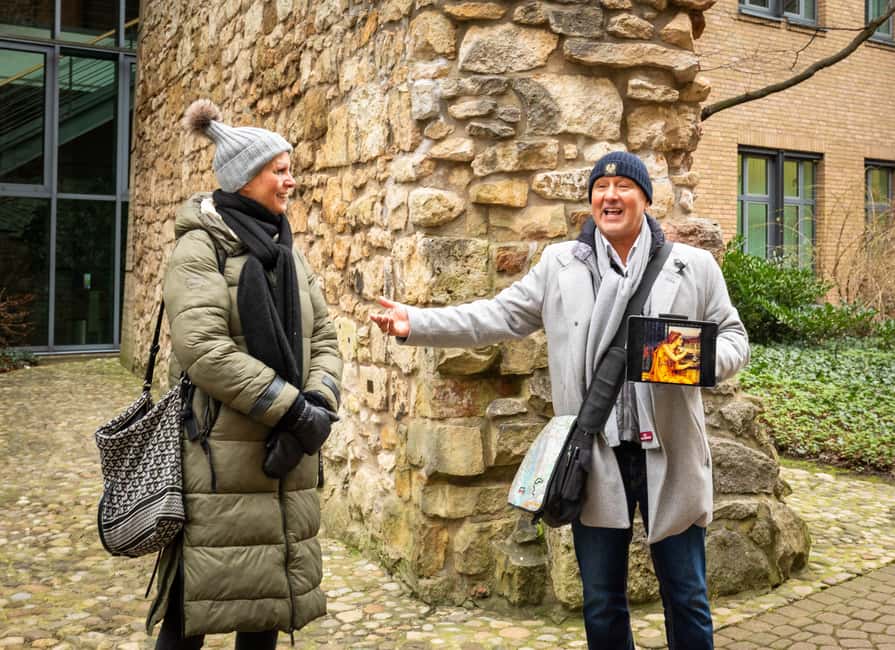
- Haarmann and Hanebuth at their original Hanover locations: The tour explores two of the city’s best-known criminal figures, including Fritz Haarmann, the murderer who also acted as a police informer, and Jasper Hanebuth, linked to robbery murders.
- A city walk with a crime-history focus: You visit Georgsplatz, Leibnizufer, Hanebuth-Gang, Clevertor Prison, and Kröpcke while learning how each place connects to Hanover’s past.
- Seven cases and incidents: The subjects include the Königsmarck Affair, the jeweler Düe and Mauss case, Christine Fricke, Christian Friedrich Lorenz, and an IRA attack in 1989.
- A useful introduction to Hanover: The guide also explains well-known sights, so the tour works as both a themed walk and a way to get oriented in the city center and old town.
- German only, with an accessible route: The live guide speaks German, and the activity is wheelchair accessible. Comfortable shoes are essential.
Why Hanover makes a good setting for a crime walk
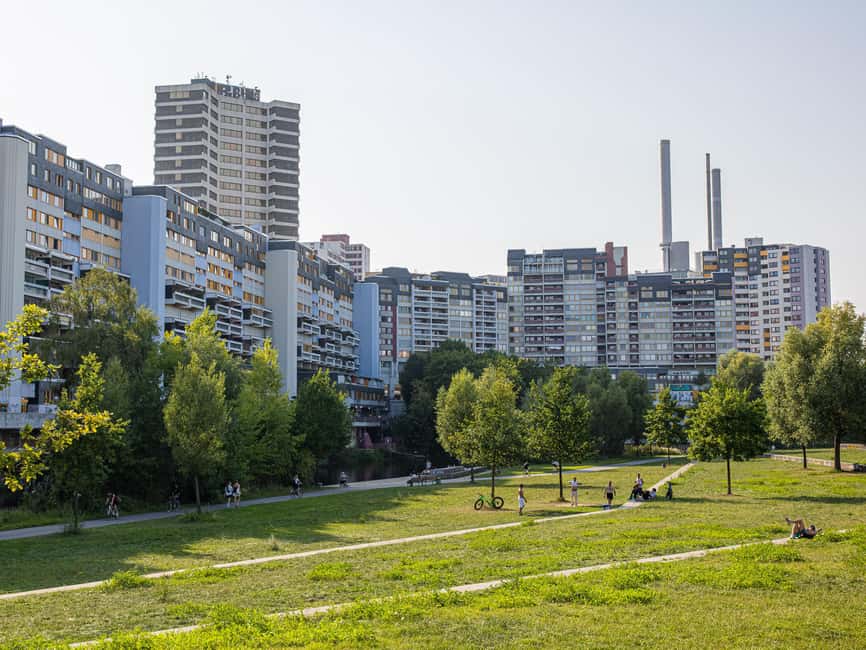
Hanover can seem orderly at first glance. Its central streets, squares, and riverside paths feel built for shopping, sightseeing, and daily city life. That makes the crime stories more effective. You are not being led through a theatrical attraction. You are looking at ordinary urban spaces and hearing what happened there.
The tour focuses on historical crimes rather than invented horror. That distinction matters. The stories involve real people, real cases, and locations connected with the events or the legends that grew around them. You get a stronger sense of place when the guide can point to a square, street, riverfront, or former prison rather than simply naming a case in a classroom.
I also like the way the tour adds regular Hanover sightseeing. The guide does not assume you came only for grisly stories. Along the route, you receive information about well-known sights in Hannover, making this a useful first or second activity during a city visit.
The tone is likely to be serious, but the interactive format helps. The group is actively included, and the reported group size feels comfortable rather than unwieldy. That is important on a walking tour. You want to hear the guide clearly and have room to look at the surroundings without being buried in a large crowd.
More Walking Tours in Hanover
- Hannover: Guided Old Town Walking Tour
★ 4.5 · 338 reviews - Hanover: Flashlight Guided Walking Tour at Night
★ 4.7 · 52 reviews - Hannover: New Town Hall exclusive Guided Walking Tour
★ 4.6 · 49 reviews
Starting at Hannover Tourism
The walk begins at the Hannover Tourism information point. This is a practical starting place because it gives you a clear landmark in the city center and avoids the confusion of meeting in an obscure side street.
Arrive ready to walk. The tour lasts two hours and ends back at the same meeting point, so you do not need to arrange transport from a distant finish. Since the starting time varies by date, check availability before planning dinner, a train, or another timed activity.
The route moves through the city center and old town. The activity is wheelchair accessible, but you should still consider your own comfort with a two-hour urban walk. The information provided does not promise seating breaks, so comfortable shoes are the sensible choice.
This is an outdoor tour in the full sense of the word. It runs rain or shine. Bring clothing suited to the forecast, since the quality of your experience will depend partly on how comfortable you are standing and walking outside while listening.
Georgsplatz and the city’s public face
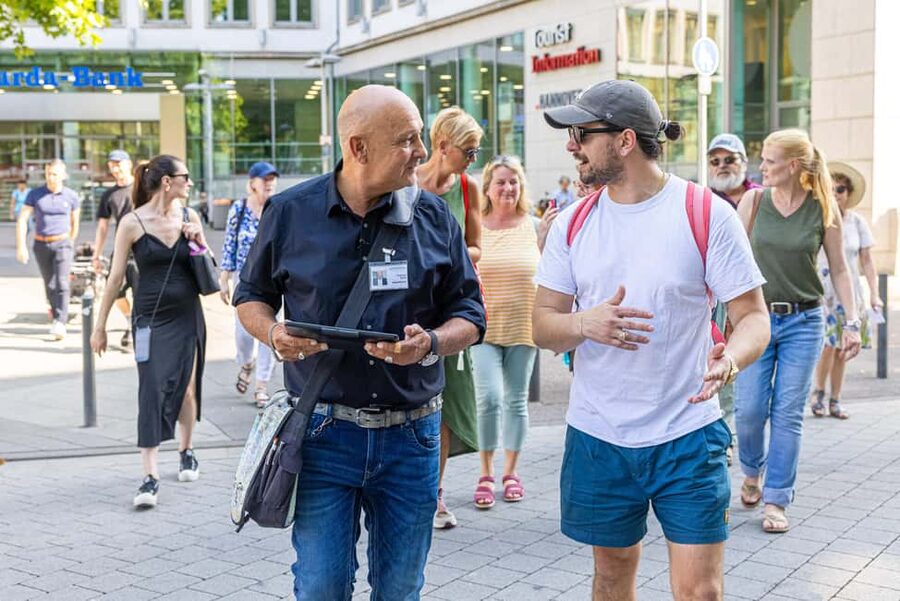
Georgsplatz offers an early reminder that Hanover’s crime stories are set in places that still function as part of everyday city life. A square can look polished and harmless, yet its past may involve scandal, deception, or violence.
This is where the tour’s blend of sightseeing and criminal history works well. You get the usual city orientation, then a second layer that changes how you read the streets. Pay attention to the guide’s transitions between the visible architecture and the less visible stories. The point is not only to hear a dramatic case, but to understand how crime, policing, public reputation, and urban life met in Hanover.
For first-time visitors, this stop helps set the pace. The walk is not presented as a sprint from one shocking tale to another. Instead, the guide uses locations around the city to build a picture of Hanover and the people who once moved through it.
Leibnizufer and the question of the body
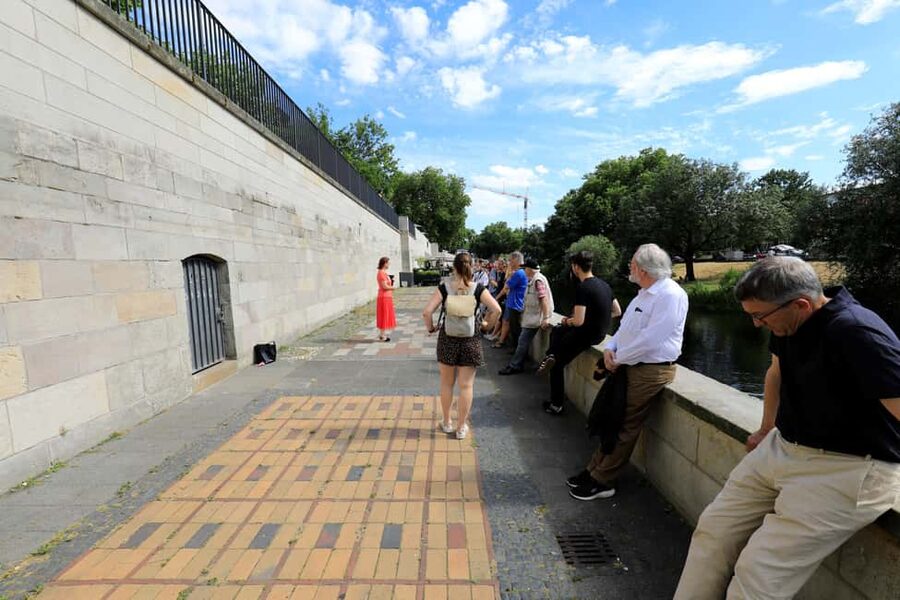
At Leibnizufer, the tour raises one of its most striking questions: what was behind the discovery of a body in the Leine? The supplied description uses the wording finding a body in a leash, but Leine is Hanover’s river, and the location clearly connects the story with the waterfront.
A riverside setting gives this part of the walk a different mood from a city square. Water can hide evidence, carry rumors, and create a natural boundary within a city. The guide uses the location to bring the case closer to you, rather than leaving it as a name and date.
You should expect historical crime material, not a forensic demonstration. The value is in hearing the background at the place associated with it. If you prefer your sightseeing light and cheerful, this section may feel heavy. If you enjoy understanding the darker side of a city, it is likely to be one of the more memorable stops.
Still Hanover, at a slower pace:
- Hannover: 24-Hour Hop-On Hop-Off Sightseeing Bus Ticket
★ 4.2 · 298 reviews - SEA LIFE Hannover Ticket
★ 4.0 · 96 reviews - Hanover: Royal Gardens of Herrenhausen Guided Tour
★ 4.6 · 78 reviews - Hanover: Night tour with night watchman Melchior
★ 4.4 · 72 reviews
Hanebuth-Gang and the legend of the camp

The name Hanebuth is tied to Jasper Hanebuth, whose story involves robbery murders. The tour also asks where, according to legend, the Hanebuth camp was located. That wording is useful because it separates a documented case from the stories that later grew around it.
This is a good example of how the guide can handle history responsibly. Crime tales often become larger than the original events. A strong explanation should help you notice the difference between established information and local legend. The tour promises both, giving you a chance to hear how Hanover remembers a notorious figure.
Hanebuth-Gang also sounds like one of the route’s most atmospheric locations. A street name linked to a criminal past can make the city feel unexpectedly layered. Do not expect a preserved crime scene or a museum display. The experience comes from standing in the urban setting while the guide explains the connection.
Clevertor Prison and the darker side of justice
Clevertor Prison brings the focus from criminals and victims to the institutions that dealt with them. Prisons reveal how a city tried to control crime, punish offenders, and protect its reputation.
The stop may be especially interesting if you want more than sensational stories. The tour is not limited to murderers. Its subjects include fraud, family killings, historic scandals, and police connections. A former prison location gives those cases a wider frame: what happened after an arrest, and how did Hanover’s authorities respond?
This is also the part of the route that explains why the tour is not recommended for people with claustrophobia. The information does not specify an indoor prison visit, so you should not assume you will enter a cell or tunnel. Still, the prison subject and confined settings may be uncomfortable for some people.
Kröpcke and the city’s busiest meeting point

Kröpcke is one of Hanover’s best-known central places, and it gives the tour another sharp contrast between daily life and criminal history. A busy urban meeting point can carry stories that are easy to overlook when you are focused on shops, transport, or finding your next café.
The guide uses stops like this to connect famous Hanover sights with the crime cases. That makes the tour practical for sightseeing. You are learning the city’s layout while also gaining a set of stories that can help you remember the places later.
Kröpcke is likely to be more exposed to ordinary city activity than a quiet old-town lane. Keep your attention on the guide, especially if the group pauses in a busy area. The walk is about listening and observing, not simply moving from one photo stop to the next.
The cases: from royal scandal to modern attacks
The range of cases is one of the tour’s strongest features. The route covers several centuries and different forms of crime, so the experience does not feel like one long account of murder.
The Königsmarck Affair brings royal and aristocratic intrigue into the program. Its inclusion broadens the definition of crime history. Hanover’s past was shaped not only by street criminals, but also by powerful people, scandal, and events that reached beyond the city itself.
The jeweler Düe and Mauss case adds fraud and criminal deception. This is useful for anyone who prefers cases involving planning, money, and manipulation rather than only physical violence. It also gives the tour a more varied rhythm.
Christine Fricke is presented as a husband killer, while Christian Friedrich Lorenz is associated with family killing. These cases are disturbing, and the labels alone show why the age limit is 16. You should choose this activity because you are interested in serious historical crime, not because you expect a playful ghost walk.
Fritz Haarmann is perhaps the most famous name in the program. He is described as both murderer and police informer, a combination that points to a complicated relationship between criminals and authorities. The tour asks where Haarmann got up to mischief, placing his story within Hanover rather than treating him as a distant historical name.
Jasper Hanebuth’s robbery murders provide another portrait of criminal life, while the July 3, 1989 attack claimed by the IRA brings the subject into the modern era. Including this event shows that the tour is not confined to old legends. It also links Hanover to wider political violence and international events.
What the guide adds

The guide is the heart of this experience. The stories themselves are striking, but a list of crimes is not enough to make a good walking tour. You need someone who can connect the cases to the streets, explain what is known, and keep the group involved.
The tour is conducted in German. If you understand German well, this should be a lively way to hear local history in its natural language. If you do not, the experience will be difficult to follow, since no other guide language is provided.
The interactive approach is a real advantage. You are not simply standing in a circle while someone recites dates. The group is actively included, which can make two hours pass quickly. It also gives the guide a chance to respond to the group’s interest in a particular case or location.
Because no individual guide names are provided, you should not book expecting a particular person. The important point is the format: a live German-speaking guide, original locations, and active participation.
Price, value, and the right audience
At $19 per person, the tour offers solid value for two hours of guided sightseeing. You are paying for a focused local theme, a live guide, and access to stories that would be difficult to assemble from a standard city map.
The value is strongest if you already enjoy history, crime cases, or unusual city walks. You also get an introduction to several well-known Hanover sights, so the tour can serve as an orientation activity rather than a separate niche excursion.
It is less suitable if you want a broad architectural tour, a family outing, or an English-language experience. The minimum age is 16, the subject matter can be grim, and the German-only format is a firm consideration.
Flexible booking improves the value for a changing schedule. You can reserve and pay later, and cancellation is free up to 24 hours before the start for a full refund. Those terms are helpful when weather or transport plans are uncertain, though the walk itself still operates in rain or shine.
Who should book this Hanover walk?
I would choose this tour if you want to see Hanover from an unusual angle and are comfortable with serious subject matter. It suits couples, older teenagers, solo visitors, and residents who want stories beyond the standard postcard sights.
It is also a smart option for a repeat visit. A person who already knows Georgsplatz, Kröpcke, or Leibnizufer may enjoy seeing those places through a new set of questions. The active format and manageable two-hour length keep it from becoming a full-day commitment.
I would skip it if you are uncomfortable with murder stories, prison themes, or claustrophobic settings. I would also skip it if you need English commentary or prefer an indoor activity on a wet day.
My verdict on the Crime Walking Tour
Book it if you speak German and want Hanover’s streets to tell more complicated stories. The combination of original locations, famous cases, city sights, and a guide who involves the group gives the tour more substance than a simple list of spooky anecdotes.
The best reason to go is its local focus. Haarmann, Hanebuth, Düe, Fricke, Lorenz, and the Königsmarck Affair are not random additions to a crime museum. They are tied to Hanover’s own streets and public memory.
Bring comfortable shoes, prepare for rain, and expect a serious walk rather than a family-friendly mystery game. For the right audience, $19 is a fair price for two hours of unusual city history.
FAQ
How long does the Hanover Crime Walking Tour last?
The tour lasts two hours.
Where does the tour begin?
It begins at the Hannover Tourism information point.
Where does the tour end?
The activity ends back at the meeting point.
What language is the tour conducted in?
The live tour guide speaks German.
Is the tour wheelchair accessible?
Yes, the activity is wheelchair accessible.
Is the tour suitable for children?
No. It is not suitable for children under 16.
What should I bring?
Bring comfortable shoes. The tour takes place outdoors and runs rain or shine.
Can I cancel the booking?
Yes. You can cancel up to 24 hours in advance for a full refund. You can also reserve now and pay later.
Just added around Hanover
- Hanover: Royal Gardens of Herrenhausen Guided Tour★ 4.6 · 78 reviews
- Hanover: Old Town Historical Walking Tour by Geo Epoche★ 4.4 · 11 reviews
- Hanover Center: Outdoor Escape Game★ 4.7 · 13 reviews
- Hanover: Linden-Limmer Krimi-Rätsel-Tour★ 4.5 · 15 reviews
- Hanover: Night tour with night watchman Melchior★ 4.4 · 72 reviews
- Hanover: Guided Walking Tour of the Linden-Limmer District★ 5.0 · 6 reviews
- Hannover: Private pub crawl with insider-guide & free shots★ 4.0 · 11 reviews
- Hanover: Crime Tour by Bike★ 4.8 · 25 reviews
Walking Tours, compared.





Old Town & Viktualienmarkt City Walk in German
Read our review →Browse the lists this tour appears in