
Reviewed · WINE TOURS
Koblenz: The Living Vineyard, Nature & Wine Enjoyment
Wine tastes better outdoors. This three-hour walk from Weingut Lunnebach combines Moselle vineyard views with a close look at flowers, insects, birds, reptiles, and the work behind each bottle. I especially like the way wine tasting is tied to the natural setting, and I like that the route includes dry-stone walls, fruit-tree meadows, fallow ground, and the Brauewald rather than sticking only to the vines.
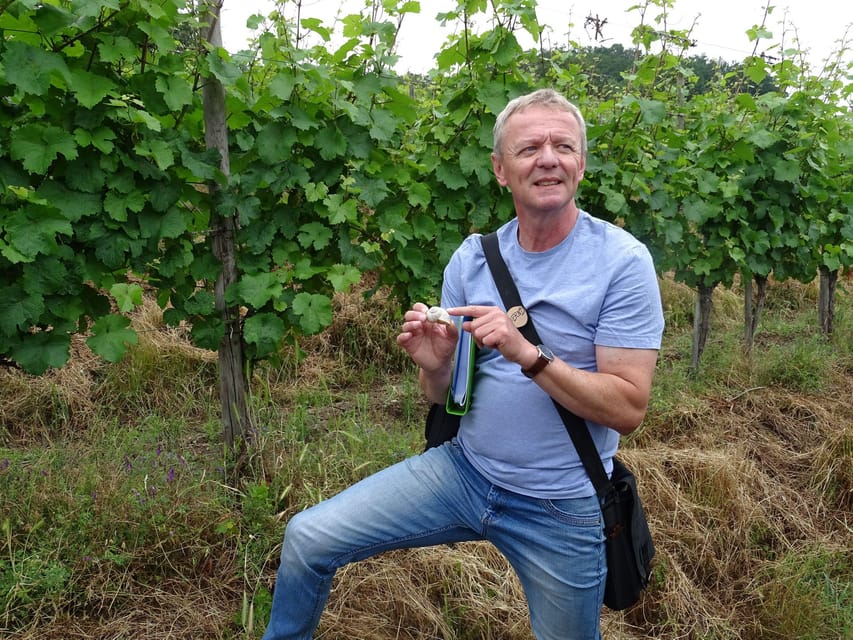
The walk is also praised for its relaxed pace and lively guiding. Bernd Doetsch explains the region, the geology, and local wine in German, while Bettina helps keep the tastings moving at several points along the route. The main consideration is simple: the tour is conducted only in German, and the roughly three-kilometer route goes gently uphill, so it is not suited to wheelchair users or people with mobility difficulties.
In This Review
- Key points to know before you book
- Starting at Weingut Lunnebach with a glass in hand
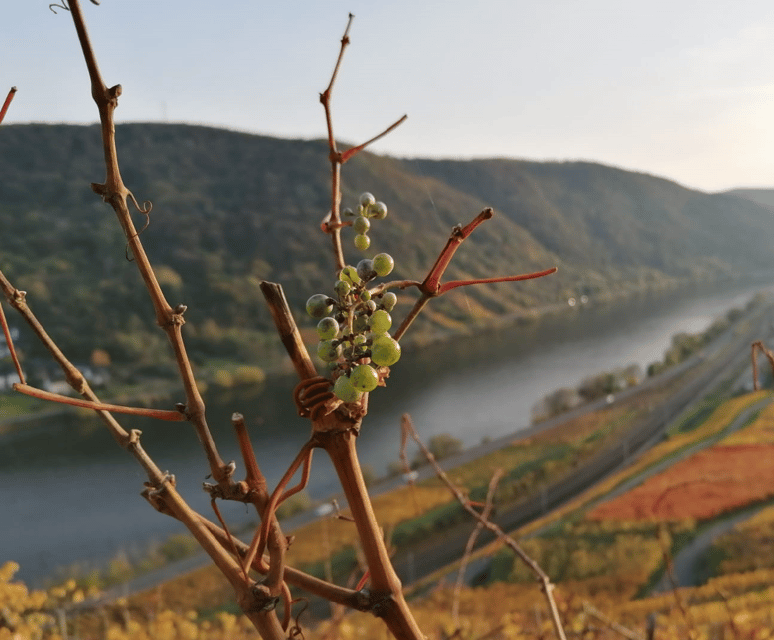
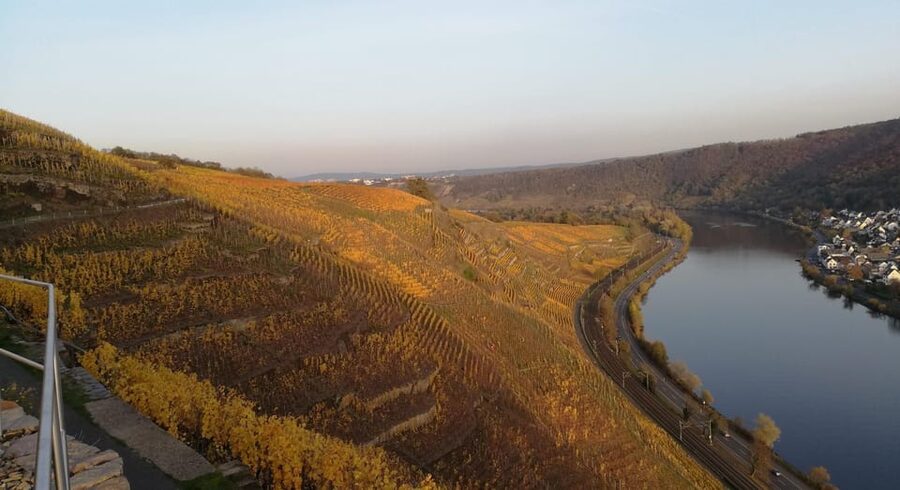
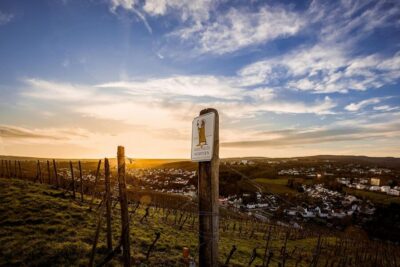
- The gentle climb through the Moselle vineyards
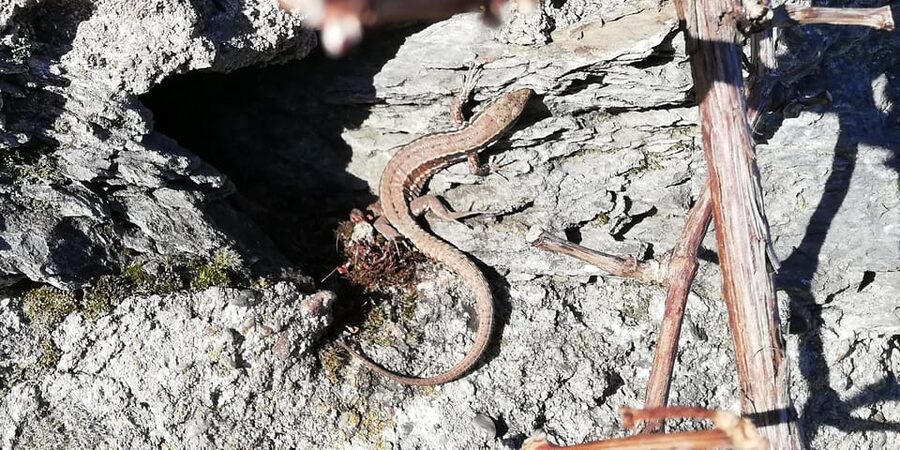
- Seeing the vineyard as a living ecosystem
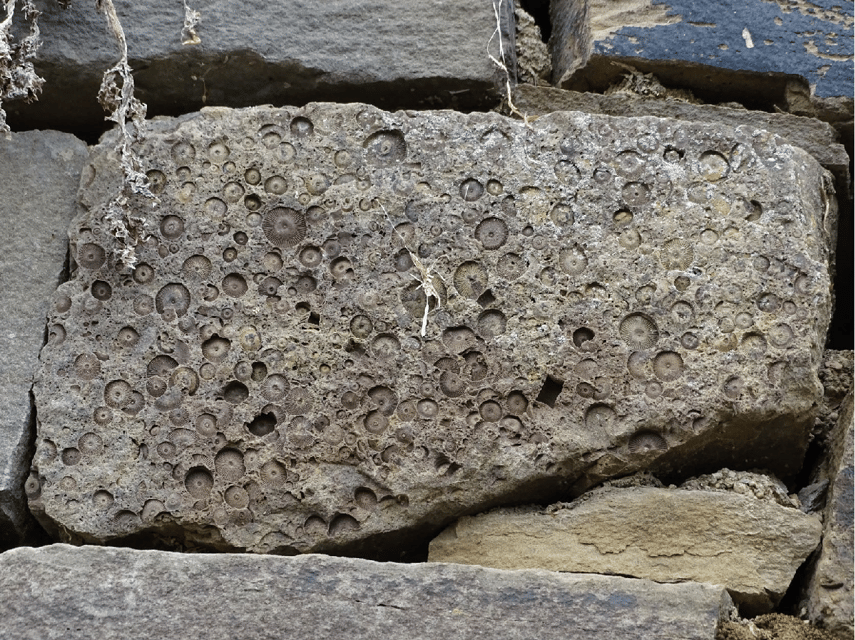
- Learning how slate, sun, and careful work shape the wine
- Four wines served along the route
- The views over the Moselle and Koblenz
- What the guiding is like in practice
- Who will enjoy this three-hour wine walk
- Booking, cancellations, and practical value
- Should you book the Living Vineyard walk?
- FAQ
- How long does the Living Vineyard tour last?
- How difficult is the walk?
- Which wines are included?
- Is the tour available in English?
- What should I bring?
- Can I cancel the booking?
Key points to know before you book
- The welcome starts with a Secco: You receive a glass of sparkling wine at Weingut Lunnebach before setting off.
- The route takes about three kilometers: Expect a leisurely uphill walk through vineyards and several nearby habitats.
- The wine is part of the setting: You taste one Secco and three selected wines while learning how Riesling grows on slate-rich Moselle slopes.
- Bernd Doetsch leads in German: His guiding style is lively, with time for questions about wine, nature, and local history.
- You get more than vine rows: Dry-stone walls, meadows, fruit trees, fallow land, and the Brauewald add variety to the walk.
- The final view is a strong finish: The return route opens toward the Moselle valley and Koblenz.
Starting at Weingut Lunnebach with a glass in hand
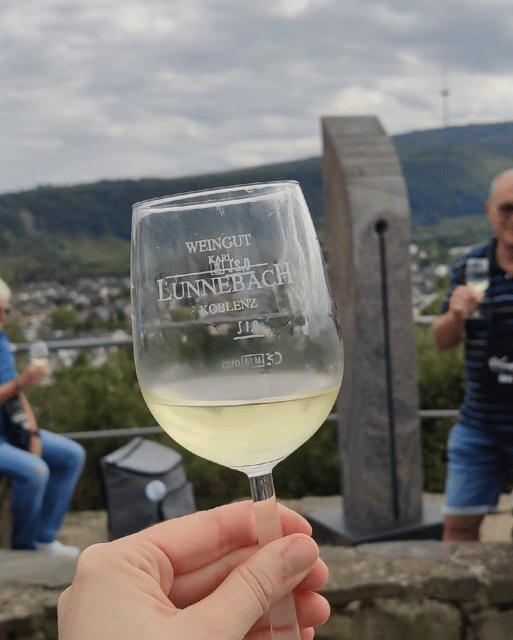
The tour begins at Weingut Lunnebach, a winery where Riesling is a main focus. The estate works with vines on the steep Moselle slopes, where slate-like soils and good sun exposure help produce wines described as fruity and mineral.
You are greeted with a welcome Secco, then given a wine glass and a glass holder for the walk. That small detail matters. You do not have to rush through the first drink at the winery, and you can keep your hands free as the group heads uphill.
I like this opening because it sets the tone quickly. This is not a bus ride to a distant tasting room, followed by a short explanation of the view. You begin with wine, then walk into the place where the grapes grow. The connection between the bottle and the ground is clear from the first few minutes.
The winery also follows near-natural viticulture, with the stated aim of protecting nature. The tour gives you a chance to hear how vineyard care works and why the grower pays attention not only to grapes, but also to the surrounding habitats.
More wine tastings in Koblenz:
- Koblenz: Christmas Boat Tour with Mulled Wine
★ 4.3 · 35 reviews - Koblenz: Historical Sparkling Wine Museum Guided Tour
★ 4.6 · 28 reviews - Discovery tour – cellar tour with wine tasting
★ 4.2 · 26 reviews
The gentle climb through the Moselle vineyards
The path rises gradually from the winery toward the sunny vineyard. It is described as a leisurely uphill walk, not a strenuous hike, but you should still wear comfortable shoes and clothing. The route covers about three kilometers in total and takes around three hours because the walking is broken up by explanations and tastings.
A historic detail adds character here. Napoleon Bonaparte is said to have walked along this same path. That does not turn the outing into a history tour, but it gives the route a pleasing sense of continuity. You are following an old route through one of the Moselle’s best-known wine areas, with the valley opening below.
The slow pace is one of the experience’s strengths. Bernd Doetsch is reported to stop often, sometimes every few meters, to explain something about the vines, the surroundings, or the past. That makes the uphill section manageable and gives you a reason to keep looking around instead of simply counting the steps.
Do not expect a fast country walk. The group pauses frequently, and the tour works best when you enjoy stopping to listen. If you want a brisk hike with long stretches of silence, this is probably not the right outing. If you like a relaxed route with plenty of interpretation, the pace should suit you well.
Seeing the vineyard as a living ecosystem
The best feature of this experience is its wider view of wine country. The vineyards are not treated as a neat backdrop for tasting. You are shown how several kinds of habitat sit together and support different forms of life.
The route includes:
- Vineyards on the Moselle slopes
- Dry-stone walls
- Fallow areas
- Meadows with fruit trees
- The Brauewald
- Open ground where flowers and herbs grow
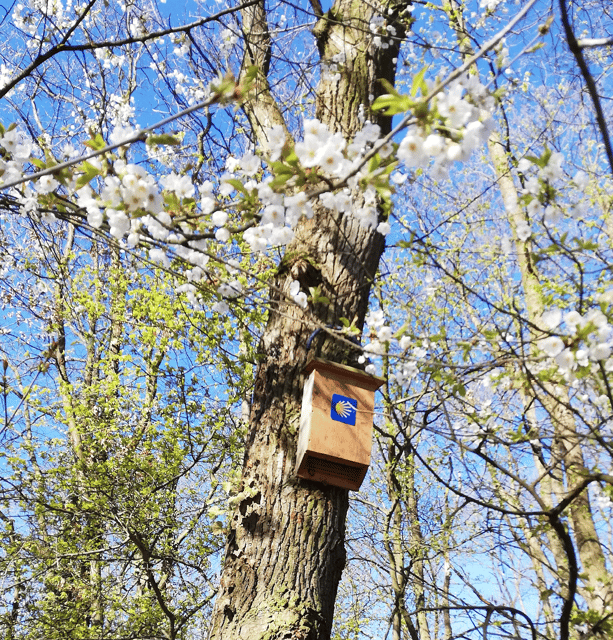
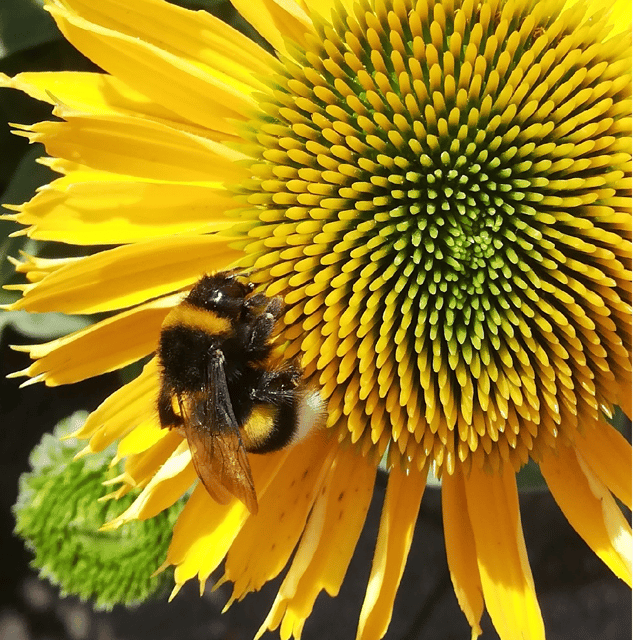
These changes in habitat help explain why the area supports more than grapevines. You may learn about flowers and herbs, insects, reptiles, mammals, and birds, all within a relatively compact walk. The precise animals you see will depend on the season and conditions, so you should think of this as a guided introduction to local nature rather than a guaranteed wildlife-spotting tour.
The dry-stone walls are particularly useful to notice. They reflect the work needed to shape and maintain steep vineyard land, while also providing shelter for small creatures. Fallow ground and meadows add another layer, showing that a productive wine-growing area can contain spaces that are not planted with vines.
I appreciate this approach because it makes the tour feel less like a standard tasting with scenery attached. You begin to see the vineyard as a working place with its own small habitats, not simply as rows of grapes arranged for photographs.
Learning how slate, sun, and careful work shape the wine
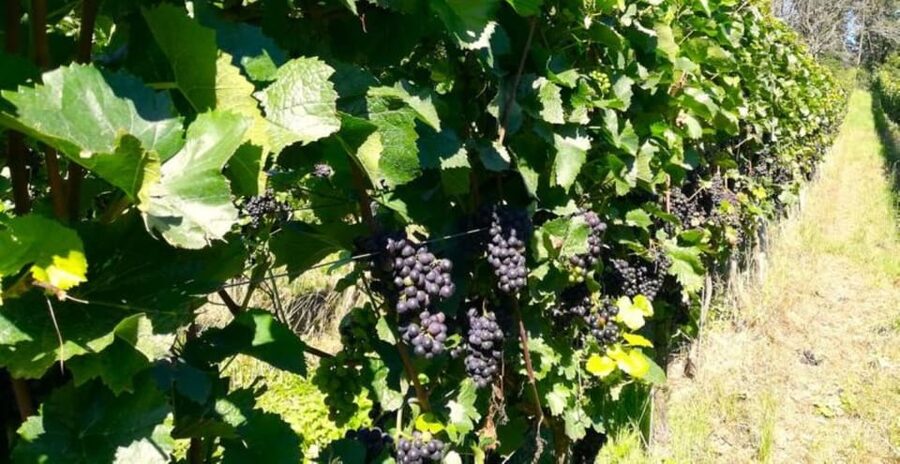
The Moselle is closely linked with steep slopes, slate-shaped soils, and Riesling. During the walk, you learn how sunlight, soil, and vineyard care affect the grapes before they ever reach the cellar.
The winery describes its wines as fruity and mineral, qualities connected here with the local conditions. You also get an introduction to the winemaker’s work, including targeted care in the vineyard and the wine cellar. That background gives the tastings more meaning because you can place each wine within a real growing area.
This is not presented as a formal wine course, and the supplied details do not promise technical instruction about every label. Instead, the value comes from seeing the vines and hearing how the producer works. You can ask questions, and the guide is described as willing to answer questions beyond the main subject.
Bernd Doetsch receives especially strong praise for being friendly, authentic, lively, and clear. That matters on a small regional tour. A guide who can explain both wine and local nature without turning the walk into a lecture makes the three hours pass easily.
The tour is conducted exclusively in German. You should book only if you can follow spoken German well enough to understand the explanations and safety instructions. The setting is pleasant, but much of the value comes through the guide’s words.
A few more Koblenz trips worth comparing
- Koblenz: Rhine Valley Castles and Palaces Boat Tour
★ 4.4 · 1,824 reviews - Koblenz: 2-Hour Sightseeing Cruise on the Rhine
★ 4.6 · 839 reviews - Koblenz: Old Town Sightseeing Cruise along the Rhine
★ 4.5 · 305 reviews - Koblenz: Panoramic Cruise on Moselle River to Winningen
★ 4.4 · 283 reviews
Four wines served along the route
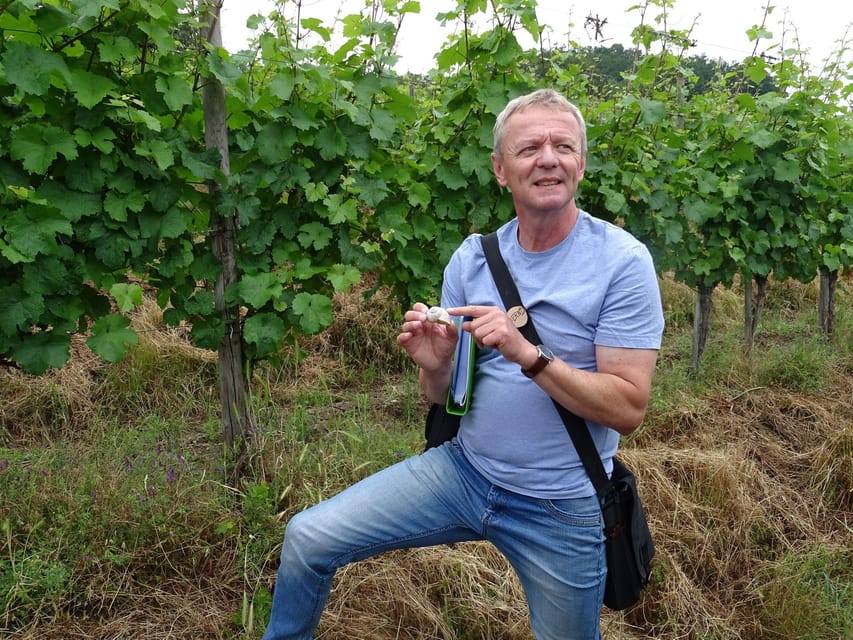
The tasting includes one Secco and three selected wines. The Secco comes at the winery, while the wines are served at points during the walk and again toward the end.
This arrangement works better than saving every glass for one seated tasting. You taste while standing among the vines and looking across the valley, then continue walking with the flavor and setting fresh in your mind. At the final stop, the last wine is served with small snacks and a broad view toward the Moselle valley and Koblenz.
The exact wines are not specified in advance, so you should not book this expecting a fixed list of bottles or a particular vintage. The point is to sample a selection from the Lunnebach cellar and connect the wines to their growing place.
At $30 per person, the value is good if you would otherwise pay separately for a tasting and a guided countryside walk. You receive four pours, a three-hour guided experience, and access to explanations about wine, geology, history, and nature. The price also includes the relaxed service along the route, with wine brought out at several stopping points.
It is not the cheapest way to drink wine in Koblenz, but it offers more than a flight at a bar or winery counter. You are paying for the guide’s time, the route, the interpretation, and the setting as much as for the wine itself.
The views over the Moselle and Koblenz
The route’s changing views help break up the information. From between the vines, you look over the picturesque Moselle valley, and on the way back the view extends toward Koblenz.
The view is not simply a final photo stop. It gives you a better sense of how the vineyards sit above the river and city. After hearing about steep slopes and sun exposure, you can see the physical conditions that shape the local wine.
The final wine and snacks are served with what is described as a beautiful view. This makes a satisfying closing point, especially after the uphill section. You can finish slowly rather than returning to the winery and immediately going your separate ways.
The route is likely to appeal most to people who want a scenic outing without committing to a full-day hike. It also suits anyone who enjoys local food and drink but wants some movement and context around the tasting. Families with older children might find the pace manageable, though the German-only guiding remains the key issue.
What the guiding is like in practice
The strongest reports about the experience focus on organization, explanation, and warmth. Bernd Doetsch leads the walk, and the tour is presented in a lively way rather than as a string of dry facts. Bettina helps serve the wine and food at the stopping points, giving the outing a personal, well-run feel.
A group of about 20 people has taken part in one outing, including people from different parts of Germany and a neighboring country. Group size can affect how easily you hear the guide, so staying reasonably close during explanations is sensible. The frequent stops help, but this is still a group activity rather than a private walk.
The route is designed for a broad range of walking abilities, but not for anyone with serious mobility limits. The slope is gentle, yet the surface and uphill direction mean you need to be comfortable walking outdoors for three hours. Since the tour operates rain or shine, check the forecast and dress for changing conditions.
A rain jacket, comfortable layers, and sturdy walking shoes are sensible choices, even though only comfortable shoes and clothes are formally listed. You carry a wine glass and holder, so avoid bringing anything that makes walking awkward.
Who will enjoy this three-hour wine walk
I would recommend the tour to you if you like several interests blended together:
- Regional wine with a clear connection to the vineyard
- Easy outdoor walks with regular stops
- Local geology and wine-growing traditions
- Flowers, insects, birds, and other small forms of nature
- Scenic views over the Moselle and Koblenz
- Personal guiding rather than a self-guided tasting
It is also a good choice for a team outing or a small group celebration. The combination of walking, wine, snacks, and shared views gives people something to talk about between tastings.
You should think twice if you want a polished indoor tasting, a fast hike, or a tour in English. The German-only format is not a minor detail. If you do not understand German, you would miss much of the explanation about nature, geology, and local wine.
The route is not suitable for wheelchair users or people with mobility impairments. Anyone concerned about uphill walking should take that seriously, even though the pace is described as comfortable and the climb as not especially demanding.
Booking, cancellations, and practical value
The experience costs $30 per person and lasts three hours. Availability depends on the starting time shown when you check dates, so allow enough room in your day for the full outing rather than treating it as a quick stop between major sights.
You can cancel up to 24 hours ahead for a full refund. A reserve-now, pay-later option is also available, which helps if your Koblenz plans are still changing.
The meeting point is Weingut Lunnebach. Since the walk begins and ends there, you do not need to manage a separate return transfer during the activity. The provided details do not state a hotel pickup service or public transport instructions, so check your route to the winery before booking.
The experience runs in rain or shine. Comfortable footwear is essential, and you should be ready for an outdoor route rather than a paved winery visit. Bring patience as well as practical clothing, since the group stops often and the schedule is built around stories and tastings.
Should you book the Living Vineyard walk?
You should book this tour if you want to understand how Moselle wine fits into its natural setting. The Secco, three wines, gentle walk, local history, and valley views make $30 a fair price, especially when you value a guided experience rather than wine alone.
I would make the booking for an easy-going afternoon with comfortable shoes and a willingness to follow German explanations. I would skip it if you need English guiding, step-free access, or a fast-paced hike.
For the right audience, the appeal is clear: you walk through the vineyard, taste the wine where it grows, and leave with a better sense of the plants, soils, slopes, and people behind the bottle.
FAQ
How long does the Living Vineyard tour last?
The tour lasts three hours and includes a walk of about three kilometers.
How difficult is the walk?
The route goes leisurely uphill. It is described as comfortable and not very strenuous, but you should still wear comfortable shoes and be ready for outdoor walking.
Which wines are included?
You receive one welcome Secco and three selected wines from the winery’s cellar. The specific wines are not listed in advance.
Is the tour available in English?
No. The live guiding is conducted exclusively in German.
What should I bring?
Bring comfortable shoes and comfortable clothing. The experience takes place outdoors in all weather.
Can I cancel the booking?
Yes. You can cancel up to 24 hours before the activity for a full refund. A reserve-now, pay-later option is also available.
Just added around Koblenz
- Koblenz: Christmas Boat Tour with Mulled Wine★ 4.3 · 35 reviews
- Koblenz: Sunset Boat Cruise★ 4.6 · 80 reviews
- Koblenz: Rhine Valley Castle Sightseeing Cruise★ 4.6 · 98 reviews
- Koblenz: Panoramic Cruise on Moselle River to Winningen★ 4.4 · 283 reviews
- Koblenz: Private pub crawl with insider guide & free shots★ 5.0 · 5 reviews
- Koblenz: Historical Sparkling Wine Museum Guided Tour★ 4.6 · 28 reviews
- Koblenz: Old Town Tour with the Ehrenbreitstein Fortress★ 4.8 · 4 reviews
- Discovery tour – cellar tour with wine tasting★ 4.2 · 26 reviews
Wine Tours, compared.
Advent Tour with Stollen Tasting and Mulled Wine
Read our review →
Heidelberg and Rhine Valley Day Trip With Wine Tasting and Dinner from Frankfurt
Read our review →
Browse the lists this tour appears in