
Reviewed · WINE TOURS
Trier: Discovery Tour – Germany’s Oldest Wine Cellar
Wine and Roman history share one cellar. In Trier, this one-hour tour brings you into a building created around 330 AD, when the city was a Roman imperial center. I like the clear mix of ancient history and local wine, and I like that the visit ends with two selected house wines rather than stopping at a lecture. The main drawback is simple: the tour is in German, and the cellar story may feel brief if you want a long archaeological explanation.
The price is $20 per person, which is fair for a guided visit, two tastings, and access to a place with a strong connection to Trier’s Roman past. Recent ratings are excellent at 4.7 out of 5 from 218 bookings, with praise for the informative, enjoyable format. Still, one recent rating noted that the wine estate received more attention than the cellar itself, so set your expectations accordingly.
In This Review
- Key points to know before booking
- Entering a Roman wine cellar in Trier
- What the one-hour visit actually includes
- Why the Roman background matters
- Two wines in a setting with real character
- How the German-language format affects the visit
- Is $20 a fair price for one hour?
- Who will enjoy this Trier experience most?
- Practical ways to make the hour worthwhile
- Should you book the oldest wine cellar tour?
- FAQ
- How long does the Trier wine cellar tour last?
- What is included in the price?
- Is the cellar really connected to Roman Trier?
- What language is the tour conducted in?
- Is the tour suitable for wheelchair users?
- Does the tour operate in bad weather?
- Can I cancel and receive a full refund?
Key points to know before booking
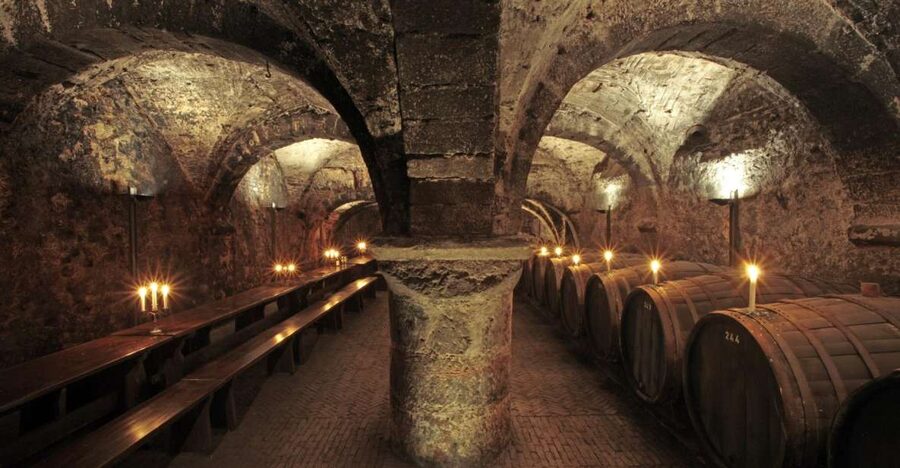
- A Roman storage building: The cellar was built around 330 AD as a magazine and storage house for Roman citizens.
- Two wines included: You taste two selected house wines during the visit.
- One-hour format: The short length fits well before or after Trier’s other sights.
- German-language guiding: The live tour is conducted in German, and some material appears in its original language.
- All-weather activity: The tour runs in every kind of weather, making it a useful rainy-day plan.
- Not wheelchair accessible: The experience is not suitable for wheelchair users.
Entering a Roman wine cellar in Trier
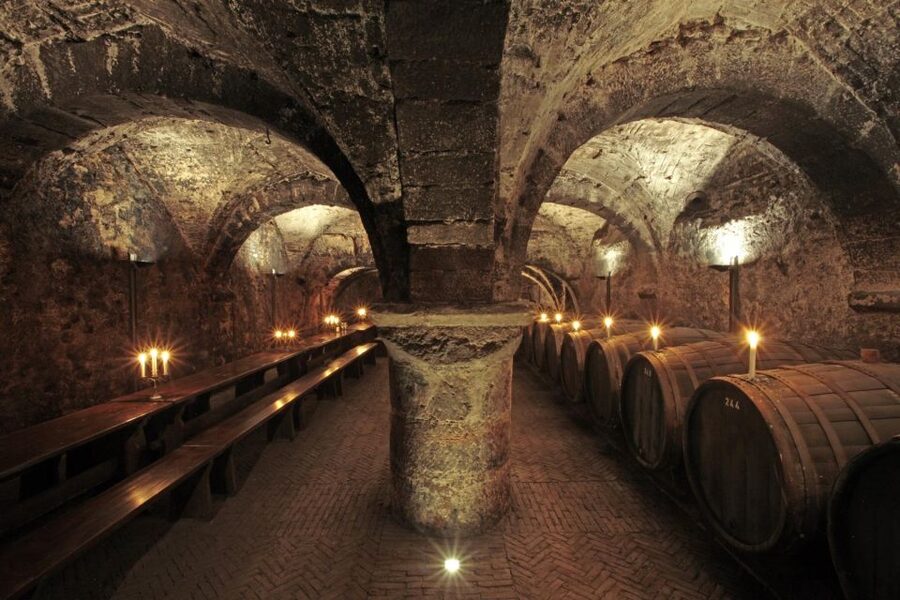
The central appeal here is the setting. This is not simply a wine tasting in a modern room with a few old objects nearby. The cellar forms part of a Roman building dating to about 330 AD, a period when Trier was an imperial city and an important center of Roman life.
The original purpose was practical. The building served as a magazine and storage house for Roman citizens. That detail gives the tour a useful angle: you are not only hearing about wine, but also about how goods were stored and managed in an ancient city.
I appreciate that the experience presents the cellar as a living place rather than a dusty museum. The aim is discovery, conversation, and enjoyment. That tone should suit you if you like history best when it connects to ordinary life, food, and drink.
You should not expect a full archaeological excavation tour. The available information points to a guided introduction to the cellar’s eventful past, followed by wine tasting. One recent rating gave the experience four out of five and wished for more detail about the unique historic cellar. That is useful guidance: the Roman setting is the reason to book, but the wine side may receive a large share of the attention.
More wine tastings in Germany:
- Trier: Guided City Walk with Wine Tasting
★ 4.8 · 979 reviews - Hamburg: Harbor Cruise with Wine and Cheese
★ 4.7 · 795 reviews - Heidelberg: Sightseeing Boat Tour with Mulled Wine
★ 3.6 · 202 reviews
What the one-hour visit actually includes
The itinerary is compact. You begin with a guided walk through the cellar, learning how the Roman building was used and why it matters to Trier’s wine culture. The exact route and presentation can vary with the guide, but the stated focus is the cellar’s past and its place in local wine life.
The short format is one of the tour’s strengths. You can fit it into a day of sightseeing without giving up half a day. If your schedule includes Trier’s Roman monuments, old-town streets, or other cultural stops, one hour offers an easy addition.
It is also short enough for people who are curious about wine but do not want a long tasting session. The tour does not promise a large flight of wines or an extended course in viticulture. Instead, you receive two selected wines in a distinctive historic setting.
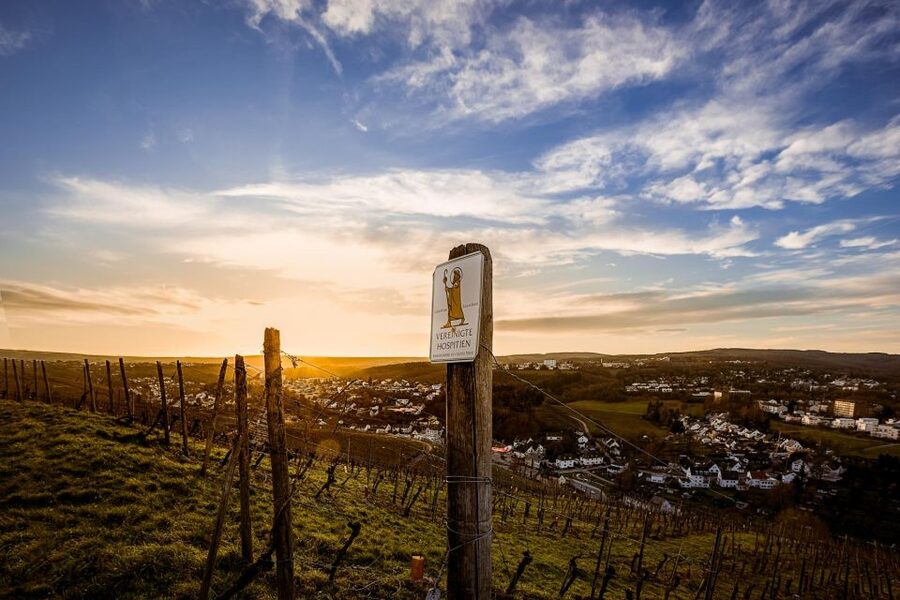
After the cellar walk, the tasting gives you time to connect the story with the present. These are house wines from the Vereinigte Hospitien Stiftungsweingut, the organization providing the experience. The information does not specify the grape varieties, vintage, or sweetness of the wines, so you should not book expecting a particular style.
One German rating described the experience as very informative in a relatively short time, while also suggesting that the visit could be longer. I agree with that practical assessment. The hour is efficient, but anyone wanting a slow, detailed account of Roman construction, cellar design, and regional wine production may want more time.
Why the Roman background matters
Trier’s Roman connection is not a decorative extra here. The building’s date, around 330 AD, places the cellar in the later Roman period, when Trier served as an imperial city. That gives the visit more weight than a standard winery stop.
You get a glimpse of a working urban system. A storage house tells you something about how a city handled supplies and daily needs. The cellar’s value comes from that link between grand Roman history and practical storage.
The experience also helps explain why wine fits Trier so well. The cellar is part of a continuing wine culture, not an isolated monument. You move from Roman use of the building to present-day wine production and tasting within the same visit.
I would keep your expectations measured. The tour description promises insight into the cellar’s eventful story, but not a detailed lecture on every phase of Trier’s Roman past. If you want a broad introduction to the city’s Roman monuments, choose a dedicated city or archaeology tour as well. If you want one specific historic place with a wine connection, this visit makes more sense.
Two wines in a setting with real character
The wine tasting is included in the $20 price, and that improves the value. You are not paying only for access to an old building. You also receive two selected wines and a tasting in a setting that gives the drinks a local context.
The tasting should be treated as part of the story, not as a separate bar stop. The cellar connects the wine to Trier’s past and to the work of the Vereinigte Hospitien Stiftungsweingut. That makes the experience more satisfying than tasting the same wines in a generic venue.
At the same time, wine enthusiasts should note what is not promised. There is no stated list of wines, no food pairing, and no claim of a large selection. The focus is a modest two-wine sample. I like that restraint for a one-hour activity, but it may feel limited if wine is your main reason for visiting.
The German-language format can also shape your enjoyment. The guide speaks German, and some content is presented in its original language. If you understand German, you should receive the fullest version of the explanations. If you do not, the tasting may still be pleasant, but you should not assume that a full English translation is provided.
A few more Germany trips worth comparing
- Trier: Guided Old Town Highlights and History Walking Tour
★ 4.7 · 687 reviews - Trier: City Walking Tour
★ 4.6 · 118 reviews - Luxembourg to Trier: Tour of Germany’s Oldest City.
★ 4.6 · 9 reviews
How the German-language format affects the visit
The live guide conducts the tour in German. This matters more in a history-focused experience than it would in a simple tasting, since the cellar’s value depends on the story attached to it.
You can still enjoy the atmosphere, the building, and the two wines without fluent German. But if you want to understand the Roman background in detail, language will affect how much you take away. The information specifically notes that some content is shown in its original language, so check your own comfort level before booking.
The strongest praise in the available feedback centers on the tour being informative, enjoyable, and tasty. One German-language rating called it very informative despite the short duration. Another described it as interesting, fun, and delicious. Those comments point to a guide-led experience that moves quickly and keeps the tasting central.
No guide names are provided, so I cannot recommend a particular guide. The quality of your visit may depend partly on how comfortably you follow German and how much detail the guide chooses to give about the cellar.
Is $20 a fair price for one hour?
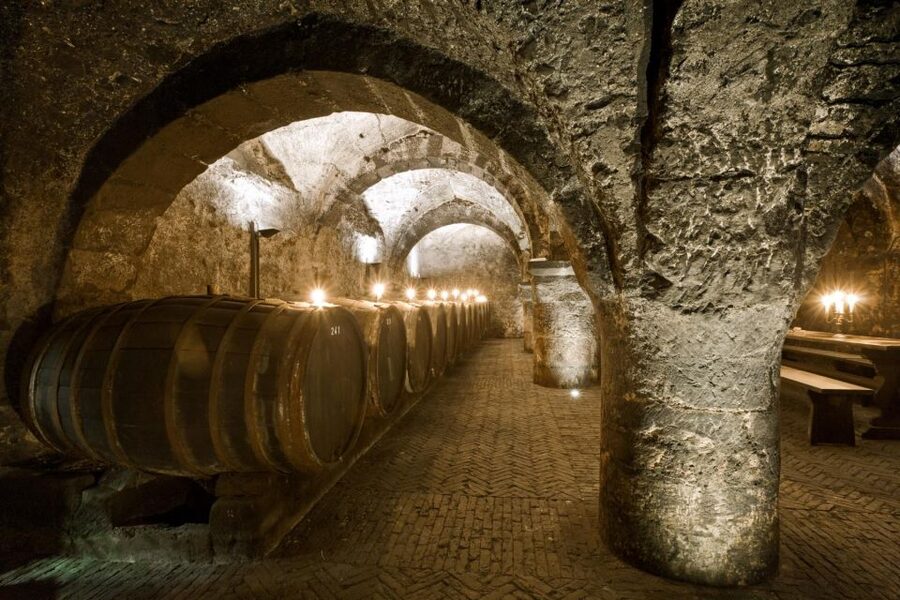
At $20 per person, the tour offers reasonable value if you want three things together: a Roman site, a guided explanation, and two wines. Any one of those alone might not justify your time, but the combination makes the price easier to accept.
The value is strongest for a first visit to Trier. You receive a focused introduction to one part of the city’s past without committing to a long program. The tasting also gives the experience a social and sensory finish.
The value is weaker if you are looking only for a serious wine education. Two wines are enough for a sample, not enough for a detailed comparison of local varieties or winemaking methods. It is also weaker if you need English guiding or wheelchair access.
Free cancellation up to 24 hours before the start gives you some useful flexibility. You can also reserve now and pay later, which helps if your Trier schedule is still shifting. The start time depends on availability, so check the current schedule before building the rest of your day around it.
Who will enjoy this Trier experience most?
I would recommend the tour to you if you enjoy small, focused cultural stops. It suits anyone who wants to connect Roman history with a living wine tradition, especially when a full-day excursion feels excessive.
It is a good match for couples, solo visitors, and small groups who like a tasting with a story. The one-hour duration also works well for a family itinerary if the adults want a brief wine-related stop, though the German-language format may limit how much younger visitors understand.
Wine lovers should book if they value atmosphere and local connection more than a large tasting menu. History fans should book if they are comfortable with a concise introduction rather than a lengthy archaeological tour.
You may want to skip it if you require wheelchair access, need an English-language guide, or want a detailed technical presentation about Roman architecture. You should also remember that the tour takes place in all weather conditions. Dress for the conditions outside and do not assume poor weather will move the activity indoors or cancel it.
Practical ways to make the hour worthwhile
Read a little about Trier’s Roman past before arriving if you do not speak much German. Even a basic understanding of the city’s imperial role and the building’s storage function will help you follow the main ideas.
Keep the schedule around it flexible. The activity lasts one hour, but the available start times can vary. Since the tour runs in all weather, it can serve as a dependable part of your day, but you still need suitable clothing.
Think of the tasting as a conclusion to the cellar visit. Pay attention to how the guide connects the wines with the building and the local estate. The experience is most rewarding when you treat the wine as part of Trier’s story rather than as a stand-alone tasting.
Finally, do not expect the cellar to answer every question about Roman Trier. Use the tour for a close look at one building and one continuing tradition. Pair it with other city sights if you want a fuller picture of Trier’s Roman period.
Should you book the oldest wine cellar tour?
I would book this tour if you want an affordable, one-hour introduction to Trier’s Roman wine culture and you are comfortable with German guiding. The combination of a building dating to around 330 AD, two house wines, and a short schedule gives it a clear purpose.
I would not book it solely for a large wine tasting or a detailed archaeological lecture. The strongest experience comes from the unusual combination of place, history, and wine. At $20, it is a sensible choice for curious visitors who want a compact cultural stop, with the important limits of German-only guiding, all-weather operation, and no wheelchair access.
FAQ
How long does the Trier wine cellar tour last?
The tour lasts one hour.
What is included in the price?
The activity includes a guided cellar tour, two selected wines, and a tasting in the historic setting.
Is the cellar really connected to Roman Trier?
Yes. The building was created around 330 AD in the Roman imperial city of Trier and served as a magazine and storage house for Roman citizens.
What language is the tour conducted in?
The live tour guide speaks German. Some content is shown in its original language.
Is the tour suitable for wheelchair users?
No. The activity is not suitable for wheelchair users.
Does the tour operate in bad weather?
Yes. The tour takes place in all weather conditions.
Can I cancel and receive a full refund?
You can cancel up to 24 hours in advance for a full refund. You can also reserve your place and pay later.
Just added around Germany
- Private Walking Tour in Berlin: Hitler’s Germany & WWII★ 5.0 · 7 reviews
- The History of Berlin: WWII PRIVATE Walking Tour With Locals★ 5.0 · 209 reviews
- Private Berlin WWII and Cold War History Tour with Local Expert Guide★ 5.0 · 28 reviews
- Private Walking Tour Berlin 3 hours: Brandenburg, Historic Center★ 5.0 · 7 reviews
- Berlin: Private Bike Tour of the Berlin Wall and Third Reich★ 5.0 · 23 reviews
- Berlin: Guided Private Bike Tour to Explore the Highlights★ 5.0 · 12 reviews
- Berlin Photography Masterclass – Private Photography Lesson★ 4.5 · 23 reviews
- Group Driving Tour 1 to 6 people. Berlin Shore Excursion incl pick-up at Port★ 5.0 · 8 reviews
Wine Tours, compared.




Advent Tour with Stollen Tasting and Mulled Wine
Read our review →
Heidelberg and Rhine Valley Day Trip With Wine Tasting and Dinner from Frankfurt
Read our review →
Browse the lists this tour appears in