
Reviewed · LUBECK TOURS
Lübeck: Entertaining Tour Through Hidden Courtyards
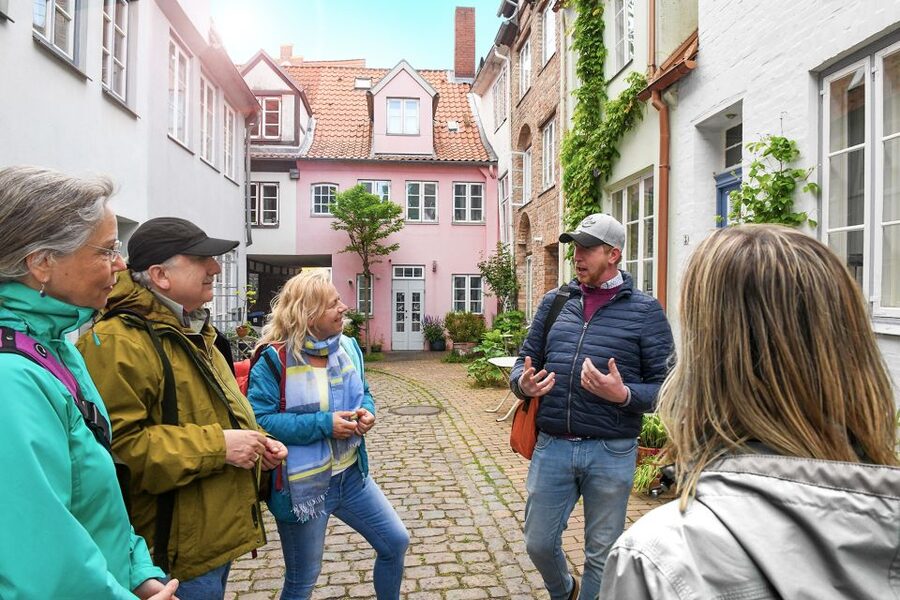
Lübeck’s best stories hide behind its grand façades. This 1.5-hour walking tour leads you through narrow corridors, small courtyards, and former workers’ stalls that many visitors miss while touring the old town. I like the focus on everyday life and the way the guide connects cramped medieval housing with Lübeck’s rise as a Hanseatic city.
I also like the small-group format, which makes it easier to ask questions and follow the guide into tucked-away corners. The main drawback is clear: the tour is held in German, so it is not a good choice if you need English commentary.
In This Review
- Key Points
- Why Lübeck’s Courtyards Matter
- Meeting at the Burgtor
- From Grand Streets to Small Stalls
- Courtyards Built for Crowded Medieval Lübeck
- Monastery Courtyards and a Step Back in Time
- The Hanseatic League Without the Heavy Lecture
- What the 1.5-Hour Length Really Delivers
- How the Private Group Format Changes the Experience
- The German Language Is the Key Decision
- Is $20 a Fair Price?
- Who Should Book This Lübeck Tour?
- Practical Tips Before You Go
- Should You Book the Hidden Courtyards Tour?
- FAQ
- Where does the Lübeck courtyards tour begin?
- How do I recognize the guide?
- How long does the tour last?
- What language is the tour conducted in?
- Is the tour private?
- What does the tour include?
- How much does the tour cost?
- Can children join the tour?
- Can I cancel for a refund?
Key Points
- Medieval corridors: Walk through narrow passages created when Lübeck’s growing population needed more housing behind the main street façades.
- Courtyards with a human story: See small living quarters once used by workers, merchant widows, and shipper widows.
- A different side of the old town: The route moves beyond the standard sights and into places that are easy to miss on your own.
- Small private groups: The format suits visitors who want room for questions and a more personal pace.
- Short but useful: At 1.5 hours, the tour fits neatly into a morning or afternoon in Lübeck.
- German-language guiding: You need enough German to follow the historical explanations and humor.
Why Lübeck’s Courtyards Matter
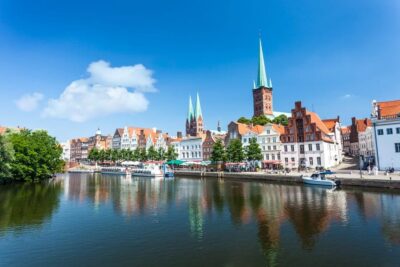
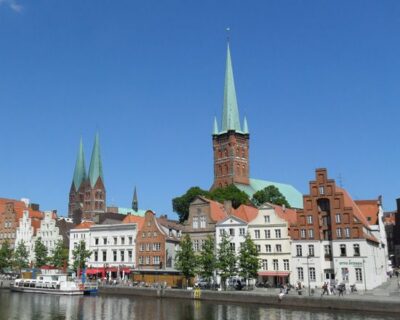
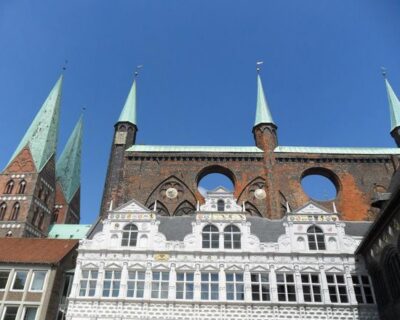
Lübeck is famous for its old-town streets, brick churches, merchant houses, and Hanseatic past. Those grand façades tell only part of the story. Behind them, narrow passages led to small courtyards where ordinary people lived and worked.
That contrast is what makes this tour worthwhile. You are not simply looking at attractive old buildings. You are seeing how the city dealt with a sharp rise in population during the Middle Ages, when valuable space inside the old town was limited.
The solution was practical, if not spacious. Narrow and crooked corridors were built between front buildings, leading to small stalls and courtyard homes behind them. These spaces gave workers a place to live close to the city’s commercial center.
I find this kind of history more useful than a long list of dates. Once you understand why the corridors were built, their awkward shape makes sense. A tight passage is no longer just a picturesque detail. It becomes evidence of pressure on housing and the daily needs of a growing port city.
A few more Lubeck trips worth comparing
- Lübeck: 1-Hour Splash Bus City Tour
★ 4.0 · 2,626 reviews - Lübeck: entertaining guided tour to old town highlights
★ 4.7 · 594 reviews - Lübeck: Electric Boat Rental – without driving licence
★ 4.8 · 174 reviews
Meeting at the Burgtor
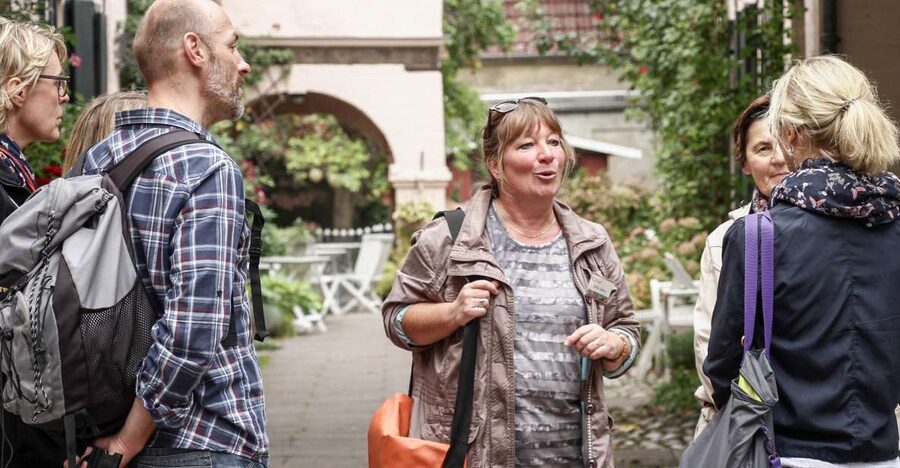
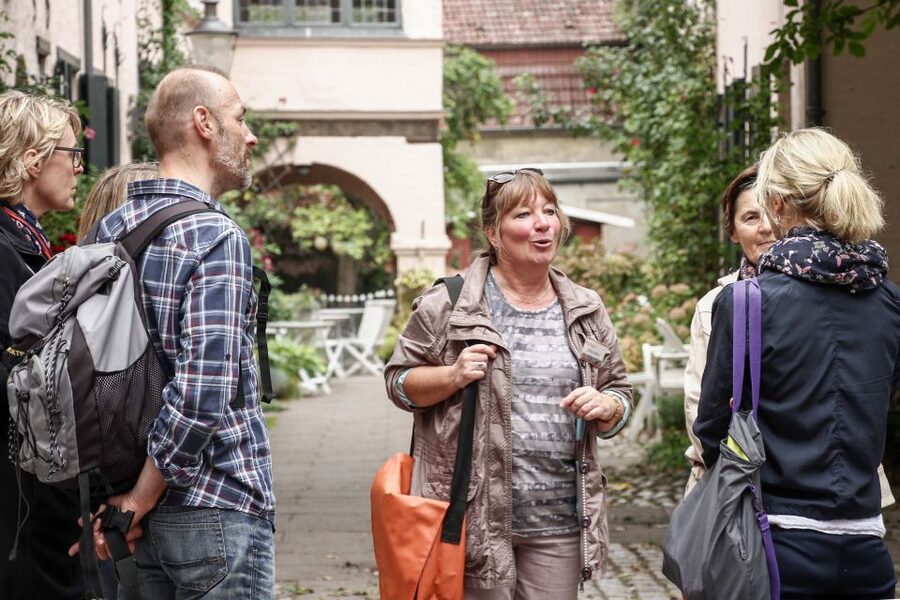
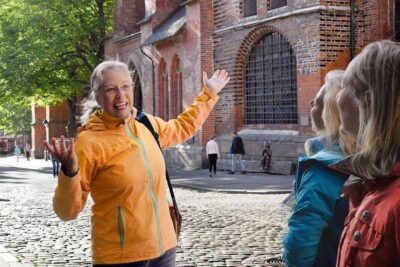
The tour begins in front of the Burgtor at Burgtorbrücke 2, outside the city. You should look for the guide carrying an orange bag marked with the k3 logo.
This is a practical meeting point, but give yourself enough time to find the correct side of the gate. The instructions specify the outside of the city, which matters because a historic gate can be approached from more than one direction.
The Burgtor also gives you a useful starting point. It places you at the edge of Lübeck’s old town, where the large defensive entrance leads into the compact historic center. From there, the tour shifts away from the broad, impressive view of the city and toward its tighter spaces.
The guide leads on foot, so wear comfortable shoes. You do not need transport during the experience, and the 1.5-hour length keeps the walking manageable for most people who are comfortable on city streets and narrow paths.
From Grand Streets to Small Stalls
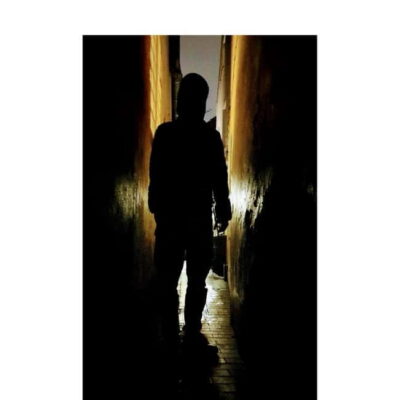
The first major change in perspective comes when you leave the main streets and enter the corridors behind the front buildings. These passages are often narrow, crooked, and modest compared with Lübeck’s more formal architecture.
That difference is the point. The front buildings represented the public face of the city, while the small stalls behind them served a more practical purpose. Workers lived in spaces that were close to the businesses, merchants, and port activity shaping Lübeck’s economy.
You can expect the guide to explain how these spaces developed and why they were needed. The story is tied to the Hanseatic League, the powerful trading network that helped make Lübeck an important commercial center.
The tour does not treat the Hanseatic League as a distant name from a history book. It connects trade and population growth with the physical shape of the city. More commerce meant more people. More people meant more pressure on available land. The corridors and courtyards were a direct answer to that problem.
This is one of the tour’s strongest features. You get a clear link between economic history and what you can actually see under your feet.
Courtyards Built for Crowded Medieval Lübeck
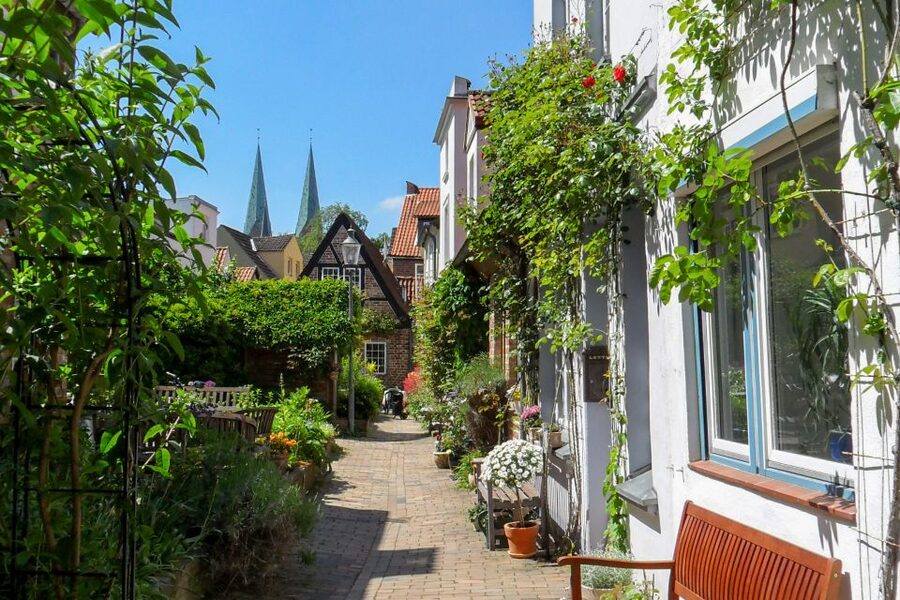
The courtyards are the visual heart of the experience. You are led through small openings and along narrow routes to spaces that feel removed from the main city streets.
The appeal is not only architectural. These courtyards show how several groups used the old town’s limited space. Workers lived in small quarters, while other courtyard buildings were connected with charitable or religious institutions.
The guide also explains the way merchant and shipper widows were housed. That detail adds a human layer to the tour. Lübeck’s trade depended on merchants and seafarers, but their families had to manage life when a husband died. Courtyard housing offered a place for widows within the city’s social and religious structures.
I appreciate that the tour includes people who are often left out of grand city narratives. The Hanseatic League can sound like a story about ships, money, and powerful men. These courtyards bring the focus back to workers, widows, and the families who made city life function.
Because the spaces are small, the group size matters. A private group can listen without blocking a passage or losing sight of the guide. Feedback from recent bookings describes groups as small, sometimes only two people, with plenty of space for individual questions.
Still Lubeck, at a slower pace:
- Lübeck: Classic Tour of the Hanseatic City
★ 4.8 · 64 reviews - Lübeck: Hanseatic League History Walking Tour
★ 4.9 · 57 reviews - Lübeck zwischen Grusel und Geschichte Truecrime zu Halloween
★ 4.9 · 35 reviews - Lübeck: Backyards and Town Houses Private Guided Tour
★ 4.9 · 23 reviews
Monastery Courtyards and a Step Back in Time
The route includes monastery courtyards, another important part of Lübeck’s old-town story. These spaces give you a different sense of how housing and community life were organized.
The word monastery may suggest grand church interiors, but here the interest lies in the courtyards and the people connected to them. The guide uses these spaces to show how the city housed people who did not live in the grand merchant homes facing the main streets.
You can expect the tone to be lively rather than solemn. The experience is described as entertaining and informative, and the strongest praise focuses on the guide’s ability to keep the tour moving while explaining details.
That balance is valuable in a compact walking tour. Too much history can make a small courtyard feel like a classroom. Too little explanation leaves you with attractive walls but no understanding of their purpose. This experience aims for the middle ground, using the courtyards to tell short, connected stories.
The Hanseatic League Without the Heavy Lecture
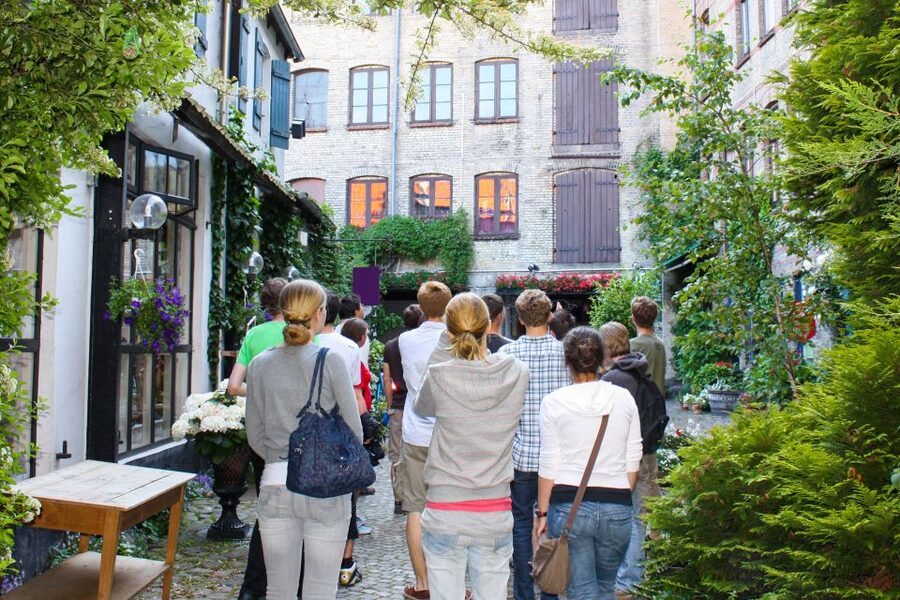
Lübeck’s Hanseatic identity is central to its appeal, but you do not need a specialist background to follow this tour. The guide explains how the city’s role in trade helped drive its population increase and shaped the need for new living spaces.
The best part is the physical evidence. You hear about economic growth, then see the cramped corridors that growth helped create. You learn about city life, then enter the small stalls where workers lived.
That approach makes the past easier to remember. Instead of memorizing a date or a merchant’s name, you leave with a picture of the city’s social structure: prominent buildings at the front, narrow access routes behind them, and modest homes tucked into the remaining space.
The tour also gives you a better sense of Lübeck as a working city. Its attractive old town was not built only for display. It was a place of trade, labor, family life, religious activity, and difficult decisions about housing.
What the 1.5-Hour Length Really Delivers
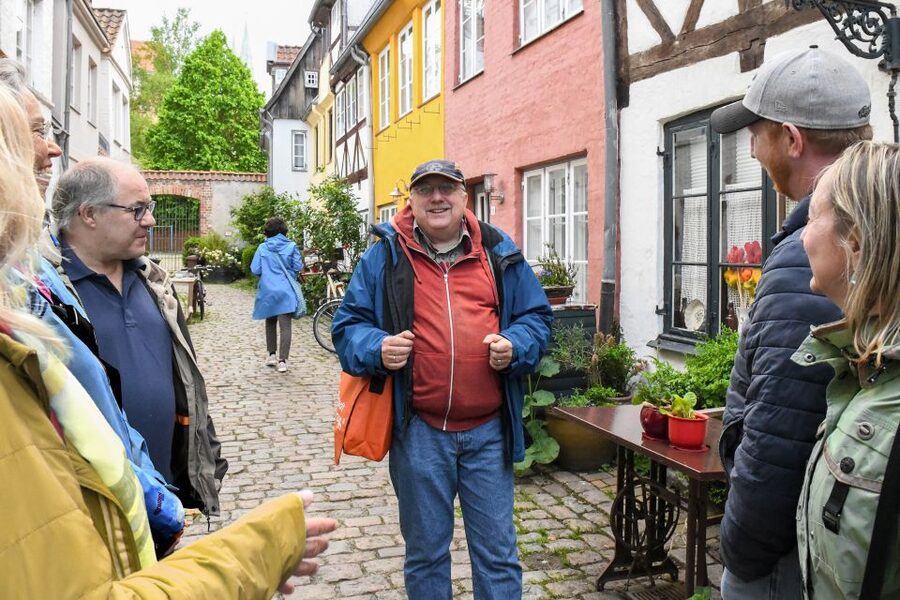
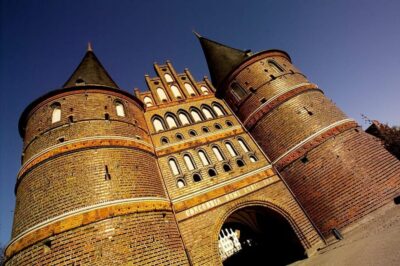
Ninety minutes is enough time to see several courtyards and corridors without turning the experience into a full-day commitment. You can pair it with independent sightseeing at the Holstentor, churches, merchant houses, or other old-town sights.
The short duration also keeps the theme focused. This is not a complete tour of every major monument in Lübeck. It is a closer look at the city’s back passages and the people who lived there.
That focus is a strength, but it is also a limitation. If you want detailed coverage of Lübeck’s major churches, museums, or full Hanseatic chronology, you will need another tour or your own sightseeing time.
I would schedule this experience early in your stay if you can. Once you know what the corridors and courtyards meant, you may notice similar details as you walk through the rest of the old town. The tour can serve as a useful introduction to Lübeck’s less obvious architecture.
How the Private Group Format Changes the Experience
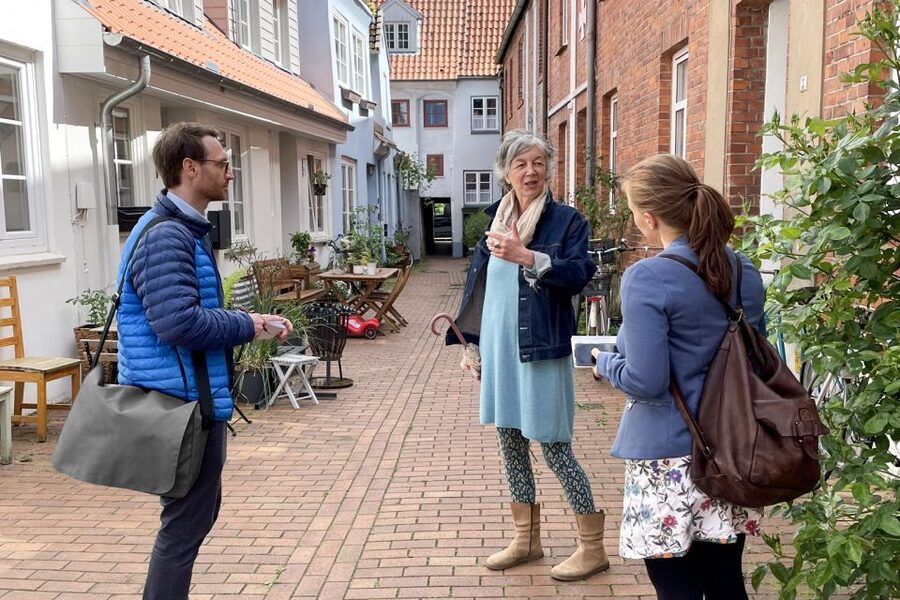
The activity is arranged as a private group, which is useful for families, friends, or anyone who prefers a quieter tour. You can ask for clarification and follow the guide’s explanation without competing with a large crowd.
Small groups also work better in narrow spaces. A broad public square can handle a large gathering, but a medieval corridor cannot. A compact group is less likely to clog the path or make it hard for everyone to see.
The strongest feedback centers on this personal quality. Visitors describe the tour as individual, informative, friendly, and easy to follow. They also praise the chance to ask questions and receive answers with substantial background.
Still, private does not always mean completely flexible. The experience has a stated duration of 1.5 hours and a set meeting point, so you should arrive ready to walk and listen. The tour works best when you want focused guidance rather than a loose wander through the city.
The German Language Is the Key Decision
The live guide speaks German, and the tour is held in German. This is the most important practical factor before booking.
If you understand German well, the language can be a plus. You will receive the tour’s humor, side comments, and detailed explanations as intended. The format is especially appealing for German-speaking visitors who want a local look at Lübeck beyond the usual sightseeing route.
If you do not speak German, you should not book this expecting an English summary or bilingual presentation. The supplied information identifies German as the only tour language.
Children up to five years old can join free, but the language issue still applies to the whole group. A family should consider whether younger children can manage a 1.5-hour walking tour with German commentary.
Is $20 a Fair Price?
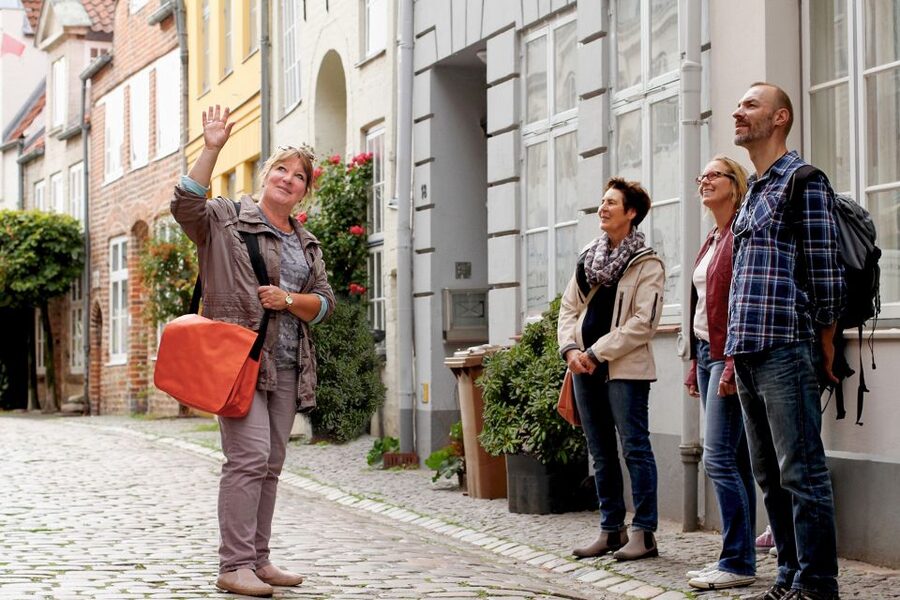
At $20 per person, the tour offers good value if you care about local history and smaller-scale sights. You are paying for a live guide, a focused route, and access to courtyards and corridors that may be difficult to understand without context.
The price is less attractive if you only want a general orientation to Lübeck. You will not spend the full 1.5 hours covering every famous landmark, and the route’s main appeal is the hidden residential side of the old town.
Value also depends on group size. A private tour with only two people offers a more personal experience than a large walk, especially when the guide can answer your questions directly. The available feedback includes very small groups and particularly strong praise for individual attention.
The booking terms add some flexibility. You can cancel up to 24 hours before the start for a full refund, and you can reserve now and pay later. Those policies are useful when your plans in Northern Germany are still changing, but the main value remains the quality and focus of the walking experience.
Who Should Book This Lübeck Tour?
I would recommend it to you if you enjoy:
- Medieval urban design and old residential quarters
- Social history about workers, families, and widows
- Small-group walking tours
- Local stories connected to visible buildings
- German-language guiding
- Sightseeing beyond the standard postcard stops
It is a particularly good fit after you have seen Lübeck’s major landmarks and want to understand how people lived behind them. It also suits repeat visitors who have already walked the main streets.
You may want to skip it if you need English commentary, dislike narrow passages, or prefer a tour built around famous monuments. The route is about courtyards, corridors, and everyday life, not a grand survey of every attraction in the city.
Practical Tips Before You Go
Meet the guide in front of the Burgtor at Burgtorbrücke 2, on the outside of the city. Look for the orange bag with the k3 logo.
Wear shoes suited to walking. The route uses narrow paths and corridors, and the experience is entirely on foot. Since the tour lasts 1.5 hours, you should not need to plan a meal or major break during it.
Try to arrive with one question in mind. You might ask about the Hanseatic League, medieval housing, the use of the stalls, or the way widows were supported. In a private group, a good question can turn a short explanation into a memorable part of the tour.
The experience has an overall rating of 4.8 from 483 reviews, with repeated praise for its interesting background information, friendly guidance, unusual route, and entertaining pace. That pattern points to a tour that succeeds through storytelling rather than spectacle.
Should You Book the Hidden Courtyards Tour?
Book this tour if you want to see how Lübeck lived, not just how it looked from the main street. The courtyards and corridors reveal the city’s housing problems, social customs, and working population in a direct, physical way.
The decision is simple for German speakers: at $20 and 1.5 hours, it is a focused way to add depth to your old-town visit. For everyone else, the German-only format is a firm reason to choose another experience.
FAQ
Where does the Lübeck courtyards tour begin?
The meeting point is in front of the Burgtor at Burgtorbrücke 2, on the outside of the city.
How do I recognize the guide?
Look for a guide carrying an orange bag with the k3 logo.
How long does the tour last?
The walking tour lasts 1.5 hours.
What language is the tour conducted in?
The live tour is conducted in German.
Is the tour private?
Yes. The activity is organized as a private group tour.
What does the tour include?
The price includes the walking tour and a live guide.
How much does the tour cost?
The listed price is $20 per person.
Can children join the tour?
Children up to five years old can join free.
Can I cancel for a refund?
Yes. You can cancel up to 24 hours in advance for a full refund.
Just added around Lubeck
- Lübeck zwischen Grusel und Geschichte Truecrime zu Halloween★ 4.9 · 35 reviews
- Lübeck: Old Town Highlights Private Walking Tour★ 4.8 · 8 reviews
- Lübeck: Private Historical and Architectural Walking Tour★ 4.5 · 6 reviews
- Lübeck: Hanseatic League History Walking Tour★ 4.9 · 57 reviews
- Lübeck Day Pass – Day ticket for Lübeck museums★ 4.0 · 15 reviews
- Lübeck: Classic Tour of the Hanseatic City★ 4.8 · 64 reviews
- Lübeck: Express Walk with a Local★ 4.9 · 10 reviews
- Lübeck: Architecture and Local Craft Private Guided Tour★ 4.0 · 6 reviews
Lubeck Tours, compared.
entertaining guided tour to old town highlights
Read our review →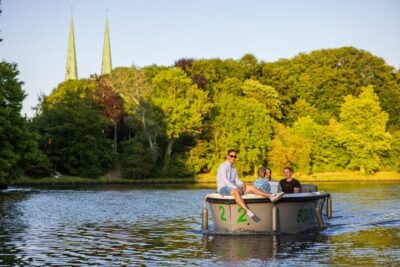
Lübeck zwischen Grusel und Geschichte Truecrime zu Halloween
Read our review →
Browse the lists this tour appears in