
Reviewed · GERMANY
Berlin: Entry to Alte Nationalgalerie
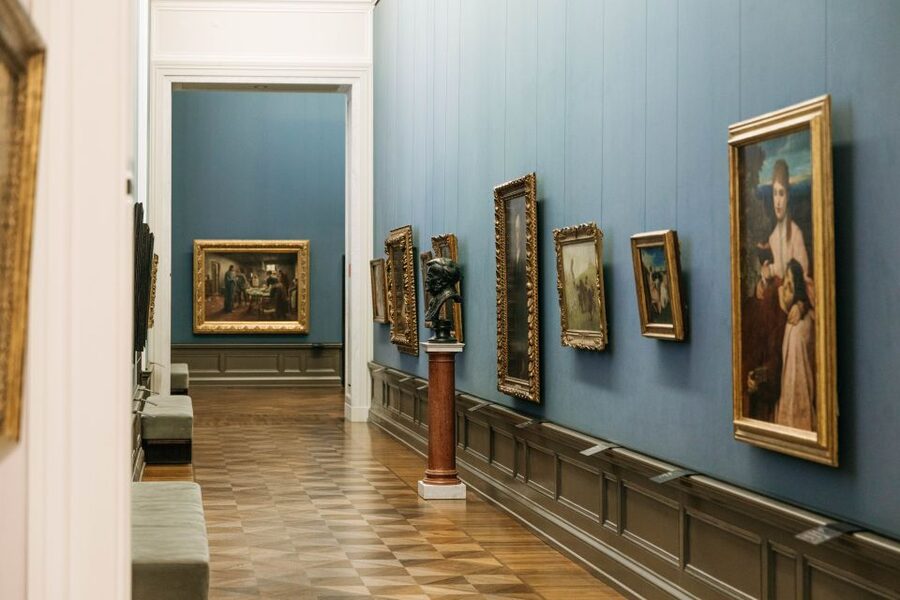
Art history feels personal here. Berlin’s Alte Nationalgalerie brings Classicism, Romanticism, Impressionism, and early Modernity together inside one grand Museum Island building, making it a strong choice for anyone who wants a clear look at 19th-century European art without crossing the city for separate collections. I especially like the fine range of styles, from Caspar David Friedrich’s The Monk by the Sea to paintings by Manet, Monet, and Renoir. I also like the included audio guide, which helps give context to works that may seem quiet or unfamiliar at first.
The main point to check before booking is the display schedule. Galleries can close temporarily, and one visitor found that the second-floor Impressionist rooms were shut during a visit, even though those paintings were the main reason for choosing the museum. The ticket costs $14 per person and is valid for one day, so it offers good value if the rooms you want to see are open.
In This Review
- Key points to know before you go
- Why the Alte Nationalgalerie earns a place on your Berlin list
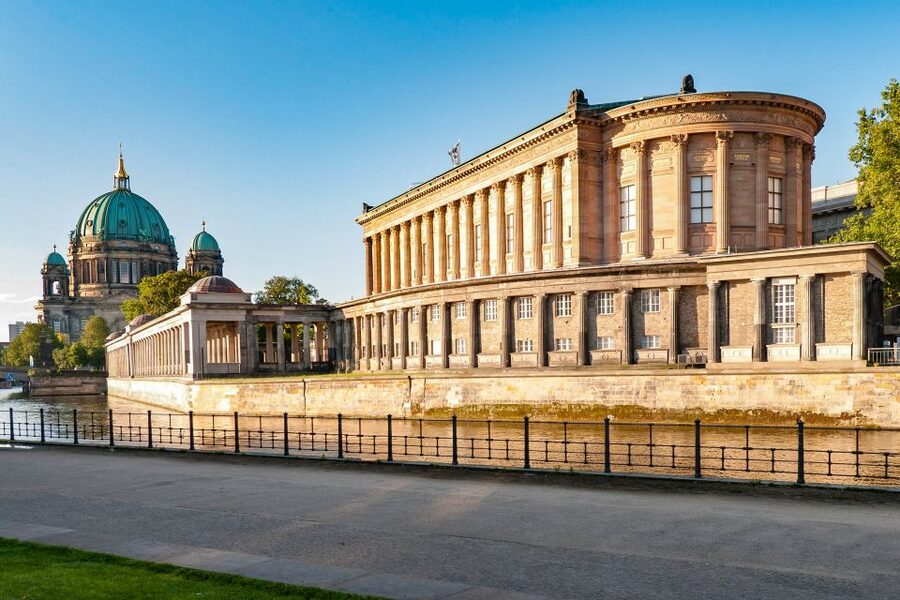
- The building and the Museum Island setting
- Beginning with Classicism and Romanticism
- Finding the 19th-century works that deserve extra time
- A welcome shift toward Manet, Monet, and Renoir
- How to use the audio guide and pace your visit
- Price, access, and practical details
- What could affect your experience
- Who should book the Alte Nationalgalerie?
- Should you book it?
- FAQ
- Where does the Alte Nationalgalerie experience begin?
- Where does the visit end?
- How much does admission cost?
- How long is the ticket valid?
- Does the ticket include an audio guide?
- Does the ticket include other Museum Island museums?
- Is the ticket refundable?
- Are backpacks allowed inside?
- Is the museum wheelchair accessible?
Key points to know before you go
- A Museum Island highlight: The Alte Nationalgalerie forms part of Berlin’s UNESCO-listed Museum Island, so the building is part of the experience.
- A strong 19th-century collection: You’ll see works linked to Classicism, Romanticism, Biedermeier, Impressionism, and early Modernity.
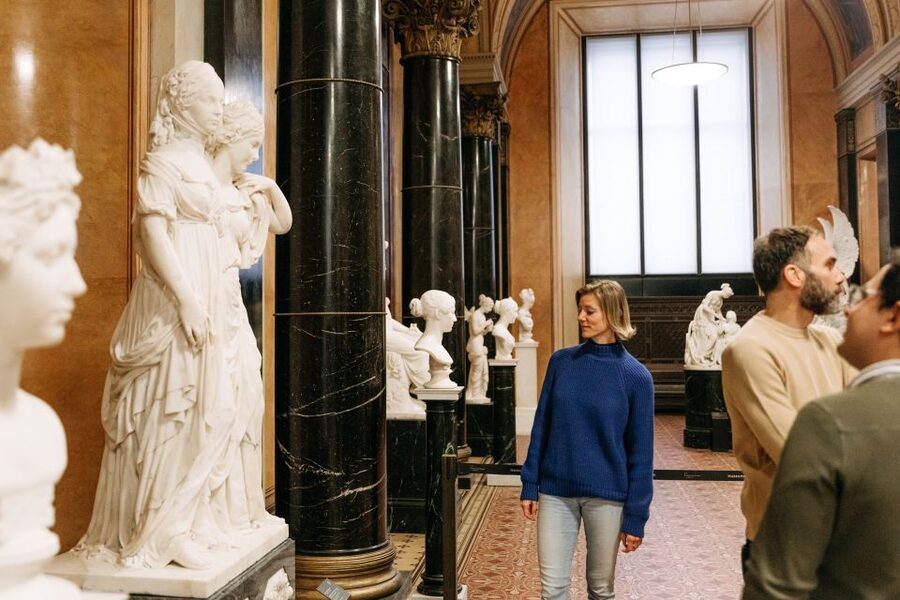
- Major works in one visit: Look for Friedrich’s The Monk by the Sea, Menzel’s Eisenwalzwerk, the Group of Princesses, and Schadow’s marble tomb for Count Alexander von der Mark.
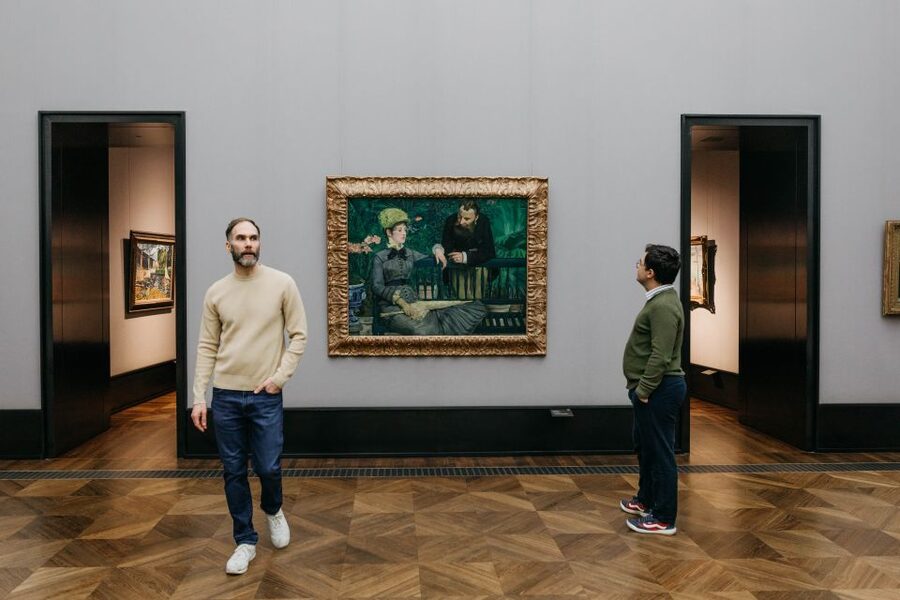
- French Impressionism is a key draw: Works by Manet, Monet, and Renoir give the museum a lively change of pace after the German Romantic rooms.
- An audio guide is included: It can make the collection easier to follow, especially if you are not already familiar with German art.
- Allow for changing displays: Check the current opening information and arrive within 15 minutes of your booked time slot.
Why the Alte Nationalgalerie earns a place on your Berlin list
The Alte Nationalgalerie is not simply a room full of famous paintings. It was planned as a sanctuary for art and science, an idea connected with King Friedrich Wilhelm IV. That helps explain the building’s formal mood and its place on Museum Island. You are entering a national collection with a clear cultural purpose, not a small private gallery assembled around one artist.
The collection began with a donation from banker Joachim Heinrich Wilhelm Wagener. His gift included paintings from the Düsseldorf school and Belgian history painters, and the Prussian state used this foundation to build the National Gallery. The museum opened in 1876 as the third museum on the Spree Island.
That background matters because the collection follows a broad story. You can see older academic traditions, the emotional pull of Romanticism, the everyday subjects of Biedermeier art, and the looser brushwork of Impressionism. The museum gives you a useful view of how European painting changed during a period of political, social, and artistic upheaval.
For me, the strength is the variety without total confusion. The museum is focused enough for a morning visit, yet broad enough to give you several different reasons to pause. If you enjoy comparing styles, you can move from carefully composed historical paintings to atmospheric scenes and then toward early Modernity.
Other ways to spend a day in Germany:
- Berlin: Reichstag, Dome and Government District Guided Tour
★ 4.7 · 18,288 reviews - Berlin: 1-Hour City Tour by Boat with Guaranteed Seating
★ 4.3 · 16,993 reviews - Hamburg: Sex and Crime in St. Pauli Tour for Ages 18+
★ 4.7 · 15,447 reviews
The building and the Museum Island setting
The visitor entrance is on Bodestraße, at the Alte Nationalgalerie itself. You do not need transportation as part of this activity, and the ticket covers only this museum, not the other institutions on Museum Island. That is useful to remember when planning your day. The area contains several major museums, but this ticket does not provide entry to all of them.
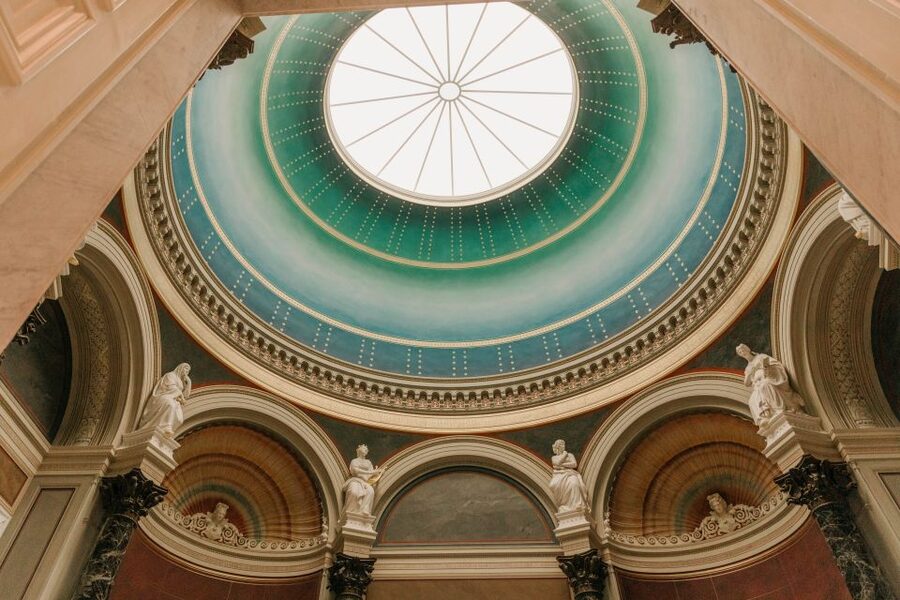
The building’s grand character sets the tone before you reach the galleries. The museum’s history as a national institution is visible in its formal presentation and imposing setting. You may come for Friedrich or Monet, but the building gives the visit a sense of occasion.
The museum is also part of a UNESCO World Heritage Site. That makes it a sensible stop for visitors who want to combine art with Berlin’s architectural and cultural story. You can treat the Alte Nationalgalerie as one part of a larger Museum Island day, but avoid assuming that a ticket for one museum covers the others.
Entry is skip-the-line, which can save time at a busy city attraction. You still need to arrive within 15 minutes of the booked time slot, so do not treat the ticket as an open-ended arrival pass.
Beginning with Classicism and Romanticism
The early rooms help you see the ideas that shaped German art before Impressionism took hold. Classicism favored order, ideal forms, and links to earlier art. Romanticism shifted attention toward feeling, imagination, nature, and the individual’s place in the world.
Caspar David Friedrich’s The Monk by the Sea is the painting many people seek first. Its power comes from restraint. A small figure faces a broad, spare view, and the painting asks you to sit with uncertainty rather than handing you a busy story. It is the sort of work that rewards a few quiet minutes instead of a quick photograph.
Friedrich’s Gothic Cathedral at the Water brings a different kind of Romantic mood. The subject combines architecture, nature, and spiritual feeling. Look at it alongside The Monk by the Sea and you get a clearer sense of how Romantic painting can turn a place into an inner experience.
The so-called Group of Princesses adds a more human and courtly note. It belongs to the era associated with Goethe and offers a change from Friedrich’s lonely horizons. I like this contrast because it keeps the museum from becoming a single-note shrine to landscape and melancholy.
Schadow’s marble tomb for Count Alexander von der Mark, dating from 1790, is another important early work. The sculpture gives you a chance to see how technical skill and emotional storytelling worked in marble. It also breaks up the painting galleries with a strong three-dimensional presence.
Finding the 19th-century works that deserve extra time
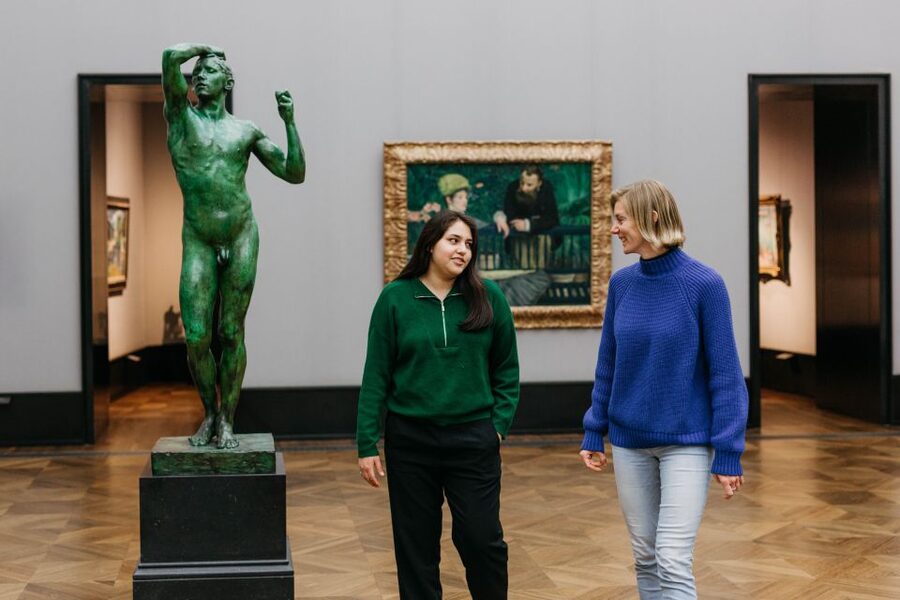
A visit becomes more rewarding if you choose a few anchor works rather than trying to inspect everything equally. Friedrich’s The Monk by the Sea is an obvious choice, but Adolf Menzel’s Eisenwalzwerk offers a sharp counterpoint.
Menzel’s subject is industrial labor and modern production. Instead of idealized nature or courtly figures, you see the world of work and machinery. It shows how art began to respond to industrial change and the new pressures of modern life. Give it time, especially if you want to understand why the 19th century feels like a bridge between older traditions and the modern world.
The museum also includes sculptures such as Sleeping Beauty. A marble figure like this can change the pace of your visit. After studying dense historical paintings, sculpture asks you to look at volume, surface, posture, and the effect of light across stone.
The collection’s Biedermeier works are worth noting too. Biedermeier art often pays attention to domestic life, portraits, and orderly surroundings. These paintings can feel less dramatic than Romantic scenes, but they help show how ordinary life became an important artistic subject.
The best approach is not to rush toward the most famous title and leave. Move through the rooms with a little patience. The museum’s appeal lies in the conversation between its major works and its quieter examples.
Still Germany, at a slower pace:
- Hamburg: 1.5-Hour Harbor and Speicherstadt Day Cruise
★ 4.6 · 14,200 reviews - From Munich: Neuschwanstein & Linderhof Castle Full-Day Trip
★ 4.5 · 12,494 reviews - Dresden: Semperoper Tickets and Guided Tour
★ 4.7 · 12,102 reviews - Berlin: Boat Tour Along the River Spree
★ 4.4 · 11,252 reviews
A welcome shift toward Manet, Monet, and Renoir
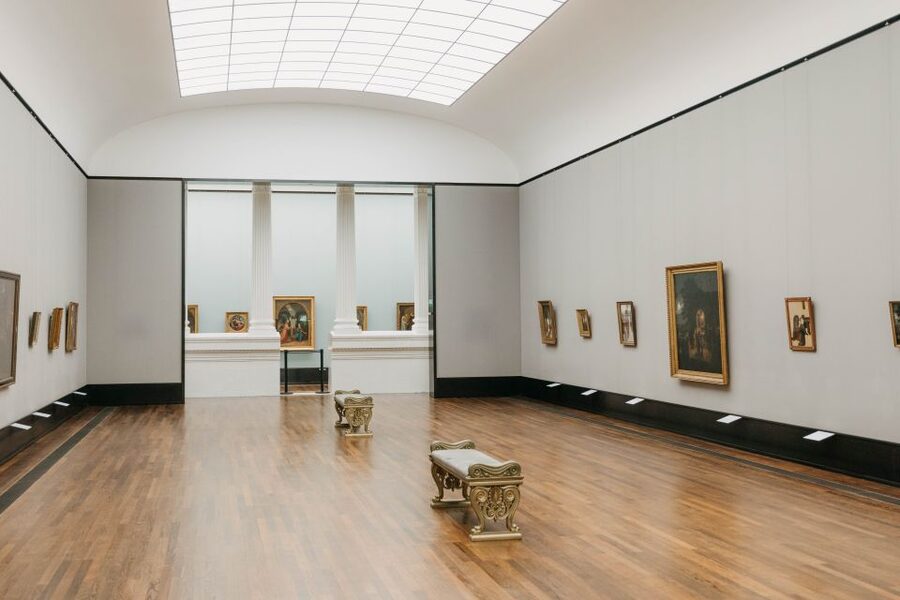
French Impressionism is one of the museum’s biggest draws. Works by Édouard Manet, Claude Monet, and Pierre-Auguste Renoir bring a lighter, more immediate visual language into the collection.
After the careful structure of Classicism and the solemn atmosphere of Romanticism, Impressionist painting can feel like fresh air. You may notice changes in brushwork, color, and the treatment of light. Instead of polishing every surface into a precise finish, Impressionist painters often let the eye complete the scene.
I particularly like this part of the collection because it gives you a clear point of comparison. You can look back at Friedrich’s controlled stillness, then face a painting where color and shifting light carry much of the meaning. That contrast is more useful than seeing Impressionism in isolation.
Still, this is where you need to check current conditions. One visitor found the second-floor Impressionist galleries closed, with no clear warning on the official website. Another found the third floor closed. If Impressionism is your main reason for coming, do not assume every advertised highlight will be accessible on your date.
This is not a reason to dismiss the museum. It is a reason to plan with modest flexibility. The Alte Nationalgalerie has enough variety to remain worthwhile when a section is unavailable, but your priorities may change if a favorite room is closed.
How to use the audio guide and pace your visit
An audio guide is included with admission. That small detail adds real value, especially for first-time visitors who do not know the artists or the terms used to describe German art.
You do not need to listen to every available explanation. I would use the guide selectively. Start with the museum’s major works, then listen to entries that explain an unfamiliar style or artist. This keeps the visit from turning into an audio marathon and leaves room for your own reactions.
The reported visit length is one day, but that means the ticket is valid for one day rather than promising a fixed tour duration. There is no scheduled group itinerary listed here. You enter at the museum, explore at your own pace, and finish back at the same meeting point.
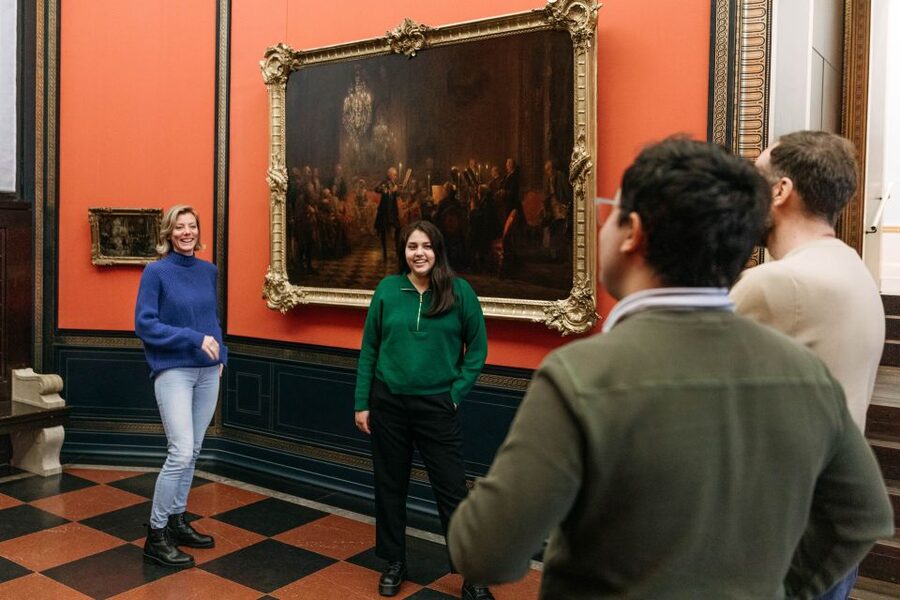
That freedom suits the collection. You can spend ten minutes with Friedrich, move quickly through a room that interests you less, and return to a painting later. Parents and mixed-interest groups may also appreciate the exhibition talks and guided tours offered for children and adults, though the ticket details do not indicate that these talks are part of the standard admission.
A first visit can work well as a focused half day, especially if you are also seeing another Museum Island collection. If you love 19th-century painting, you could use much more of the day. The important thing is not to confuse a one-day ticket with a promise that every gallery will be open for the entire day.
Price, access, and practical details
At $14 per person, this is a reasonable museum ticket for Berlin, particularly because it includes skip-the-line entry and an audio guide. The value is strongest if you already plan to visit Museum Island and want a concentrated collection rather than a general city sightseeing pass.
The ticket does not include transportation or admission to other museums on the island. You should budget separately if you want to visit several institutions. That separation can be helpful, since it lets you choose the museum that best fits your interests instead of paying for a package you may not use.
The museum is wheelchair accessible throughout, and the entire building can be reached by wheelchair. Backpacks are not allowed, so pack lightly or plan for the museum’s bag-storage arrangements. The supplied information does not specify storage details, so avoid arriving with a large daypack if you can.
Discounted tickets require appropriate identification. If you book a reduced fare, carry the document that proves your eligibility. A regular ticket is the safer choice if you cannot show the required identification.
The activity is non-refundable. That makes checking the date, time slot, and exhibition access especially important before paying. Enter within 15 minutes of your booked slot, not at some later point when your schedule happens to open up.
What could affect your experience
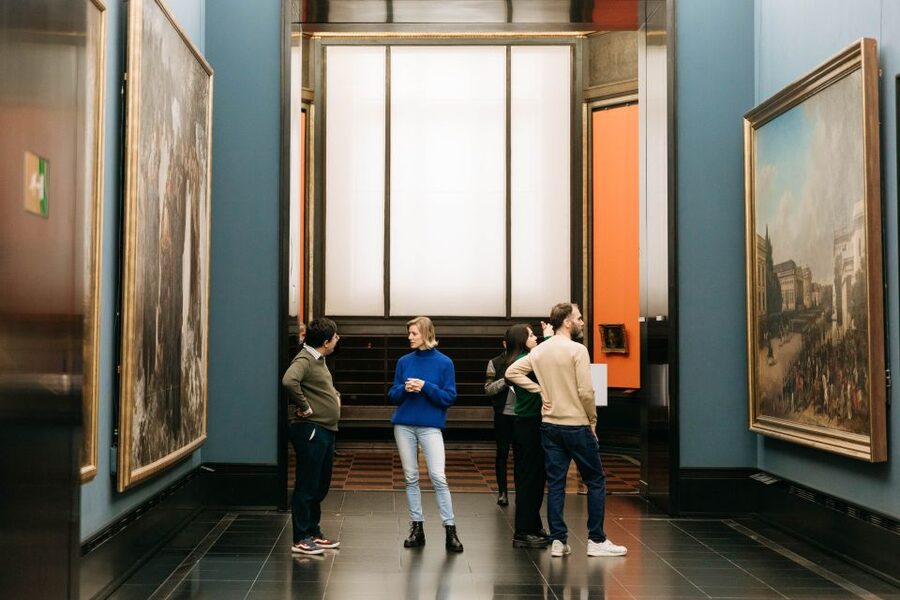
The museum receives high marks overall, with a 4.6 rating from 587 reviews, and the praise tends to focus on the collection, presentation, and atmosphere. Visitors have described the setting as beautiful and the art as well presented. One person especially enjoyed a set of self-portraits near the end, comparing their placement to the closing credits of a film.
That is a useful clue about the visit’s rhythm. The Alte Nationalgalerie does not rely only on its headline paintings. Smaller displays, exhibition posters, drawings, and sculptures can provide memorable moments between the famous works.
Temporary exhibitions may also shape what you see. A past presentation featuring Max Liebermann, Franz von Stuck, and Gustav Klimt included drawings, sculptures, and paintings linked to the Berlin Secession period from roughly 1880 to 1920. Do not assume that this exact display remains on view, but it shows how the museum can add modern visual material beyond the permanent highlights.
The main weakness is uncertainty around closed floors or galleries. One visitor would have given the museum an even higher rating if the third floor had been open. Another chose the museum mainly for the Impressionist collection and found the second floor unavailable. Before booking, check the current museum information and consider contacting the venue if one specific gallery matters most to you.
Who should book the Alte Nationalgalerie?
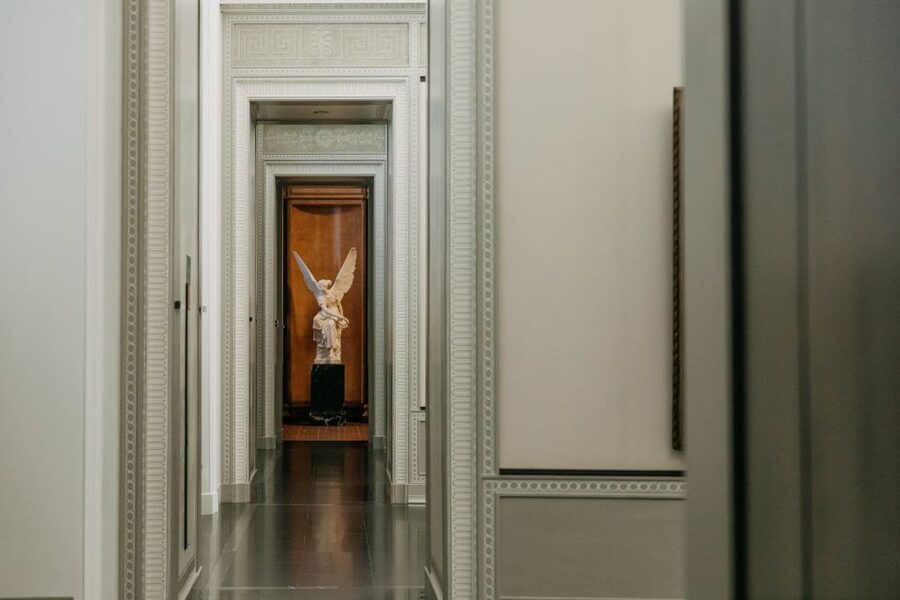
I would recommend this ticket to you if you enjoy painting, sculpture, or the story of European art from the late 18th century into early Modernity. It is also a smart choice if you want a Museum Island visit with a clear focus rather than a huge collection that leaves you exhausted.
The museum suits independent visitors. You are not tied to a guide or a fixed route, and the audio guide gives you help when you want it. Families can also benefit from the building’s variety, though younger children may prefer the museum’s scheduled child-focused talks if one is available during the visit.
I would be more cautious if your only goal is to see one particular Impressionist painting or room. The collection is broad, but gallery closures can change the balance of the visit. Check access before committing, especially because the ticket cannot be refunded.
Should you book it?
Book the Alte Nationalgalerie if you want a focused look at German and European art across several major 19th-century movements. At $14, the combination of Museum Island location, skip-the-line entry, audio guide, and major works by Friedrich, Menzel, Manet, Monet, and Renoir offers solid value.
Go with realistic expectations. The museum is not a guided tour with a live expert, transportation, or admission to the rest of Museum Island. It is a self-directed art visit in a grand building, and its success depends partly on which rooms are open. Check the display conditions, arrive on time, leave your backpack behind, and choose a few works to study rather than racing through every gallery.
FAQ
Where does the Alte Nationalgalerie experience begin?
It begins at the visitor entrance of the Alte Nationalgalerie on Bodestraße, 10178 Berlin.
Where does the visit end?
The activity ends back at the Alte Nationalgalerie meeting point.
How much does admission cost?
The listed price is $14 per person.
How long is the ticket valid?
The ticket is valid for one day. You must still enter within 15 minutes of the booked time slot.
Does the ticket include an audio guide?
Yes. An audio guide is included with the Alte Nationalgalerie ticket.
Does the ticket include other Museum Island museums?
No. The ticket covers the Alte Nationalgalerie only. Transportation and tickets to other museums on the island are not included.
Is the ticket refundable?
No. The activity is non-refundable.
Are backpacks allowed inside?
No. Backpacks are not allowed.
Is the museum wheelchair accessible?
Yes. The entire building is wheelchair accessible.
Just added around Germany
- Private Walking Tour in Berlin: Hitler’s Germany & WWII★ 5.0 · 7 reviews
- The History of Berlin: WWII PRIVATE Walking Tour With Locals★ 5.0 · 209 reviews
- Private Berlin WWII and Cold War History Tour with Local Expert Guide★ 5.0 · 28 reviews
- Private Walking Tour Berlin 3 hours: Brandenburg, Historic Center★ 5.0 · 7 reviews
- Berlin: Private Bike Tour of the Berlin Wall and Third Reich★ 5.0 · 23 reviews
- Berlin Photography Masterclass – Private Photography Lesson★ 4.5 · 23 reviews
- Group Driving Tour 1 to 6 people. Berlin Shore Excursion incl pick-up at Port★ 5.0 · 8 reviews
- Berlin: Guided Private Bike Tour to Explore the Highlights★ 5.0 · 12 reviews