
Reviewed · MUSEUMS
Berlin: Jewish Museum Berlin Entrance Ticket
Berlin’s strangest museum may be its most moving. The Jewish Museum Berlin brings together centuries of Jewish life in Germany, religious customs, art, family stories, and the Holocaust, all within Daniel Libeskind’s sharp, zigzag building. I especially like the way the architecture carries meaning, and I appreciate that the museum presents Jewish life beyond Nazi persecution. The main drawback is that the building and displays can feel confusing at first, so you need time and patience to follow the route.
The museum is free to enter, which makes its two-hour visit one of Berlin’s strongest cultural bargains. Bring your own headphones for the museum app, allow closer to two and a half hours if you want to read carefully, and do not plan this as a quick stop between other sights.
In This Review
- Key points to know before you go
- Arriving in Kreuzberg and entering the museum
- Daniel Libeskind’s zigzag building tells its own story
- The underground paths and the three symbolic axes
- Jewish life in Germany beyond the Holocaust
- Modern Jewish women and the exhibition Defiance
- Inventories and the legacy of Salman Schocken
- Using the museum app instead of rushing through
- How long should you plan for?
- The value of a free museum visit
- Who will appreciate this museum most?
- Should you book the Jewish Museum Berlin?
- FAQ
- How much does admission to the Jewish Museum Berlin cost?
- How long does a visit usually take?
- What are the opening hours?
- Should I bring headphones?
- Is the museum wheelchair accessible?
- What is included with the ticket?
- Can I visit the Berlinische Galerie with this ticket?
Key points to know before you go
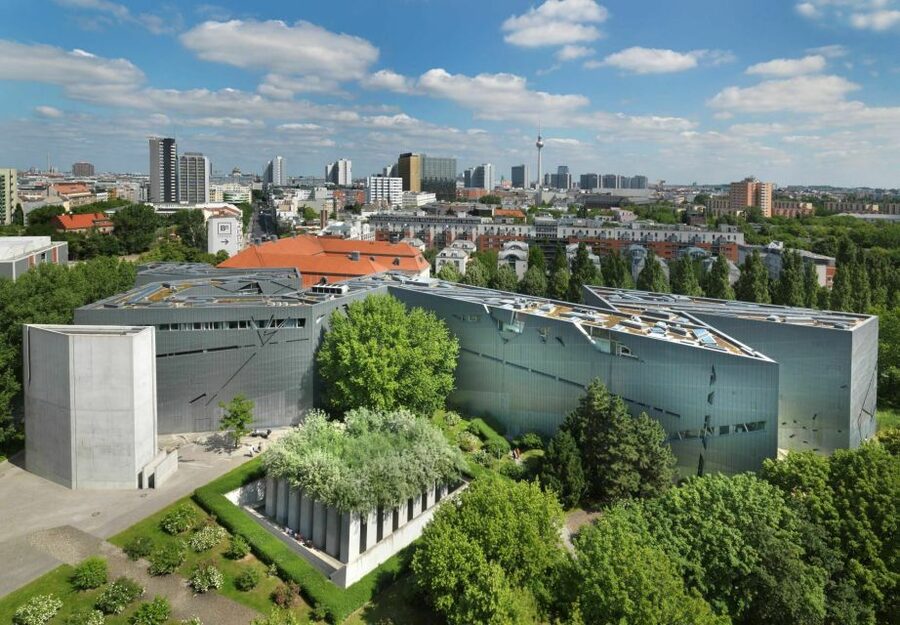
- Libeskind’s building is part of the exhibition: Slanted walls, empty spaces, narrow passages, and sharp angles create a physical sense of uncertainty and loss.
- The story begins long before the Holocaust: You learn about Jewish customs, food laws, Shabbat, holidays, family life, work, art, and Jewish communities in Germany across many centuries.
- The Holocaust Tower and Memory Void are powerful stops: The cold, empty spaces and the Shalekhet installation can be difficult, but they are central to understanding the museum.
- Admission is free: The main visit costs nothing, though food, transport, parking, and optional audio equipment are not included.
- Bring headphones and allow extra time: The museum app offers audio content, while the full route can take two to three hours or more.
Arriving in Kreuzberg and entering the museum
The Jewish Museum is in central Berlin’s Kreuzberg district, within walking distance of Checkpoint Charlie. That makes it easy to pair with a day focused on Berlin’s twentieth-century history, though I would avoid squeezing it into a packed schedule. The museum asks you to allow around two hours, and that is a sensible minimum.
Your ticket provides admission and skip-the-line access. The experience provider lists the price as free, making this unusual among major Berlin museums. You still need to check available entry times, since the activity operates during the museum’s opening hours of 10am to 6pm.
The museum is wheelchair accessible. Even so, the building’s unusual design includes sloping floors, stairs, and changes in level, so visitors with limited mobility should ask staff about the easiest route. One practical nuisance is storage: a review notes that you may need a euro coin for the lockers if you bring a large bag.
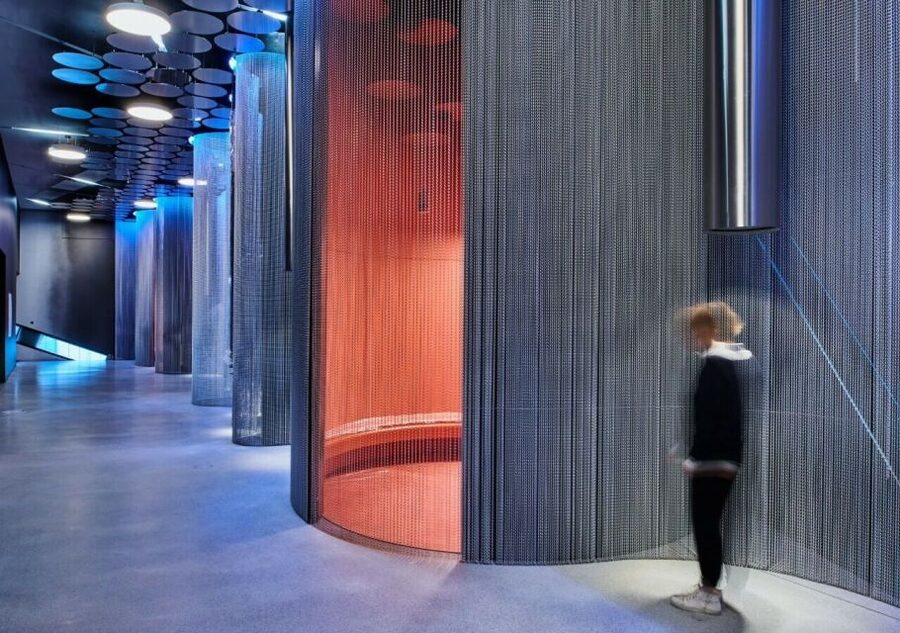
Set aside time for security, collecting your bearings, and getting the app ready. The first few minutes can feel less like entering a normal museum and more like finding your way through a piece of modern art.
A few more Germany trips worth comparing
- Dresden: Semperoper Tickets and Guided Tour
★ 4.7 · 12,102 reviews - Berlin: Berlin Story Bunker Entry Ticket
★ 4.6 · 6,759 reviews - Hamburg: Hamburg Dungeon Admission Ticket
★ 4.7 · 5,745 reviews
Daniel Libeskind’s zigzag building tells its own story
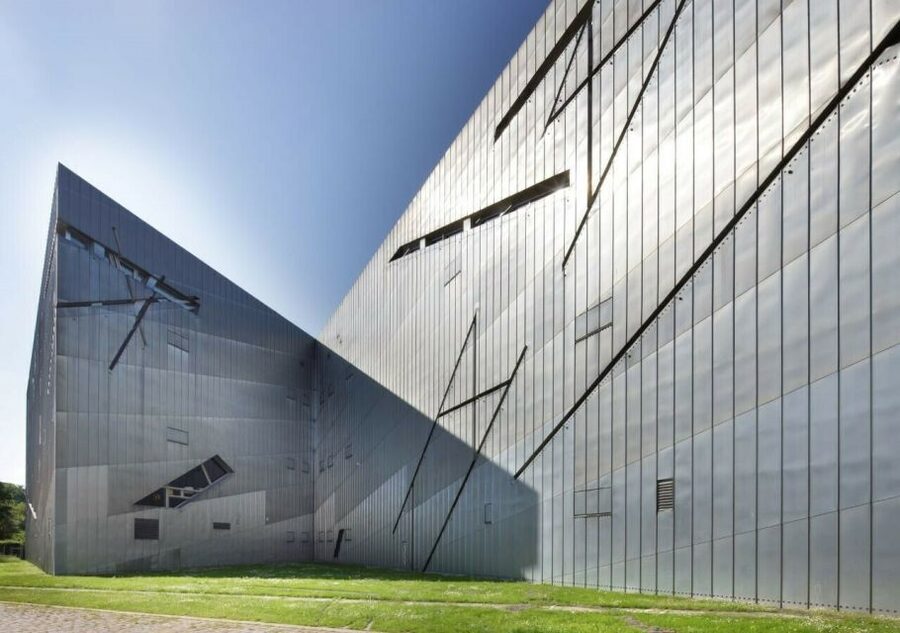
The building designed by Daniel Libeskind is the first major reason to visit. Its exterior looks like a jagged silver bolt, marked by irregular windows and angled lines. Inside, the plan refuses the usual museum grid of straight corridors and clearly labeled rooms.
That disorientation is deliberate. The building uses slanting walls, sudden turns, empty spaces called voids, and hard contrasts between light and shadow. You do not simply read about absence, interruption, and uncertainty. You feel those ideas in your body as you walk.
The architecture does not replace the displays, but it changes how you receive them. A quiet object or family photograph can feel more intense when it appears beside an enormous empty shaft or at the end of a narrow passage. You may find the design more memorable than any single display, especially if you enjoy architecture.
The trade-off is that the layout is not always easy to follow. It is possible to miss a room or wonder which direction the route continues. I recommend checking the floor plan early instead of assuming that every corridor leads naturally to the next part of the story.
The underground paths and the three symbolic axes
Much of the building’s meaning becomes clear in the underground area. Three intersecting routes, often described as axes, lead toward different parts of the museum experience. The spaces are stark, quiet, and intentionally unlike ordinary gallery rooms.
The Axis of Exile leads toward the Garden of Exile. The garden’s tilted ground and leaning concrete columns create an unstable walk. It represents the uncertainty of being forced away from home, and the physical discomfort is part of the point.
The Holocaust Tower is another major stop. It is a tall, empty concrete chamber with little warmth and limited light. The experience is short, but the cold silence and sense of separation can stay with you. It is not a conventional exhibit packed with text. The room asks you to sit with the feeling of absence.
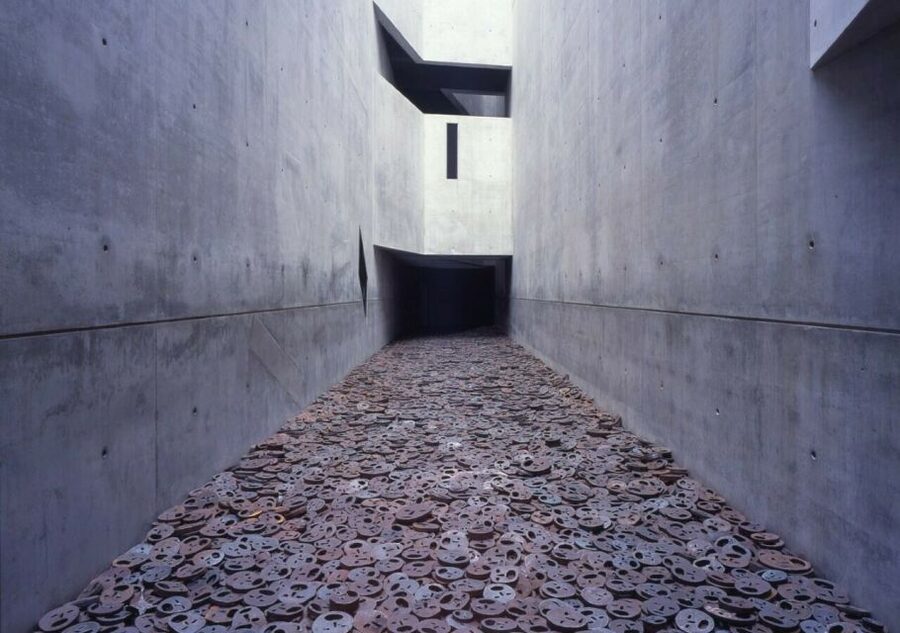
The Memory Void contains Menashe Kadishman’s Shalekhet, or Fallen Leaves. Thousands of metal faces cover the floor. Walking across them creates an unsettling sound, so the installation is not only something you see. It is something you hear and feel underfoot.
These spaces can be upsetting, especially for children or anyone who has already spent a long day with Holocaust memorials. You can move through them at your own pace, and there is no need to force yourself to linger. The museum is serious, but it is not designed to shock for easy effect.
Jewish life in Germany beyond the Holocaust
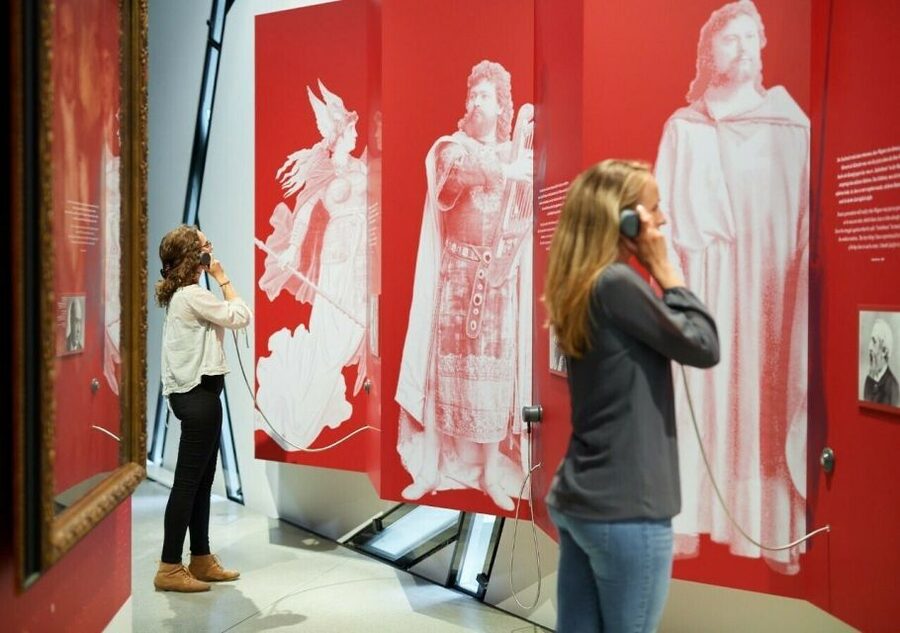
One of the museum’s greatest strengths is its wide time span. The story reaches from the Middle Ages to the present, showing Jewish communities as active parts of German society rather than treating Jewish history as only a story of persecution.
You can learn about religious practice and daily customs, including kosher food laws, Shabbat, Jewish holidays, and other elements of Jewish life. These details matter because they give you a sense of how people organized their homes, calendars, meals, celebrations, and community ties.
The collection includes everyday objects as well as art. That mix is useful. A painting can show public identity or artistic ambition, while a domestic object can reveal how belief and tradition worked in ordinary life.
Interactive stations, films, audio pieces, photographs, and personal accounts add different voices to the displays. You might spend several minutes on a single memoir or video, then move to an object that explains a custom you have just encountered.
This section also helps prevent a common misunderstanding about Jewish history in Germany. Jewish people were not simply a separate group passing through German history. They worked, designed, published, built businesses, made art, raised families, and shaped the country’s cultural life.
More Museums in Germany:
- Berlin: DDR Museum Tickets
★ 4.3 · 3,443 reviews - Berlin: Natural History Museum Entrance Ticket
★ 4.6 · 3,382 reviews - Berlin: Neues Museum Entry Ticket
★ 4.6 · 3,261 reviews - Cologne: Chocolate Museum Entrance Ticket
★ 4.4 · 2,790 reviews
Modern Jewish women and the exhibition Defiance
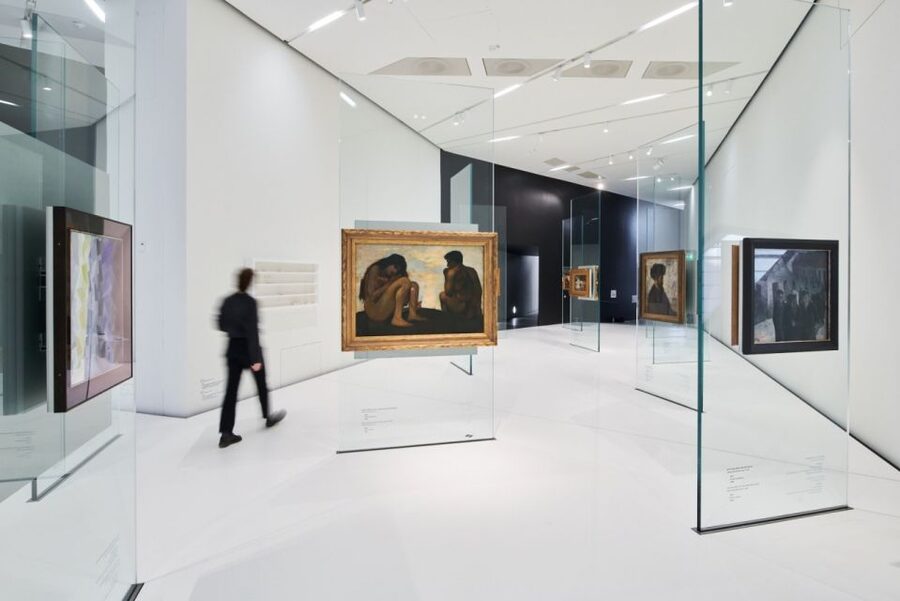
The exhibition Defiance: Jewish Women and Design in the Modern Era focuses on Jewish women designers in Germany during the early twentieth century. It presents more than sixty designers and examines how they faced exclusion as women, as Jews, and as artists.
The range of work is broad. You may encounter goldsmithing, textiles, ceramics, wood carving, fashion, and graphic design. That variety makes the exhibition especially useful for visitors who think of design as decoration rather than as a force connected to work, business, social change, and public identity.
The exhibition also follows what happened when the Nazi regime destroyed these careers and lives. Some women escaped and began again elsewhere. Many, however, were left out of the usual story of German art and design for decades.
The show is scheduled for July 11 through November 23, 2025. Exhibition dates can change, so check the current program before you visit. Bring headphones, since audio and video elements are part of the museum experience and your own pair is more convenient than relying on equipment on site.
Inventories and the legacy of Salman Schocken
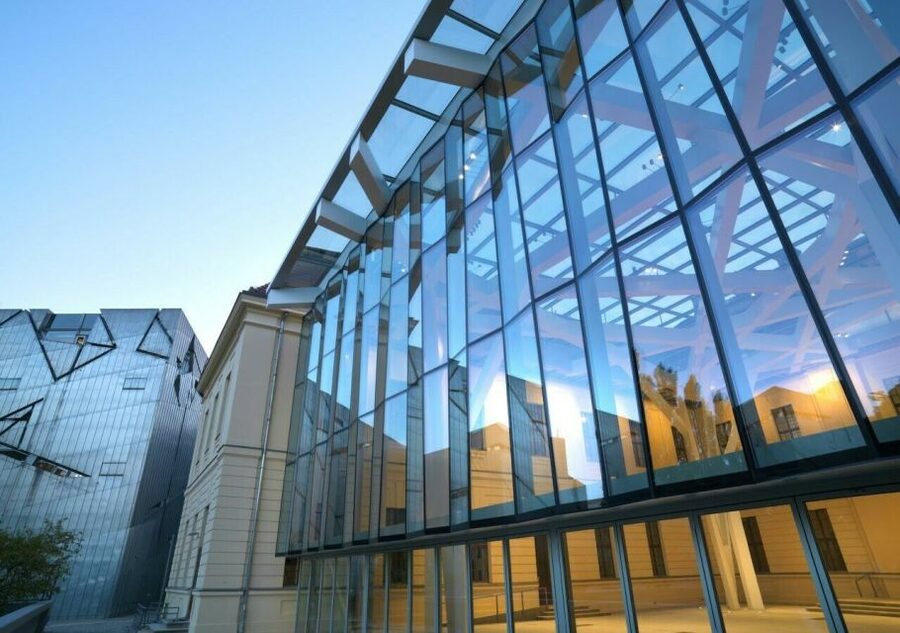
The exhibition Inventories: The Legacy of Salman Schocken takes a different approach. US author Joshua Cohen explores the cultural legacy of Salman Schocken, a publisher and department-store entrepreneur, through books and objects from the museum’s collection.
The subject opens questions about publishing, department stores, museums, money, collecting, and belonging. Rather than presenting Schocken as a simple biography, the exhibition uses his story to ask how objects and ideas move from one owner or institution to another.
Admission to this exhibition is free. Its value will depend partly on your interest in books, collecting, publishing, and the links between culture and business. It offers a change of pace after the more emotionally heavy historical displays.
Using the museum app instead of rushing through
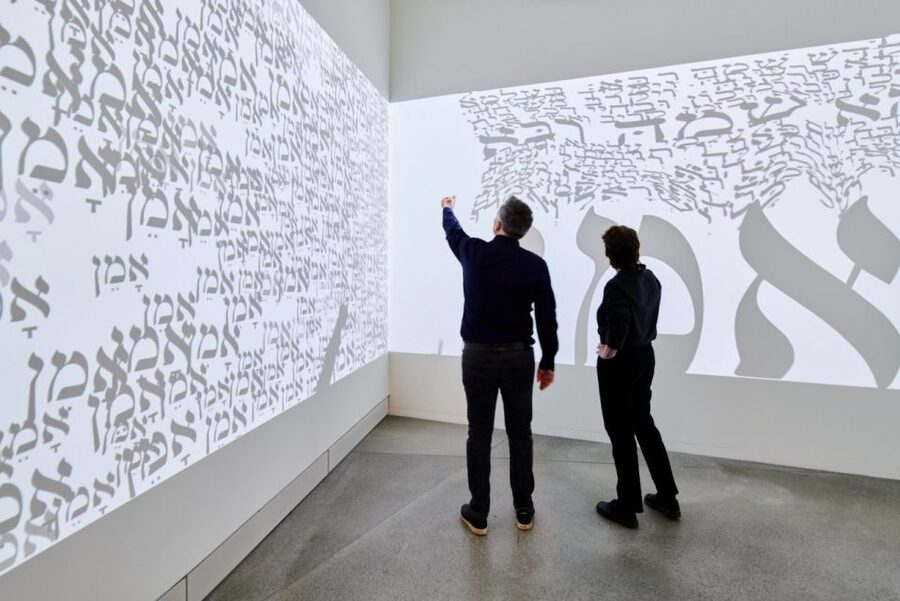
The free museum app is included as a download. It offers audio-guided routes, including one of about 60 minutes and a longer option of at least 90 minutes. You can also select individual objects or displays instead of following a fixed program.
I like this flexibility. If you have only two hours, choose the longer route selectively and skip material that does not hold your attention. If you have a full afternoon, use the app to slow down and explore the pieces that raise questions.
Your own headphones are important. They make the audio easier to hear and avoid holding your phone to your ear throughout the visit. One visitor paid 5 euros for headphones and felt the added commentary was worth it, but bringing your own avoids that extra cost.
Do not assume that the app will solve every navigation problem. Signage inside can be limited, and the building’s design makes orientation part of the challenge. I suggest taking a quick look at the route map, then treating the app as a guide rather than a strict command.
How long should you plan for?
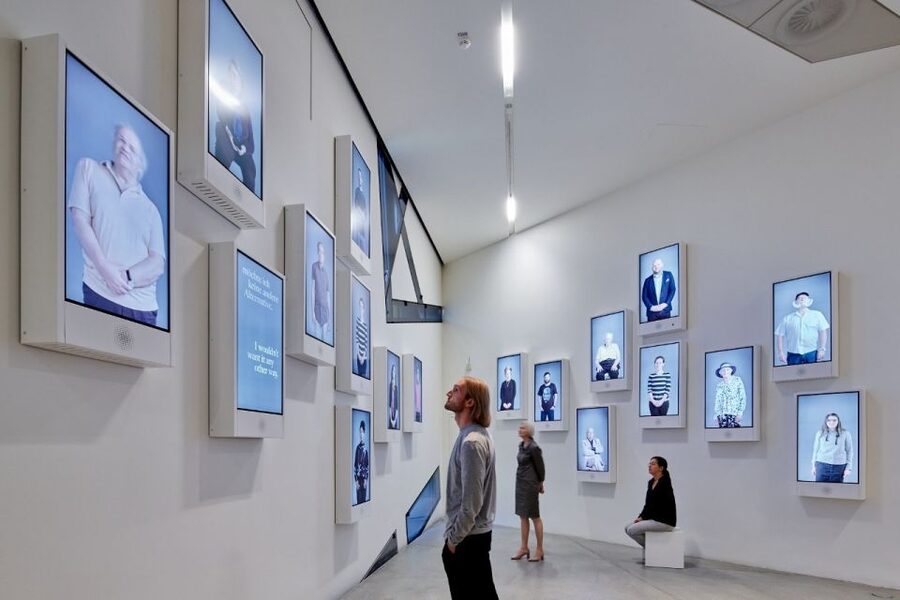
Two hours is the average visit, but it is a tight schedule if you want to read labels, watch films, use the audio route, and visit every major space. Two and a half hours is more comfortable. Three hours is realistic for a careful visit, and some people could spend most of a day here.
A useful plan looks like this:
- Allow 15 to 20 minutes for entry, lockers, and getting the app ready.
- Spend 30 to 45 minutes with the underground architecture and symbolic spaces.
- Allow at least 60 minutes for the main historical displays.
- Keep 30 minutes or more for special exhibitions, films, and personal stories.
The museum closes at 6pm, so do not arrive late in the afternoon expecting a quick look around. If you enter at 4pm, you may see the building and a few key areas, but you will not get the full experience.
The café is a pleasant place to pause after the displays. It is especially useful because the visit can be mentally tiring, even when you are moving at a brisk pace. Food and drinks are not included in admission.
The value of a free museum visit
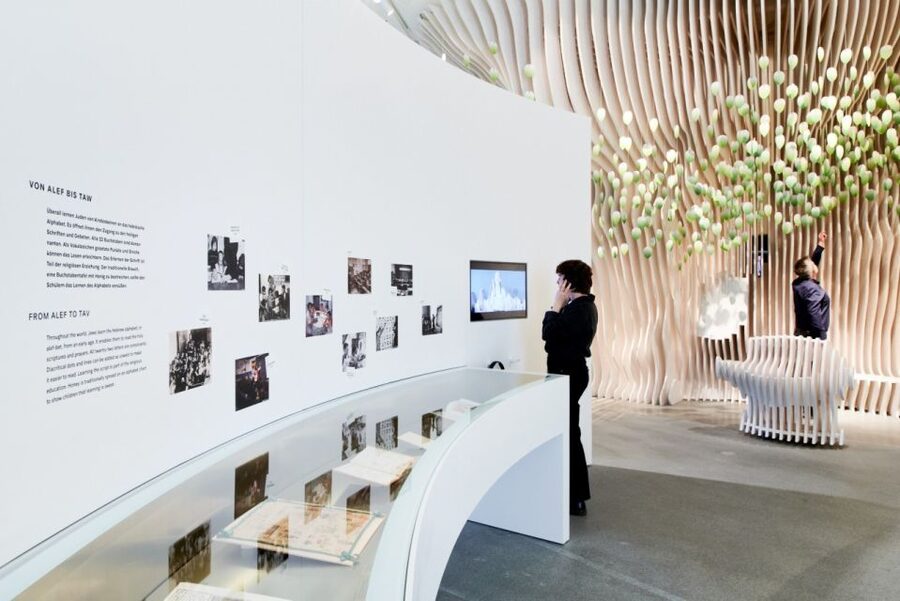
At a zero admission price, this is exceptional value for Berlin. You receive access to major architectural spaces, permanent displays, interactive stations, and special exhibitions without paying an entrance fee.
Free entry also changes how you can plan the day. You do not need to feel that every minute must be spent inside. You can visit for an hour, take a break in Kreuzberg, and return to the museum if your ticket arrangement allows it. Still, the building and collection deserve more than a short stop.
Budget for optional costs. Food, drinks, parking, transport, and any paid headphone option are not included. The museum also welcomes donations, and giving a few euros is a sensible way to support a place that offers such substantial access without an entrance charge.
A reduced-rate admission offer is available for the neighboring Berlinische Galerie on the day of your Jewish Museum visit and the following two days. The gallery is about a five-minute walk away, so art lovers can make a useful pairing without much extra travel.
Who will appreciate this museum most?
I recommend the museum to anyone interested in German history, Jewish culture, architecture, design, religion, or twentieth-century Europe. It is also a strong choice if you want a serious museum that does not reduce Jewish life to the Holocaust alone.
The museum can work for families, especially when children are ready for difficult historical subjects and symbolic spaces. The interactive elements help, but the Holocaust sections are not light entertainment. Parents should decide how much of the material suits their children.
Architecture fans should visit even if the subject is outside their usual interests. The building alone gives you a reason to enter, while the displays explain why its empty spaces and broken lines matter.
If you are tired of museums, this may feel demanding. There is a lot of text, the route can be unclear, and the subject is often painful. You will get more from it if you visit earlier in the day, wear comfortable shoes, and leave room for quiet reflection afterward.
Should you book the Jewish Museum Berlin?
Yes, if you want a serious, thoughtful Berlin museum with free admission and an architectural setting unlike any other major museum in the city. I would book a time slot, bring headphones, and reserve at least two hours, preferably two and a half.
This is not the right choice for a quick, cheerful attraction or a museum you can absorb in twenty minutes. It asks for attention, and some parts may leave you sad or unsettled. But the balance of religious life, family stories, design, art, persecution, and present-day Jewish culture makes the visit worthwhile.
Make it a priority if you are already visiting Checkpoint Charlie or the Topography of Terror. Just do not treat it as another box to tick. Follow the floor plan, pause in the symbolic spaces, and give the ordinary objects the same attention as the dramatic architecture.
FAQ
How much does admission to the Jewish Museum Berlin cost?
The entrance ticket is listed as free, with no admission charge for the museum and the named special exhibitions.
How long does a visit usually take?
The average visit takes about two hours. You may need two and a half to three hours if you want to follow the audio route, read the displays, and see the special exhibitions.
What are the opening hours?
The museum is open from 10am to 6pm and closes at 6pm.
Should I bring headphones?
Yes. Headphones are recommended for the museum app and its audio content. You can choose individual displays or follow audio routes of about 60 minutes or at least 90 minutes.
Is the museum wheelchair accessible?
Yes, the museum is wheelchair accessible. The building does include sloping floors and stairs, so ask staff for route advice if needed.
What is included with the ticket?
The ticket includes entrance to the museum and a free download of the museum app.
Can I visit the Berlinische Galerie with this ticket?
Your Jewish Museum ticket makes you eligible for reduced-rate admission to the neighboring Berlinische Galerie on the day of your museum visit and the two following days. The gallery is about a five-minute walk away.
Just added around Germany
- Private Walking Tour in Berlin: Hitler’s Germany & WWII★ 5.0 · 7 reviews
- The History of Berlin: WWII PRIVATE Walking Tour With Locals★ 5.0 · 209 reviews
- Private Berlin WWII and Cold War History Tour with Local Expert Guide★ 5.0 · 28 reviews
- Private Walking Tour Berlin 3 hours: Brandenburg, Historic Center★ 5.0 · 7 reviews
- Berlin: Private Bike Tour of the Berlin Wall and Third Reich★ 5.0 · 23 reviews
- Berlin: Guided Private Bike Tour to Explore the Highlights★ 5.0 · 12 reviews
- Berlin Photography Masterclass – Private Photography Lesson★ 4.5 · 23 reviews
- Group Driving Tour 1 to 6 people. Berlin Shore Excursion incl pick-up at Port★ 5.0 · 8 reviews
Museums, compared.



Skip-the-Line: Berlin Wall Museum at Checkpoint Charlie
Read our review →
Browse the lists this tour appears in