
Reviewed · MUSEUMS
Berlin: DDR Museum Tickets
The past is waiting in the cupboards. Berlin’s DDR Museum turns East German history into something you can touch, hear, smell, and explore, rather than simply read about. I love the reconstructed apartments, where everyday objects make the period feel personal, and I love the interactive Trabant simulator, which adds a bit of fun to a serious subject. The main drawback is crowding, since the compact displays can be hard to read at peak times.
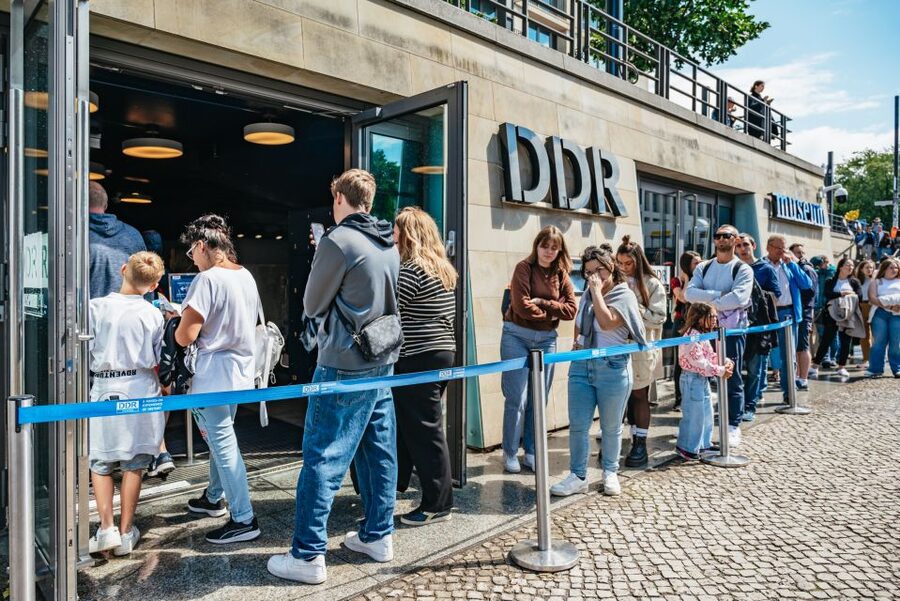
Set on the Spree opposite Berlin Cathedral, this is an easy museum to add to a central Berlin day. You can open drawers, switch on a television, inspect a wall cupboard, sit in a cinema stall, and study the practical details of life under the DDR regime. There is a lot to read, so allow at least 1.5 hours if you want a quick visit, and closer to two or three hours if you stop for everything.
In This Review
- Key Things to Know Before You Go
- Why the DDR Museum Feels Different
- Starting With the Reconstructed DDR Apartment
- Turning the Key in an Original Trabant
- Television, Cinema, and Lipsi
- How Much Information Is There to Read?
- Crowds, Comfort, and the Best Time to Visit
- Is the 15 Dollar Ticket Good Value?
- Who Will Enjoy This Museum Most?
- A Practical Visit Plan
- Should You Book the DDR Museum?
- FAQ
- Where is the DDR Museum located?
- How much does admission cost?
- How long is the DDR Museum ticket valid?
- How long should I allow for a visit?
- Is a museum guide included?
- Can I visit the museum in English?
- What are the museum’s opening hours?
- Are young children admitted free?
- Are pets allowed inside?
- Can I cancel my booking?
Key Things to Know Before You Go
- Touch the past: Open cupboards, pull out drawers, smell spices, and inspect authentic household goods.
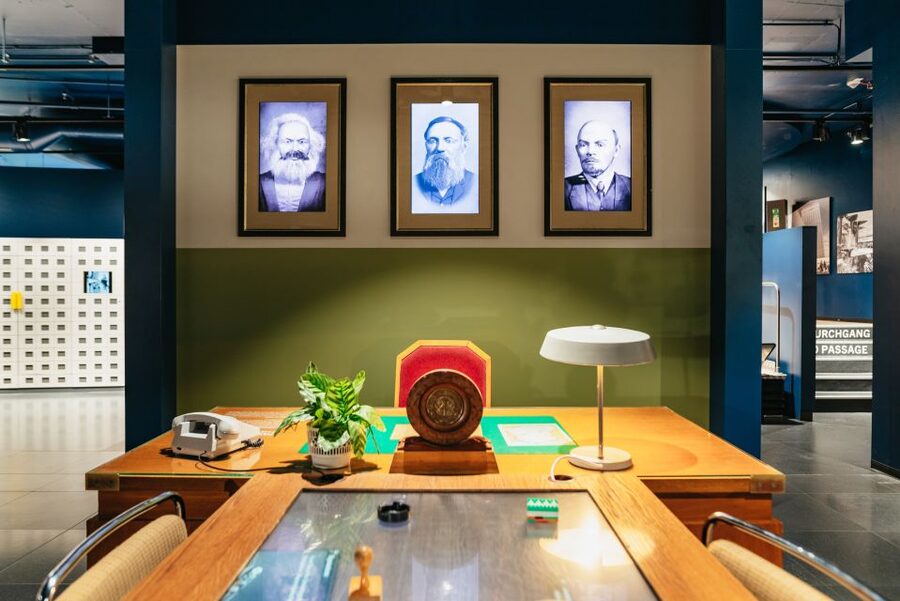
- Step inside a DDR apartment: Reconstructed rooms show how ordinary East German homes looked and functioned.
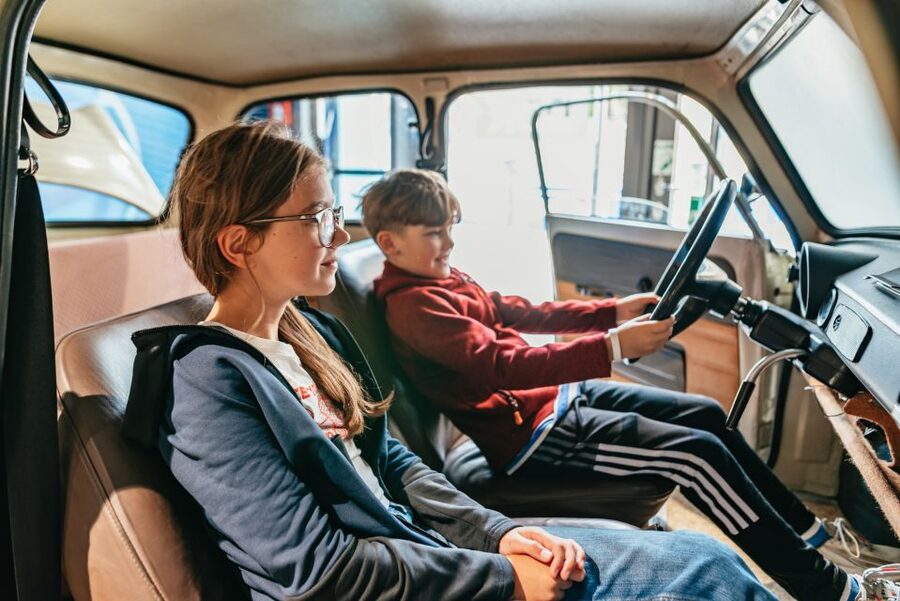
- Drive a Trabant: The original car and simulated journey through prefabricated districts are a major hit, especially with children.
- Plan around crowds: The museum is popular, and narrow areas can feel crowded on wet days and Saturdays.
- Allow enough time: A quick visit takes about 1.5 hours, while careful readers may spend two or three hours.
- Good central location: The entrance is beside the Spree, opposite Berlin Cathedral, making it easy to pair with other sights.
Why the DDR Museum Feels Different
Many museums ask you to keep your hands behind your back. The DDR Museum does the opposite. Its central idea is that daily life becomes easier to understand when you can handle the objects people used.
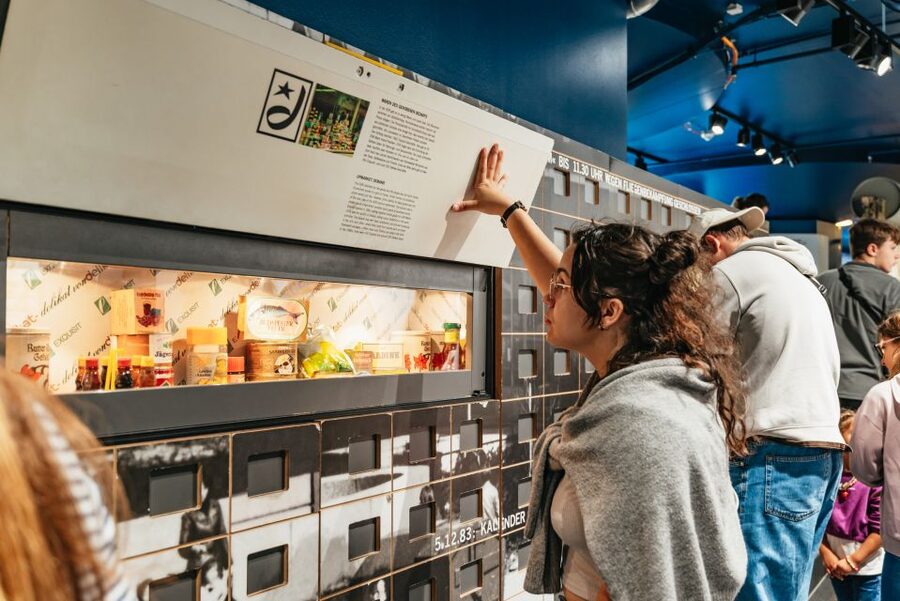
You can pull open a kitchen drawer, inspect a cupboard, and look at the contents of a typical living space. You may find yourself paying as much attention to pressure cookers, spices, furniture, and household goods as to political displays. That is the point. Big political events affected ordinary routines, shopping, housing, work, entertainment, and family life.
The museum focuses on East Germany, known in German as the DDR and in English as the GDR. It presents life under the communist regime through a mixture of original objects, room reconstructions, films, photographs, and interactive features.
I like this approach because it gives you a sense of scale. You are not only learning about government and borders. You are seeing what people had in their homes, how they spent leisure time, and what a normal evening might have looked like.
The setting also helps. The entrance sits on the bank of the Spree, directly opposite Berlin Cathedral. You are in the heart of Berlin, but the exhibition takes you into a very different chapter of the city’s past.
A few more Germany trips worth comparing
- Dresden: Semperoper Tickets and Guided Tour
★ 4.7 · 12,102 reviews - Berlin: Jewish Museum Berlin Entrance Ticket
★ 4.5 · 8,393 reviews - Berlin: Berlin Story Bunker Entry Ticket
★ 4.6 · 6,759 reviews
Starting With the Reconstructed DDR Apartment
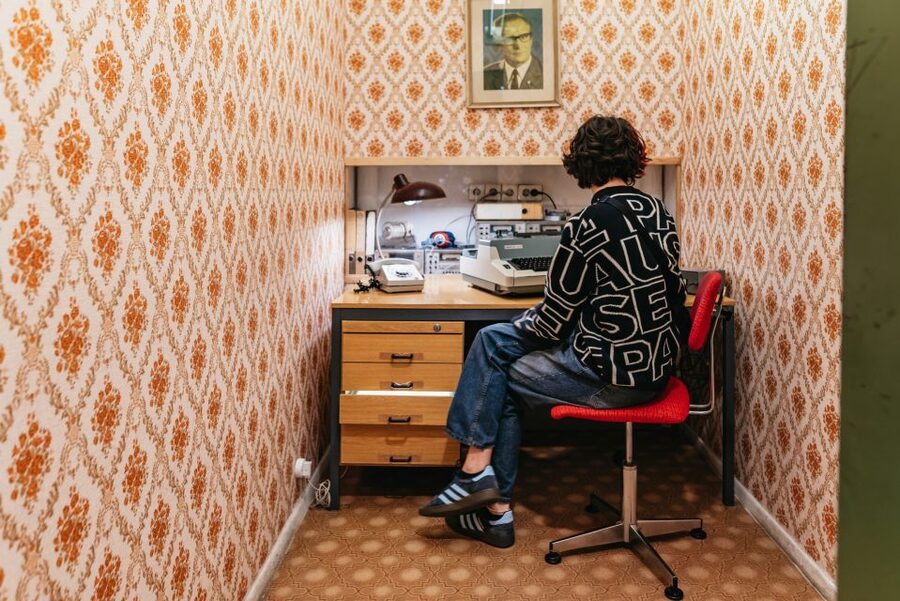
The apartment display is the museum’s strongest section for many people. Instead of viewing furniture behind glass, you walk through rooms arranged as a typical East German home.
The details do much of the work. A television sits in a living room. A Karat wall cupboard recalls the furniture style associated with the DDR. In the kitchen, you can see a pressure cooker on the stove and spices on a shelf. These are small things, but they make the story easier to picture.
You can turn on the television and browse the contents of cupboards and drawers. This gives the display a domestic, almost nosy quality. You are not simply being told how people lived. You are checking the shelves yourself.
That hands-on design is especially useful if you are visiting with children or teenagers. Younger visitors may not read every information panel, but they can understand a room by looking inside it. The apartment also helps older visitors connect the political material with memories of family homes and familiar household products.
The room can feel gloomy, depending on your reaction to the furnishings and the period being shown. One section includes a former East German prison cell, which brings the limits on personal freedom into sharper focus. It is a useful reminder that the museum is not presenting the DDR as a harmless retro design show.
Take your time here. The apartment is easy to rush through because it looks like a set, but the objects carry much of the meaning. Open the drawers, read the nearby panels, and compare the different rooms before moving on.
Turning the Key in an Original Trabant
The Trabant is the museum’s most playful feature. You can climb into an original car, turn the ignition, and take part in a simulated drive.
The experience recreates a journey through prefabricated districts, accompanied by the familiar sounds of a Trabant. You remain inside the museum, but the simulator gives the car a sense of movement and makes the vehicle more than a static exhibit.
I would make this a priority early in your visit if you are coming with children. It is also enjoyable for adults, especially if you have an interest in cars or twentieth-century European life. The experience gives you a direct feel for one of the most recognizable objects connected with East Germany.
The Trabant also works as a teaching tool. It helps explain the look and feel of planned residential districts, where large prefabricated housing areas shaped daily life. You do not need technical knowledge to enjoy it. The sound effects and simple controls are enough.
Because the museum can become crowded, you may need patience around the car. If a group is waiting, explore another section first and return later. That flexible approach works well because the museum does not force you to follow one fixed route.
Television, Cinema, and Lipsi
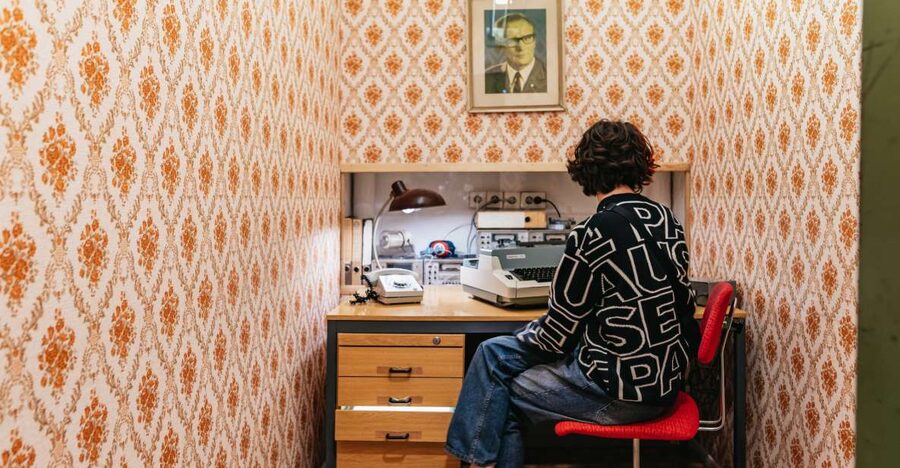
The museum does not limit itself to furniture and political information. It also shows how people spent their leisure time.
You can sit in an original cinema stall and watch news reports. This places you in the audience rather than at a distance from the material. News is not just a paragraph on a wall. It becomes part of the public experience of the period.
Another display introduces Lipsi, East Germany’s answer to rock and roll. You can dance to it and get a sense of the culture surrounding music and entertainment. This section brings some movement into an exhibition that otherwise asks you to read and observe.
These features help balance the heavier material. The museum shows that life was not made up only of political restrictions and shortages. People also watched television, listened to music, furnished their homes, raised children, and found ways to enjoy themselves.
That balance matters. The exhibition gives you a small insight into ordinary life without losing sight of the political system behind it. You can enjoy the interactive displays, but the prison cell, news reports, and explanations of state control keep the visit from becoming simple nostalgia.
More Museums in Germany:
- Berlin: Natural History Museum Entrance Ticket
★ 4.6 · 3,382 reviews - Berlin: Neues Museum Entry Ticket
★ 4.6 · 3,261 reviews - Cologne: Chocolate Museum Entrance Ticket
★ 4.4 · 2,790 reviews - Dresden: Church of Our Lady Guided Tour of Gallery
★ 4.7 · 2,421 reviews
How Much Information Is There to Read?
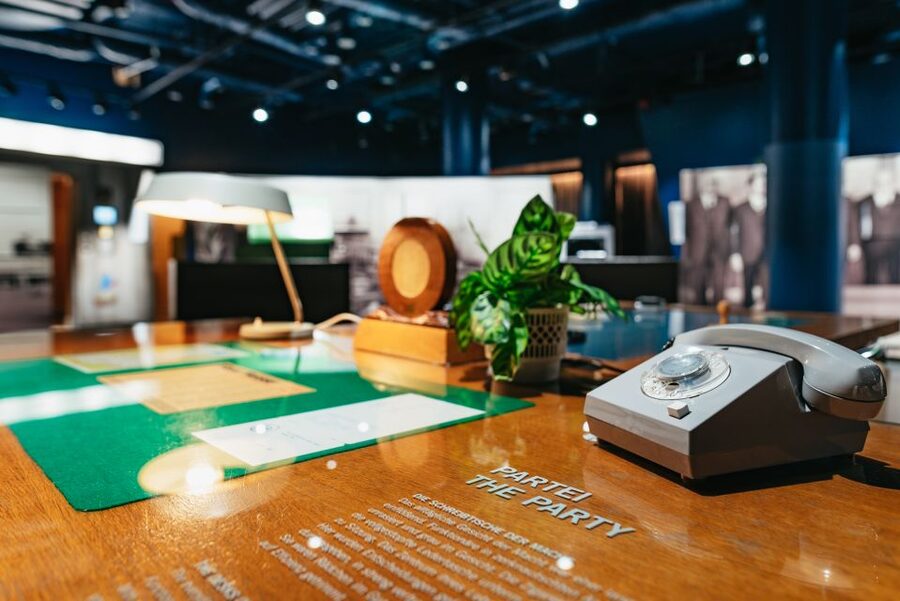
There is a substantial amount of written material. The panels are described as clear and easy to digest, but you will still need to read if you want the full picture.
A quick visit of around 1.5 hours gives you time to see the main rooms and try several interactive exhibits. If you read every panel and pause at the films, you might spend two hours or more. One family spent about three hours and still found the visit enjoyable.
The information covers daily life as well as the politics surrounding it. That makes the museum more useful than a display of old products alone. You can connect the objects to the larger system that shaped access to housing, entertainment, consumer goods, and personal freedom.
There is no museum guide included with admission. You should therefore expect to make your own way through the displays and use the written information provided inside. An audio guide was suggested as a possible improvement in one assessment, so visitors who prefer spoken explanations should keep that in mind.
The museum is presented in German and English, which helps English-speaking visitors follow the content. Even so, reading takes time, and the museum is not a quick photo stop.
Crowds, Comfort, and the Best Time to Visit
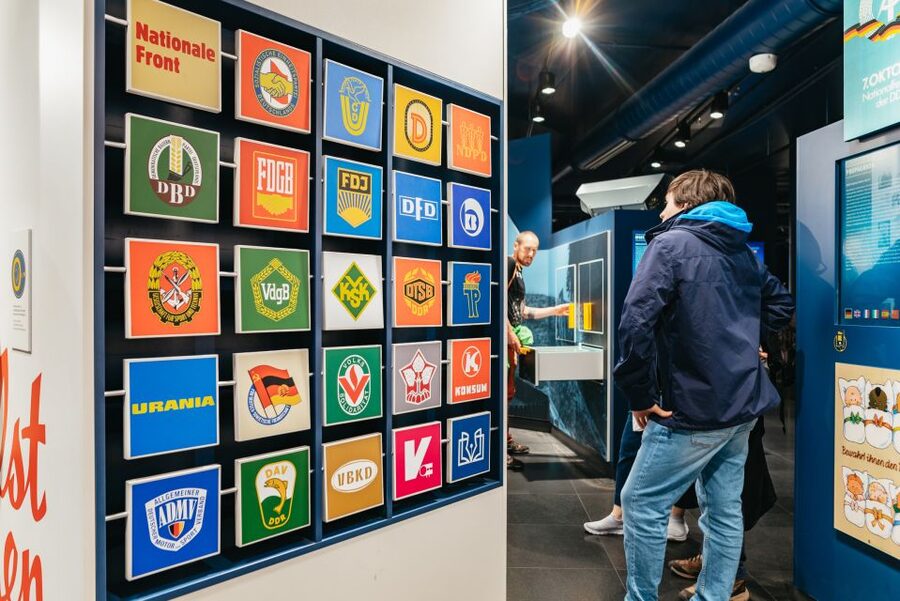
The DDR Museum is open daily from 9 a.m. to 9 p.m., except on December 24 and December 31, when it closes at 4 p.m. Those long hours give you a useful chance to avoid the busiest part of the day.
I would aim for the first part of the morning or a later evening visit if your schedule allows. Saturdays and rainy days can be particularly busy. Several sections are compact, and a crowd gathered around a display can make it difficult to read the panels or see inside the rooms.
The museum is self-paced, which is a real advantage. You can move to another section when one area is full, then return later. There is no required route, so you do not have to wait for an entire group to move along.
Expect to spend much of the visit standing. One assessment specifically noted that the museum was tiring after a long day. If your legs are already worn out from sightseeing, visit earlier rather than treating this as a late stop.
The period furniture can also feel dusty, since many displays use furnishings from the 1970s. That is not a major issue for most people, but it is worth knowing if you prefer polished, modern museum interiors.
Pets are not allowed. Children up to age five enter free.
Is the 15 Dollar Ticket Good Value?
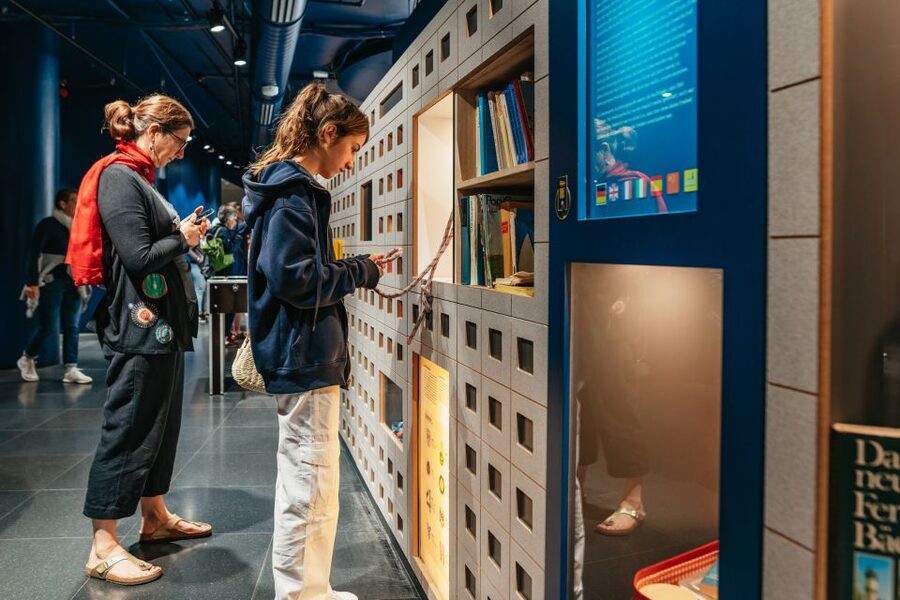
At $15 per person, the ticket is fairly priced for a central Berlin museum that can occupy 1.5 to three hours. The value comes from the number of things you can do, not only the amount of material on display.
You are getting access to reconstructed rooms, original objects, films, music, a cinema setting, and the Trabant simulator. The interactive design also makes the visit work for a mixed-age group, so parents do not have to choose between an educational stop and something children will enjoy.
The price feels strongest when you have enough time to read and explore. If you only have 30 minutes, you will see the style of the exhibition but miss much of its content. I would budget at least 90 minutes and preferably two hours.
Admission is valid for one day. You can reserve now and pay later, and cancellation is free up to 24 hours in advance for a full refund. Those terms are useful if your Berlin schedule depends on weather or changing plans.
The museum does not include a guide, so the ticket is best for independent visitors. If you want a guided explanation throughout, this admission does not provide that.
Who Will Enjoy This Museum Most?
I would recommend the DDR Museum to first-time Berlin visitors who want more than the headline story of the Berlin Wall. It shows how the division affected home life and ordinary routines.
Families are well served by the interactive design. Children can open things, sit in the car, and try the simulator. Teenagers may enjoy the hands-on parts more than a traditional collection of documents, though adults should encourage respectful behavior during the films and more serious displays.
It also suits visitors with a personal connection to the former East Germany. The furniture, household goods, and television displays can bring back strong memories. For those without that connection, the same objects offer a glimpse into an unfamiliar period.
History fans will find plenty to read, but this is not only for specialists. The panels are presented in an accessible way, and the apartment gives you an immediate starting point.
You may want to skip it if you dislike interactive museums, crowded rooms, or exhibitions that require a lot of standing and reading. You should also choose another activity if your main interest is only military history or the Berlin Wall itself. The DDR Museum is more concerned with daily life inside East Germany.
A Practical Visit Plan
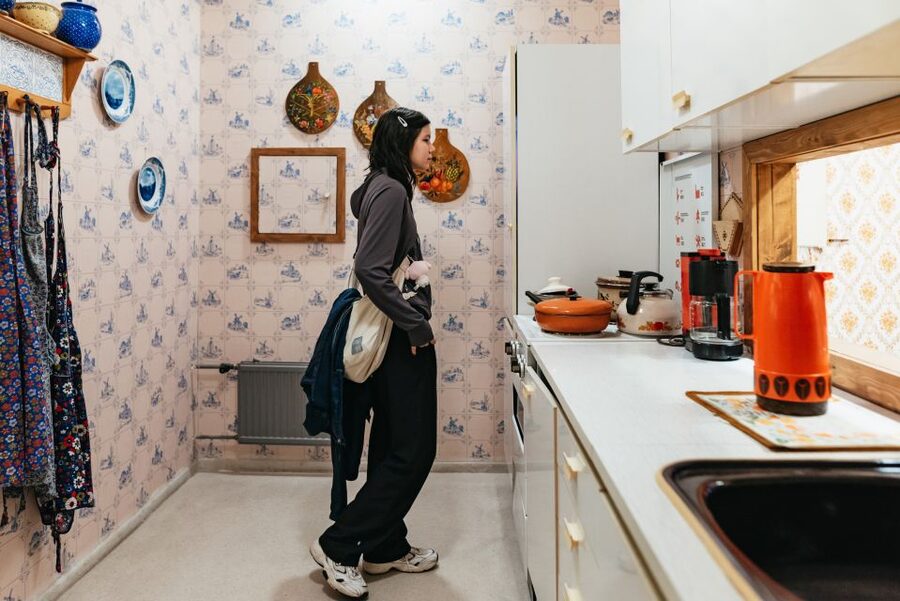
Begin with the apartment and household displays while your attention is fresh. Open the cupboards and drawers, then read the explanations that connect the objects to the wider subject.
Next, try the Trabant simulator if there is not a long wait. After that, move through the sections on news, cinema, music, politics, and personal freedom. Return to any crowded area later, since the museum allows you to choose your own route.
Give yourself extra time for the objects that look ordinary. A pressure cooker or wall cupboard may seem less dramatic than a political display, but these details are what make the period understandable.
If you are visiting with children, let them lead for part of the time. The museum rewards curiosity. Ask them what they would keep in the cupboards, how they would use the television, or what seems different from home.
Plan the museum alongside your central Berlin sightseeing. Since it is opposite Berlin Cathedral, you can place it naturally into a day near the Spree. Just avoid arriving exhausted if you want to read the material carefully.
Should You Book the DDR Museum?
I would book it if you want an active, human-scale look at East Germany. The reconstructed apartment, original objects, cinema stall, music, and Trabant simulator make the subject easier to grasp than a collection of dates alone.
The strongest reasons to go are the hands-on displays and the apartment reconstruction. The main cautions are crowding, standing, and the amount of reading. Go early or late, allow at least 1.5 hours, and return to busy sections instead of trying to force your way through.
At $15, it is a good-value Berlin stop for adults, families, and anyone curious about life behind the Wall. It will not replace a full study of the DDR, but it gives you a memorable and practical introduction to how the system shaped everyday life.
FAQ
Where is the DDR Museum located?
The entrance is on the bank of the Spree, opposite Berlin Cathedral in central Berlin.
How much does admission cost?
Admission costs $15 per person.
How long is the DDR Museum ticket valid?
The ticket is valid for one day.
How long should I allow for a visit?
Allow about 1.5 hours for the main experience. If you read the information and try many interactive displays, you may spend two or three hours.
Is a museum guide included?
No. Admission includes entry to the DDR Museum, but a museum guide is not included.
Can I visit the museum in English?
The exhibition information is available in German and English.
What are the museum’s opening hours?
The museum is open daily from 9 a.m. to 9 p.m. On December 24 and December 31, it is open from 9 a.m. to 4 p.m.
Are young children admitted free?
Children up to five years old receive free entry.
Are pets allowed inside?
No. Pets are not allowed.
Can I cancel my booking?
Yes. You can cancel up to 24 hours in advance for a full refund. You can also reserve now and pay later.
Just added around Germany
- Private Walking Tour in Berlin: Hitler’s Germany & WWII★ 5.0 · 7 reviews
- The History of Berlin: WWII PRIVATE Walking Tour With Locals★ 5.0 · 209 reviews
- Private Berlin WWII and Cold War History Tour with Local Expert Guide★ 5.0 · 28 reviews
- Private Walking Tour Berlin 3 hours: Brandenburg, Historic Center★ 5.0 · 7 reviews
- Berlin: Private Bike Tour of the Berlin Wall and Third Reich★ 5.0 · 23 reviews
- Berlin: Guided Private Bike Tour to Explore the Highlights★ 5.0 · 12 reviews
- Berlin Photography Masterclass – Private Photography Lesson★ 4.5 · 23 reviews
- Group Driving Tour 1 to 6 people. Berlin Shore Excursion incl pick-up at Port★ 5.0 · 8 reviews
Museums, compared.


Skip-the-Line: Berlin Wall Museum at Checkpoint Charlie
Read our review →
Browse the lists this tour appears in