
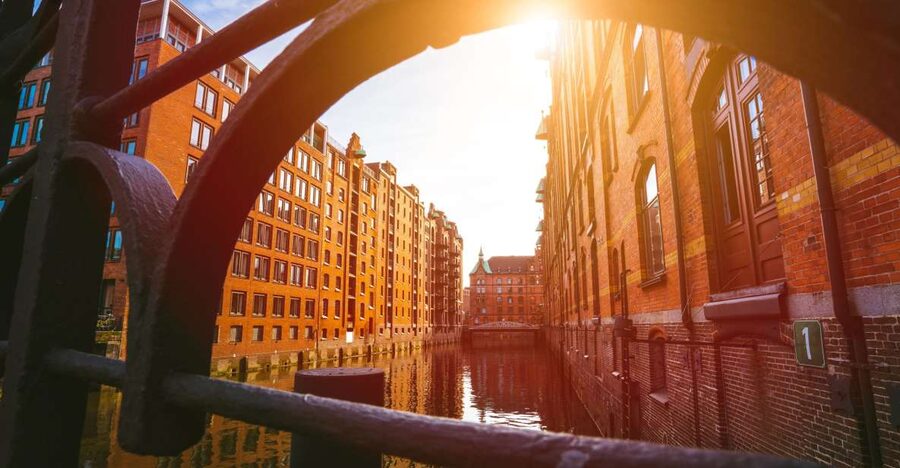
Reviewed · HISTORICAL TOURS
Hamburg: Speicherstadt Historical Guided Walking Tour
Trade built this district from brick and water. Hamburg’s Speicherstadt makes that story easy to see, and this two-hour walking tour gives you a clear way into it. With a local historian, you explore the warehouse district’s architecture, trading past, quiet courtyards, and economic effect on Hamburg. I especially like the focus on coffee and carpets, two everyday products that once helped connect Hamburg with the wider world. I also like that the tour looks beyond grand facades to the smaller corners and alcoves most people could easily miss.
The main point to consider is language. The live tour is in German, so you need a good working grasp of German to follow the historical explanations and anecdotes. You will also walk about 2 to 3 miles, and the route does not finish where it starts, which may matter if you have limited mobility or a tight schedule.
In This Review
- Key points at a glance
- Why Speicherstadt is worth two hours
- Beginning among the brick warehouses
- Coffee, carpets, and Hamburg’s trading power
- Courtyards and quieter corners
- The guides shape the experience
- A two-hour route with real walking
- What the $29 price gives you
- Who will enjoy this Speicherstadt walk
- Practical planning before you go
- Should you book the Speicherstadt tour?
- FAQ
- How long does the Speicherstadt walking tour last?
- What language is the tour in?
- How much walking is involved?
- Does the tour return to its starting point?
- What should I bring?
- Does the tour operate in bad weather?
- Are food and drinks included?
- Is transportation included?
- Can I cancel for a refund?
Key points at a glance
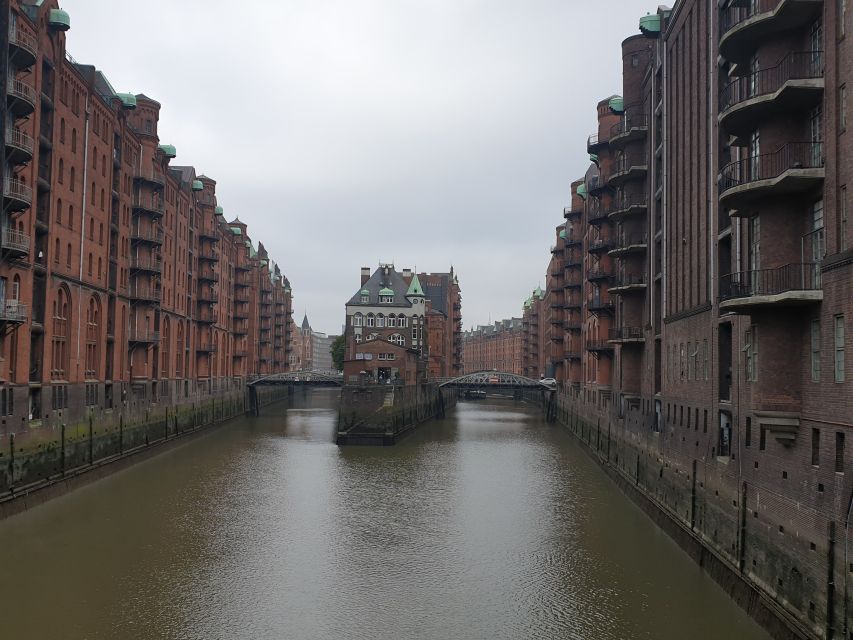
- Two hours in a UNESCO World Heritage Site: A focused introduction to Speicherstadt’s architecture, trade, and formation.
- Coffee and carpets tell the bigger story: Learn how duty-free goods helped Hamburg take part in global commerce.
- Local historians lead the walk: Guides such as Paul and Jana bring personal energy, stories, and present-day context.
- Small details matter: Hidden courtyards, quiet corners, and unusual stops help you read the district beyond its postcard views.
- You walk rain or shine: Wear comfortable shoes, bring water, and dress for the weather.
- German is the only listed tour language: This is best for German speakers, not for anyone hoping for an English overview.
Why Speicherstadt is worth two hours
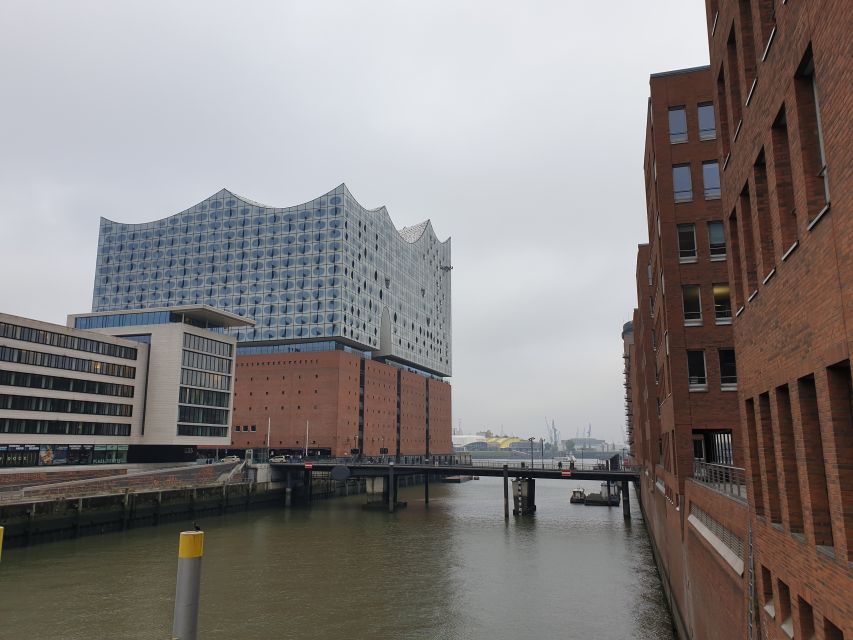
Speicherstadt is not simply a pretty part of Hamburg. It was created as a warehouse district tied to the city’s trade economy. The tour explains how the area was formed and why it mattered to local people, rather than treating the brick buildings as scenery alone.
That context changes the way you look at the district. A warehouse wall becomes part of a larger system. A passageway suggests the movement of goods. A courtyard feels less like a decorative space and more like a working part of an old commercial center.
The tour also connects Hamburg’s local economy to global trade. Coffee and carpets are especially useful examples because they are easy to picture. You learn how exotic goods entered the trading system, how duty-free commerce helped the district, and how trade affected Hamburg’s economic life.
I like this approach because it gives you a reason to pay attention. Without a guide, you can admire the brickwork and canals, but you may miss why the Speicherstadt was built in this form. The historical explanation helps the district make sense.
More History Tours in Hamburg
- The Local Tour of Hamburg Historic Centre
★ 5.0 · 1,058 reviews - Hamburg: Historical Tour of the St. Pauli Sex Work District
★ 4.4 · 215 reviews - Hamburg: UNESCO-World Heritage Sites Tour
★ 4.7 · 137 reviews
Beginning among the brick warehouses
The walk takes place in Speicherstadt, a district known for its striking warehouse architecture and UNESCO World Heritage status. You should expect a route that moves through the district rather than a single indoor presentation. The buildings provide the setting, while the historian explains how the area developed.
The architecture is one of the immediate rewards. Tall brick facades, narrow passages, and carefully designed corners give the district a strong visual identity. The tour encourages you to look closely at spaces that might otherwise become background scenery.
This is not a tour built around a long list of grand monuments. Its value comes from connecting several places across the warehouse district. You stop at different points, hear an explanation, then continue walking to another part of Speicherstadt.
That rhythm suits the subject. Trade is about movement, and the walk gives you a physical sense of moving through a former center of business. At the same time, you should not expect a museum-style display or a long indoor break. This is an outdoor history lesson, so weather matters.
Coffee, carpets, and Hamburg’s trading power

The strongest historical thread is the story of goods. Early trade in coffee, carpets, and other exotic products helped link Hamburg to international markets. The guide explains how duty-free coffee and carpets were traded and sold in the warehouse district.
Coffee is a particularly useful subject for a walking tour because it turns an abstract economic story into something familiar. You can think about a product that now seems ordinary and place it within Hamburg’s earlier commercial life. Carpets offer a different example, showing the range of goods handled through the district.
The tour also examines the economic effect on Hamburg’s locals. That is important. A story about global trade can become too distant if it only discusses merchants, products, and money. Here, the focus includes how the formation of Speicherstadt influenced the city and its people.
I would pay close attention to the guide’s smaller explanations around this part of the tour. The stated highlights include unique facts, anecdotes, and insight into the district’s creation. Those details are likely to make the broad economic story easier to remember than a string of dates or names.
Courtyards and quieter corners
One of the tour’s best features is its attention to places you might pass without a second look. The route includes hidden courtyards and quiet corners of the warehouse district, showing Speicherstadt away from its main visual attractions.
These spaces matter because they slow the walk down. A large facade gives you the overall impression of the district, but a tucked-away passage or courtyard lets you see how the architecture works at a smaller scale. The historian can point out details and explain how each space fits into the former commercial setting.
You should expect to make several stops along the way. A January tour description from participant Tanja noted that the group walked through Speicherstadt and paused at different places where the guide explained and showed important details. That sounds like the right way to approach this experience: keep moving, but give each stop enough time to gain meaning.
The route is also a reminder that a historical district is not only a collection of famous views. The less obvious corners often give you a better feel for how people used a place. Just keep in mind that the tour does not return to its starting point, so you will need to allow time to find your next destination afterward.
More Walking Tours in Hamburg
- Hamburg: Guided Walking Tour for Magic Fans
★ 4.8 · 1,992 reviews - Reeperbahn Walking Tour with St. Pauli Local
★ 4.8 · 577 reviews - Hamburg: Speicherstadt Walking Tour with Coffee Tasting
★ 4.6 · 360 reviews - Hamburg: Crimes of St. Pauli Guided Walking Tour
★ 4.6 · 265 reviews
The guides shape the experience
The tour is led by a local historian, and the guide’s personality seems to matter a great deal. Paul is specifically praised for his enthusiasm, humor, and ability to explain both the past and the present of Speicherstadt. Another participant described the small group as a benefit because it allowed for information beyond the basic presentation.
That is a useful clue about the tour’s character. You are not signing up for a recorded audio walk or a generic script. The experience depends on the person leading it, and a historian who enjoys the subject can make the same brick walls feel much more alive.
Jana also led a well-regarded tour, with clear explanations at several stops. Her name is worth noting if your booking details identify the guide in advance, although guide assignments can vary.
Paul even included a stop at a public toilet, which was remembered as both practical and funny. That small detail says something about the tone. History does not have to be stiff. A well-timed practical stop can help a two-hour walk feel more comfortable, especially in cold weather.
You should still keep expectations realistic. A guide can explain the district, but the tour cannot promise the same personality on every departure. The strongest value comes when you enjoy listening, asking questions, and looking carefully at the places being discussed.
A two-hour route with real walking
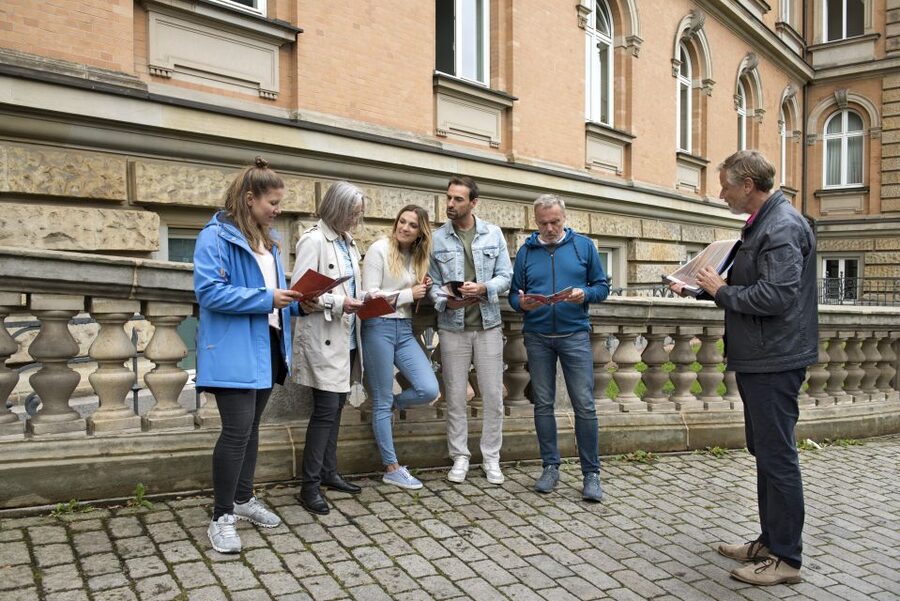
The advertised duration is two hours, with approximately 2 to 3 miles of walking. That is a moderate distance for many people, but it is not a short stroll with only one or two stops. You will be on your feet for most of the experience.
Comfortable shoes are essential. The route includes streets, passages, and outdoor spaces, and the tour runs rain or shine. Bring water and wear clothing suited to the forecast. Cold weather deserves special attention. A February participant noted that it was chilly, though the group found places to warm up and completed the walk together.
That detail is helpful because it gives you a practical picture of winter conditions. The tour does not stop simply because the weather is unpleasant. If you are visiting Hamburg in colder months, gloves and a warm outer layer will make the experience much easier.
The walking distance also affects who should book. The activity is not suitable for people with mobility impairments, according to the tour information. If you need a route with frequent seating, minimal walking, or a return to the starting point, this is probably not the right choice.
The finish point deserves planning too. Since the tour ends somewhere different from where it begins, avoid scheduling a train, meal, or another timed activity immediately afterward. You will want a little room to orient yourself and continue your day.
What the $29 price gives you
At $29 per person, this is a reasonably priced history walk if you want context rather than simple sightseeing. The fee covers a local historian and a tour brochure. Food, drinks, and transportation are not included.
The value depends on how you use the guide. If you only want to photograph Speicherstadt’s facades, you can explore the area without paying for a tour. If you want to understand why the district was created, how duty-free goods shaped its role, and how trade affected Hamburg, the cost pays for interpretation.
I think the tour is strongest for a first visit. It gives you a framework that can make later independent walks more rewarding. After hearing how the district functioned, you can return to the courtyards and buildings with a better sense of what you are seeing.
A brochure is a modest inclusion, but it can help you remember the route and main ideas afterward. The bigger benefit is the live explanation. The tour’s rating of 4.7 from 71 ratings also suggests a strong level of satisfaction, though your experience will still depend on the guide, weather, group size, and your German language ability.
There is also useful booking flexibility. You can reserve a place and pay later, and cancellation is free up to 24 hours before the tour for a full refund. Those terms are practical if your Hamburg plans are still changing.
Who will enjoy this Speicherstadt walk

I would recommend this tour to you if you like city history explained on site. It suits people who want to connect architecture with economics, especially anyone curious about Hamburg’s trading past.
It is also a good match if you enjoy small details. The route is not only about major views. The courtyards, alcoves, and quieter corners are part of the appeal, and the guide’s anecdotes add character to the walk.
German speakers will get the most from it. The live tour is in German, and there is no listed English option. If you understand only a little German, you may still enjoy the buildings, but you will miss much of the experience’s main value.
This is less suitable if you want food tastings, museum entry, transportation, or a fully accessible route. None of those are included. You should also choose another activity if you dislike outdoor walks in uncertain weather.
Families and older participants may find the distance manageable, but the 2 to 3 miles and lack of a return to the starting point should be considered before booking. The pace includes stops, yet it remains a walking tour rather than a short architectural briefing.
Practical planning before you go
Check the starting time carefully because several departure times may be available, depending on the date. Give yourself enough time to reach the meeting point without rushing, but do not assume the tour will bring you back there afterward.
Wear shoes you can use comfortably for two hours. Bring water, dress for rain or cold, and remember that the tour goes ahead in poor weather. Pets are not allowed.
The tour brochure is included, but food and drinks are not. Plan a snack or meal separately if you need one before or after the walk. Because the finish point is different, it may be more convenient to plan your next activity near the end of the route rather than near the beginning.
Finally, confirm that German works for you. This is not a small footnote. The guide’s historical stories, jokes, and explanations are the heart of the experience, and they are delivered in German.
Should you book the Speicherstadt tour?
Book it if you want to understand Hamburg’s warehouse district rather than simply admire it. For $29, you get two hours with a local historian, a focused look at coffee and carpet trading, and access to smaller architectural details that are easy to miss alone.
I would skip it if you need English, have mobility limits, or prefer indoor sightseeing. For German speakers who enjoy history and can handle several miles on foot, this is a practical and worthwhile introduction to Speicherstadt. Guides such as Paul and Jana appear to bring warmth and humor to a subject that could otherwise feel dry, which is exactly what you want from a city walking tour.
FAQ
How long does the Speicherstadt walking tour last?
The tour lasts two hours.
What language is the tour in?
The live tour is conducted in German. German is the listed tour language.
How much walking is involved?
The route includes approximately 2 to 3 miles of walking.
Does the tour return to its starting point?
No. The tour ends at a different location from where it begins.
What should I bring?
Bring comfortable shoes, weather-appropriate clothing, and water.
Does the tour operate in bad weather?
Yes. The tour takes place rain or shine.
Are food and drinks included?
No. Food and drinks are not included in the price.
Is transportation included?
No. Transportation is not included.
Can I cancel for a refund?
You can cancel up to 24 hours in advance for a full refund. You can also reserve your place and pay later.
Just added around Hamburg
- Hamburg: St. Pauli Food and Bier Tour★ 4.7 · 5 reviews
- St. Pauli Tour: Drag-Attack with Barbie Stupid & Lee Jackson★ 4.8 · 280 reviews
- Hamburg: Private Tour Red Light District Walking Tour★ 4.7 · 227 reviews
- St. Michael’s, Elbe Tunnel & Harbor 2-Hour Hamburg Tour★ 4.9 · 21 reviews
- Satt Pauli – der kulinarische Rundgang durch St. Pauli★ 4.8 · 12 reviews
- Hamburg: Safari tour in St. Pauli★ 4.9 · 11 reviews
- Hamburg: Reeperbahn Comedy Club★ 4.3 · 53 reviews
- Radtour um die Alster & durch traumhafte Alsterviertel★ 4.9 · 34 reviews
Historical Tours, compared.
City History Canal Sightseeing Tour on a Motorboat
Read our review →

Browse the lists this tour appears in