
Reviewed · CRUISES & BOAT TOURS
List/Sylt: Guided Seal-Watching Cruise on a Rustic Boat
Seals are only part of the catch. This 90-minute cruise from List takes you into the Wadden Sea aboard a working-style fishing boat, where a fisherman guide explains the tidal waters and hauls up small sea creatures for a closer look. I like the old boats, Gret Palucca and Rosa Paluka, and I like that the tour shows living North Sea animals before returning them to the water.
The main drawback is practical: boarding can be difficult, especially at low tide. The gangway becomes very steep, the onboard toilet is not barrier-free, and the tour is not suitable for people with mobility impairments.
In This Review
- The essential points before you book
- Leaving List Harbor on a Real Fishing Cutter
- What the 90-Minute Route Gives You
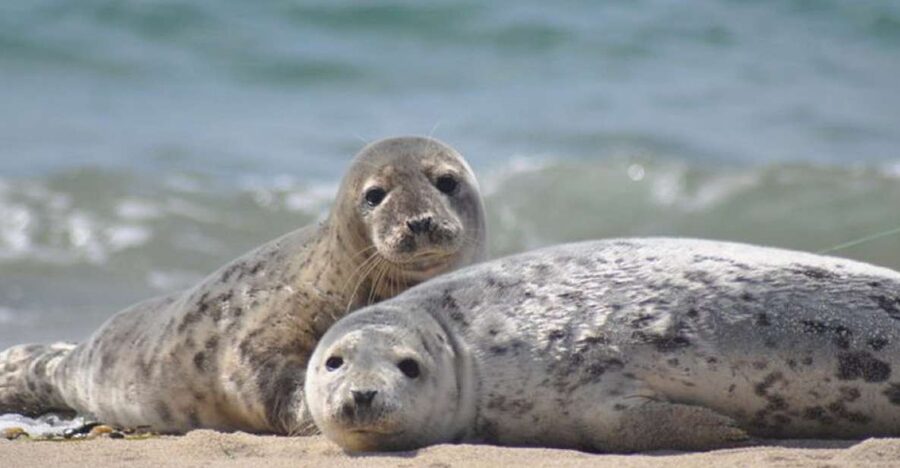
- Watching Seals in Their Natural Setting
- The Net Haul: Small Creatures, Big Context
- Why the Wadden Sea Setting Matters
- Gret Palucca or Rosa Paluka?
- Boarding, Tide, and Physical Access
- Language, Comfort, and What to Bring
- Is the Cruise Good Value?
- Who Should Book the List Seal Cruise?
- Should You Book It?
- FAQ
- How long is the seal-watching cruise?
- Where does the cruise depart?
- Which boat will I ride?
- What animals might I see?
- When are seals most likely to be seen?
- Is a guide included?
- What language is the tour in?
- Are food and drinks included?
- Is the boat suitable for wheelchair users?
The essential points before you book
- Two historic boats: You may sail on Gret Palucca, more than 70 years old, or Rosa Paluka, a 1960s fishing boat that worked at sea before becoming a tour boat.
- Best seal timing: Sightings are most likely from two hours before to two hours after low tide.
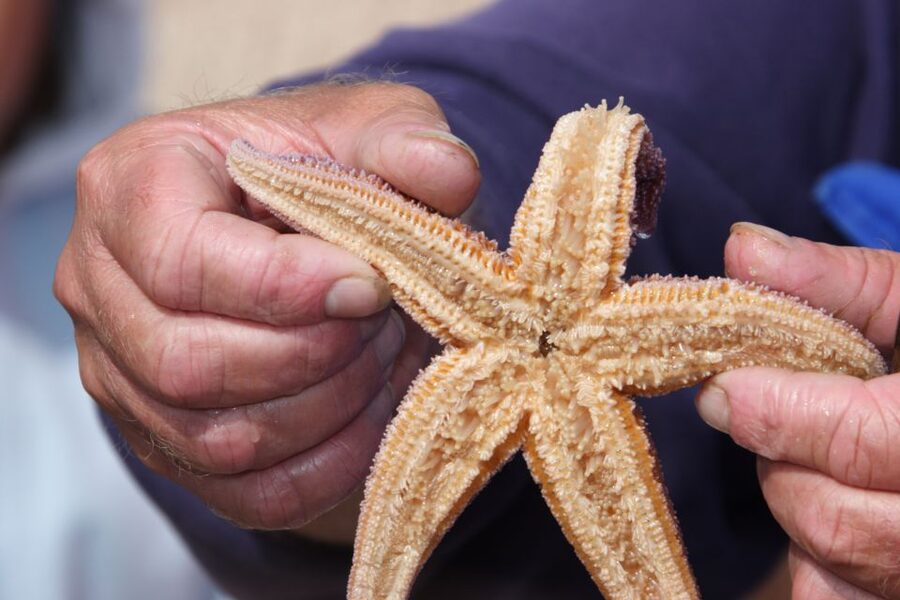
- A real catch-and-release demonstration: The crew uses a net to bring up mussels, crabs, small fish, and starfish for observation before releasing them.
- A fisherman as your guide: The commentary focuses on North Sea wildlife and life in the Wadden Sea.
- German-language tour: The live guide speaks German.
- Plan for steep access: High tide is recommended for people using walking aids, though access remains limited.
Leaving List Harbor on a Real Fishing Cutter
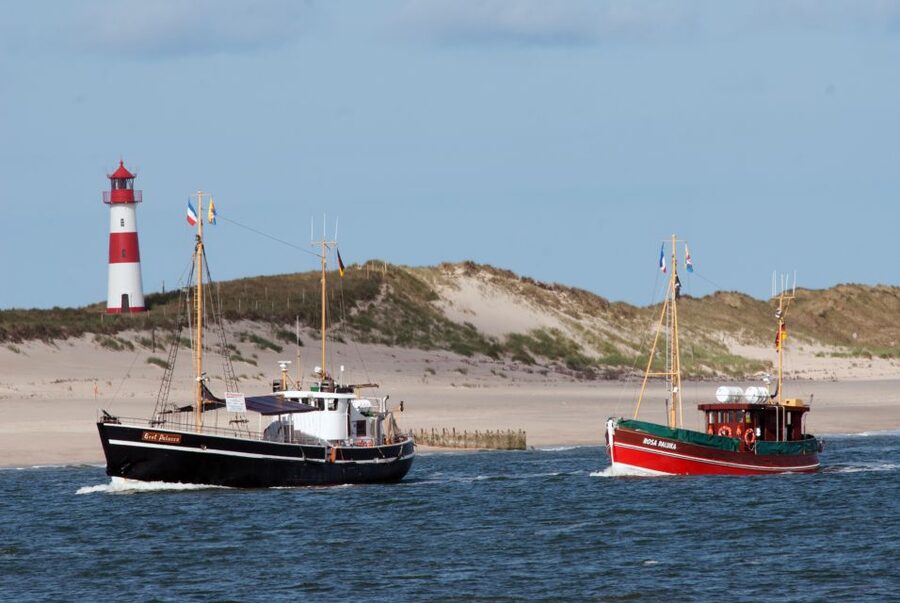
Your starting point is Lister Hafen Harbor in List, on Sylt. Look for the Gret Palucca at the harbor, even though the actual cruise may use Gret Palucca or Rosa Paluka.
The setting is fitting. This is not a sleek sightseeing yacht with a polished lounge and a glass roof. You board a rustic fishing cutter, the sort of boat that makes sense in tidal North Sea waters. The vessel is part of the experience, not just transportation to the seal beds.
Gret Palucca is more than 70 years old and is maintained and restored each winter. Rosa Paluka dates from the 1960s and spent part of its working life as a genuine fishing boat. That background gives the cruise a useful sense of place. You are not simply looking at the sea from a platform. You are riding in a boat shaped by the same waters you are visiting.
The boat choice may not be yours, so book this for the overall experience rather than for one specific vessel. At the meeting point, allow enough time to find the correct boat and prepare for boarding. The information provided directs you to Gret Palucca, which is the most useful landmark at the harbor.
More Boat Tours in Germany:
- Berlin: 1-Hour City Tour by Boat with Guaranteed Seating
★ 4.3 · 16,993 reviews - Hamburg: 1.5-Hour Harbor and Speicherstadt Day Cruise
★ 4.6 · 14,200 reviews - Berlin: Boat Tour Along the River Spree
★ 4.4 · 11,252 reviews
What the 90-Minute Route Gives You
The cruise lasts 90 minutes, long enough to get away from the harbor and spend meaningful time on the water without turning into a half-day commitment. That makes it easy to fit into a day exploring List or the rest of Sylt.
The route follows the coastal waters around the island and into the Wadden Sea area. You can expect views of Sylt’s golden-sand coastline, but the real focus is below the surface and along the tidal flats. The changing water level is central to the setting. It affects where animals rest, how the boat approaches the area, and how easy boarding is at the harbor.
Do not treat this as a guaranteed seal sighting. The cruise is built around searching for wild animals in their natural setting, so conditions and animal behavior matter. The best odds come during the period from two hours before to two hours after low tide, when seals are most likely to be seen resting.
That timing tip is worth checking before you reserve. A cruise at the right point in the tide can make the difference between a close look at resting seals and a trip focused more on general Wadden Sea life. The tide also influences boarding, so the best wildlife time and the easiest access may not always line up perfectly.
Watching Seals in Their Natural Setting
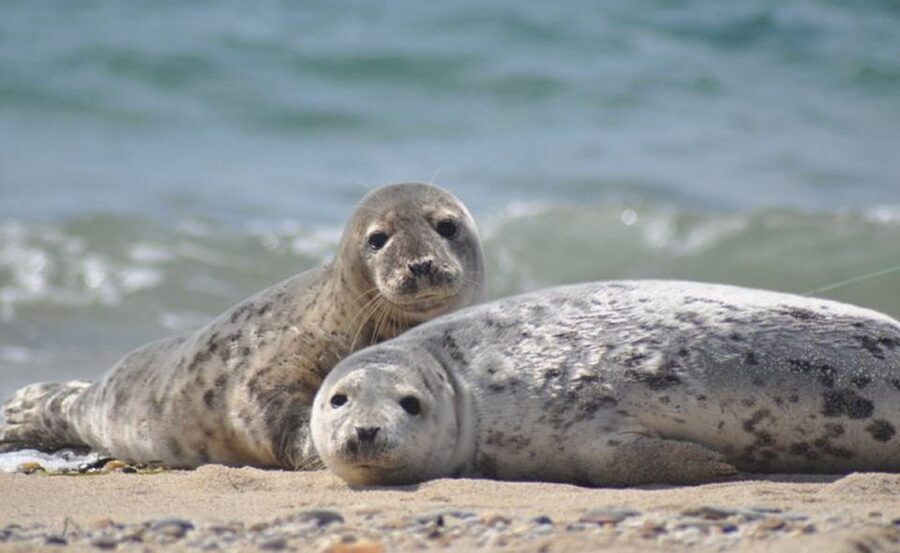
The seals are the headline attraction, and the appeal is easy to understand. You are looking for wild North Sea animals rather than visiting a fixed enclosure or staged display. The crew takes you toward known resting places, then gives you a chance to watch from the boat.
The phrase up close and personal should be understood sensibly. You are observing seals from a vessel in their natural environment, not reaching out to touch them. That is the better kind of wildlife encounter: the animals remain wild, and you get to see normal behavior without a performance built around human contact.
Sightings are never the whole measure of the trip. If seals are hard to spot, the cruise still gives you an introduction to the tidal ecosystem, the coastline, and the animals living in the shallow waters. Still, if seals are your only reason for booking, pay close attention to the tide before choosing a departure.
The cruise is a good match for anyone who likes wildlife with a little uncertainty. I would not book it as a guaranteed photo opportunity. I would book it because the search itself takes place in a working maritime setting, with a fisherman explaining what you are seeing.
The Net Haul: Small Creatures, Big Context
One of the most useful parts of the trip is the net demonstration. During the cruise, a net is lowered into the water and brought back with small examples of local marine life. The catch can include mussels, crabs, small fish, and starfish.
This gives you something a seal-only cruise often cannot: a close look at the less famous animals that support life in the Wadden Sea. You can see the shapes and movement of creatures that would otherwise remain hidden beneath the water or mud. The fisherman guide explains the marine life of the North Sea as you inspect the catch.
The catch-and-release approach matters. The animals are observed briefly and then returned to the wild, so the lesson does not come at the cost of keeping them. For children, this may be the most memorable part of the cruise. For adults, it adds useful context to the seal search, because it shows the smaller life found in the same waters.
You should expect a hands-on-looking demonstration rather than a formal museum lesson. The boat, the sea, and the fisherman guide are doing much of the teaching. Since the tour is in German, you will get the most from it if you understand German or are comfortable following a live explanation in that language.
A few more Germany trips worth comparing
- Berlin: Reichstag, Dome and Government District Guided Tour
★ 4.7 · 18,288 reviews - Dresden: Semperoper Tickets and Guided Tour
★ 4.7 · 12,102 reviews - Berlin: Government District around the Reichstag Guided Tour
★ 4.7 · 8,447 reviews - Hamburg: Elbphilharmonie Plaza Guided Tour
★ 4.7 · 5,882 reviews
Why the Wadden Sea Setting Matters
The Wadden Sea is shaped by the tide. Water covers and uncovers parts of the seabed, creating feeding and resting areas for many species. On this cruise, you are not simply passing a beach. You are seeing a place where the water level controls the rhythm of animal life and human activity.
That connection also explains why the tour feels different from a standard coastal sightseeing ride. The schedule is not only about convenient departure times. Low tide affects seal sightings, while the tide at the harbor affects the angle of the gangway. A little planning pays off here.
The golden-sand coastline gives the cruise a scenic side, but I would keep your expectations focused. The supplied details do not promise a narrated tour of every landmark on Sylt. The emphasis is marine life, the Wadden Sea, and the boats themselves.
This is a useful choice if you want to understand the coast rather than simply photograph it. You see the shoreline from the water, then look down into the smaller world beneath the boat. That combination gives the short cruise more substance than a simple ride around the harbor.
Gret Palucca or Rosa Paluka?
The boats deserve their own attention because they shape the feel of the outing.
Gret Palucca is more than 70 years old. Its owners restore and maintain it each winter, preserving a boat with a long working life. If you appreciate traditional vessels, this is a strong reason to choose the cruise.
Rosa Paluka was built in the 1960s and worked as a real fishing boat before returning in 2007 as a tour boat. Its past gives the excursion a direct link to the fishing culture of the North Sea. You are not riding a replica built only for tourists. You are aboard a former working boat adapted for visitors.
Neither description means the boats will offer modern resort comforts. The interior is reached by a small, steep staircase, and the toilet is not barrier-free. I would wear practical shoes, keep your hands free while boarding, and avoid assuming that every part of the vessel will be easy to reach.
Boarding, Tide, and Physical Access
The main logistical issue is the gangway. At low tide, it can become very steep and almost impossible for a wheelchair user to manage. People using walking aids may also find boarding difficult or only partly possible.
High tide is recommended for anyone with limited walking ability, but the experience is still not designed for people with mobility impairments. The boat is officially unsuitable for that group, and the access limits should be taken seriously rather than treated as a minor footnote.
Moving around onboard brings another challenge. Reaching the interior requires climbing a small, steep staircase. The toilet is not barrier-free, so plan accordingly before departure.
For people without mobility concerns, the same details are simply part of traveling on an old fishing cutter. The boat’s character comes with narrow or steep access points. If you want a smooth, fully accessible ride, this is not the right match.
Language, Comfort, and What to Bring
The live tour guide speaks German, and the guide is a fisherman. That is a strength if you understand German because the commentary comes from someone connected to the working life of the sea rather than from a generic recorded narration.
Food and drinks are not included. The safest plan is to eat beforehand and bring anything you need, as long as it is permitted aboard the boat. The supplied details do not specify onboard food service, so you should not count on buying a meal during the 90-minute cruise.
Dress for the North Sea, not just for the weather at the harbor. The information does not promise sheltered viewing areas or indoor comfort throughout the trip. Even on a pleasant day, conditions on the water may feel different from those on land.
A small camera or phone is useful, but do not make the outing depend on getting a perfect seal photograph. The most valuable parts may be the boat, the tide lesson, and the small animals brought up in the net.
Is the Cruise Good Value?
No price is provided here, so I cannot judge the exact fare. I can judge what you receive for the ticket: a 90-minute cruise, a fisherman guide, a traditional boat, a search for seals, and a short look at several kinds of marine life.
That package offers solid value if you want more than a boat ride. The catch-and-release net haul adds an educational element, while the two historic vessels give the trip a strong local character. You are paying for access to the water and for interpretation of the ecosystem, not only for transportation.
The value is less certain if you want a guaranteed seal sighting, a multilingual guide, or modern accessibility. The live commentary is in German, animals remain unpredictable, and the boat has the limitations of an older fishing vessel.
A rating of 4.7 out of 5 from 350 ratings suggests broad satisfaction, while the available verified comment describes the experience simply as good. I would read that as a sign of a dependable, appealing outing, not as proof that every departure delivers perfect wildlife conditions.
Who Should Book the List Seal Cruise?
I would recommend this cruise to you if you enjoy wildlife, traditional boats, and short excursions with a clear local connection. It works especially well for families who want children to see crabs, starfish, mussels, and small fish rather than only look at distant scenery.
It also suits anyone staying in or near List who wants a compact activity. The 90-minute duration leaves room for other plans on Sylt, and the harbor departure keeps the arrangement simple.
I would think twice if your main goal is a certain seal sighting. Choose a departure near the recommended tide window, but remember that wild animals do not follow a timetable. I would also skip it if you need step-free access, a barrier-free toilet, or a tour in a language other than German.
Should You Book It?
Book this cruise if you want a close look at the Wadden Sea from an old fishing boat, with a fisherman explaining the creatures that live there. The seal search is appealing, but the net demonstration and the boats themselves make the experience worthwhile even when wildlife keeps its distance.
Choose your time carefully, aiming for the two hours before or after low tide, and consider high tide if boarding access is a concern. If those conditions suit you, this is one of Sylt’s more authentic short outings, with enough wildlife and maritime character to justify the 90 minutes.
FAQ
How long is the seal-watching cruise?
The cruise lasts 90 minutes.
Where does the cruise depart?
It departs from Lister Hafen Harbor in List, Sylt. Look for the Gret Palucca boat at the harbor.
Which boat will I ride?
The cruise uses either Gret Palucca or Rosa Paluka. Gret Palucca is more than 70 years old, while Rosa Paluka was built in the 1960s and previously worked as a fishing boat.
What animals might I see?
The cruise focuses on seals and may also show mussels, crabs, small fish, and starfish brought up in a net. The smaller animals are released back into the wild after observation.
When are seals most likely to be seen?
The best time is from two hours before to two hours after low tide.
Is a guide included?
Yes. A fisherman serves as the live tour guide.
What language is the tour in?
The live tour is conducted in German.
Are food and drinks included?
No. Food and drinks are not included.
Is the boat suitable for wheelchair users?
No. The tour is not suitable for people with mobility impairments. The gangway can be very steep at low tide, walking aids are only partly manageable, the interior requires a steep staircase, and the toilet is not barrier-free.
Just added around Germany
- Private Walking Tour in Berlin: Hitler’s Germany & WWII★ 5.0 · 7 reviews
- The History of Berlin: WWII PRIVATE Walking Tour With Locals★ 5.0 · 209 reviews
- Private Berlin WWII and Cold War History Tour with Local Expert Guide★ 5.0 · 28 reviews
- Private Walking Tour Berlin 3 hours: Brandenburg, Historic Center★ 5.0 · 7 reviews
- Berlin: Private Bike Tour of the Berlin Wall and Third Reich★ 5.0 · 23 reviews
- Berlin: Guided Private Bike Tour to Explore the Highlights★ 5.0 · 12 reviews
- Berlin Photography Masterclass – Private Photography Lesson★ 4.5 · 23 reviews
- Group Driving Tour 1 to 6 people. Berlin Shore Excursion incl pick-up at Port★ 5.0 · 8 reviews
Cruises & Boat Tours, compared.

1-Hour City Tour by Boat with Guaranteed Seating
Read our review →
1.5-Hour Harbor and Speicherstadt Day Cruise
Read our review →

River Main Sightseeing Cruise with Commentary
Read our review →Browse the lists this tour appears in