
Reviewed · MUNICH TOURS
Mozart and German Composers Private Tour in Munich
Munich sings best when you know where to listen. This private Old Town walk connects Mozart, Wagner, Strauss, and church music with places you can see today, giving you more context than a standard sightseeing stroll. I like the focus on real musical landmarks, especially the National Theater and Cuvilliés Theater, and I like that your guide can shape the tour around your interests.
The main consideration is the $215 per person price for two hours. That can be good value for a private guide, especially if you care about classical music, but it is a serious cost for a short walking tour. One past participant said the guide was informed and delightful, while another appreciated the history but noted that the tour ran a little longer than expected.
In This Review
- Key points at a glance
- Why Munich works so well for a music tour
- Starting at Marienplatz opposite St. Peter
- St. Peter’s Church and Munich’s early choir tradition
- Marienplatz, Frauenkirche, and musical training
- The National Theater and Munich’s opera story
- The Residenz and Mozart’s royal performance
- Mozart, Wagner, Strauss, and the human story
- What the private format is really worth
- Who should book this Munich walk
- Timing, languages, and meeting details
- Final verdict: Is the musical Munich tour worth booking?
- FAQ
- How long does the Mozart and German Composers tour last?
- Where does the tour begin?
- Should I enter the BEYOND by Geisel hotel for the meeting?
- Where does the tour finish?
- Which languages are available?
- Is this a private group tour?
- What Munich sights are included?
- Can I cancel for a full refund?
Key points at a glance

- Mozart’s Munich connection: Visit the Residenz area, linked to Mozart’s concert for Elector Karl Theodor and Ferdinand IV, King of Naples.
- Opera history at the National Theater: Learn how Wagner’s works reached the stage here and how Richard Strauss worked at the theater.
- Church music in the Old Town: See St. Peter’s Church and Frauenkirche, two important settings for Munich’s musical traditions.
- A private two-hour format: Ask for more Mozart, more Wagner, more church music, or more detail about opera and court culture.
- Six guide languages: Tours are available in English, French, German, Italian, Spanish, and Polish.
- A practical central meeting point: Meet in front of BEYOND by Geisel at Marienplatz 22, opposite St. Peter’s Church.
Why Munich works so well for a music tour
Munich is easy to associate with grand palaces, beer halls, and Alpine day trips. Its musical story is just as important, but it can be hard to spot without help. A church facade, royal residence, or opera house may look like another old building until someone explains who performed there and why it mattered.
This tour gives you that missing link. You walk through the Old Town while your guide explains court music, church music, bourgeois music culture, and famous performances. The result is a tour for curious listeners, not only for people who can tell a Mozart symphony from a Strauss tone poem.
I especially like the way the route joins several kinds of music. You are not given a single story about opera or a single composer. Instead, you see how religious institutions, royal courts, theaters, and city life helped Munich become an important music center in medieval Europe and later periods.
The private format matters here. Musical interests can be very specific. You may want to ask about Mozart’s early career, Wagner’s relationship with Bavaria, Richard Strauss, Renaissance church music, or the role of the Bavarian court. With a private guide, you have a better chance of getting the level of detail you want instead of following a fixed script meant for everyone.
A few more Munich trips worth comparing
- From Munich: Neuschwanstein & Linderhof Castle Full-Day Trip
★ 4.5 · 12,494 reviews - Neuschwanstein & Linderhof Castle-Fairytale Day Tour from Munich
★ 4.5 · 7,275 reviews - Munich: Third Reich & WWII Walking Tour
★ 4.6 · 6,181 reviews
Starting at Marienplatz opposite St. Peter
The tour begins in front of BEYOND by Geisel at Marienplatz 22. The hotel is opposite St. Peter’s Church, so the location is central and easy to connect with a day of Old Town sightseeing.
There is one important practical point: do not go inside the hotel. It is only the meeting point, and hotel staff are not informed about the tour. Look for your guide outside at the stated location.
Marienplatz is a useful place to begin because it puts you right in the middle of Munich’s historic center. From here, the tour can introduce the city as both a political center and a musical one. You will see major sights during the walk, but the guide’s job is to explain what the buildings meant in musical life.
The route is on foot and lasts two hours. Wear comfortable shoes, since the value comes from moving between several Old Town landmarks rather than remaining in one venue. Starting times vary, so you need to check availability when booking.
St. Peter’s Church and Munich’s early choir tradition
St. Peter’s Church is one of the most useful stops for understanding Munich’s early music culture. Its choir dates back to the early 13th century, giving the guide a clear starting point for the city’s church music tradition.
You can expect more than a quick look at the church as a building. The point is to understand how religious institutions supported trained singers and musicians long before modern concert halls existed. Church music was part of daily and ceremonial life, and a choir with such an early history helps place Munich’s later musical achievements in context.
I like this stop because it adds balance to the famous composer names. Mozart, Wagner, and Strauss attract attention, but Munich’s musical life did not begin with them. A good explanation here shows you the older foundation beneath the later opera and court traditions.
The exact amount of time spent at St. Peter’s will depend on your guide and your interests. If church music matters to you, ask for more detail about the choir and the role of churches in Munich’s musical development. If you mainly want opera and composers, you can ask to keep this part brief.
Marienplatz, Frauenkirche, and musical training
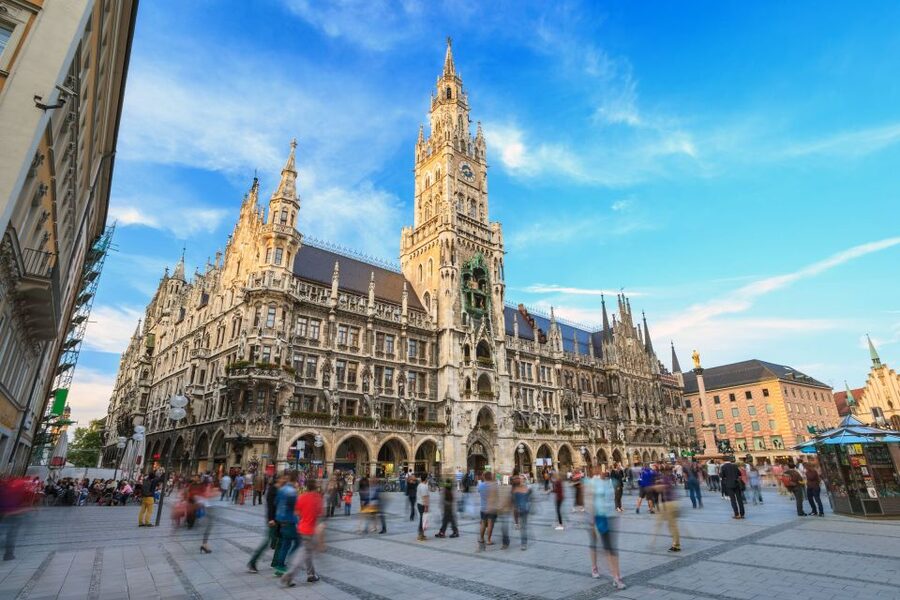
From Marienplatz, the tour continues through the heart of the Old Town and includes Frauenkirche. The church is connected with the training of young musical talents under respected musicians such as Orlande de Lassus, one of the major musicians of the 16th century.
That detail gives Frauenkirche a different role than simply being one of Munich’s most recognizable sights. You begin to see the church as a place where musical education and performance were part of civic and religious life.
For you, this is one of the tour’s stronger features because it links architecture with people. Instead of only photographing the church, you learn about the musicians who shaped the sound of the period. The setting helps explain how talent was developed and passed on.
Keep in mind that the tour information promises the Old Town sights and musical explanation, but it does not promise admission to every interior. You should think of this primarily as a guided walking experience, not a concert or a full museum visit.
Still Munich, at a slower pace:
- Dachau Concentration Camp Memorial Site Tour from Munich by Train
★ 4.5 · 5,637 reviews - Neuschwanstein Castle Tour from Munich
★ 4.5 · 5,117 reviews - Third Reich Walking Tour Munich
★ 4.5 · 4,291 reviews - Munich Hop-On Hop-Off Tour: 1-Day or 2-Day Ticket
★ 4.3 · 4,161 reviews
The National Theater and Munich’s opera story
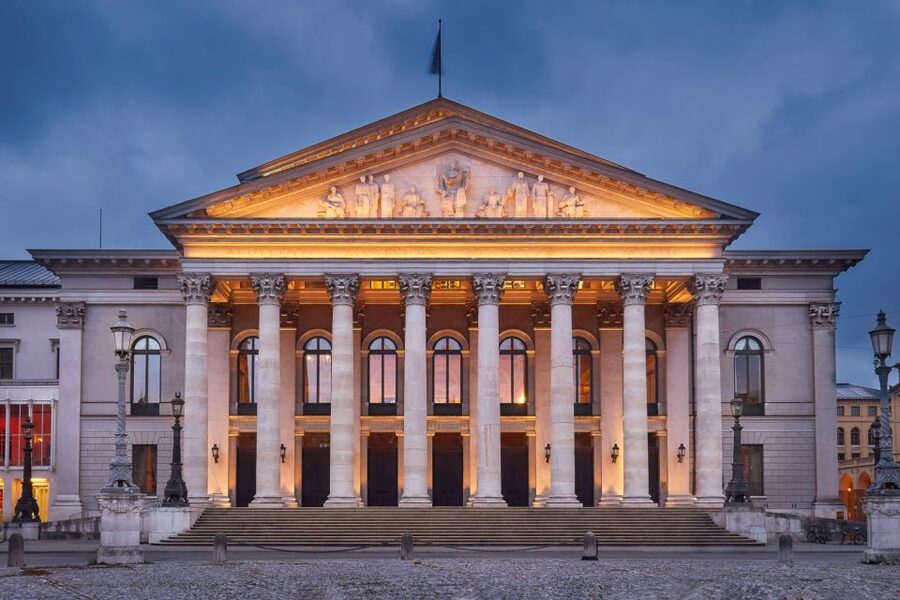
The National Theater is likely to be one of the highlights for anyone who enjoys opera. It is home to the Bavarian State Opera, or Bayerische Staatsoper, and is tied to major chapters in the work of Richard Wagner and Richard Strauss.
Many of Wagner’s works premiered here. Richard Strauss worked at the theater as a third conductor, giving you a direct connection between the building and two major names in German-language music.
This stop helps explain why Munich became such an important stage city. The National Theater was not simply a place where performances happened. It was part of a court and civic culture that invested in ambitious productions and gave composers a platform.
I would pay close attention here if you want to understand the difference between a composer’s life and a city’s musical machinery. The guide can connect the people, the institution, and the performances. That is more useful than receiving a list of famous names with no sense of place.
The tour does not include a performance at the Bavarian State Opera, so you should not book it as a substitute for an opera ticket. It is best used as a compact introduction to the theater’s role and a way to see the building in context.
The Residenz and Mozart’s royal performance
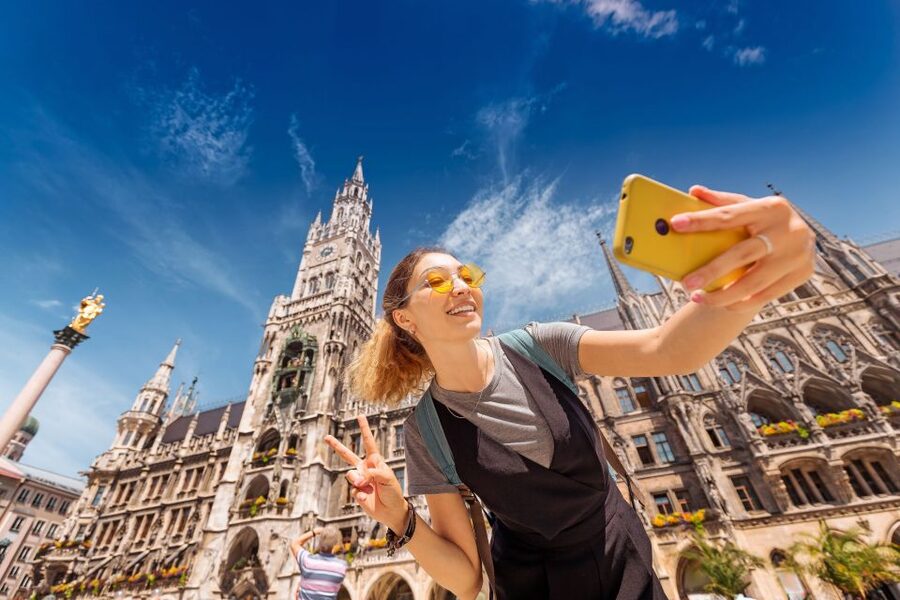
The Munich Residenz brings the story into the world of rulers and court music. Wolfgang Amadeus Mozart played a concert here for Elector Karl Theodor and Ferdinand IV, King of Naples.
That single event gives the Residenz a strong place in Mozart’s Munich story. You are not only learning about Mozart as a touring musician or celebrated composer. You are seeing how royal courts commissioned, hosted, and displayed music as part of political and social life.
The Residenz is one of Munich’s major sights, so this stop works well for first-time visitors who want sightseeing and music history in the same outing. Your guide can explain why the residence mattered to musicians and how court culture differed from church and public music.
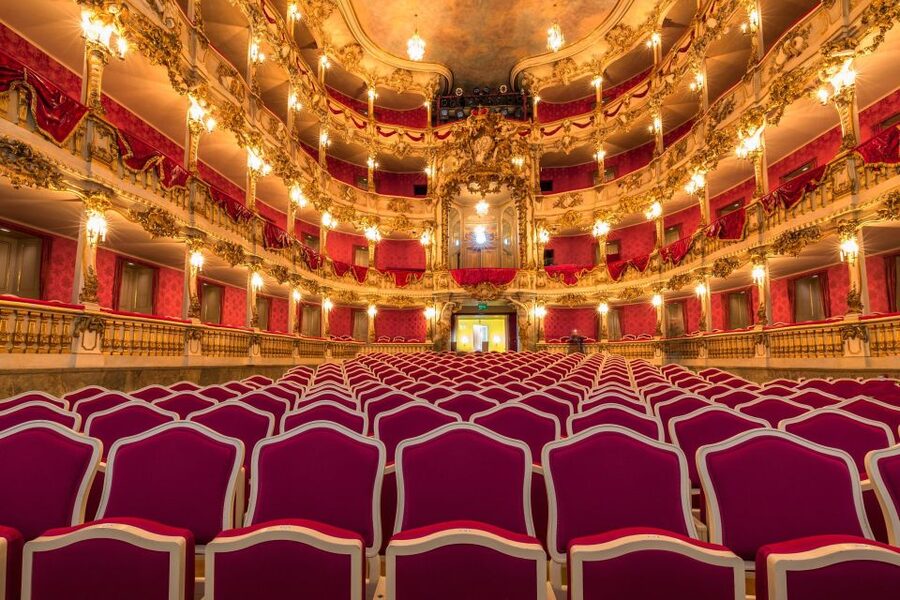
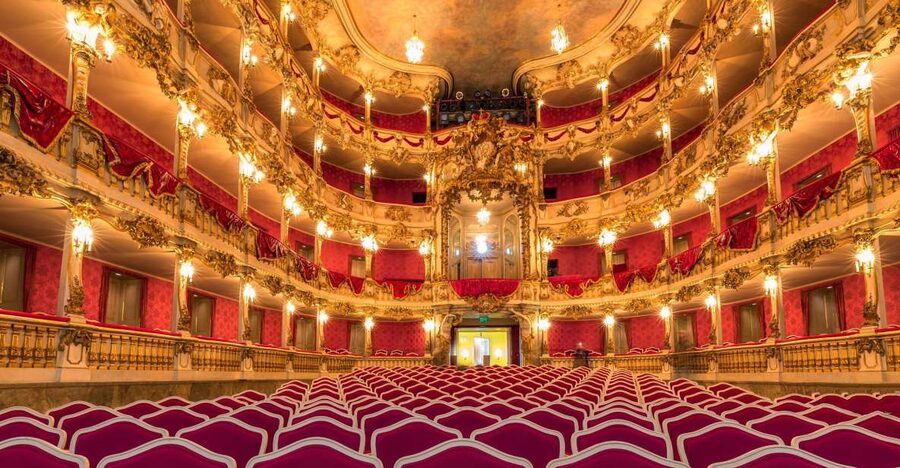
Inside the Residenz is the Cuvilliés Theater, where Mozart premiered his opera Idomeneo in 1781. This is one of the most distinctive facts on the route, since it connects a specific opera, a specific year, and a surviving Munich performance venue.
The available details do not state that admission to the Cuvilliés Theater is included. Plan on seeing the Residenz and learning about the theater unless your booking confirmation says otherwise. If the interior is a priority, ask about access before you reserve.
Mozart, Wagner, Strauss, and the human story
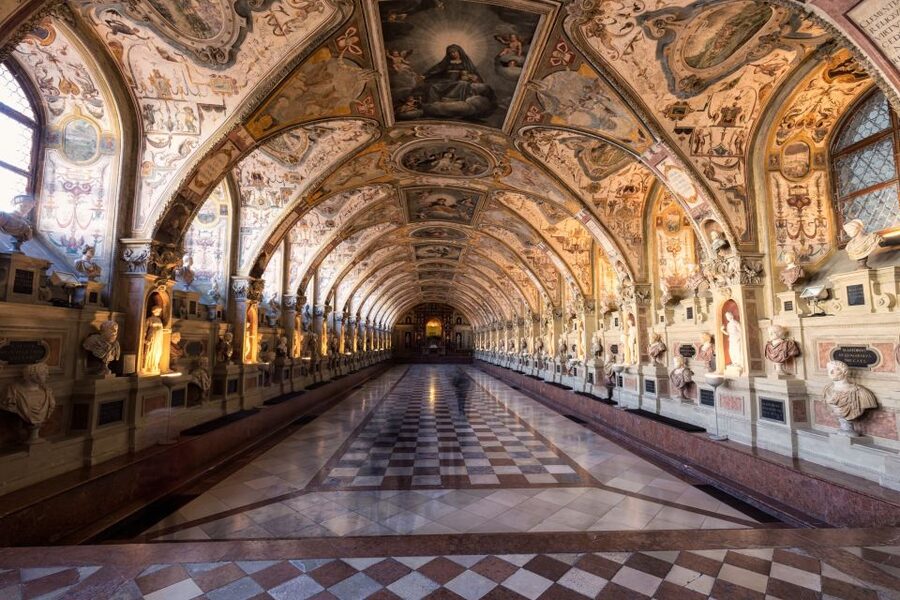
The tour’s composer list is broad enough to appeal to different tastes. Mozart brings an 18th-century connection to the court and the premiere of Idomeneo. Wagner brings opera, major premieres, and Munich’s National Theater. Strauss adds a later chapter through his work as a conductor.
You will hear about other German composers and musicians as well, though the supplied information does not name every figure who may be discussed. That leaves room for the guide to adapt the conversation to your interests.
I would not expect a full biography of each composer in two hours. The strength of the tour is its location-based approach. You learn what happened in Munich and where it happened, which makes the information easier to remember once you continue exploring on your own.
Music lovers appear to value the stories about composers and musicians, as well as seeing the places where they performed. That is an important clue about the experience. It works best when you want anecdotes and cultural background, not when you want technical analysis of musical form.
A past participant described the guide as well informed and delightful. Another found the guide good and learned a great deal about Munich, music, churches, and history, while noting that the tour went a little longer than planned. For you, that suggests an engaging conversation is possible, but you may want to allow extra time after the stated two hours.
What the private format is really worth
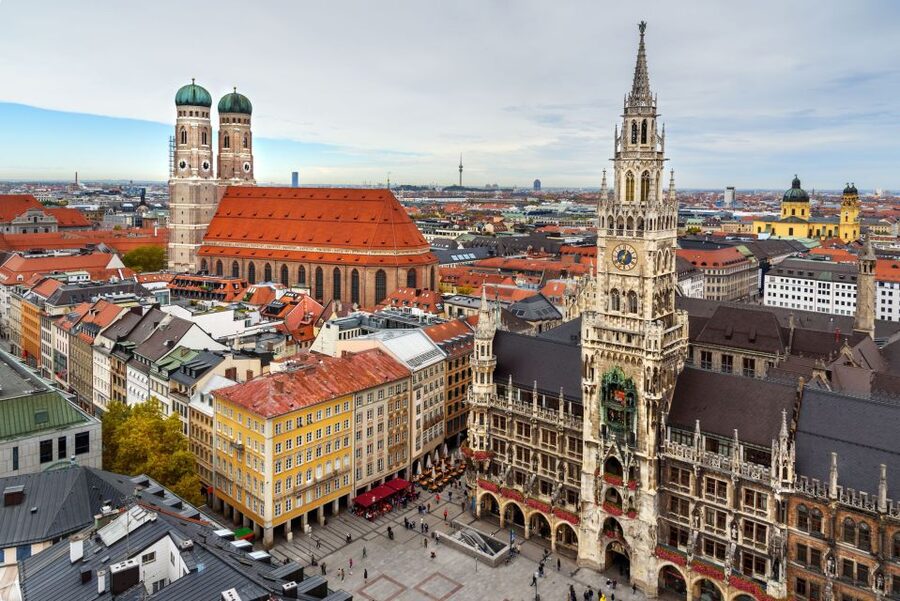
At $215 per person, the price is high compared with a standard group walk. You are paying for a private group and a five-star licensed guide, not for entrance tickets, transportation, or a concert.
The value improves if you are traveling with family or friends and can share the cost across the group. It also improves if you want to ask plenty of questions or have a clear interest in one part of Munich’s musical past. A private tour can save you from spending an entire group outing on topics that do not interest you.
The value is weaker if you mainly want to see Marienplatz, Frauenkirche, and the Residenz without much explanation. You can visit those major sights on your own, and two hours may feel short if music is only a minor interest.
I would compare this price with what you want from a guide. If you want a general introduction to Munich, choose a broader city walk. If you want to understand why certain churches, theaters, and royal buildings matter to music, this focused tour has a clearer purpose.
Who should book this Munich walk
This tour suits you if you:
- Enjoy Mozart, Wagner, Strauss, opera, or classical music.
- Want historical context while seeing Munich’s best-known Old Town sights.
- Prefer a private guide instead of a large group.
- Want to use English, French, German, Italian, Spanish, or Polish.
- Have a particular composer or musical period you want to discuss.
- Prefer a short introduction that fits between other Munich plans.
It may not suit you if you want a concert, a long museum visit, or extensive indoor access. The experience is a walking tour with stories and sightseeing, so its success depends heavily on the quality of the conversation with your guide.
Families with mixed interests may find the private format useful because you can adjust the pace. A group of serious music fans may appreciate the chance to focus on performance history and composers. First-time visitors can use it as a way to see important Old Town locations while learning what makes them culturally significant.
Timing, languages, and meeting details
The activity lasts two hours, though one past participant found it ran a little longer. If you have a train, restaurant reservation, or museum entry immediately afterward, leave some breathing room.
Live guides are available in English, French, German, Italian, Spanish, and Polish. Since the tour is private, you can use the booking process to select the language that best suits your group.
The tour begins and ends at the same meeting point, in front of BEYOND by Geisel at Marienplatz 22. That makes it simple to continue sightseeing afterward, though you should confirm the precise start time and check your email the day before for important information.
You can cancel up to 24 hours before the tour for a full refund, and the reserve-now, pay-later option keeps your plans flexible. Those terms are useful in Munich, where weather, museum plans, and day trips can shift your schedule.
Final verdict: Is the musical Munich tour worth booking?
Book this tour if you want Munich’s famous sights explained through Mozart, Wagner, Strauss, opera, court music, and church music. The strongest feature is the way it turns familiar Old Town buildings into places with a musical story.
I would be more cautious if you are price-sensitive or only mildly interested in classical music. At $215 per person, this is a specialist private tour, not a bargain introduction to Munich.
For music lovers, couples, families, and small groups who want a personal conversation with a guide, it can be a smart choice. Ask about your favorite composer at the start, allow a little time beyond the two-hour estimate, and remember that the experience focuses on outdoor sightseeing and interpretation rather than a live performance.
FAQ
How long does the Mozart and German Composers tour last?
The tour lasts two hours. Starting times depend on availability, and you should allow extra time afterward because one participant found the walk ran a little longer.
Where does the tour begin?
Meet your guide in front of BEYOND by Geisel at Marienplatz 22, 80331 Munich, opposite St. Peter’s Church.
Should I enter the BEYOND by Geisel hotel for the meeting?
No. The hotel is only the meeting point, and its staff are not informed about the tour.
Where does the tour finish?
The activity ends back at the same meeting point in front of BEYOND by Geisel.
Which languages are available?
The live guide can conduct the tour in English, French, German, Italian, Spanish, or Polish.
Is this a private group tour?
Yes. The experience is designed for a private group rather than a shared public group.
What Munich sights are included?
The walk includes Old Town highlights such as Marienplatz, Frauenkirche, St. Peter’s Church, the National Theater, and the Munich Residenz. The Cuvilliés Theater is located inside the Residenz and is discussed as part of Mozart’s connection to Munich.
Can I cancel for a full refund?
Yes. You can cancel up to 24 hours in advance for a full refund. You can also reserve now and pay later.
Just added around Munich
- Pub crawl incl. Oktoberfest museum guided tour with beer tasting (private)★ 5.0 · 5 reviews
- South Tyrolean specialties and wine tasting★ 5.0 · 5 reviews
- Size Matters Beer Tour Munich★ 4.6 · 105 reviews
- Short & sweet: Tasting the Viktualienmarkt★ 4.8 · 37 reviews
- Secret Food Tours Munich★ 4.8 · 5 reviews
- Munich: Romantic Wine Experience for Two at Viktualienmarkt★ 4.2 · 14 reviews
- Residence of Munich private tour with skip the line ticket★ 5.0 · 4 reviews
- Munich: Resistance against Hitler – Historical Walking Tour★ 5.0 · 5 reviews
Munich Tours, compared.

Neuschwanstein & Linderhof Castle-Fairytale Day Tour from Munich
Read our review →
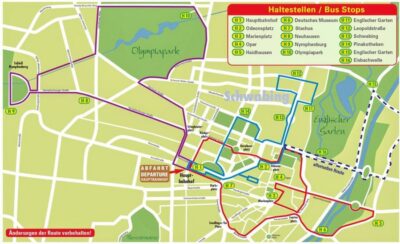
Munich Hop-On Hop-Off Tour: 1-Day or 2-Day Ticket
Read our review →
Premium Neuschwanstein Castle and Linderhof VIP Tour from Munich
Read our review →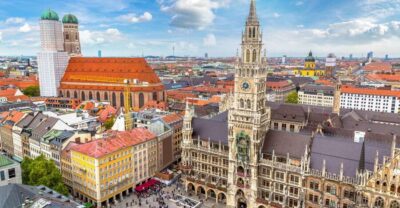
Old Town & Viktualienmarkt City Walk in German
Read our review →
Browse the lists this tour appears in