
Reviewed · MUNICH TOURS
Munich – Illuminati & other Secret Societies, Tour in German
Secret symbols hide in plain sight. This two-hour Munich walk links the Illuminati, Freemasons, Knights Templar, and other mysterious groups to familiar city landmarks. I like the clear route through central Munich, and I like that the guide explains symbols you might otherwise walk past without a second look. The main catch is that the tour is in German, and one recent rating found the material sometimes more general than specifically tied to Munich.
Guide Albert receives especially warm praise for his lively approach and for handling questions well. At $29 per person, the tour offers good value if you enjoy history, puzzles, and unusual stories more than a standard city overview. If you want a broad introduction to Munich’s buildings, food, or royal sights, this is not the best fit.
In This Review
- Key points at a glance
- Starting under Karlstor at Karlsplatz
- The tour’s central question: conspiracy or Enlightenment?
- The Old Academy and the language of hidden marks
- St. Michael’s Church and the role of power
- Frauenkirche and the medieval roots of Freemasonry
- Promenadeplatz and the wider web of orders
- What the guide can add to the experience
- German language and English options
- Is $29 a fair price for two hours?
- Who should book this Munich walk?
- Practical details before you go
- Should you book the Illuminati tour?
- FAQ
- Where does the tour begin?
- How long does the tour last?
- What language is the tour in?
- How much does the tour cost?
- Which Munich sights are included on the route?
- What secret societies are discussed?
- Is the tour wheelchair accessible?
- Can I cancel for a refund?
Key points at a glance
- Follow a clue-filled route: Walk from Karlstor through the Old Academy, St. Michael’s Church, Frauenkirche, and Promenadeplatz.
- Hear the Bavarian Illuminati story: Learn how a Bavarian Elector tried to end the influence of the Illuminati and Freemasons.
- Read Munich’s symbols: The guide points out marks and insignia that many passersby miss.
- Connect masonry with medieval builders: Explore the link between Freemasonry and the old medieval cathedral-building huts.
- Learn about Bavaria’s founding: Hear how Masons are connected with the creation of the Kingdom of Bavaria.
- Expect German commentary: English is offered only as a private tour, so language is the key booking question.
Starting under Karlstor at Karlsplatz
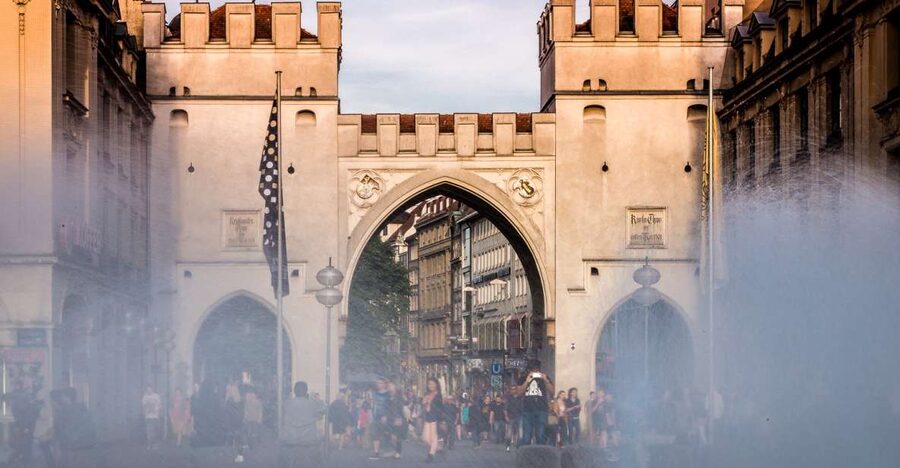
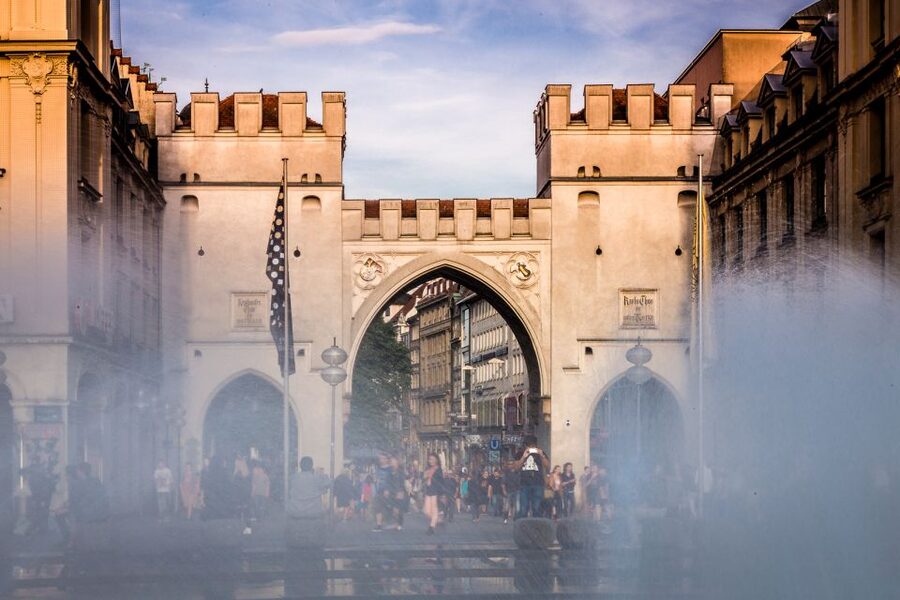
The meeting point is easy to find: directly under the archway of Karlstor at Neuhauser Strasse 47. This puts you at one of central Munich’s most recognizable gateways, with the city center spreading out in front of you.
The location matters because you do not waste time hunting for a small office or distant meeting place. Arrive at Karlsplatz with enough time to identify the arch and settle in before the guide begins. The tour then moves on foot through central Munich, so comfortable shoes are sensible even though the walk lasts only two hours.
This is not presented as a standard sightseeing walk. You are not simply ticking off Munich landmarks and hearing their dates. Instead, familiar places become evidence in a larger story about secret organizations, political influence, religious symbols, and hidden networks.
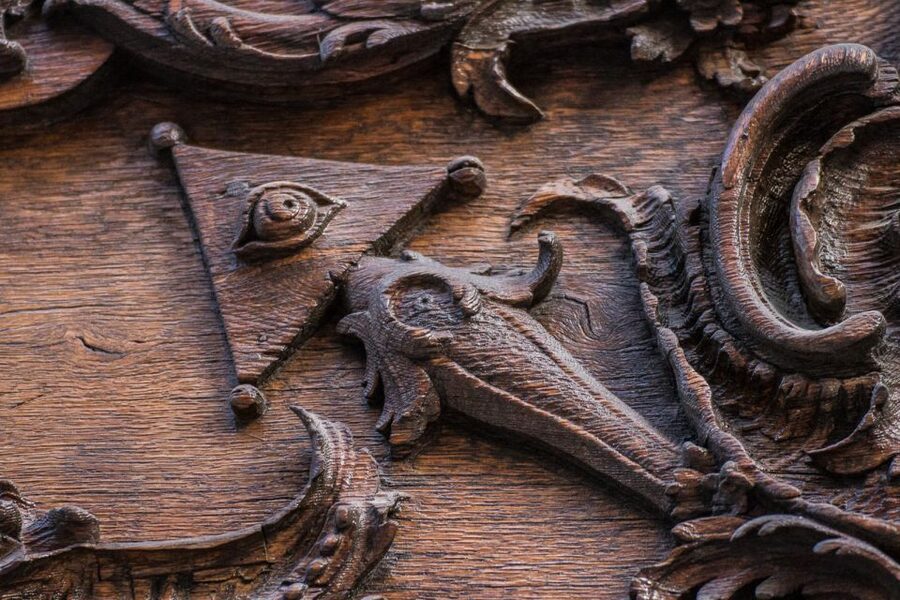
That approach can be fun if you enjoy asking what am I looking at? A carved emblem, architectural detail, or insignia may take on a new meaning once the guide explains how different groups used signs to identify themselves or express their ideas.
A few more Munich trips worth comparing
- From Munich: Neuschwanstein & Linderhof Castle Full-Day Trip
★ 4.5 · 12,494 reviews - Neuschwanstein & Linderhof Castle-Fairytale Day Tour from Munich
★ 4.5 · 7,275 reviews - Munich: Third Reich & WWII Walking Tour
★ 4.6 · 6,181 reviews
The tour’s central question: conspiracy or Enlightenment?
The Munich story begins with secret societies that mixed political ideas, religion, philosophy, and private membership. The tour looks at groups such as the Knights Templar, Freemasons, and Illuminati, while also introducing the Order of the Golden Fleece and the Guglmen.
The appeal is not simply learning a list of mysterious names. You are encouraged to consider how much power these groups actually held. Were they radical Enlighteners trying to improve society, or were they secret rulers manipulating events from behind the scenes?
The guide’s role is important here. A good version of this subject needs some skepticism. Secret-society stories can easily turn into wild claims, especially when symbols are treated as proof of a hidden plot. The supplied information promises a guide-led search for clues, but it does not promise that every legend will be confirmed. I would listen for the difference between documented history, local tradition, and later conspiracy theory.
That balance also explains the one clear criticism of the experience. One participant found the content more general than Munich-specific, despite the guide’s strong subject knowledge. If you expect every story to be anchored tightly to a local building or event, you may find parts of the talk less focused than hoped.
The Old Academy and the language of hidden marks
The Old Academy is one of the first major stops named on the route. Here, the tour shifts from broad ideas to the built environment. You can expect the guide to direct your attention toward symbols and details that are easy to miss when you are simply crossing the city center.
This is where the tour’s format earns its price. A free walk through Munich can show you the outside of a building, but it rarely gives you a method for reading its decorative clues. Here, the guide’s job is to train your eye. Once you know what to look for, the city becomes less like a backdrop and more like a puzzle.
The available details do not identify every symbol at the Old Academy, so you should not expect a fixed checklist of secret marks. The value comes from the explanation given on the day. Ask questions if a symbol seems unclear, particularly if you want to know if it belongs to a specific group or merely resembles one of its signs.
The tour is strongest for people who enjoy context. If you want only confirmed dates and architectural facts, some of the secret-society material may feel speculative. If you like comparing evidence and legend, this stop should give you plenty to discuss.
St. Michael’s Church and the role of power
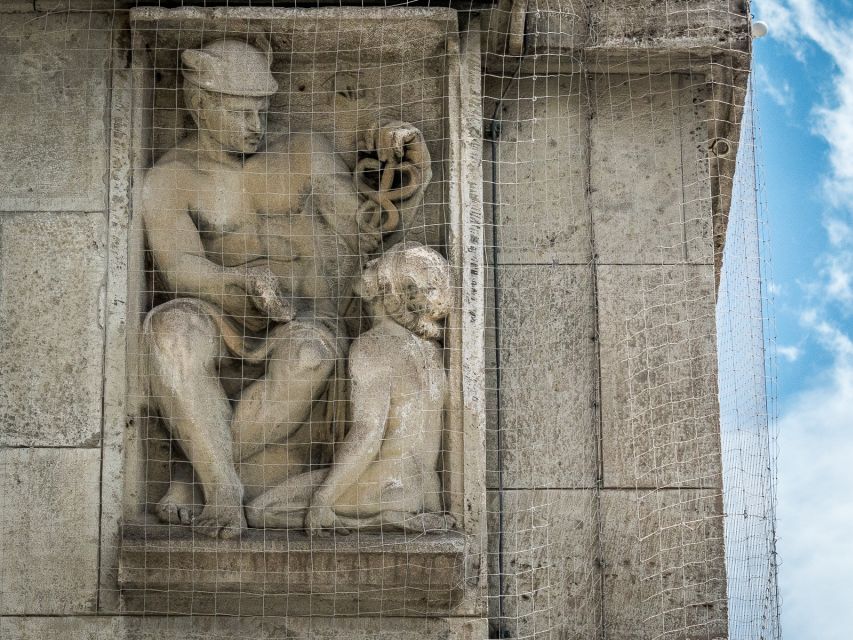
The route continues to St. Michael’s Church, a major Munich landmark with strong links to the city’s religious and political past. In this setting, the discussion of secret groups becomes more pointed. Churches, rulers, orders, and private societies often appear together in stories about influence, loyalty, and authority.
The stated focus includes the actions of a Bavarian Elector who worked to end the conspiracy of the Illuminati and Freemasons. That story gives the tour a useful local center. Rather than treating the Illuminati as a floating international myth, the guide connects the subject to Bavaria and to decisions made by people in power.
You will also hear about the Masons’ role in the founding of the Kingdom of Bavaria. This is one of the more unusual promises of the tour because it links private societies with the formation of a state. The exact weight you give that claim will depend on the guide’s explanation, so listen closely to how the connection is presented.
This stop may appeal most to visitors who already know the basic outline of Bavarian history. You do not need specialist knowledge, but a little awareness of Bavaria’s rulers and political development will make the discussion easier to follow.
Still Munich, at a slower pace:
- Dachau Concentration Camp Memorial Site Tour from Munich by Train
★ 4.5 · 5,637 reviews - Neuschwanstein Castle Tour from Munich
★ 4.5 · 5,117 reviews - Third Reich Walking Tour Munich
★ 4.5 · 4,291 reviews - Munich Hop-On Hop-Off Tour: 1-Day or 2-Day Ticket
★ 4.3 · 4,161 reviews
Frauenkirche and the medieval roots of Freemasonry
Frauenkirche brings the tour to one of Munich’s most familiar sights. The subject here reaches back to the medieval dombau huts, the building lodges associated with cathedral construction. The tour presents these groups as part of the origins of Freemasonry.
That connection is valuable because it moves the subject away from modern conspiracy stories. You get a look at how traditions of skilled building, organized craft, shared signs, and restricted knowledge could later feed the image of the Freemason.
This section also shows why the experience is not simply a hunt for sinister symbols. Some secretive groups were secret because they protected trade knowledge or controlled membership. Others were political or philosophical societies. The guide’s challenge is to explain those differences without making every private association sound like a world-controlling cabal.
Frauenkirche is also a good place to test your expectations. You will see a major Munich landmark, but the focus is not a full architectural tour of the church. If you want detailed information about construction, interior art, or religious history, you may need another tour or a separate visit.
Promenadeplatz and the wider web of orders
The final named stop is Promenadeplatz. By this stage, the tour has moved from medieval building traditions to political organizations and symbolic networks. The Order of the Golden Fleece enters the story here, with its insignia said to appear in many places around Munich.
This is the kind of detail that makes the walk memorable. A symbol you have ignored for years can suddenly become part of a story about rank, allegiance, and power. The guide also introduces the Guglmen, another group that many people will not know before the tour.
Because several organizations appear in a short period, keep track of names as you go. Knights Templar, Freemasons, Illuminati, the Golden Fleece, and Guglmen do not all belong to the same period or serve the same purpose. The experience is more rewarding if you treat the tour as a guided comparison rather than one single conspiracy story.
I would ask the guide to repeat any name or symbol you miss. The tour is designed to be interactive, and the available feedback specifically praises the guide’s willingness to respond to questions and comments. That matters with a subject full of unfamiliar terms.
What the guide can add to the experience
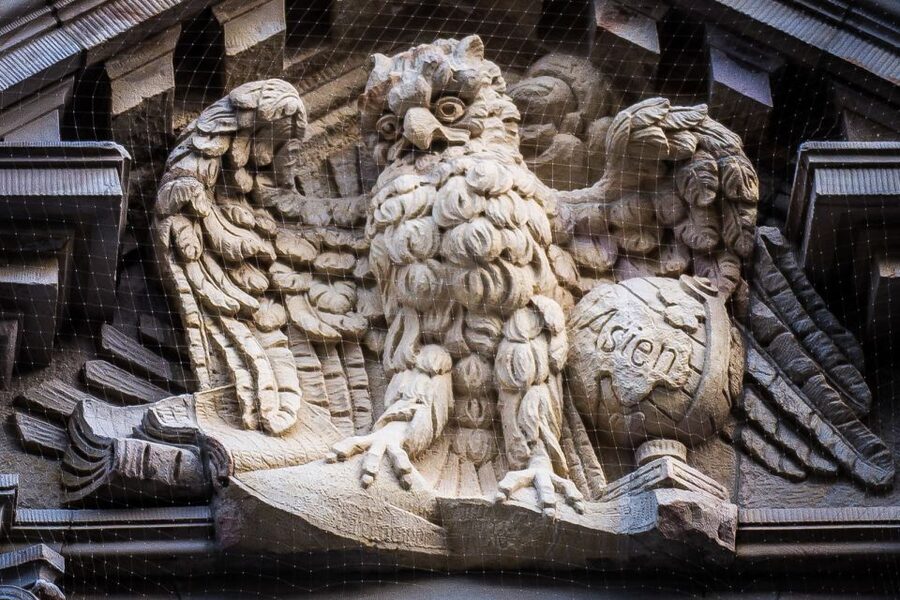
The strongest praise is directed at the guide, especially Albert. The comments describe him as excellent, informative, and engaging, with a real ability to respond to questions. That is important because this subject depends heavily on storytelling and explanation.
A guide who simply recites theories would make the walk tiring. A guide who can separate fact from interpretation, explain a symbol in plain language, and connect one stop to the next makes the two hours move quickly. Albert’s positive feedback suggests that the human side of the experience is a major reason to book.
Still, the quality of a themed tour can vary with the day’s group and the exact guide. The operator is DIE STADTSPÜRER®, and the experience is led live in German. If you have questions about the historical basis of a claim, ask them directly. This is not a subject where passive listening is always enough.
The tour seems best for people who like an active conversation. You may enjoy it less if you prefer a strict chronology, a quiet audio guide, or a conventional introduction to Munich.
German language and English options
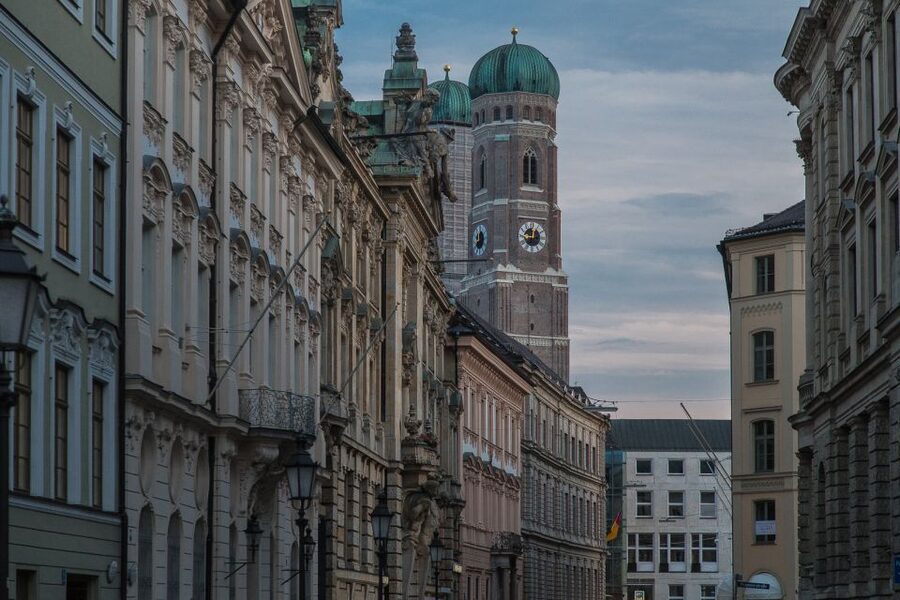
The regular tour is in German. English is available only through a private tour, so language should be your first practical check before booking.
If you understand German well enough to follow a two-hour discussion, you can expect the best value from the standard $29 ticket. If you know only basic German, the specialized vocabulary may be difficult. Terms connected with secret societies, medieval crafts, political groups, and religious symbols are not always easy to guess from context.
The private English option may solve the language problem, but the supplied information does not give a private-tour price or duration. You should confirm those details before paying. Do not assume the regular group tour will switch languages on request.
Is $29 a fair price for two hours?
At $29 per person, this is a mid-range price for a focused walking tour. You are paying for a live guide, a carefully chosen central route, and a subject that is far more specialized than a basic orientation walk.
I see the value in the combination of place and theme. The Old Academy, St. Michael’s Church, Frauenkirche, and Promenadeplatz are not random points on a map. They give the talk a physical shape, and the guide helps you connect Munich’s buildings with the societies discussed.
The price is less attractive if you want a full city tour. You will not get a broad overview of Munich’s royal residences, museums, markets, or everyday culture from the information provided. You are buying a two-hour investigation into secret societies, not a first-day introduction to the whole city.
A small gift is included. It is a minor extra, but a pleasant touch rather than a reason to book on its own.
Who should book this Munich walk?
I would recommend it to you if you enjoy:
- Secret-society stories handled through real places
- Political and religious history
- Architectural symbols and visual clues
- Asking questions during a live tour
- A focused experience after you have seen Munich’s main sights
- German-language tours
It may suit you especially well after a general Munich city tour. Once you know the basic layout, you can concentrate on the less obvious details instead of trying to orient yourself at the same time.
I would be more cautious if you want a conventional historical narrative. The tour may move between medieval building lodges, Enlightenment ideas, Bavarian rulers, and modern conspiracy questions. That wide range is part of the fun, but it can also feel scattered.
Families with older children or teenagers interested in mysteries may enjoy the clue-finding angle. The supplied information does not give a minimum age or a child-specific format, so you should judge the topic and two-hour walking time for your own group.
Practical details before you go
The tour lasts two hours and begins at Karlstor under the archway on Neuhauser Strasse. Because it takes place in central Munich, you can pair it with other city-center sightseeing before or after the walk.
The experience is listed as wheelchair accessible. Since the route passes through urban streets and named landmarks, you should still confirm any personal access needs when booking if you require detailed route information.
You can cancel up to 24 hours before the start for a full refund. The reserve-now, pay-later option lets you hold a place without paying immediately, which is useful when your Munich schedule is still changing.
Wear shoes suited to a two-hour city walk. Bring your questions. The guide’s willingness to address comments is one of the most praised features, and this topic rewards curiosity.
Should you book the Illuminati tour?
Book it if you want Munich with a twist. The route gives you a new way to look at familiar buildings, and the best guide, such as Albert, can turn a difficult subject into a lively discussion. The mix of Illuminati stories, Masonic origins, Bavarian politics, and visible symbols is unusual enough to make the walk memorable.
Skip it if you need English in a shared group, or if you want every minute tied to a precise Munich event. The strongest reservation is the possibility that some content feels general rather than local. At $29, the tour is good value for a German-speaking visitor who likes history, mysteries, and close-looking, but it is not a universal Munich sightseeing choice.
FAQ
Where does the tour begin?
It begins directly under the archway of Karlstor, also called Karlsgate, at Neuhauser Strasse 47, 80331 Munich.
How long does the tour last?
The tour lasts two hours.
What language is the tour in?
The regular live tour is in German. English is available only for a private tour.
How much does the tour cost?
The listed price is $29 per person.
Which Munich sights are included on the route?
The route begins at Karlstor and includes the Old Academy, St. Michael’s Church, Frauenkirche, and Promenadeplatz.
What secret societies are discussed?
The tour discusses the Illuminati, Freemasons, Knights Templar, the Order of the Golden Fleece, and the Guglmen, among other societies.
Is the tour wheelchair accessible?
Yes, the activity is listed as wheelchair accessible.
Can I cancel for a refund?
Yes. You can cancel up to 24 hours in advance for a full refund. You can also reserve now and pay later.
Just added around Munich
- Pub crawl incl. Oktoberfest museum guided tour with beer tasting (private)★ 5.0 · 5 reviews
- South Tyrolean specialties and wine tasting★ 5.0 · 5 reviews
- Size Matters Beer Tour Munich★ 4.6 · 105 reviews
- Short & sweet: Tasting the Viktualienmarkt★ 4.8 · 37 reviews
- Secret Food Tours Munich★ 4.8 · 5 reviews
- Munich: Romantic Wine Experience for Two at Viktualienmarkt★ 4.2 · 14 reviews
- Munich: Resistance against Hitler – Historical Walking Tour★ 5.0 · 5 reviews
- Residence of Munich private tour with skip the line ticket★ 5.0 · 4 reviews
Munich Tours, compared.
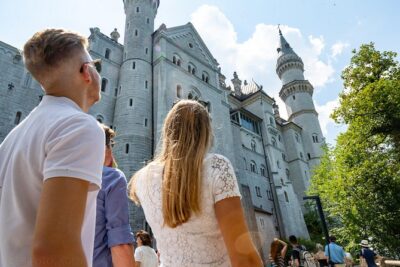
Neuschwanstein & Linderhof Castle-Fairytale Day Tour from Munich
Read our review →
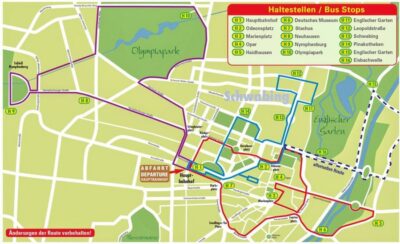
Munich Hop-On Hop-Off Tour: 1-Day or 2-Day Ticket
Read our review →
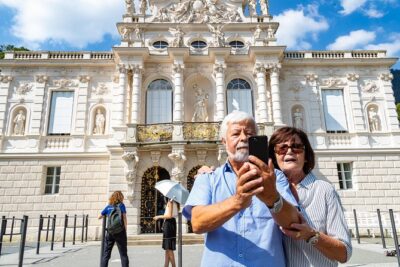
Premium Neuschwanstein Castle and Linderhof VIP Tour from Munich
Read our review →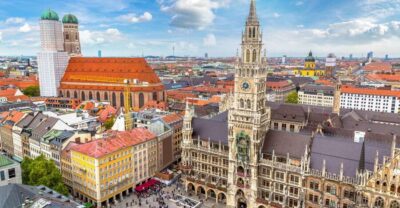
Old Town & Viktualienmarkt City Walk in German
Read our review →
Browse the lists this tour appears in