Reviewed · PRIVATE
Munich Residenz: Private Tour with artists and historians
Royal rooms tell better stories than textbooks. This private Munich Residenz tour gives you two strong guides in one: the palace itself and an artist or historian who can explain what you are seeing. I especially like the focus on the Green Gallery’s paintings and the way the tour connects royal life with Munich traditions, including Oktoberfest.
I also like the choice of guides. Paul Riedel brings an artist’s eye to the rooms, while Freya has been praised for her calm pace and strong command of history and art. The main consideration is the $160 per-person price, which is serious money for two to three hours, especially for a small party. You need to value private attention and detailed interpretation to make it worthwhile.
In This Review
- Key points at a glance
- Why the Munich Residenz needs a guide
- Meeting Paul Riedel or Freya at the palace
- The Wittelsbach story begins in the rooms
- The Green Gallery rewards a slower look
- King Ludwig II, Richard Wagner, and royal taste
- A royal garden and the outdoor side of the palace
- Oktoberfest has a place in the story
- What the two to three hours feel like
- Is $160 per person a fair price?
- Who will get the most from this private visit?
- FAQ
- Where does the Munich Residenz private tour begin?
- How long does the tour last?
- Which languages are offered?
- Is this a private group tour?
- Is the Munich Residenz admission ticket included?
- Can I bring luggage or a large bag?
- Should you book the Munich Residenz private tour?
Key points at a glance
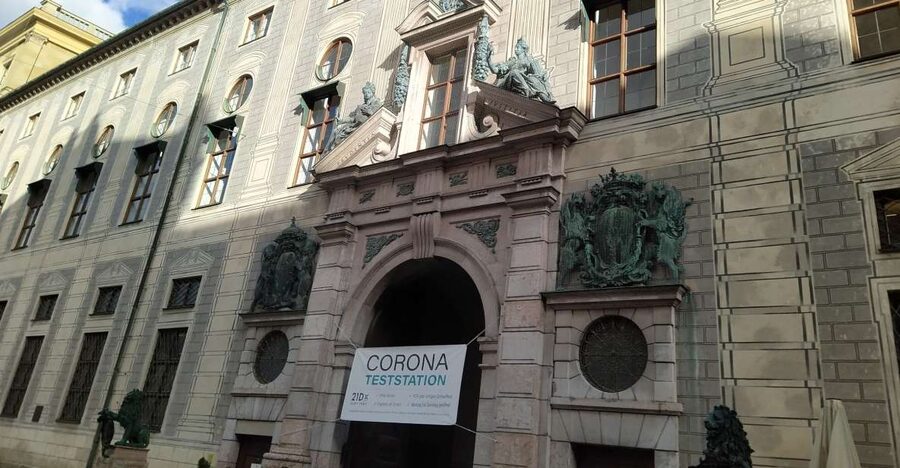
- 139 rooms in a private setting: See the Munich Residenz with a guide focused on the stories behind the rooms, paintings, sculptures, and royal customs.
- An artist’s view of the Green Gallery: Paul Riedel can explain both the historical setting and the technical side of the paintings.
- A useful link to Oktoberfest: The tour connects Munich’s famous beer festival with the residence and Bavarian court traditions.
- King Ludwig II and Richard Wagner: Expect discussion of their unusual personal and artistic relationship.
- Two to three hours at a steady pace: The tour allows time for questions without the feel of a large group.
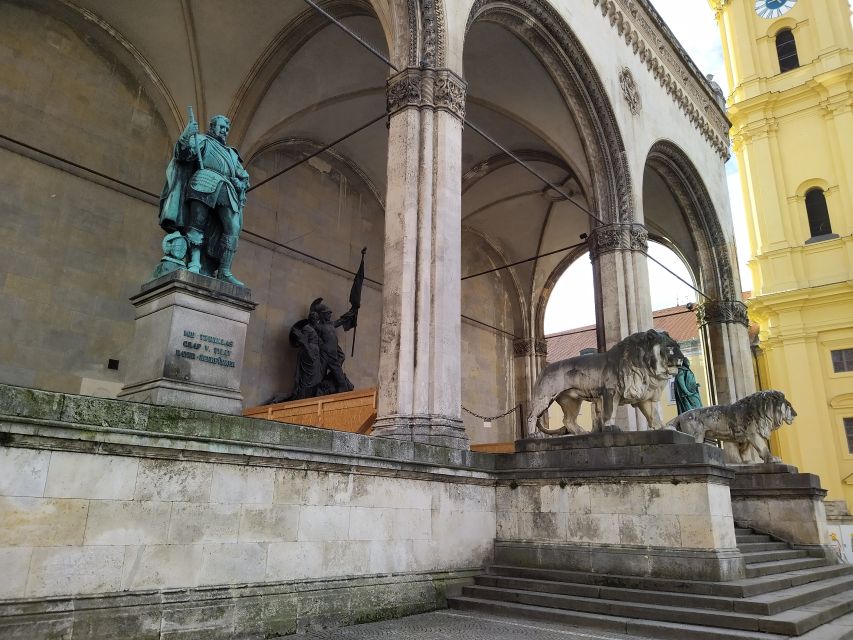
- Private guide, English or German: You meet in front of the Residenz, with the tour ending at the Residenz or Feldherrnhalle.
Why the Munich Residenz needs a guide
The Munich Residenz can be visited on your own, but it is not a quick, simple palace stop. Its 139 rooms cover centuries of royal life, and the decorations can blur together if you do not know what to look for.
That is where this tour earns its keep. You are not just walking past gilded walls and old furniture. Your guide explains how the Wittelsbach family lived, how royal taste changed, and why certain rooms look so different from one another.
I find that a private guide is especially useful in a palace. You can stop at a painting, ask why a room was designed in a certain style, or return to a detail that caught your eye. In a large group, the guide has to keep moving. Here, the pace can respond to your interests.
The setting also matters. The Residenz is not merely a collection of objects placed in a museum. Major events in Bavarian history took place here. The rooms served as living quarters, ceremonial spaces, and settings for court life. A good guide helps you picture those functions instead of treating the palace as a long hallway of pretty interiors.
A few more Germany trips worth comparing
- Berlin: Private Reichstag and Glass Dome Tour
★ 4.8 · 2,226 reviews - Berlin Private Complete History All Day Walking Tour
★ 5.0 · 474 reviews - Munich Private Tour with a Local – Highlights & Hidden Gems
★ 5.0 · 469 reviews
Meeting Paul Riedel or Freya at the palace
You meet your guide in front of the Munich Residenz. The tour is offered in English or German, and the private format means your group has the guide’s attention from the start.
Two guide profiles are particularly useful to keep in mind. Paul Riedel is an artist, and his approach includes the technical background of the paintings in the Green Gallery. That can add a new layer to the visit. Instead of hearing only who commissioned a painting or when it was made, you can learn how the work functions visually.
Freya has been praised for her calm pace and clear explanations. That matters in a palace packed with details. A rushed guide can turn the Residenz into a blur of names and dates. A steady guide gives you time to look up, compare rooms, and ask questions.
You should confirm which guide is assigned when booking if that matters to you. The experience description identifies Paul Riedel, while the supplied tour information also refers to Freya. Both are presented as professional guides with a strong interest in art and history, but the exact guide may depend on availability.
The Wittelsbach story begins in the rooms
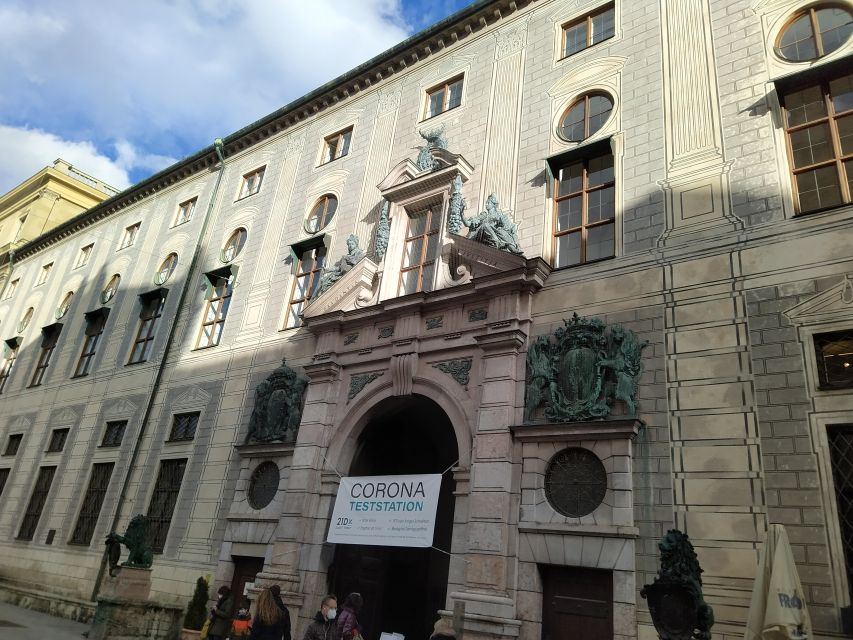
The first part of the visit introduces the Wittelsbachs, Bavaria’s former ruling family. You learn about the early years of Munich’s royal household and how its members lived inside the residence.
This is one of the most useful parts of the tour because the palace becomes easier to read once you understand the family behind it. Royal rooms were not decorated at random. Their scale, furniture, artwork, and arrangement reflected status, ceremony, taste, and political connections.
The tour also brings in links between Bavarian and Greek history, including mythology. That comparison gives the artwork a broader frame. You may notice how ancient stories were used to support the image of a ruling family and connect a modern court with the prestige of the classical world.
I would pay close attention to the guide’s explanation of how the rooms worked. You will see grandeur, but the more interesting question is why the grandeur was there. A palace interior could impress a visitor, reinforce a ruler’s authority, or create a setting for formal court life.
The drawback is that the Residenz contains so much material that two hours can feel short. One participant who took the tour with Paul Riedel felt the visit could easily have continued much longer. That is a compliment to the guide, but it is also a warning: you will not absorb every room and every story in one visit.
The Green Gallery rewards a slower look
The Green Gallery is a major highlight. Your guide presents selected paintings and discusses their artistic and technical background.
This is where having an artist guide can change the experience. Palace galleries often encourage you to admire the overall effect: the repeated decoration, the color, the symmetry, and the sense of ceremony. An artist can also direct your eye toward the way a painting is made and displayed.
You might find yourself looking at brushwork, composition, surface, or the relationship between a painting and its frame. Those details help explain why the gallery feels designed as a complete visual experience rather than a simple row of pictures.
The Green Gallery is also a good test of your guide’s style. If you enjoy art, ask questions about technique and materials. If you are more interested in history, ask who used the gallery and what role it played in court life. The private format makes both approaches possible.
I would not expect a formal art class. This is still a palace tour, not a studio workshop. But the artistic viewpoint gives the paintings more weight and keeps the visit from becoming a list of dates.
Still Germany, at a slower pace:
- Berlin: Reichstag, Dome and Government District Guided Tour
★ 4.7 · 18,288 reviews - Berlin: 1-Hour City Tour by Boat with Guaranteed Seating
★ 4.3 · 16,993 reviews - Hamburg: Sex and Crime in St. Pauli Tour for Ages 18+
★ 4.7 · 15,447 reviews - Hamburg: 1.5-Hour Harbor and Speicherstadt Day Cruise
★ 4.6 · 14,200 reviews
King Ludwig II, Richard Wagner, and royal taste
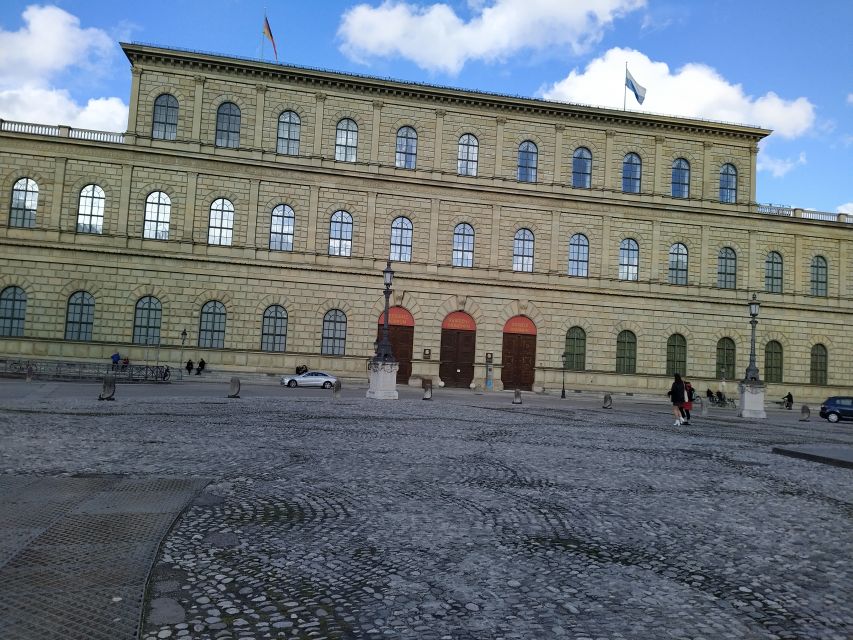
The tour discusses King Ludwig II and his relationship with Richard Wagner. This is one of the more intriguing stories connected with the residence because it brings together royal power, personal fascination, and artistic ambition.
The subject also helps explain the special style of Europe’s late kings. Their interiors could be intensely personal, theatrical, and ambitious. As you move through the palace, look for the ways decoration communicates identity. Royal taste was never just private taste. It sent a message about culture, power, and the place of the ruler within European tradition.
The guide can place Ludwig II’s choices within the wider story of the Bavarian court. That context is more useful than simply labeling him eccentric or romantic. His connection with Wagner raises questions about patronage, artistic influence, and the way rulers used culture to shape their public image.
This part will appeal most to people who enjoy the meeting point of art and biography. If your main interest is architecture alone, the personal stories may feel like a detour. For many visitors, though, these stories are what make the rooms memorable after the tour ends.
A royal garden and the outdoor side of the palace
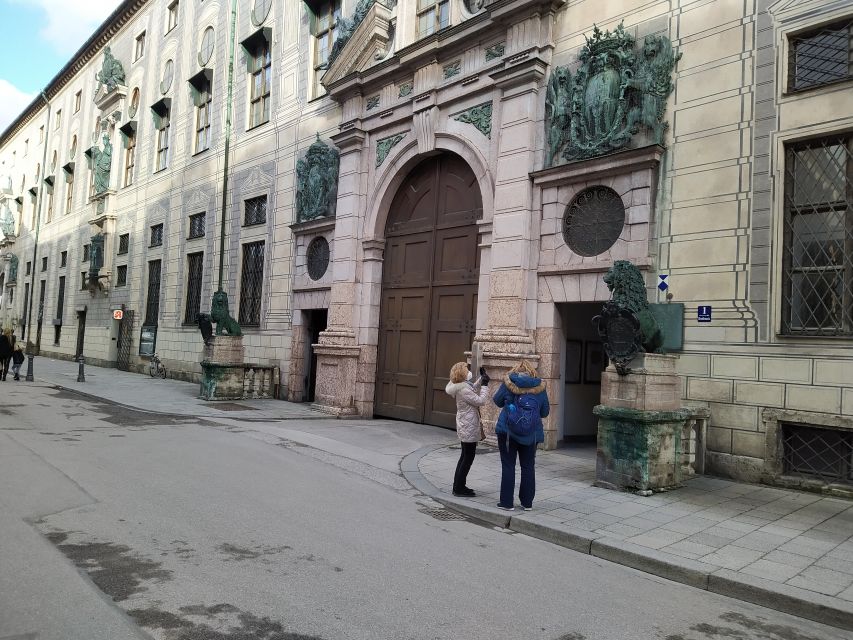
The tour includes the garden associated with King Ludwig II. It gives you a change of pace after the indoor rooms and offers space to consider the events connected with the residence.
The garden is not treated only as a pretty pause. Your guide uses it to reflect on the historical events that unfolded here. That contrast between open space and highly controlled palace interiors can help you think about royal life in a more human way.
After the interior visit, the guide also explains the exterior of the palace. The building was nearly destroyed during World War II, so its present condition carries an important part of the story. The exterior is not simply an untouched royal backdrop. It also represents survival, reconstruction, and the effort to preserve Munich’s past.
I like this broader approach. A palace visit can become too focused on decoration, especially when every room is full of ornament. The discussion of wartime damage reminds you that historic buildings are vulnerable and that what you see today reflects both original design and later preservation.
Oktoberfest has a place in the story
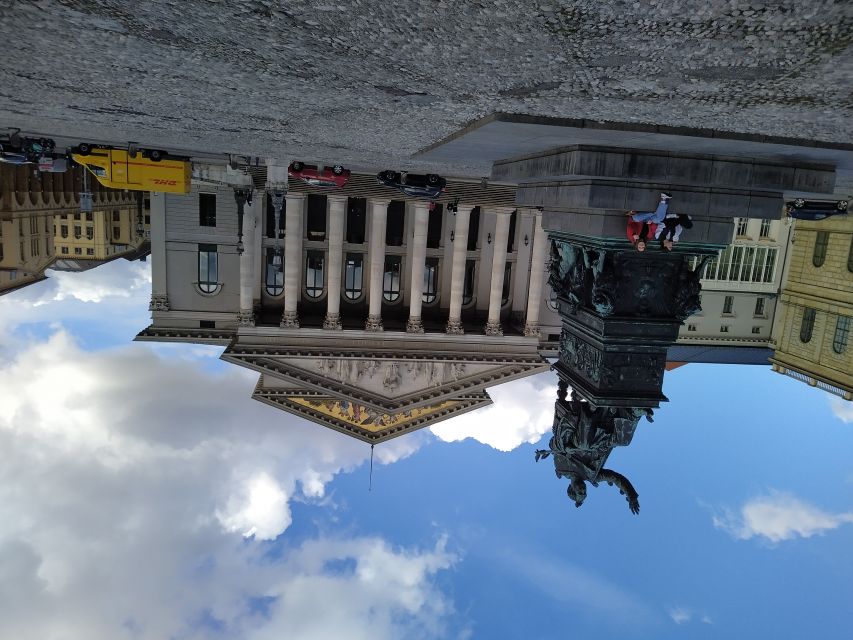
One of the tour’s more unusual promises is its explanation of how Oktoberfest connects to the residence. That is a useful angle because it links a famous modern Munich tradition with the city’s royal past.
You will not be hearing only about beer halls and festival rides. The guide places Oktoberfest within Bavarian traditions and the world of the court. That connection gives the festival a longer historical frame and shows how public celebrations could relate to royal customs and civic identity.
This is the kind of detail I value on a guided tour. It takes something familiar and makes you see it differently. If you already know Oktoberfest as Munich’s biggest annual celebration, learning about its connection to the residence can add a layer of meaning to your visit.
The exact amount of time spent on this subject may vary. The experience covers a great deal in two to three hours, so you should tell your guide early if Oktoberfest is one of your main interests.
What the two to three hours feel like
The stated duration is two to three hours, with the guided visit itself listed as about two hours. That is a sensible length for a palace this large. You get enough time for context and questions without committing an entire day.
A private group helps keep the pace comfortable. You are not waiting for a large crowd to gather or trying to hear a guide from the back of a room. One account of the tour with Freya specifically praised the pace for not feeling rushed.
Still, wear comfortable shoes. You will be on your feet while moving through the residence, and the tour takes place rain or shine. Bring your attention, not your luggage. Large bags are not allowed, so travel light.
The tour is wheelchair accessible. Children under 10 are not permitted, which makes this a better fit for adults and older children who can appreciate extended discussions of art, court life, and history.
At the end, you can be dropped off at the Munich Residenz or Feldherrnhalle. Feldherrnhalle is a useful endpoint if you want to continue exploring central Munich on foot, but the experience does not include additional sightseeing there.
Is $160 per person a fair price?
At $160 per person, this is not a budget palace visit. The value depends heavily on your group size and how much you want personal interpretation.
For two people, the cost buys privacy, a guide who can adjust the pace, and access to an artist or historian rather than a basic audio guide. That can be worthwhile if you care about paintings, royal interiors, or the stories behind Munich’s traditions.
For a larger private group, the per-person cost may feel easier to justify, especially if the guide keeps everyone involved. The price is harder to defend if you prefer to wander quietly or mainly want to see the rooms without much explanation.
There is one practical point to check before paying. The supplied details conflict about admission. One section says museum entry is included, while the included list names only the professional guide and private tour, and another line is unclear. The tour also advertises skipping the ticket line. I would confirm exactly what the $160 covers, including Residenz admission, before booking.
The flexible booking terms help reduce the risk. You can cancel up to 24 hours ahead for a full refund, and reserve now while paying later. Those terms are useful when your Munich schedule is still changing.
Who will get the most from this private visit?
I would choose this tour if you:
- Care about the history behind palace rooms, not only their appearance
- Enjoy paintings and want an artist’s explanation of technique
- Prefer a private guide to a large scheduled group
- Want links between Bavarian court life, Oktoberfest, Ludwig II, and Wagner
- Can stay focused for two or more hours indoors
- Are traveling with adults or children age 10 and older
I would skip it if you want a quick look at the Residenz, dislike guided discussion, or are mainly trying to keep costs low. You can see a great deal on your own, but you will give up the personal context and the chance to shape the visit around your interests.
FAQ
Where does the Munich Residenz private tour begin?
Meet your guide in front of the Munich Residenz.
How long does the tour last?
The experience lasts two to three hours. The guided visit is listed as about two hours, with starting times depending on availability.
Which languages are offered?
The tour is available in English and German.
Is this a private group tour?
Yes. The experience is arranged for a private group with a professional guide.
Is the Munich Residenz admission ticket included?
The supplied details are inconsistent. One section states that museum entry is included, while the included list names only the guide and private tour. Confirm admission coverage when booking.
Can I bring luggage or a large bag?
No. Large bags and luggage are not allowed. Comfortable shoes are recommended, and the tour operates rain or shine.
Should you book the Munich Residenz private tour?
Book it if the Residenz is a priority and you want more than a quick walk through ornate rooms. The strongest reasons are the private format, the artist’s perspective in the Green Gallery, and the connections between the Wittelsbachs, Oktoberfest, Ludwig II, Wagner, and Munich’s traditions.
I would ask for Freya or Paul Riedel if guide choice is available, then confirm the admission details and your main interests before arrival. If you want art explained clearly, Paul’s approach may suit you. If you value a calm pace and broad historical storytelling, Freya sounds like a strong match.
For a first visit to Munich, this is a focused and personal way to understand the city’s royal center. It costs more than a standard museum visit, but you are paying for interpretation, questions, and time shaped around your group. That is the real value.
Just added around Germany
- Private Walking Tour in Berlin: Hitler’s Germany & WWII★ 5.0 · 7 reviews
- The History of Berlin: WWII PRIVATE Walking Tour With Locals★ 5.0 · 209 reviews
- Berlin: Private Bike Tour of the Berlin Wall and Third Reich★ 5.0 · 23 reviews
- Private Berlin WWII and Cold War History Tour with Local Expert Guide★ 5.0 · 28 reviews
- Private Walking Tour Berlin 3 hours: Brandenburg, Historic Center★ 5.0 · 7 reviews
- Berlin: Guided Private Bike Tour to Explore the Highlights★ 5.0 · 12 reviews
- Berlin Photography Masterclass – Private Photography Lesson★ 4.5 · 23 reviews
- Group Driving Tour 1 to 6 people. Berlin Shore Excursion incl pick-up at Port★ 5.0 · 8 reviews
Private, compared.


Berlin Private Complete History All Day Walking Tour
Read our review →
Munich Private Tour with a Local – Highlights & Hidden Gems
Read our review →
Your private 3-hour Hamburg driving tour with a former policeman
Read our review →
Strasbourg: Private City Sightseeing Boat Tour
Read our review →
1.5-Hour Private Tour through Historical Old Town
Read our review →
Berlin Private Half-Day Walking Tour: Discover the German Capital’s History
Read our review →