
Reviewed · OLD TOWN TOURS
Munich: Walking tour of the old town with all your senses
Munich reveals itself on foot. This private old-town walk mixes famous sights with odd local stories, from the Teufeltritt legend to the mystery of eight church clocks. I like the focus on Munich’s traditions, and I like that the guide adds small surprises rather than simply reciting dates.
The tour also brings in the senses, including tap water and a closer look at food culture around Viktualienmarkt. The main consideration is language: the live guide is German, so this suits you best if you understand German well. The fixed price of $227 per group of up to 10 is fair for a full group, but costly for one or two people.
In This Review
- Six details that shape the experience
- Starting beneath Munich’s New Town Hall
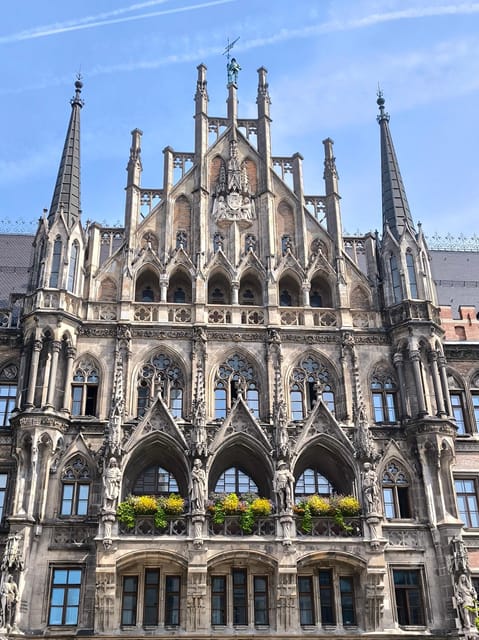
- The New Town Hall and Munich’s uneven towers
- Church clocks, white gold, and the Teufeltritt
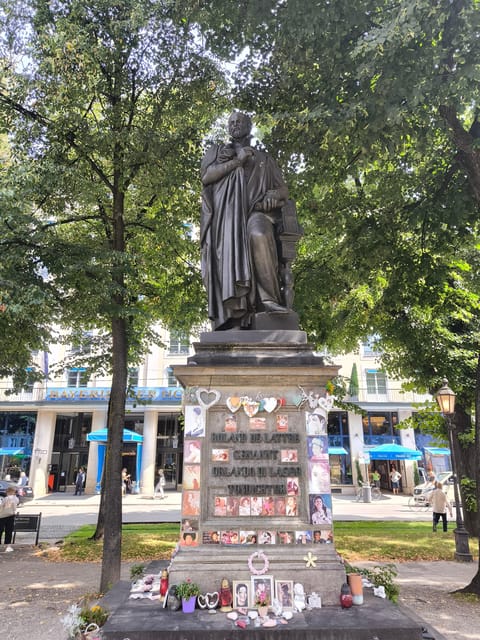
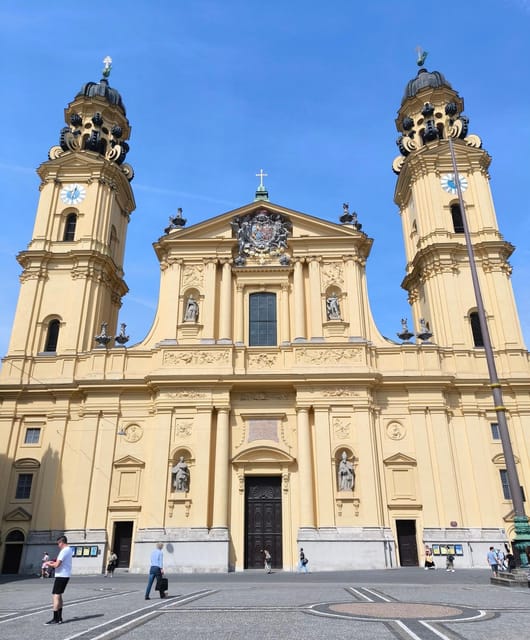
- Churches and monuments with a lighter touch
- Viktualienmarkt and the taste of Munich
- The sensory element and the fountain water
- A private group and a two-hour pace
- What the German-language format means
- Timing, cancellation, and simple planning
- Who should book this Munich walk?
- Should you book this private old-town tour?
- FAQ
- Where does the tour start?
- Where does the tour end?
- How long is the walking tour?
- What language is the tour conducted in?
- Is the tour private?
- What is included in the price?
- Are other drinks included?
- How much does the tour cost?
- Can I cancel for a refund?
Six details that shape the experience
- Marienplatz is the starting point: Meet at Marienplatz 8, by the carillon tower of the New Town Hall, downstairs at the entrance.
- The route lasts two hours: You stay on foot and finish back at the starting point.
- The Teufeltritt adds a local legend: Munich’s famous devil’s footprint gives the church stories a playful edge.
- Viktualienmarkt brings food into the tour: Expect talk about Munich’s eating and drinking customs, along with insider details about the market.
- The tour is private: Your group can include up to 10 people, with the guide’s attention kept within your party.
- German is the tour language: This is an important booking point, especially if you are relying on English.
Starting beneath Munich’s New Town Hall
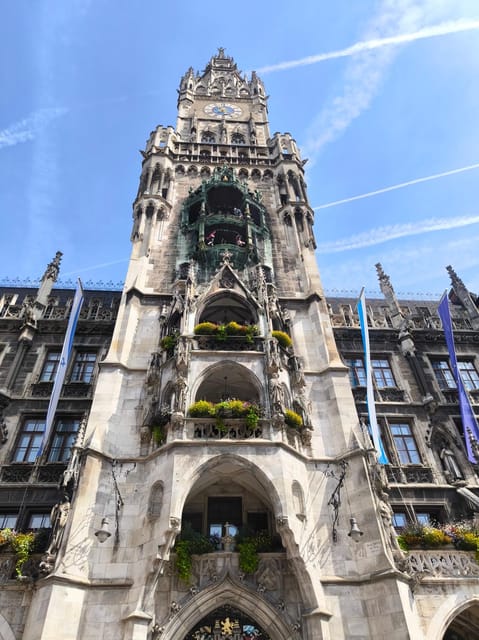
The tour begins in the heart of Munich at Marienplatz, one of the easiest places in the old town to find. You meet at Marienplatz 8, by the carillon tower of the New Town Hall, downstairs at the entrance.
That location gives the tour an immediate sense of place. You are not starting at a remote office or spending the first part of the experience getting across town. You begin among Munich’s major old-town buildings, with the guide ready to connect the square to the city’s past and present.
The meeting point does require care. Marienplatz is a central, well-known spot, but the precise instruction is to go downstairs at the entrance by the carillon tower. Arrive with enough time to identify the correct entrance rather than searching at the last minute.
From here, the guide introduces Munich through its architecture, monuments, churches, and local customs. The promise is not a long march from one landmark to another. It is a conversation-based walk, with stories used to make the buildings easier to remember.
More Old Town Tours in Munich
- Munich: Old Town & Viktualienmarkt City Walk in German
★ 4.7 · 2,304 reviews - Munich Old Town Walking Tour
★ 4.5 · 1,287 reviews - Munich: Spooky Tour of Old Town in German
★ 4.6 · 1,112 reviews
The New Town Hall and Munich’s uneven towers
Munich’s old town is full of buildings that can look familiar in photographs yet feel different when you are standing beneath them. The tour focuses on imposing buildings, monuments, and churches, but it also adds small details that help you see past the grand façades.
One example is Munich’s towers of unequal height. That subject may sound minor, but it is exactly the sort of detail that rewards a walking tour. You learn to compare the skyline rather than simply admire it, and you get a specific visual question to carry with you as you move through the center.
The New Town Hall is also tied to the city’s carillon, making the starting point more than a practical meeting place. The supplied information does not promise a timed performance, so you should not book this tour expecting a dedicated carillon show. The value lies in the guide’s explanation of Munich’s buildings and the stories attached to them.
I appreciate this approach because architecture becomes less anonymous. Instead of hearing only that a building is old or important, you get a reason to look up, compare, and remember.
Church clocks, white gold, and the Teufeltritt
The tour’s unusual subjects give it more personality than a standard old-town orientation walk. You hear about the mystery surrounding eight church clocks, the meaning of white gold, and the legend of the Teufeltritt.
The phrase white gold refers to a local tradition or product that the guide explains during the walk. The information provided does not specify the exact stop or story, so you should expect an introduction rather than a specialist lecture. That is part of the appeal: these are conversation starters that connect Munich’s culture to everyday life.
The eight church clocks offer another example of the tour’s style. Rather than focusing only on famous dates, the guide points you toward a city mystery. You may find this especially enjoyable if you like stories that make you inspect a church façade or listen more closely to the details around you.
The Teufeltritt legend brings humor into the religious architecture. Munich’s churches can feel solemn and monumental, but local legends give them a human voice. A good guide can use a tale like this to explain how people have interpreted a building over time, not just when it was constructed.
The tour includes historical information, but it does not present the old town as a museum frozen in place. The stories connect past beliefs with the city you see today.
Churches and monuments with a lighter touch
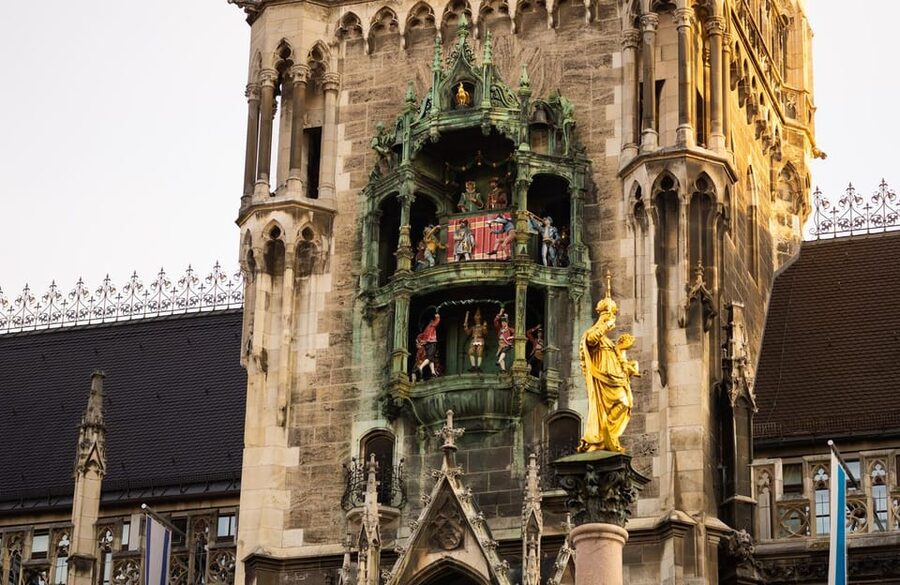
You can expect the guide to discuss churches, monuments, and historic buildings as you move through the old town. The exact order of stops is not specified, and that may allow the guide to adjust the walk to your group’s pace and interests.
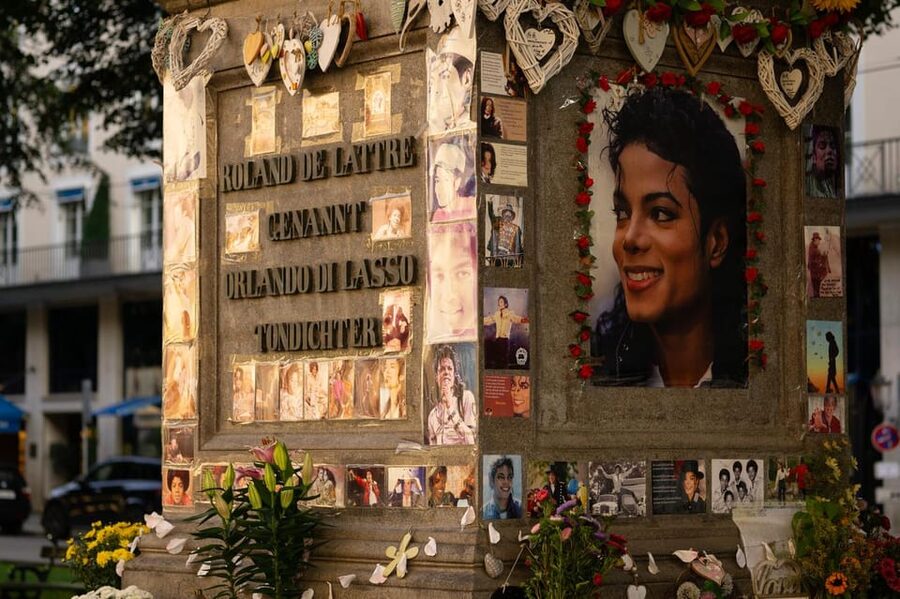
The guide is also expected to add unusual celebrity stories and funny anecdotes that are not usually found in guidebooks. This is one of the strongest reasons to choose a private tour instead of relying only on a printed map. A guide can choose a story that fits the building in front of you and answer questions as they arise.
The tone matters. Munich’s past includes serious subjects, but a tour made entirely of solemn dates can become hard to follow. Humor helps break up the information and gives you memorable points of reference.
One guide named in the feedback is Fabi, whose tour received especially warm praise. The comment describes Fabi’s tour as perfect and highly recommendable. That is a strong sign that the company’s guide training can produce a personable experience, though guide quality can naturally vary by date and assignment.
A separate comment noted that the guide was still quite nervous, but that it did not interfere with the activity. If you need a polished performance from the first minute, this is worth keeping in mind. If you care more about useful information and a friendly exchange, a little nervousness may not matter.
More Walking Tours in Munich
- Munich: Third Reich & WWII Walking Tour
★ 4.6 · 6,181 reviews - Third Reich Walking Tour Munich
★ 4.5 · 4,291 reviews - Munich: Night Watchman Walking Tour
★ 4.7 · 2,092 reviews - Munich Ghosts and Spirits Evening Walking Tour
★ 5.0 · 1,900 reviews
Viktualienmarkt and the taste of Munich
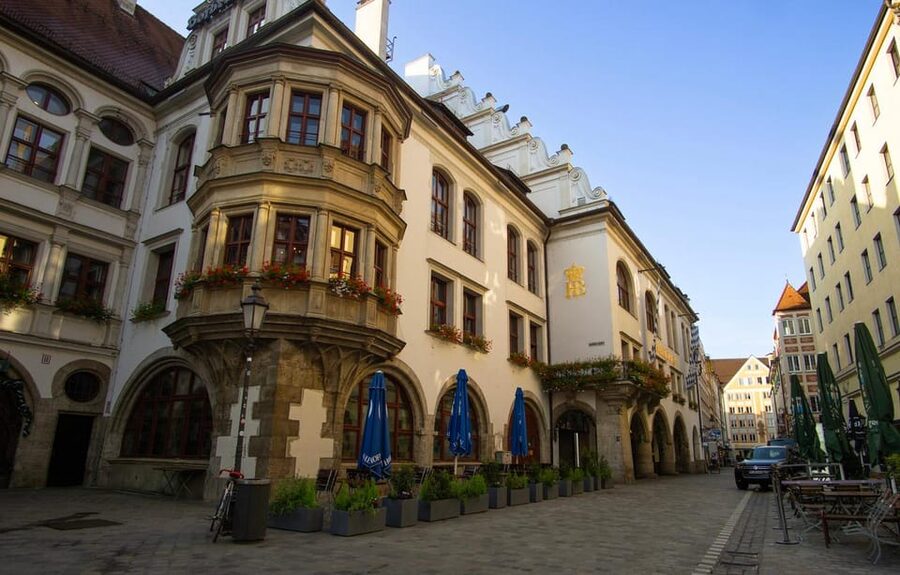
Viktualienmarkt is an important part of the walk because it gives the old town a daily, practical side. You are not only looking at grand buildings. You are also hearing about Munich’s food and drink culture and learning how the market fits into local life.
The tour promises interesting insider knowledge at the market, but it does not list a meal, tasting, or extra drink as part of the price. You should treat this as a guided look and conversation about Munich’s culinary traditions, not as a food tour with multiple included samples.
That distinction matters when you compare prices. If you want lunch or a full tasting menu, you will need to budget separately. The inclusion list covers tap water and small surprises, while more drinks are not included.
Still, Viktualienmarkt can be one of the most useful stops for getting a feel for Munich beyond its monuments. Food customs are easy to understand because they connect directly to what you see and smell around you. The guide’s role is to explain the local context and point out details you might otherwise pass without noticing.
The sensory element and the fountain water
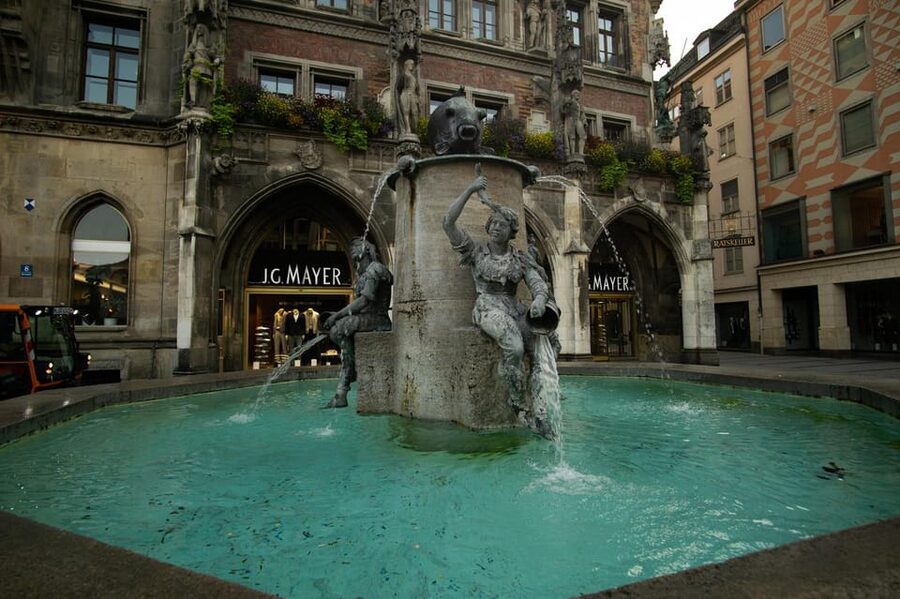
This walk is designed to involve more than sight and sound. The guide may encourage you to feel the old town in a direct way, and tap water is included. A supplied comment specifically refers to drinking water from a fountain and suggests that paper cups would have been better than plastic, given the wish to avoid plastic.
That detail tells you two useful things. First, the sensory theme is not just a slogan. Drinking water can be part of the experience. Second, you may want to carry your own reusable cup or bottle if you prefer not to use disposable plastic.
The supplied details do not identify the fountain or promise a particular tasting, so I would keep expectations modest. This is a small interactive touch, not a full culinary program. It can be a welcome break during a two-hour walk, especially on a warm day.
The tour includes tap water, but additional drinks are not included. Plan to buy anything else yourself, particularly if you want coffee, beer, or a longer stop at the market.
A private group and a two-hour pace
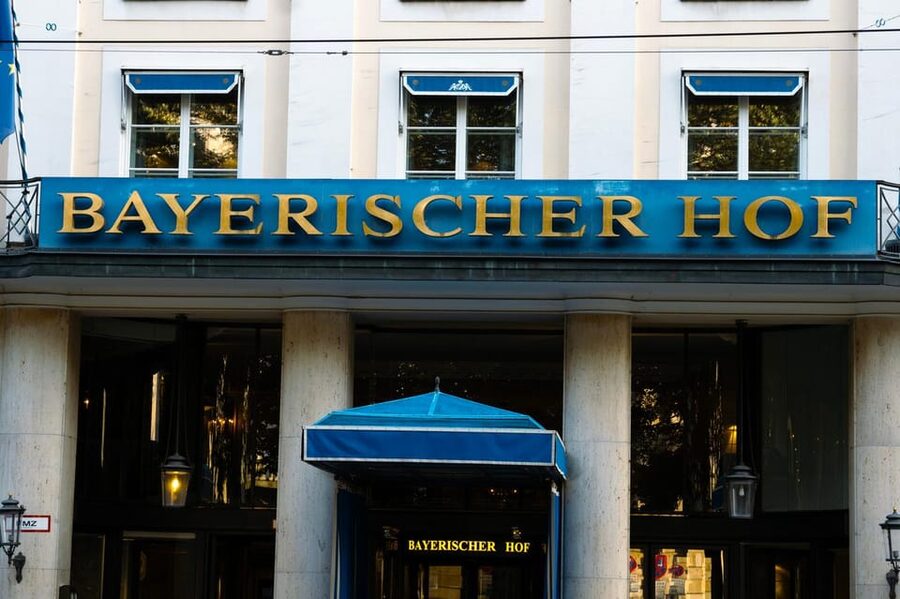
The private format is one of the clearest advantages. Your party has the guide to itself, with a maximum group size of 10. That makes it easier to ask questions, pause for photographs, or request more detail about a particular building.
Two hours is long enough for a useful introduction to Munich’s center without taking up an entire morning or afternoon. It is also short enough to pair with another activity, a meal, or independent time at the market.
You should still expect a walking tour, not a seated history lesson. The route begins and ends at Marienplatz, so you do not need to arrange transport back from a distant neighborhood. Wear comfortable shoes and keep your schedule flexible enough for normal stops and conversation.
The private price works best when shared. At the full group limit, $227 comes to $22.70 per person. For five people, it is $45.40 each. For two people, it is $113.50 each, and for a solo booking the entire cost falls on you.
That makes the tour a better value for families, friends, or a small private party than for a single visitor. The private setting may justify the price if personal attention matters to you, but budget-minded solo visitors may prefer a larger group walk.
What the German-language format means
The live tour guide speaks German, and the listed language is German only. This is not a minor footnote. You should understand German well enough to follow historical explanations, jokes, legends, and questions during a two-hour walk.
If you are comfortable in German, the language may add to the local character of the experience. If you need English, do not assume that the central location or international city setting means the tour is offered in English. The supplied information does not promise translation or a second language.
The guide’s anecdotes are a major part of the value, so missing half the explanation would reduce the experience considerably. Confirm the language before booking if anyone in your group is uncertain.
Timing, cancellation, and simple planning
The duration is two hours, but starting times depend on availability. Check the date and time before you build the rest of your Munich plans around it.
You can cancel up to 24 hours in advance for a full refund. You can also reserve now and pay later, which helps if your schedule is still changing. These policies are useful, but the more important planning point is the meeting location and German-only format.
The activity returns to Marienplatz, making it easy to continue exploring central Munich afterward. You might use the walk as an orientation at the start of your visit, then return to the places that caught your interest.
Who should book this Munich walk?
I would choose this tour if you want a private introduction with personality rather than a checklist of landmarks. It fits you especially well if you enjoy legends, food traditions, architectural details, and stories about unusual local characters.
It also suits a family or friend group that can share the $227 cost. A private guide can keep the pace more personal than a large group tour, and the two-hour length is manageable for a broad range of interests.
You should think twice if you want a formal museum-style history lesson, an English-language tour, or a food tour with substantial tastings. The sensory moments and Viktualienmarkt discussion add flavor, but the included package is still a walking tour with tap water and small surprises, not a meal.
The overall rating of 4.5 from 51 reviews suggests a consistently strong experience. The most positive praise centers on the guide’s performance, with Fabi receiving a particularly enthusiastic recommendation. The only specific criticism provided concerns disposable cups for fountain water, while one note says a nervous guide did not harm the activity.
Should you book this private old-town tour?
Book it if you understand German, can fill several places in the private group, and want Munich explained through local stories instead of only famous names. The unusual subjects, especially the eight church clocks, white gold, and Teufeltritt, give the walk a memorable angle.
For a full group, the price is reasonable for two hours of private guiding. For one or two people, it is harder to justify unless you place a high value on privacy and direct access to the guide.
My practical advice is simple: check the language first, bring a reusable cup if the water stop appeals to you, meet early at the New Town Hall entrance, and use the tour as a starting map for the rest of your time in Munich.
FAQ
Where does the tour start?
The tour starts at Marienplatz 8 in Munich, at the carillon tower of the New Town Hall, downstairs at the entrance.
Where does the tour end?
The activity ends back at the meeting point at Marienplatz.
How long is the walking tour?
The tour lasts two hours.
What language is the tour conducted in?
The live tour guide speaks German. German is the only language listed for this activity.
Is the tour private?
Yes. It is a private group tour for up to 10 people.
What is included in the price?
The price includes a trained guide with insider knowledge, a guided walk through Munich’s old town, small surprises, and tap water.
Are other drinks included?
No. Additional drinks are not included.
How much does the tour cost?
The price is $227 per group of up to 10 people. The cost is charged per group rather than per person.
Can I cancel for a refund?
Yes. You can cancel up to 24 hours in advance for a full refund. You can also reserve now and pay later.
Just added around Munich
- Pub crawl incl. Oktoberfest museum guided tour with beer tasting (private)★ 5.0 · 5 reviews
- South Tyrolean specialties and wine tasting★ 5.0 · 5 reviews
- Size Matters Beer Tour Munich★ 4.6 · 105 reviews
- Short & sweet: Tasting the Viktualienmarkt★ 4.8 · 37 reviews
- Secret Food Tours Munich★ 4.8 · 5 reviews
- Munich: Romantic Wine Experience for Two at Viktualienmarkt★ 4.2 · 14 reviews
- Residence of Munich private tour with skip the line ticket★ 5.0 · 4 reviews
- Munich: Resistance against Hitler – Historical Walking Tour★ 5.0 · 5 reviews
Old Town Tours, compared.

Old Town & Viktualienmarkt City Walk in German
Read our review →

The Night Watchman Old Town Walking Tour in German
Read our review →
Browse the lists this tour appears in