
Reviewed · OLD TOWN TOURS
Munich: Walking Tour Old Town and Viktualienmarkt
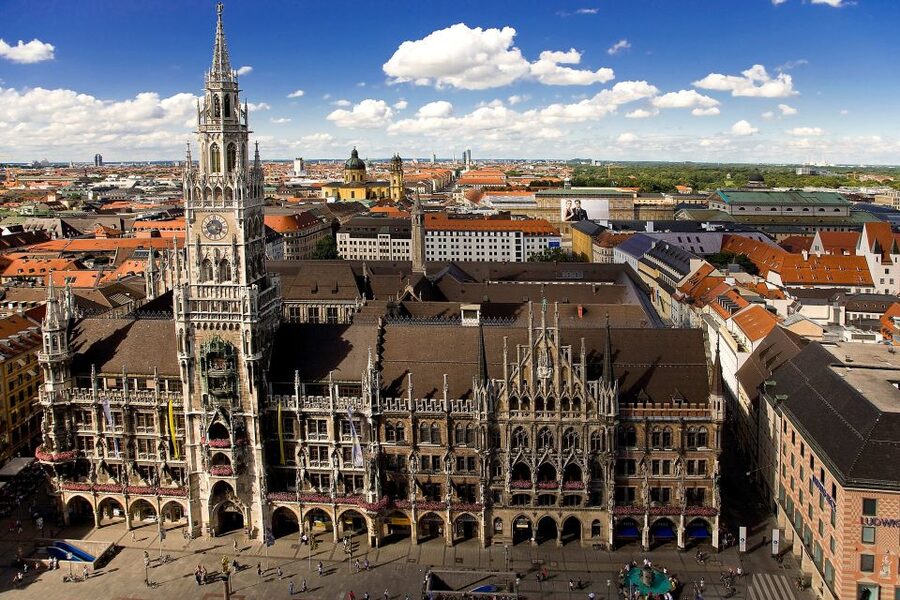
Munich reveals itself one street at a time. This 90-minute walk links the city’s essential sights with the food stalls, beer halls, royal buildings, and shopping streets that give central Munich its character. You begin around Marienplatz and finish at Odeonsplatz, covering a lot without leaving the historic center.
I especially like the food-market stop at Viktualienmarkt, where the route moves beyond grand buildings and into everyday Bavarian life. I also like the guides’ flexible approach. Guides such as Karen, Claudia, Gitti, Gerhard, and Michael have been praised for adjusting the walk to family interests, history questions, German practice, and even the pace of a large group.
The main drawback is the tight schedule. Nine major stops in 1.5 hours means you get orientation and stories rather than long visits inside buildings. The meeting point around the Mariensäule can also be hard to pinpoint, so arrive early and confirm the exact location before setting out.
In This Review
- Key points to know before you book
- Starting beneath the New Town Hall
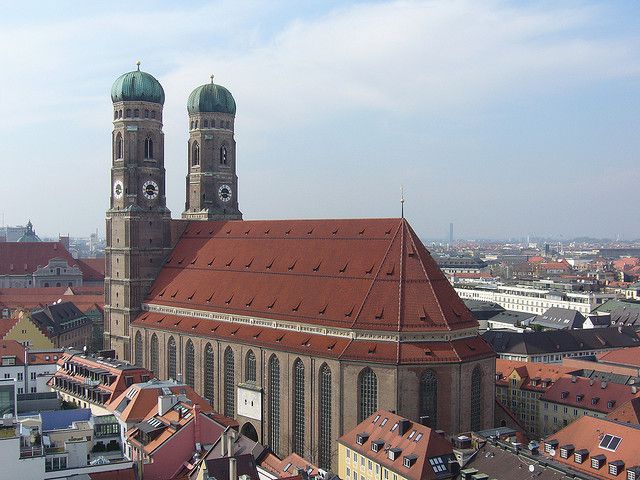
- St. Peter’s Church and Munich’s oldest parish
- A food break without a food tour
- Alter Hof and the old ducal center
- Platzlgassen and the Hofbräuhaus
- Maximilianstraße, where Munich changes its clothes
- The Residenz and Bavarian royal power
- Odeonsplatz and the Italian touch
- How the timing and group size affect the experience
- Who will get the most from this Munich walk?
- Should you book it?
- FAQ
- How long does the Munich Old Town and Viktualienmarkt tour last?
- Where does the tour begin?
- What languages are available?
- Is the tour private or shared?
- Are food, drinks, and entrance fees included?
- What should I bring?
- Can I cancel the booking?
Key points to know before you book
- Marienplatz begins the story: See the New Town Hall, Glockenspiel, and Mariensäule at Munich’s central square.
- Viktualienmarkt adds local flavor: Expect food stalls, bread, cheese, sausages, and other Bavarian specialties, but meals and drinks are not included.
- The route is packed but efficient: You cover St. Peter’s Church, Alter Hof, Hofbräuhaus, Maximilianstraße, the Residenz, and Odeonsplatz in 90 minutes.
- Guides shape the experience: German and English tours are available, with private groups offered and several guides praised for personal attention.
- It is mostly a sightseeing walk: Entrance fees are not included, so you should not expect a full interior tour of the churches, palace, or beer hall.
- The price depends on group size: At $282 per group of up to 30, it can be fair for a private group, but less attractive for a couple unless personal guiding matters to you.
Starting beneath the New Town Hall
The walk begins at the Mariensäule, the column at the center of Marienplatz. This is Munich’s natural starting point, but it is also a busy open square with plenty of people, statues, and surrounding buildings. Make sure you know exactly where your guide will meet you. One person had difficulty finding the group because the instructions referred to the statue without making the meeting spot precise.
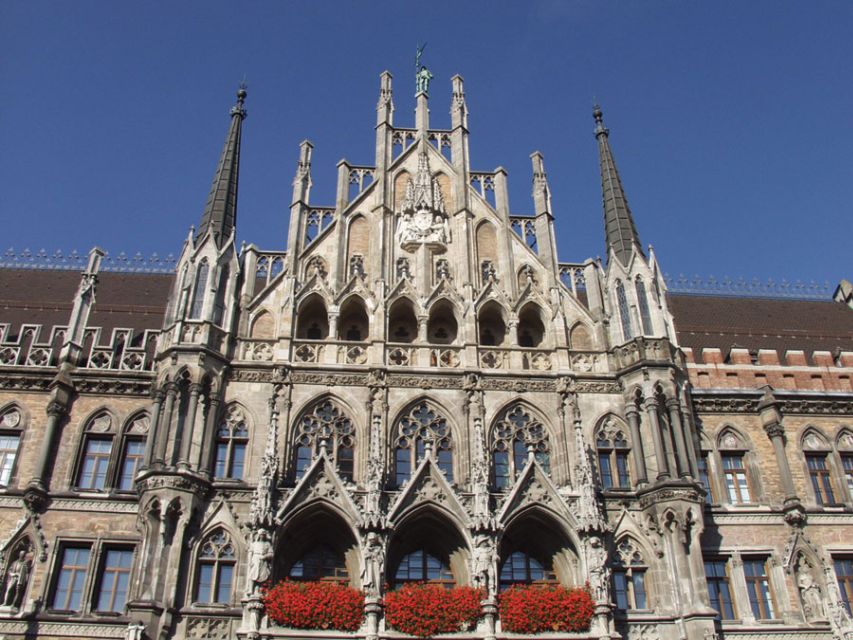
From here, your guide introduces the Neues Rathaus, or New Town Hall. Its Neo-Gothic front is one of Munich’s most familiar sights, with a forest of turrets, carved figures, and the famous Glockenspiel. The stop is listed at about ten minutes, so you should expect an exterior explanation rather than a long visit indoors.
The Glockenspiel is the obvious draw, but a good guide can help you see the building as more than a pretty clock. The stories connected to the figures, Munich’s civic identity, and the square’s role as the city center give the first part of the walk some useful context. This is also where you get your bearings for the rest of the old town.
Because Marienplatz can be crowded, keep your group close and listen carefully. In a large group, the guide may need to speak over street noise and passing pedestrians. Michael was praised for handling a group of 20 quickly and clearly, which matters if you book a shared departure.
More Old Town Tours in Munich
- Munich: Old Town & Viktualienmarkt City Walk in German
★ 4.7 · 2,304 reviews - Munich Old Town Walking Tour
★ 4.5 · 1,287 reviews - Munich: Spooky Tour of Old Town in German
★ 4.6 · 1,112 reviews
St. Peter’s Church and Munich’s oldest parish
A short walk brings you to St. Peter’s Church, commonly called Alter Peter. It is Munich’s oldest parish church and an important counterpoint to the newer-looking town hall. The exterior tells part of the story, while the interior and tower require more time and may involve separate access arrangements.
The ten-minute stop works well as a first introduction. You can hear why the church matters, see its place in the old town, and decide if you want to return later for a closer look. Since entrance fees are not included, ask your guide what is open and what requires payment before planning a return visit.
This is a good point to listen for the difference between Munich’s religious and civic centers. Marienplatz feels public and ceremonial. St. Peter’s feels older, more rooted, and tied to the city’s parish life. The walk is at its best when your guide connects those places instead of treating them as isolated photo stops.
Families may appreciate the short format here. Jana’s guide Karen was praised for keeping a ten-year-old interested, while other guides adapted their explanations to the group’s interests. That suggests the experience can work well for mixed ages, especially if you prefer stories over a long lecture.
A food break without a food tour
The Viktualienmarkt is the most distinctive stop on this route. Munich’s largest traditional food market fills a central open space with colorful stalls and tempting smells. You might find fresh bread, cheeses, sausages, produce, flowers, and other delicacies, depending on the day and the individual vendors.
I like this part because it gives you a glimpse of Munich’s daily rhythm. Grand palaces explain who ruled Bavaria, but a food market shows what people eat and how the city still uses its center. It is also a welcome change from looking upward at facades.
Do not confuse the stop with a tasting tour. Meals and drinks are not included, and the schedule allows about ten minutes for sightseeing. You may have enough time to note what you want to buy later, but you should not count on sitting down for a meal during the walk.
If you want to sample something, ask your guide how much time is available. The sensible plan is to return after the tour, when you can browse without worrying about losing the group. The market is one of the places where this tour can help you plan the rest of your day.
Alter Hof and the old ducal center
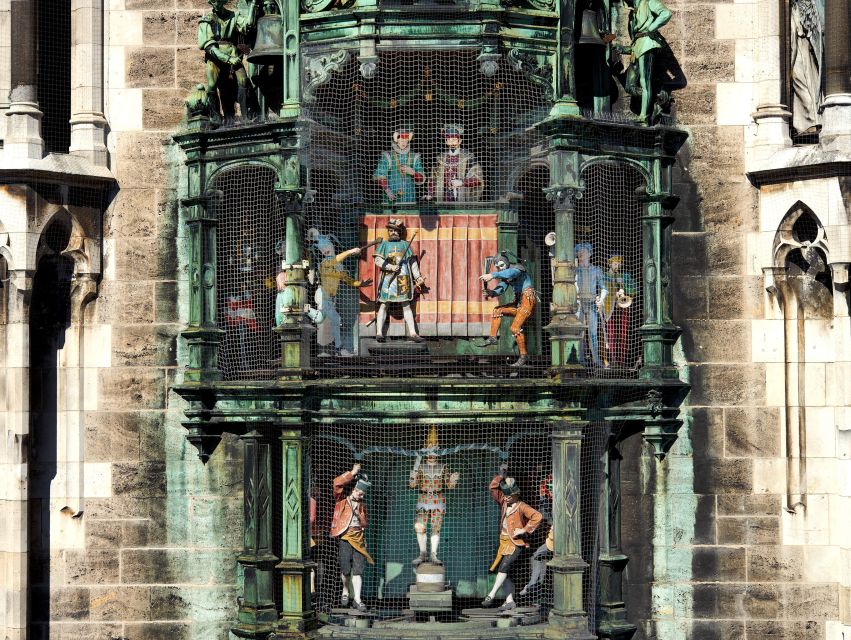
From the market, the route follows Burgstraße toward the Alter Hof, or Old Court. This was once the seat of the Wittelsbach dukes, the ruling family closely tied to Bavarian history. The buildings and lanes here feel quieter than Marienplatz and help you picture Munich before it became a major modern city.
Burgstraße is one of the oldest streets in Munich. That fact matters because the route is not simply a parade of famous facades. Your guide can show how the old town’s street plan, courtyards, and surviving buildings relate to the city’s earlier power structure.
The stop lasts about ten minutes. That is enough for an overview, but not for detailed architectural study. If you enjoy medieval buildings, ask questions early. Guides such as Claudia and Michael have been praised for telling stories about people, architecture, and city development, which can make this short stop much more rewarding.
More Walking Tours in Munich
- Munich: Third Reich & WWII Walking Tour
★ 4.6 · 6,181 reviews - Third Reich Walking Tour Munich
★ 4.5 · 4,291 reviews - Munich: Night Watchman Walking Tour
★ 4.7 · 2,092 reviews - Munich Ghosts and Spirits Evening Walking Tour
★ 5.0 · 1,900 reviews
Platzlgassen and the Hofbräuhaus
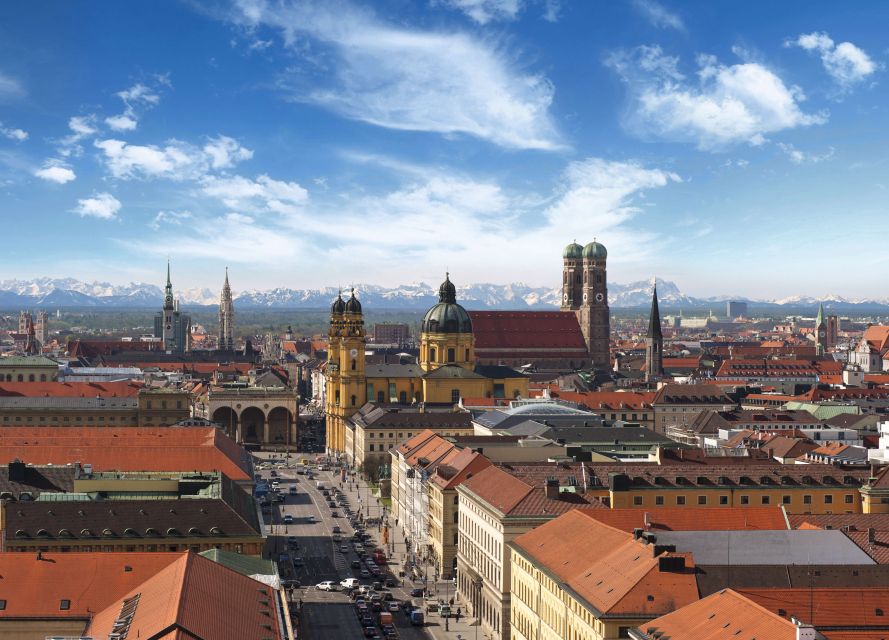
The winding Platzlgassen lanes lead toward the Hofbräuhaus, Munich’s best-known beer hall. Here, medieval-looking alleys meet one of the city’s most recognizable symbols. The Hofbräuhaus has welcomed everyone from local drinkers to royalty, and its name is closely tied to Munich’s beer culture.
The tour is not advertised as a beer tasting or a meal. You will see the building and hear its place in the city’s social life, but drinks are extra. If you want to eat or have a beer there, plan a separate visit after the walk.
This stop can be especially useful if you are new to Bavarian customs. Michael was praised for explaining how to explore Munich in the Bavarian way, while another guide tailored a tour for a stag party with a mix of history and old Munich bars. The lesson is simple: tell your guide what you want. A history-focused family needs a different walk from a group mainly interested in beer halls.
The Hofbräuhaus can be crowded and noisy. You may get more from a short exterior explanation than from trying to force a full meal into this tour’s schedule.
Maximilianstraße, where Munich changes its clothes
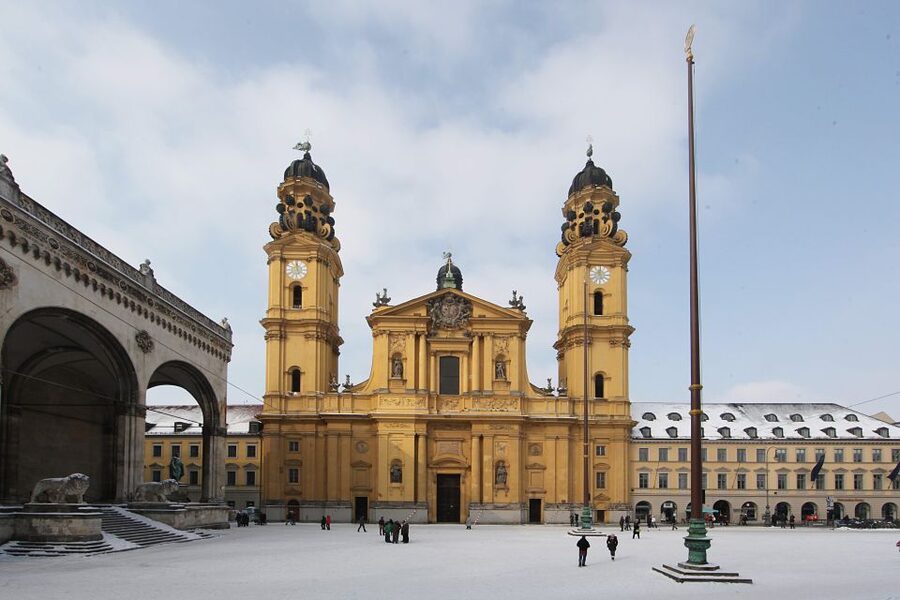
Next comes Maximilianstraße, Germany’s most exclusive shopping street. The mood shifts quickly from old lanes and beer culture to luxury boutiques, jewelers, and designer showrooms.
You do not need to shop here to enjoy the contrast. The street shows another side of Munich, one built around wealth, display, and grand urban planning. It also gives your guide a chance to explain how the city combines its royal past with modern commercial life.
This is primarily a walking and viewing stop. Do not expect discounts, shopping time, or visits inside individual stores. If luxury retail is not your interest, the architectural contrast still makes this a worthwhile part of the route.
The stop is brief, so keep an eye on the guide. Central Munich streets can be busy, and the group may move steadily between landmarks.
The Residenz and Bavarian royal power
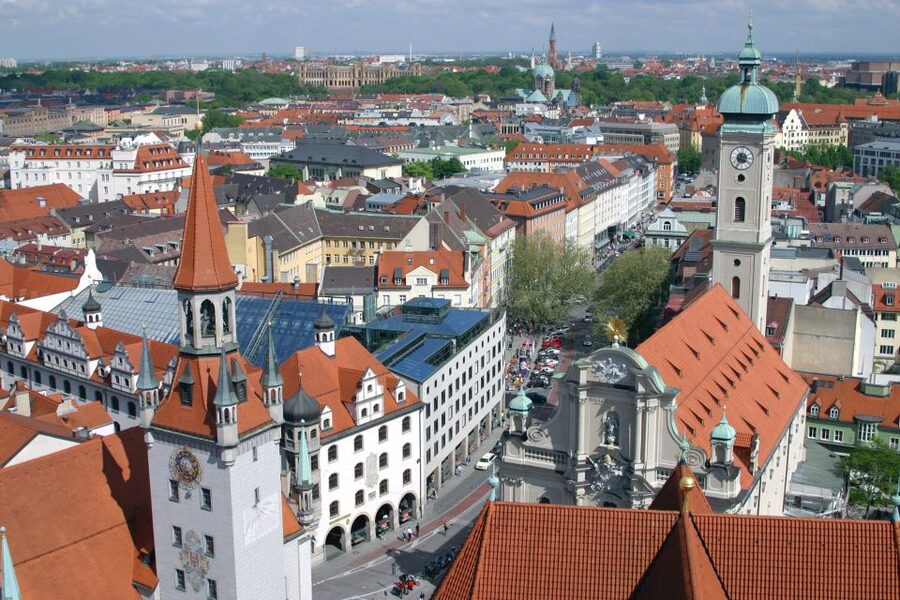
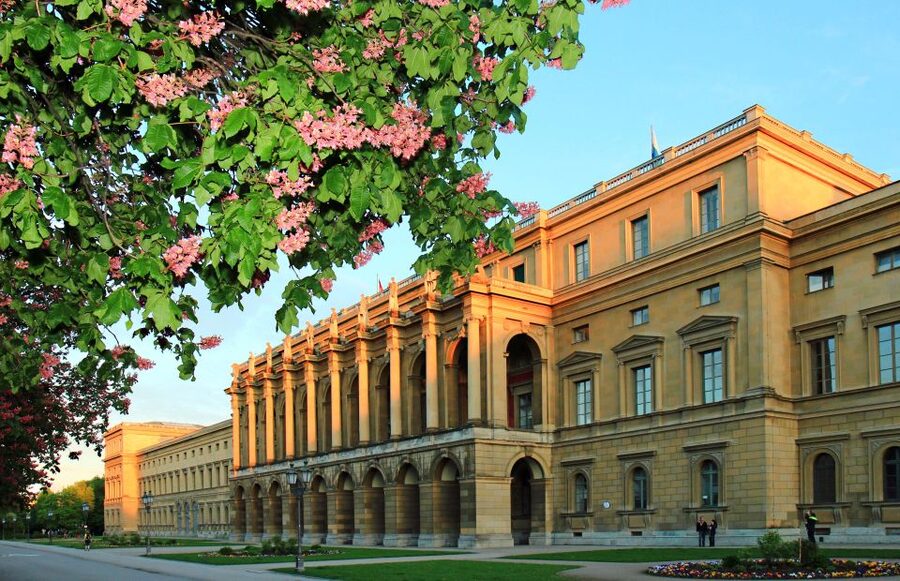
The route continues past the Bavarian State Opera and the Munich Residenz. The opera house is a neoclassical landmark, while the Residenz was the former seat of Bavarian royalty. Together, they form one of the clearest sections of the walk for understanding Munich as a royal capital.
The Residenz deserves more than ten minutes if you want to see its rooms, collections, and court interiors. Since admission is not included, treat this stop as an introduction and consider returning separately if palace art and royal ceremony interest you.
A strong guide can make the exterior more meaningful by explaining how the Wittelsbach rulers shaped the city. Armando’s guide Claudia focused heavily on earlier Munich history and then continued for an extra 45 minutes to discuss architecture. That kind of flexibility is not guaranteed, but it shows why a private booking or a quieter group can be useful if you have detailed questions.
The Bavarian State Opera adds a different note. It is less about medieval Munich and more about the city’s continuing role in music, ceremony, and public life. Even in a short tour, this pairing gives you a wider view of Munich than a route focused only on churches and beer halls.
Odeonsplatz and the Italian touch
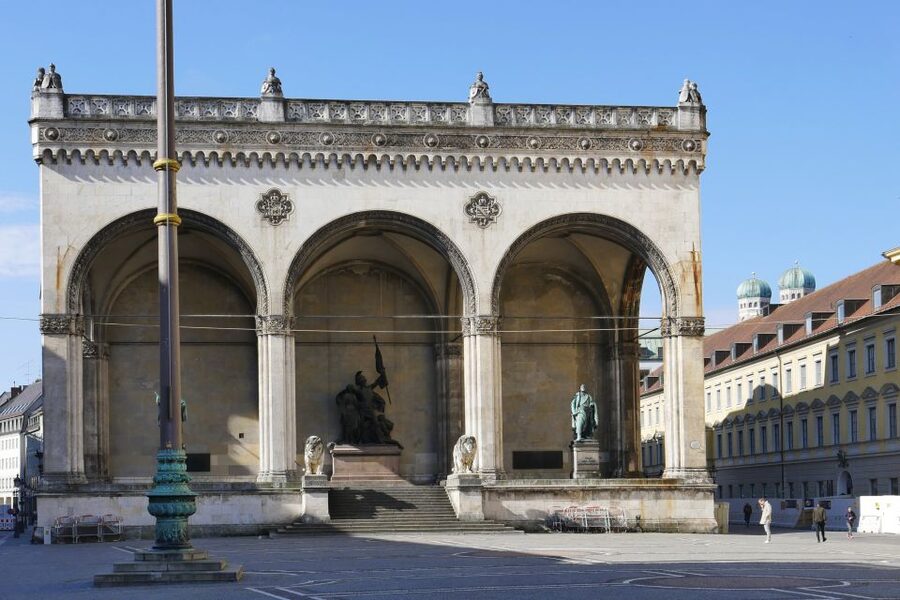
The final major stop is Odeonsplatz, one of Munich’s grandest squares. The Feldherrnhalle gives the space a formal, monumental feel, while the Theatinerkirche adds Italian Baroque style. This is where Munich earns its nickname as the northernmost city of Italy.
The square makes a strong ending because it gathers several themes from the walk: royal ambition, public ceremony, religion, architecture, and the city’s fondness for Italian influence. You can pause here, take photographs, and ask final questions before continuing on your own.
The tour ends with sightseeing rather than admission to the church or nearby buildings. That is important if you want a full interior visit. Use the guide’s final recommendations to decide what deserves a return visit.
Several guides have been praised for offering practical suggestions for food, sights, and restrooms after the official walk. Kelly’s family found this especially helpful, as the guide even encouraged a child learning German. Those small details can make a first day in Munich much easier.
How the timing and group size affect the experience
At 1.5 hours, this is a compact orientation walk. The listed stops receive roughly ten minutes each, with walking time between them. You get a broad introduction to central Munich, but you will not linger at every building or enter every attraction.
That pace is useful on your first day. I like a short city walk when I want to understand where places are before choosing museums, restaurants, or later visits. It is less suitable if you want detailed art history, extensive palace interiors, or long time at the market.
The advertised price is $282 per group of up to 30. For a full private group, the per-person cost can be quite reasonable. For two people, it is a substantial price for 90 minutes, so the value depends on how much you care about a private guide and tailored explanations.
A shared group can keep the cost more sensible, but the experience may feel less personal. A private option gives you a better chance to ask about family interests, architecture, beer culture, or Munich before the 1850s. Guides have shown a willingness to adjust the route and explanations, but you should state your priorities at the beginning.
The tour is offered in German and English. Wear comfortable shoes, since the route is entirely on foot and takes place rain or shine. The information describes it as wheelchair accessible, but it also lists the experience as unsuitable for people with mobility impairments. That conflict needs clarification before booking if you use a wheelchair or have difficulty walking.
Who will get the most from this Munich walk?
I would recommend this experience to first-time visitors who want a clear introduction without committing half a day. It suits couples, families, and private groups that prefer conversation and local stories to a rigid script.
It is also a good choice for people who enjoy history but do not want every stop presented as a formal lecture. The strongest guide feedback praises warmth, storytelling, humor, and the ability to respond to questions. Claudia, Gerhard, Karen, Michael, Sabine, Christina, and others have been praised for making the walk personal and easy to follow.
You should look elsewhere if your main goal is food tasting, beer sampling, or extended indoor sightseeing. You should also think twice if long walks are difficult, since the route covers several central landmarks in a short period and the activity runs in all weather.
Should you book it?
Book this walk if you want to get your bearings fast while hearing the stories behind Munich’s best-known central sights. The combination of Marienplatz, Viktualienmarkt, Alter Hof, Hofbräuhaus, Maximilianstraße, the Residenz, and Odeonsplatz gives you a useful first look at the city’s many sides.
For a private group, the price can make sense when you value a guide who listens and adjusts the conversation. For a small party on a tight budget, the cost is harder to justify unless personal attention is your priority.
I would book it early in your Munich stay, then return to the Viktualienmarkt, Residenz, St. Peter’s Church, or Hofbräuhaus after the tour. That way, the walk gives you the map and the context, while you save the slower exploring for later.
FAQ
How long does the Munich Old Town and Viktualienmarkt tour last?
The tour lasts 1.5 hours.
Where does the tour begin?
The listed starting location is the Mariensäule at München 1, near Marienplatz. The exact meeting point may vary by the option booked, so check your booking details carefully.
What languages are available?
The tour is offered in German and English.
Is the tour private or shared?
You can choose between a private group and a shared group option, depending on availability and the booking selected.
Are food, drinks, and entrance fees included?
No. Meals, drinks, and entrance fees are not included in the tour price.
What should I bring?
Bring comfortable shoes. The tour takes place outdoors and runs rain or shine.
Can I cancel the booking?
You can cancel up to 24 hours in advance for a full refund. A reserve-now-and-pay-later option is also available.
Just added around Munich
- Pub crawl incl. Oktoberfest museum guided tour with beer tasting (private)★ 5.0 · 5 reviews
- South Tyrolean specialties and wine tasting★ 5.0 · 5 reviews
- Size Matters Beer Tour Munich★ 4.6 · 105 reviews
- Short & sweet: Tasting the Viktualienmarkt★ 4.8 · 37 reviews
- Secret Food Tours Munich★ 4.8 · 5 reviews
- Munich: Romantic Wine Experience for Two at Viktualienmarkt★ 4.2 · 14 reviews
- Residence of Munich private tour with skip the line ticket★ 5.0 · 4 reviews
- Munich: Resistance against Hitler – Historical Walking Tour★ 5.0 · 5 reviews
Old Town Tours, compared.
Old Town & Viktualienmarkt City Walk in German
Read our review →
The Night Watchman Old Town Walking Tour in German
Read our review →
Browse the lists this tour appears in