
Reviewed · MUNICH TOURS
Munich’s 500 Years of Architecture Guided Tour
Munich’s buildings tell the city’s story. This two-hour walk and tram journey moves from Gothic churches to Renaissance, Baroque, Neo-Classical, Historicist, Art Nouveau, and modern design, with royal tales and local legends along the way. I especially like the chronological route, which makes the city’s changing styles easy to follow, and the unusual trip to the Isar River, where historic bathhouse architecture meets street art and a striking modern museum. The main drawback is the brisk schedule, plus the route is not suitable for wheelchair users or people with mobility impairments.
Guide Philipp brings a warm, personal touch to the outing. His yellow winter hat, yellow backpack, and large blue presentation folder make him easy to spot outside the Frauenkirche. The tour has earned a perfect 5 rating from eight published reviews, with particular praise for Philipp’s friendly manner, clear storytelling, and ability to mix famous sights with less obvious stops.
In This Review
- Key points at a glance
- Starting at Frauenkirche and the late Gothic city
- Renaissance power at St. Michael’s Church
- Trinity Church, Theatine Church, and Baroque Munich
- Maximilianstraße and the grand style of Historicism
- Christmas markets in a medieval setting
- Leaving the Old Town for the Isar River
- Jugendstil, street art, and the Alte Utting
- What Philipp adds to the experience
- Is $36 a fair price?
- Who should book, and who should skip it?
- FAQ
- Where does the Munich architecture tour start?
- How do I reach the meeting point?
- How long does the tour last?
- Which languages are offered?
- Is the tour suitable for wheelchair users?
- What should I bring?
- Should you book Munich’s 500 Years of Architecture Guided Tour?
Key points at a glance
- Five centuries in two hours: Follow Munich’s architecture from late Gothic Frauenkirche to modern museum design.
- A useful change of scene: Leave the Old Town by tram and reach quieter riverside locations along the Isar.
- Inside access matters: The tour includes the chance to enter up to three impressive historic buildings.
- Stories beyond the façades: Hear royal tales, amusing legends, and darker episodes tied to Munich’s past.
- A strong winter option: Christmas markets and a medieval-style market add seasonal atmosphere, but warm clothing is essential.
- A lively final act: Jugendstil, street art, and the unusual Alte Utting help connect old Munich with present-day culture.
Starting at Frauenkirche and the late Gothic city
Meet Philipp outside the main entrance of Munich’s Frauenkirche at Frauenplatz 1. The easiest route is the S-Bahn or U-Bahn to Marienplatz, served by lines U3 and U6, followed by a walk of about five minutes. From Munich Hauptbahnhof, the walk takes roughly 15 minutes.
The meeting point is practical, but Frauenplatz can be busy, especially during the Christmas season. Look for Philipp’s yellow hat, yellow backpack, and blue presentation folder rather than relying on a vague meeting description.
The Frauenkirche is the right place to begin a tour about architecture. Its twin towers and broad Gothic form are among Munich’s most recognizable sights, and the building introduces the late 15th-century world that shaped the city. Here, you begin with the Gothic era before moving forward through time.
The value of this opening is not only the church itself. Philipp connects the building to the people and power structures of its period, including royal stories and local legends. You get a sense of Munich as a place shaped by faith, court life, ambition, and occasional mischief.
The visit may also include the famous footprint legend associated with the church. The supplied details do not promise every interior feature or a fixed amount of time inside, so think of Frauenkirche as the starting point for the architectural story rather than a full church tour.
A few more Munich trips worth comparing
- From Munich: Neuschwanstein & Linderhof Castle Full-Day Trip
★ 4.5 · 12,494 reviews - Neuschwanstein & Linderhof Castle-Fairytale Day Tour from Munich
★ 4.5 · 7,275 reviews - Munich: Third Reich & WWII Walking Tour
★ 4.6 · 6,181 reviews
Renaissance power at St. Michael’s Church
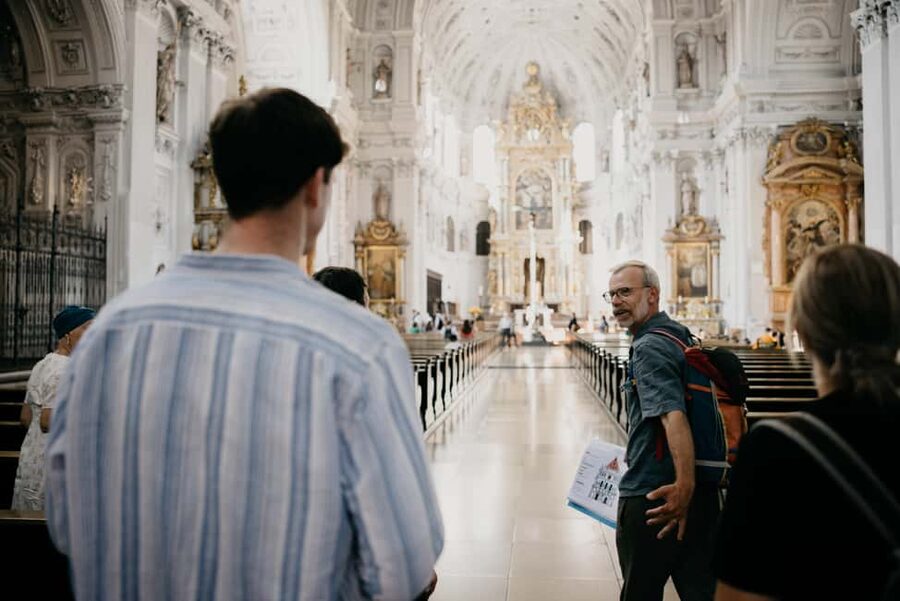
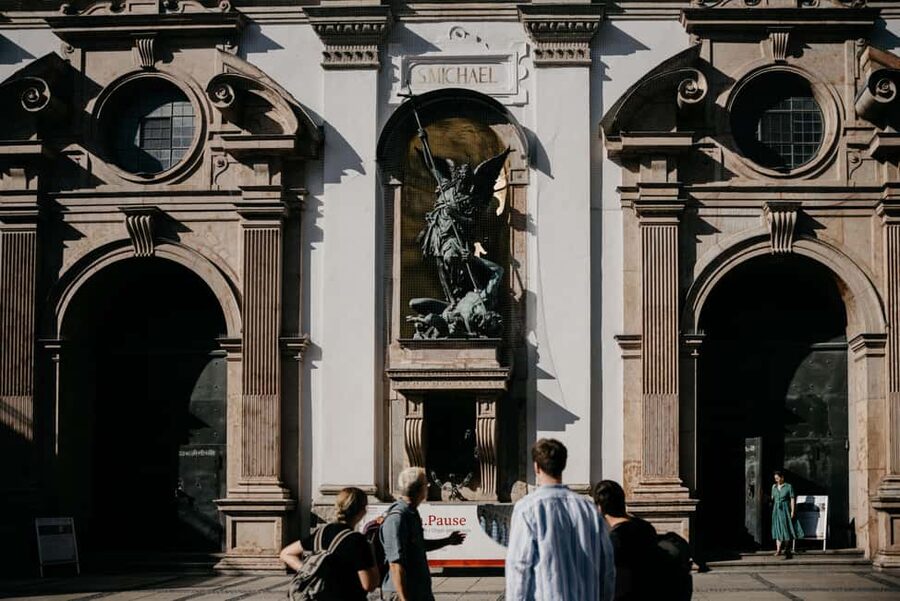
The next major stop is St. Michael’s Church, one of the clearest changes in style on the route. Built during the Renaissance period, it gives you a sharp contrast with the Gothic Frauenkirche.
The church is especially important because it is described as a world-record-holding masterpiece. The available information does not specify which record, so Philipp’s explanation on site will matter. That detail is a good example of why a live guide adds value here. A quick photograph of a grand façade will not explain why the building matters in the wider story of European architecture.
This stop should appeal to you if you like seeing how styles change in response to new ideas. Gothic architecture reaches upward with a strong vertical feeling, while Renaissance design looks back to classical forms and proportion. You do not need an architecture degree to follow the difference. The route presents it in a simple, chronological way.
St. Michael’s is also one of the buildings you may enter during the outing. Up to three impressive buildings can be visited from the inside, though the exact interior access can depend on opening conditions and the flow of the tour. If entering churches is important to you, check the current details when you book.
Trinity Church, Theatine Church, and Baroque Munich
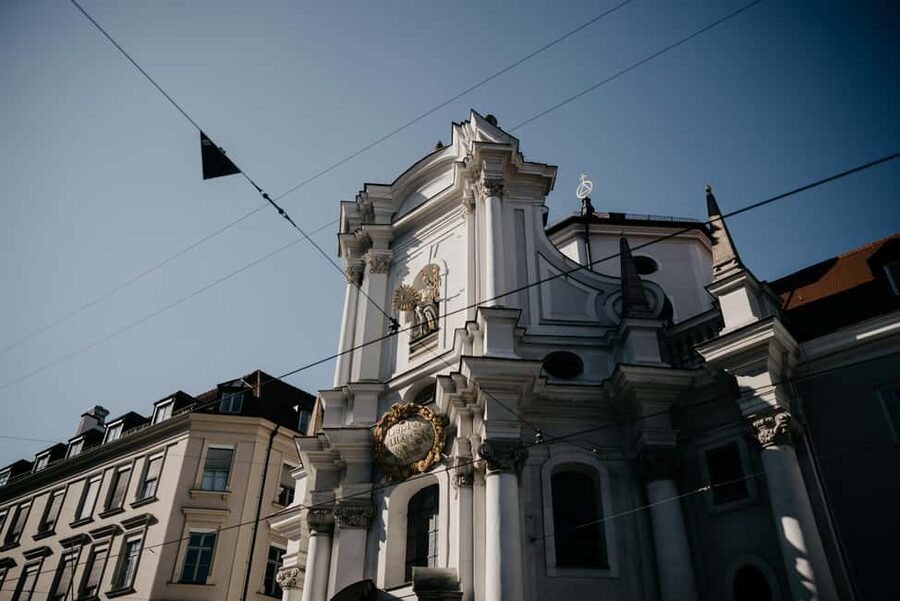
The route continues to Trinity Church and the Theatine Church, bringing you into Munich’s Baroque and courtly periods. These stops help fill in the space between the Renaissance and the later styles that appear around the city center.
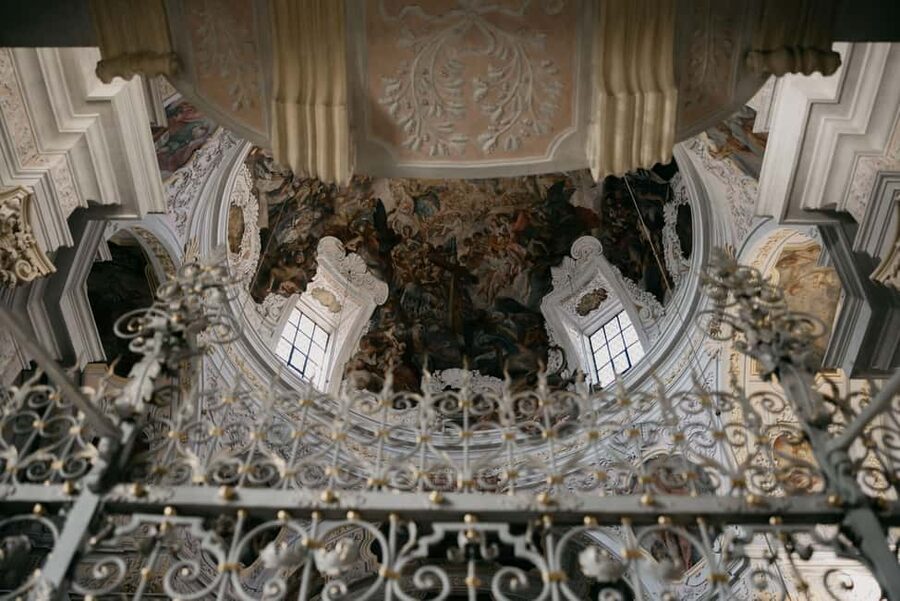
Trinity Church offers another chance to see how religious buildings changed in mood and decoration. The Theatine Church adds a grander sense of scale and royal association. Together, they show Munich’s shift toward more theatrical interiors and polished façades.
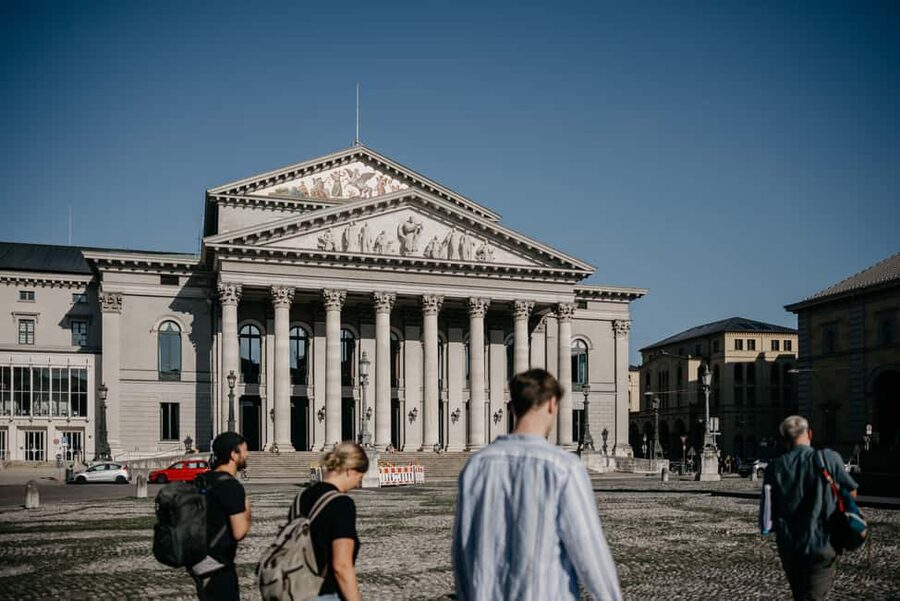
You will also visit the Bavarian State Opera, a building tied to the city’s royal and cultural life. The tour does not promise an opera performance or a backstage visit, so the point here is the architecture and the stories linked to the building.
I like this section because it avoids treating Munich as a collection of isolated monuments. The churches and opera house become chapters in one story. You can follow how the city’s rulers used architecture to express faith, status, taste, and authority.
The tradeoff is pace. You see several important buildings in a short time, and the tour lasts only two hours. If you want long interior visits, extended photography stops, or detailed art commentary in every church, you may find the schedule tight.
Maximilianstraße and the grand style of Historicism
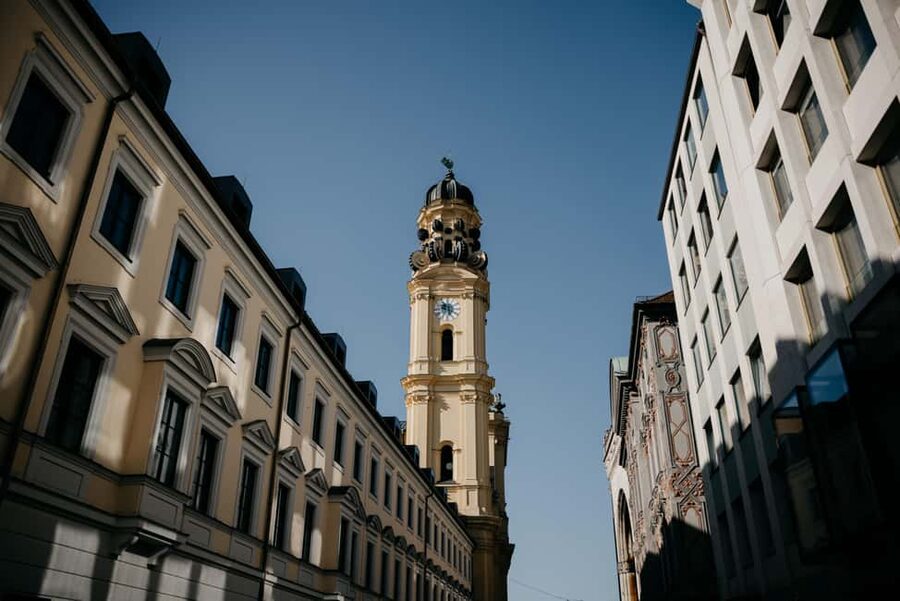
Maximilianstraße gives the tour a different rhythm. Instead of focusing only on churches, Philipp guides you along one of Munich’s best-known grand avenues and explains its architectural character.
This is where the later 19th-century styles come into the picture, including Historicism and Neo-Classicism. These periods often looked to earlier architectural traditions for inspiration, then enlarged and rearranged them for a modern royal capital.
The street also brings Munich’s royal story closer to daily city life. You are not only looking at isolated monuments. You are seeing how a major avenue can express wealth, ceremony, and civic pride.
The word grand is useful here, but do not expect every stop to feel quiet or intimate. Central Munich can be active, and the Christmas season adds more people and market stalls. That is part of the setting, though it can make it harder to hear if you fall behind the group.
Still Munich, at a slower pace:
- Dachau Concentration Camp Memorial Site Tour from Munich by Train
★ 4.5 · 5,637 reviews - Neuschwanstein Castle Tour from Munich
★ 4.5 · 5,117 reviews - Third Reich Walking Tour Munich
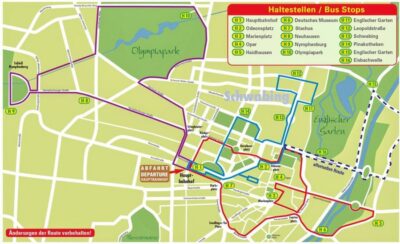
★ 4.5 · 4,291 reviews - Munich Hop-On Hop-Off Tour: 1-Day or 2-Day Ticket
★ 4.3 · 4,161 reviews
Christmas markets in a medieval setting
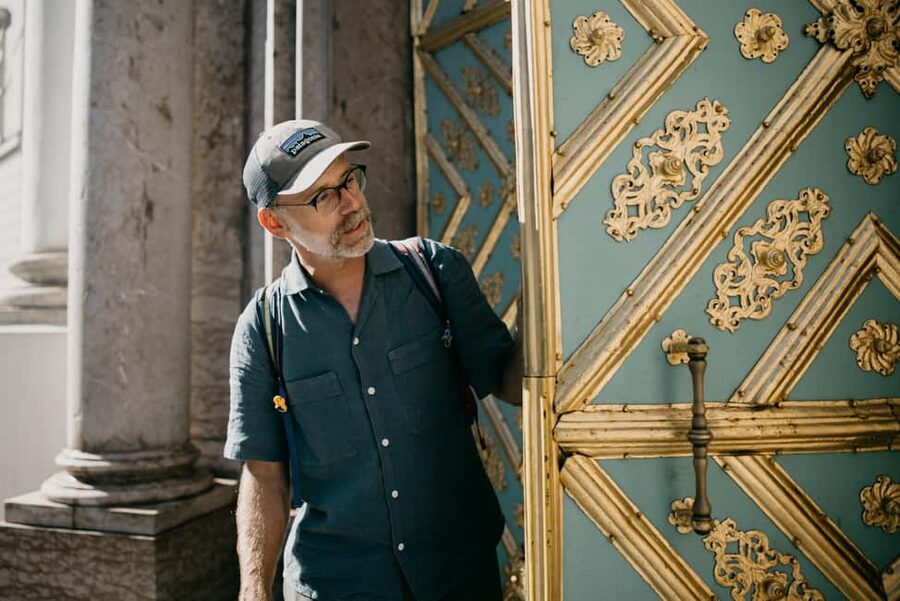
The experience includes several Christmas market visits, including a distinctive medieval Christmas market in a special setting. This seasonal element gives the tour a strong appeal in winter, when Munich’s Old Town takes on a festive character.
A medieval-style market is more than a shopping stop on this route. It connects with the earlier architectural periods and gives you a visual sense of how the city uses its old buildings today. You may find stalls, decorations, and food stands, but food and drinks are not included in the $36 price.
The markets can also slow the walking pace. If you dislike crowds or are visiting outside the Christmas season, ask how the route changes. The supplied information specifically highlights the Christmas markets, so their presence may depend on the time of year.
Bring warm clothing. Munich winter weather can be cold, and the tour includes time outdoors, walking between major sights, and later moving toward the river. Comfortable shoes are just as important. This is an active route, not a seated sightseeing talk.
Leaving the Old Town for the Isar River
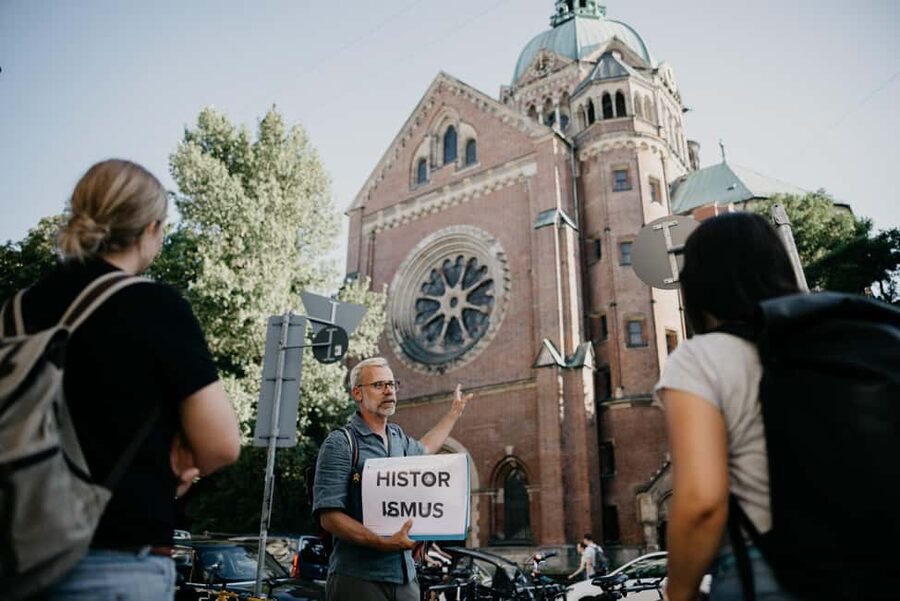
One of the most unusual features is the move from central Munich toward the Isar River. The tour uses a tram to leave the Old Town and reach quieter riverside places. This change is valuable because it breaks up the church-and-palace sequence and shows you a less formal side of the city.
The Isar section includes St. Lukas and Müllersche Volksbad. St. Lukas adds another religious building to the architectural timeline, while Müllersche Volksbad brings public architecture and civic life into the picture.
Müllersche Volksbad is especially interesting because it represents a different purpose from the churches and royal buildings. It was made for public use, and its design helps show how Munich’s architecture served ordinary urban life as well as rulers and institutions.
The tour promises two more world records or record-related points in this part of the route, though the supplied details do not identify them. That makes this a good moment to listen closely to Philipp’s explanation rather than expect a standard list of dates and styles.
The river section is also a practical reason to choose this tour over a conventional Old Town walk. You get a broader view of Munich in one compact outing. The downside is that tram travel introduces another variable, and the two-hour schedule leaves little room for delays.
Jugendstil, street art, and the Alte Utting
The final stretch shifts into Jugendstil, Munich’s form of Art Nouveau. Look for flowing decorative ideas and a lighter, more playful approach than the formal historic styles seen earlier.
The tour then moves into street art, which gives the ending a modern edge. This is a smart choice for a route covering 500 years. You are not left with the impression that Munich’s story ended with palaces and churches. The city continues to change, and street art offers a direct, public expression of that change.
A major highlight is the Alte Utting, an unusual local attraction praised by The New York Times. The information provided does not spell out every feature of the site, so the appeal lies in its distinctive character and its place in contemporary Munich culture.
The tour finishes at the Sudetendeutsches Museum, where modern design provides the final architectural chapter. The itinerary also lists the museum as a visit, though the exact amount of time inside is not specified. That uncertainty is worth noting if you want a full museum visit. This tour uses the museum as the closing point of a wider city story, not necessarily as a long, focused museum tour.
What Philipp adds to the experience
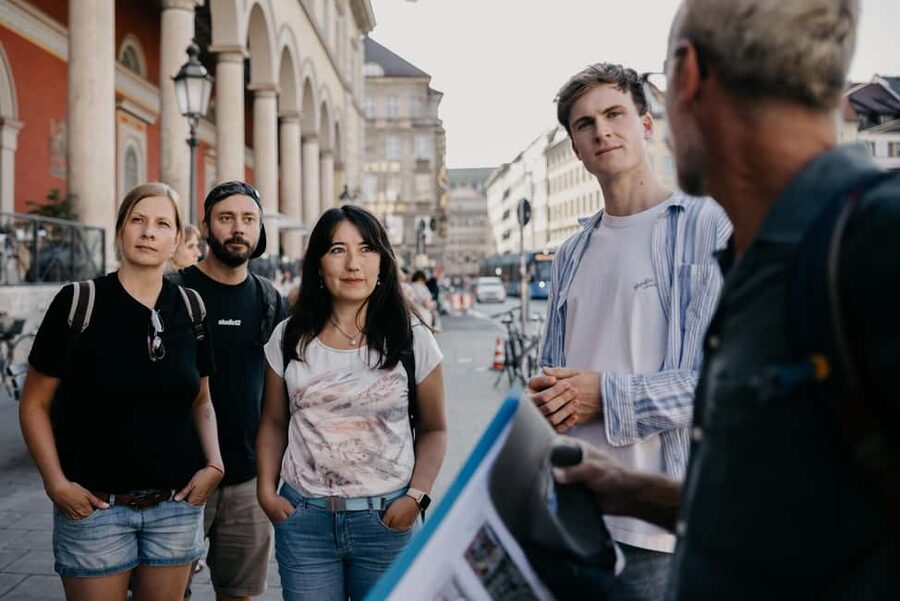
The guide is a key part of the value here. Philipp is described as personable, friendly, and attentive to the people in his group. The strongest praise focuses on his storytelling and the way he makes information memorable without losing the fun.
That matters on an architecture tour. Buildings can blur together when a guide only gives dates and names. Philipp’s approach includes royal tales, amusing legends, darker chapters, and surprising details. You get context, but you also get reasons to remember one church or street from the next.
The tour is offered in English or German. A private group is available, which may suit you if you want more control over the pace or have special requests. You can also message Philipp about private tours, vouchers, or other arrangements.
The available rating is 5 out of 5 from eight reviews, a small sample but a very strong result. The repeated praise for Philipp’s manner is the clearest signal: book this for the guide-led storytelling, not simply as a way to check off famous buildings.
Is $36 a fair price?
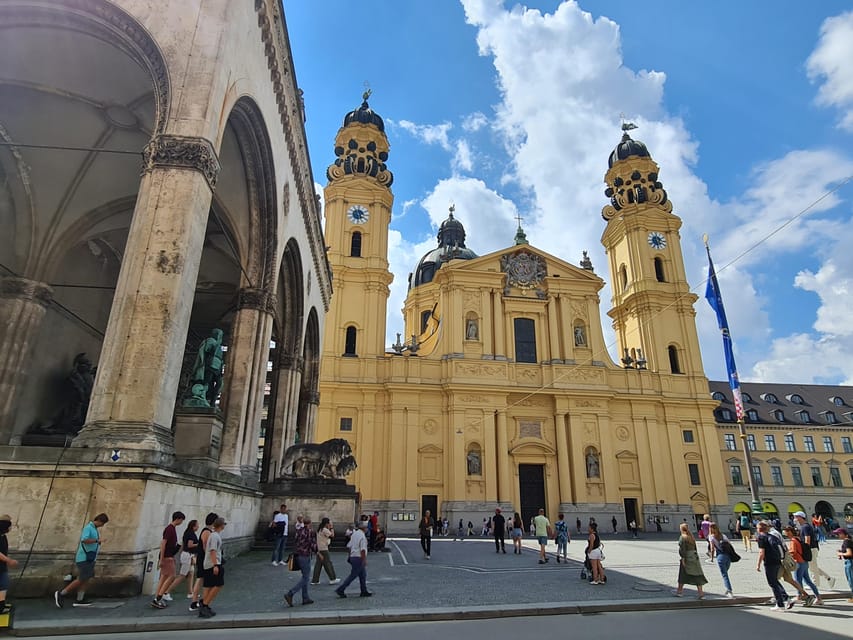
At $36 per person, the tour is reasonably priced for a two-hour guided experience that covers a wide section of Munich. You are paying for a live guide, a planned route through several architectural periods, possible interior visits, Christmas market stops, and the tram journey toward the Isar area.
The value is strongest if you would otherwise wander through Munich without understanding how the styles connect. A self-guided walk can show you the Frauenkirche, St. Michael’s, the Theatine Church, and Maximilianstraße, but it may not explain why the city shifts from Gothic to Renaissance, then to Baroque, Neo-Classicism, Historicism, Jugendstil, and modern design.
The price does not include food, drinks, or transportation to the meeting point. The tour uses a tram during the route, but the provided details do not clearly state whether a separate tram fare is included, so ask before booking if that affects your budget.
For a two-hour outing, the route is ambitious. You get range rather than lengthy visits. I see it as good value for a first look at Munich’s architecture, especially if you want a guide who adds stories and local character.
Who should book, and who should skip it?
I would choose this tour if you enjoy architecture but prefer stories to technical lectures. It also suits first-time visitors who want the major Old Town sights plus a glimpse of the Isar, street art, and newer Munich.
It is a good fit for winter visitors who enjoy Christmas markets and do not mind being outdoors. Bring a camera, warm layers, and shoes made for steady walking.
You should think twice if you need step-free access, use a wheelchair, or have mobility limits. The experience is not suitable for wheelchair users or people with mobility impairments. It is also not suitable for people over 95 years, according to the activity information.
The tour is offered as a private group option, which may help with personal requests, but the route itself remains active and includes several transitions. Smoking is not allowed.
You can cancel up to 24 hours before the start for a full refund, and the reserve-now, pay-later option keeps your plans flexible. Starting times vary, so check availability before building the tour into your day.
FAQ
Where does the Munich architecture tour start?
It starts outside the main entrance of the Frauenkirche at Frauenplatz 1. Philipp can be identified by his yellow winter hat, yellow backpack, and large blue presentation folder.
How do I reach the meeting point?
The easiest option is to travel to Marienplatz on the S-Bahn or U-Bahn lines U3 or U6, then walk about five minutes. Munich Hauptbahnhof is about a 15-minute walk away.
How long does the tour last?
The tour lasts two hours. Starting times vary, so check availability for the date you want.
Which languages are offered?
The live tour guide is available in English or German.
Is the tour suitable for wheelchair users?
No. The activity is not suitable for wheelchair users or people with mobility impairments.
What should I bring?
Bring comfortable walking shoes, warm clothing, and a camera. Dress for winter weather if you are visiting during the cold season.
Should you book Munich’s 500 Years of Architecture Guided Tour?
Book it if you want Munich explained as a living city rather than a row of famous façades. The strongest part is the clear journey from Frauenkirche and St. Michael’s through royal avenues, public buildings, the Isar, Jugendstil, street art, and the Sudetendeutsches Museum.
The tour is especially appealing because Philipp combines major landmarks with unusual stops such as the medieval Christmas market and Alte Utting. Just keep your expectations realistic: two hours means a quick, broad introduction, not a long study of every interior.
At $36, it offers good value for an active visitor who wants context, humor, and a change of scene. Wear warm clothes, keep your walking shoes on, and choose it for the stories as much as the buildings.
Just added around Munich
- Pub crawl incl. Oktoberfest museum guided tour with beer tasting (private)★ 5.0 · 5 reviews
- South Tyrolean specialties and wine tasting★ 5.0 · 5 reviews
- Size Matters Beer Tour Munich★ 4.6 · 105 reviews
- Short & sweet: Tasting the Viktualienmarkt★ 4.8 · 37 reviews
- Secret Food Tours Munich★ 4.8 · 5 reviews
- Munich: Romantic Wine Experience for Two at Viktualienmarkt★ 4.2 · 14 reviews
- Residence of Munich private tour with skip the line ticket★ 5.0 · 4 reviews
- Munich: Resistance against Hitler – Historical Walking Tour★ 5.0 · 5 reviews
Munich Tours, compared.
Neuschwanstein & Linderhof Castle-Fairytale Day Tour from Munich
Read our review →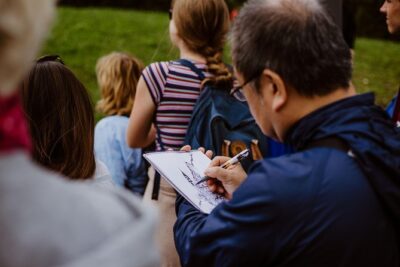
Munich Hop-On Hop-Off Tour: 1-Day or 2-Day Ticket
Read our review →
Premium Neuschwanstein Castle and Linderhof VIP Tour from Munich
Read our review →
Old Town & Viktualienmarkt City Walk in German
Read our review →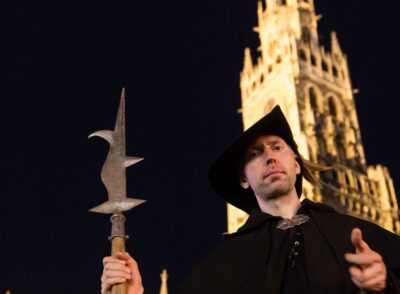
Browse the lists this tour appears in