
Reviewed · WALKING TOURS
Stuttgart: Swabian Cuisine Guided Walking Tour with Tastings
Food can explain a city fast. This 105-minute walk pairs three Swabian tastings with a glass of regional sparkling wine, giving you an easy introduction to Stuttgart’s local table while you move through the city center. I like the mix of eating and sightseeing, and I like that the tour uses four local stops instead of keeping you in one restaurant. The main drawback is clear: the guide speaks German, so you need enough German to follow the stories and explanations.
The $40 price feels fair if you want several small tastes rather than one full meal. I also appreciate the short format, which fits neatly into a busy Stuttgart day. Still, the food is served as tastings, not a large lunch, and one unusual snag has already affected the experience: when Maultasche was unavailable, the guide went to the Market Hall to find smoky whips instead.
In This Review
- Key details before you book
- Why Swabian food makes a good Stuttgart introduction
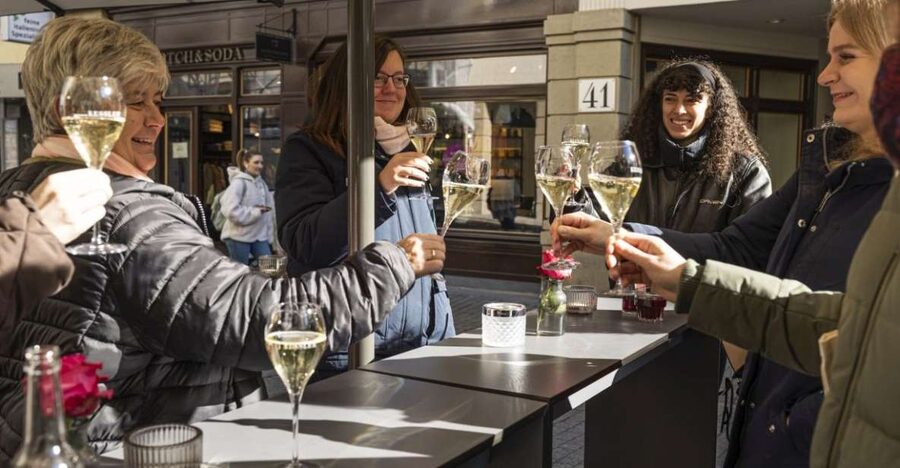
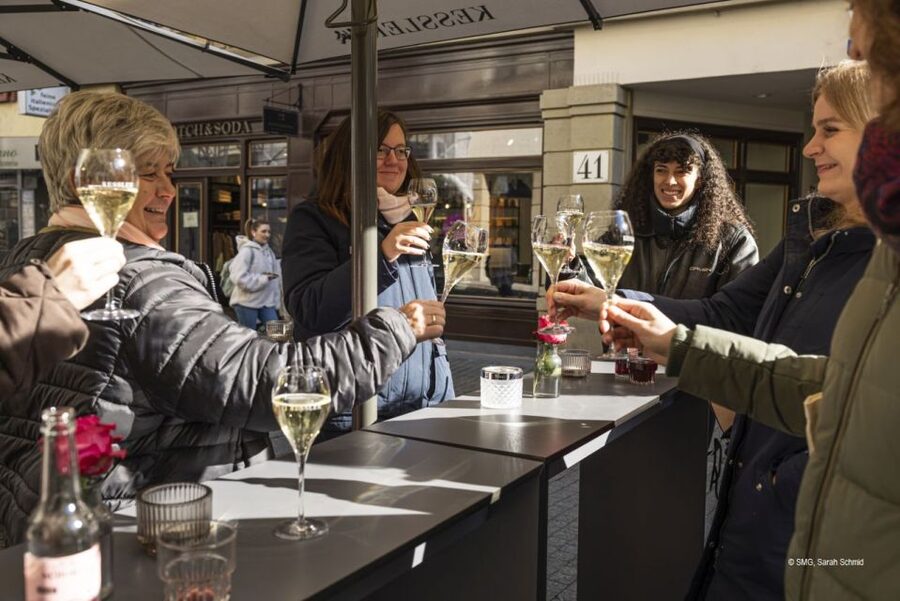
- Starting at Postplatz with a glass of sparkling wine
- Four local stops and three different kinds of food
- The light tasting
- The hearty regional dish
- The sweet finish
- What the guide adds beyond the food
- How the 105-minute length affects the experience
- Is $40 a fair price?
- The Maultasche issue and what it means for your plans
- Who should book this Stuttgart food walk?
- My call: book it for context, not quantity
- FAQ
- Where does the Stuttgart cuisine tour begin?
- Where does the tour end?
- How long does the walking tour last?
- How many food tastings are included?
- Is sparkling wine included?
- What language is the tour conducted in?
- Is transportation included?
- Can I cancel for a full refund?
Key details before you book
- Four stops in 105 minutes: You visit four local food spots during a compact walk through Stuttgart’s city center.
- Three food tastings: The tasting pattern includes something light, something hearty, and something sweet.
- A regional aperitif: One glass of sparkling wine is included with the food.
- German-speaking guide: The live tour is conducted in German, not English.
- Central fountain meeting point: You meet at the fountain on Postplatz, in front of the Paulaner restaurant.
- Flexible booking terms: You can cancel up to 24 hours ahead for a full refund and reserve now while paying later.
Why Swabian food makes a good Stuttgart introduction
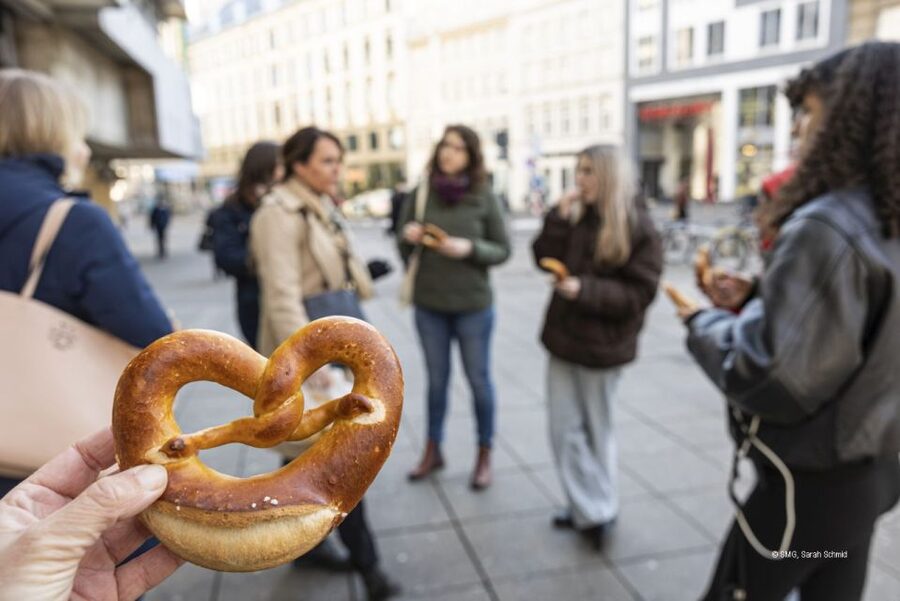
Swabian cuisine is practical, filling, and strongly tied to local habits. It is not built around tiny artistic plates or fancy restaurant theater. The appeal comes from familiar ingredients, hearty portions, sweet finishes, and food that suits the cooler climate of southern Germany.
That makes a guided tasting useful. You are not simply handed three snacks. Your guide explains local customs and traditions as you walk, helping you understand where these dishes fit into daily life in Baden-Württemberg. I like this format because food often gives you a faster sense of regional character than a standard sightseeing walk.
The tour also keeps you moving through the city center. You get a look at Stuttgart as a working city rather than sitting through a long meal. Since the route begins and ends at the same meeting point, you can plan another activity before or after it without arranging a separate ride.
The food selection follows a sensible order. You begin with an aperitif, try something light, move on to a heartier dish, and finish with something sweet. That structure gives you variety without turning a short walk into a heavy lunch.
More Walking Tours in Stuttgart
- Stuttgart: Guided Ghost Walking Tour
★ 4.5 · 662 reviews - Stuttgart: City Highlights – Guided Walking Tour
★ 4.7 · 189 reviews - Stuttgart: Private Guided Circular City Walk
★ 4.7 · 129 reviews
Starting at Postplatz with a glass of sparkling wine
The meeting point is the fountain on Postplatz, directly in front of the Paulaner restaurant. This is a practical central location, but you should allow a little time to find the correct fountain and restaurant entrance. The tour does not include transportation, so you need to reach Postplatz on your own.
The first tasting is an aperitif of regional sparkling wine. It is a small touch, but it sets the tone well. You are not starting with a full plate or a lecture. You are beginning with a local drink, then moving into the food and the city.
I like that the sparkling wine is included in the $40 price. A separate drink can quickly make a short food tour feel more expensive, especially in a city center. Here, the aperitif adds one more regional taste without requiring an extra order.
The guide introduces the cuisine as the group starts walking. Since the tour is in German, this part matters. You should be comfortable listening to spoken German if you want to catch the comments about customs, ingredients, and local traditions. The supplied details do not identify individual guides, so you should not expect to request a particular guide by name.
Four local stops and three different kinds of food

The heart of the experience is the sequence of four local hotspots. Three stops provide food, while one provides the sparkling wine. The exact businesses and dishes can vary, so you should treat the advertised food categories as a guide rather than a fixed restaurant menu.
The light tasting
The first food sample is described as something light. That gives you a gentle start after the sparkling wine and leaves room for the heartier dish later. It also lets the guide introduce a regional flavor without making you feel full too early.
Because no exact dish is named for this stop, I would not book this tour expecting one specific appetizer. The value is in trying a local specialty in context, then hearing how it fits Swabian food culture. If you have strong dietary restrictions, ask before booking, since the available information does not list substitutions or allergy arrangements.
Still Stuttgart, at a slower pace:
- Stuttgart 24-Hour Hop-On Hop-Off Sightseeing Bus Tour
★ 4.4 · 1,647 reviews - Stuttgart: Mercedes-Benz Museum Entry Ticket
★ 4.8 · 1,400 reviews - Tickets SWR Fernsehturm Stuttgart
★ 4.5 · 674 reviews - Stuttgart: Museum of Illusions Entry Ticket
★ 4.2 · 507 reviews
The hearty regional dish
The main savory tasting is the part many people will anticipate most. Swabian food is widely associated with filling dishes, and Maultasche is one of the best-known examples. It is important to keep your expectations flexible, though. On one occasion, Maultasche was unavailable, and the guide went to the Market Hall to get smoky whips instead.
That detail tells you two useful things. First, the food may depend on what is available at the local stops that day. Second, the guide made an effort to keep the tasting moving rather than simply leaving one promised sample out. For me, that kind of quick adjustment is a positive, but it also means you should not treat the advertised specialty as a guaranteed menu item.
If Maultasche is available, it may be the clearest introduction to a famous local dish. If it is not, the replacement still gives you a chance to try something connected to Stuttgart’s food scene. The Market Hall connection also adds a more local feel than receiving a generic packaged snack.
The sweet finish
The final food tasting is something sweet. This is a smart ending for a short culinary walk. After an aperitif and two savory samples, a dessert-like bite gives the tour a clear finish without asking you to sit through a full meal.
The exact sweet dish is not specified, so I would view this as a chance to sample a regional style rather than a promise of one particular pastry. Your guide can explain the local custom behind it, which is part of what you are paying for. The food itself is only one part of the experience. The context helps you remember what you tried.
What the guide adds beyond the food
A food tour can be little more than a string of restaurant visits. This one is designed to connect the tastings with Stuttgart’s center and with Swabian traditions. As you walk, the guide discusses local delicacies, food customs, and regional habits.
That narration matters most if you are new to Baden-Württemberg. You may recognize a dish but not know why it is considered local, how it is normally served, or how it fits into the region’s everyday culture. A guide can fill in those gaps while the food is still fresh in your mind.
The language is the tour’s biggest practical limitation. The listed language is German, and the live guide conducts the experience in German. You should not assume that an English explanation will be provided. If you understand conversational German, this could be a pleasant way to hear local food terms in their proper setting. If you do not, you may still enjoy the tastings and the walk, but much of the tour’s educational value will be lost.
The format also favors participation over a formal cooking lesson. You will learn about cuisine and customs, but you will not be shown how to prepare the dishes. Book it for tasting and local explanation, not for a hands-on recipe class.
How the 105-minute length affects the experience
One hour and 45 minutes is a useful middle ground. It is long enough for four stops, a walk through the center, and food-related commentary, yet short enough to fit around other Stuttgart plans.
I would place this tour near the beginning of your stay if you want food ideas for later meals. It can introduce you to local flavors before you choose restaurants on your own. You could also schedule it on a day when you do not want a long organized activity.
The compact timing has a tradeoff. You should not expect to linger at every stop or eat a full serving at each one. The experience is built around small tastings and movement. If you are looking for a relaxed, multi-course meal, this is the wrong format. If you want a quick introduction with enough food to make the city feel more familiar, the timing works well.
The tour ends back at the meeting point. That makes the route easy to combine with central Stuttgart sightseeing, shopping, or another reservation. Since there is no included transportation, the entire experience is based around walking and local stops in the center.
Is $40 a fair price?
At $40 per person, the tour sits in a reasonable range for a guided city food experience. You are paying for three tastings, sparkling wine, a live guide, and the route between four local places. The guide’s explanations are a key part of the value, especially if you enjoy learning why regional dishes matter rather than simply eating them.
The price is less attractive if you want a full meal. Three tastings may satisfy a light appetite, but the tour description does not promise large portions. I would treat it as a culinary introduction, not a replacement for lunch or dinner.
The inclusion of sparkling wine helps. So does the central route, because you do not need to pay for a separate transfer between stops. You still need to cover your own transportation to Postplatz, but the tour itself does not require a taxi or train once it begins.
The value also depends on your language ability. If you understand German, the guide’s commentary can make the food feel more meaningful. If you do not, you may be paying mainly for the samples and the walk, which could make the price feel high compared with visiting a market or restaurant independently.
The Maultasche issue and what it means for your plans
Maultasche is specifically important because it is one of the dishes many people associate with Swabian cooking. The available experience information includes a clear example of the dish being out of stock. In response, the guide went to the Market Hall and obtained smoky whips as a replacement.
I would not treat this as a reason to avoid the tour. Food availability changes, and a local tasting route cannot always control what a stop has on hand. The guide’s response was practical and kept the group from losing a promised savory sample.
Still, if tasting Maultasche is your main reason for booking, ask about availability before you reserve or at the start of the tour. The advertised experience centers on classic Stuttgart dishes, but the exact sample can change. A flexible attitude will serve you better than a strict must-eat list.
This is also a good reminder that the most useful food tours are not always perfectly fixed. A substitute from the Market Hall may give you a different look at local food than the original plan. Just know that the experience may be more adaptable than exact.
Who should book this Stuttgart food walk?
I would recommend this tour to you if you want a short, guided introduction to Swabian food and you understand German. It suits first-time visitors who want to connect the city center with regional eating traditions without giving up half a day.
It is also a good fit if you prefer several small samples to one large restaurant meal. The light, hearty, and sweet progression gives you a broad taste of the cuisine. The sparkling wine adds a pleasant opening, and the return to Postplatz keeps your later plans simple.
You may want to skip it if you need an English-language tour. The listed guide language is German, and there is no promise of translation. You should also choose another activity if you want a full meal, a cooking class, or a guaranteed Maultasche tasting.
Families and groups with different appetites may find the short length useful, but the tour still requires walking between stops. The supplied details do not specify accessibility arrangements, group size, or dietary substitutions, so you should confirm those points before booking if they affect your plans.
The cancellation terms are traveler-friendly. You can cancel up to 24 hours in advance for a full refund, and you can reserve now while paying later. Those options help if your Stuttgart schedule is still changing.
My call: book it for context, not quantity
I would book this tour when I wanted an efficient introduction to Stuttgart’s food culture, especially early in a visit. The strongest features are the four-stop format, the three-part tasting sequence, the included sparkling wine, and the guide’s focus on local customs.
I would book it only with two conditions in mind. First, you need German to get the full explanation. Second, you should accept that the exact food can change, as the Maultasche substitution shows.
If those limits work for you, $40 is a fair price for a compact city walk with real regional tasting. If you need English commentary or a substantial meal, spend the money at a restaurant instead. This tour is best for getting your bearings through food, learning a few Swabian habits, and leaving with a better idea of what to order next.
FAQ
Where does the Stuttgart cuisine tour begin?
It begins at the fountain on Postplatz, in front of the Paulaner restaurant.
Where does the tour end?
The activity ends back at the meeting point.
How long does the walking tour last?
The tour lasts 105 minutes.
How many food tastings are included?
Three food tastings are included.
Is sparkling wine included?
Yes. The tour includes one glass of regional sparkling wine.
What language is the tour conducted in?
The live guided tour is conducted in German.
Is transportation included?
No. Transportation is not included, so you must make your own way to the Postplatz meeting point.
Can I cancel for a full refund?
Yes. You can cancel up to 24 hours in advance for a full refund. You can also reserve now and pay later.
Just added around Stuttgart
- Stuttgart: Exklusive Floßboote Finne & Fischle★ 4.5 · 23 reviews
- Stuttgart: Landesmuseum Württemberg Old Castle Entry Ticket★ 4.5 · 15 reviews
- Stuttgart: Wilhelma Zoological-Botanical Garden Ticket★ 4.7 · 121 reviews
- Stuttgart: Winter Sunday Brunch Buffet★ 4.6 · 16 reviews
- SUP Yoga with Guide★ 4.1 · 4 reviews
- Stuttgart: Walking Custom Tour with a Local Guide★ 3.8 · 4 reviews
- Stuttgart: Wine Tour with wines of the best winemakers★ 4.0 · 7 reviews
- Stuttgart: Stand Up Paddling Rental★ 4.6 · 55 reviews
Walking Tours, compared.


Old Town & Viktualienmarkt City Walk in German
Read our review →Browse the lists this tour appears in