
Reviewed · HIKING & TREKKING
Sylt: Guided Mudflat Hike on the Island
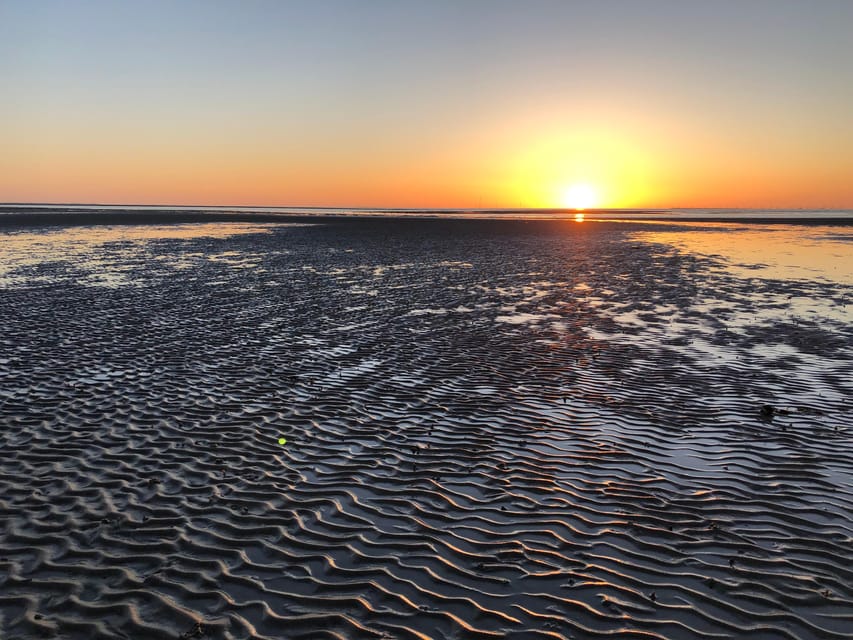
The sea disappears beneath your feet. This two-hour mudflat hike offers a close look at Sylt’s tidal world, led by Westerland-born guide Jan Krüger, a national park mudflat guide and partner. I like the personal feel of learning from someone who calls Sylt home, and I like that the walk changes with the season, from barefoot outings in warmer weather to rubber-boot trips in spring, autumn, and winter. The main drawback is simple: this is a German-language tour, and the meeting point at the Vogelkoje bus stop requires you to arrange your own transport.
I also like the price. At $19 per person, you get a 1.5 to 2-hour guided walk through one of Germany’s most unusual natural areas, with plenty of room for questions and stories. Just bring weather-ready clothing. Rain can make the outing less comfortable, as one October group discovered, but good clothing helps you enjoy it instead of merely enduring it.
In This Review
- Key Things to Know Before You Go
- Why Sylt’s Mudflats Are Worth Your Time
- Meeting Jan Krüger at Vogelkoje
- The First Steps Into the Tidal Zone
- What Jan Explains Along the Way
- Wildlife and the Changing Seasons
- Is Two Hours Enough for $19?
- Who Will Enjoy This Walk Most?
- Practical Tips for a Better Morning or Afternoon
- Should You Book the Sylt Mudflat Hike?
- FAQ
- Where does the Sylt mudflat hike meet?
- How long does the guided mudflat walk last?
- Who leads the tour?
- Is the tour offered in English?
- Can I walk barefoot?
- Are rubber boots included?
- What should I bring?
- Is the hike suitable for wheelchair users?
- What wildlife might I learn about or see?
Key Things to Know Before You Go
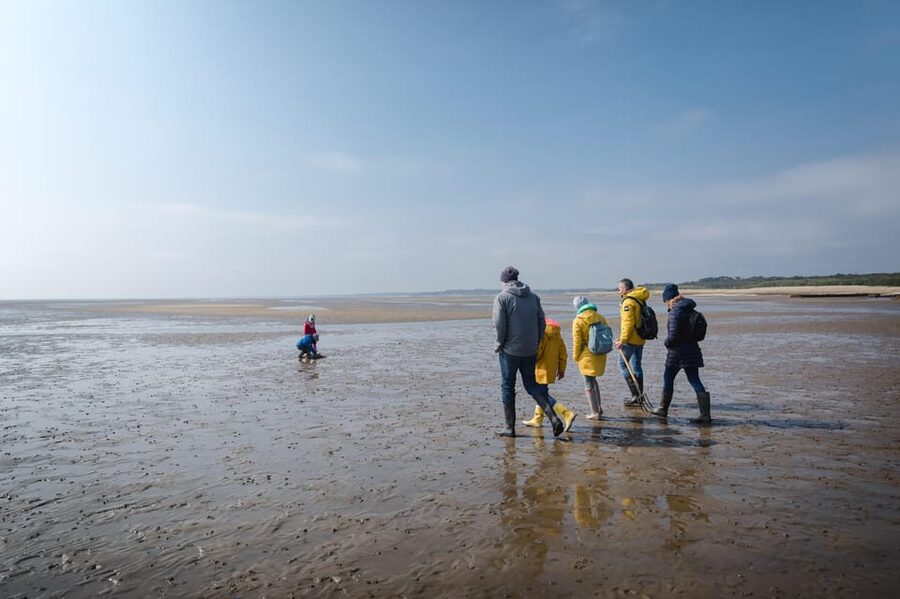
- The tour meets at Vogelkoje: The bus stop lies between Kampen and List, and the bus is the easiest way to reach the starting point.
- Jan Krüger leads the walk: He was born in Westerland and combines local island knowledge with his work as a national park mudflat guide.
- Bare feet depend on the weather: In warmer conditions, you may walk barefoot. In spring, autumn, and winter, the group uses rubber boots.
- The Wadden Sea sets the schedule: Tides shape what you see and how the mudflats can be explored, so the walk is tied closely to natural conditions.
- Wildlife is part of the story: Mussels, shore crabs, brown shrimp, migratory birds, seals, gray seals, and possibly porpoises live in or around this protected area.
- The tour is German-language: The live guide speaks German, and the walk is not suitable for wheelchair users.
Why Sylt’s Mudflats Are Worth Your Time
Sylt is often associated with beaches, dunes, resort towns, and North Sea air. The Wadden Sea offers a very different side of the island. Here, the sea retreats and leaves behind wet sand, channels, shell beds, and tidal mud. A guided walk lets you see this changing place at ground level instead of simply looking across it from shore.
The Schleswig-Holstein Wadden Sea National Park covers almost 4,500 square kilometers. It is Germany’s largest national park and has been a UNESCO World Heritage Site since 2009. Those labels matter because they explain why the area is protected and why a careful, guided visit is useful.
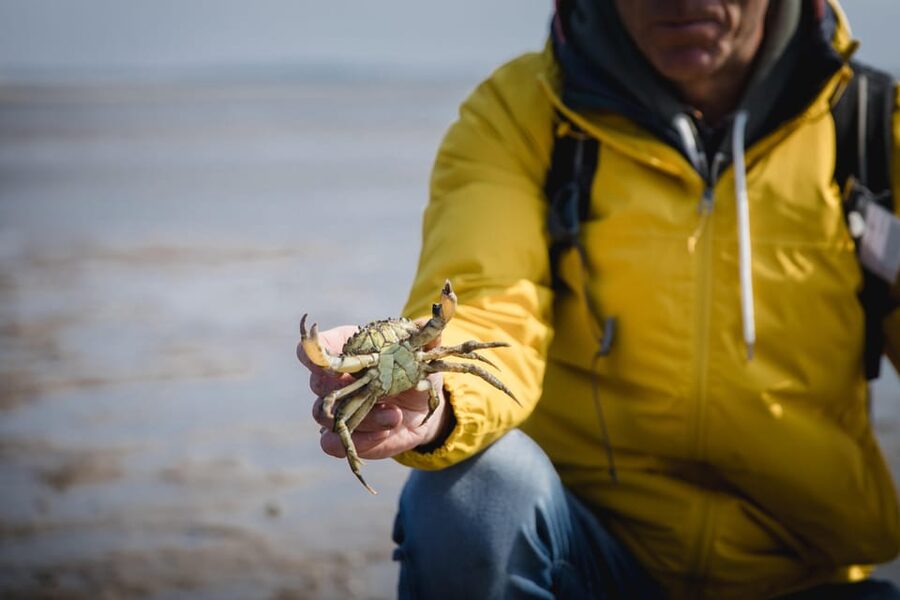
At first glance, the mudflats can look empty. They are not. Mussels anchor themselves in the tidal zone, shore crabs move through the shallows, and brown shrimp live in the water and sediment. The exposed mud also provides food for huge numbers of birds.
Spring and autumn are especially important seasons. Millions of migratory birds stop in the Wadden Sea as they move north or south. You may not see every species on every outing, but the guide can explain why this tidal zone supports such a large number of birds during migration.
The area also supports seals and gray seals along the sandy beaches. A porpoise may appear in the water if conditions and luck cooperate. You should treat wildlife sightings as a bonus, not a promise. The strongest part of the experience is learning how the whole system works, even when no large animal appears.
A few more Germany trips worth comparing
- Freiburg: Veni, vidi, vino – wine hike and tasting
★ 4.5 · 144 reviews - Eagle’s Nest Hiking Tour
★ 5.0 · 133 reviews - Black Forest: Ravenna Gorge Hike, Self-Guided
★ 4.3 · 44 reviews
Meeting Jan Krüger at Vogelkoje
The walk begins at the Vogelkoje bus stop between Kampen and List. This is not a central hotel pickup, so you need to plan your route before the tour day. The supplied information identifies the bus as the easiest way to reach the meeting point, and the tour does not include a transfer.
That location makes sense for a mudflat outing. You are meeting near the open coastal area rather than starting in a town center. Still, give yourself enough time to arrive without rushing. The experience lasts about two hours, and a missed start could be difficult to recover from because the walk follows local conditions and scheduled availability.
Jan is a Westerland native and an outdoorsman. He knows Sylt as both a home and a working environment, not just as a scenic backdrop. That local connection is one of the strongest reasons to choose this outing over walking into the mudflats alone.
His style also appears to be a major part of the experience. The tour is designed around stories, explanations, and questions, and recent feedback repeatedly praises his humor and clear delivery. One German-speaking group described him as an island original who explained the special features of the Wadden Sea with plenty of humor. Another said he kept everyone in good spirits despite the weather.
That matters in a place where the scenery can seem subtle. A guide who can explain what you are seeing turns a stretch of wet mud into a living tidal zone.
The First Steps Into the Tidal Zone
The walk lasts 1.5 to 2 hours, so this is more than a short photo stop but less than a full-day nature outing. You have enough time to get a feel for the mudflats without giving up an entire day on Sylt.
The first major choice is footwear. If temperatures permit, you may go barefoot. That gives the walk a direct, physical quality. You feel the cool mud, soft sand, and changing surface under your feet. It is an intimate way to experience the area, but it is also weather dependent.
In spring, autumn, and winter, the group goes into the mudflats with rubber boots. Rubber boots are not included, so you need to arrange them yourself if they are needed for the season or conditions. This is an important practical point because ordinary shoes are not a sensible substitute for wet, muddy ground.
The supplied information does not promise that boots are provided or rented as part of the price. Plan around that. If you are visiting outside the warmer season, ask locally about suitable boots before the walk rather than arriving in footwear you do not want covered in mud.
The surface can change as you move. Tidal channels, wet areas, and soft mud are part of the setting. You should be ready for a walk that is more physical and messy than a paved promenade stroll. The route details are not specified, so do not expect a fixed list of stops or a formal museum-style presentation.
What Jan Explains Along the Way
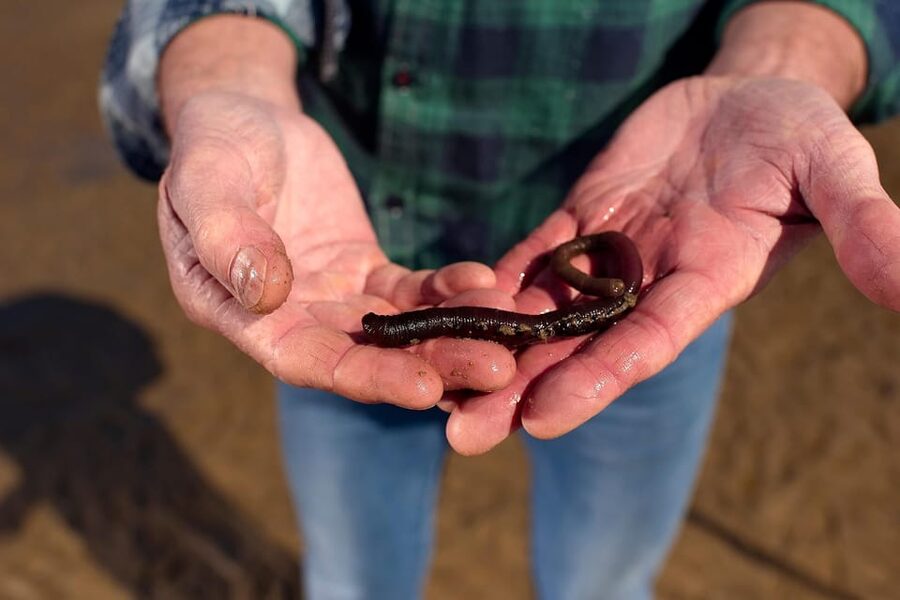
The value of the tour comes from interpretation. Jan can connect small details underfoot with the wider Wadden Sea system, explaining how animals live in an area that is covered by water at one point and exposed at another.
You may learn about mussels, shore crabs, and brown shrimp, all of which help show that the mudflats are active even when they appear quiet. The guide also introduces the role of tides, which can be unpredictable and are central to safe movement in this environment.
That tidal information is more than a nature lesson. It tells you why a guide is useful. The Wadden Sea is not a place to treat like a normal beach, where you can wander in any direction for as long as you please. Water levels change, channels matter, and conditions can shift.
Jan’s local stories give the outing a human side. He was born in Westerland, so his connection to Sylt is personal. The emphasis is not only on naming animals. It is also on enjoying the atmosphere of the island with someone who spends time in the national park and knows its character.
Recent feedback highlights this part strongly. People praised the explanations, the humor, and his ability to answer questions. One group called the walk informative and funny, while another said he explained the Wadden Sea especially well. That combination is useful for families, couples, and curious adults who want more than a silent walk through mud.
Still Germany, at a slower pace:
- Berlin: Reichstag, Dome and Government District Guided Tour
★ 4.7 · 18,288 reviews - Berlin: 1-Hour City Tour by Boat with Guaranteed Seating
★ 4.3 · 16,993 reviews - Hamburg: Sex and Crime in St. Pauli Tour for Ages 18+
★ 4.7 · 15,447 reviews - Hamburg: 1.5-Hour Harbor and Speicherstadt Day Cruise
★ 4.6 · 14,200 reviews
Wildlife and the Changing Seasons
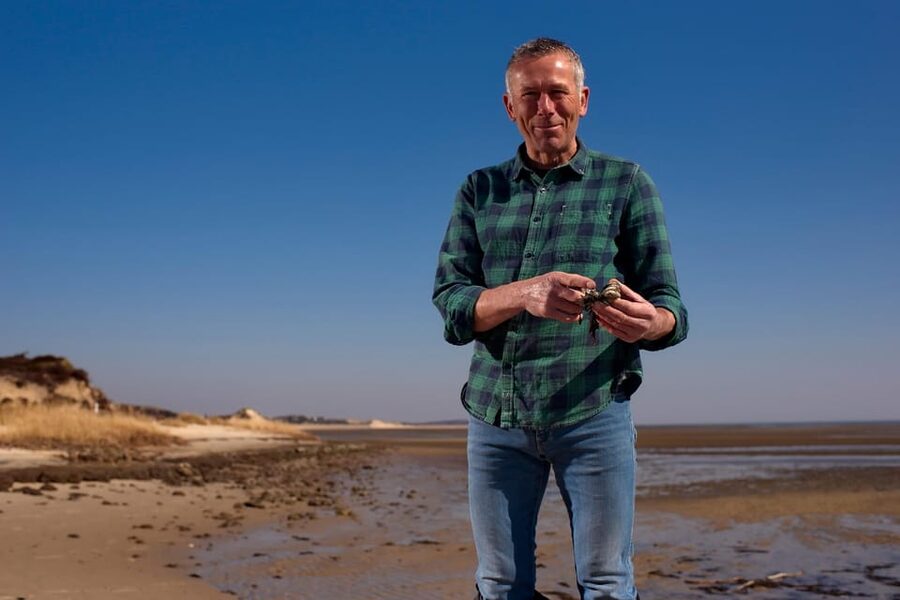
Wildlife sightings depend on the day, tide, and season. You may find shellfish and small marine animals close to the walking route. Shore crabs and brown shrimp are among the creatures associated with the area, while mussel beds help define parts of the tidal zone.
Birdlife becomes especially important during spring and autumn migration. Millions of birds stop in the Wadden Sea during their journeys north and south because the exposed tidal area provides food. If birds are a priority for you, those seasons may add extra interest, though the tour information does not promise particular species or sightings.
Seals and gray seals live along the sandy beaches. Porpoises can also be seen, but the wording is clear that this would require luck. Bring patience rather than a guarantee. The guide’s explanation of the habitat remains worthwhile even if the larger animals stay out of sight.
The weather affects more than comfort. It determines footwear and may shape how pleasant the walk feels. One recent group enjoyed the guide but found that rain was working against them. That is a fair warning for North Sea conditions. A waterproof outer layer, warm clothing in cooler months, and sensible footwear can make the difference between a memorable outing and a cold slog.
The tour asks you to accept nature on its own terms. You do not get a controlled indoor display, and there is no promise of perfect skies. That is part of the appeal, but it also means you should check the forecast and dress for exposure.
Is Two Hours Enough for $19?
At $19 per person, the tour offers good value if you want a guided introduction to Sylt’s Wadden Sea. The fee includes the 1.5 to 2-hour walking tour and a local guide. It does not include transport, food, drinks, or rubber boots.
That price is modest for a specialist nature walk. You are paying for Jan’s time, local knowledge, national park experience, and the safety context that comes with guided access to a tidal area. You are not paying for a full-day excursion, equipment package, or a wildlife guarantee.
The value is strongest for people who would otherwise walk along the coast without understanding what they see. A handful of explanations can change the experience. A mussel bed becomes part of a larger tidal system. A bird flock becomes part of a migration route. A muddy channel becomes evidence of how water moves across the Wadden Sea.
The cost is less attractive if you want a highly structured sightseeing tour with several named stops, hotel pickup, or equipment supplied. Those features are not included. You also need to account for the bus ride to Vogelkoje and possible boot costs in cooler seasons.
The booking terms are flexible. You can reserve now and pay later, and cancellation is free up to 24 hours before the activity for a full refund. Those terms are helpful on an island where weather can influence your plans, though they do not remove the need to dress properly if you decide to go.
Who Will Enjoy This Walk Most?
I would recommend this tour to anyone who wants to understand Sylt’s natural side rather than only see its beaches from a distance. It suits adults, families, and groups who enjoy asking questions and getting a little muddy.
It is also a good match for people who appreciate local voices. Jan’s background in Westerland and his work in the national park give the outing a clear sense of place. You are not simply following a generic nature script.
The walk may suit you especially well if you enjoy:
- Hands-on experiences, including barefoot walking when conditions allow
- Coastal wildlife and bird migration
- Short outdoor activities that fit into a larger Sylt itinerary
- Humorous, conversational guiding
- Learning how tides shape the Wadden Sea
You should think twice if you dislike wet ground, changing weather, or outdoor activities without a fixed indoor backup. This is not suitable for wheelchair users, and the information provided does not indicate that the route is accessible for people with significant mobility limitations.
The German-only format is another key consideration. If you do not understand German, you may miss much of the guide’s storytelling and explanation. This is not a silent scenic walk where language matters little. Jan’s commentary is a central part of the experience.
Practical Tips for a Better Morning or Afternoon
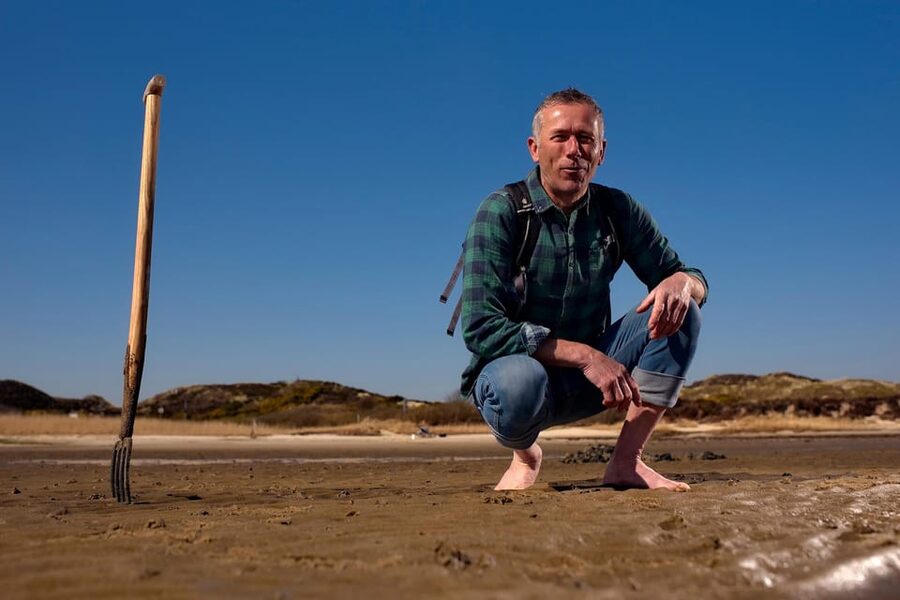
Wear clothing suited to the forecast, not merely to the temperature when you leave your accommodation. Wind and rain can change how the open Wadden Sea feels, and a waterproof layer is a sensible choice.
If the tour takes place in spring, autumn, or winter, plan for rubber boots. They are not included. Ask before the outing where to obtain suitable boots if you do not already have them.
Keep the meeting point clear in your plans. The start is at the Vogelkoje bus stop between Kampen and List, not at a general tourist office or hotel. The bus is the easiest way to get there, and transfer is not included.
Allow time for the journey. You want to arrive ready for the walk, not sprint from the bus into the group. The tour lasts up to two hours, so plan any later activity with enough space for the walk to run toward the longer end.
Finally, do not judge the experience only by the chance of seeing a seal or porpoise. The wildlife is a welcome possibility. The reliable part is the chance to learn about the tidal zone, its animals, its birds, and the way water continually reshapes it.
Should You Book the Sylt Mudflat Hike?
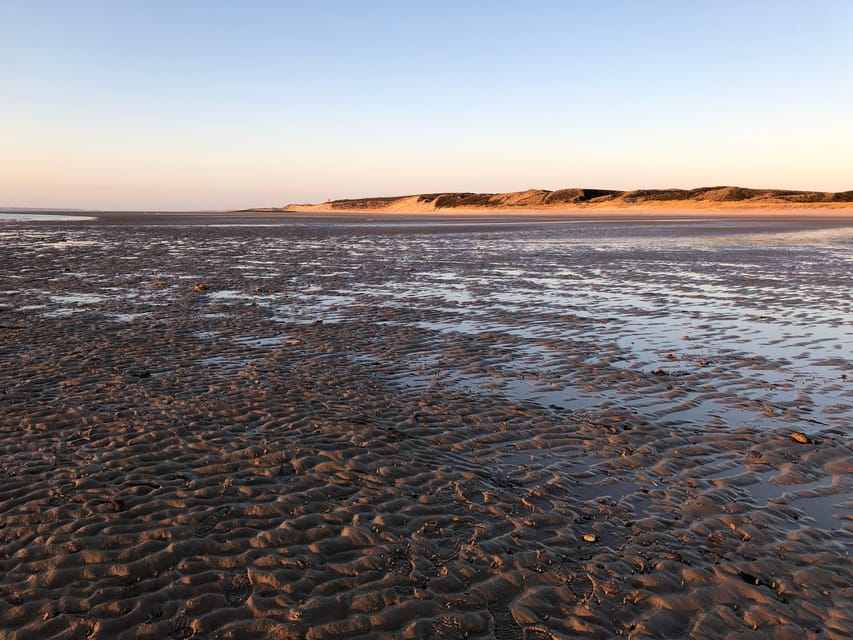
Book it if you want a reasonably priced, local-led introduction to the Wadden Sea and you are comfortable with German, outdoor conditions, and a little mud. Jan Krüger’s humor, island background, and clear explanations appear to be the main strengths, and the 4.9 rating from 215 bookings supports that impression.
The best reasons to go are the personal guiding, the chance to walk barefoot in suitable weather, and the rare opportunity to experience Sylt from the tidal zone itself. The main cautions are the German-only format, the lack of included transfers and boots, uncertain weather, and limited accessibility.
For a short nature experience that fits neatly into a Sylt stay, I think the $19 price is fair. Pack the right clothes, plan the bus ride to Vogelkoje, and treat wildlife sightings as a bonus. If that sounds like your kind of outing, this is an easy activity to add to your island plans.
FAQ
Where does the Sylt mudflat hike meet?
The meeting point is the Vogelkoje bus stop between the villages of Kampen and List. The bus is the easiest way to reach it.
How long does the guided mudflat walk last?
The walk lasts between 1.5 and 2 hours, with a listed duration of about two hours.
Who leads the tour?
The guide is Jan Krüger, an outdoorsman born in Westerland. He works as a national park mudflat guide and national park partner.
Is the tour offered in English?
No. The live tour guide speaks German, so German-language ability is important for following the explanations and stories.
Can I walk barefoot?
You may walk barefoot when temperatures and conditions allow. In spring, autumn, and winter, the group goes into the mudflats with rubber boots.
Are rubber boots included?
No. Rubber boots are not included in the activity price.
What should I bring?
Bring weather-appropriate clothing. This is particularly important because rain, wind, and cool temperatures can affect comfort in the open mudflats.
Is the hike suitable for wheelchair users?
No. The activity is listed as not suitable for wheelchair users.
What wildlife might I learn about or see?
The Wadden Sea supports mussels, shore crabs, brown shrimp, and large numbers of migratory birds. Seals and gray seals live along the sandy beaches, and you might see a porpoise with good luck.
Just added around Germany
- Private Walking Tour in Berlin: Hitler’s Germany & WWII★ 5.0 · 7 reviews
- The History of Berlin: WWII PRIVATE Walking Tour With Locals★ 5.0 · 209 reviews
- Private Berlin WWII and Cold War History Tour with Local Expert Guide★ 5.0 · 28 reviews
- Private Walking Tour Berlin 3 hours: Brandenburg, Historic Center★ 5.0 · 7 reviews
- Berlin: Private Bike Tour of the Berlin Wall and Third Reich★ 5.0 · 23 reviews
- Berlin: Guided Private Bike Tour to Explore the Highlights★ 5.0 · 12 reviews
- Berlin Photography Masterclass – Private Photography Lesson★ 4.5 · 23 reviews
- Group Driving Tour 1 to 6 people. Berlin Shore Excursion incl pick-up at Port★ 5.0 · 8 reviews
Hiking & Trekking, compared.


Bamberg Countryside Breweries Beer Hike Food Experience
Read our review →
Ehrwald: Zugspitze Snowshoe Hiking Tour with Mountain Views
Read our review →
Rüdesheim – Guided wine hikes with 4wines and cable car ride
Read our review →
Premium wine hike Stuttgart with games and winemaker’s snack
Read our review →
Browse the lists this tour appears in