
Reviewed · BALTIC COAST TOURS
1-day ticket for Schwerin Zoo
Endangered animals meet a leafy day outdoors. Schwerin Zoo spreads across 25 hectares between lakes and forest, giving you more room to walk than a compact city zoo. I like the focus on endangered species, including Asiatic lions, David’s deer, Rothschild giraffes, and southern white rhinos. I also like the unusual Red List Center, which explains how the International Union for Conservation of Nature tracks threatened wildlife.
The main drawback is that some enclosures and play facilities may not work equally well for every age group. A winter visit can also mean fewer animals outside, while a recent ticketing problem caused a long wait at the entrance for one booking. Still, at about $16 per person, this is a fairly priced full-day option in northern Germany.
In This Review
- Key points to know before you go
- A natural setting between Schwerin’s lakes and forest
- Begin at the Red List Center
- Meet rare and endangered animals
- Follow the paths at your own pace
- The rhino savannah is the big animal stop
- Prairie dogs and the festival meadow
- Food, breaks, and the practical family rhythm
- How much value do you get for $16?
- Timing, weather, and what to bring
- Who will enjoy Schwerin Zoo most?
- Should you book the one-day ticket?
- FAQ
- How long should I plan for Schwerin Zoo?
- What does the one-day ticket include?
- Is food included with admission?
- Are dogs allowed at Schwerin Zoo?
- Is Schwerin Zoo wheelchair accessible?
- Are guided tours included?
- What should I bring?
Key points to know before you go
- 25 hectares of open zoo grounds: Expect a spacious walk through trees, paths, animal habitats, rest areas, and family spaces.
- Around 1,700 animals: The collection includes about 150 species, with an emphasis on animals at risk in the wild.
- The Red List Center: This entrance building gives the zoo a conservation focus that goes beyond simply viewing animals.
- An 8,000-square-meter rhino savannah: Southern white rhinos, the only representatives of their species in far northern Germany, are a major draw.
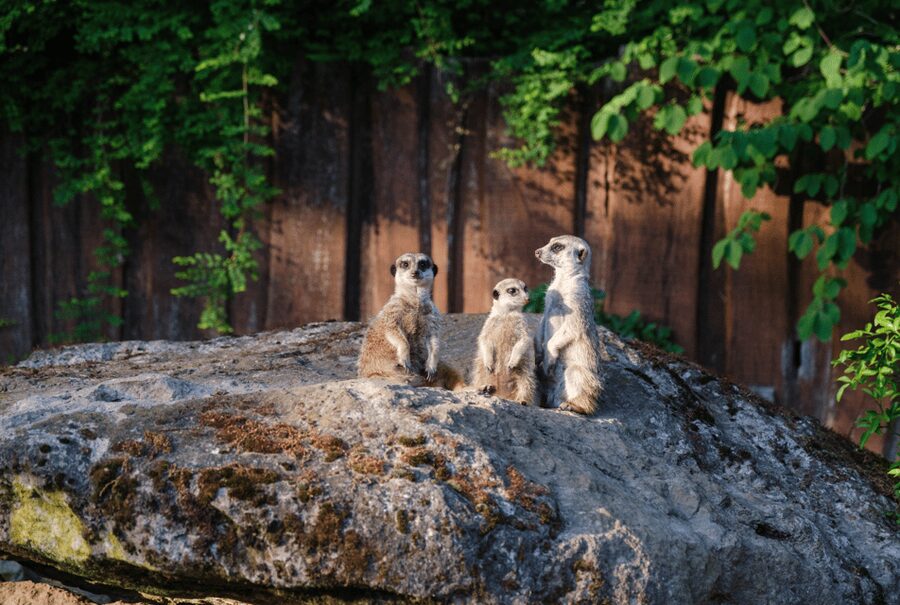
- Free-roaming prairie dogs: The festival meadow offers a pleasant break and a chance to watch these lively animals close to the path.
- Allow 1.5 to 3.5 hours: You can make this a short stop, but families and careful animal watchers may want much longer.
A natural setting between Schwerin’s lakes and forest
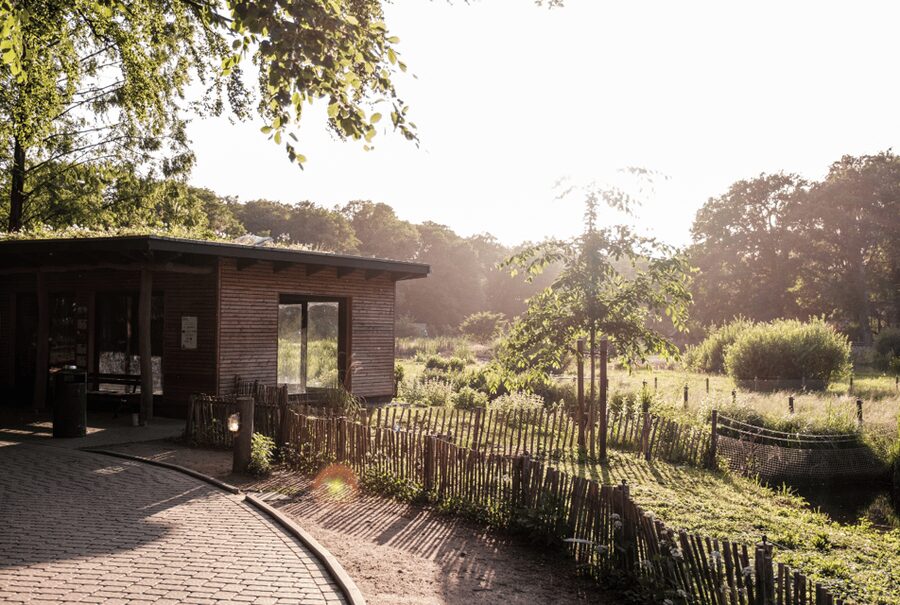
Schwerin Zoo is not a quick indoor attraction squeezed into a small city block. Its 25 hectares give the visit a more outdoorsy feel, with paths running through a broad setting of trees and open areas. You should expect a fair amount of walking, so comfortable shoes matter more here than stylish ones.
The location in Mecklenburg-Vorpommern’s state capital also makes the zoo easy to pair with a wider Schwerin visit. The zoo itself is signposted, and you should speak with the ticket office staff before entering. That simple step matters because at least two recent bookings ran into trouble when the QR code could not be read at the entrance.
In those cases, staff needed a barcode rather than the displayed QR code. The issue caused one person a long wait and another person an initial refusal of entry. I would keep your booking confirmation ready and ask the ticket office to check it before you join the entry line. This is a practical point, not a reason to reject the zoo, but it can save frustration.
A few more Baltic Coast trips worth comparing
- Dresden: Semperoper Tickets and Guided Tour
★ 4.7 · 12,102 reviews - Berlin: Jewish Museum Berlin Entrance Ticket
★ 4.5 · 8,393 reviews - Berlin: Berlin Story Bunker Entry Ticket
★ 4.6 · 6,759 reviews
Begin at the Red List Center
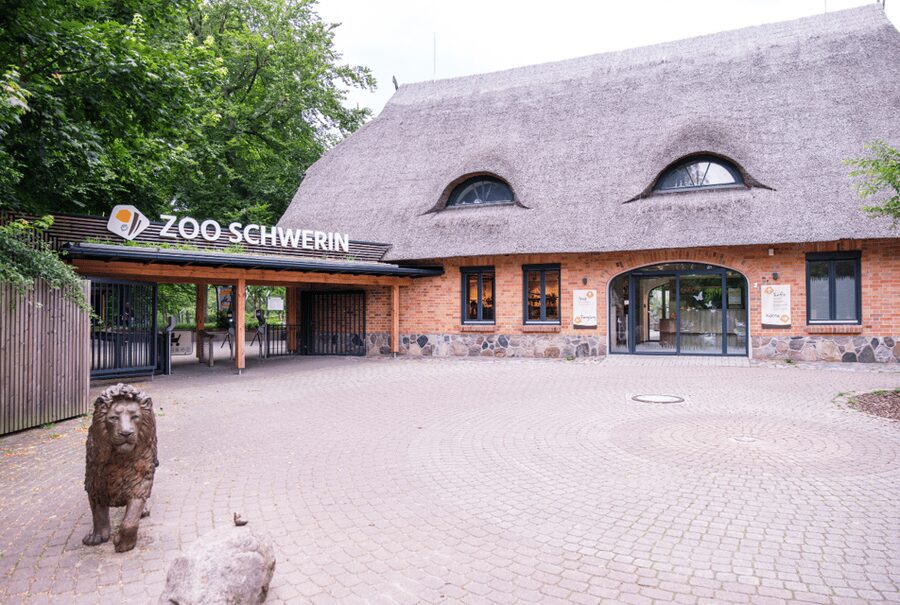
The Red List Center sits in the building at the zoo entrance, so it makes sense to start there. It is included with admission and explains the Red List of the International Union for Conservation of Nature, commonly known as the IUCN.
This is a useful first stop because it gives context to the animals you are about to see. Instead of treating the zoo as a series of unrelated enclosures, the center helps you understand why certain species are present and what endangered status means. You can then look at the Asiatic lions, David’s deer, giraffes, and rhinos with a clearer idea of the conservation problems behind them.
The center is described as unique in the world. That is a strong claim, but the practical value is easy to see: the conservation message is placed right at the start, not tucked away as an optional sign near the exit. If your children are old enough to read and ask questions, this can turn an ordinary animal outing into a useful lesson about habitat loss, population decline, and the work needed to protect species.
Some content may appear in its original language, so do not assume every display will be available in the language you prefer. The attraction is wheelchair accessible, which also makes the opening building a sensible place to get your bearings before choosing your route.
Meet rare and endangered animals
The zoo houses around 1,700 animals from 150 species. Most are considered endangered, which gives the collection a clear purpose. You are not simply moving from one popular animal to the next. Many of the animals connect directly to the zoo’s conservation theme.
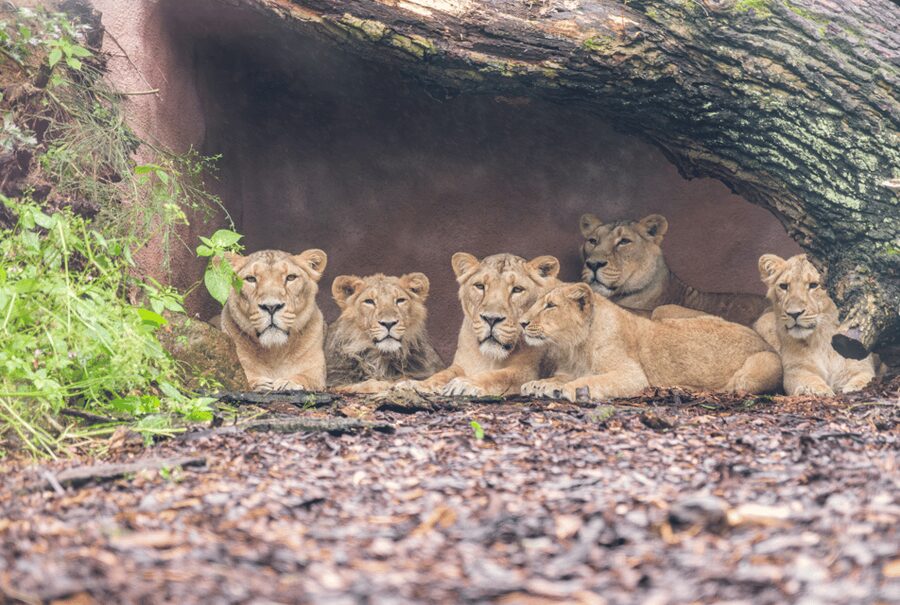
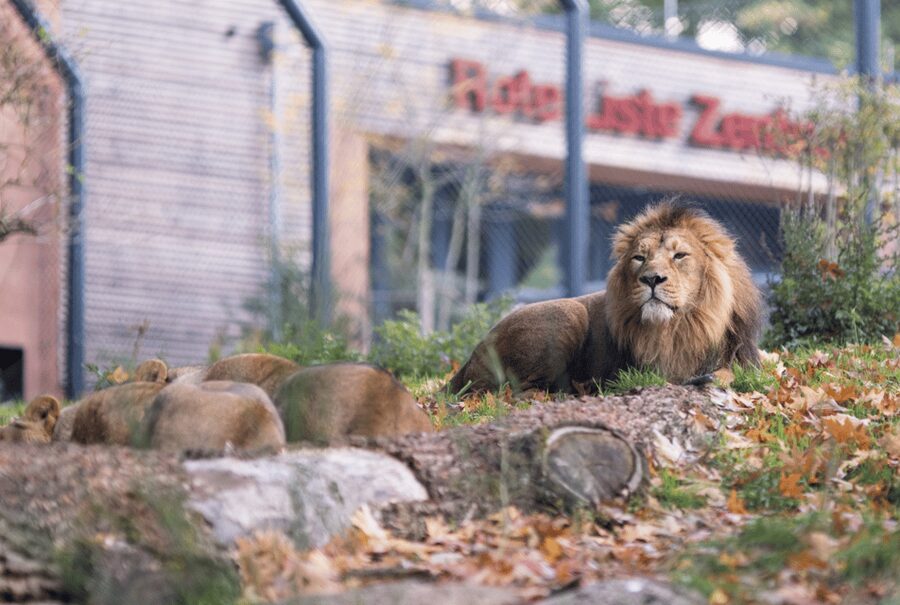
The Asiatic lions are among the most notable residents. They are rare, and seeing them gives the Red List information an immediate connection to a living animal. David’s deer and Rothschild giraffes add more variety, with each species representing a different conservation concern and a different kind of habitat.
The southern white rhinos are a major highlight. Their 8,000-square-meter rhino savannah gives them a particularly large area, at least compared with a cramped viewing enclosure. They are also described as the only representatives of their species in far northern Germany, which makes this stop especially distinctive for anyone interested in large mammals.
You should keep your expectations realistic. An animal zoo is not a guarantee that every creature will appear on cue. In colder weather, some animals may be indoors or tucked away in their shelters. One December visit was cut short partly because many animals had retreated inside. That is normal seasonal behavior, but it means summer and milder weather may offer a more active walk.
The zoo’s strength is the chance to see many species in a setting that feels connected to nature. Its weakness is the same thing: the grounds are spread out, and you may cover less of the park if you are traveling with a tired young child or anyone who cannot walk comfortably for long periods.
Follow the paths at your own pace
This is an independent, one-day admission rather than a guided tour. You choose your route, stop when you like, and spend more time at the animals that catch your attention. Guided tours are not included, so visitors who want a staff-led explanation should make other arrangements or rely on the displays.
I like this format for families and independent sightseers. You can move quickly if the weather turns poor, or pause beside a favorite enclosure without worrying about keeping up with a group. It also makes the zoo suitable for a mixed-age party, since one person can take a rest while others continue along the path.
The downside is that you do not get a guide to point out details or explain animal behavior. The Red List Center supplies valuable background, but the rest of the visit depends on the signs, your own interest, and any questions staff can answer during their work.
A recent German booking described the zoo as very clean, with well-cared-for animals and friendly employees who answered questions and offered explanations while working. That detail matters. You may not have a formal talk, but staff interaction can add useful information when someone is available.
Plan for at least 1.5 to 3.5 hours. The shorter estimate works for a brisk visit or a party with small children. If you stop at the Red List Center, watch the animals carefully, use the play areas, and take a food break, you can make the day considerably longer.
Still Baltic Coast, at a slower pace:
- Schwerin: City Highlights Guided Tour
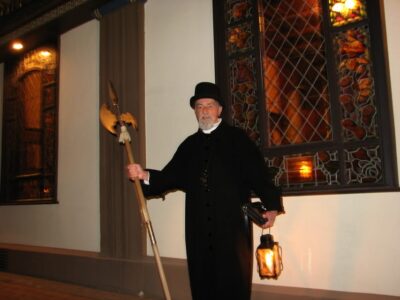
★ 4.7 · 541 reviews - Schwerin: Tour with the Night Watchman
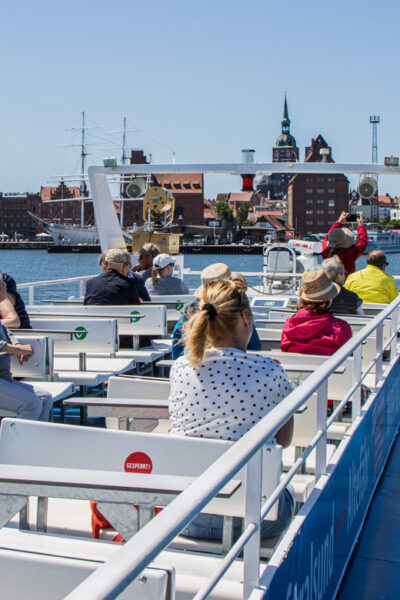
★ 4.5 · 366 reviews - Stralsund: 1-Hour Harbor Cruise
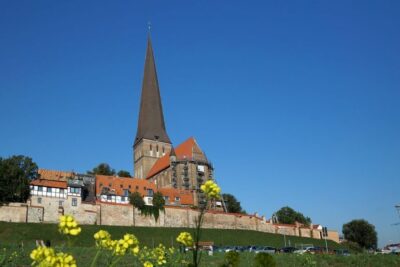
★ 4.6 · 365 reviews - Rostock: Guided tour of the historic city center
★ 4.5 · 311 reviews
The rhino savannah is the big animal stop
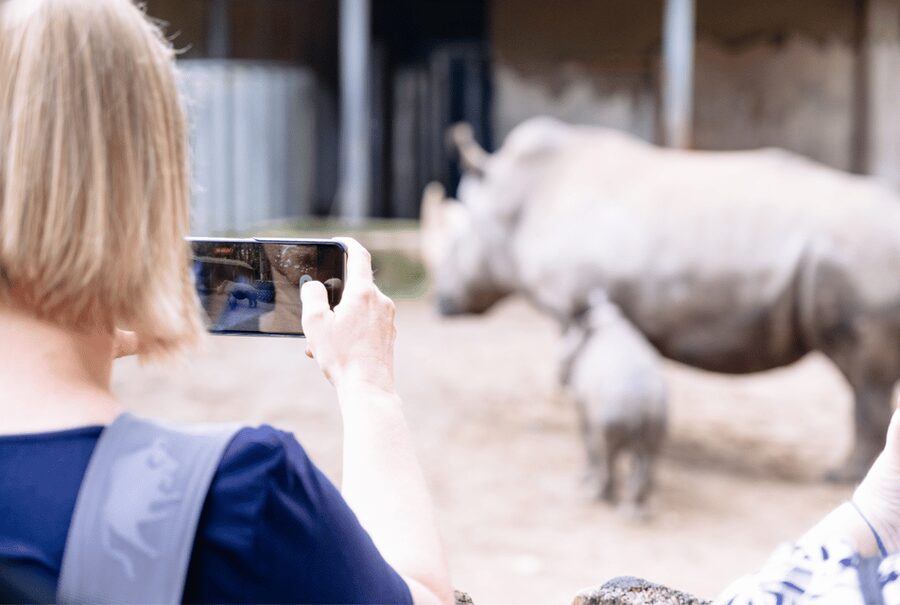
The rhino area deserves extra time. At 8,000 square meters, the rhino savannah is one of the clearest examples of the zoo’s spacious approach. Southern white rhinos are powerful, memorable animals, and their presence gives this part of the visit real weight.
Large mammals can be the reason children stay interested during a long walk. They also help adults appreciate the zoo’s conservation work without needing to read every sign. I would plan this stop around your energy rather than rushing past it. If a rhino is visible and active, you may want to sit or stand for a while and watch its movement.
The area is not a promise of constant close views. A large habitat can mean the animals are farther away, which is part of the tradeoff. You gain space and a more natural setting, but you may not get the tight, dramatic view found in a smaller enclosure.
Prairie dogs and the festival meadow
The festival meadow provides one of the easiest breaks in the zoo. Free-roaming prairie dogs are the stars here, and their activity gives children something lively to watch between the larger animal areas.
This is also a useful place to reset your day. After walking through the larger grounds, you can take a pause while still having animals nearby. The meadow is not just a picnic-style rest point. It adds a different scale of wildlife experience, with small, active animals replacing the slower pace of rhinos or big cats.
Families should note that the zoo does have playgrounds and rest areas, but the play facilities may not suit every child. One recent December visit found the available playground less useful for a four-year-old, with only one swing that became difficult to use when the area was busier. If your child needs a strong play component, you may want to treat the playground as a bonus rather than the main attraction.
That same family moved through the zoo fairly quickly for this reason, even though the adult found the grounds clean and the animals well cared for. The lesson is simple: the zoo works best for children who can stay interested in animals and walking, not only for children looking for a large playground.
Food, breaks, and the practical family rhythm

You can bring your own food, or buy meals and snacks from the zoo’s catering facilities and shop. In good weather, a kiosk is also available. Food and drinks are not included in the ticket, so include that cost in your day’s budget.
The ability to bring food helps keep the admission price reasonable, especially for a family. It also lets you choose a quick snack rather than building the visit around a restaurant meal. Rest areas give you places to pause, though the supplied information does not specify how many seating areas there are or where each one is located.
For small children, I would plan a rhythm of animal stop, short walk, rest, and snack. The zoo is large enough that a nonstop route may become tiring. The festival meadow and playground areas can break up the walking, but they should not be treated as a full replacement for family planning.
Dogs are welcome, provided they stay on a lead. That is useful if you are touring northern Germany with a four-legged companion, though you will still need to manage the dog around crowds and animal areas.
How much value do you get for $16?
At around $16 per person, the ticket offers good value if you use more than a quick hour. Admission covers one full day and includes the Red List Center. The animal count, wide grounds, conservation displays, and rest facilities give you enough content for a substantial outing.
The value is strongest for adults, older children, and families who enjoy walking outdoors. You are paying not only for animal viewing but also for a full setting with conservation education and room to pause. The ticket can feel less valuable if you arrive in poor weather, find many animals indoors, or leave early because a young child loses patience.
The public rating of 3.8 from 11 ratings suggests a generally positive but not flawless experience. The praise centers on the well-kept grounds, clean facilities, friendly staff, wide selection of animals, and fair price. The complaints are practical: ticket scanning problems and play equipment that did not suit one small child.
I would call the price fair rather than astonishingly cheap. A family that brings food and stays several hours should feel it received solid value. A solo adult making a short stop may still enjoy the zoo, but the price works best when you take time with the Red List Center and the animal areas.
Timing, weather, and what to bring
The zoo is open for a one-day visit according to the selected availability, but the supplied information does not give a fixed daily schedule. Check the available starting times before you go.
Wear comfortable shoes. This is not optional advice for a 25-hectare zoo. Weather-appropriate clothing is just as important because much of the experience takes place outdoors. A cold or wet day may reduce the number of animals outside and make the paths less pleasant.
For the best chance of a satisfying visit, give yourself at least 1.5 hours and preferably up to 3.5 hours. Start with the Red List Center while you are fresh, then set a relaxed route through the major animal areas. Leave time for the rhino savannah, prairie dogs, food, and a rest stop.
The zoo is wheelchair accessible. Since the grounds are broad, you should still think about distance and pacing, but the accessible status makes the attraction workable for visitors who need wheelchair access.
Who will enjoy Schwerin Zoo most?
I would recommend this zoo to you if you like conservation, large outdoor attractions, and a slower animal-viewing day. It fits well into a Schwerin itinerary and offers enough variety for a half-day or longer visit.
It is particularly suitable for:
- Adults interested in endangered species and the IUCN Red List.
- Families with children who enjoy animals as much as playgrounds.
- Visitors who want to see rare Asiatic lions, David’s deer, Rothschild giraffes, and southern white rhinos.
- Dog owners who need a pet-friendly attraction.
- Independent visitors who prefer choosing their own route rather than joining a tour.
I would think twice if your child needs extensive play equipment, if you want a guided experience, or if you have only a very short window. The zoo is spread out, and cold weather can limit animal activity.
Should you book the one-day ticket?
Book it if you want a reasonably priced outdoor day with a real conservation focus. The Red List Center gives the visit more meaning, and the wide grounds, rhino savannah, prairie dogs, and endangered species provide enough variety for most people to enjoy several hours.
Before entering, show your booking to the ticket office staff and make sure the code scans correctly. Bring good shoes, dress for the weather, and do not rely on the playground to carry the whole day for a young child.
The ticket is a good match for an independent visit, but not for anyone expecting a guided tour or guaranteed close views of every animal. With sensible planning, Schwerin Zoo offers a clean, friendly, fairly priced outing that combines wildlife viewing with a clear lesson about species protection.
FAQ
How long should I plan for Schwerin Zoo?
Plan at least 1.5 to 3.5 hours. You may need more time if you stop for food, use the rest areas, spend time at the Red List Center, or visit with children.
What does the one-day ticket include?
The ticket includes admission for one person on one day and access to the Red List Center.
Is food included with admission?
No. Food and drinks are not included, but you can bring your own food or buy meals and snacks at the zoo’s catering facilities, shop, or kiosk in good weather.
Are dogs allowed at Schwerin Zoo?
Yes. Dogs are welcome, but they must be kept on a lead.
Is Schwerin Zoo wheelchair accessible?
Yes. The zoo is listed as wheelchair accessible.
Are guided tours included?
No. Guided tours are not included with the one-day admission ticket.
What should I bring?
Bring comfortable shoes and clothing suited to the weather. The zoo covers 25 hectares, and much of the visit takes place outdoors.
Just added around Baltic Coast
- Stralsund: Stadtrundfahrt durch die historische Altstadt★ 4.0 · 45 reviews
- Stralsund: Factory Tour with Fermented and Organic Tastings★ 4.3 · 15 reviews
- Stralsund: Old Town Highlights Private Walking Tour★ 5.0 · 5 reviews
- Stralsund: Old Town Evening Tour with a Night Watchman★ 4.7 · 20 reviews
- Rostock: Tour with the Rostocker Executioner★ 4.7 · 28 reviews
- Rostock: Full-Day, Half-Day, or Sunset Sailing Experience★ 4.7 · 174 reviews
- Rostock: Private Guided Walking Tour★ 5.0 · 4 reviews
- Rostock: Electric Boat Rental on the Warnow River★ 4.8 · 106 reviews
Baltic Coast Tours, compared.


Full-Day, Half-Day, or Sunset Sailing Experience
Read our review →
Browse the lists this tour appears in