
Reviewed · CASTLES AND PALACES
Berlin: Classical concerts in Köpenick Palace – Aurora Hall
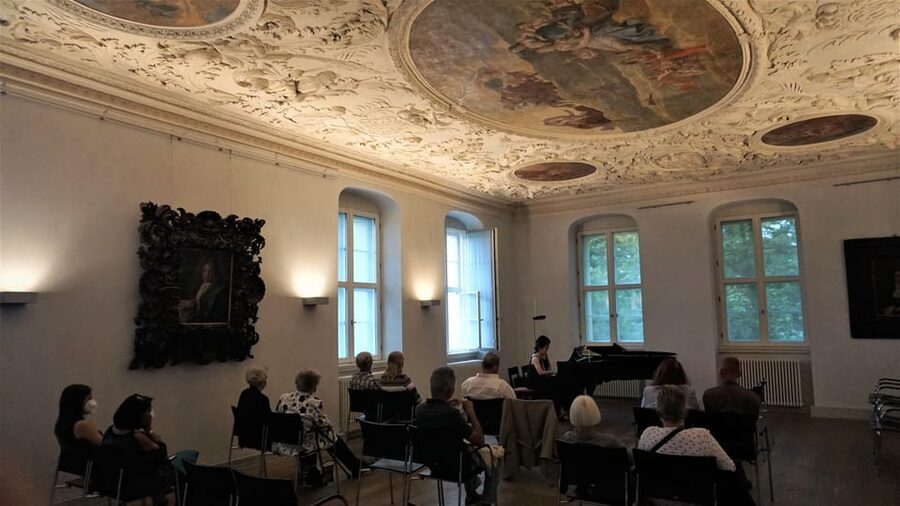
Palace music after dark. Köpenick Palace gives a classical concert a setting that feels far removed from an ordinary Berlin performance space. For $33, you hear a 90-minute program in the Aurora Hall, with free museum admission included. I especially like the mix of music, art, and royal surroundings, and I like that the schedule covers everything from Mozart piano works to opera duets and Bach sonatas.
The main caution is comfort and event reliability. One attendee found the hall excessively hot because it had no refrigeration, while another reported that a paid event did not take place and that no response followed. I would check the exact concert date and current details before paying, then arrive ready for a historic room rather than modern concert-hall facilities.
In This Review
- Key points to know before booking
- Why Köpenick Palace changes the concert experience
- What your 90 minutes will feel like
- Choosing between Mozart, opera, Bach, and Schubert
- February 15, 2026: Pure Romance, Romantic Duets
- March 8, 2026: Mozart Piano Works, Complete Performance, Second Program
- March 22, 2026: Mozart Songs, Arias, and Duets
- March 29, 2026: The Seven Last Words of the Savior on the Cross
- April 3, 2026: The Music Book of Frederick the Great
- April 4, 2026: Mozart Piano Works, Complete Performance, Third Program
- April 5, 2026: Piano Magic for Four Hands
- April 6, 2026: Classical Violin Sonatas
- May 1, 2026: Schubert Potpourri
- May 10, 2026: Bach Violin Sonatas 2
- May 17, 2026: Piano Music to Dream To
- May 31, 2026: Iberian Sounds
- What the $33 ticket really buys you
- Heat, accessibility, and simple practical advice
- Who should book an Aurora Hall concert
- Should you book this palace concert?
- FAQ
- Where does the concert take place?
- How long is the concert?
- What is included with the ticket?
- How much does the experience cost?
- Is the venue wheelchair accessible?
- Can I cancel my booking?
Key points to know before booking
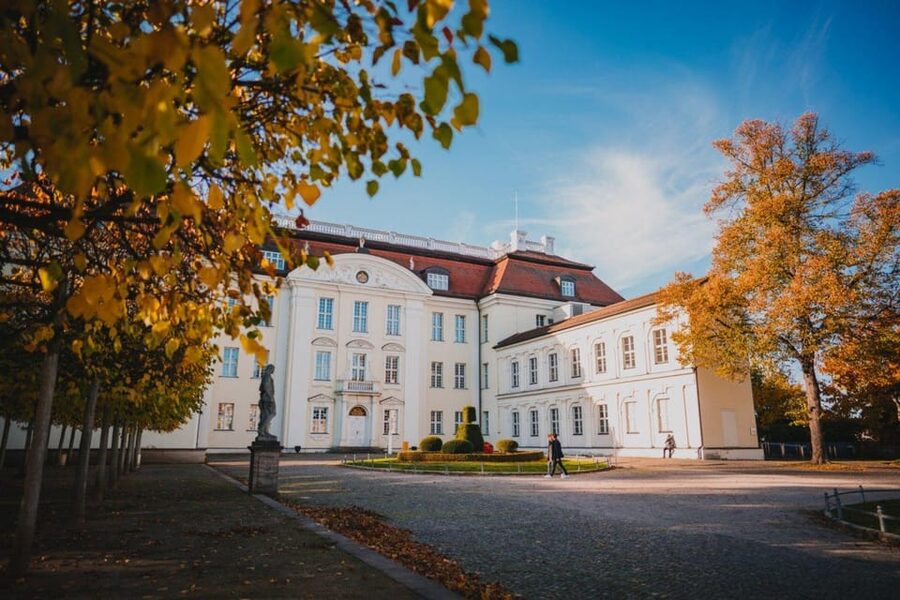
- Aurora Hall setting: The concert takes place inside Köpenick Palace, giving the music a historic backdrop and adding museum access to the ticket.
- A 90-minute cultural evening: The format is long enough for a serious program but short enough to fit neatly into a Berlin sightseeing day.
- Programs vary greatly: You can choose opera, piano, violin, vocal music, early music, or four-hand piano depending on the date.
- International performers: Scheduled artists include singers, pianists, violinists, guitarists, recorders players, and members of Mozart Ensemble Berlin.
- Good value at $33: Museum entry is included, making the ticket more appealing than a concert-only price.
- Check comfort and confirmation: The hall may become very warm, and one reported cancellation makes a last-minute confirmation sensible.
Why Köpenick Palace changes the concert experience
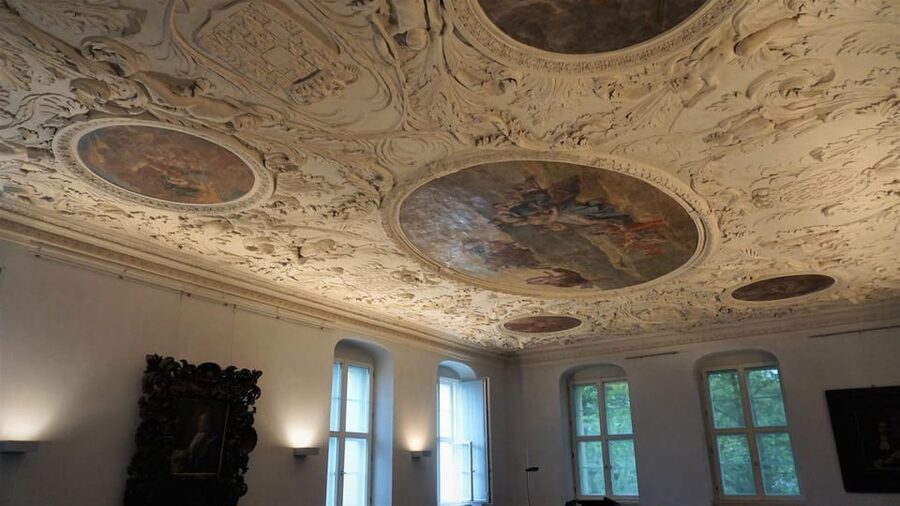
A concert in a palace asks you to pay attention to more than the notes. You are entering a historic setting, sitting in the Aurora Hall, and hearing music in a room chosen for atmosphere as much as for performance. That can make a familiar Mozart sonata or Schubert song feel like part of a larger cultural outing.
Köpenick Palace is in Berlin State, but this experience is not designed like a quick city-center attraction. The palace setting gives your evening a slower rhythm. You can pair the concert with the included museum visit and treat the ticket as a compact art-and-music plan rather than a single 90-minute appointment.
The hall itself is also part of the bargain and part of the uncertainty. Historic rooms can offer charm that newer venues lack, but they may not provide the same climate control or modern comfort. Since a Spanish-speaking attendee described the music as excellent but the room as excessively hot, I would dress in light layers and avoid assuming that the hall will feel cool.
More Castles and Palaces in Berlin
- Potsdam: City and Castles Tour
★ 4.7 · 3,721 reviews - Potsdam: Palace Tour by Boat
★ 4.5 · 2,369 reviews - Potsdam: Sanssouci Palace and Prussian Palaces Entry Ticket
★ 4.5 · 2,101 reviews
What your 90 minutes will feel like
The basic structure is simple: you meet at Aurora Hall, attend a 90-minute concert, and have free museum admission included. The exact starting time depends on the chosen date, so you need to check availability before booking.
Do not expect one fixed show. This is a series of separate programs, and the character of your evening depends almost entirely on the date. A Mozart piano recital will feel very different from romantic vocal duets, a Bach violin program, or music for four hands.
The schedule also includes material in original languages. That matters most for opera, songs, and arias. You should choose these programs for the sound of the voice and the music itself, not because you expect a translated theater production.
The 90-minute length is practical. You get a focused performance without committing most of your day to a concert. It suits a visitor who wants one formal cultural event but still plans to see other parts of Berlin. It may feel brief if you want a full opera or a long symphonic program, but that is not what is being offered.
Choosing between Mozart, opera, Bach, and Schubert
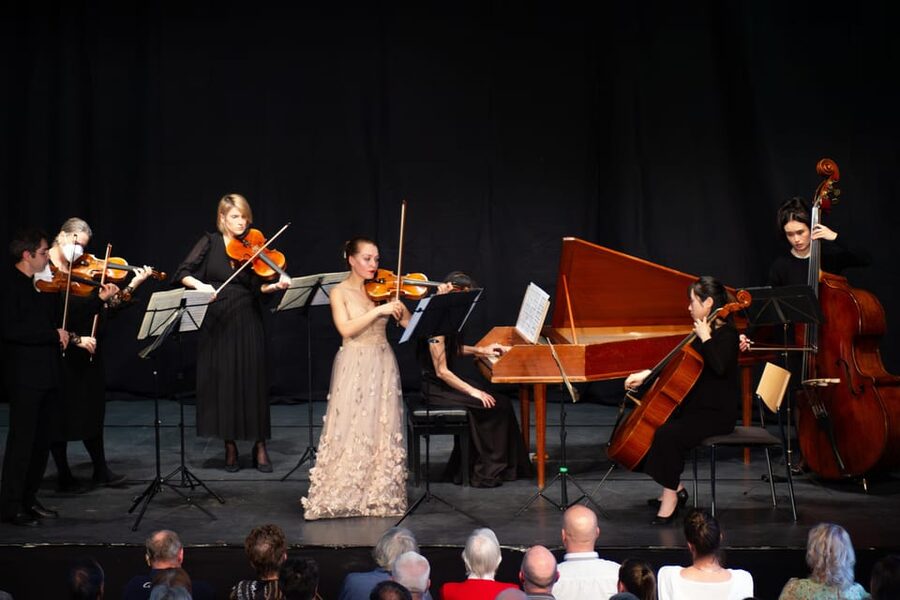
The smartest way to book is to select the music first, then the date. Here is what each listed program offers.
February 15, 2026: Pure Romance, Romantic Duets
Inês Pinto, soprano, and Kristina Naudé, alto, perform with Beatrice Wehner-Schaller on piano. This is the clearest choice if you want a vocal evening built around the contrast between two female voices.
The duet format should give the program a conversational quality, with the soprano and alto occupying different vocal ranges. Since the title promises romantic duets rather than a single opera, you can expect a selection-based recital rather than a staged drama.
Still Berlin, at a slower pace:
- Berlin: Reichstag, Dome and Government District Guided Tour
★ 4.7 · 18,288 reviews - Berlin: 1-Hour City Tour by Boat with Guaranteed Seating
★ 4.3 · 16,993 reviews - Berlin: Boat Tour Along the River Spree
★ 4.4 · 11,252 reviews - Discover Berlin Half-Day Walking Tour
★ 5.0 · 9,624 reviews
March 8, 2026: Mozart Piano Works, Complete Performance, Second Program
Maria-Magdalena Pitu-Jokisch performs this piano-focused concert. The phrase second program suggests a continuing series, so it is best suited to listeners who enjoy hearing Mozart’s keyboard writing presented as a substantial part of an ongoing project.
This is a good pick if you want concentration and instrumental detail without vocals. It is less suitable if you are looking for spectacle or a broad mix of instruments.
March 22, 2026: Mozart Songs, Arias, and Duets
Yuri Mizobuchi, mezzo-soprano, and Stephen Barchi, baritone, perform with Graham Cox on piano. This program gives you more vocal variety than the February duet concert, with songs, arias, and duets included.
The presence of both a mezzo-soprano and a baritone creates a wider range of vocal color. Choose it if you want Mozart’s theatrical side without attending a full staged opera. Some of the material is presented in its original language, so the appeal rests on the singing and music rather than translated dialogue.
March 29, 2026: The Seven Last Words of the Savior on the Cross
Mozart Ensemble Berlin performs this serious sacred work. The title signals a reflective program, likely better suited to listeners who want a solemn and focused concert than to anyone looking for light entertainment.
This may be one of the more atmospheric dates in the series. The palace room and the religious subject could work well together, but the mood is likely more restrained than the romantic or opera programs.
April 3, 2026: The Music Book of Frederick the Great
Susanne Ehrhardt plays recorders and Yuko Tomeda plays harpsichord. This is a strong choice if you want to hear instruments closely tied to earlier European court music.
The combination is more unusual than a standard piano recital. Recorders bring a clear, direct sound, while the harpsichord has a crisp attack that differs sharply from the modern piano. The program also connects naturally with a palace setting and the world of Frederick the Great.
April 4, 2026: Mozart Piano Works, Complete Performance, Third Program
Naoko Fukumoto performs the third listed Mozart piano program. If you already enjoy the idea of a focused Mozart recital, this gives you another date and performer to consider.
The choice between this and the March 8 program comes down to your schedule and interest in the individual pianist. The available details do not provide a full work list, so check the program information before choosing if you have a particular sonata or composition in mind.
April 5, 2026: Piano Magic for Four Hands
Naoko Fukumoto and Maria-Magdalena Pitu-Jokisch share the piano. Four-hand piano is performed by two players at one keyboard, creating a visual element that you do not get in a solo recital.
I would choose this for a lighter, more social concert atmosphere. The paired performance can make the mechanics of piano playing part of the entertainment, especially if you enjoy watching how two musicians coordinate at one instrument.
April 6, 2026: Classical Violin Sonatas
Annegret Pieske plays violin with Victoria Litsoukova on piano. This is a classic chamber-music setup, with the violin and piano sharing the musical work rather than one simply accompanying the other.
You should choose this date if you like close musical conversation and a smaller-scale program. It may be less appealing if you want a large ensemble, but the Aurora Hall setting is well matched to intimate instrumental music.
May 1, 2026: Schubert Potpourri
Stephen Barchi performs baritone with Maria-Magdalena Pitu-Jokisch on piano. The word potpourri indicates a varied selection rather than one single large work, which makes this a flexible choice for listeners who like Schubert’s songs and want a broad sample.
A baritone recital can offer warmth and weight, particularly in Schubert’s vocal writing. As with the Mozart vocal program, some content may be presented in its original language.
May 10, 2026: Bach Violin Sonatas 2
Marianne Boettcher plays violin with Yuko Tomeda on harpsichord. The pairing places the music firmly in the world of chamber performance and early keyboard sound.
This is a good date for focused listening. Bach’s sonatas reward attention to the interplay between violin and keyboard, and the harpsichord gives the performance a period-appropriate character.
May 17, 2026: Piano Music to Dream To
Maria-Magdalena Pitu-Jokisch performs a solo piano program with a gentle, restful title. It is likely the easiest selection for someone seeking a calm evening rather than a highly dramatic concert.
The title is also a useful warning. If you want fast, forceful, or theatrical music, choose one of the vocal or multi-performer dates instead. If you like a quiet piano mood, this may be the right fit.
May 31, 2026: Iberian Sounds
Inês Pinto sings with Márcio Silva on guitar. This is one of the most distinctive pairings on the schedule, moving away from the usual piano accompaniment and toward the sound world of Spain and Portugal.
The guitar should create a more personal, finely textured backdrop for the soprano. Choose this program if you want classical music with a clear regional flavor and a change from the dominant Mozart focus.
What the $33 ticket really buys you
At $33 per person, this is fairly priced for a formal 90-minute concert in a palace setting, especially because museum admission is included. You are not paying only for a seat and a performance. You are also getting access to a cultural site, which can make the outing feel more complete.
The value improves if you already plan to visit the palace museum. Instead of arranging a museum visit and concert separately, you can combine them into one cultural stop. The ticket is less compelling if you have no interest in the museum and are comparing it only with inexpensive public concerts elsewhere in Berlin.
The artists also help justify the price. The schedule names performers from several countries and includes specialists in piano, violin, harpsichord, guitar, recorder, opera, and chamber music. That range gives you a chance to choose a concert that matches your taste rather than accepting a generic classical program.
Still, price is not the only measure. A performance that is canceled or poorly communicated is not good value, no matter how attractive the venue sounds. One paid booking was reported as not taking place, with no follow-up received. I would keep all confirmation details, check the event status close to the date, and avoid building an inflexible evening around it.
Heat, accessibility, and simple practical advice
The experience is listed as wheelchair accessible, an important point for visitors who need step-free access or a more manageable venue. The meeting point is Aurora Hall, so use that exact location rather than assuming you should wait elsewhere in the palace.
The strongest comfort warning concerns temperature. One attendee described excessive heat and no refrigeration in the hall. That does not prove every concert will have the same conditions, but it is enough reason to wear breathable clothing, carry water if permitted, and avoid heavy formal layers.
Alcohol and drugs are not allowed, and audio recording is prohibited. Keep your phone and recording equipment away during the performance so the room stays quiet for the musicians and audience.
Cancellation is flexible up to 24 hours before the start for a full refund. You can also reserve and pay later, which is useful if your Berlin schedule is still changing. These options reduce the financial risk, but they do not remove the need to confirm that the selected performance is going ahead.
Who should book an Aurora Hall concert
I would recommend this experience to you if you enjoy classical music and want a setting with more character than a standard concert venue. It is particularly appealing if you plan to visit Köpenick Palace anyway, or if you want one polished cultural evening that fits into a wider Berlin itinerary.
The series also works well for repeat visitors. You can choose a program based on your own taste: Mozart for a familiar starting point, Bach for focused chamber music, opera songs for vocal drama, four-hand piano for something unusual, or Iberian Sounds for a regional change of tone.
I would be more cautious if you need guaranteed modern climate control, detailed translated text, or the scale of a full opera production. The programs are concerts, not staged operas, and some material is performed in its original language.
Should you book this palace concert?
Book it if the music matters as much as the room. At $33, the combination of a 90-minute performance and museum admission is attractive, especially for a carefully chosen date such as Mozart Songs, Arias, and Duets, Piano Magic for Four Hands, or Iberian Sounds.
Before you commit, check the exact program, prepare for possible heat, and confirm the event close to the date. If you accept those limits, Aurora Hall offers a thoughtful way to pair Berlin’s palace culture with live classical music.
FAQ
Where does the concert take place?
The concert takes place in the Aurora Hall at Köpenick Palace in Berlin State, Germany.
How long is the concert?
The concert lasts 90 minutes. Starting times vary by date, so check availability for the program you choose.
What is included with the ticket?
Free museum admission is included with the concert ticket.
How much does the experience cost?
The listed price is $33 per person.
Is the venue wheelchair accessible?
Yes. The experience is listed as wheelchair accessible.
Can I cancel my booking?
Yes. You can cancel up to 24 hours in advance for a full refund. A reserve-now-and-pay-later option is also available.
More Concerts in Berlin
- Berlin: Classical Concert at Kaiser Wilhelm Memorial Church
★ 4.6 · 387 reviews - Berlin: Classical concerts at the Bode Museum Berlin
★ 4.3 · 26 reviews - Dresden: Gala Concert in the Dresden Zwinger
★ 4.7 · 1,510 reviews - Munich: Classical Concert at the Residenz Palace
★ 4.5 · 148 reviews
Just added around Berlin
- Private Walking Tour in Berlin: Hitler’s Germany & WWII★ 5.0 · 7 reviews
- The History of Berlin: WWII PRIVATE Walking Tour With Locals★ 5.0 · 209 reviews
- Private Berlin WWII and Cold War History Tour with Local Expert Guide★ 5.0 · 28 reviews
- Private Walking Tour Berlin 3 hours: Brandenburg, Historic Center★ 5.0 · 7 reviews
- Berlin: Private Bike Tour of the Berlin Wall and Third Reich★ 5.0 · 23 reviews
- Berlin: Guided Private Bike Tour to Explore the Highlights★ 5.0 · 12 reviews
- Berlin Photography Masterclass – Private Photography Lesson★ 4.5 · 23 reviews
- Group Driving Tour 1 to 6 people. Berlin Shore Excursion incl pick-up at Port★ 5.0 · 8 reviews
Castles and Palaces, compared.

Neuschwanstein & Linderhof Castle-Fairytale Day Tour from Munich
Read our review →

Premium Neuschwanstein Castle and Linderhof VIP Tour from Munich
Read our review →
Browse the lists this tour appears in