

Reviewed · CITY TOURS
Berlin: Hansaviertel “The City of Tomorrow” Guided Tour
Berlin’s future was built in the 1950s. This two-hour walk through Hansaviertel shows how architects from Germany and abroad tried to create a new kind of city after the destruction and division of war-torn Berlin. You will see bold apartment blocks, cultural buildings, a church, a library, a hospital, and an underground station, all tied to the International Building Exhibition of 1957.
I especially like the tour’s focus on architecture with a political backstory, rather than famous sights you can find on every Berlin itinerary. I also like the chance to see buildings by major architects, including the Gropius-Haus and the Academy of Art, while learning how the district was designed as a spacious, structured city. The main consideration is simple: if your interest lies mainly in medieval Berlin, royal palaces, or Cold War border sites, this may feel like a specialist walk.
The tour costs $23 per person and lasts two hours. That is a fair price for a live guide and a carefully planned route through an area many Berlin visitors miss. Tobias is especially praised for his humor, warmth, and clear explanations, while Mr. Schwabe is also noted for delivering high-level information in a friendly way.
In This Review
- Key Points About the Hansaviertel Walk
- Why Hansaviertel Matters to Berlin
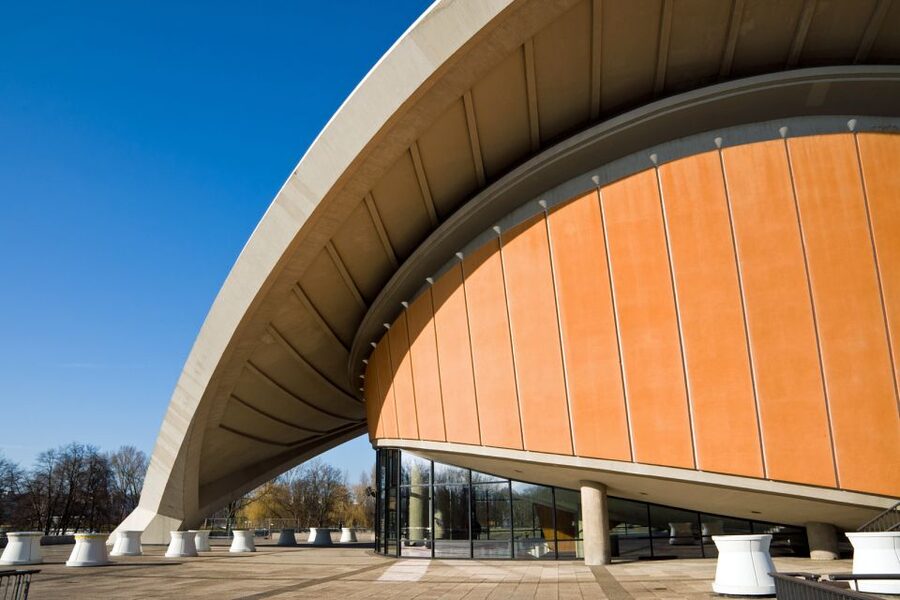
- Beginning With the Berlin Pavilion
- Seeing the Müller-Rehm/Siegmann House
- Gropius-Haus and the International Cast
- Kaiser-Friedrich Memorial Church and the Swedish House
- Hansaplatz Station, Library, and Hospital
- The Academy of Art and Cultural Ambition
- What the Guides Add
- Time, Season, and Physical Comfort
- Is $23 a Fair Price?
- Who Should Book This Tour?
- Should You Book the Hansaviertel Walk?
- FAQ
- How long does the Hansaviertel tour last?
- How much does the tour cost?
- Which languages are available?
- Is the tour wheelchair accessible?
- What is the main focus of the tour?
- Which buildings can you see?
- Does the tour include Hansaplatz station?
- Who provides the tour?
- Can the tour start at a specific location or time?
Key Points About the Hansaviertel Walk
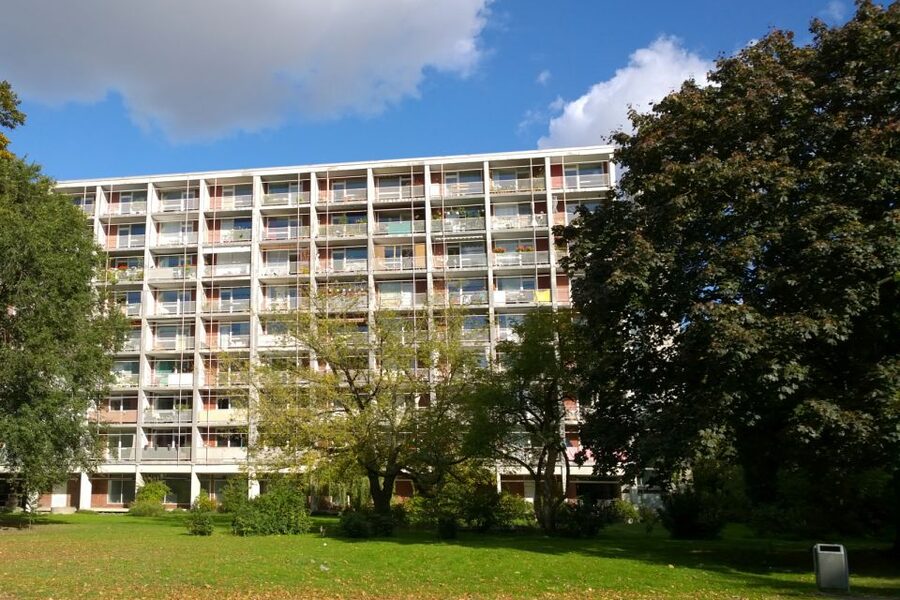
- 1957 modernism in the open air: See a district created for Berlin’s International Building Exhibition and planned around modern urban design.
- A powerful architectural lineup: Visit or view the Berlin Pavilion, Müller-Rehm/Siegmann House, Gropius-Haus, Van den Broek House, Schwippert House, and Academy of Art.
- More than apartment blocks: The route includes Kaiser-Friedrich Memorial Church, Hansaplatz U-Bahn station, the library, hospital, and Swedish House.
- Strong guide-led storytelling: Tobias is praised for his friendly, funny approach and his ability to connect buildings with Berlin’s history.
- A good value at $23: Two hours with a live English or German guide gives you useful context that self-guided sightseeing may miss.
- Practical for many visitors: The walk is wheelchair accessible, and tours can sometimes be arranged from a specific starting point and time.
Why Hansaviertel Matters to Berlin
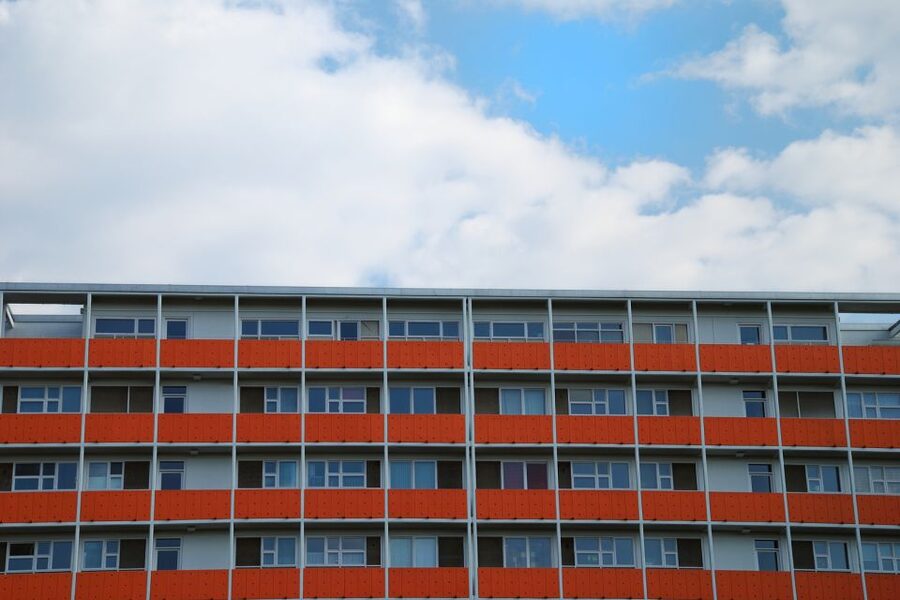
Hansaviertel is not just a collection of unusual buildings. It is a physical record of how West Berlin wanted to present itself in the years after World War II.
The district was redesigned for the 1957 International Building Exhibition. The goal was a new urban model: buildings set within open space, modern homes, public services, transport, and cultural institutions arranged as part of one planned district. Instead of rebuilding a traditional street wall, planners created what was described as a structured, spacious city.
That idea is the key to understanding the walk. You are not simply looking at a house, church, or station in isolation. You are seeing how each part was intended to work within a larger plan.
I find this especially useful if you have already seen Berlin’s major historical sights. The Brandenburg Gate, Berlin Wall sites, and Museum Island explain different chapters of the city. Hansaviertel shows another chapter: the effort to build a confident, modern future after catastrophe.
The district also gives you a calmer side of Berlin. The tour goes off the usual sightseeing path, so the experience is more about looking closely than ticking off famous attractions. You will need to pay attention to shapes, materials, spacing, and the relationship between buildings and public areas.
More City Tours in Berlin
- Berlin: 1-Hour City Tour by Boat with Guaranteed Seating
★ 4.3 · 16,993 reviews - Berlin: City Sightseeing Hop-On Hop-Off Bus Tour
★ 4.1 · 4,233 reviews - Potsdam: City and Castles Tour
★ 4.7 · 3,721 reviews
Beginning With the Berlin Pavilion
The Berlin Pavilion is one of the early stops and a useful introduction to the district’s purpose. It helps set the scene for the 1957 building exhibition and the modern vision behind Hansaviertel.
Here, your guide can explain why the area was redesigned and how the exhibition presented a new model for urban life. The building is not merely an architectural object. It represents the way architecture was used to express new ideas about society, housing, and the future of Berlin.
I would listen carefully at this point, because the rest of the walk makes more sense once you understand the exhibition’s aims. Without that context, you might see a group of attractive modern buildings. With it, you begin to notice the planning choices that link them together.
The Berlin Pavilion also gives the tour a clear starting point. You move from the broad idea of the city of tomorrow to the details of individual designs.
Seeing the Müller-Rehm/Siegmann House
The Müller-Rehm/Siegmann House adds a more personal scale to the tour. After hearing about urban planning, you get to examine how those ideas appeared in residential architecture.
This is a good place to consider the difference between a grand public plan and the ordinary experience of living in a modern district. The house forms part of the wider architectural program, but it also shows how architects thought about domestic space, light, privacy, and the placement of homes within an open setting.
The exact appeal here will depend on your interests. Architecture fans may enjoy the formal details and the building’s place within the 1957 program. Other visitors may need the guide’s explanation to see why this house matters. That is one reason the live commentary adds real value.
Gropius-Haus and the International Cast
The Gropius-Haus is one of the route’s major highlights. Its name connects Hansaviertel with Walter Gropius, one of the best-known figures in modern architecture.
You will see how the district brought together architects from Germany and other countries. That international cast was important. Hansaviertel was not designed as a small local experiment, but as a public statement about modern architecture and a new direction for the city.
The tour also includes the Van den Broek House and the Schwippert House. These stops widen the picture beyond one famous architect. You can compare different approaches to modern housing and see how a shared planning idea allowed for a range of architectural styles.
I like this part of the route because it avoids the trap of treating modernism as one single look. The buildings may share a period and a broad philosophy, but they are not identical. A good guide helps you spot those differences instead of leaving you with a general impression that everything is simply concrete and glass.
Still Berlin, at a slower pace:
- Berlin: Reichstag, Dome and Government District Guided Tour
★ 4.7 · 18,288 reviews - Berlin: Boat Tour Along the River Spree
★ 4.4 · 11,252 reviews - Discover Berlin Half-Day Walking Tour
★ 5.0 · 9,624 reviews - Berlin: Hop-on Hop-off Bus Tour with Live Commentary
★ 4.3 · 8,579 reviews
Kaiser-Friedrich Memorial Church and the Swedish House
The Kaiser-Friedrich Memorial Church brings a different tone to the walk. Its religious purpose and memorial role connect the modern district with older layers of Berlin’s identity.
This contrast matters. Hansaviertel was presented as a new beginning, but it was built in a city shaped by loss, memory, and political tension. The church helps show that modern planning did not erase the past. Instead, the new district had to exist beside reminders of what came before.
The Swedish House adds another international note to the route. Along with the other buildings, it shows how Hansaviertel became a showcase for architectural ideas that crossed national borders.
You may find that these stops are less immediately dramatic than Berlin’s major monuments. Their value comes from the connections your guide draws between architecture, memory, and the political mood of the 1950s.
Hansaplatz Station, Library, and Hospital
The Hansaplatz U-Bahn station is an important stop because it shows that transport was part of the district’s design from the beginning. A modern city needs more than housing. It needs ways to move people efficiently and connect the neighborhood to the rest of Berlin.
The Hansaviertel Library and Hansaviertel Hospital add everyday services to the story. These are practical buildings, but they help you understand the district as a functioning community rather than an outdoor architecture display.
That is one of the route’s strongest features. You are not only shown showcase buildings. You also see the infrastructure that supports daily life: transport, health care, reading, worship, housing, and public culture.
The drawback is that some of these places may appeal more to urban planners and architecture enthusiasts than to visitors seeking a dramatic visual attraction. I would approach the tour with curiosity about how a city works, not just how buildings look.
The Academy of Art and Cultural Ambition
The Academy of Art is another highlight and one of the clearest signs that culture was part of the Hansaviertel plan.
A district built around homes and transport could have been purely functional. Including cultural institutions gave the area a broader ambition. The city of tomorrow was meant to support public life, not just provide somewhere to sleep.
The Academy also adds variety to the route. You will have seen private homes, public services, transport, and religious architecture before arriving at a building tied to artistic and intellectual life.
If you enjoy architecture, this is the sort of stop where a guide’s detail can make a big difference. Tobias is repeatedly praised for explaining the buildings in an engaging way and for answering questions patiently. His humor is also useful on a route that involves a fair amount of visual concentration.
What the Guides Add
The strongest part of this experience is the guiding. Tobias is described as personable, enthusiastic, funny, and highly informed. That combination matters because modern architecture can be difficult to read without help.
A guide can point out why a building was placed where it was, how it relates to the 1957 exhibition, and what it tells you about postwar Berlin. You also have someone who can answer questions as you go instead of forcing you to save every detail for later research.
Mr. Schwabe is another guide associated with the experience and is praised for clear, high-level information and a kind manner. The tour is offered in English or German, so you can choose the language that lets you follow the architectural and historical explanations most easily.
The comments about the guides are remarkably consistent over many years. Tobias, in particular, is praised for planning the route well, looking after the group, and making the experience enjoyable without turning it into a dry lecture.
Time, Season, and Physical Comfort
Two hours is a sensible length for this tour. It gives you enough time to understand the district without making the walk feel like a full-day commitment.
The pace is described as leisurely, which should suit visitors who want time to look at buildings and listen. Still, you are outdoors for the full route, so dress for Berlin’s weather and choose comfortable shoes.
One useful seasonal point comes from a winter experience: a participant suggested starting and finishing a couple of hours earlier during the darker months. That is practical advice. If you book in late autumn or winter, check the available start times and consider how much daylight you want for viewing the architecture.
The tour is wheelchair accessible. Meeting points can vary according to the option booked, and specific starting points and times may sometimes be arranged. Check those details before you set out, especially if you need a particular meeting location.
Is $23 a Fair Price?
At $23 per person, this is good value if you care about architecture, Berlin history, or urban planning. You receive two hours of guided walking and access to the guide’s interpretation of a district that is easy to overlook.
A self-guided walk would cost less, of course. You could photograph the buildings and read about the International Building Exhibition later. But you would miss the structure that ties the stops together, and you might not know which details deserve attention.
The price is less compelling if you have little interest in modern architecture. Hansaviertel does not offer the instant spectacle of a major museum or landmark. Its rewards come through explanation and close observation.
I would consider it especially good value for repeat visitors, architecture students, design fans, and anyone who has already covered Berlin’s central sights. It also works well for residents who have lived in Berlin for years but never explored this district.
Who Should Book This Tour?
I would recommend the walk if you enjoy 1950s architecture, postwar history, or the way political ideas shape city planning. It is also a good choice if you want a quieter Berlin experience with a local guide rather than another crowded central attraction.
You do not need to be an architect. The route includes enough history and city context to make the buildings meaningful for general visitors, especially with an engaging guide such as Tobias.
I would think twice if you want a fast tour with many interior visits, famous monuments, or dramatic entertainment. This is primarily an outdoor route focused on buildings and their setting. Its pleasure comes from noticing details and understanding why the district was created in the first place.
The experience has received a top rating from 219 reviews, and the praise centers on the same qualities: strong guiding, thoughtful explanations, friendly personalities, and the unusual appeal of Hansaviertel itself. That consistency makes the tour easier to recommend.
Should You Book the Hansaviertel Walk?
Book it if you want to see Berlin’s postwar future rather than only its older past. For $23, you get a focused two-hour introduction to one of the city’s most distinctive planned districts, with buildings by German and international architects and a guide who can explain the ideas behind them.
My best tip is to book with enough daylight for the season, especially in winter, and to arrive ready for a walking tour rather than a museum visit. If modern architecture and Berlin’s turbulent twentieth-century story interest you, Hansaviertel offers a thoughtful change of pace and a side of the city many first-time visitors never reach.
FAQ
How long does the Hansaviertel tour last?
The tour lasts two hours.
How much does the tour cost?
The price is $23 per person.
Which languages are available?
The live tour guide is available in English and German.
Is the tour wheelchair accessible?
Yes, the experience is wheelchair accessible.
What is the main focus of the tour?
The walk focuses on Hansaviertel’s modern architecture, urban planning, and history connected with the 1957 International Building Exhibition.
Which buildings can you see?
The route includes the Berlin Pavilion, Müller-Rehm/Siegmann House, Gropius-Haus, Kaiser-Friedrich Memorial Church, Swedish House, Van den Broek House, Schwippert House, and Academy of Art.
Does the tour include Hansaplatz station?
Yes, the route passes Hansaplatz U-Bahn station, as well as the Hansaviertel Library and Hansaviertel Hospital.
Who provides the tour?
The experience provider is Sonderweg-Berlin.
Can the tour start at a specific location or time?
It may be possible to arrange tours beginning from specific points at certain times. The meeting point can vary depending on the option booked.
Just added around Berlin
- Private Walking Tour in Berlin: Hitler’s Germany & WWII★ 5.0 · 7 reviews
- The History of Berlin: WWII PRIVATE Walking Tour With Locals★ 5.0 · 209 reviews
- Private Berlin WWII and Cold War History Tour with Local Expert Guide★ 5.0 · 28 reviews
- Private Walking Tour Berlin 3 hours: Brandenburg, Historic Center★ 5.0 · 7 reviews
- Berlin: Private Bike Tour of the Berlin Wall and Third Reich★ 5.0 · 23 reviews
- Berlin: Guided Private Bike Tour to Explore the Highlights★ 5.0 · 12 reviews
- Berlin Photography Masterclass – Private Photography Lesson★ 4.5 · 23 reviews
- Group Driving Tour 1 to 6 people. Berlin Shore Excursion incl pick-up at Port★ 5.0 · 8 reviews
City Tours, compared.
1-Hour City Tour by Boat with Guaranteed Seating
Read our review →
City History Canal Sightseeing Tour on a Motorboat
Read our review →

Browse the lists this tour appears in