
Reviewed · FOOD & DRINK
Classic Bites and Culinary Trends Neighborhood Food Tour in Berlin
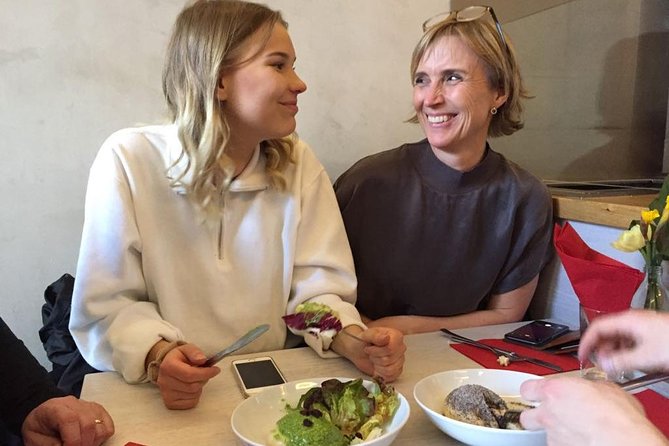
Berlin tastes best one small plate at a time. This 3.5-hour food walk pairs local bites with Berlin history, moving through Prenzlauer Berg and nearby streets shaped by East Berlin, immigration, and new food trends. I like the mix of sweet and savory stops, plus the chance to try regional beer while walking through everyday neighborhoods rather than rushing between major sights.
I also like the small group size, capped at eight people, because it gives you a better chance to ask questions and keep up with the guide. The main drawback is the price: at $205.67 per person, you are paying a premium for street food, cafés, beer, and a guided neighborhood walk. One past experience also found the uneven streets difficult for a wheelchair, despite the tour being marked as wheelchair friendly.
In This Review
- The Berlin food tour in four quick points
- Starting at Espresso House near Schönhauser Allee
- Schönhauser Allee and the first East Berlin snack
- Stargarder Straße and Prenzlauer Berg’s changing streets
- Pappelallee and the small coffee stop
- Dunckerstrasse and handmade pastry
- Prenzlauer Berg’s savory fusion and Berlin beer
- Kastanienallee and Berlin’s immigrant food story
- Passing the brick Kulturbrauerei
- Oderberger Straße and the final sweet stop
- What the guides add to the walk
- Is $205.67 a fair price?
- Walking, transport, weather, and access
- Who will enjoy this Berlin food walk?
- Should you book Classic Bites and Culinary Trends?
- FAQ
- How long does the Berlin food tour last?
- How much does the tour cost?
- What is included in the experience?
- How many people can join the tour?
- What language is the tour offered in?
- Where does the tour begin?
- Where does the tour end?
- Can I cancel for a full refund?
The Berlin food tour in four quick points
- East Berlin flavors: Start near Schönhauser Allee and hear how food and daily life changed before and after the Berlin Wall.
- Ten or more tastings: Six food locations provide enough food to cover lunch, with portions that may leave you very full.
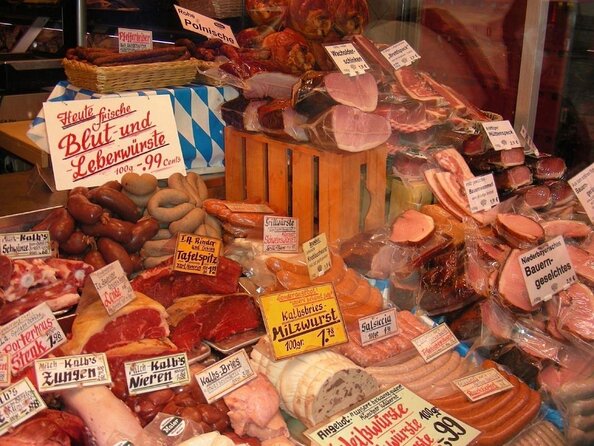
- A true melting-pot menu: Expect German street food alongside coffee, pastries, fusion dishes, falafel, kebab, and other immigrant-influenced flavors.
- Beer with local context: Try Berlin beers and take part in a tasting game, with a beer garden possible in warmer weather.
- Small English-speaking group: The tour is offered in English and allows a maximum of eight people.
- Useful first-day activity: Guides such as Holger, Tiago, Violeta, Jane, Sean, Marcel, and Dov have been praised for mixing food tips with Berlin background.
Starting at Espresso House near Schönhauser Allee
The tour begins at Espresso House, Schönhauser Allee 116, in the former East Berlin. The first 15 minutes are used for introductions and historical context, so you are not simply handed a snack and sent down the street.
That opening matters. Berlin can feel like a collection of separate cities stitched together, and the former East Berlin setting gives the walk a clear starting point. You begin with the social and political background that helps explain why Prenzlauer Berg looks and eats the way it does today.
The meeting point is near public transportation, which makes it practical for a morning or early afternoon start. You receive confirmation when booking, and the ticket is mobile, so you do not need to print anything.
More Food and Drink Tours in Berlin
- Berlin Center Food Tour with 8+ Authentic Local Tastings
★ 5.0 · 1,227 reviews - Berlin City Bike Tour with Beer Garden Stop
★ 5.0 · 917 reviews - Kreuzberg: Culinary Food Tour
★ 4.5 · 770 reviews
Schönhauser Allee and the first East Berlin snack
The first proper food stop comes along Schönhauser Allee. It focuses on a historical Berlin street-food snack associated with East Berlin, though the supplied details do not name the dish.
That omission may matter if you are choosing the tour for one specific food. Still, the point of this stop is broader than a single bite. You get a taste of how a city’s everyday food can carry political and regional meaning. The 15-minute visit is short, so expect a sample and explanation rather than a long sit-down meal.
If you arrive hungry, that is a good plan. The tour includes lunch through its tastings, but the food comes in waves rather than as one large meal.
Stargarder Straße and Prenzlauer Berg’s changing streets
At Stargarder Straße, the group turns into the refurbished side streets of Prenzlauer Berg. The walk gives you a look at local residential life and a chance to discuss what this area was like before the Berlin Wall fell.
I value this part because the neighborhood itself is part of the meal. You are not just moving from restaurant to restaurant. The streets help show the contrast between older East Berlin life and the polished, fashionable district you see now.
The stop lasts about 15 minutes, but the walking between stops adds to the experience. One account estimated roughly four miles of walking over the full tour. Wear shoes that can handle a long city walk, and do not assume that a food tour means standing in one small area.
Pappelallee and the small coffee stop
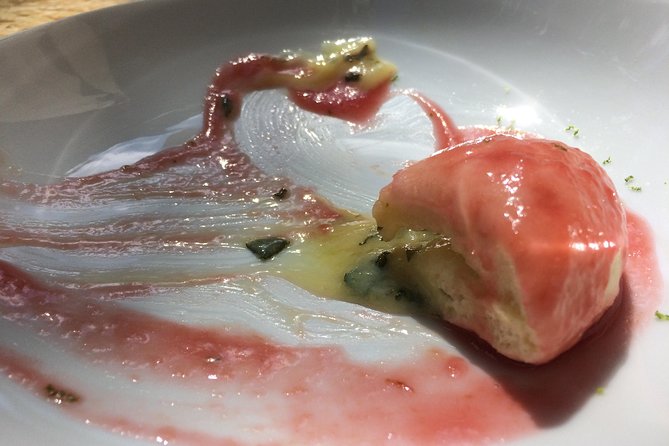
The next tasting is at a neighborhood coffee bar on Pappelallee. The café roasts its own beans and serves eight kinds of espresso, giving this stop a more focused feel than the general food tastings.
You get time to sip rather than simply swallow a sample, with around 15 minutes scheduled here. For coffee drinkers, this may be one of the most distinctive stops because it connects Berlin’s café culture with a small local business.
There is also a practical rhythm to the stop. After the first snack and a stretch of walking, coffee gives you a pause before the sweeter food that follows. If you do not drink coffee, the appeal may be less obvious, since the details only specifically mention espresso varieties.
Still Berlin, at a slower pace:
- Berlin: Reichstag, Dome and Government District Guided Tour
★ 4.7 · 18,288 reviews - Berlin: 1-Hour City Tour by Boat with Guaranteed Seating
★ 4.3 · 16,993 reviews - Berlin: Boat Tour Along the River Spree
★ 4.4 · 11,252 reviews - Discover Berlin Half-Day Walking Tour
★ 5.0 · 9,624 reviews
Dunckerstrasse and handmade pastry
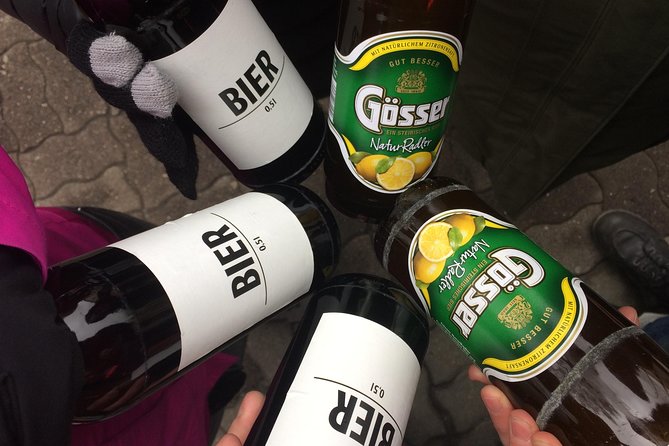
Dunckerstrasse brings a visit to a Berlin patisserie, with handmade cakes and selected pastries. The stop lasts about 20 minutes and adds a clear dessert course to the middle of the walk.
This is one reason I would not eat a full lunch before joining. The tour is designed to keep feeding you, and the pastry stop is followed by more substantial savory food. You may find the balance generous rather than delicate.
The pastry shop also helps broaden the idea of Berlin food. This is not a program limited to sausages and beer. Coffee, cakes, and baked goods are given room alongside street food, and the combination makes the experience feel more like a moving lunch than a series of isolated samples.
Prenzlauer Berg’s savory fusion and Berlin beer
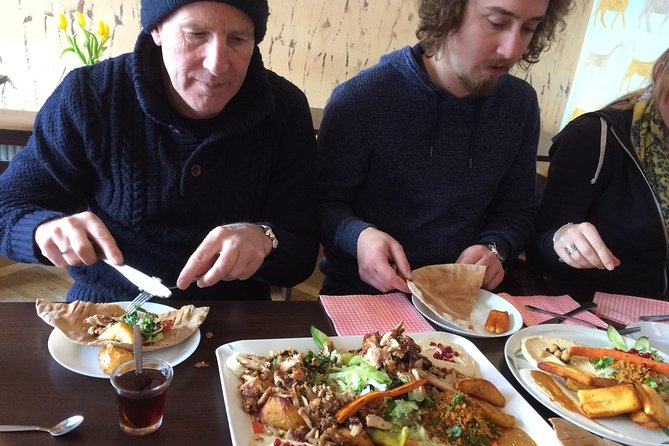
The next stop in Prenzlauer Berg serves a fusion savory dish paired with a locally brewed drink. The description does not name the exact food, so you should expect the guide to reveal the choice on the day rather than plan around a particular dish.
After that comes beer time, with roughly 20 minutes set aside for tasting. Berlin’s tradition of drinking beer outdoors becomes part of the conversation, and you take part in a tasting game featuring classic and craft Berlin beers.
This is a strong section of the tour for anyone who wants food context rather than a checklist of famous dishes. You can compare styles, hear why beer has such a visible place in city life, and ask the guide for ideas about places to eat later.
The alcohol inclusion also makes the tour less suitable for someone who does not drink, although the food remains the main focus. The provided details do not explain whether nonalcoholic substitutes are available, so ask before booking if that matters to you.
Kastanienallee and Berlin’s immigrant food story
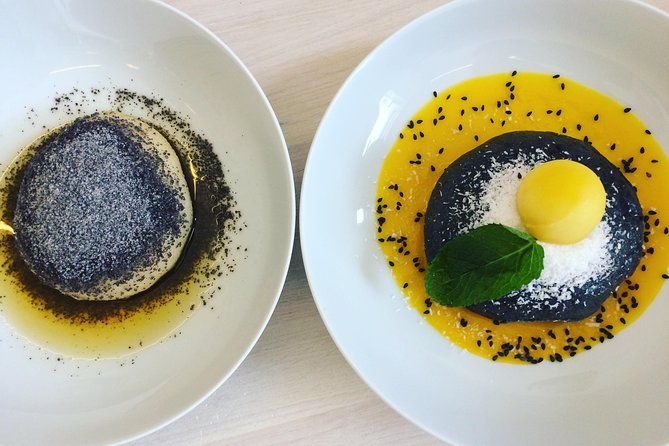
At Kastanienallee, the focus turns to the role of Berlin’s immigrant communities. You get both an explanation and a tasting connected to the food traditions that have shaped the city.
This is perhaps the most important idea running through the whole experience. Berlin is not presented as a city with one fixed national menu. Instead, you see how migration, modern dining, street stalls, and local habits meet on the same block.
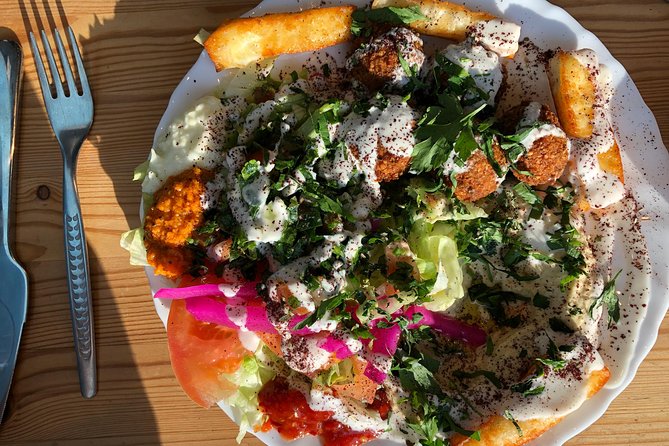
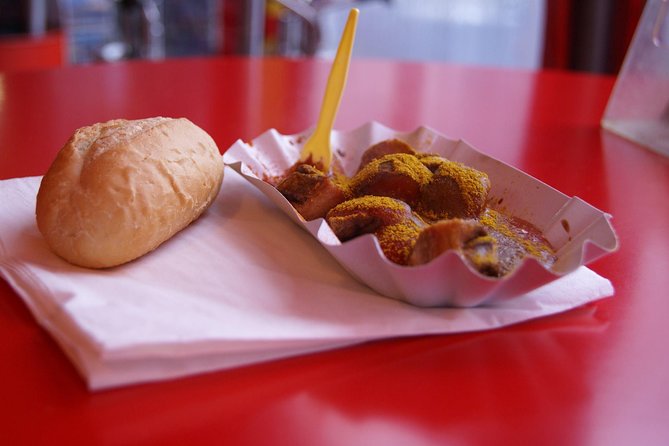
Specific food examples from the experience include falafel, kebab, currywurst, donuts, and other international dishes. One guide-led walk included kebab plates and described the cosmopolitan nature of Berlin’s cuisine. Another particularly liked the falafel and the dessert stop. You should expect the menu to include international food, not only classic German pork dishes or sausages.
That point deserves emphasis. If your main goal is traditional German cuisine, this may not be the right food tour. If you want to understand why Berlin eats the way it does now, the wider menu is a major strength.
Passing the brick Kulturbrauerei
Between stops, the route passes the historic brick Kulturbrauerei. The complex was Germany’s largest beer producer in the mid-1800s, and the guide provides background along with time for photos.
This is a useful visual pause. The old brewery buildings give you something substantial to look at while the beer discussion gains a real setting. You also get a sense of how production, work, and neighborhood life once fit together in this part of Berlin.
Because it is a pass-by rather than a formal interior visit, keep your expectations in check. You will hear about the site and take pictures, but the tour is not a museum admission or brewery tour.
Oderberger Straße and the final sweet stop
The final scheduled stop is on Oderberger Straße, where dessert depends on the season. Possibilities include natural ice cream, a visit to a Berlin beer garden, or a warm, fluffy dessert.
The seasonal choice keeps the route flexible, though it also means you cannot know the exact ending in advance. If you have your heart set on ice cream or a beer garden, check the seasonal plan before you book.
By this point, you may be full. The tour includes six food locations and more than ten tastings, enough to cover lunch and sometimes more. One account described the experience as food arriving about every 20 minutes and said the group eventually split later dishes because everyone was stuffed.
That is useful advice: arrive with an empty stomach. You can share later portions if needed, but do not expect tiny decorative samples throughout.
What the guides add to the walk
The guide can shape the quality of this experience as much as the food. The strongest praise has gone to guides who connect each bite with Berlin’s social, political, and neighborhood changes.
Holger was praised for explaining the city’s transition after reunification and for giving the perspective of someone from West Berlin. Tiago received strong marks for food variety, street art, history, and an upbeat approach, even when the weather was poor. Violeta was described as warm and attentive, while Jane was recommended as a good source of food suggestions for the rest of a Berlin visit.
Other named guides include Marcel, Sean, Dov, and Elena. The common thread is that the better guides do more than identify the food. They explain why the area changed, how immigrant communities influenced the menu, and where you might eat after the tour.
Because the group is limited to eight, conversation should be easier than on a large coach-style outing. One experience involved only five people, which made questions and discussion especially easy. Group size can vary in practice, so do not count on a private feel, but the cap is still a real advantage.
Is $205.67 a fair price?
At $205.67 per person, this is an expensive food walk. You are not paying only for the cost of the dishes. The price also covers a 3.5-hour English-speaking guide, the route, food tastings, regional beer, and the historical explanations that connect the stops.
The included tastings cover lunch, with six places and more than ten samples. That makes the price easier to defend than a tour offering only three small bites. Still, one direct assessment found it costly for a program centered mainly on street food and beer.
I would judge the value by your priorities. If you want a filling meal and a guided introduction to Berlin neighborhoods, the cost may work, especially early in your visit. If you mainly want a cheap lunch, you can spend far less on Berlin street food by yourself.
Group discounts are available, which may help families or friends booking together. The small group and guide-led context are the parts you cannot easily reproduce on your own.
Walking, transport, weather, and access
The tour runs for approximately three hours and 30 minutes and ends at Eberswalder Straße, 10437 Berlin. The endpoint is near the U2 underground line and tram routes M10 and M12, so you can continue sightseeing without arranging a taxi.
Plan for a substantial amount of walking. The route through Prenzlauer Berg includes side streets and historic areas, and one account estimated about four miles. Comfortable footwear is more important here than dressing for a restaurant meal.
Service animals are allowed, and most people can participate. The experience is marked as wheelchair friendly, but uneven streets can make the route difficult. One family found that a wheelchair needed careful handling over bumpy surfaces and that the group moved more slowly as a result.
If you use a wheelchair or stroller, contact the provider before booking and explain your needs clearly. The provider has said that a private tour may be offered in such cases, which could make the pace and route easier to manage. Do not assume that step-free venues mean a smooth city route.
The beer garden option is weather dependent and available in spring, summer, and autumn. Poor weather does not automatically end the tour, but you should dress for an outdoor walk and expect seasonal changes to the final stop.
Who will enjoy this Berlin food walk?
I would recommend it to first-time Berlin visitors who want food and city background in the same outing. It is especially useful early in a stay because guides can point you toward more places to eat and help you understand Prenzlauer Berg before you explore it alone.
It also suits curious eaters who like international food. You may try German street food, coffee, cake, kebab, falafel, fusion dishes, beer, and seasonal dessert in one route.
You should think twice if you want a formal tasting menu, a short walk, or a strictly traditional German meal. The walking is substantial, the food is varied rather than purely local, and the price is high for casual dishes.
The experience is offered in English, accepts mobile tickets, allows service animals, and has free cancellation up to 24 hours before the start time. Changes made inside that 24-hour window are not accepted, and a minimum group size is required for the tour to operate.
Should you book Classic Bites and Culinary Trends?
I would book this tour if you want Berlin explained through its food, not just fed along the way. The best reasons are the small group, the steady supply of food, the former East Berlin setting, and the honest look at immigrant influence on the city’s menu.
I would skip it if $205.67 feels too steep for street food, or if you are looking specifically for classic German dishes such as pork specialties and sausages. For everyone else, book near the beginning of your stay, arrive hungry, wear good shoes, and tell the provider about mobility needs before you pay.
The tour earns its strongest praise for its guides, especially when they combine food stories with Berlin’s political and social changes. That two-part approach is what gives this walk more value than a simple snack crawl.
FAQ
How long does the Berlin food tour last?
The tour lasts approximately three hours and 30 minutes.
How much does the tour cost?
The listed price is $205.67 per person.
What is included in the experience?
The tour includes a guide, food tastings, regional beer, lunch through the tastings, snacks at six locations with more than ten tastings, and local beer garden visits in suitable seasons and weather.
How many people can join the tour?
The tour has a maximum group size of eight travelers.
What language is the tour offered in?
The tour is offered in English.
Where does the tour begin?
The meeting point is Espresso House at Schönhauser Allee 116, 10439 Berlin, Germany.
Where does the tour end?
The tour ends at Eberswalder Straße, 10437 Berlin, near the U2 underground line and tram routes M10 and M12.
Can I cancel for a full refund?
Yes. You can cancel at least 24 hours before the experience start time for a full refund. Cancellations or changes made less than 24 hours before the start time are not accepted for a refund.
Just added around Berlin
- Private Walking Tour in Berlin: Hitler’s Germany & WWII★ 5.0 · 7 reviews
- The History of Berlin: WWII PRIVATE Walking Tour With Locals★ 5.0 · 209 reviews
- Private Berlin WWII and Cold War History Tour with Local Expert Guide★ 5.0 · 28 reviews
- Private Walking Tour Berlin 3 hours: Brandenburg, Historic Center★ 5.0 · 7 reviews
- Berlin: Private Bike Tour of the Berlin Wall and Third Reich★ 5.0 · 23 reviews
- Berlin: Guided Private Bike Tour to Explore the Highlights★ 5.0 · 12 reviews
- Berlin Photography Masterclass – Private Photography Lesson★ 4.5 · 23 reviews
- Group Driving Tour 1 to 6 people. Berlin Shore Excursion incl pick-up at Port★ 5.0 · 8 reviews
Food & Drink, compared.
St. Pauli Highlights Guided Tour with Beer for 18+
Read our review →
Elbphilharmonie Plaza and HafenCity Food Tour
Read our review →
Bavarian Beer and Food Evening Tour in Munich
Read our review →
Classic Mike’s Bike Tour daily @ 11.30 incl Beer Garden & Surfers
Read our review →
Berlin Center Food Tour with 8+ Authentic Local Tastings
Read our review →
Browse the lists this tour appears in