
Reviewed · THIRD REICH HISTORY TOURS
Munich: Nazi History 2-Hour Small Group Walking Tour
Munich’s old center carries a grim story. This two-hour walk links the city’s familiar squares and beer hall to the rise of the Nazi party, with English-speaking guide Alun Evans adding clear explanations, personal warmth, and a respectful tone. I like the small-group format and the way the route connects major events to real places, rather than treating the past as a list of dates. The main drawback is time: two hours gives you a strong introduction, but serious history fans may wish the tour lasted longer.
You begin at Marienplatz and walk through central Munich to the Hofbräuhaus, Odeonsplatz, and the Nazi rally grounds at Königsplatz. I also like the easy central meeting point and the option to return to Marienplatz with the guide. You will be outdoors in all weather, and the tour does not include refreshments, so good shoes and a warm coat matter, especially in winter.
In This Review
- Key points to know before you book
- Why this two-hour Munich walk matters
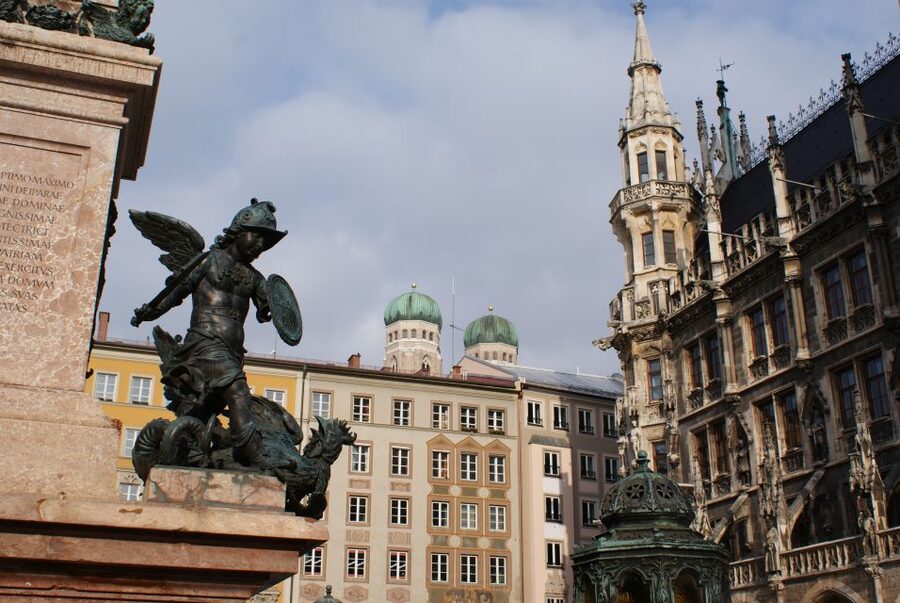
- Starting at Marienplatz
- The Hofbräuhaus and the power of a public room
- Odeonsplatz, the Residenz, and the Bavarian State Opera
- Königsplatz and the Nazi rally grounds
- Alun Evans and the value of the guide
- Small groups, walking pace, and weather
- Is $58 a fair price?
- Who should take this tour?
- Should you book the Munich Nazi History walk?
- FAQ
- Where does the tour begin?
- Where does the tour end?
- How long does the tour last?
- What language is the tour conducted in?
- What sites are included?
- Does the tour visit the Hofbräuhaus?
- Is this a private tour?
- Is hotel pickup included?
- Does the tour run in bad weather?
- Can I cancel the booking?
Key points to know before you book
- Hitler’s Munich story begins at Marienplatz: The tour places his arrival in the city in 1913 within the setting of modern Munich’s central square.
- The Hofbräuhaus is more than a beer stop: You see where the Nazi party met and where Hitler gave speeches.
- The route links politics with architecture: Odeonsplatz, the Bavarian State Opera, and the Residenz help show the civic setting around the movement’s rise.
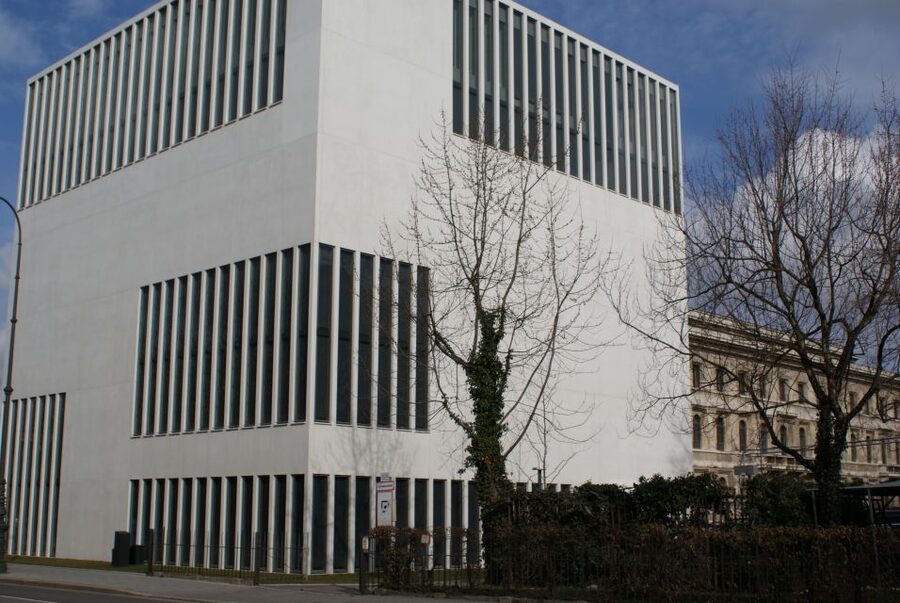
- Königsplatz gives the tour its most powerful ending: The Nazis used this space for rallies, making the location itself part of the lesson.
- Alun Evans is a major strength: His calm, engaging delivery has earned praise for being thoughtful, clear, and easy to follow.
- Expect a genuinely small group: The activity information says the group is limited to 10, while the promotional material also refers to a maximum of 15, so confirm the exact number when booking.
Why this two-hour Munich walk matters
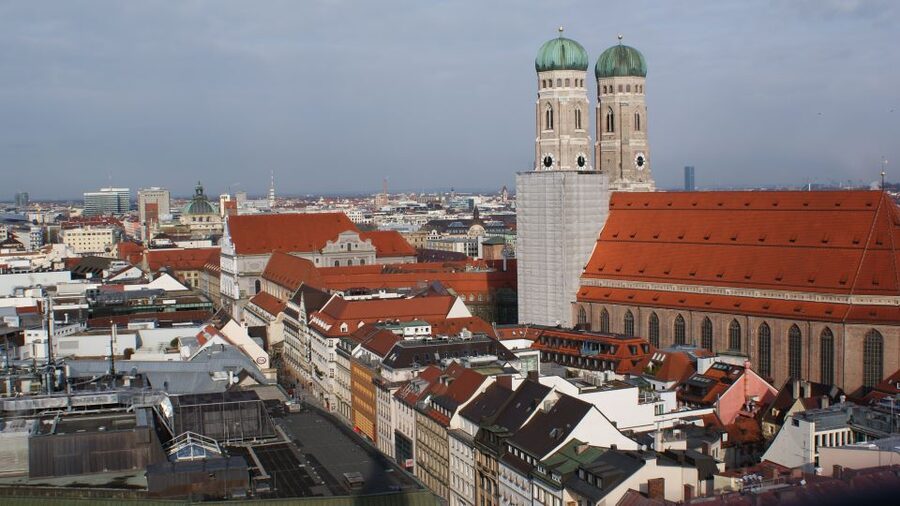
Munich is often introduced through palaces, museums, beer halls, and handsome squares. Those sights are real, but they can hide the city’s role in one of Europe’s darkest political movements. This tour asks you to look again at places that might otherwise seem cheerful or grand.
The focus is not only on Adolf Hitler. The walk also examines how a political movement gained space, followers, meeting places, and public attention. That makes the experience useful even if you already know the broad outline of the Second World War. You are looking at the setting in which the Nazi party organized, spoke, marched, and tried to turn public places into political theatre.
I appreciate that the route uses central Munich rather than sending you far outside the city. Marienplatz, the Hofbräuhaus, Odeonsplatz, and Königsplatz are all important parts of a first visit, so the tour can fit neatly into a day of sightseeing. You are not giving up an entire day for a specialist excursion.
The subject is serious, and the best part of the experience is the guide’s role in handling it. Alun Evans is described as caring, humble, engaging, and respectful. His style appears to suit both committed history fans and people who want a clear introduction without a university lecture.
More History Tours in Munich
- Munich: Guided Tour of the historic Town Hall on Marienplatz
★ 4.8 · 63 reviews - Munich Craft Beer & Cultural Tour With Snack
★ 5.0 · 46 reviews - Munich History Tour: Private & Personalized with a Local Guide
★ 4.5 · 33 reviews
Starting at Marienplatz
The meeting point is in front of the Tourist Information Center on Marienplatz. Your guide holds a sign with the local tour operator’s name, which helps in a crowded central square.
Marienplatz is a practical starting point. It is easy to reach in central Munich, and you can arrange the rest of your day around it. The tour also ends in this general area, with the option to walk back to Marienplatz with the guide if needed.
The first part of the walk lasts about 30 minutes at Marienplatz. Here, the guide sets the scene for Munich after Hitler arrived in the city in 1913 as a 24-year-old man with no clear prospects. That detail gives the story a human starting point, though not a sympathetic one. The point is to understand how an unknown young man entered a city that later became central to his political career.
You will likely spend this opening section getting the basic sequence of events in place. The value is context. Without it, later stops can feel like disconnected buildings. With it, the walk becomes a story about how people, places, speeches, and political ambition came together.
Marienplatz is also a busy public setting, so do not expect a quiet memorial atmosphere. The contrast is part of the experience. Ordinary shoppers and city life continue around a place tied to major events, and your guide helps you read beneath the modern surface.
The Hofbräuhaus and the power of a public room
The Hofbräuhaus stop lasts about 10 minutes, but its importance is greater than the short time suggests. This is where the Nazi party held meetings and where Hitler gave speeches.
A beer hall can seem like an odd place to study political history. That is exactly why it is useful. The setting shows how political movements could use familiar social spaces to gather people, build attention, and deliver messages. The history becomes more concrete when you stand in the kind of room associated with those early meetings.
Your guide brings the location into focus rather than treating it as a photo stop. The emphasis is on what happened there and why the setting mattered. The activity information does not promise a private room, meal, or drink, and refreshments are not included. Think of this as a guided historical visit connected to the beer hall, not a food or brewery tour.
The Hofbräuhaus can also be busy and noisy. That may make it harder to hear every word, depending on the conditions of the day. A small group helps, but you should still stay close to the guide and be ready to listen carefully.
For me, this is one of the most memorable stops because it challenges the easy habit of seeing Munich’s beer culture as harmless background scenery. The guide’s job is not to condemn the building itself, but to explain how a famous public venue was used during a dangerous period.
Odeonsplatz, the Residenz, and the Bavarian State Opera
The walk continues to Odeonsplatz, with about 15 minutes of guided explanation. Along the way and around the square, you see the Bavarian State Opera and the Residenz building.
This section broadens the story. You are no longer looking only at party meetings. You are seeing the movement in relation to important civic and cultural buildings. The grand surroundings help explain the public image the Nazis wanted to create for themselves, as well as the central position they sought within Munich.
Odeonsplatz is also tied to the failed Beer Hall Putsch of 1923. That attempt to seize power became a key event in the Nazi story, and the guide explains the location where it unfolded. The tour does not present the putsch as a simple success story. Its failure is essential to understanding the movement’s later tactics and public presentation.
This is a place where a good guide makes a real difference. A bare description of the square would not tell you much. Alun Evans has been praised for using facts, stories, and explanation in a way that keeps the subject understandable without losing its seriousness.
The surrounding architecture can make this stop feel less emotionally direct than the Hofbräuhaus or Königsplatz. You may be looking at elegant buildings while discussing violence, failed political force, and the growth of dictatorship. That tension is worth noticing. Munich’s beauty does not cancel its past.
More Third Reich History Tours in Munich
- Munich: Third Reich & WWII Walking Tour
★ 4.6 · 6,181 reviews - Third Reich Walking Tour Munich
★ 4.5 · 4,291 reviews - Munich: Birthplace of the Third Reich Guided Walking Tour
★ 4.6 · 771 reviews - Munich World War II Sites Including Dachau Concentration Camp
★ 4.5 · 570 reviews
Königsplatz and the Nazi rally grounds
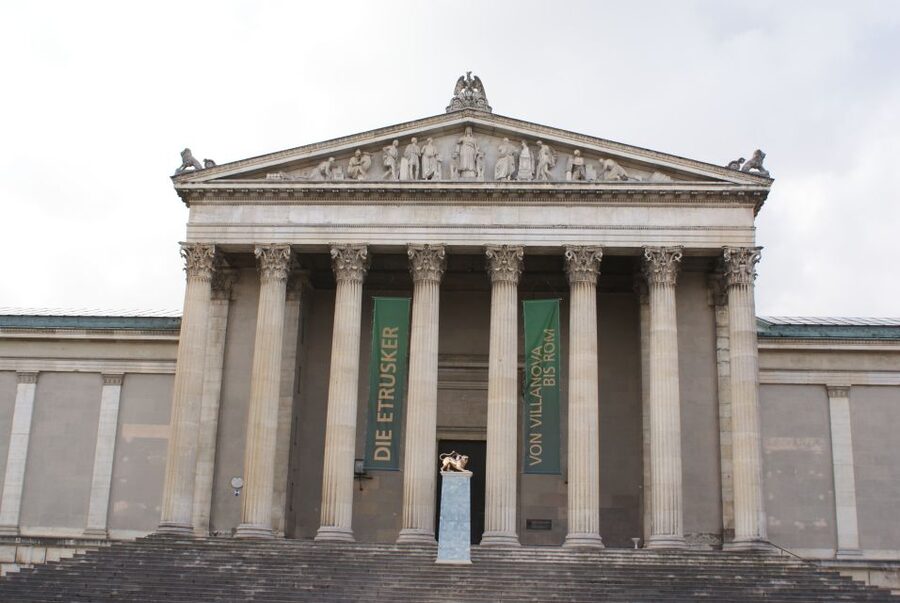
Königsplatz is the tour’s final major historical location. The Nazis used the square for rallies, and the space carries a different weight when you understand how it was presented and used during the period.
This is a strong ending because it brings the tour back to public spectacle. At the Hofbräuhaus, you consider meetings and speeches in an enclosed setting. At Königsplatz, you consider scale, crowds, ceremony, and the effort to turn architecture into political power.
The tour information describes Königsplatz as the place where the Nazis held rallies. It does not promise entry to a museum or a dedicated exhibition there, so the guide’s explanation is the main interpretive element. You are learning through the setting, the story, and the connection between the stops.
If you are sensitive to Nazi imagery or wartime history, this is likely the point where the subject feels most intense. The tour is designed to bring a terrible history into the present without turning it into entertainment. The reported guide style is candid and tactful, which matters here.
The route information says the tour returns to Marienplatz, and you can request to walk back with the guide. Confirm the exact finishing arrangement when you book, especially if you have a later reservation. The listed route includes Königsplatz, while the meeting details emphasize Marienplatz as both the starting and ending area.
Alun Evans and the value of the guide
The guide may be the biggest reason to choose this experience. Alun Evans is repeatedly praised for his clear command of the subject, friendly manner, patience, and ability to keep people engaged. He has also been described as thoughtful and respectful when presenting Munich’s darker past.
That combination is important. A guide can know many facts and still give a flat tour. Here, the feedback points to a more personal style, with stories and explanations that help the places make sense. One history-focused couple found the tour so useful that they wished it had lasted longer and that they had more time to talk with Alun afterward.
Another strong point is his ability to adjust to difficult conditions. One tour took place during heavy snow and very cold weather, with only four people present. The group still found the discussion engaging enough to make the weather easier to bear. That does not make winter weather pleasant, but it suggests the guide takes the responsibility seriously.
The experience is delivered in English by a local guide. If you want a guide who treats the topic with care rather than theatrical shock, this appears to be a good fit. If you prefer a museum-style experience with extensive written displays, artifacts, and indoor shelter, you may want to add a museum visit separately.
Small groups, walking pace, and weather
The activity is promoted as a small-group tour. The detailed information says it is limited to 10 participants, while another description gives a maximum of 15. Either way, this is much more intimate than a large coach tour, but you should check the group limit at the time of booking if that detail matters to you.
A small group improves the experience in practical ways. You can stay close to the guide, ask questions, and hear the explanation more easily. The guide can also respond to the interests of the people present. One group was fortunate to receive a private tour, but you should not assume that every departure will be private.
The tour lasts two hours and is conducted on foot. The supplied schedule gives roughly 30 minutes at Marienplatz, 10 minutes at the Hofbräuhaus, and 15 minutes at Odeonsplatz, with the remaining time used for walking and other explanations, including Königsplatz. The exact pacing may vary.
Wear comfortable shoes. The tour operates in all weather, so dress for rain, cold, or snow when needed. Munich’s weather can change quickly, and standing outdoors while listening is different from walking between indoor sights. Bring water if you want it, since refreshments are not included.
There is no hotel pickup. You meet at the fixed point in central Munich, which keeps the price lower and makes the start simple for anyone already sightseeing in the old town.
Is $58 a fair price?
At $58 per person, this is not the cheapest way to walk around Munich. You are paying for a live English-speaking guide, a small group, and a focused subject rather than general city commentary.
I think the price is reasonable if history is a major reason for your visit or if you want more than a quick look at famous buildings. The guide’s explanations are the product. You are paying for connections between the sites, the political context, and the ability to ask questions as you go.
The value is also better when the group remains small. A 10-person limit allows more contact than a large public tour. If the group reaches the higher stated limit of 15, it should still be manageable, but the experience may feel less personal.
The short duration keeps the cost and time commitment under control. You can book the tour in the morning or afternoon and still have most of your day available. On the other hand, the two-hour limit means you should not expect every detail of Munich’s Nazi history. Serious students may want to pair it with a longer museum visit or additional reading.
Who should take this tour?
I would recommend this walk to you if you want to understand Munich’s political past through its streets and buildings. It suits first-time visitors who need a clear introduction, as well as people who already know the basics and want to connect events with locations.
It is especially suitable for:
- People with a strong interest in 20th-century European history
- Families with older children who can engage with a serious subject
- Visitors who prefer walking and conversation to a formal museum visit
- Anyone who wants a small group rather than a large sightseeing crowd
- People staying in central Munich who want an efficient two-hour activity
It may be less suitable if you are looking for cheerful sightseeing, indoor attractions, food, or a relaxed beer experience. The Hofbräuhaus is part of the route, but this is not a beer tasting. The subject is difficult, and the guide presents it with care rather than turning it into a light city stroll.
Book with enough time to arrive at Marienplatz before departure. Since the meeting point is in a central public square, locating the Tourist Information Center should be straightforward, but you still want to avoid a rushed start.
Should you book the Munich Nazi History walk?
Book it if you want a focused, serious introduction to the places connected with Munich’s Nazi past, especially if you value a strong guide and a small group. Alun Evans appears to be the central strength, combining clear facts with a respectful, engaging approach.
The best reason to choose it is the route. In two hours, you move from Marienplatz to the Hofbräuhaus, Odeonsplatz, and Königsplatz, seeing how ordinary civic spaces became tied to political organization, speeches, failed revolt, and mass rallies.
Skip it if you want a longer academic treatment, extensive indoor exhibits, or a tour with no difficult subject matter. For everyone else, $58 buys a useful piece of context that can change the way you see central Munich for the rest of your visit.
FAQ
Where does the tour begin?
It begins in front of the Tourist Information Center on Marienplatz in central Munich.
Where does the tour end?
The tour information says it starts and ends at Marienplatz. You can also request to return to Marienplatz with the guide.
How long does the tour last?
The walking tour lasts two hours.
What language is the tour conducted in?
The tour is conducted in English by a live local guide.
What sites are included?
The route includes Marienplatz, the Hofbräuhaus, Odeonsplatz, and Königsplatz. You also see the Bavarian State Opera and the Residenz building near Odeonsplatz.
Does the tour visit the Hofbräuhaus?
Yes. The guide explains the Hofbräuhaus’s connection to Nazi party meetings and Hitler’s speeches there. Refreshments are not included.
Is this a private tour?
No private tour is guaranteed. It is offered as a small-group experience. The detailed activity information limits the group to 10 participants, while another description states a maximum of 15.
Is hotel pickup included?
No. You meet at the fixed meeting point on Marienplatz.
Does the tour run in bad weather?
Yes. The tour operates in all weather conditions, so you should dress appropriately.
Can I cancel the booking?
You can cancel up to 24 hours in advance for a full refund. The reserve-now, pay-later option allows you to hold a place without paying immediately.
More Walking Tours in Munich
- Munich: Old Town & Viktualienmarkt City Walk in German
★ 4.7 · 2,304 reviews - Munich: Night Watchman Walking Tour
★ 4.7 · 2,092 reviews - Munich Ghosts and Spirits Evening Walking Tour
★ 5.0 · 1,900 reviews - Munich Old Town Walking Tour
★ 4.5 · 1,287 reviews
Just added around Munich
- Pub crawl incl. Oktoberfest museum guided tour with beer tasting (private)★ 5.0 · 5 reviews
- South Tyrolean specialties and wine tasting★ 5.0 · 5 reviews
- Size Matters Beer Tour Munich★ 4.6 · 105 reviews
- Short & sweet: Tasting the Viktualienmarkt★ 4.8 · 37 reviews
- Secret Food Tours Munich★ 4.8 · 5 reviews
- Munich: Romantic Wine Experience for Two at Viktualienmarkt★ 4.2 · 14 reviews
- Residence of Munich private tour with skip the line ticket★ 5.0 · 4 reviews
- Munich: Resistance against Hitler – Historical Walking Tour★ 5.0 · 5 reviews