Reviewed · GUIDED
Public guided tour: Production of “wood-cased pencils”
Pencils have a factory story. At Faber-Castell’s headquarters in Stein, you follow a wood-cased pencil from raw pencil line through stamping, dipping, and sharpening. I like the clear production sequence and the chance to see more than a display case. This is a working factory tour, not just a brand history talk.
I also like the strong value: the tour costs $12 per person, lasts about two hours, and includes a souvenir. The main drawback is practical rather than exciting: parts of the site are historic and not barrier-free, so you should expect long walks and wear sturdy shoes.
In This Review
- Key points to know before you go
- Why a pencil factory makes a worthwhile stop
- Beginning at the Faber-Castell Visitor Center
- Following the pencil through the factory
- The Old Mine setting and the wider Faber-Castell site
- What the two-hour length means
- Price, souvenir, and the castle-store discount
- Is the tour suitable for children?
- Language, walking, and practical planning
- Who will get the most from this experience?
- My verdict on the Faber-Castell pencil tour
- FAQ
- How long does the Faber-Castell pencil production tour last?
- How much does the tour cost?
- Where does the tour start?
- Where does the tour end?
- Is a souvenir included?
- Is the castle-store discount included?
- Is the tour available in English?
Key points to know before you go
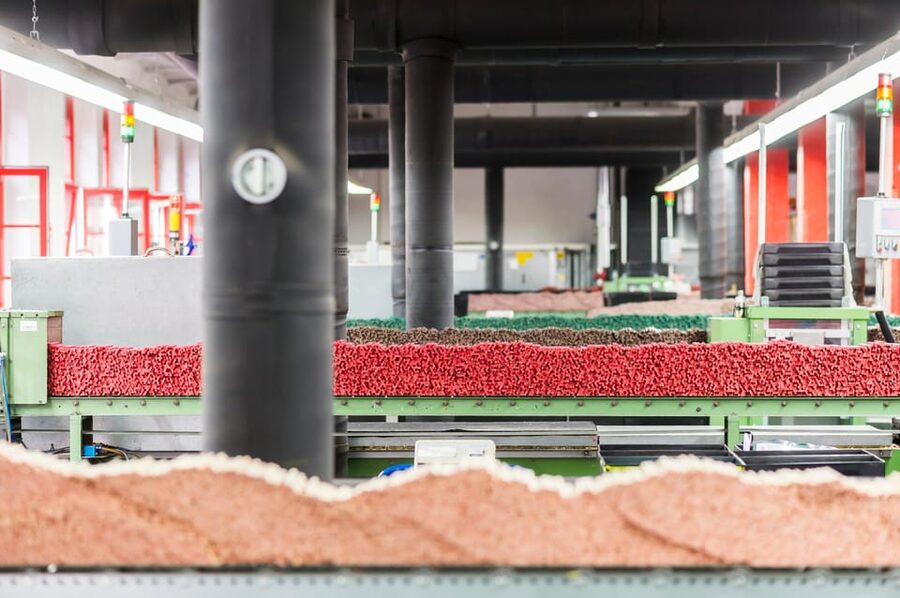
- More than 500,000 pencils are made daily: The scale gives the factory visit real purpose.
- You follow the pencil step by step: See the raw pencil line, stamping, dipping, and sharpening stages.
- The tour lasts about two hours: It is long enough to explain the process without feeling like a quick showroom stop.
- Children can get a lot from it: The hands-on-looking production story is easier to grasp than a standard company lecture.
- A souvenir is included: You leave with a small reminder of the visit.
- The castle store discount adds value: On the day of your tour, Monday through Friday, you receive 15 percent off in the store at the castle.
Why a pencil factory makes a worthwhile stop
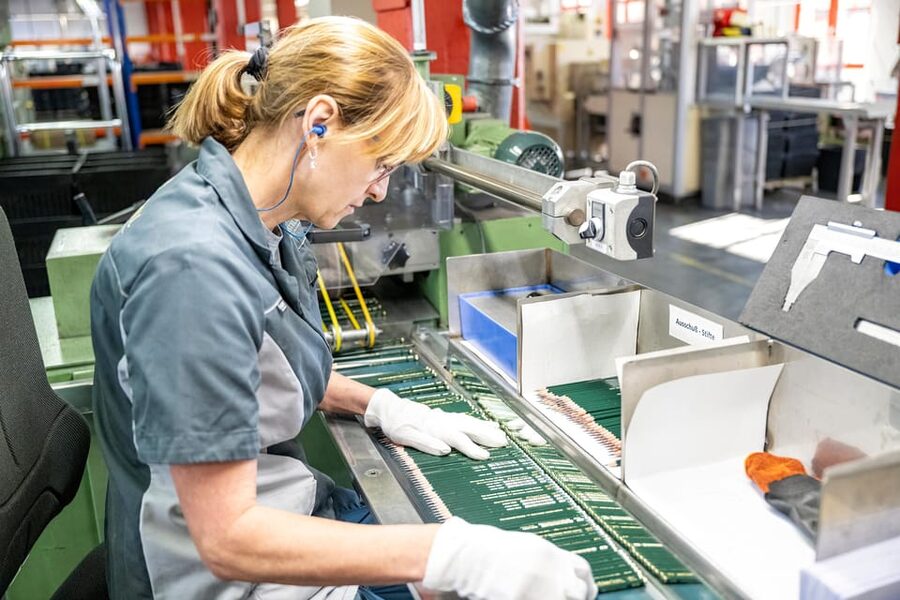
A pencil is a simple object. That is exactly why this tour works. You use one every day without thinking about how the wood, graphite or colored core, paint, markings, and point come together. At Faber-Castell, you get to see that ordinary object treated as a complete production process.
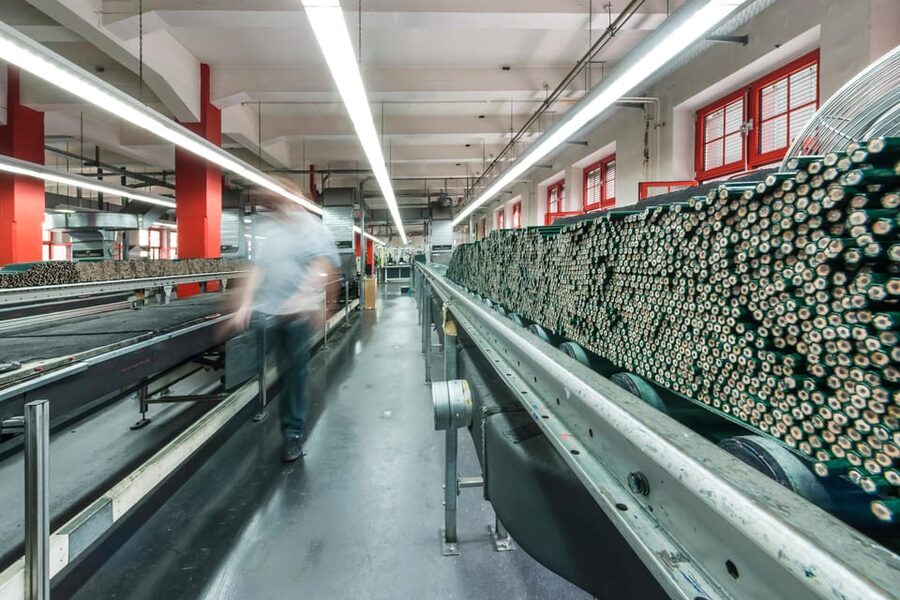
The Stein headquarters produces more than 500,000 wood-cased pencils each day. That figure matters because it turns the visit into a look at modern manufacturing on a serious scale. You are not seeing a small craft demonstration made for tourists. You are watching a major production line built around a familiar school, office, and art-supply item.
I like tours that make everyday things seem new again. This one does that without needing grand scenery or complicated history. The appeal is in the details: how the pencil moves through the plant, how each stage prepares it for the next, and how a plain wooden casing becomes a finished pencil or crayon.
The experience also has a good family angle. The tour has earned strong praise for being interesting and suitable for children. That makes sense. The subject is easy to understand, and the process has a beginning, middle, and end. A child can follow the journey of one pencil much more easily than a lecture filled with dates and company names.
A few more Germany trips worth comparing
- Berlin: Reichstag, Dome and Government District Guided Tour
★ 4.7 · 18,288 reviews - Dresden: Semperoper Tickets and Guided Tour
★ 4.7 · 12,102 reviews - Berlin: Government District around the Reichstag Guided Tour
★ 4.7 · 8,447 reviews
Beginning at the Faber-Castell Visitor Center
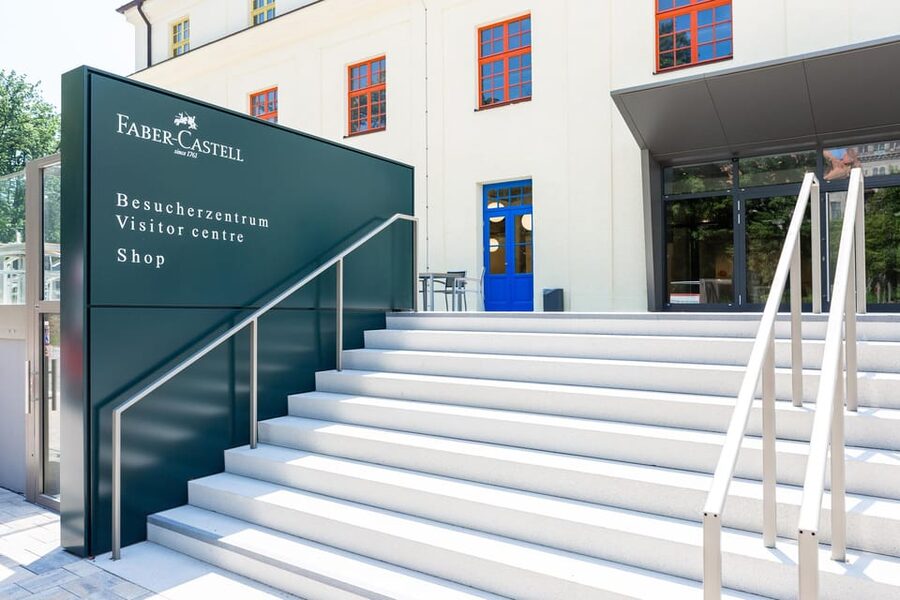
Your visit starts at the Faber-Castell Visitor Center, listed locally as Faber-Castell Erleben. Booking is required, so you should arrive knowing that this is a scheduled activity rather than a casual walk-in attraction.
The starting point matters because the headquarters offers several different experiences connected with Faber-Castell. These include the castle, the production tour, the Old Mine museum, and a special tour about the castle’s use as a press camp. If you want the pencil-making visit, make sure you select the wood-cased pencil production tour when booking.
The factory visit returns to the same meeting point. That keeps the outing tidy and makes it easier to fit into a day in Stein. The supplied timing says about two hours, though you should check the available start times for the date you want.
The tour is offered in English and German. That is useful for international visitors, but you should confirm the language offered at your chosen time. A factory is easier to understand when you can follow the explanations, especially during technical parts of the production process.
Following the pencil through the factory
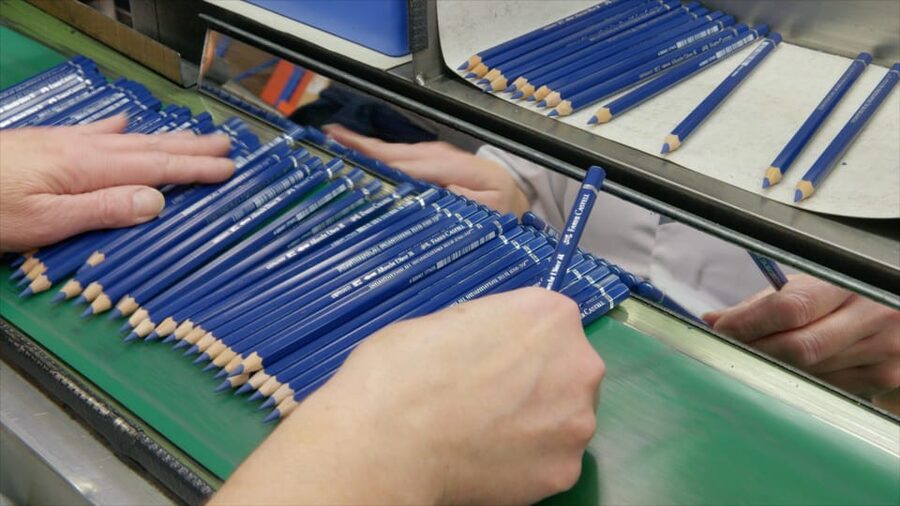
The core of the experience is the journey through production. You follow the pencil or crayon as it moves through several stages, beginning with the raw pencil line and continuing through stamping, dipping, and sharpening.
The raw pencil line is where the basic object begins to take shape. This part helps you understand that the finished pencil is not simply a wooden stick with a center inserted into it. The production process depends on several coordinated steps, each preparing the pencil for the next operation.
Stamping gives the pencil its visible identity. This is the stage that turns a plain casing into a branded, marked product. You may already know the name Faber-Castell, but seeing where the lettering fits into the production sequence gives that familiar mark a physical context.
Dipping adds the outer finish. Color is not just decoration here. It is part of what makes the pencil look finished and ready for use. The production line must handle consistency, since hundreds of thousands of pencils are made each day.
Sharpening is the most instantly recognizable stage. It is also a satisfying endpoint because you can see the pencil become usable. The process begins with a manufactured object and ends with the pointed tool you would put in a pencil case or use for drawing.
The tour also includes wood-cased crayons in its production story. That broadens the visit beyond the standard graphite pencil and shows how related products move through a similar industrial setting.
The Old Mine setting and the wider Faber-Castell site
The itinerary identifies the second stop as the Alte Mine, or Old Mine, at Faber-Castell. The information provided describes the booked activity as a guided tour of wood-cased pencil production, so you should not assume that the ticket includes a separate, full museum visit through the Old Mine.
Still, the name is useful when finding your way around the site. Faber-Castell’s headquarters combines working production areas with historic parts of the property. That mixture gives the visit a different feel from a stand-alone factory attraction.
The company also offers tours of Faber-Castell’s castle and a special guided program about the castle as a press camp. Those are separate sightseeing options, not stated inclusions in the pencil production ticket. If you want to see the castle interiors or the Old Mine museum in detail, check whether you need an additional ticket.
This is one place where a little planning helps. The pencil tour is already about two hours, and it includes walking through premises that are partly historic. You should allow enough time for the guided visit itself rather than trying to force several separate Faber-Castell activities into a tight schedule.
Still Germany, at a slower pace:
- Berlin: 1-Hour City Tour by Boat with Guaranteed Seating
★ 4.3 · 16,993 reviews - Hamburg: Sex and Crime in St. Pauli Tour for Ages 18+
★ 4.7 · 15,447 reviews - Hamburg: 1.5-Hour Harbor and Speicherstadt Day Cruise
★ 4.6 · 14,200 reviews - From Munich: Neuschwanstein & Linderhof Castle Full-Day Trip
★ 4.5 · 12,494 reviews
What the two-hour length means
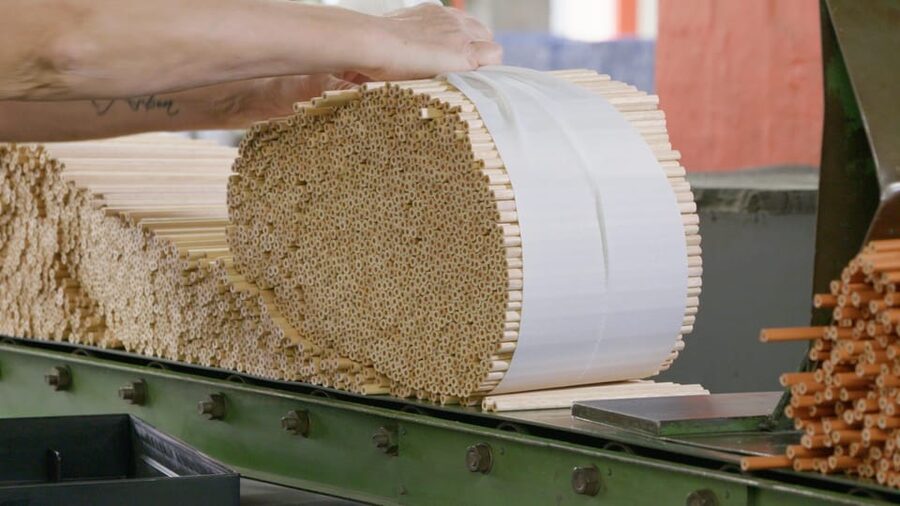
Two hours is a sensible length for this subject. A short visit might show a few machines and send you on your way, but it would not give enough time to connect the production stages. Here, you have time to see the pencil’s full path and understand how the stages relate.
The length also means you should treat this as a main activity, not a quick stop between other appointments. You may spend long periods on your feet, and the site can require considerable walking. Wear sturdy shoes, as advised by the operator, and avoid planning it around footwear meant only for a castle courtyard or city stroll.
The tour’s pace may suit you if you like practical explanations and real working environments. If you prefer a short visual attraction with little standing or movement, this may feel like more commitment than expected. The tour is about how things are made, so its value comes from paying attention to the sequence.
Price, souvenir, and the castle-store discount
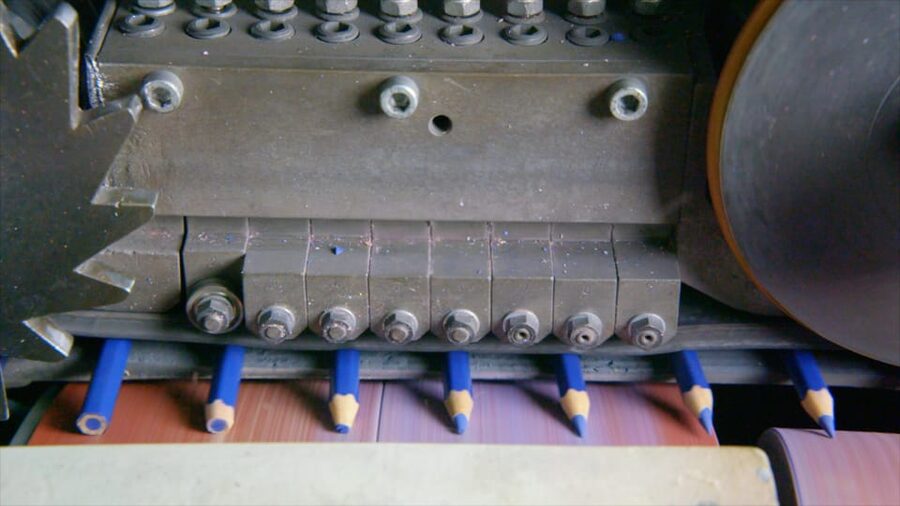
At $12 per person, the price is modest for a two-hour guided factory visit. I see the strongest value in the combination of time, access, and the included souvenir. You are not paying only to enter a building. You are getting a guided explanation of a production process that is normally hidden from the public.
The souvenir adds a small but useful extra. It gives you something physical to connect with the visit, and it fits the subject better than a generic attraction keepsake would.
The 15 percent store discount can improve the value again, but there is an important condition. It applies in the store at the castle on the day of your tour, Monday through Friday. If your tour falls on a weekend, you should not count on that discount.
You also need to decide whether the store matters to you. If you plan to buy Faber-Castell products, the discount may make the tour a smarter purchase. If you have no interest in shopping, consider it a bonus rather than a reason to book.
The booking terms are friendly for changing plans. You can cancel up to 24 hours in advance for a full refund, and you can reserve now and pay later. Those options are useful if your Bavaria schedule is still shifting, though you should still check the exact availability and start time before committing.
Is the tour suitable for children?
I would recommend this experience for families whose children enjoy making things, drawing, school supplies, or machines. The production story is concrete. Instead of asking children to absorb a long historical explanation, the guide can show how a pencil moves from one stage to another.
The strong point for children is the visible transformation. A plain pencil begins as part of a raw production line, receives markings and color, and ends sharpened. That sequence gives younger visitors something easy to follow.
The two-hour duration deserves attention. Some children will enjoy the full process, while others may find the length tiring. Your child’s interest in factories and objects will matter more than age alone. The walking requirement is also important, especially if anyone in your group has difficulty standing or moving for long periods.
The tour is not barrier-free. Some premises are historic, and the operator advises visitors to plan for long distances. Families should factor that into the decision rather than treating the outing as a quick, effortless indoor activity.
Language, walking, and practical planning
Guided tours are available in English and German. I recommend choosing the language in which you can best understand process explanations. Technical words about production can be easy to miss, and the stages make more sense when you can follow the guide closely.
Plan on sturdy shoes. This is one of the clearest practical points about the visit. The property includes historic areas, and the walking distance may be longer than the simple phrase factory tour suggests.
Because the tour starts and ends at the Visitor Center, you do not need to arrange a different return point. That is convenient, but it does not remove the need to allow enough time for the complete two-hour program.
You should also check the available starting times before building the rest of your day. The tour is not presented as an open-ended visit, and the exact departure time depends on availability.
Who will get the most from this experience?
I think the tour is a particularly good match for:
- Families looking for an educational activity that children can understand.
- Pencil, stationery, art, and design enthusiasts.
- Visitors curious about German manufacturing.
- Anyone who enjoys seeing the steps behind an everyday product.
- People already planning to visit the Faber-Castell castle or shop on a weekday.
You may want to skip it if you are seeking a purely historic castle tour, a brief museum visit, or an attraction with little walking. The factory production tour has its own focus, and its success depends on your interest in how pencils and crayons are made.
It also works best for visitors who value ordinary details. The subject is not dramatic, but that is part of its charm. You leave with a better understanding of an object most people take for granted.
My verdict on the Faber-Castell pencil tour
I like this tour because it makes a small object feel worth paying attention to. The process is clear, the price is fair, and the two-hour format gives the guide enough time to explain the complete journey from raw pencil line to finished, sharpened product.
The biggest positives are the production scale, the family-friendly subject, the souvenir, and the weekday castle-store discount. The main cautions are the required booking, the long walks, and the non-barrier-free historic premises.
Book it if you want an unusual Bavaria activity with a practical focus, especially if you are visiting with children or have an interest in drawing and stationery. Skip it if you want only the castle or a quick sightseeing stop. For $12, this is a strong-value choice for anyone curious about how more than 500,000 wood-cased pencils can be made in a single day.
FAQ
How long does the Faber-Castell pencil production tour last?
The guided tour lasts approximately two hours. Starting times vary, so you should check availability for your chosen date.
How much does the tour cost?
The listed price is $12 per person.
Where does the tour start?
The tour starts at the Faber-Castell Visitor Center, also identified as Faber-Castell Erleben. Booking is required.
Where does the tour end?
The activity ends back at the Faber-Castell Visitor Center, the same meeting point where it begins.
Is a souvenir included?
Yes. The ticket includes a souvenir.
Is the castle-store discount included?
Yes. You receive 15 percent off in the store at the castle on the day of your tour from Monday through Friday.
Is the tour available in English?
Yes. Live guided tours are offered in English and German.
Just added around Germany
- Private Walking Tour in Berlin: Hitler’s Germany & WWII★ 5.0 · 7 reviews
- The History of Berlin: WWII PRIVATE Walking Tour With Locals★ 5.0 · 209 reviews
- Private Berlin WWII and Cold War History Tour with Local Expert Guide★ 5.0 · 28 reviews
- Private Walking Tour Berlin 3 hours: Brandenburg, Historic Center★ 5.0 · 7 reviews
- Berlin: Private Bike Tour of the Berlin Wall and Third Reich★ 5.0 · 23 reviews
- Berlin Photography Masterclass – Private Photography Lesson★ 4.5 · 23 reviews
- Group Driving Tour 1 to 6 people. Berlin Shore Excursion incl pick-up at Port★ 5.0 · 8 reviews
- Berlin: Guided Private Bike Tour to Explore the Highlights★ 5.0 · 12 reviews
Guided, compared.
Reichstag, Dome and Government District Guided Tour
Read our review →

Government District around the Reichstag Guided Tour
Read our review →