
Reviewed · STREET ART
Berlin: Alternative & Street Art Tour
Berlin’s rebel side has plenty to say. This three-hour walk connects street art, punk, techno, politics, squatting culture, and gentrification with the places where those stories unfolded. I like the clear focus on present-day alternative Berlin and the chance to see more than the usual Brandenburg Gate circuit.
I also like the human touch. Guides such as Damien and Antonio have earned especially warm praise for their enthusiasm and ability to make the subject engaging. The main consideration is that the route changes with the guide’s interests, so you should not expect an identical stop-by-stop program every time.
In This Review
- Key points at a glance
- Why this three-hour walk shows a different Berlin
- Meeting beneath the TV Tower in Mitte
- Haus Schwarzenberg and the creative side of Mitte
- Friedrichshain, graffiti, and RAW Gelände
- Kreuzberg, SO36, and the story of resistance
- YAAM beach and Berlin’s playful public spaces
- The Treehouse on the Wall and unconventional Berlin
- Künstlerhaus Bethanien and art with a social purpose
- How the guide shapes the experience
- Is $23 a fair price for three hours?
- Who should book this Berlin alternative tour?
- Practical tips for getting more from the walk
- FAQ
- How long is the Alternative & Street Art Tour?
- Where does the tour begin?
- Where does the tour end?
- What language is the tour offered in?
- What locations are included?
- Will every tour follow exactly the same route?
- Is transportation included?
- Are food and drinks included?
- Does the tour operate in bad weather?
- Can I cancel for a refund?
- Should you book it?
Key points at a glance
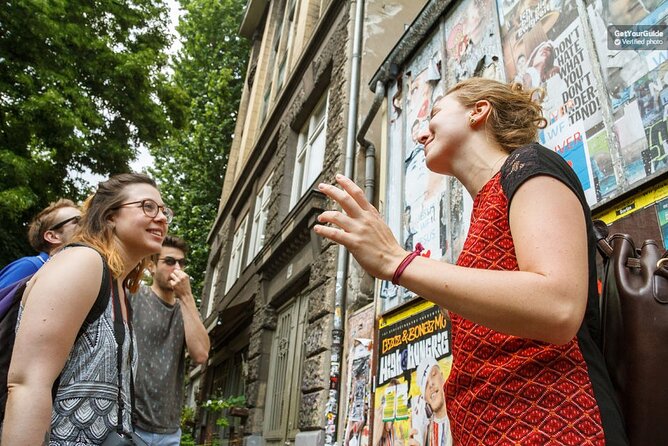
- Six memorable Berlin locations: The route includes Haus Schwarzenberg, YAAM beach, Künstlerhaus Bethanien, the Treehouse on the Wall, SO36, and RAW Gelände.
- A tour about people and ideas: You’ll hear how music, art, revolution, squatting, politics, and gentrification shaped Berlin’s alternative identity.
- A useful introduction for first-time visitors: The walk covers Mitte, Friedrichshain, and Kreuzberg, giving you a broad first look at Berlin’s creative subcultures.
- Guides make a real difference: Damien and Antonio are praised for their enthusiasm, so the quality of storytelling may be the tour’s greatest strength.
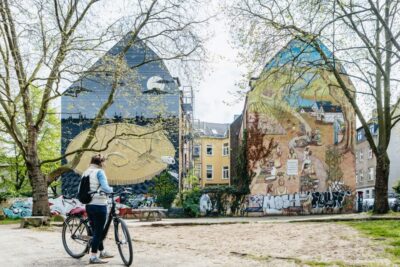
- Good photo potential: Murals, graffiti, unusual urban projects, and creative spaces provide plenty of visual interest.
- Simple, flexible logistics: The tour costs $23 per person, lasts three hours, and allows cancellation up to 24 hours before departure for a full refund.
Why this three-hour walk shows a different Berlin
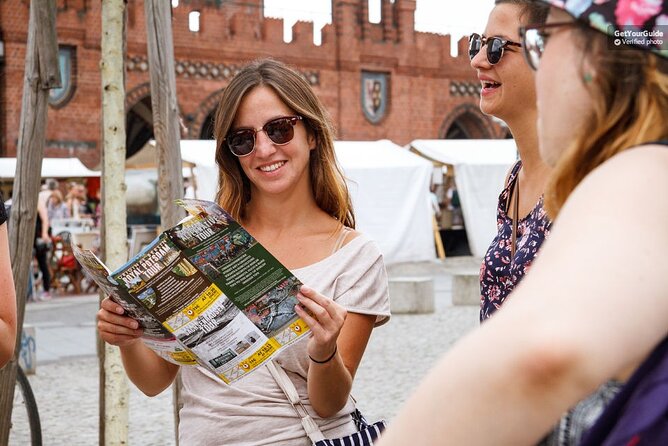
Berlin can feel like several cities at once. Grand museums and royal avenues tell one story, while club culture, political art, squatted buildings, and improvised creative spaces tell another. This tour concentrates on the second Berlin, the one found in back streets, former industrial areas, music venues, and places shaped by alternative communities.
I like that the experience does not treat street art as decoration alone. The art becomes a doorway into bigger questions: Who gets to use city space? What happens when an old neighborhood becomes fashionable? Why have artists and musicians made Berlin home? How did protest movements and squatting culture affect the city?
The tour is also broad in subject. You may move from punk rock to techno, then from graffiti to urban treehouses and beaches. That range gives you a better sense of why Berlin’s alternative culture cannot be reduced to a single music scene or wall of painted concrete.
At three hours, the walk is long enough to provide context without taking over your entire day. You’ll need to be ready for a walking experience in all weather, since it operates rain or shine. Wear sensible shoes and bring weather protection, especially because some of the appeal comes from seeing outdoor sites rather than spending the afternoon inside.
More street art walks in Berlin:
- Berlin: City Street Art Guided Walking Tour
★ 4.8 · 886 reviews - Berlin: 3-Hour Street Art Tour
★ 4.7 · 778 reviews - Berlin Street Art & Graffiti Walking Tour
★ 5.0 · 109 reviews
Meeting beneath the TV Tower in Mitte
The starting point is easy to identify: meet directly beneath the TV Tower, in front of the Vapiano restaurant. This puts you in central Berlin and gives the tour a practical beginning for a first day in the city.
The end is back at the same meeting point. That helps with planning. You can leave luggage or a complicated onward route out of the equation and return to a familiar spot after three hours. Food, drinks, local transport tickets, and hotel pickup are not included, so plan those separately.
The tour is conducted in English and includes a live guide. There is no stated group size, so the feel may depend on the departure you choose. If you prefer a tightly fixed itinerary, ask about the current route before booking. The program changes somewhat according to the guide’s profession and personal interests.
That flexibility is both a strength and a small risk. A guide who is passionate about music may spend more time on punk and techno. Another may put more attention on street art, squatting, or gentrification. You get a more personal explanation, but you should not expect every departure to follow precisely the same emphasis.
Haus Schwarzenberg and the creative side of Mitte
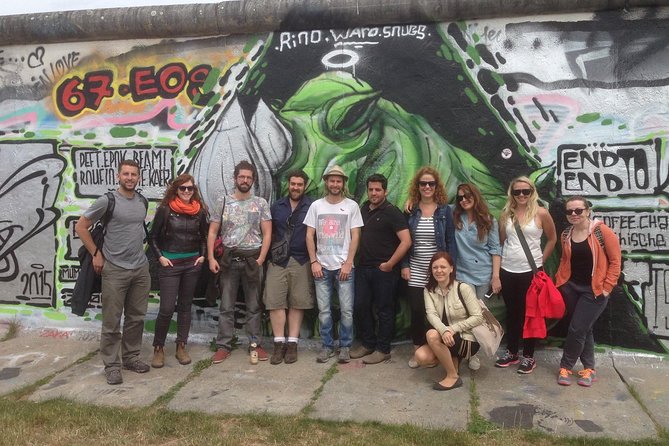
Haus Schwarzenberg is one of the named stops, and it fits the tour’s main purpose well. Here, you begin to see how Berlin’s alternative culture works through shared creative spaces, street art, and independent expression.
The value of a stop like this is not just the chance to take photographs. Your guide can connect what you see on the walls and around the site to Berlin’s wider art culture. That makes the visit more useful than simply being told where the best graffiti is located.
This is also where the tour’s approach becomes clear. You are not following a standard monument route. Instead, you are being shown places that help explain why artists are drawn to Berlin and why the city has become such a strong home for creative communities.
Bring your camera, but keep your attention on the guide. The visual details may catch your eye first, yet the political and social background is what gives the art its force.
Friedrichshain, graffiti, and RAW Gelände
The tour includes an introduction to street art and graffiti in Friedrichshain. RAW Gelände is one of the named locations, and its inclusion gives the walk a strong connection to Berlin’s alternative arts scene.
You can expect this part of the experience to focus on how creative activity takes shape in former industrial or informal settings. The information provided does not promise a specific mural, artist, or performance, so treat the route as a guided introduction rather than a guaranteed list of famous works.
That distinction matters. Street art changes. Paint disappears, new work appears, and some spaces develop in different directions. A good guide can help you read the area as something living and changing, not as a museum collection frozen in place.
Friedrichshain also gives the tour a chance to discuss the city’s present-day tensions. Creative spaces can attract attention, investment, and visitors. Those changes may support artists in some ways while also putting pressure on the communities that made an area distinctive. The walk brings those issues into the open instead of pretending that alternative culture exists outside ordinary city economics.
A few more Berlin trips worth comparing
- Berlin: Reichstag, Dome and Government District Guided Tour
★ 4.7 · 18,288 reviews - Berlin: 1-Hour City Tour by Boat with Guaranteed Seating
★ 4.3 · 16,993 reviews - Berlin: Boat Tour Along the River Spree
★ 4.4 · 11,252 reviews - Discover Berlin Half-Day Walking Tour
★ 5.0 · 9,624 reviews
Kreuzberg, SO36, and the story of resistance
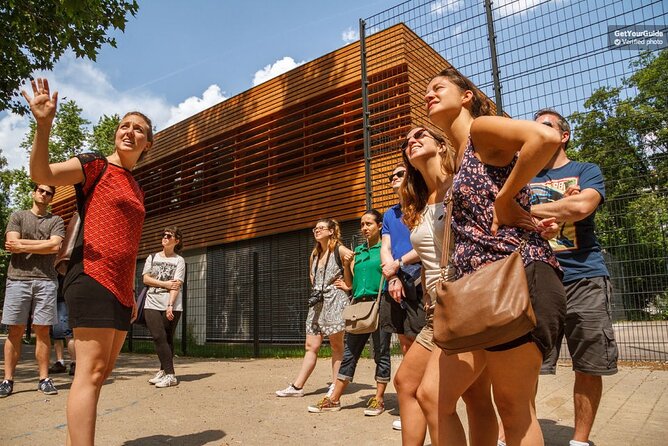
The Kreuzberg portion focuses on squatting, revolution, and gentrification, with SO36 among the named stops. This is likely to be the most political part of the walk, and it is one reason I would choose this tour over a simple graffiti outing.
SO36 is linked in the tour’s themes to Berlin’s punk and music culture. Your guide may explain how subcultures use clubs, streets, buildings, and neighborhood networks to create an identity of their own. The point is not simply to show you a famous place. It is to explain what made these communities matter to Berlin.
The discussion of squatting adds another layer. Berlin’s alternative identity was shaped not only by artists painting walls, but also by people challenging how buildings and public spaces should be used. That history helps you understand why questions about ownership, housing, creativity, and political protest remain so important.
Gentrification can be a complicated subject, and the quality of the conversation will depend on your guide’s background and interests. Damien is praised for his enthusiasm, while Antonio Castello is described as fabulous and particularly effective at giving an insight into alternative Berlin. Those comments suggest that a strong guide can make difficult topics accessible without turning the walk into a lecture.
YAAM beach and Berlin’s playful public spaces
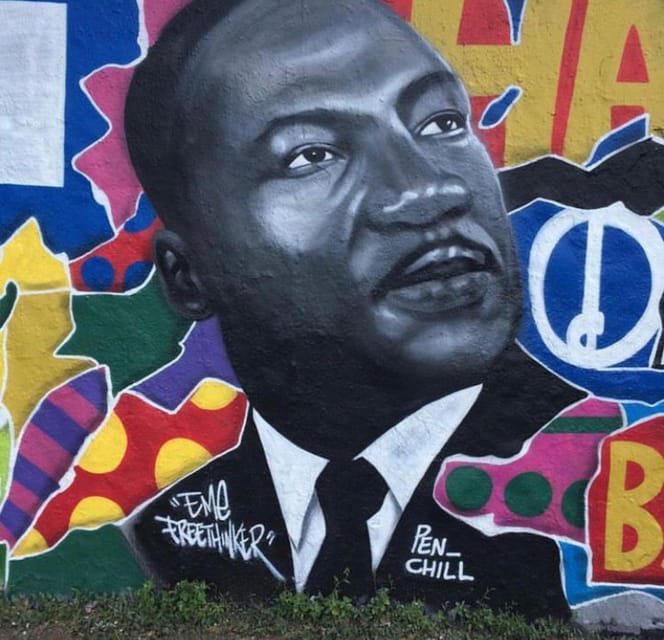
YAAM beach is another named stop. The combination of beach culture, music, art, and city life reflects Berlin’s talent for creating informal recreation spaces in places where you might not expect them.
You should not book this tour expecting a traditional beach visit or a long pause for swimming or food. Drinks and meals are not included, and the tour remains a walking program. Instead, YAAM functions as an example of how Berliners use space creatively and build social life around music and alternative culture.
This is also a good place to appreciate the tour’s range. In a single afternoon, the subject can move from graffiti and political history to a more relaxed setting connected with music and community. That variety keeps the route from feeling like three straight hours of looking at walls.
The Treehouse on the Wall and unconventional Berlin
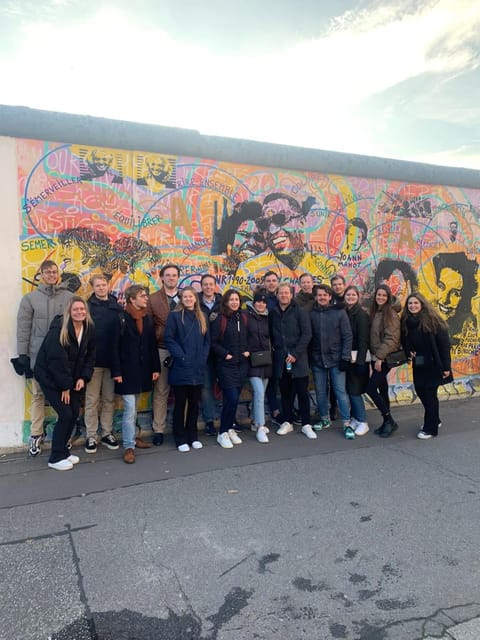
The Treehouse on the Wall adds a different visual note. It is exactly the sort of unusual urban project that can make a walking tour memorable, especially if you are tired of formal sightseeing.
The stop helps show how personal ideas can alter the feel of a neighborhood. It also offers one of the better photo opportunities on a tour designed for visual discovery. Your guide can place the structure within the broader story of Berlin’s alternative spaces, where art, protest, housing, and imagination often overlap.
Because the tour does not provide a fixed script for every departure, the time spent here may vary. If your main interest is photography, you may want to tell your guide early in the walk. If you are more interested in music or political history, the guide may naturally give those themes greater attention.
Künstlerhaus Bethanien and art with a social purpose
Künstlerhaus Bethanien is included as a further example of Berlin’s art culture. Its presence strengthens the tour’s focus on artists living and working in the city rather than treating street art as an isolated attraction.
This stop can help you see the link between formal artistic spaces and the less official work found on streets and abandoned or repurposed sites. Berlin’s alternative culture has many shades, from organized art centers to spontaneous graffiti. The tour tries to place them in the same conversation.
I would pay attention to how your guide explains the relationship between art and neighborhood change. Creative spaces can make an area more appealing, but that appeal can also contribute to rising interest and gentrification. The tour’s value is in showing both sides rather than presenting an uncomplicated story of cool places and colorful walls.
How the guide shapes the experience
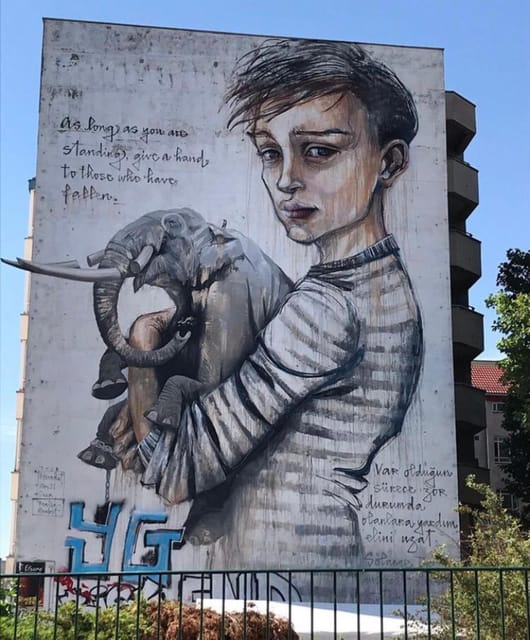
The guide is the central part of this activity. The stops provide a framework, but the stories and connections come from the person leading you.
The strongest praise centers on enthusiasm and the ability to explain Berlin’s alternative side in an engaging way. Damien is specifically described as very enthusiastic and well informed. Antonio Castello is praised for making the tour and offering a strong insight into alternative Berlin. A separate German-language comment calls the guide competent and the tour enjoyable.
That pattern matters. The route covers serious subjects, including revolution, squatting, and gentrification. A guide who can speak clearly and personally about those topics will make the difference between a memorable walk and a list of locations.
You should also expect some variation. The guide’s own profession and interests affect the focus, so one departure may feel more musical, another more political, and another more centered on art. I see this as a good reason to ask questions and join the conversation rather than simply follow along silently.
Is $23 a fair price for three hours?
At $23 per person, the tour offers solid value if you want context as well as sightseeing. It works out to roughly $7.67 per hour, with an English-speaking guide providing a focused introduction to several parts of Berlin.
The price includes the guide only. You pay separately for transport, food, and drinks, and there is no pickup or drop-off service. Since the tour begins and ends in central Berlin, the lack of hotel transportation is not a major concern for most visitors, but you should budget for any public transport needed during the route.
The value depends on what you want. If you only want a quick collection of graffiti photos, you may find a self-guided walk sufficient. If you want to understand how street art relates to music, politics, squatting, and gentrification, the guide justifies the cost.
The rating is 4.5 from six reviews, a small sample but a positive one. The most repeated strength is the guide, not a particular landmark. That is useful when making your choice: book this for interpretation and personality, not for a guaranteed photograph at one specific artwork.
Who should book this Berlin alternative tour?
I would recommend it to first-time visitors who want a quick introduction to Berlin’s less formal side. It gives you a broad starting point across Mitte, Friedrichshain, and Kreuzberg, which can help you decide where to spend more time later.
It also suits visitors interested in street art, punk, techno, politics, urban projects, or the effects of gentrification. The subject mix is wide enough that you do not need to be an expert in any one scene.
Families can book it because the activity is listed as suitable for all ages. Wheelchair users can also consider it because the tour is described as wheelchair accessible. Still, the route is outdoors and takes three hours, so you should consider your own comfort with continuous walking and changing weather.
You may want to skip it if you prefer polished attractions, fixed commentary, or a tightly predictable route. The tour’s charm comes from its personal approach and changing focus. That same flexibility will not suit everyone.
Practical tips for getting more from the walk
Arrive at the TV Tower meeting point with enough time to find the area in front of Vapiano. The meeting point is clear, but a busy central location can still take a moment to orient yourself.
Wear comfortable shoes and prepare for rain or sun. The tour runs in all weather, and outdoor art is part of the experience rather than a backup plan.
Bring a camera, but also bring curiosity. The best questions will likely be about who uses a space, how it changed, and what happened when wider attention arrived. Those questions fit the tour better than asking only for the most famous wall.
If you have a strong interest in techno, punk, graffiti, or politics, mention it to the guide. Since the focus changes according to the guide, your interests may help shape the conversation.
The tour ends where it begins, so you can easily continue sightseeing from the TV Tower area. You can also cancel up to 24 hours ahead for a full refund or reserve now and pay later, which is helpful when your Berlin schedule is still shifting.
FAQ
How long is the Alternative & Street Art Tour?
The tour lasts three hours. Starting times vary, so check availability for the date you want.
Where does the tour begin?
Meet directly beneath the TV Tower, in front of the Vapiano restaurant.
Where does the tour end?
The activity ends back at the original meeting point beneath the TV Tower.
What language is the tour offered in?
The tour is conducted in English with a live English-speaking guide.
What locations are included?
The tour includes Haus Schwarzenberg, YAAM beach, Künstlerhaus Bethanien, the Treehouse on the Wall, SO36, and RAW Gelände.
Will every tour follow exactly the same route?
No. The focus can change according to the guide’s profession and personal interests. The tour may place different emphasis on street art, graffiti, music, squatting, revolution, or gentrification.
Is transportation included?
No. Transportation tickets are not included, and hotel pickup and drop-off are not provided.
Are food and drinks included?
No. You need to pay separately for all food and drinks.
Does the tour operate in bad weather?
Yes. The tour takes place rain or shine.
Can I cancel for a refund?
Yes. You can cancel up to 24 hours before the tour for a full refund. You can also reserve your place and pay later.
Should you book it?
Book this tour if you want Berlin explained through its alternative communities, not just photographed through its famous monuments. For $23, you get three hours of guided context across Mitte, Friedrichshain, and Kreuzberg, with strong attention to street art, music, politics, squatting, and gentrification.
The biggest reason to book is the guide. Damien and Antonio receive especially strong praise for bringing energy and insight to the walk. Just remember that the route has some flexibility, the weather will not stop it, and meals and transport cost extra.
If that sounds like your kind of Berlin, this is a reasonably priced way to get your bearings fast and see why the city’s artists, musicians, and alternative communities have left such a lasting mark.
Just added around Berlin
- Private Walking Tour in Berlin: Hitler’s Germany & WWII★ 5.0 · 7 reviews
- The History of Berlin: WWII PRIVATE Walking Tour With Locals★ 5.0 · 209 reviews
- Private Berlin WWII and Cold War History Tour with Local Expert Guide★ 5.0 · 28 reviews
- Private Walking Tour Berlin 3 hours: Brandenburg, Historic Center★ 5.0 · 7 reviews
- Berlin: Private Bike Tour of the Berlin Wall and Third Reich★ 5.0 · 23 reviews
- Berlin: Guided Private Bike Tour to Explore the Highlights★ 5.0 · 12 reviews
- Berlin Photography Masterclass – Private Photography Lesson★ 4.5 · 23 reviews
- Group Driving Tour 1 to 6 people. Berlin Shore Excursion incl pick-up at Port★ 5.0 · 8 reviews
Street Art, compared.

Neustadt District Street Art Guided Walking Tour
Read our review →
Köln Ehrenfeld: Street Art und Graffiti Tour Walls of Wonder
Read our review →Browse the lists this tour appears in