Reviewed · BERLIN TOURS
Berlin and Car Culture Tour
Cars tell Berlin’s story. This three-hour walk and transit tour links Karl Benz, Tesla, and classic automobiles in a way that makes the city’s past feel close at hand. I like the clear three-stop structure and the chance to see both early motoring history and modern electric cars. I also like that guide Martin Sacan brings personal energy and strong knowledge of Berlin and automobiles to the experience.
The main drawback is practical: you must buy a separate AB-zone transport ticket, and the final stop in Moabit is not close to the starting point. At $50.57 per person, this is a fair price for a small specialist tour, but it makes the most sense if cars are a real interest rather than a passing curiosity.
In This Review
- Key points to know before booking
- Why Berlin works so well for a car culture tour
- Potsdamer Platz and the birth of the automobile
- Leipziger Platz and Berlin’s electric-car question
- Moabit and 90 minutes with classic motor vehicles
- What the guide adds to the experience
- The real cost: $50.57 plus Berlin transport
- Who will enjoy this three-hour outing
- Small practical details that make a difference
- Should you book the Berlin and Car Culture Tour?
- FAQ
- Where does the Berlin and Car Culture Tour start?
- Where does the tour end?
- How long does the tour last?
- What language is the tour offered in?
- Is public transportation included?
- What places are visited?
- What is included in the price?
- How far in advance can I cancel for a full refund?
Key points to know before booking
- Berlin’s automobile story begins at Potsdamer Platz, where the tour connects the city with the patent for Karl Benz’s first automobile.
- The oldest traffic light in Germany gives the opening stop a useful, physical link to the rise of motor traffic.
- Leipziger Platz looks toward the future, with modern electric cars and a Tesla made near Berlin.
- Moabit takes up half the tour, focusing on classic motor vehicles kept in Berlin.
- Martin Sacan’s storytelling is a major strength, with a lively mix of city history and automobile knowledge.
- The $50.57 price excludes public transport, so budget for an AB-zone ticket before you meet the guide.
Why Berlin works so well for a car culture tour
Berlin is an unusually good setting for this subject because automobiles are tied to more than engineering. They connect to urban growth, public space, technology, industry, and the changing way people move through a city.
This experience follows that story in three steps. You begin with the invention of the automobile, move to present-day electric mobility, and finish with older vehicles that have survived into modern Berlin. That progression gives the tour a clear shape instead of treating cars as isolated objects.
I appreciate the contrast. Many automobile tours focus only on polished classic vehicles. This one asks how the motor car changed Berlin and where the industry may be headed next. You get some history, some debate, and plenty of machinery.
The tour lasts about three hours. The scheduled stops total two and a half hours, so the remaining time likely allows for moving between locations and listening along the way. You should plan for a steady outing rather than a quick museum visit.
A few more Berlin trips worth comparing
- Berlin: Reichstag, Dome and Government District Guided Tour
★ 4.7 · 18,288 reviews - Berlin: 1-Hour City Tour by Boat with Guaranteed Seating
★ 4.3 · 16,993 reviews - Berlin: Boat Tour Along the River Spree
★ 4.4 · 11,252 reviews
Potsdamer Platz and the birth of the automobile
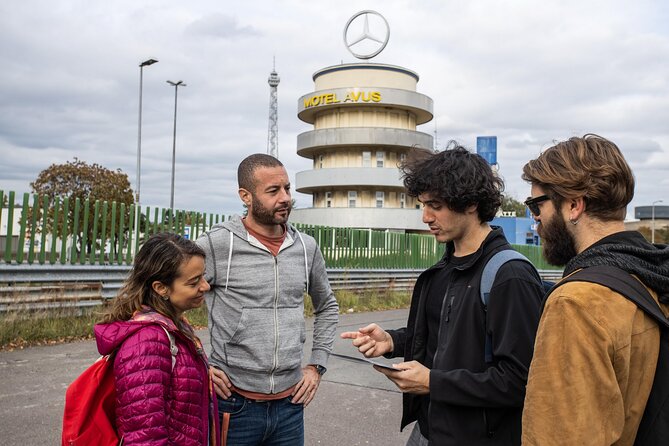
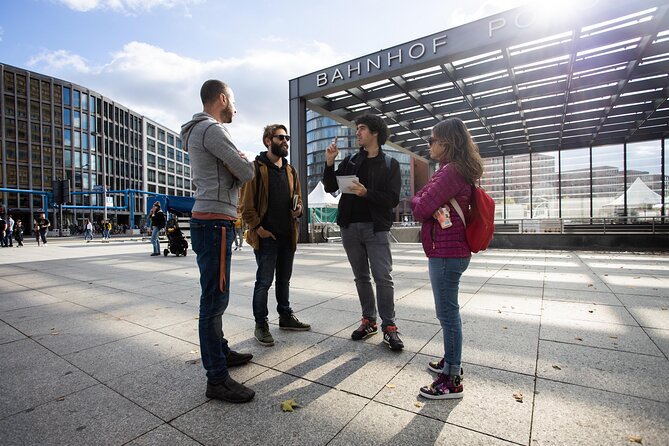
The tour starts at Potsdamer Platz 10, a convenient central location in Berlin. This is not just a random meeting point. The experience uses the area to introduce the story of the automobile and its effect on city life.
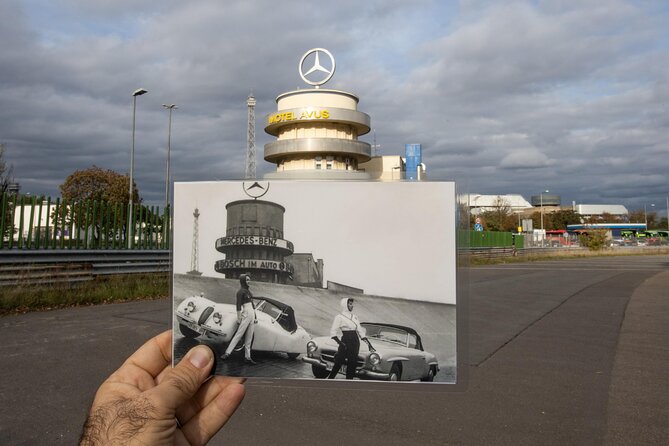
More than a century ago, Berlin issued the patent connected with the first automobile in history. Near that location, you hear about Karl Benz’s invention and the excitement, concern, and curiosity it created. The guide also points out Germany’s oldest traffic light.
That traffic light is a small but useful detail. It helps you picture what happened when streets once shaped around pedestrians, horses, and carriages had to deal with motor vehicles. The machine itself may be simple, but the change it represents was enormous.
You get about 30 minutes here. That is enough time for a focused introduction, though not enough for a long historical lecture. I see that as a benefit. The stop sets the scene without using up the whole experience before you reach the vehicles.
The best part of this opening is the link between a famous invention and an ordinary city problem: how to control traffic. You are not only hearing about an automobile patent. You are also considering how quickly a new technology can force a city to change its rules.
Potsdamer Platz is a busy urban area, so do not expect a quiet museum atmosphere. The value comes from the guide’s explanation and the connection between the place and the subject. If you enjoy history when it is tied to streets and public spaces, this beginning should work well.
Leipziger Platz and Berlin’s electric-car question
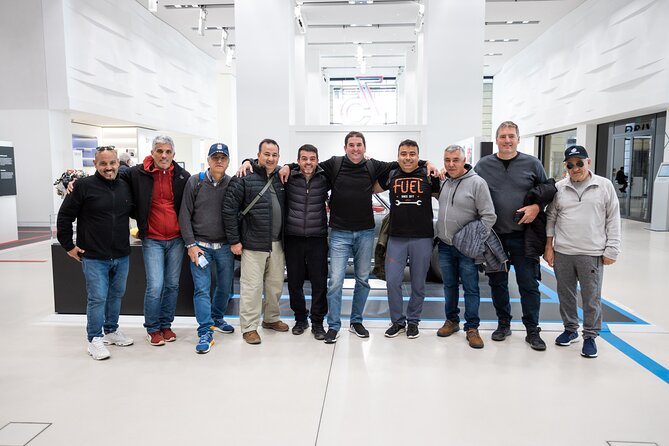
The second stop shifts from the past to the present. At Leipziger Platz, the focus turns to some of the most advanced electric cars now on the road, including the Tesla manufactured near Berlin.
The planned visit lasts about 30 minutes. You get to see the cars and, according to the tour details, get inside them. That makes this more direct than simply passing a showroom window. You can consider the design and technology at close range while the guide explains how electric mobility fits into the wider automobile industry.
The discussion here is deliberately open-ended. Are electric cars the true future of motoring, or are they mainly a political choice? When will combustion engines disappear? These questions give the stop more substance than a simple look at new vehicles.
I like this part because it does not present electric cars as an automatic answer. The tour invites you to think about the change rather than simply admire the latest model. You may agree with the guide’s view, or you may leave with more questions. For a short city tour, that is a useful result.
The Tesla connection also gives the subject a local angle. You are not discussing electric cars as a distant Silicon Valley product only. You are looking at a vehicle associated with production near Berlin and asking what that means for the region’s role in modern mobility.
There is one limitation. Thirty minutes is brief for a subject this large. You will get an introduction to electric mobility, not a full technical or economic study. If you want detailed information about batteries, charging networks, or environmental costs, this tour may only start the conversation.
Still, the stop works well in the overall sequence. First you learn how the automobile began. Then you examine what may replace the combustion engine. The shift keeps the tour moving and gives the older vehicles at Moabit more meaning.
Moabit and 90 minutes with classic motor vehicles
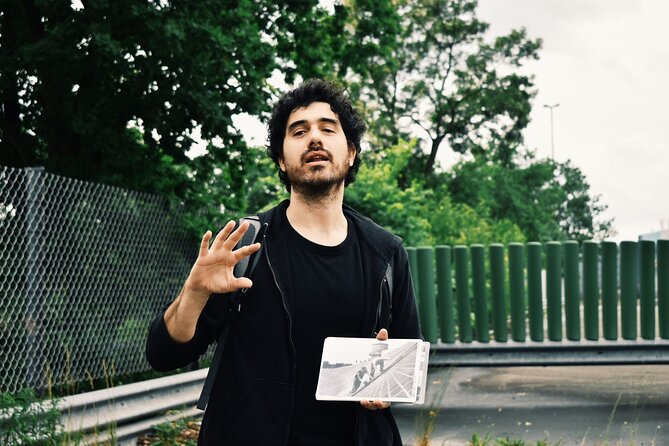
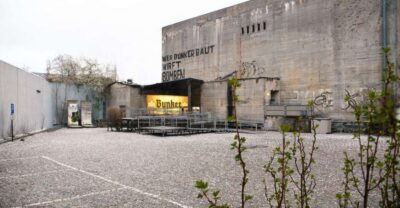
Moabit receives the most time, about 90 minutes. Here, the tour turns toward classic motor vehicles living in Berlin. The wording leaves the exact collection or display location open, so you should not book this expecting a named museum unless the provider gives you more detail after booking.
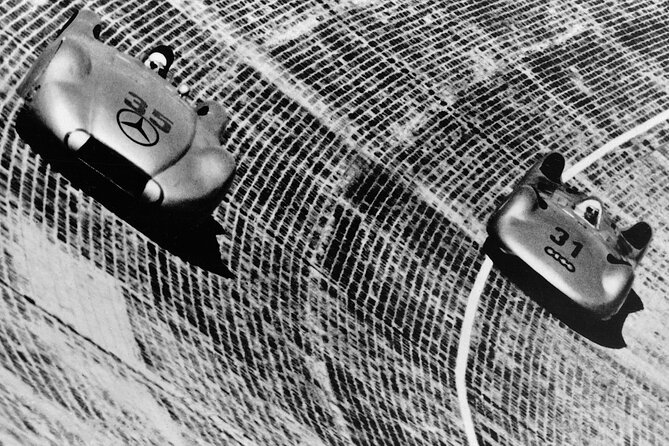
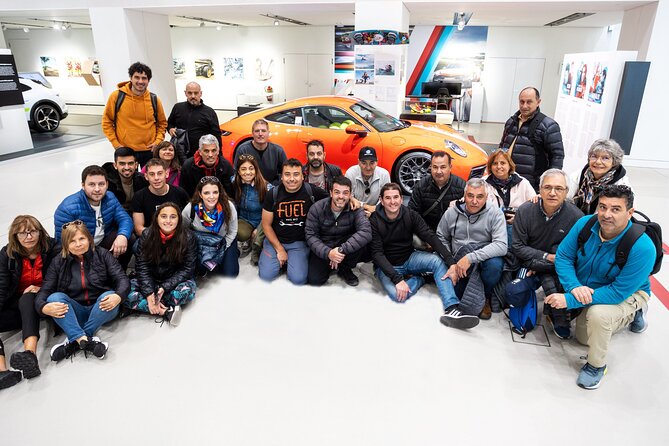
This is the part likely to appeal most to dedicated car fans. Older vehicles can show design changes in a way that a timeline cannot. You can compare shapes, mechanical ideas, and the role these machines once played in everyday life. The tour promises what it calls timeless motor jewels, but the real value depends on the vehicles available on the day.
The long stop also gives Martin Sacan more room to explain. A strong guide can make an old car interesting even if you do not know much about engines. The supplied comments about Sacan describe him as professional, attentive, and passionate about both Berlin and automobiles. Those qualities matter here because classic vehicles can otherwise become a parade of names and specifications.
I would expect the Moabit section to feel less like a quick photo stop and more like the central feature of the experience. The extra time allows you to look carefully, ask questions, and connect the vehicles with the city’s changing identity.
At the same time, you should be comfortable with some uncertainty. The information provided does not list the exact vehicles, a named collection, or a guaranteed model. If you have your heart set on a particular Mercedes, Porsche, or prewar car, ask the provider before booking.
The location also affects the day. The tour ends at Beusselstraße and Beusselbrücke in Moabit, at 10551 Berlin, rather than returning to Potsdamer Platz. That can be useful if you plan to continue in the northwest part of the city, but it may require another public transport trip if your hotel or next stop is central.
Still Berlin, at a slower pace:
- Discover Berlin Half-Day Walking Tour
★ 5.0 · 9,624 reviews - Berlin: Hop-on Hop-off Bus Tour with Live Commentary
★ 4.3 · 8,579 reviews - Berlin: Government District around the Reichstag Guided Tour
★ 4.7 · 8,447 reviews - Berlin: Reichstag, Plenary Chamber, Cupola & Government Tour
★ 4.6 · 8,422 reviews
What the guide adds to the experience
The most strongly praised feature is the guide, Martin Sacan. The feedback describes his mix of automobile expertise and Berlin history as the reason the tour felt engaging rather than dry.
That combination is important. A technical car specialist may know every engine detail but fail to explain why a location matters. A city guide may know Berlin well but lack the confidence to discuss automobile development. Sacan appears to connect the two subjects.
You should expect storytelling, historical explanation, and discussion rather than a silent vehicle viewing. That makes the experience a good fit if you like asking why things changed, not just identifying what you see.
The group can contain up to 30 people. That is a reasonable maximum for a walking and transit-based experience, though it is not an intimate private tour. With a group at full size, you may need to stay close to the guide when moving between locations and make your questions count.
The available rating is 4.5 from eight published ratings. That is encouraging, especially alongside the detailed praise for Sacan, but it is still a small sample. I would treat the guide’s reported strengths as a useful sign, not a guarantee that every departure will feel identical.
The real cost: $50.57 plus Berlin transport
At $50.57 per person, the price is reasonable for a three-hour specialist experience, especially because it covers entrance to the places visited. You are paying for a guided theme, not simply transportation between public streets.
The separate transport cost matters. An AB-zone daily ticket is required and is not included. You should arrange that before the tour, since the route begins at Potsdamer Platz and ends in Moabit. The added ticket cost is not large compared with the tour price, but it should be part of your budget.
Value depends on your interests. If automobiles are central to your trip, this tour gives you a compact way to connect invention, electric mobility, and classic vehicles. You would spend time and money finding those links on your own, with no guarantee that the story would hold together.
If you only have a casual interest in cars, the price may feel less attractive. Berlin has many major sights, and this is a specialist outing rather than a general introduction to the city. You are paying for focus and access to a subject, not a broad sightseeing tour.
The format also avoids some common costs. The entrance ticket to all the places visited is included, and you do not need to arrange several separate appointments. Just remember that your public transport pass is your responsibility.
Who will enjoy this three-hour outing
I would recommend this experience most strongly to:
- People who enjoy automobile design, engineering, and industry
- Visitors curious about Karl Benz and the early history of motoring
- Anyone interested in the shift from combustion engines to electric cars
- Berlin visitors who prefer a themed tour over a general city walk
- Travelers who enjoy a guide-led discussion rather than a self-guided display
Families may also find it appealing if older children are interested in cars, although the information provided does not specify a minimum age. Most people can participate, and service animals are allowed.
You should think twice if you dislike moving between locations or want a fixed museum visit. The tour begins in central Berlin and ends in Moabit, so it has a point-to-point shape. That is part of its appeal, but it requires a little planning.
The experience is offered in English and uses a mobile ticket. Confirmation is normally sent at booking, unless you reserve within one hour of departure. In that case, confirmation comes as soon as possible and depends on availability.
Small practical details that make a difference
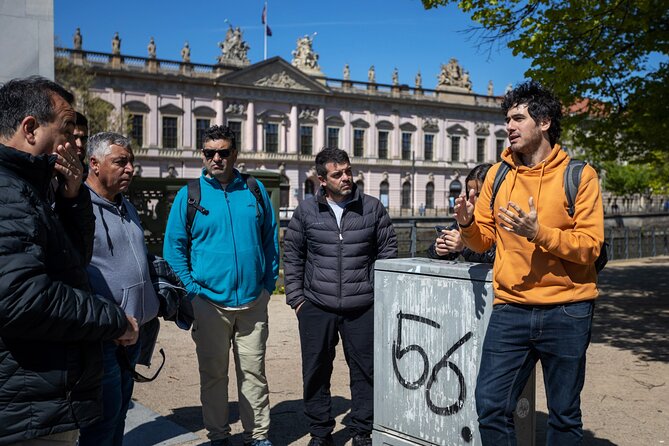
Meet at Potsdamer Platz 10, 10785 Berlin. Arrive with your mobile ticket ready and your AB-zone transport ticket sorted out.
The ending point is Berlin Beusselstraße, at Beusselbrücke, 10551 Berlin. Check your plans after the tour before setting off, since the finish is not the same place as the start.
The group size can reach 30 people. If you want the best chance to hear every explanation and ask Martin Sacan a question, stay near the guide when the group moves.
Free cancellation is available up to 24 hours before the local start time. Cancellations made later do not receive a refund, and late changes are not accepted. The tour also requires a minimum number of participants, so a cancellation by the provider can lead to another date, another experience, or a full refund.
Should you book the Berlin and Car Culture Tour?
Book it if you want a focused look at how automobiles have shaped Berlin, from the patent linked with Karl Benz to Tesla and classic vehicles in Moabit. The route has a smart historical arc, the price is fair for a specialist tour, and Martin Sacan appears to be the main reason the experience feels personal and well told.
Skip it if you are looking for a broad Berlin sightseeing tour, a guaranteed list of specific classic cars, or a fully self-contained ticket that includes public transport. The separate AB ticket and point-to-point route require modest preparation.
For the right audience, this is a thoughtful way to see Berlin through its machines. You will not just look at cars. You will consider how they changed streets, industry, and the city’s ideas about the future.
FAQ
Where does the Berlin and Car Culture Tour start?
It starts at Potsdamer Platz 10, 10785 Berlin, Germany.
Where does the tour end?
It ends at Berlin Beusselstraße, Beusselbrücke, 10551 Berlin, Germany.
How long does the tour last?
The experience lasts approximately three hours.
What language is the tour offered in?
The tour is offered in English.
Is public transportation included?
No. You need to buy a daily Berlin AB-zone transport ticket separately.
What places are visited?
The tour visits Potsdamer Platz, Leipziger Platz, and Moabit.
What is included in the price?
Entrance tickets to all the places visited are included.
How far in advance can I cancel for a full refund?
You can cancel at least 24 hours before the local start time for a full refund.
Just added around Berlin
- Private Walking Tour in Berlin: Hitler’s Germany & WWII★ 5.0 · 7 reviews
- The History of Berlin: WWII PRIVATE Walking Tour With Locals★ 5.0 · 209 reviews
- Private Berlin WWII and Cold War History Tour with Local Expert Guide★ 5.0 · 28 reviews
- Private Walking Tour Berlin 3 hours: Brandenburg, Historic Center★ 5.0 · 7 reviews
- Berlin: Private Bike Tour of the Berlin Wall and Third Reich★ 5.0 · 23 reviews
- Berlin: Guided Private Bike Tour to Explore the Highlights★ 5.0 · 12 reviews
- Berlin Photography Masterclass – Private Photography Lesson★ 4.5 · 23 reviews
- Group Driving Tour 1 to 6 people. Berlin Shore Excursion incl pick-up at Port★ 5.0 · 8 reviews
Berlin Tours, compared.
Reichstag, Dome and Government District Guided Tour
Read our review →
1-Hour City Tour by Boat with Guaranteed Seating
Read our review →

Government District around the Reichstag Guided Tour
Read our review →
Reichstag, Plenary Chamber, Cupola & Government Tour
Read our review →