Reviewed · BERLIN TOURS
Berlin: DIY & Subculture Sightseeing in a 1972 Ford Van!
Berlin keeps its best stories indoors. This small-group ride through Friedrichshain and Kreuzberg looks past polished shop fronts to the backyards, basements, clubs, and improvised bars that shaped the city’s independent spirit. I like the 1972 Ford Econoline itself, which turns a short sightseeing trip into a proper Berlin experience, and I like the focus on places that standard city tours often skip. The main drawback is the old van’s lack of air conditioning, which could matter on a hot day.
I also like the access to photos and videos on your phone, since Berlin’s DIY scene has changed quickly. The guide Flo is praised for knowing the city’s music and neighborhood stories, including details you will not find in an ordinary guidebook. At $85 per person through the booking platform, the ride is not cheap, so check the direct price of 59 euros at getinthevanberlin.com before paying.
In This Review
- Key details before you climb aboard
- Starting at East Side Gallery and the Berlin Wall
- Riding between Friedrichshain and Kreuzberg
- The May 1st Riots and Kreuzberg’s political past
- Squats, backyards, and basement venues
- From Bowie to Beatsteaks, Berlin’s music story
- Why the old van is part of the experience
- What the 1.5-hour route gives you
- Price, group size, and practical value
- Who will enjoy this Berlin van tour?
- Should you book Get In The Van Berlin?
- FAQ
- Where does the tour begin?
- Where does the tour end?
- How long does the tour last?
- What languages are available?
- How many people can join the group?
- Is the van wheelchair accessible?
- What should I bring, and is anything prohibited?
Key details before you climb aboard
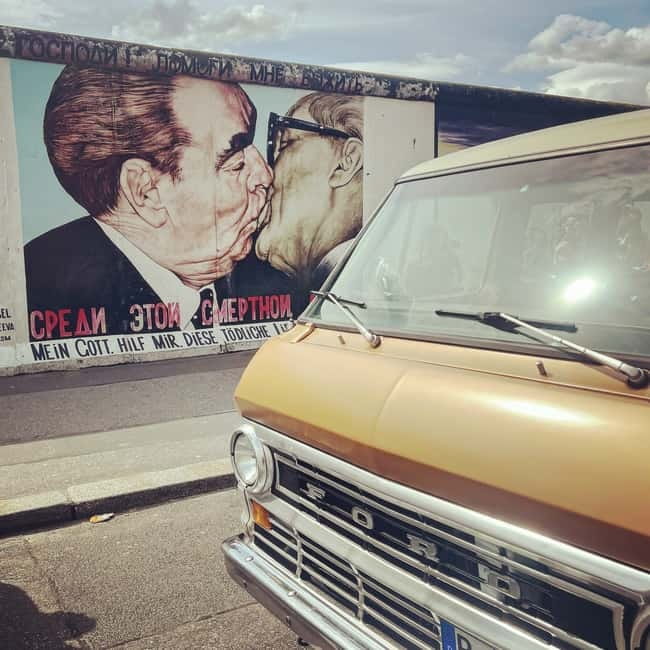
- A 1972 Ford Econoline is the sightseeing vehicle: You get a window seat in a beige and brown classic van, not a standard tour bus.
- The route centers on Friedrichshain and Kreuzberg: These districts contain many of Berlin’s best-known DIY, political, artistic, and musical stories.
- The tour begins at East Side Gallery: You start beside the Spree River and the longest remaining section of the Berlin Wall.
- You look behind the city’s public face: The route includes backyards, basements, squats, clubs, bars, shops, and former music venues.
- The group is limited to six people: That small size should make questions and conversation easier.
- Bring a charged smartphone: Photos and videos from earlier periods are part of the explanation, and the tour takes place in English or German.
Starting at East Side Gallery and the Berlin Wall
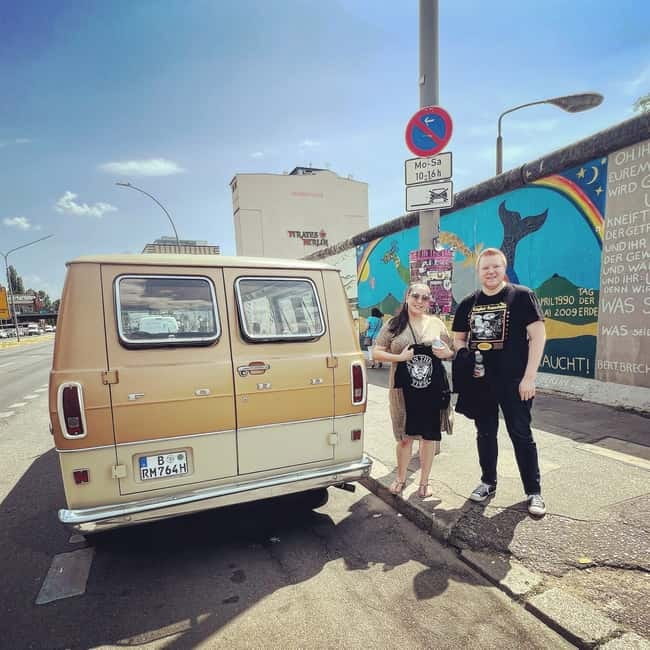
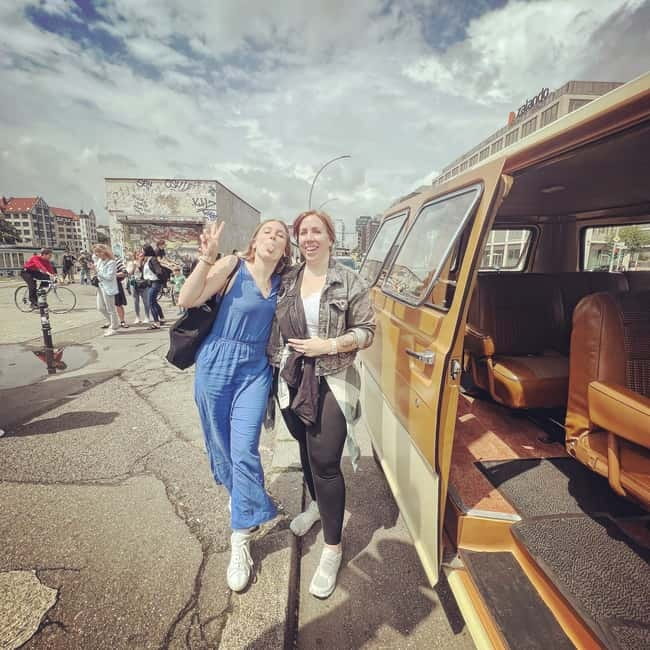
Your meeting point is the van itself, a beige and brown 1972 Ford Econoline near East Side Gallery. Arrive 15 minutes early so you can find the vehicle without a last-minute scramble. This is not a large coach with a big sign, so paying attention to the meeting instructions matters.
East Side Gallery gives the tour a useful opening point. The surviving Berlin Wall section runs beside the Spree River, between Friedrichshain and Kreuzberg. It is one of the city’s most visited sights, but here it serves as more than a photo stop. The location puts you between two districts strongly linked with Berlin’s alternative culture.
The wall also sets up the main theme: Berlin is a city where politics, art, music, and ordinary urban life have long mixed together. The ride is less about checking off famous monuments and more about understanding how certain streets and buildings became important to people making their own clubs, businesses, bands, and social spaces.
You should expect to stop in front of several places for photographs and explanations. The van does not simply cruise past everything at speed. The exact stops can vary, but the stated route includes important sites from Berlin’s cultural, political, and musical past and present.
A few more Berlin trips worth comparing
- Berlin: Reichstag, Dome and Government District Guided Tour
★ 4.7 · 18,288 reviews - Berlin: 1-Hour City Tour by Boat with Guaranteed Seating
★ 4.3 · 16,993 reviews - Berlin: Boat Tour Along the River Spree
★ 4.4 · 11,252 reviews
Riding between Friedrichshain and Kreuzberg
The van’s small size is a real advantage here. Friedrichshain and Kreuzberg are dense, lively areas where a large sightseeing bus would feel clumsy and would miss the intimate scale of courtyards and side streets. With no more than six participants, you get a closer view of the neighborhoods and a better chance to ask about a particular building or story.
The ride follows the contrast between Berlin then and now. Some places connected with the city’s independent culture have changed, closed, or become more commercial. Others continue to support small clubs, bars, shops, restaurants, and creative projects. That tension is central to the experience.
I would not book this expecting a neat museum-style account of Berlin. The tour deals with a city in motion, where a former squat, basement venue, or improvised bar may survive only in photographs and memories. That can make the route feel less tidy, but it is also the point. You get a sense of how temporary spaces can shape a city’s identity.
The guide uses a mobile phone to show background material, including old photographs and videos. Bring a fully charged phone, even if you normally prefer to keep it in your pocket while sightseeing. The visual material helps you compare the current street with what was there during earlier periods.
The May 1st Riots and Kreuzberg’s political past
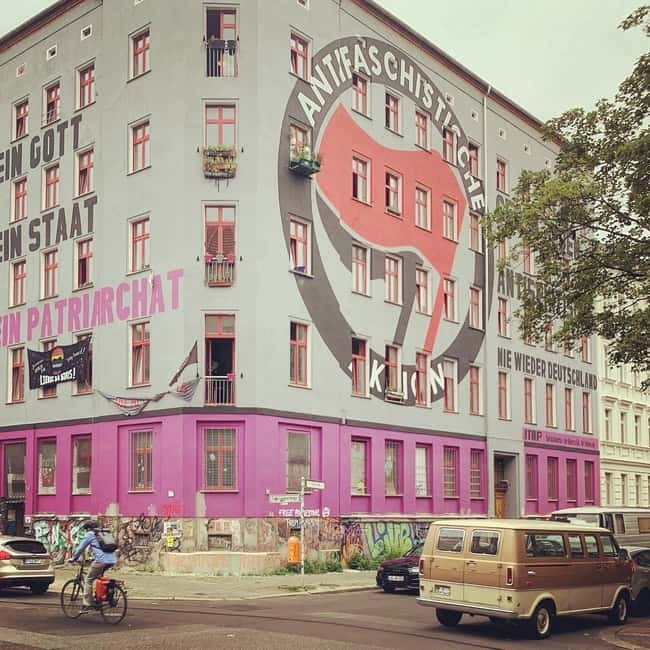
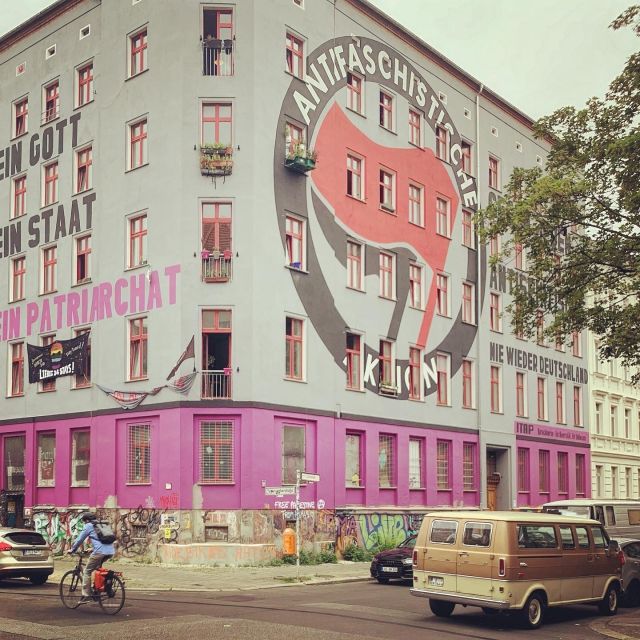
One important part of the route concerns the May 1st riots around Görlitzer Bahnhof. This adds a political layer to the tour and helps explain why Kreuzberg is more than a collection of cafés, bars, and colorful walls.
The point is not simply to visit a location associated with unrest. You are given context about the people, conflicts, and neighborhood conditions connected with Berlin’s protest culture. The tour also considers how the area has changed since those earlier years.
This kind of stop will suit you if you want to understand the forces behind Berlin’s reputation for independence and resistance. It may be less satisfying if you prefer a standard sightseeing route focused on monuments and dates. The tour assumes you have some interest in how people lived, organized, performed, and protested outside official institutions.
Görlitzer Bahnhof also fits the wider pattern of the trip. The route links political events with the spaces where music and art took root. In Berlin, these subjects are often tied together, and the ride makes that connection the main story rather than a side note.
Squats, backyards, and basement venues
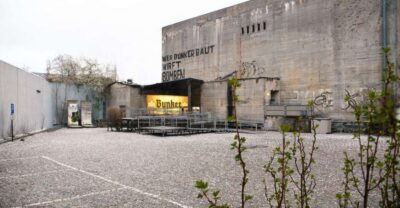
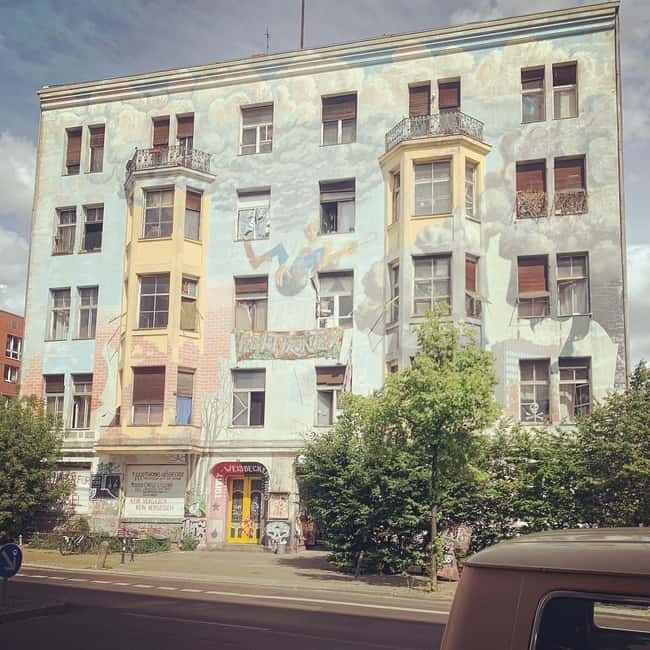
The most distinctive part of the experience is its attention to spaces behind the public street. You hear about Kreuzberg squats, backyards, and basements that hosted bands and artists. These are the places that help explain Berlin’s DIY culture, but they are easy to miss if you only follow the main attractions.
The phrase DIY matters here. The tour focuses on people who created their own venues, bars, restaurants, shops, and music scenes rather than waiting for established cultural institutions to provide them. You learn how improvised spaces became important meeting points and how some influenced Berlin’s reputation far beyond their original neighborhoods.
The route also includes sites connected with legendary bands and artists. The musical range reaches from David Bowie to Beatsteaks and from the 1970s to the present. That broad period gives you a sense of change rather than a single snapshot of Berlin music.
Some participants will find the backstory more interesting than the buildings themselves. A plain entrance or ordinary courtyard may not look remarkable at first glance. The value comes from learning what happened there and seeing how much of Berlin’s cultural past is hidden in places that now appear routine.
Because you stop at locations rather than entering every venue, you should keep expectations realistic. This is not a series of private backstage visits. It is a guided look at the settings, stories, and surviving traces of the scene. The promise of looking behind shop windows means learning about courtyards and basements, not guaranteed access to every private interior.
Still Berlin, at a slower pace:
- Discover Berlin Half-Day Walking Tour
★ 5.0 · 9,624 reviews - Berlin: Hop-on Hop-off Bus Tour with Live Commentary
★ 4.3 · 8,579 reviews - Berlin: Government District around the Reichstag Guided Tour
★ 4.7 · 8,447 reviews - Berlin: Reichstag, Plenary Chamber, Cupola & Government Tour
★ 4.6 · 8,422 reviews
From Bowie to Beatsteaks, Berlin’s music story
Music is one of the strongest reasons to choose this ride. Berlin’s independent culture cannot be separated from its bands, clubs, rehearsal rooms, record shops, and performance spaces. The route uses that history to connect earlier eras with the city you see today.
The founders of the Ramones Museum Berlin created the experience, which gives it a clear music connection. The tour is not limited to one genre or decade. Instead, it covers Berlin’s DIY and underground music culture from the 1970s onward, including artists and groups associated with the city’s changing creative life.
You may hear about famous figures such as Bowie, but the wider focus is on the places and people who built scenes around music. That is useful because Berlin’s appeal does not come only from a handful of international stars. It also comes from small venues, independent businesses, and people who kept making things without much official support.
The guide’s role matters a great deal on a tour like this. Flo is described as especially strong at connecting neighborhood stops with stories about the past and present. His explanations are aimed at details you are unlikely to find in a basic travel guide, which is exactly the kind of local knowledge this route needs.
The small group helps here. With six people or fewer, you can ask about a band, a venue, or a particular period without competing with a full busload of passengers. If you enjoy music history but do not want a formal lecture, the van format should feel more personal.
Why the old van is part of the experience
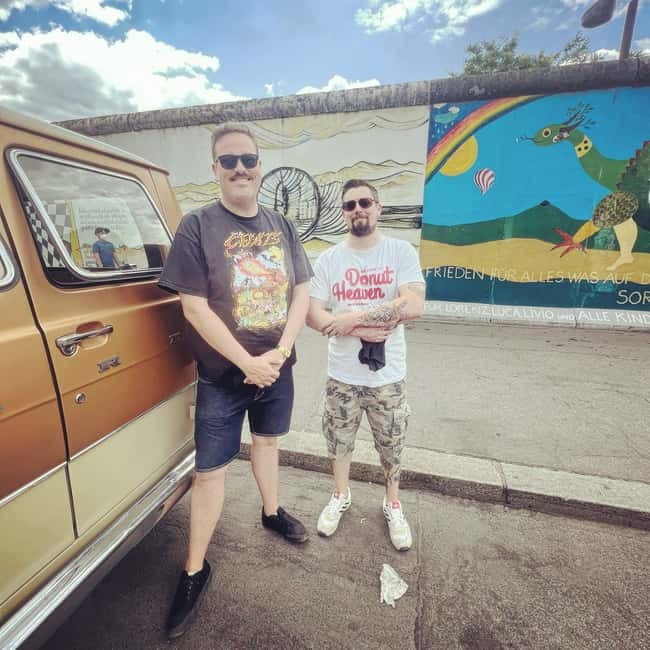
The Ford Econoline is not just transportation. Its age and appearance match the tour’s subject. A modern minibus would get you around more efficiently, but it would not carry the same connection to Berlin’s homemade, rough-edged cultural image.
You get a window seat, so you can watch the districts pass close by. That matters in Friedrichshain and Kreuzberg, where small details on walls, entrances, courtyards, and street corners can support the guide’s explanation.
The van’s limitations are also clear. It has no air conditioning, only a fan. The tour runs rain or shine, and food is not allowed inside. On a cool or rainy day, the old vehicle may add character. On a hot afternoon, it may feel cramped and warm.
I would dress for the weather and avoid bringing food that you expect to eat during the ride. The experience lasts roughly 1.5 hours, although the included description also refers to a 1:15-hour trip and a two-hour duration. Check the selected departure when booking, since the published timing is not fully consistent.
A free drink per person and an exclusive Get In The Van T-shirt are included. These extras add some fun, though I would treat them as pleasant additions rather than reasons to justify the full price.
What the 1.5-hour route gives you
This is a compact experience, so the tour cannot tell every story about Berlin’s DIY scene. Its strength is selection. You move between several important areas and use the drive to connect them into one account.
The likely rhythm is simple:
- Meet the van at East Side Gallery.
- Travel through the Friedrichshain and Kreuzberg areas.
- Stop at important political, artistic, and musical sites.
- Hear about riots, squats, bands, artists, clubs, bars, shops, and restaurants.
- Use your phone to view older photos and videos.
- Return to the original meeting point.
The route is best understood as an introduction. It can show you where to continue exploring after the tour, especially once the sun goes down. You receive ideas for Berlin nightlife and independent places, but the tour does not promise admission to venues or a full evening itinerary.
The return to the starting point is convenient. You do not need to arrange transport from a distant neighborhood, and you can continue sightseeing around East Side Gallery or make your own plans in Friedrichshain and Kreuzberg.
Price, group size, and practical value
The advertised platform price is $85 per person. That is a high cost for a ride lasting around 1.5 hours, even with the drink and T-shirt included. The direct booking price is listed as 59 euros at getinthevanberlin.com, because the third-party site adds a 25 percent fee.
That difference is large enough to check before you book. At 59 euros, the value is easier to defend if you have a real interest in Berlin music, independent culture, and neighborhood history. At $85, you should be certain that the unusual vehicle and specialist subject appeal to you.
The group limit of six improves the calculation. You are paying for a focused experience rather than a general city tour, and a very small group gives the guide room to respond to questions. Still, the short duration means you should not compare this with a half-day walking tour or a museum visit.
Free cancellation up to 24 hours before the start and the reserve-now, pay-later option make planning less risky. The tour is wheelchair accessible, and live guiding is available in English or German. These are useful points to confirm during booking, especially if you need a particular language or have mobility requirements.
Arrive 15 minutes early with a charged smartphone. Since the van runs in all weather and has only a fan, check the forecast and dress sensibly. You cannot eat inside, so have food before or after the ride.
Who will enjoy this Berlin van tour?
I would recommend it most strongly to people who already have some interest in music, street culture, political history, or independent businesses. It is also a good fit if you have seen Berlin’s major sights and want a different way to understand the city.
You will get the most from the experience if you enjoy stories about places that are not obvious from the street. The route rewards curiosity. You need to be willing to look at an ordinary entrance or courtyard and imagine its earlier role as a rehearsal space, venue, squat, or meeting place.
The tour also suits fans of the Ramones Museum Berlin and people who want to connect artists with the neighborhoods where scenes developed. Flo’s detailed explanations are particularly valuable if you want more than surface-level facts.
I would choose another tour if this is your first and only experience in Berlin, especially if you still need the main sights explained. The van will not replace the Brandenburg Gate, Museum Island, or a proper look at the Berlin Wall. It works better as a specialist addition.
It may also disappoint you if you expect constant action or entry into many buildings. Much of the experience involves listening, viewing archival material, and stopping outside places. The reward is context, not a parade of attractions.
Should you book Get In The Van Berlin?
Book it if you want Berlin’s less polished story: the squats, basements, improvised clubs, political conflicts, independent shops, and music spaces that helped shape the city. The old Ford van, six-person limit, phone-based photos and videos, and guide Flo’s strong local knowledge give the experience a clear identity.
Before paying $85, check the direct 59-euro price. Also confirm the exact duration, since the information describes the trip as 1.5 hours, 1:15 hours, and two hours in different places. If you can handle a warm old van and a rain-or-shine schedule, this is a worthwhile specialist tour for curious Berlin visitors, but not a substitute for the city’s main sights.
FAQ
Where does the tour begin?
The tour begins at East Side Gallery beside the Spree River. Meet the beige and brown 1972 Ford Econoline at the stated meeting point.
Where does the tour end?
The van returns you to the original meeting point at the end of the activity.
How long does the tour last?
The tour information gives several timings, including 1.5 hours, 1:15 hours, and two hours. Check the selected departure details when booking.
What languages are available?
The live tour guide speaks English or German.
How many people can join the group?
The group is limited to six participants.
Is the van wheelchair accessible?
Yes. The activity is listed as wheelchair accessible.
What should I bring, and is anything prohibited?
Bring a charged smartphone for background photos and videos. Food is not allowed inside the van. The tour operates rain or shine, and the vehicle has a fan but no air conditioning.
Just added around Berlin
- Private Walking Tour in Berlin: Hitler’s Germany & WWII★ 5.0 · 7 reviews
- The History of Berlin: WWII PRIVATE Walking Tour With Locals★ 5.0 · 209 reviews
- Private Berlin WWII and Cold War History Tour with Local Expert Guide★ 5.0 · 28 reviews
- Private Walking Tour Berlin 3 hours: Brandenburg, Historic Center★ 5.0 · 7 reviews
- Berlin: Private Bike Tour of the Berlin Wall and Third Reich★ 5.0 · 23 reviews
- Berlin: Guided Private Bike Tour to Explore the Highlights★ 5.0 · 12 reviews
- Berlin Photography Masterclass – Private Photography Lesson★ 4.5 · 23 reviews
- Group Driving Tour 1 to 6 people. Berlin Shore Excursion incl pick-up at Port★ 5.0 · 8 reviews
Berlin Tours, compared.
Reichstag, Dome and Government District Guided Tour
Read our review →
1-Hour City Tour by Boat with Guaranteed Seating
Read our review →
Government District around the Reichstag Guided Tour
Read our review →
Reichstag, Plenary Chamber, Cupola & Government Tour
Read our review →