Reviewed · BERLIN TOURS
Berlin: The Feuerle Collection Meditation Experience
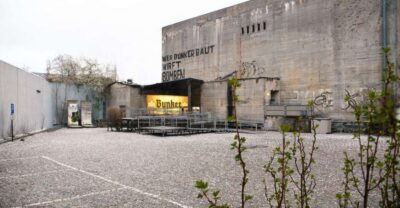
Berlin gets quiet underground. The Feuerle Collection pairs early Khmer sculpture and Imperial Chinese furniture with contemporary art in a one-hour, phone-free setting. I like the unusual mix of old and new, and I like that you may meditate, walk quietly, or simply sit with the art. The main drawback is clear: this is not a guided tour, so you need to be comfortable making your own way through the collection.
This $25 experience suits anyone who wants a pause from Berlin’s noise and screen-filled sightseeing. I especially like the passage through the Sound Room and the underground Lake Room, which give the visit a sense of progress rather than a standard gallery circuit. Still, children under 16 cannot attend, and visitors expecting detailed explanations may find the silence limiting.
In This Review
- Key points to know before you book
- Why this Berlin art visit feels different
- Entering the collection and leaving your phone behind
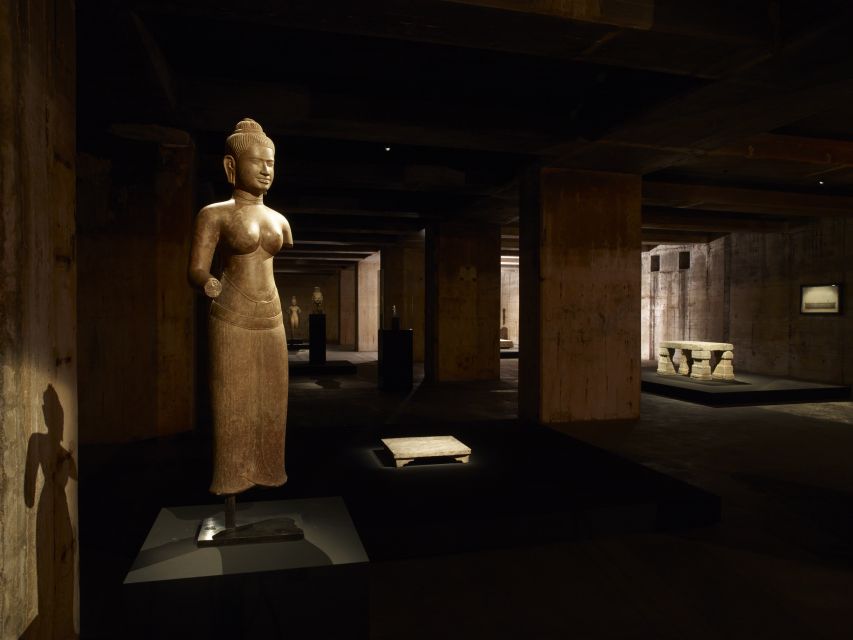
- Khmer sculptures from the 7th to 13th centuries
- Imperial and Scholar Chinese furniture
- The Sound Room and the underground Lake Room
- Contemporary works by Kapoor, Iglesias, and others
- What one hour actually gives you
- Is $25 a fair price?
- Who should book this experience?
- Booking advice for a flexible Berlin day
- Should you book the Feuerle Collection?
- FAQ
- How long does the Feuerle Collection meditation experience last?
- How much does the experience cost?
- Is meditation required?
- Is this a guided tour?
- What kind of art will I see?
- What are the dates of the Khmer sculptures?
- How far back does the Chinese furniture collection go?
- Does the visit include the Sound Room and Lake Room?
- Are a yoga mat and blanket provided?
- Can children attend?
- Is the experience wheelchair accessible?
- Can I cancel the booking?
- Can I reserve now and pay later?
Key points to know before you book
- The visit lasts one hour, with the collection open for silent meditation rather than a conventional museum tour.
- The art spans more than two thousand years, from Khmer sculptures dating from the 7th to 13th centuries to Chinese furniture from the 2nd century B.C. through the 17th century A.D.
- You can use a yoga mat and blanket, both included in the $25 price.
- Meditation is optional, so you may sit, walk quietly, or look at the works without taking part in a formal practice.
- The route includes the Sound Room and underground Lake Room, two spaces that give the visit its unusual atmosphere.
- The experience is designed as a mobile detox, with no phone-centered sightseeing and no guide leading the way.
Why this Berlin art visit feels different
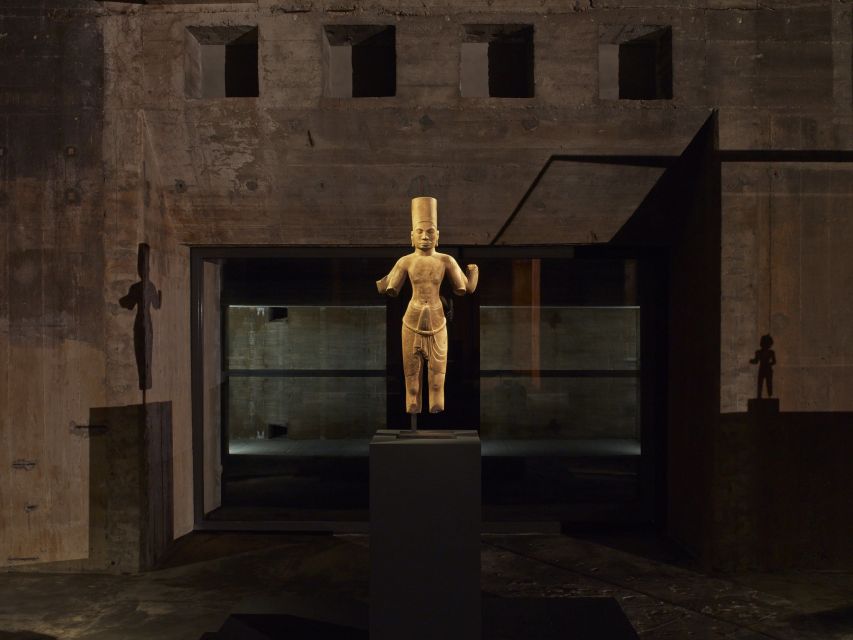
Most museum visits ask you to read, compare, and move along. The Feuerle Collection asks you to slow down. The aim here is not to collect facts about every object, but to spend time with the objects in silence.
That simple change matters. Berlin has no shortage of major museums, historic sights, and busy streets. This experience gives you one hour in which your phone is not the main event. If you have spent the day checking maps, photographing buildings, and racing between appointments, the quiet may feel like the real luxury.
The collection also avoids a tidy division between ancient and modern. Khmer sculptures, Imperial Chinese furniture, and contemporary works share the same visit. You might move from a centuries-old object to a work by Anish Kapoor, Cristina Iglesias, Adam Fuss, Zeng Fanzhi, James Lee Byars, or Nobuyoshi Araki.
That contrast is the point. You are not being led through a standard timeline. Instead, the works create unexpected pairings. A visitor who enjoys Chinese art and furniture will have plenty to consider, while anyone interested in contemporary art gets a different setting from the usual white-walled gallery.
A few more Berlin trips worth comparing
- Berlin: Reichstag, Dome and Government District Guided Tour
★ 4.7 · 18,288 reviews - Berlin: 1-Hour City Tour by Boat with Guaranteed Seating
★ 4.3 · 16,993 reviews - Berlin: Boat Tour Along the River Spree
★ 4.4 · 11,252 reviews
Entering the collection and leaving your phone behind
The experience begins with a change in pace. You enter for a planned hour of quiet, and the mobile-detox idea shapes the whole visit. You are not there to follow a guide, listen to commentary, or rush toward a famous highlight.
You receive a yoga mat and blanket, which make the meditation format practical rather than symbolic. You can settle in among the art instead of standing for the entire hour. That is useful if you want to focus on breathing or contemplation, but it also gives you the freedom to observe the collection at a slower speed.
Do not expect a class. There is no indication of a teacher, instruction, or group meditation method. The visit is an open meditation experience, and you decide how actively you want to take part.
This freedom is one of the strongest features. You can meditate if that is your purpose, or quietly walk around and look at the works. You are not required to close your eyes, follow a routine, or pretend to be more spiritual than you feel. The setting works just as well for calm observation.
The practical tip is to arrive ready for silence. If you want to discuss the objects, ask questions, or learn the background of each artist, this is the wrong format. Save those expectations for a guided museum visit.
Khmer sculptures from the 7th to 13th centuries
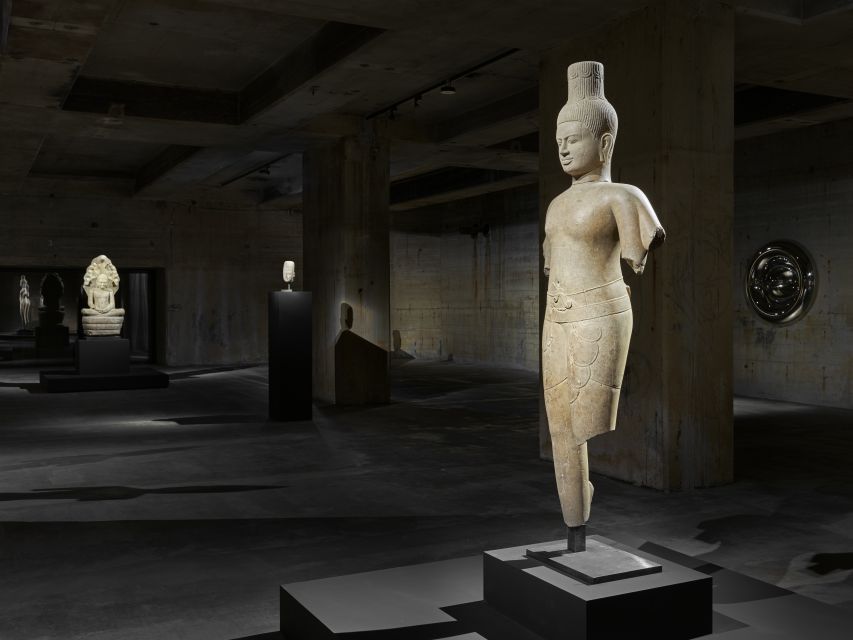
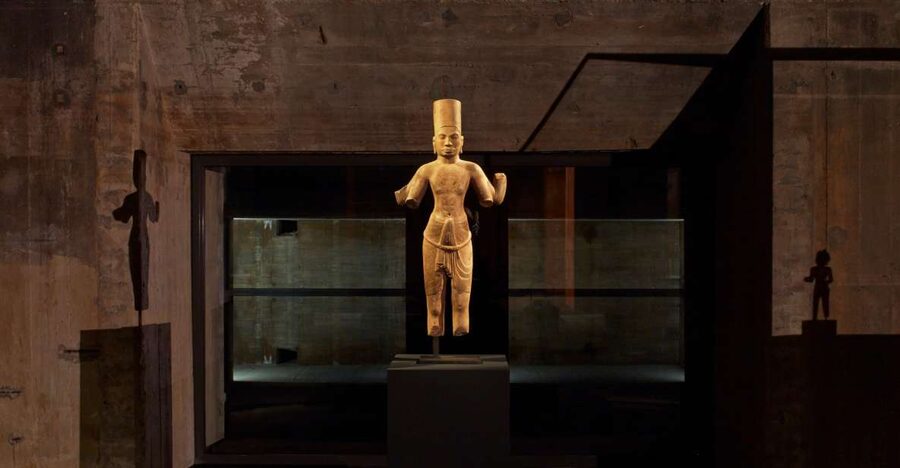
The early Khmer sculptures provide the oldest part of the collection. Dating from the 7th to the 13th centuries A.D., these works bring a long stretch of Southeast Asian art into a very compact visit.
You will not receive a formal history lesson during the hour, so the value comes from looking carefully. The quiet format lets you notice shape, posture, surface, and expression without a guide setting the pace. You can stay with one sculpture for several minutes, then move on when you are ready.
This is especially useful if you normally feel rushed in museums. Ancient sculpture can reward slow looking, and the meditation structure gives you permission to do that. At the same time, anyone who wants names, dates, religious context, or a full explanation should plan to research the collection before or after the visit.
The art is not presented as a separate ancient-world display followed by a modern section. Its effect comes from being part of the larger mixture. That can feel fresh, but it also means the visit may not satisfy you if you prefer a clear museum storyline.
Imperial and Scholar Chinese furniture
The collection includes Imperial and Scholar Chinese furniture dating from the 2nd century B.C. through the 17th century A.D. This is a broad span, and the furniture gives the visit a different visual language from the Khmer sculpture.
Furniture is easy to overlook when you are expecting paintings or statues. Here, the quiet setting helps you pay attention to the objects as works of design and craft. Look at their proportions, materials, and presence in the room. You can consider how a piece of furniture carries status, use, and visual restraint without needing a wall of text to tell you what to think.
This section may be the strongest reason for a specialist in Chinese art to book. One short booking description praised the experience specifically for people who love Chinese art and art with erotic elements. That is a useful warning as well as a recommendation: some visitors may find parts of the collection sensual or provocative.
The experience does not promise a lecture on Chinese furniture. You will need to bring your own interest and patience. If you enjoy making personal connections between objects, the arrangement should give you plenty to think about. If you want a chronological survey of Chinese design, choose a traditional museum visit instead.
Still Berlin, at a slower pace:
- Discover Berlin Half-Day Walking Tour
★ 5.0 · 9,624 reviews - Berlin: Hop-on Hop-off Bus Tour with Live Commentary
★ 4.3 · 8,579 reviews - Berlin: Government District around the Reichstag Guided Tour
★ 4.7 · 8,447 reviews - Berlin: Reichstag, Plenary Chamber, Cupola & Government Tour
★ 4.6 · 8,422 reviews
The Sound Room and the underground Lake Room
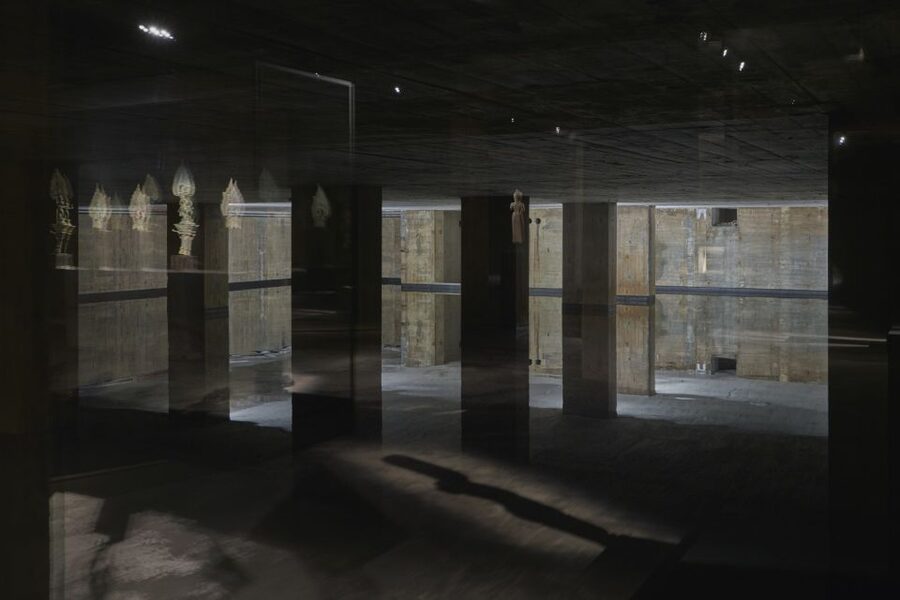
The passage to the Sound Room and the underground Lake Room gives the visit its most distinctive physical structure. These spaces are not just names on a schedule. They create a movement from one type of atmosphere to another.
The Sound Room is part of the route before or around your time with the artworks, and it helps prepare you for a visit based on sensation rather than information. The Lake Room is underground, adding a more secluded quality to the experience. You walk through these spaces rather than simply entering one standard gallery.
The exact way you respond will depend on what you want from the hour. If you are looking for a dramatic tourist attraction, the collection may feel restrained. If you want a place where space, quiet, and art work together, these rooms make the experience more memorable than a simple seated meditation in a generic studio.
The route also gives you a reason to move. You are not necessarily planted on a mat for the whole hour. You can walk quietly through the collection, pause in front of the works, and take in the changing rooms at your own speed.
Contemporary works by Kapoor, Iglesias, and others
The contemporary side includes works by Anish Kapoor, Cristina Iglesias, Adam Fuss, Zeng Fanzhi, James Lee Byars, and Nobuyoshi Araki. That list covers very different artistic approaches, so you should expect variety rather than one unified style.
The benefit of seeing these works beside Khmer sculpture and Chinese furniture is the lack of predictable separation. Ancient and contemporary pieces can change how you read each other. A modern work may make you notice space or texture in an older sculpture. An ancient object may make a contemporary piece feel less isolated from art history.
Because the experience is silent, your response is your own. You are not given a guide’s interpretation to accept or reject. Some people find that refreshing. Others may feel they are missing the context needed to understand the modern works.
I would treat this as an art encounter, not an art-history lesson. Read about the artists beforehand if you want more background. During the visit, let yourself look without needing to produce a clever interpretation. One useful way to approach it is to choose a single work and stay with it longer than you normally would.
What one hour actually gives you
One hour is enough to sample the collection and spend meaningful time in its rooms, but it is not a full museum afternoon. The fixed duration keeps the visit focused. You are less likely to wander until your attention fades, and the format makes it easy to fit into a larger Berlin day.
You should think of the hour as a reset, not a complete survey. If you spend much of the time meditating, you will naturally see fewer works. If you walk quietly through every space, your visit will feel more like a compact art viewing.
That choice is central to the experience. You cannot do everything in depth in 60 minutes. You can meditate, examine the objects, and pass through the Sound Room and Lake Room, but you will need to decide what matters most to you.
The small-group character mentioned in one German booking description also fits the design of the visit. The collection is intended for quiet contemplation, not a large crowd moving behind a flag. Even so, the available information does not promise a specific group size, so you should not book expecting a private session.
Is $25 a fair price?
At $25 per person, the Feuerle Collection costs more than a casual hour in a public park, but the comparison is not quite fair. You are paying for access to a private art collection, a carefully designed setting, a planned silent experience, and the use of a yoga mat and blanket.
The value depends on your goal. For someone who wants a guided explanation of Khmer sculpture or Chinese furniture, the price may feel high because no tour is included. For someone who wants a quiet, unusual art setting and a break from screens, the cost is more reasonable.
I would not book this as your only art experience in Berlin. It works better as a companion to the city’s larger museums, where you can get labels, context, and broad collections. The Feuerle visit offers something those institutions usually cannot: a controlled hour of silence and personal attention.
The strong rating of 4.9 from 16 ratings supports the idea that the format works well for the right audience. The short comments describe it as perfect, cool, interesting, and an exceptional, relaxing experience. One comment called it a moment of disconnection, which is probably the clearest description of what you are buying.
Who should book this experience?
I would recommend it to adults and older teens who enjoy art, quiet rooms, and time without a phone. It should appeal to people who find museums tiring when they are packed with information and people. It also suits anyone curious about how ancient Asian art and modern works can share one setting.
You are a good match if you can accept these conditions:
- You will not receive a guided tour.
- You may spend much of the hour in silence.
- Meditation is available but not required.
- The experience is limited to one hour.
- Some art may include erotic or sensual themes.
- Children under 16 are not permitted.
I would be more cautious if you need constant explanation, want a fast sightseeing stop, or dislike quiet group settings. The collection is open only for meditation and quiet viewing, so conversation is not part of the program.
The experience is wheelchair accessible, which makes it available to a wider range of visitors. Still, the supplied details do not explain every feature of the route, so you should contact the provider if you need specific access information about the Sound Room or underground Lake Room.
Booking advice for a flexible Berlin day
The activity costs $25 and lasts one hour. Starting times vary, so you need to check availability for your chosen date. You can reserve now and pay later, which helps if your Berlin schedule is still shifting.
Free cancellation is available up to 24 hours in advance for a full refund. That is useful for a short city break, when weather, museum plans, or train times can change your day.
The entrance is described as easy to find, but allow yourself enough time to arrive calmly. This is not the kind of visit you want to enter while rushing, checking your phone, and apologizing for being late. Give yourself a moment to switch from Berlin sightseeing to the collection’s quieter rhythm.
Should you book the Feuerle Collection?
Book it if you want a focused hour of silence, unusual art combinations, and a real break from your phone. The Khmer sculptures, Chinese furniture, contemporary works, Sound Room, and underground Lake Room give the experience enough substance to feel like more than a meditation session in an empty room.
Skip it if you want a guided art tour or a broad introduction to Berlin’s museums. At $25, the value comes from the atmosphere and the freedom to contemplate, not from the amount of information delivered.
For the right person, this is a memorable change of pace. You leave with fewer facts than you would after a traditional museum tour, but possibly with a stronger memory of a sculpture, a room, or one quiet hour underground.
FAQ
How long does the Feuerle Collection meditation experience last?
The experience lasts one hour.
How much does the experience cost?
The price is $25 per person.
Is meditation required?
No. You may meditate, walk around quietly, or simply enjoy the artwork.
Is this a guided tour?
No. A guided tour of the exhibition is not included, and the collection is open only for meditation and quiet viewing.
What kind of art will I see?
You will see early Khmer sculptures, Imperial and Scholar Chinese furniture, and contemporary works by artists including Anish Kapoor, Cristina Iglesias, Adam Fuss, Zeng Fanzhi, James Lee Byars, and Nobuyoshi Araki.
What are the dates of the Khmer sculptures?
The Khmer sculptures date from the 7th to the 13th centuries A.D.
How far back does the Chinese furniture collection go?
The Imperial and Scholar Chinese furniture dates from the 2nd century B.C. through the 17th century A.D.
Does the visit include the Sound Room and Lake Room?
Yes. The experience includes the passage to the Sound Room and a walk in the underground Lake Room.
Are a yoga mat and blanket provided?
Yes. A yoga mat and blanket are included.
Can children attend?
No. The experience is not suitable for children under 16.
Is the experience wheelchair accessible?
Yes. The activity is listed as wheelchair accessible.
Can I cancel the booking?
Yes. You can cancel up to 24 hours in advance for a full refund.
Can I reserve now and pay later?
Yes. You can reserve your spot and pay later, keeping your travel plans flexible.
Just added around Berlin
- Private Walking Tour in Berlin: Hitler’s Germany & WWII★ 5.0 · 7 reviews
- The History of Berlin: WWII PRIVATE Walking Tour With Locals★ 5.0 · 209 reviews
- Berlin: Private Bike Tour of the Berlin Wall and Third Reich★ 5.0 · 23 reviews
- Private Berlin WWII and Cold War History Tour with Local Expert Guide★ 5.0 · 28 reviews
- Private Walking Tour Berlin 3 hours: Brandenburg, Historic Center★ 5.0 · 7 reviews
- Berlin: Guided Private Bike Tour to Explore the Highlights★ 5.0 · 12 reviews
- Berlin Photography Masterclass – Private Photography Lesson★ 4.5 · 23 reviews
- Group Driving Tour 1 to 6 people. Berlin Shore Excursion incl pick-up at Port★ 5.0 · 8 reviews
Berlin Tours, compared.
Reichstag, Dome and Government District Guided Tour
Read our review →
1-Hour City Tour by Boat with Guaranteed Seating
Read our review →



Government District around the Reichstag Guided Tour
Read our review →
Reichstag, Plenary Chamber, Cupola & Government Tour
Read our review →