Reviewed · BERLIN TOURS
Berlín y el Nacionalsocialismo. Group Tour in Spanish
Berlin remembers its darkest years in plain sight. This four-hour Spanish walking tour links the Treaty of Versailles, Hitler’s rise, Nazi propaganda, and the ruins of the regime’s final days. I like the clear historical route, and I like that it reaches places many visitors pass without understanding. The main catch is that you must bring a Berlin AB public transport ticket, which is not included.
The tour also gives useful attention to people beyond Hitler, including Goebbels and the Nazi plans for Germania, a redesigned Berlin meant to become the world capital. Guide quality matters on a subject this heavy, and Sam, Martín, and Celia have each received especially warm praise for their information, patience, and care.
In This Review
- Key points at a glance
- Why this four-hour route matters in Berlin
- Starting beside the Fernsehturm at Alexanderplatz
- From Versailles to Hitler’s rise
- The Memorial to Sinti and Roma Victims
- Germania and the Nazi plan for Berlin
- Italy, Japan, and the Axis connection
- Walking Wilhelmstrasse past the ministries
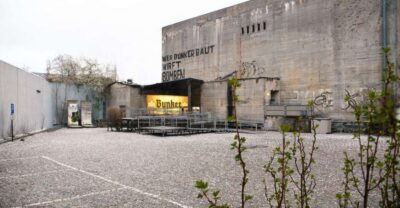
- Hitler’s final days at the bunker site
- Guide quality and the Spanish-language advantage
- What the $29 price gives you
- Who will get the most from this tour
- Practical advice before you go
- Should you book Berlín y el Nacionalsocialismo?
- FAQ
- How long does the tour last?
- What language is the tour conducted in?
- How much does the tour cost?
- Where is the meeting point?
- How will I identify the meeting point?
- Is public transportation included?
- What historical subjects does the tour cover?
- Does the tour visit Hitler’s bunker?
- Is the tour wheelchair accessible?
- Can I cancel the booking?
Key points at a glance
- Four hours in Spanish: A half-day walking tour with a live Spanish-speaking guide.
- A clear historical line: The route begins with the Treaty of Versailles and the Weimar Republic before explaining Hitler’s rise.
- Wilhelmstrasse’s Nazi ministries: See the former Luftwaffe Ministry and the site of the Nazi Propaganda Ministry.
- The Berlin-Rome-Tokyo Axis: Learn about Germany’s alliance with Italy and Japan near their embassies.
- A sober final stop: End at the location of Hitler’s bunker and hear about his last days.
- Plan for transport: A Berlin public transport ticket for zones AB is required and not included.
Why this four-hour route matters in Berlin
Berlin is full of famous sights, but the Third Reich’s story is often scattered across ordinary streets, office buildings, memorials, and open spaces. This tour gives those places a common thread. You are not just looking at a former ministry or an embassy. You are learning how power was built, sold, enforced, and finally destroyed.
The route begins with the Treaty of Versailles and the Weimar Republic. That opening is useful because it avoids presenting Hitler’s rise as a sudden event caused by one speech or one election. You hear about the conditions that shaped the period before National Socialism took control.
The focus then moves to Hitler and the people around him. Goebbels receives particular attention for his propaganda programs, an important part of understanding how the regime tried to shape public opinion and daily life. This is a political and social history walk, not simply a tour of wartime ruins.
At four hours, the experience has enough time for explanation without becoming a full-day commitment. I would set aside the rest of the day for a meal, a museum, or a quiet break. The subject is serious, and a little breathing room helps.
A few more Berlin trips worth comparing
- Berlin: Reichstag, Dome and Government District Guided Tour
★ 4.7 · 18,288 reviews - Berlin: 1-Hour City Tour by Boat with Guaranteed Seating
★ 4.3 · 16,993 reviews - Berlin: Boat Tour Along the River Spree
★ 4.4 · 11,252 reviews
Starting beside the Fernsehturm at Alexanderplatz
The meeting point is easy to recognize if you follow the instructions closely. Meet beside the only entrance to the television tower, called the Fernsehturm, at Alexanderplatz. Look for the green flag marked tours en español, near the Espresso House and between the television tower and Alexanderplatz train station.
That central location is practical. Alexanderplatz is one of Berlin’s main transport hubs, so you can reach it by train or other public transport. Still, allow a few extra minutes to find the precise spot. A large square, a tall tower, and a busy station can make a simple meeting point feel less simple at first.
The walk starts in one of Berlin’s best-known public areas and then moves into the government district connected with National Socialism. Your guide provides the Spanish commentary throughout the four-hour route.
The tour is listed as wheelchair accessible. Because this is a walking experience in central Berlin, you should still consider your own comfort with a half-day route and the transfer needed to reach the meeting point.
From Versailles to Hitler’s rise
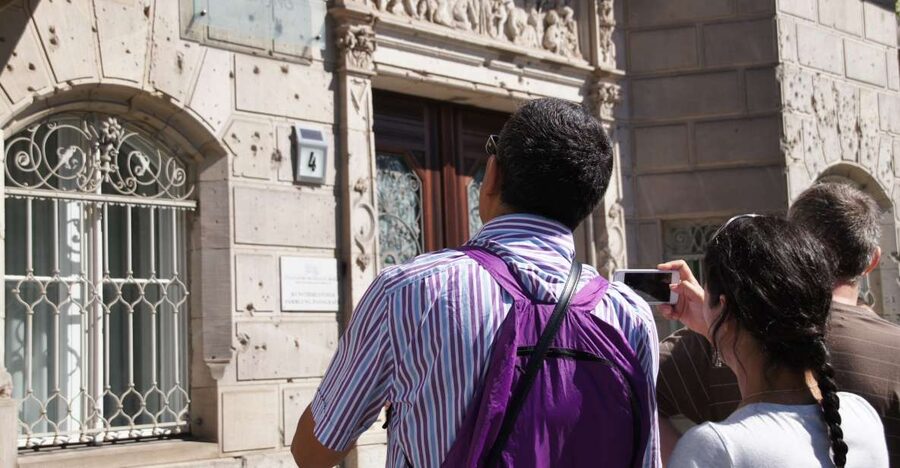
The first historical section gives the tour its frame. The Treaty of Versailles and the Weimar Republic are not side notes here. They help explain the political setting in which Hitler gained support and eventually took power.
You can expect the guide to connect major developments rather than recite isolated dates. That approach is helpful in Berlin, where a building may have served one purpose under the monarchy, another during the republic, and another under the Nazis. The meaning of a site changes when you understand the government behind it.
This is also where the tour can help you separate the Nazi period from the wider history of Germany. The subject is not treated as a collection of dramatic Hitler anecdotes. It includes institutions, propaganda, alliances, urban planning, and the lives of people under National Socialism.
The route is especially useful if you already know the basic outline of the Second World War but want to understand how Berlin functioned before and during the regime. If you want a tour devoted mainly to battle tactics or military equipment, this may not be the right match.
The Memorial to Sinti and Roma Victims
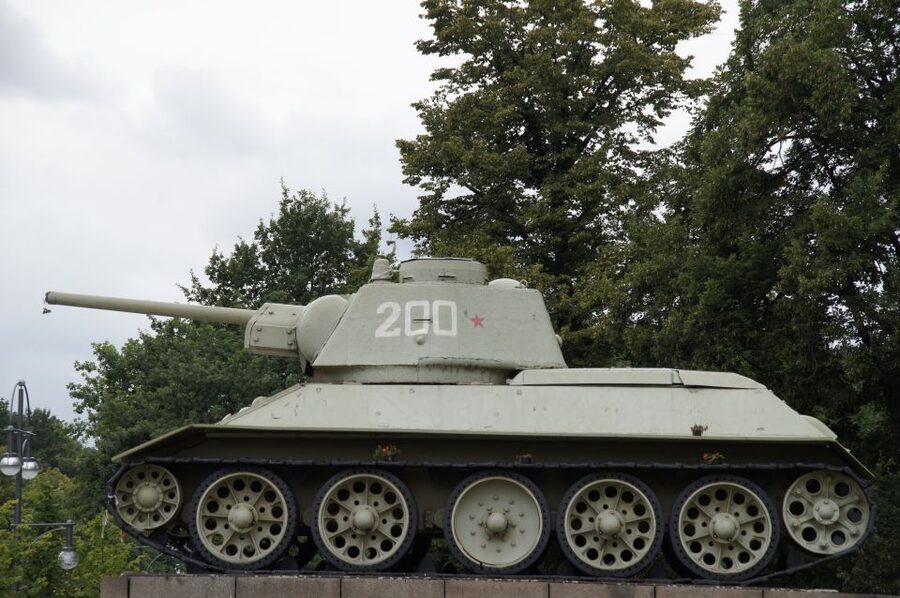
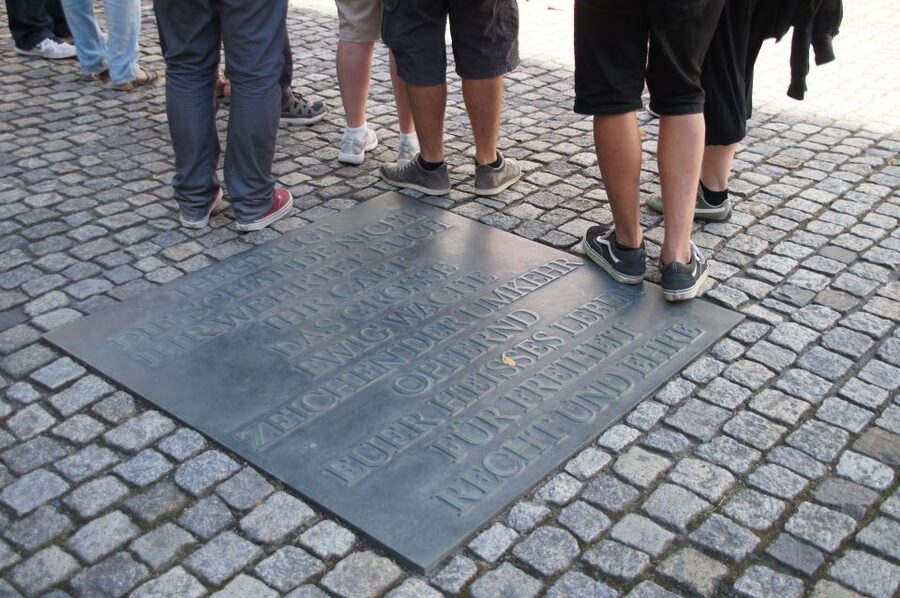
One important stop is the Memorial to the Sinti and Roma Victims of National Socialism. Its inclusion keeps the tour from narrowing the story to Hitler, his ministers, and the military.
This stop gives the guide a chance to discuss Nazi persecution and the human cost of the regime. It is also a reminder that the Third Reich’s crimes affected many communities, not only those most commonly mentioned in popular histories.
You should expect a respectful pause here rather than a light sightseeing moment. The tour asks you to connect political decisions with real people and real suffering. That can make the route emotionally demanding, but it is also one of its most important features.
Because the tour covers several sites in four hours, the amount of time at each place may vary. The guide has to keep the group moving, so this is not designed as a long, private memorial visit.
Still Berlin, at a slower pace:
- Discover Berlin Half-Day Walking Tour
★ 5.0 · 9,624 reviews - Berlin: Hop-on Hop-off Bus Tour with Live Commentary
★ 4.3 · 8,579 reviews - Berlin: Government District around the Reichstag Guided Tour
★ 4.7 · 8,447 reviews - Berlin: Reichstag, Plenary Chamber, Cupola & Government Tour
★ 4.6 · 8,422 reviews
Germania and the Nazi plan for Berlin
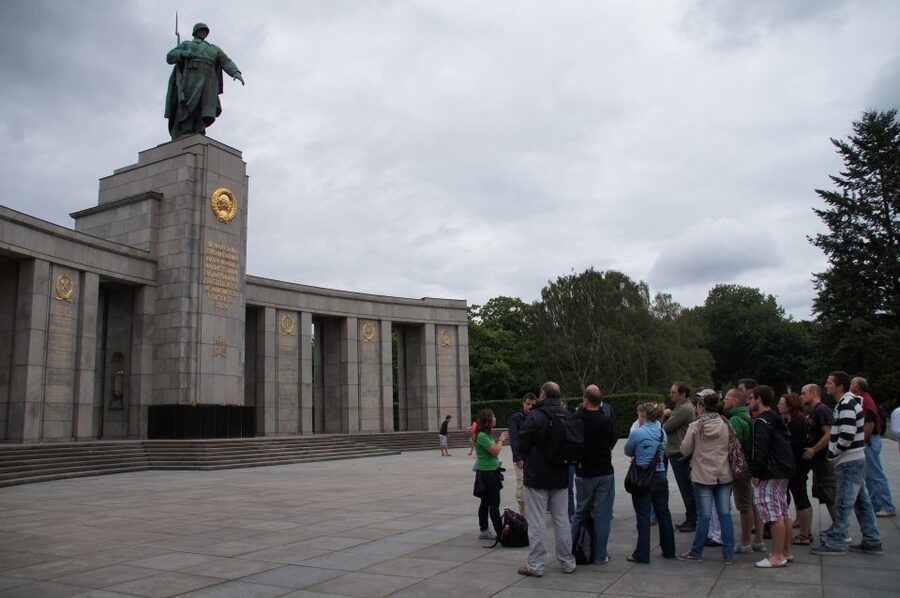
The Nazis did not see Berlin as merely a government center. They planned to transform it into Germania, a capital intended to symbolize power on a world scale.
This part of the tour adds an urban-planning angle. You learn how architecture and city design were used to express political ambition. The plan tells you something about the regime’s self-image: it imagined a future built around monumental spaces, authority, and imperial reach.
The idea is especially striking because modern Berlin does not present a complete Nazi capital for you to admire. The planned city remained tied to war, destruction, and defeat. As you walk, your guide helps you read the gaps between what was planned and what actually survived.
I find this subject valuable because it shows that dictatorship is not only about speeches and uniforms. It also appears in grand building schemes, renamed streets, propaganda images, and attempts to control how a capital should look and feel.
Italy, Japan, and the Axis connection
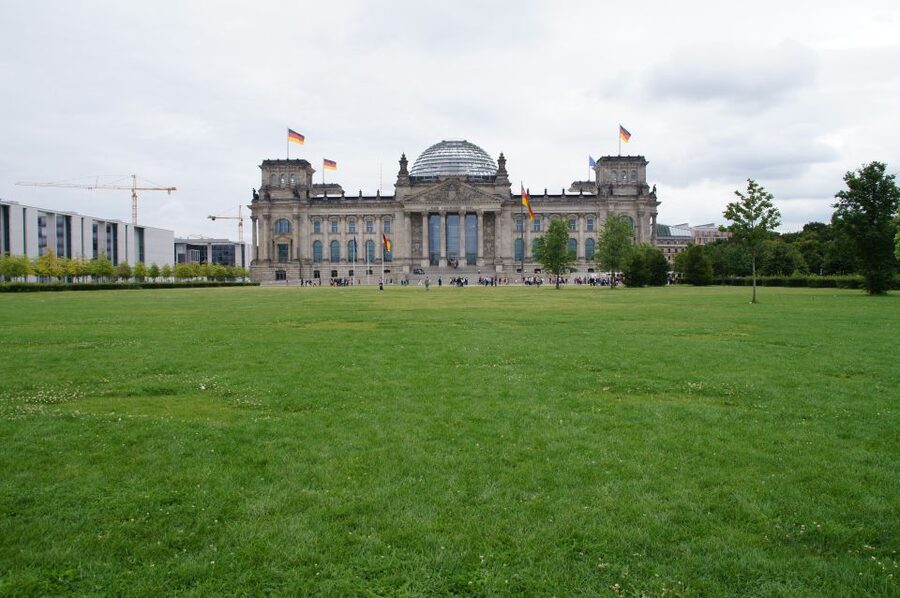
The tour discusses the Berlin-Rome-Tokyo Axis near the Italian and Japanese embassies. Seeing the locations in person gives the diplomatic relationship a physical setting.
This is a good example of the tour’s approach. Instead of treating the alliance as a line in a textbook, the guide places it along a real Berlin route. You can connect foreign policy with the government quarter and the institutions that supported the regime.
The embassy stop is not presented as a museum visit. You should not expect interior access or a formal exhibition there. Its value comes from the explanation provided outdoors and from the way it fits into the larger walk.
For anyone trying to understand the international reach of the Third Reich, this section adds useful context. It also breaks up the focus on Hitler’s personal story by showing Germany’s relations with Italy and Japan.
Walking Wilhelmstrasse past the ministries
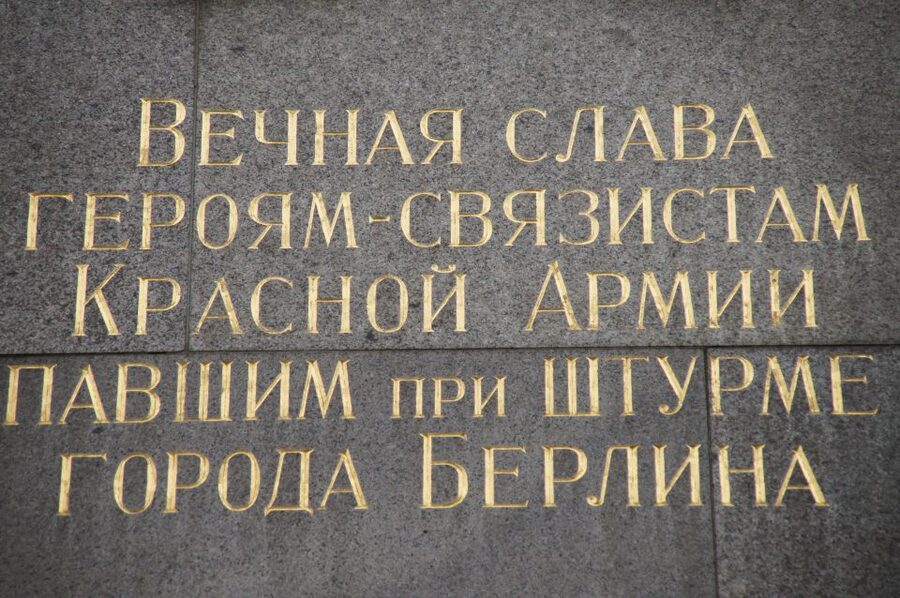
Wilhelmstrasse is one of the strongest parts of the route. This former government street allows you to follow the physical center of Nazi power while learning what happened in the ministries around you.
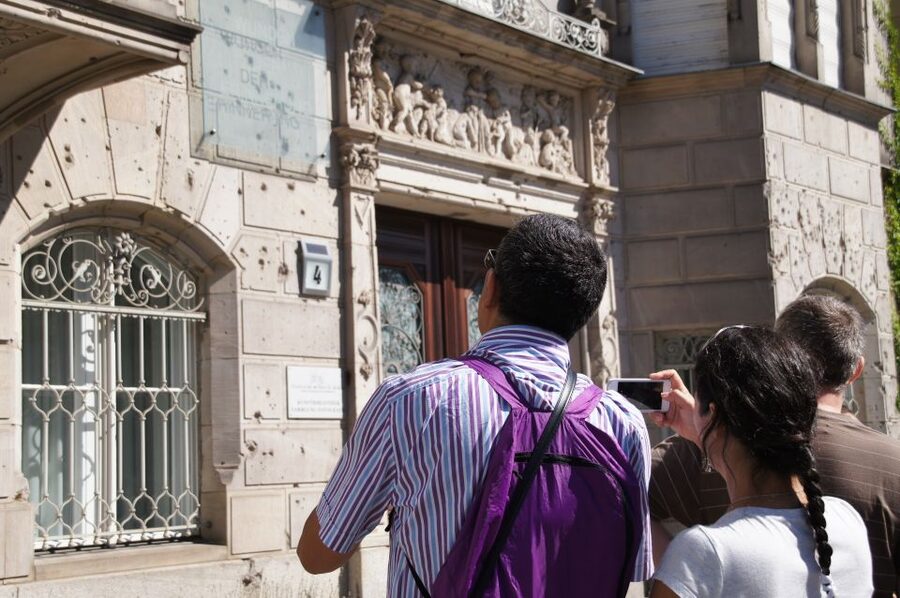
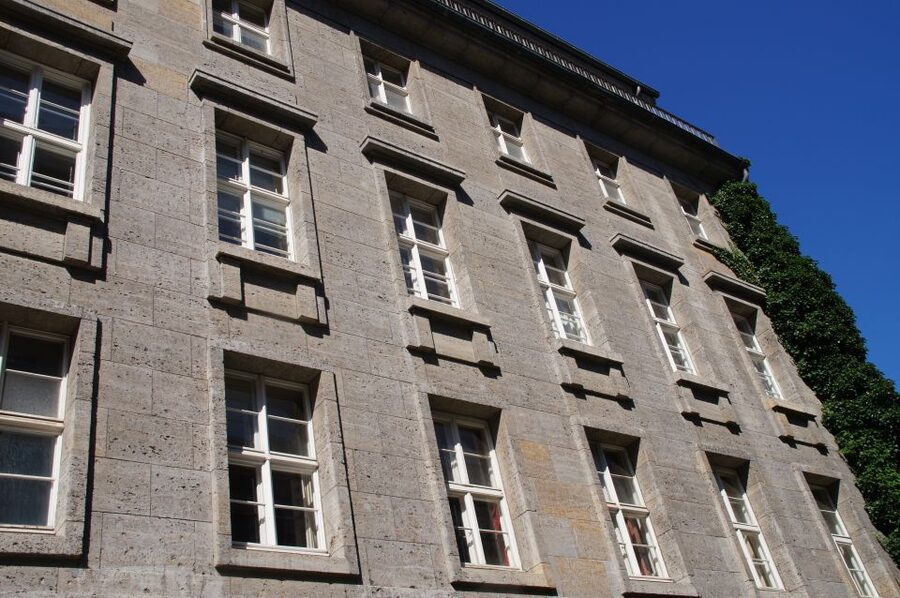
The walk includes the Luftwaffe Ministerium, or Air Defense Ministry, and the former Nazi Propaganda Ministry. These stops help explain how the regime operated through offices, departments, and officials, not only from Hitler’s headquarters.
The Luftwaffe Ministry is especially useful for understanding the military side of the state. The Propaganda Ministry points you back to Goebbels and the effort to manage public messages, culture, and public opinion.
Do not expect every stop to look like a preserved Nazi building. Berlin changed heavily during and after the war, and some sites are integrated into the modern city. That is part of the challenge. You need the guide’s explanation to see why an otherwise ordinary building or street matters.
The route’s great strength is this connection between place and power. You walk the street, hear what happened there, and begin to understand how the regime’s machinery filled the capital.
Hitler’s final days at the bunker site
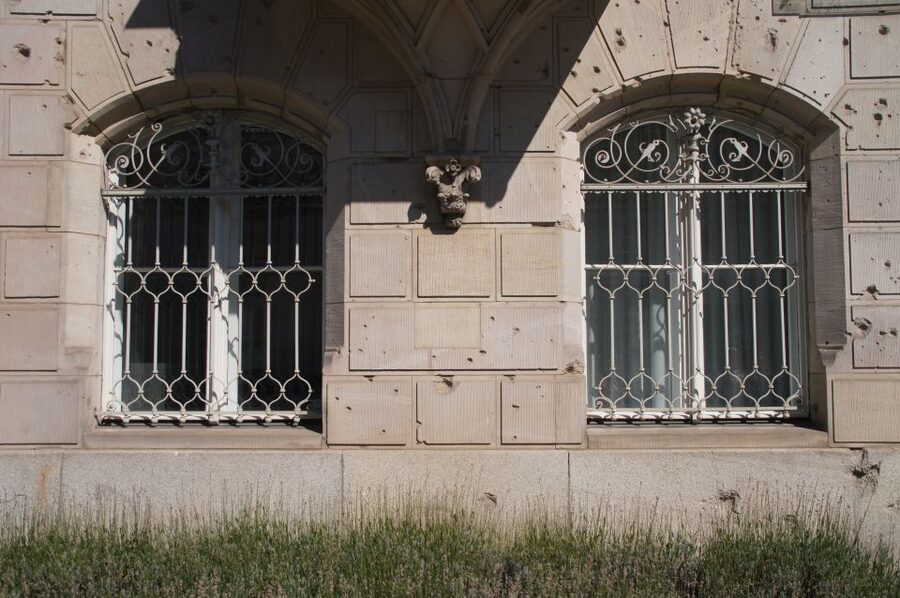
The tour ends at the location where the Führer Chancellery once stood, including the exact spot associated with Hitler’s bunker. This is a powerful ending because the route moves from the regime’s rise and grand plans to its collapse.
The stop concerns Hitler’s final days in the bunker. It is important to understand what is and is not promised: you visit the site, not a preserved bunker interior. The value is historical interpretation, not a dramatic underground attraction.
This ending also avoids turning the bunker into a shrine. The site is presented as part of the final stage of a dictatorship that had brought devastation across Europe. After hearing about Germania and the machinery of propaganda, you finish at the place where that leadership met defeat.
Some people find this the most memorable point of the tour. Others may prefer memorials centered more directly on victims. That is why the earlier stop at the Sinti and Roma memorial matters. Together, the route’s sites give you both the structure of the regime and the damage it caused.
Guide quality and the Spanish-language advantage
A Spanish-speaking guide can make a major difference on a subject filled with political terms, names, and historical nuance. You can ask questions in your own language and follow the connections without constantly translating in your head.
The strongest praise attached to this experience centers on the guides. Sam has been singled out for exceptional attention and information. Martín has been called an excellent guide, while Celia has been praised for patience, knowledge, and willingness to help. Those comments suggest a warm, human style rather than a rushed lecture.
Guide quality can vary from one departure to another, so those names are useful examples rather than a promise that a particular guide will lead your tour. Still, they show what to value: clear explanations, patience with questions, and a respectful tone.
One small criticism points to pauses that felt unnecessary. That is a fair consideration on a four-hour walk. Breaks can help on a long route, especially for anyone who needs to catch their breath, but they may feel slow if you want a tight stream of historical information.
What the $29 price gives you
At $29 per person, this is a reasonable price for a four-hour guided history walk in central Berlin. You are paying for a Spanish-speaking guide and sustained interpretation across several connected sites, not admission to a museum or a private vehicle.
The value depends on how you use Berlin. If you walked the route alone, you could see some of the streets and exterior locations for less. You would not automatically know why the Treaty of Versailles, the Weimar Republic, Germania, the ministries, the Axis embassies, and the bunker site belong in one story.
The price is also modest compared with a private guide. For a solo visitor or couple who wants historical context without booking a full private service, the group format keeps the cost down.
Remember to budget for the required public transport ticket for zones AB. It is not included, and the meeting instructions specifically tell you to bring one. That extra cost is easy to overlook when comparing tour prices.
Who will get the most from this tour
I would recommend this experience to you if you want a serious introduction to Berlin under National Socialism and prefer listening in Spanish. It suits first-time visitors who need a clear route, as well as returning visitors who have seen Berlin’s major sights but want the political story behind them.
It is a good fit if you value explanation more than entry tickets. You will spend the time walking and standing outdoors, with the guide supplying the context.
You may want something else if you are looking for a small private group, extensive time inside museums, or a tour focused only on military history. You should also think about the emotional weight of the subject. This is not a cheerful city stroll, and it should not be treated as one.
The route is wheelchair accessible, which improves its usefulness for many visitors. You should still confirm that the route suits your specific mobility needs, since the available information does not give detailed pavement, restroom, or stop-by-stop access notes.
Practical advice before you go
Bring a valid Berlin public transport ticket for zones AB. The ticket is required but not included, so sort this out before meeting the guide.
Wear comfortable shoes and dress for a four-hour outdoor walk. The route includes Alexanderplatz, Wilhelmstrasse, government sites, memorial space, and the former Chancellery area, so you should be ready to move between stops.
Arrive at the green tours en español flag beside the Fernsehturm entrance. The nearby Espresso House and Alexanderplatz station are useful landmarks, but the tower area can be confusing if you arrive at the last minute.
The tour offers free cancellation up to 24 hours before departure and allows you to reserve now and pay later. Those terms are useful if your Berlin schedule is still changing. Starting times depend on availability.
Should you book Berlín y el Nacionalsocialismo?
Book it if you want a focused, Spanish-language explanation of Berlin’s Nazi past, especially the connection between political history and real streets. The combination of Wilhelmstrasse, the ministries, the Axis embassies, Germania, the Sinti and Roma memorial, and the bunker site gives you a well-shaped half-day route.
I would be less certain if you dislike group walking tours, need long independent stops, or want to enter preserved historic interiors. For most Spanish-speaking visitors who want serious context at a fair $29 price, this is a strong choice. Just bring your AB transport ticket, expect a sober subject, and let the guide turn Berlin’s ordinary-looking streets into a readable historical record.
FAQ
How long does the tour last?
The tour lasts four hours.
What language is the tour conducted in?
The live tour is conducted in Spanish by a Spanish-speaking guide.
How much does the tour cost?
The listed price is $29 per person.
Where is the meeting point?
Meet beside the only entrance to the Fernsehturm television tower at Alexanderplatz, between the tower and Alexanderplatz train station, near the Espresso House.
How will I identify the meeting point?
Look for a green flag marked tours en español.
Is public transportation included?
No. You need a public transport ticket for Berlin zones AB, and it is not included in the tour price.
What historical subjects does the tour cover?
It covers the Treaty of Versailles, the Weimar Republic, Hitler’s rise, Goebbels’ propaganda programs, the Nazi plan for Germania, the Berlin-Rome-Tokyo Axis, Nazi ministries, and Hitler’s final days in the bunker.
Does the tour visit Hitler’s bunker?
The tour ends at the exact location where the Führer Chancellery once stood and explains Hitler’s final days in the bunker. The information provided does not promise entry into a preserved bunker interior.
Is the tour wheelchair accessible?
Yes, the activity is listed as wheelchair accessible.
Can I cancel the booking?
You can cancel up to 24 hours in advance for a full refund. The tour also offers a reserve-now-and-pay-later option.
Just added around Berlin
- Private Walking Tour in Berlin: Hitler’s Germany & WWII★ 5.0 · 7 reviews
- The History of Berlin: WWII PRIVATE Walking Tour With Locals★ 5.0 · 209 reviews
- Private Berlin WWII and Cold War History Tour with Local Expert Guide★ 5.0 · 28 reviews
- Private Walking Tour Berlin 3 hours: Brandenburg, Historic Center★ 5.0 · 7 reviews
- Berlin: Private Bike Tour of the Berlin Wall and Third Reich★ 5.0 · 23 reviews
- Berlin: Guided Private Bike Tour to Explore the Highlights★ 5.0 · 12 reviews
- Berlin Photography Masterclass – Private Photography Lesson★ 4.5 · 23 reviews
- Group Driving Tour 1 to 6 people. Berlin Shore Excursion incl pick-up at Port★ 5.0 · 8 reviews
Berlin Tours, compared.
Reichstag, Dome and Government District Guided Tour
Read our review →
1-Hour City Tour by Boat with Guaranteed Seating
Read our review →
Government District around the Reichstag Guided Tour
Read our review →
Reichstag, Plenary Chamber, Cupola & Government Tour
Read our review →