Reviewed · BERLIN TOURS
Berlin’s Alternative Side: The Urban Jungle Tour
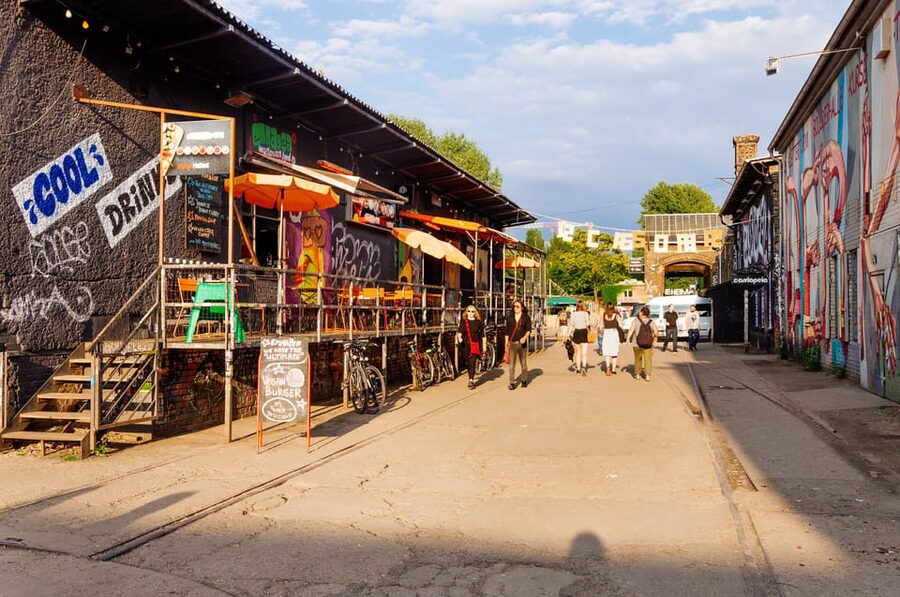
Berlin has more than famous landmarks. This private tour takes you into courtyards, street-art zones, beer gardens, and neighborhoods where the city’s counterculture still has a voice. I like the small-group format and the chance to see places beyond the usual Berlin checklist. I also like that the route connects art with real local issues, especially gentrification and the loss of alternative spaces.
The main caution is value. At $116 per person, this is not a cheap walk, especially since food and drinks are extra. Guide quality also matters greatly here, and one past booking described a guide who seemed distracted and moved through the route without much direction.
In This Review
- Key points at a glance
- Why Berlin’s alternative side is worth your time
- Starting at Hackescher Markt
- The artist courtyard and its survival story
- Blu’s Pink Man and the cost of gentrification
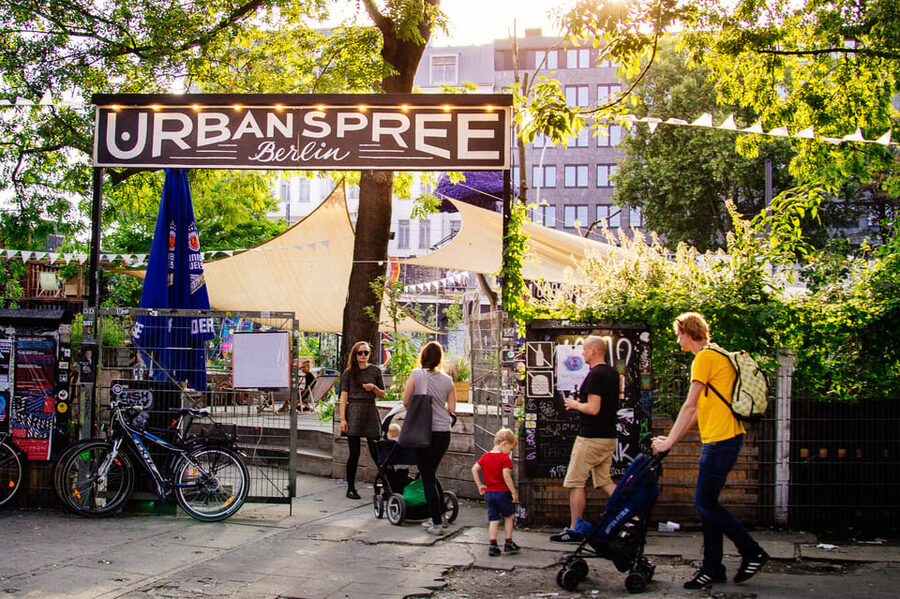
- A beer garden pause at Urban Spree
- Crossing past the East Side Gallery
- The tiny cinema with 1970s style
- Finishing around Boxhagener Platz
- What the private format changes
- Transport, timing, and comfort
- Is $116 per person good value?
- Who should book this Berlin tour?
- Should you book the Urban Jungle Tour?
- FAQ
- How long does the Urban Jungle Tour last?
- What language is the tour conducted in?
- Where does the tour meet?
- Is transportation included?
- Are food and drinks included?
- Is the tour suitable for wheelchair users?
Key points at a glance
- Hackescher Markt begins the story: Start in one of Berlin’s best-known café areas before moving toward less polished, more creative corners.
- The courtyard adds context: Learn how an artist-friendly courtyard survived pressure and why its art carries political messages.
- Blu’s Pink Man brings a clear warning: The graffiti becomes a useful way to discuss gentrification and Berlin’s changing alternative districts.
- Urban Spree supplies the beer stop: You can pause for a drink in a relaxed beer garden, but the cost is not included.
- The East Side Gallery is part of the route: See the Berlin Wall remains covered with work by artists from around the world.
- The private format costs more: You get a live English-speaking guide and a group reserved for your party, along with one subway ticket.
Why Berlin’s alternative side is worth your time
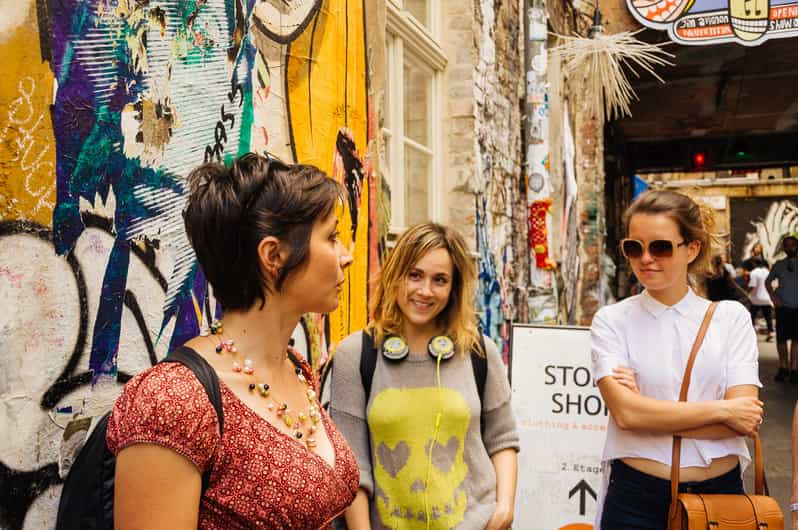
Berlin’s most interesting neighborhoods do not always announce themselves with a grand monument. Sometimes the clue is a painted wall, an odd courtyard, a tiny cinema, or a beer garden filled with locals at the end of the day.
That is the appeal of this three-hour route. It treats Berlin as a living city rather than a museum. You hear about artists, political messages, changing neighborhoods, and the social life around places such as Urban Spree and Boxhagener Platz.
I especially like the balance between seeing art and learning why it exists. Street art is easy to photograph and forget. Here, the guide is expected to explain the people and pressures behind it, including the argument over who gets to remain in Berlin’s alternative districts as property prices and development rise.
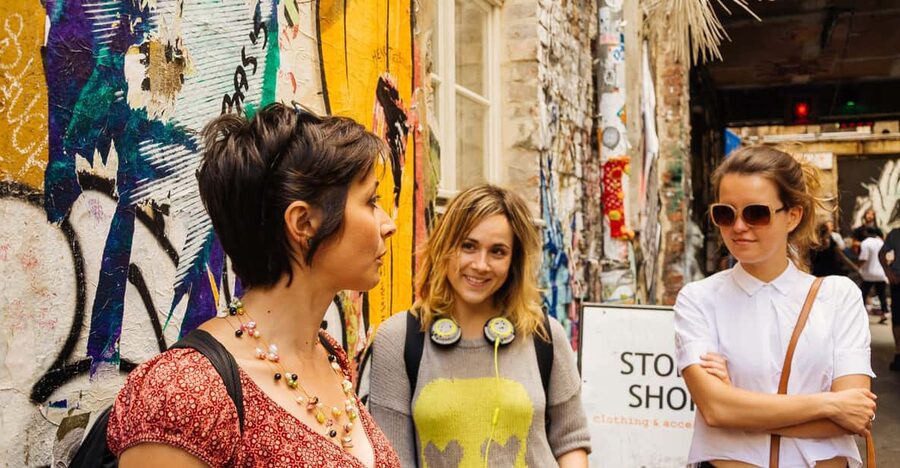
The tour is private, so you are not sharing the walk with a large crowd. That can make a real difference in neighborhoods where a guide needs to stop, explain a mural, or answer questions without blocking half the pavement.
A few more Berlin trips worth comparing
- Berlin: Reichstag, Dome and Government District Guided Tour
★ 4.7 · 18,288 reviews - Berlin: 1-Hour City Tour by Boat with Guaranteed Seating
★ 4.3 · 16,993 reviews - Berlin: Boat Tour Along the River Spree
★ 4.4 · 11,252 reviews
Starting at Hackescher Markt
You meet your English-speaking local host in front of Butler’s Gift Shop at Hackescher Markt. This is a practical starting point because the area is central, easy to identify, and already tied to Berlin’s café culture.
The first section helps set the tone. You are not beginning with a formal lecture on Berlin’s past. Instead, you start in a popular local meeting area and then move toward places that show another side of the city.
Hackescher Markt can feel more polished and commercial than some of the later stops. That contrast is useful. Berlin’s alternative culture does not exist in a sealed-off zone. It sits beside cafés, shops, apartments, and tourist routes, often under pressure from the city’s growing popularity.
Wear comfortable shoes from the start. Three hours on foot, with a subway ride included, will feel much easier if you are prepared for pavement and frequent stops.
The artist courtyard and its survival story
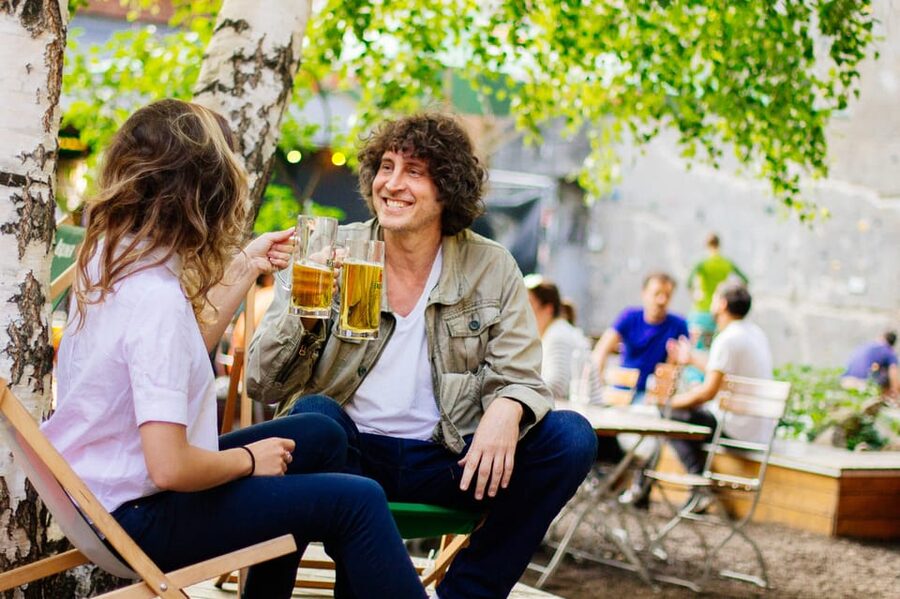
One of the most promising parts of the route is a courtyard favored by contemporary artists. The exact character of the space is more important than a simple photo stop. You hear how it managed to survive against the odds and what the art is trying to say.
This is where the tour can move beyond the usual street-art hunt. A good guide should help you read the courtyard as a place shaped by conflict, creativity, and competing ideas about urban space.
You might find the art playful, rough, political, or deliberately hard to understand. That is part of the point. Berlin’s alternative art is not always made to decorate a wall. It can challenge property owners, city planners, tourists, and the people who live nearby.
The route is strongest when the guide connects these works to daily life. Ask questions about who uses the space, how it changed over time, and what pressures it faces now. Since this is a private group, you have more room to steer the discussion toward the subjects that interest you.
Blu’s Pink Man and the cost of gentrification
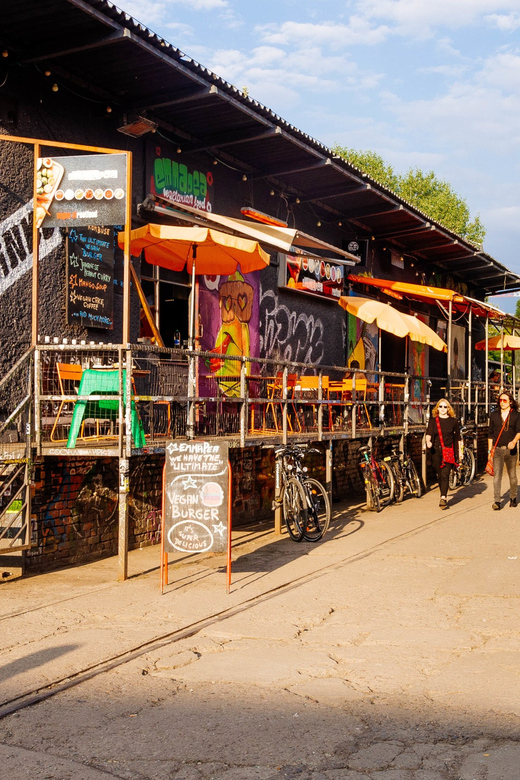
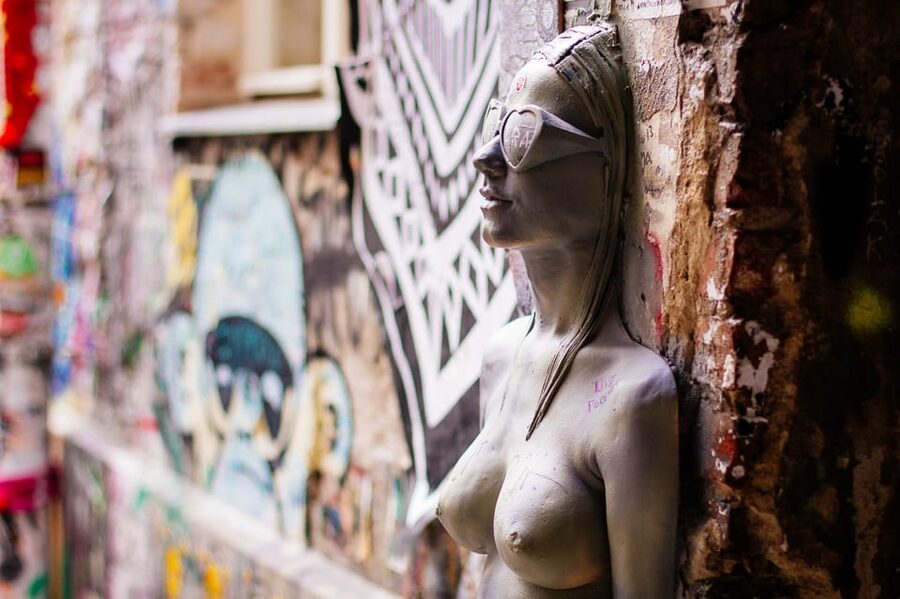
The stop at Pink Man, created by the well-known street artist Blu, gives the tour a sharper political edge. The work is tied to Blu’s protest against gentrification and his wider ethical projects.
This is an important stop because it shows that Berlin’s street art is not just a collection of colorful backdrops. Artists can use public walls to object to development and to question the transformation of neighborhoods once known for cheaper rents and alternative culture.
Gentrification is a complicated subject, and a three-hour tour cannot explain every part of it. Still, this stop gives you a clear starting point. You can think about the tension between making a district attractive and making it too expensive for the people and artists who gave it character.
I would pay close attention here rather than treating the mural as a quick picture stop. The story behind the work is one of the more distinctive elements of the route, and it helps explain why Berlin’s urban art often carries a message beneath the surface.
The condition of street art can change. Murals may be painted over, damaged, or removed, so the exact view can vary from one date to another. The broader story remains useful even when the city’s walls keep changing.
Still Berlin, at a slower pace:
- Discover Berlin Half-Day Walking Tour
★ 5.0 · 9,624 reviews - Berlin: Hop-on Hop-off Bus Tour with Live Commentary
★ 4.3 · 8,579 reviews - Berlin: Government District around the Reichstag Guided Tour
★ 4.7 · 8,447 reviews - Berlin: Reichstag, Plenary Chamber, Cupola & Government Tour
★ 4.6 · 8,422 reviews
A beer garden pause at Urban Spree
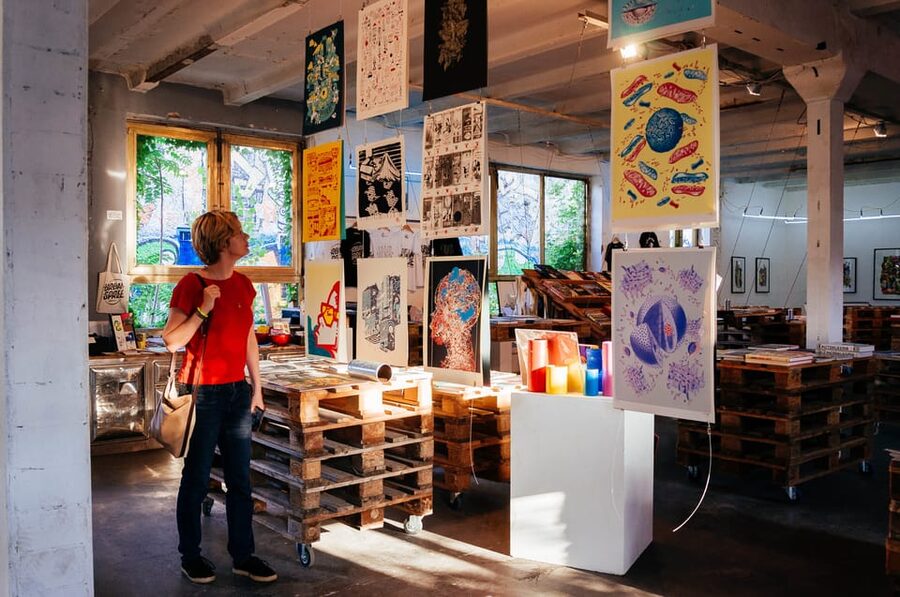
After the art and neighborhood stories, the tour gives you time to relax with a drink at a hip beer garden by Urban Spree. This is a welcome change of pace. You can stop looking closely at walls and simply notice how Berliners spend part of an evening.
The stop is also a reminder that alternative culture is not only about protest. It includes music, food, drinks, creative spaces, and informal social life.
The practical catch is clear: drinks and food are not included. The tour description highlights German beer, but you pay for anything you order yourself. At $116 per person, I would not book this expecting a fully paid tasting experience.
Instead, think of the drink as an optional social pause. If you want to keep costs down, you can ask the guide how long the stop lasts and decide what suits your budget. The supplied details do not promise snacks, a tasting flight, or a specific beer brand.
This stop may be one of the best parts for people who want a feel for Berlin after dark, but the timing matters. Starting times vary, so check the available departure time before booking if an evening atmosphere is important to you.
Crossing past the East Side Gallery
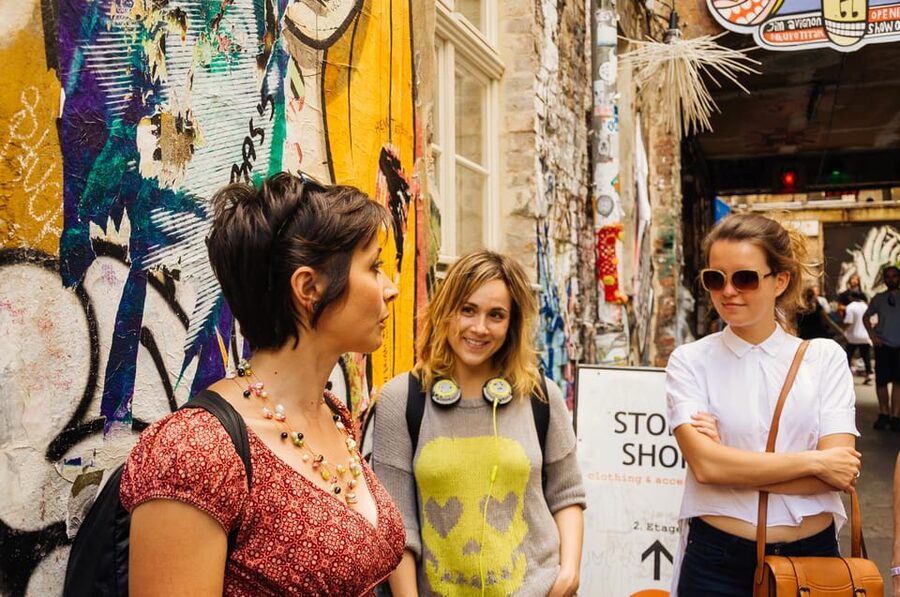
The route continues past the East Side Gallery, one of Berlin’s most recognizable sections of surviving Wall. Artists from around the world have painted the remaining stretch, turning a former barrier into an open-air display.
This stop adds a different scale to the tour. Earlier, you may be looking at individual works in courtyards and along neighborhood streets. Here, the art is tied directly to the Berlin Wall and the city’s division.
The East Side Gallery is popular, so it may feel less offbeat than other parts of the walk. That is not a weakness. It gives the tour a link to a major Berlin sight while keeping the focus on artists and public space.
One useful benefit is that you do not need to devote a separate visit to the gallery if this route already suits your plans. A past booking praised the chance to see different neighborhoods, notable streets, markets, and the East Side Gallery in one outing.
Do not expect the tour to replace a full historical tour of Berlin. The emphasis here is the role of art and the way the Wall remains part of the city’s public life.
The tiny cinema with 1970s style
The stop at Berlin’s smallest cinema adds a quirky detail that keeps the route from becoming a parade of murals. It is known for international films and a 1970s feel.
This is the kind of place you might miss if you only follow the main tourist path. Its value lies in atmosphere and local character rather than size or spectacle.
The cinema also gives you another way to think about alternative culture. Berlin’s independent side can appear in film, music, design, art, and small social spaces, not only on exterior walls.
The available information does not say that you watch a film or enter for a screening, so treat this as a stop and a story rather than a cinema ticket. If you love unusual cultural places, it should be a pleasant addition. If you want long visits at every location, the three-hour schedule may feel brisk.
Finishing around Boxhagener Platz
The tour ends near Boxhagener Platz, a good place to sit, relax, and continue enjoying Berlin’s urban atmosphere after the guide leaves.
Ending here makes practical sense. You are not finishing at an isolated landmark with nothing around it. The area gives you a chance to extend the evening, find a place to eat, or simply watch neighborhood life for a while.
The final stop also fits the tour’s purpose. You finish in an area associated with the city’s social and alternative side, rather than at a grand monument where the experience suddenly shifts back to standard sightseeing.
Food is not included, so Boxhagener Platz can be useful if you want to make your own plans afterward. The tour does not provide a specific restaurant recommendation in the supplied details, so do not book it as a guided meal outing.
What the private format changes
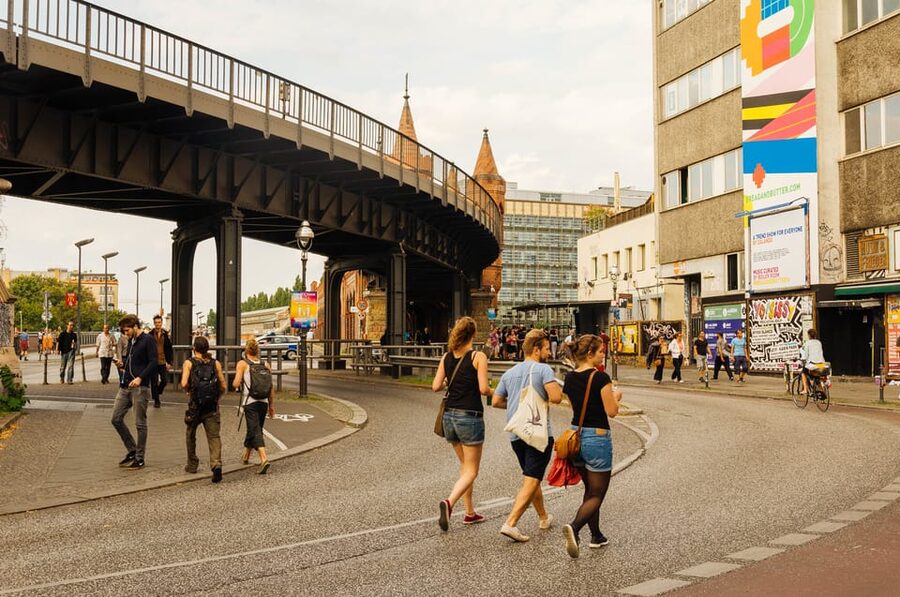
A private group is the strongest practical feature of this tour. You can ask more questions, move at a pace that suits your party, and focus on the subjects you care about most.
That format is especially helpful for street art. A group interested in politics may want more time at Pink Man. Another group may care more about photography, contemporary art, or neighborhood life. A private guide can usually respond to those interests better than a fixed large-group walk.
The downside is price. At $116 per person, the cost is easier to justify for a small party that values personal attention. For one person or a couple, it requires more thought, particularly because food and drinks are additional.
The guide is the key variable. Strong feedback highlights excellent guides, with one French-speaking guide praised for her city knowledge, cultural background, kindness, and fluent French. The booked tour is listed as English, so you should not assume French service unless it is confirmed for your date.
There is also one less positive account describing a guide who seemed unfocused and did not provide the expected direction or refreshments. That warning does not prove a pattern, but it makes a useful point: this route depends heavily on the person leading it.
Transport, timing, and comfort
The tour lasts three hours and includes one subway ticket per person. Pickup and drop-off are not included, so you meet at Hackescher Markt and make your own way afterward.
The subway ticket is a small but useful inclusion. It keeps the route from being limited to one compact neighborhood and helps connect the different parts of Berlin’s urban scene.
Starting times depend on availability. Check the time carefully, especially if you want the Urban Spree beer-garden stop to have an evening feel or if you have a dinner reservation afterward.
Comfortable shoes are essential. The tour is not suitable for wheelchair users or people with mobility impairments, according to the stated restrictions. The route includes walking through urban districts and a subway connection, so anyone with mobility concerns should choose a different activity.
Free cancellation is available up to 24 hours before the tour for a full refund, and you can reserve now and pay later. Those terms give you some flexibility if your Berlin plans are still shifting.
Is $116 per person good value?
The price is fair only if you want the private guide and the subject matter. You are paying for local interpretation, a custom group format, and a route that links several parts of Berlin’s alternative culture.
You are not paying for a meal, a beer tasting, hotel pickup, or entrance tickets to a major attraction. The included subway ticket is helpful but does not change the main calculation.
I would see the value this way:
- Good value for a private group: A small party that wants a personal route and plenty of questions may find the price reasonable.
- Less convincing for budget visitors: If you mainly want to photograph street art and visit the East Side Gallery, you may prefer to explore independently.
- Worth it for context: If you want explanations about artists, gentrification, and neighborhood change, the guide adds something a map cannot.
- Budget extra money: You pay separately for all drinks and food, including the beer-garden stop.
The 4.7 out of 5 rating from 43 ratings suggests a generally strong experience, with particularly warm praise for the guides and the range of neighborhoods. Still, the mixed account about organization is worth keeping in mind because a private tour at this price should feel well planned.
Who should book this Berlin tour?
I would recommend it to first-time Berlin visitors who have already seen the main landmarks or want to pair them with something less formal. It suits people who enjoy street art, independent cinemas, local beer gardens, and discussions about city change.
It is also a good fit for couples, families with older children, or friends who want a private outing instead of a large scheduled group. Art students and visitors interested in public space may get the most from the stops at the courtyard and Pink Man.
I would be more cautious if you need guaranteed food, a structured historical lecture, or a route designed for limited walking. It is also not a good choice for wheelchair users or people with mobility impairments.
Should you book the Urban Jungle Tour?
Book it if you want Berlin explained through its alternative districts, public art, and everyday social spaces. The route has a clear personality, and the best parts are the courtyard, Blu’s Pink Man, Urban Spree, and the link to the East Side Gallery.
Skip it if $116 feels steep for a walking tour, or if you mainly want included drinks and snacks. If you do book, wear comfortable shoes, budget separately for refreshments, and use the private format by asking questions about gentrification, the artists, and how the neighborhoods have changed.
The experience can be excellent with a strong guide. Its highest praise centers on personal guiding, local stories, and the mix of neighborhoods. That is exactly what you are buying here, not a standard monument tour.
FAQ
How long does the Urban Jungle Tour last?
The tour lasts three hours.
What language is the tour conducted in?
The live tour guide speaks English. English is the listed tour language.
Where does the tour meet?
You meet your local host in front of Butler’s Gift Shop at Hackescher Markt.
Is transportation included?
One subway ticket per person is included. Pickup and drop-off are not included.
Are food and drinks included?
No. Additional drinks and food are not included, including purchases made during the beer-garden stop.
Is the tour suitable for wheelchair users?
No. The tour is not suitable for wheelchair users or people with mobility impairments.
Just added around Berlin
- Private Walking Tour in Berlin: Hitler’s Germany & WWII★ 5.0 · 7 reviews
- The History of Berlin: WWII PRIVATE Walking Tour With Locals★ 5.0 · 209 reviews
- Private Berlin WWII and Cold War History Tour with Local Expert Guide★ 5.0 · 28 reviews
- Private Walking Tour Berlin 3 hours: Brandenburg, Historic Center★ 5.0 · 7 reviews
- Berlin: Private Bike Tour of the Berlin Wall and Third Reich★ 5.0 · 23 reviews
- Berlin: Guided Private Bike Tour to Explore the Highlights★ 5.0 · 12 reviews
- Berlin Photography Masterclass – Private Photography Lesson★ 4.5 · 23 reviews
- Group Driving Tour 1 to 6 people. Berlin Shore Excursion incl pick-up at Port★ 5.0 · 8 reviews
Berlin Tours, compared.
Reichstag, Dome and Government District Guided Tour
Read our review →
1-Hour City Tour by Boat with Guaranteed Seating
Read our review →
Government District around the Reichstag Guided Tour
Read our review →
Reichstag, Plenary Chamber, Cupola & Government Tour
Read our review →