Reviewed · BERLIN TOURS
Gastro Tour with Klaus though the Wrangelkiez, Kreuzberg
Berlin tastes better on foot. This three-hour tour pairs Kreuzberg history with five food stops, taking you from Oberbaumbrücke and old border sites into the international eateries of the Wrangelkiez. I like the mix of landmarks and ordinary neighborhood streets, and I like that Klaus personally selects the tastings rather than sending you to a fixed tourist menu.
The food is substantial enough to make a meal, according to the experience details, and the small group is capped at 15 people. The main consideration is that drinks cost extra, and some tastings may come from street-food stalls, so this suits you best if you enjoy an informal evening rather than a polished restaurant crawl.
In This Review
- Five things to know before booking
- Why this Kreuzberg food walk is different
- Oberbaumbrücke sets the tone
- Lohmühleninsel offers a quieter pause
- A GDR watchtower recalls the border
- Görlitzer Park comes with a frank explanation
- Falckensteinstraße is where the tasting begins
- Wrangelstraße brings food and architecture together
- What the $83.08 price really covers
- The guide makes the difference
- Who should book this experience?
- Cancellation and planning advice
- My final take on the Wrangelkiez food tour
- FAQ
- How long does the Gastro Tour with Klaus last?
- How much does the tour cost?
- What food is included?
- Are drinks included?
- What language is the tour offered in?
- Where does the tour begin?
- Where does the tour end?
- How many people can join the tour?
- Can I cancel for a full refund?
Five things to know before booking
- Five tastings are included: You stop at five gastro partners, with selected samples included in the $83.08 price.
- Kreuzberg comes with context: The route explains the Oberbaumbrücke, Berlin’s former border, a preserved GDR watchtower, and Görlitzer Park.
- Klaus leads the walk: His role is central, since he adds neighborhood stories and points out foods you might otherwise pass by.
- The route ends near transit: The final stop is around Schlesisches Tor, where the subway runs above ground.
- The group stays small: A maximum of 15 people keeps the walk more personal than a large bus or food tour.
- Plan for an informal setting: Tastings may be at street-food stalls, and drinks are not included.
Why this Kreuzberg food walk is different
Many Berlin food tours focus on famous dishes or a short list of restaurants. This one takes a broader view. Food is the reason to walk, but the neighborhood is the subject.
You begin near Cuvrystraße, at the edge of the Wrangelkiez, then move through places shaped by Berlin’s division and reunification. Along the way, Klaus connects bridges, parks, leftover border structures, churches, and immigrant-run food businesses. That combination gives the meal a sense of place.
I especially like the balance. You are not spending three hours only listening to Berlin history, and you are not simply eating one sample after another without knowing where you are. The stops are short enough to keep the route moving, while the food breaks give you time to pause.
The tour is offered in English and uses a mobile ticket. It runs for about three hours, so you should allow a full evening around it rather than scheduling a museum or concert immediately afterward.
A few more Berlin trips worth comparing
- Berlin: Reichstag, Dome and Government District Guided Tour
★ 4.7 · 18,288 reviews - Berlin: 1-Hour City Tour by Boat with Guaranteed Seating
★ 4.3 · 16,993 reviews - Berlin: Boat Tour Along the River Spree
★ 4.4 · 11,252 reviews
Oberbaumbrücke sets the tone
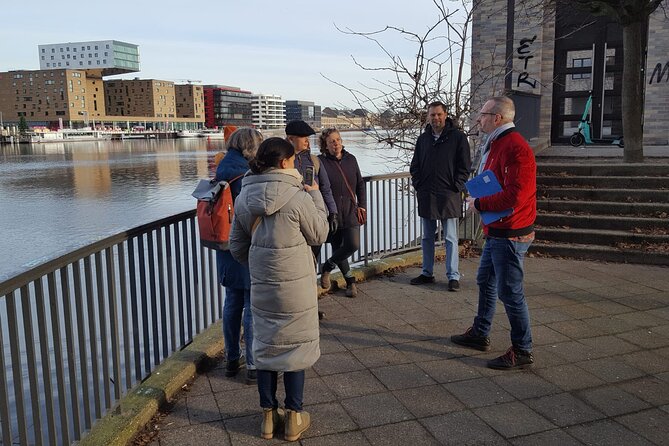
The first stop is Oberbaumbrücke, one of Berlin’s best-known bridges. You spend about 10 minutes here, with no admission fee.
The bridge is important not only because it is photogenic. It links the districts on either side of the Spree and carries the memory of Berlin as a divided city. Its role as a connection between East and West gives Klaus a useful opening point for the rest of the walk.
This is not a long bridge tour, so you should not expect a detailed architectural lecture or time to explore every corner. Instead, the stop gives you orientation. You learn why this crossing matters, then continue into the less familiar parts of the neighborhood.
I like this approach because the bridge becomes more than a photo stop. You start to see Kreuzberg as a district shaped by borders, movement, and changing communities.
Lohmühleninsel offers a quieter pause
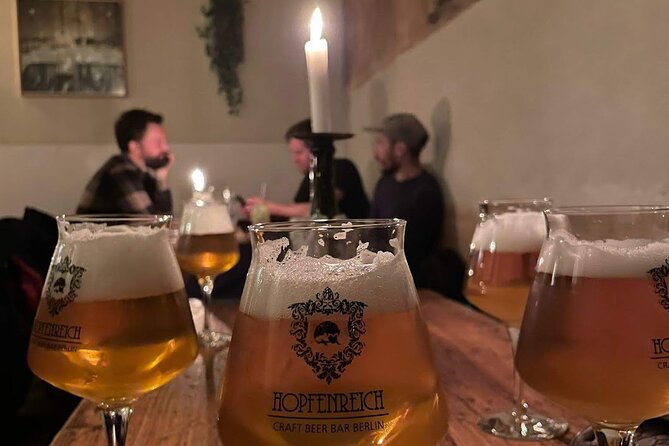
Next comes Lohmühleninsel, a small parcel of land with an eventful past and lesser-known architectural monuments. The stop lasts about 10 minutes and is free.
This section should appeal to you if you enjoy Berlin’s odd corners. It is not one of the city’s headline attractions, and that is exactly its value. Klaus uses the area to show how local stories can sit just a few minutes from major sights.
The description does not promise an extended visit inside a monument, so think of this as a short outdoor explanation. You will hear about the area and its architecture while walking through the neighborhood. Comfortable shoes matter more here than formal sightseeing gear.
The route’s early stops also help spread out the food. You do not begin with a heavy meal and then struggle through the history. Instead, the walking and tasting sections alternate.
A GDR watchtower recalls the border
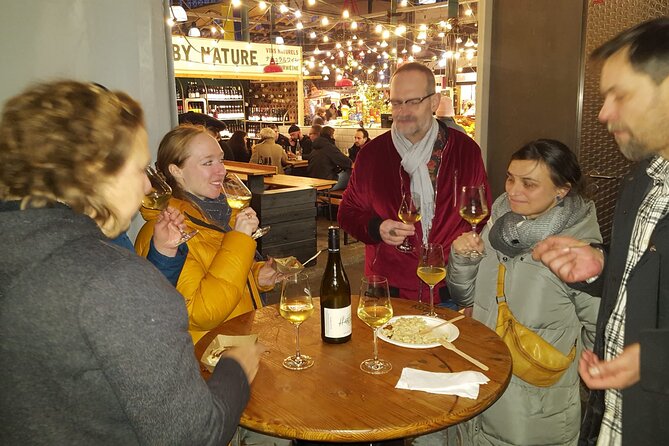
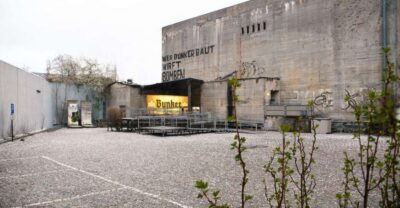
The preserved GDR watchtower is a brief stop of about five minutes. It marks the former border zone, where Kreuzberg and Alt-Treptow once sat at the edge of divided Berlin.
A watchtower can look small and plain compared with Berlin’s grand buildings, but its meaning is considerable. This remnant shows how the Wall changed the position of entire neighborhoods. Places that now feel central once occupied a peripheral position, cut off by a heavily controlled border.
You will not spend long here, and that is probably right. A five-minute stop is enough to understand the object’s role without allowing the route to become a formal Cold War history lesson.
I find this kind of stop useful because it keeps the story grounded. Instead of only hearing about the Wall in a museum, you see a physical remnant in the neighborhood where daily life was affected by it.
Still Berlin, at a slower pace:
- Discover Berlin Half-Day Walking Tour
★ 5.0 · 9,624 reviews - Berlin: Hop-on Hop-off Bus Tour with Live Commentary
★ 4.3 · 8,579 reviews - Berlin: Government District around the Reichstag Guided Tour
★ 4.7 · 8,447 reviews - Berlin: Reichstag, Plenary Chamber, Cupola & Government Tour
★ 4.6 · 8,422 reviews
Görlitzer Park comes with a frank explanation
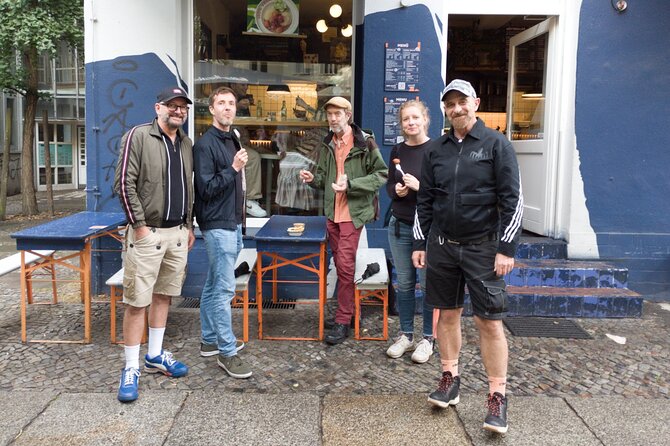
The walk continues to Görlitzer Park, a local recreation area with its own complicated reputation. Klaus explains its history, how it serves the neighborhood, and why some people view it as problematic today. The stop lasts around 10 minutes.
This is one of the more candid parts of the experience. You are not shown a park and given only a polished postcard version. The tour acknowledges that public spaces can be useful, contested, and imperfect at the same time.
The details supplied for this tour do not promise a long walk through the entire park, so expect a brief orientation and discussion rather than a park excursion. The tone appears practical and local, which suits the rest of the route.
For you, the value is context. Görlitzer Park is not just green space between food stops. It is part of the neighborhood’s present-day identity, and the explanation helps you understand why it has a mixed reputation.
Falckensteinstraße is where the tasting begins
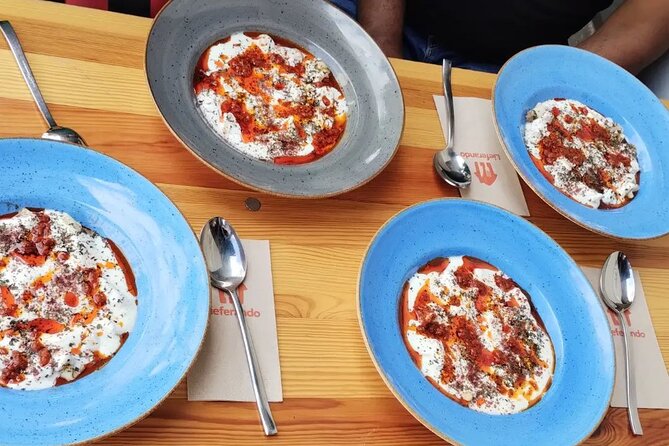
The most food-focused part of the walk arrives on Falckensteinstraße, one of the neighborhood’s main streets. You spend about 30 minutes here, exploring its unusually dense range of international food offers.
This is where Klaus’s personal recommendations matter most. Rather than asking you to pick a random stall, he brings you to places he has tested himself. That saves you the common first-visit problem of choosing a restaurant based only on a crowded doorway or a menu you cannot quite interpret.
The tour includes tastings at five gastro partners in total. Some may be street-food stalls, so you should expect a relaxed setup rather than table service at every stop. Drinks are not included, which is worth remembering if you normally pair a food tasting with beer, wine, or soft drinks.
One useful detail is the amount of food. The supplied experience information says the tastings can add up to enough for a meal. That makes the price easier to assess, especially since you are also paying for a guided walk and neighborhood interpretation.
The food mix is a major strength. One direct comment about the experience praised the fusion of foods from different cultures as refreshing. You may encounter dishes you have not tried before, and Klaus can help you decide what is worth sampling rather than leaving you to guess.
Do not expect a formal cooking class. The purpose is tasting and discovery, not learning recipes or watching a chef prepare a full dish. If you want a sit-down meal with a printed menu and your own large entrée, this may feel less structured.
Wrangelstraße brings food and architecture together
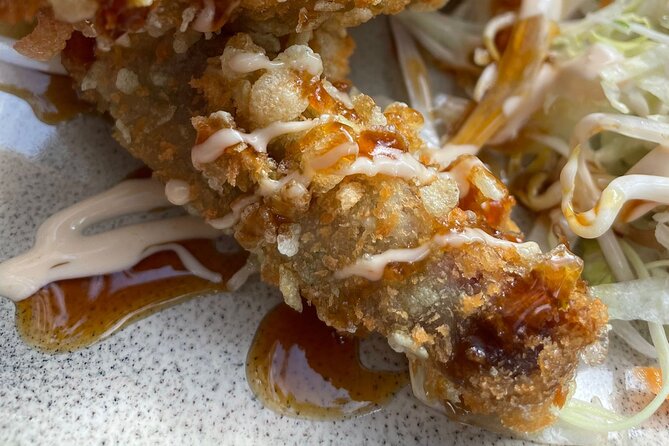
From Falckensteinstraße, the international food offerings continue along Wrangelstraße, the street that gives the neighborhood its name.
This part of the route combines another food stop with a look at a church built in the style of a Romanesque monastery. That pairing captures the character of the tour. One minute you are considering a snack from a small food business, and the next you are looking at a building that reflects an older European architectural tradition.
The listed time here is about 20 minutes, though the full three-hour experience includes the five tastings and the earlier stops. The exact ending point can vary by season and by the gastro partner in use.
At the end, Klaus gives you a choice. You can rest in a Kiez pub, or he can take you to Schlesisches Tor station. That flexibility is practical. You can continue your evening with a drink, or leave directly by public transport.
The station is notable because the subway there is not underground. The route ends in the Schlesisches Tor area, close to transit and within the same general 10997 postal district as the meeting point.
What the $83.08 price really covers
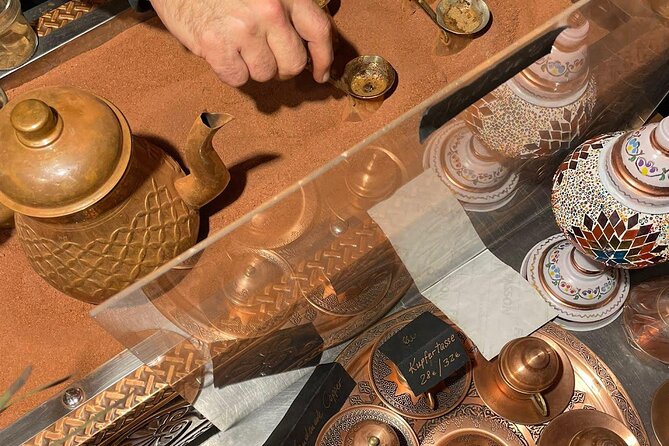
At $83.08 per person, this is not a cheap snack walk. It becomes better value when you count the five included tastings, the three hours of guiding, and the small group limit of 15.
The food matters most. If the portions add up to a meal, you may not need to buy dinner afterward. That changes the calculation from paying for a few bites to paying for an evening meal with a guide and local orientation.
The history also gives the price more weight. You are not simply being taken to five places to eat. The tour explains the bridge, border remains, park, streets, and architecture that shape the area. If you planned to explore Kreuzberg on your own, the tour could save time and reduce the risk of missing places that are not obvious to first-time visitors.
There are limits. Drinks are extra, and the tasting format means you may not control every dish or portion. The tour also does not include admission to paid attractions, though the listed stops are free.
I would see this as good value for a curious eater who wants both food and local background. It is less compelling for you if your main goal is a luxury dining experience or a long, relaxed meal at one restaurant.
The guide makes the difference
Klaus is the guide, and the experience depends heavily on his ability to connect the food with the neighborhood. The available comments describe him as engaging and well informed, with useful local stories and a willingness to introduce foods you might not try alone.
That personal element is important. A food list can be copied from a map, but a guide can explain why a particular place matters, what he recommends, and how the neighborhood has changed.
The group limit of 15 should help. It is not a private tour, but it is small enough for a more direct exchange than you would get with a large group. If you have a question about the history or food, there is a reasonable chance to ask it.
The tour runs in English, which makes it suitable for English-speaking visitors who want more than a basic restaurant recommendation. Confirmation is sent within 48 hours, subject to availability, so it is sensible to reserve ahead. The experience is booked, on average, 94 days before the date, suggesting that popular dates may fill well before the visit.
Who should book this experience?
I would recommend this tour to you if you:
- Like trying several kinds of food in one evening
- Prefer neighborhood streets to major sightseeing routes
- Want Berlin’s 20th-century history explained in the places where it happened
- Enjoy informal stalls as well as established food businesses
- Prefer a small group and an English-speaking guide
- Want a substantial tasting experience rather than a single snack
It may not suit you if you need a carefully controlled menu, have strict dietary requirements that have not been discussed in advance, or dislike walking between several short stops. The supplied details do not specify dietary accommodations, so you should ask before booking if that matters to you.
Most people can participate, and the route is near public transportation. Still, the experience involves moving through streets, parks, and food stops for about three hours, so practical walking shoes are a sensible choice.
Cancellation and planning advice
You can cancel free of charge up to 24 hours before the local start time for a full refund. Changes or cancellations made less than 24 hours ahead are not accepted for a refund.
The tour requires a minimum number of participants. If that minimum is not reached and the experience is canceled, you are offered another date or experience, or a full refund.
The meeting point is Cuvrystraße 2, 10997 Berlin. The finish is around Schlesisches Tor, though the exact gastro partner can vary by season. Since the start and end are different, check your route before setting out and do not assume you will return to the meeting point.
My final take on the Wrangelkiez food tour
I like this experience because it treats Kreuzberg as a living neighborhood, not just a backdrop for snacks. The bridge, watchtower, park, church, and food streets all contribute to the evening, while Klaus provides the thread connecting them.
Book it if you want five tastings, local stories, and a useful first look at the Wrangelkiez. Skip it if you want a formal restaurant meal, included drinks, or a tightly scripted sightseeing tour. For most curious eaters, the mix of food and history makes the $83.08 cost reasonable, particularly if the tastings replace dinner.
FAQ
How long does the Gastro Tour with Klaus last?
The tour lasts approximately three hours.
How much does the tour cost?
The listed price is $83.08 per person.
What food is included?
You stop at five gastro partners and receive a selected tasting at each one. Some tastings may come from street-food stalls.
Are drinks included?
No. Drinks are not included in the tour price.
What language is the tour offered in?
The tour is offered in English.
Where does the tour begin?
The starting point is Cuvrystraße 2, 10997 Berlin, Germany.
Where does the tour end?
The tour ends near Schlesisches Tor in Berlin. The exact gastro partner used for the ending can vary by season.
How many people can join the tour?
The experience has a maximum group size of 15 people.
Can I cancel for a full refund?
Yes. You can cancel at least 24 hours before the local start time for a full refund. Cancellations made less than 24 hours before the start are not refunded.
Just added around Berlin
- Private Walking Tour in Berlin: Hitler’s Germany & WWII★ 5.0 · 7 reviews
- The History of Berlin: WWII PRIVATE Walking Tour With Locals★ 5.0 · 209 reviews
- Private Berlin WWII and Cold War History Tour with Local Expert Guide★ 5.0 · 28 reviews
- Private Walking Tour Berlin 3 hours: Brandenburg, Historic Center★ 5.0 · 7 reviews
- Berlin: Private Bike Tour of the Berlin Wall and Third Reich★ 5.0 · 23 reviews
- Berlin: Guided Private Bike Tour to Explore the Highlights★ 5.0 · 12 reviews
- Berlin Photography Masterclass – Private Photography Lesson★ 4.5 · 23 reviews
- Group Driving Tour 1 to 6 people. Berlin Shore Excursion incl pick-up at Port★ 5.0 · 8 reviews
Berlin Tours, compared.
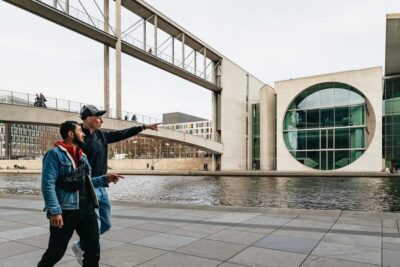
Reichstag, Dome and Government District Guided Tour
Read our review →
1-Hour City Tour by Boat with Guaranteed Seating
Read our review →
Government District around the Reichstag Guided Tour
Read our review →
Reichstag, Plenary Chamber, Cupola & Government Tour
Read our review →