
Reviewed · DUISBURG TOURS
Hut tour Duisburg-Nord Landscape Park
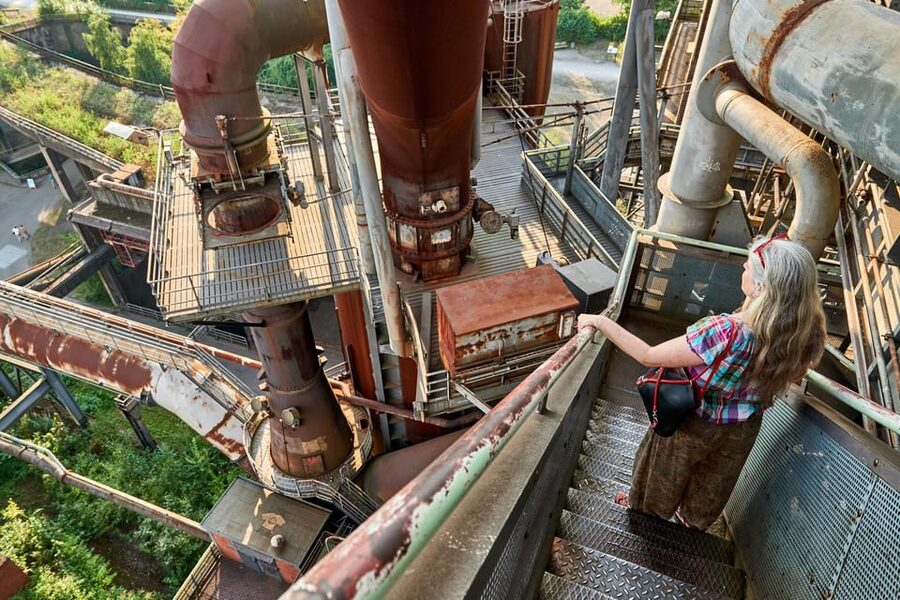
Steel tells a hard story. This tour takes you through the former Meiderich ironworks, where blast furnace technology, dangerous work, and the region’s industrial past become clear inside a remarkable monument. I like the Path of the Iron, which follows the production process from the Gout to the Torpedo Ladle Car. I also like the sheer jumble of pipes, stairs, platforms, boilers, and scaffolding around you. The main drawback is practical: this is not a barrier-free tour, and the route does not suit people with mobility, sight, or hearing impairments.
At $23 per person, the 105-minute walk offers good value if you want more than a quick look at the park. The guide explains both how the plant worked and what life was like for its employees. The tour is in German, so you will need enough German to follow a spoken explanation. Wear weatherproof clothing and sturdy, comfortable shoes. Rain did not spoil the experience for one family, and guide Manuela earned especially warm praise for making the subject clear and interesting.
In This Review
- Key points to know before you book
- Why Duisburg-Nord makes a strong tour setting
- Starting at the Visitor Center
- Following the Path of the Iron
- The blast furnace and the industrial maze
- What the tour says about work at Meiderich
- The new life of an old steelworks
- The guide can make or break the experience
- Price, timing, and who gets good value
- Accessibility and practical limits
- Should you book the Duisburg-Nord hut tour?
- FAQ
- Where does the tour meet?
- How long does the tour last?
- What language is the tour offered in?
- How much does the tour cost?
- What does the tour cover?
- Which parts of the ironmaking process are included?
- Is the tour accessible for people with mobility impairments?
- Can children join the tour?
- Are dogs allowed?
- What should I wear?
Key points to know before you book
- You follow the ironmaking process: The route traces production from the Gout to the Torpedo Ladle Car, giving the tour a clear technical structure.
- The setting is the former Thyssen steelworks: You walk through an authentic industrial monument, not a modern museum built to imitate a factory.
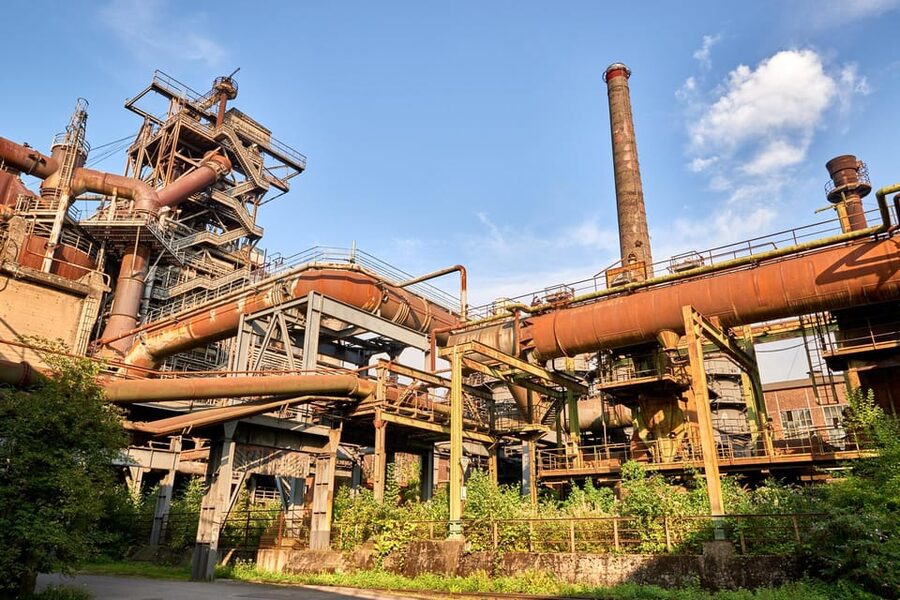
- The machinery is the main spectacle: Pipes, boilers, stairways, platforms, and scaffolding create a wonderfully confusing industrial maze.
- The tour explains working life as well as machinery: You hear about technology, the history of the Meiderich ironworks, and working conditions.
- Manuela has received strong praise: Recent tour feedback singles her out as clear, informative, and impressive.
- The physical demands matter: The route is not barrier-free and is unsuitable for people with mobility, visual, or hearing impairments.
Why Duisburg-Nord makes a strong tour setting
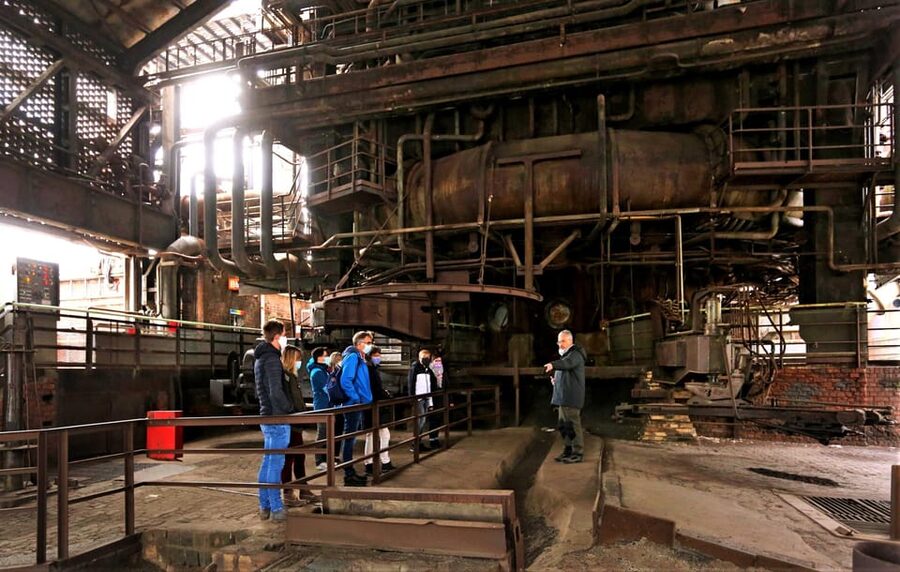
Duisburg-Nord Landscape Park is not simply a pretty park with a few old machines placed around it. The former Meiderich ironworks is the attraction. Its blast furnaces, industrial structures, and working equipment remain central to the experience.
That matters because the place gives scale to the story. A guide can explain iron production in a classroom, but it is harder to grasp the size and complexity of a steelworks until you are surrounded by its steel framework. You see the spaces where raw materials were moved, heated, processed, and carried onward.
The site also tells a larger story about northern Germany. The Meidericher Hütte once belonged to a major industrial world built around mining and steel. Today, its new cultural use reflects the structural change that reshaped the region. The tour lets you see both periods at once: the physical remains of heavy industry and the present-day use of the site as a cultural destination.
I find that contrast more useful than a simple old-factory visit. You are not only looking at abandoned equipment. You are learning why the works mattered, how it operated, and why preserving it has value now.
A few more Germany trips worth comparing
- Torchlight tour of the old ironworks
★ 4.7 · 164 reviews - Duisburg Landscape Park GPS treasure hunt in old ironworks
★ 3.9 · 23 reviews - Schimmi tour pure (without catering)
★ 4.9 · 19 reviews
Starting at the Visitor Center
The meeting point is the Visitor Center. This is a sensible place to begin because you can get oriented before entering the industrial site. The tour lasts 105 minutes, or one hour and 45 minutes, so allow enough time to arrive without rushing.
The experience is guided rather than self-led. That makes a real difference here. Without an explanation, the maze of pipes and platforms could become a collection of impressive but hard-to-read shapes. The guide gives those structures a job and a place in the production sequence.
The tour is offered in German only. If you understand German well enough to follow a detailed spoken presentation, you should get much more from the visit. If you do not, the scale of the site may still be striking, but the technical explanations and discussion of working conditions will be difficult to follow.
The booking terms are friendly for changing plans. You can cancel up to 24 hours before the start for a full refund, and you can reserve now while paying later. Check the available starting times before booking, since the duration is fixed but the start time depends on availability.
Following the Path of the Iron
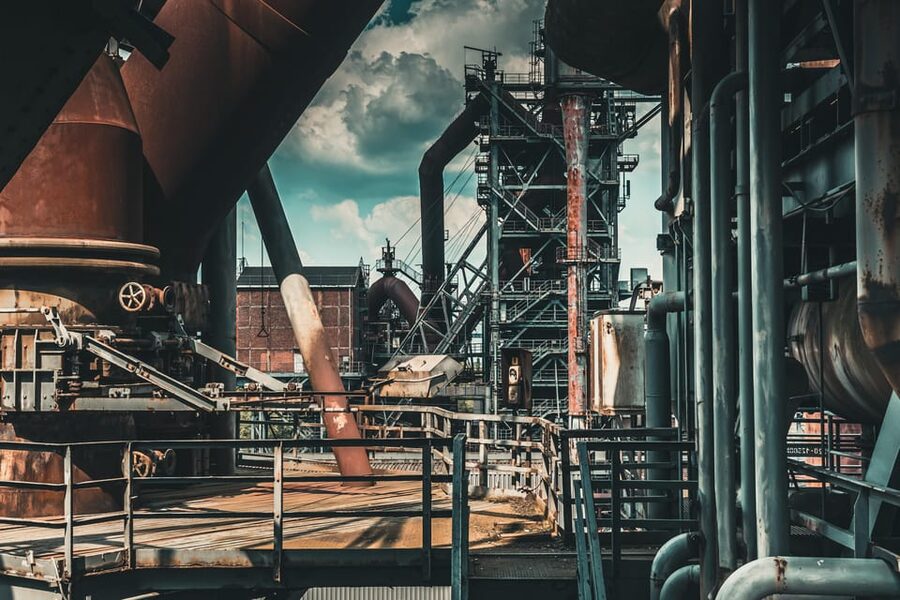
The most useful part of the route is its clear industrial logic. Rather than wandering among structures without a story, you follow the Path of the Iron. The tour moves through the blast furnace process from the Gout to the Torpedo Ladle Car.
The supplied information does not give a minute-by-minute schedule or list every physical stop, so you should not expect a fixed museum-style sequence with separate rooms and display cases. Instead, the guide uses the structures around you to explain blast furnace technology and the movement of molten iron through the plant.
The Gout and the Torpedo Ladle Car are especially helpful reference points. They give the route a beginning and an end, allowing you to picture the production process as a chain rather than a set of unrelated machines. You will hear how the plant handled iron and how the technology fit together.
This is where the guide’s skill matters most. Industrial terms can quickly become a wall of jargon. Manuela has been praised for explaining the subject in a clear and engaging way, and that is exactly what you want on a technical tour. Her approach appears to make the machinery easier to read without reducing the subject to a few simple facts.
The blast furnace and the industrial maze
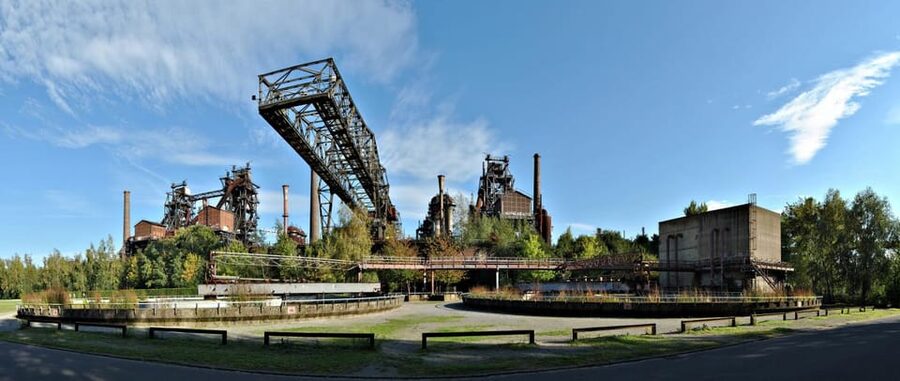
The physical setting is dramatic in a very practical way. You are surrounded by an almost bewildering mass of scaffolding, pipes, boilers, stairs, and platforms. The confusion is part of the appeal. A steelworks was not designed for easy sightseeing. It was built to keep a complex process moving.
I like that the tour does not hide this complexity. The structures show how much infrastructure was needed to produce iron at an industrial scale. Every staircase and pipe suggests movement, access, heat, pressure, or material handling. The result is a place that feels more like a working machine than a static monument.
At the same time, you should keep your expectations realistic. This is not a polished exhibition with easy paths and a neatly labeled object at every turn. The value comes from seeing the original industrial environment while listening to a guide explain it. If you prefer short facts, tidy displays, and a quick photo stop, the route may feel demanding.
For me, the reward is the shift in perspective. At first, you see steelwork. Then you begin to understand how the separate parts supported the production of iron. The site becomes easier to read as the guide connects the equipment to the process.
Still Germany, at a slower pace:
- Berlin: Reichstag, Dome and Government District Guided Tour
★ 4.7 · 18,288 reviews - Berlin: 1-Hour City Tour by Boat with Guaranteed Seating
★ 4.3 · 16,993 reviews - Hamburg: Sex and Crime in St. Pauli Tour for Ages 18+
★ 4.7 · 15,447 reviews - Hamburg: 1.5-Hour Harbor and Speicherstadt Day Cruise
★ 4.6 · 14,200 reviews
What the tour says about work at Meiderich
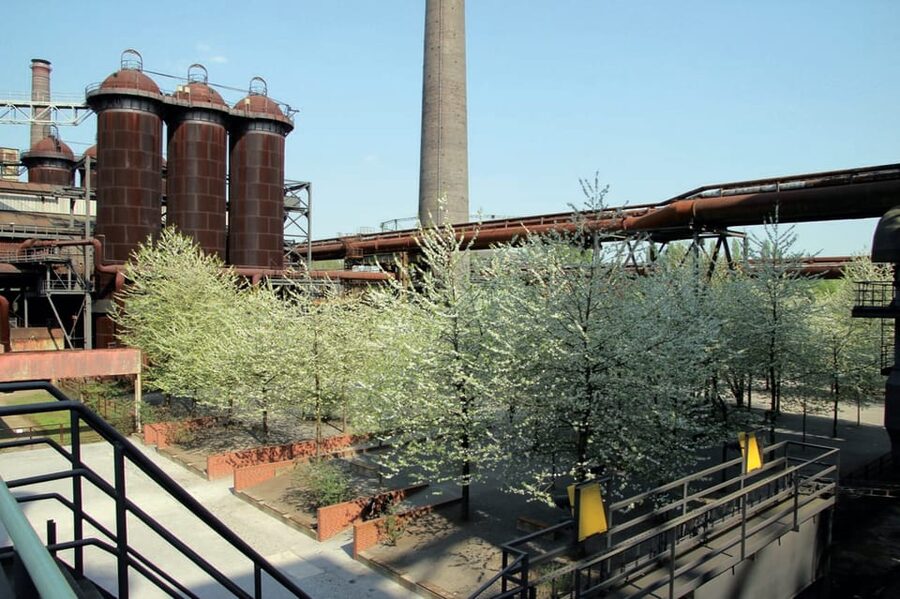
The tour is not limited to machines. It also covers the working conditions and daily life connected with the Meiderich ironworks. That human element keeps the experience from becoming a purely technical lesson.
Heavy industry depended on workers who operated and maintained a dangerous, complicated system. The tour explains the world of the plant in a way that helps you think about the people behind the machinery. You get a clearer sense of why the works were important to the region and what industrial employment meant there.
This focus is one of the strongest reasons to choose a guided tour instead of exploring the park alone. The structures can show you size and engineering, but the guide supplies the human context. You learn what the plant did and gain a better understanding of the conditions in which it operated.
The subject should suit adults and older children who enjoy history, engineering, or social change. Children under 10 are not permitted. The experience may work for some older children, too. One recent family found it interesting for children aged 11, 13, 14, 15, and 17, even in rainy weather. That does not mean every child will enjoy 105 minutes of industrial history, but the guide’s storytelling can make the subject accessible to teenagers.
The new life of an old steelworks
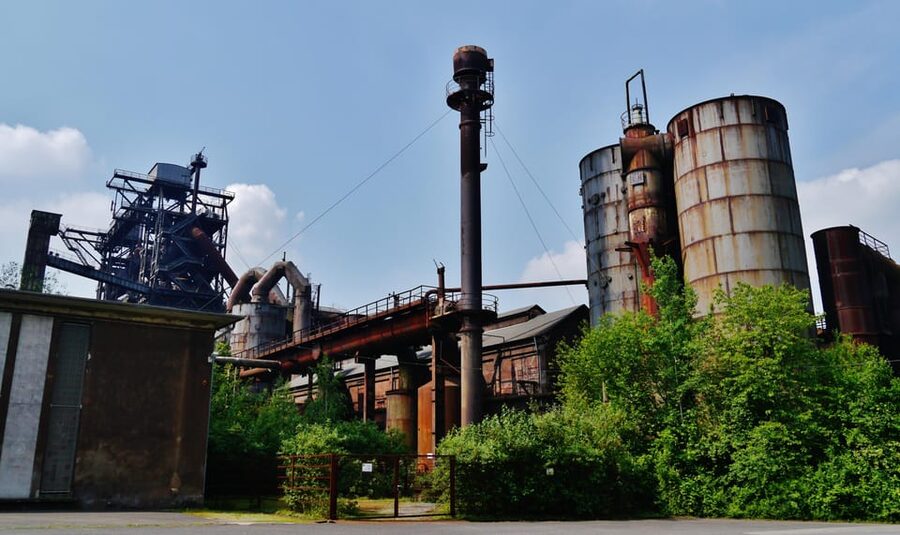
The Meidericher Hütte now has a cultural role, and that change is part of the story. The old works are no longer presented only as a closed chapter. The site has been given a new use, turning it into a place where people can learn about the region’s industrial past.
I value that kind of preservation because it avoids pretending the industrial era never happened. The pipes, boilers, and furnaces remain visible, while the park gives people a reason to return. The result is not a conventional historic building tour. It is an encounter with a large working environment that has been adapted for public use.
The setting also gives you a different kind of beauty. The provided highlights include the site’s beautiful surroundings, but the appeal is not limited to greenery or scenic views. The beauty comes from the contrast between open parkland and the dense industrial framework. On a mild day, you may also get good views across the site.
That contrast helps explain why the place has cultural importance. The tour shows how a former center of mining and steel production can become a symbol of regional change without losing its physical identity.
The guide can make or break the experience
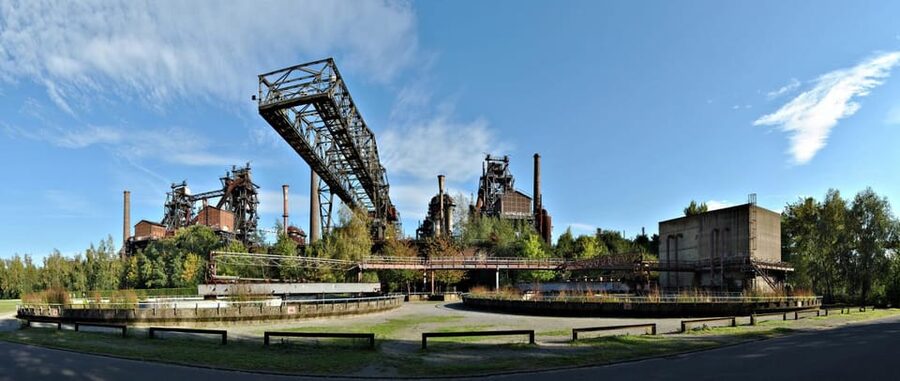
A site this complicated needs a good guide. The strongest praise has gone to Manuela, who has been described as highly informative, impressive, and excellent at explaining the subject. One especially positive experience took place in the rain, yet the tour remained interesting for the whole family.
That is useful information because weather can affect an outdoor industrial tour. You should wear weatherproof clothing rather than assuming the route will be sheltered. Comfortable shoes are important as well. The tour involves stairs, platforms, and an industrial setting, so casual footwear that handles uneven or wet conditions is the safer choice.
The guide also helps manage the difference between spectacle and substance. It would be easy to focus only on the giant structures. A strong explanation shows why they were built, how they worked, and what they meant to the workers and region.
Recent feedback also describes the experience as well organized and highly informative. The overall rating is 4.8 from 41 reviews, which supports the idea that the tour delivers its main promise: a clear introduction to industrial history inside the actual plant.
Price, timing, and who gets good value
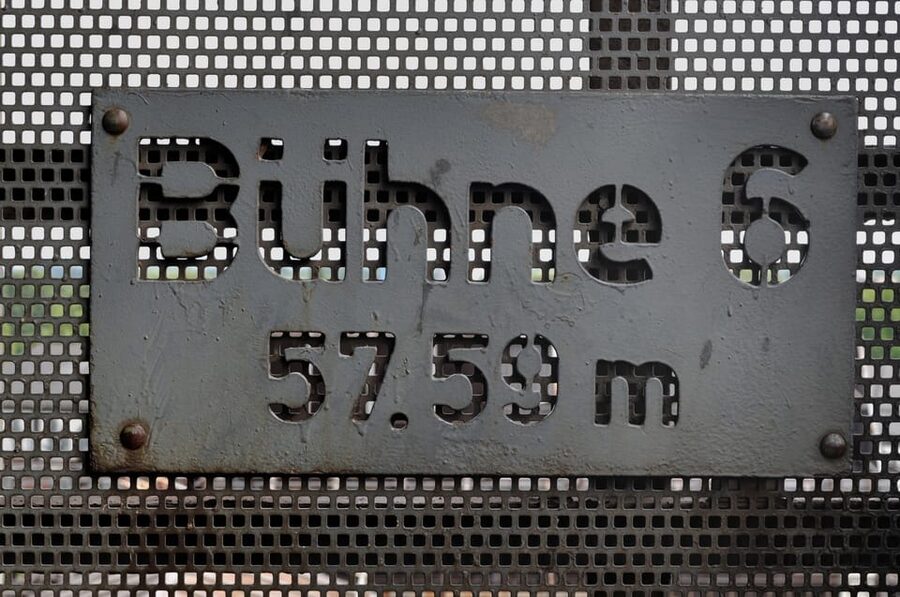
At $23 per person, this is a reasonable price for a live, 105-minute guided tour through a major industrial monument. You are paying for access to a structured explanation, not just for admission to a scenic public space.
The value is strongest if you care about history, engineering, architecture, or the social effects of industrial change. You also get good value if you prefer a guide to help you interpret what you are seeing. The site’s size and complexity make independent exploration less informative unless you already know a good deal about blast furnaces.
The value is weaker if you do not speak German. The tour language is German, and the main benefit comes from the spoken explanation. You may still appreciate the machinery and surroundings, but you would miss much of the content that justifies the price.
The tour also asks for a fairly specific kind of attention. It is nearly two hours, not a quick orientation walk. If you want a relaxed stroll with occasional history, this may feel too technical. If you enjoy learning how large systems work, the length gives the guide time to connect equipment, labor, and regional change.
Accessibility and practical limits
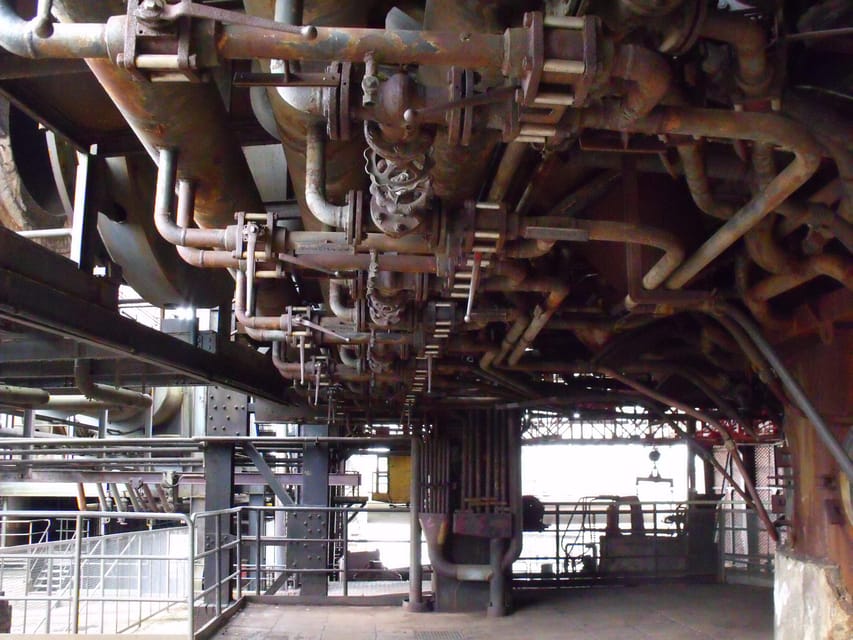
This tour is not barrier-free. It is not suitable for people with mobility impairments, visual impairments, or hearing impairments. That is a firm planning point, not a minor footnote.
The route includes the industrial structures of the former works, with stairs and platforms forming part of the setting. You should be comfortable moving through that type of environment and should wear suitable shoes and clothing.
Pets are not allowed, although assistance dogs are permitted. Children under 10 cannot join the tour. These limits narrow the audience, but they also help you decide quickly if the experience fits your group.
Should you book the Duisburg-Nord hut tour?
Book it if you want an informed, on-site look at Germany’s industrial past rather than a quick photo stop. The combination of the former Thyssen steelworks, the Path of the Iron, blast furnace technology, and working conditions gives the tour real substance. Manuela’s strong reputation as a guide is another encouraging sign.
Skip it if you need a barrier-free route, do not understand German, or prefer a gentle outdoor walk with little technical detail. For everyone else, $23 buys a focused 105-minute lesson inside an extraordinary industrial monument. Bring sturdy shoes, dress for the weather, and prepare to look at pipes and steelwork in a new way.
FAQ
Where does the tour meet?
The meeting point is the Visitor Center at Duisburg-Nord Landscape Park.
How long does the tour last?
The tour lasts 105 minutes, or 1.75 hours.
What language is the tour offered in?
The live guided tour is offered in German.
How much does the tour cost?
The listed price is $23 per person.
What does the tour cover?
It covers the history of the Meiderich ironworks, blast furnace technology, working conditions, and the industrial process known as the Path of the Iron.
Which parts of the ironmaking process are included?
The route follows the process from the Gout to the Torpedo Ladle Car.
Is the tour accessible for people with mobility impairments?
No. The tour is not barrier-free and is not suitable for people with mobility impairments.
Can children join the tour?
Children under 10 are not permitted. Older children may find the tour interesting, especially if they enjoy history or technology.
Are dogs allowed?
No pets are allowed on the tour. Assistance dogs are allowed.
What should I wear?
Wear comfortable, weatherproof shoes and clothing. The tour takes place around the former industrial works, so suitable clothing is important.
Just added around Germany
- Private Walking Tour in Berlin: Hitler’s Germany & WWII★ 5.0 · 7 reviews
- The History of Berlin: WWII PRIVATE Walking Tour With Locals★ 5.0 · 209 reviews
- Private Berlin WWII and Cold War History Tour with Local Expert Guide★ 5.0 · 28 reviews
- Private Walking Tour Berlin 3 hours: Brandenburg, Historic Center★ 5.0 · 7 reviews
- Berlin: Private Bike Tour of the Berlin Wall and Third Reich★ 5.0 · 23 reviews
- Berlin: Guided Private Bike Tour to Explore the Highlights★ 5.0 · 12 reviews
- Berlin Photography Masterclass – Private Photography Lesson★ 4.5 · 23 reviews
- Group Driving Tour 1 to 6 people. Berlin Shore Excursion incl pick-up at Port★ 5.0 · 8 reviews
Duisburg Tours, compared.
Duisburg Landscape Park GPS treasure hunt in old ironworks
Read our review →
Browse the lists this tour appears in