
Reviewed · MUSEUMS
Munich: Deutsches Museum Guided Tour with Entry Ticket
Munich saves its biggest ideas indoors. This two-hour guided visit to the Deutsches Museum gives you a clear path through one of the world’s largest technology museums, with five floors and about 100,000 objects spread across science, engineering, and industry. I especially like the private guided format and the chance to focus on major sections such as astronomy, physics, and metallurgy without trying to make sense of the entire museum alone.
I also like that your ticket lets you remain inside after the tour and explore at your own pace. The main caution is the price, $149 per person, which is a serious outlay for two hours, and one booking resulted in tickets for the wrong date while the guide was not familiar with all museum areas. Check your date carefully and ask for a guide who matches your language and interests.
In This Review
- Key points to know before you book
- Why the Deutsches Museum needs a plan
- Meeting at the cashier and starting the visit
- The two-hour route through five floors
- Astronomy and physics for the big ideas
- Metallurgy, agriculture, and food technology
- Photography and film add a human scale
- What the private guide adds
- Is $149 per person a fair price?
- Who should book this museum tour?
- Should you book the Deutsches Museum guided tour?
- FAQ
- How long is the Deutsches Museum guided tour?
- What is included in the $149 price?
- Where do I meet the guide?
- Which languages are available?
- Is the Deutsches Museum tour wheelchair accessible?
- Can I cancel the booking for a full refund?
Key points to know before you book
- Five floors of science: The museum covers astronomy, physics, metallurgy, photography, film, agricultural technology, food technology, and much more.
- Two hours with a guide: A private guide helps you concentrate on major objects instead of wandering through roughly 100,000 items without a plan.
- English or German: The live tour is available in either language, so select the language that will make technical explanations easiest to follow.
- Stay after the tour: Your museum admission continues to be useful once the guided portion ends, giving you time to revisit sections or see displays the guide skipped.
- Meet at the cashier: The meeting point is at the museum’s cashier, and the experience includes admission with skip-the-ticket-line access.
- A costly but focused option: At $149 per person, this makes the most sense if you value structure, explanation, and a private experience more than the lowest possible admission price.
Why the Deutsches Museum needs a plan
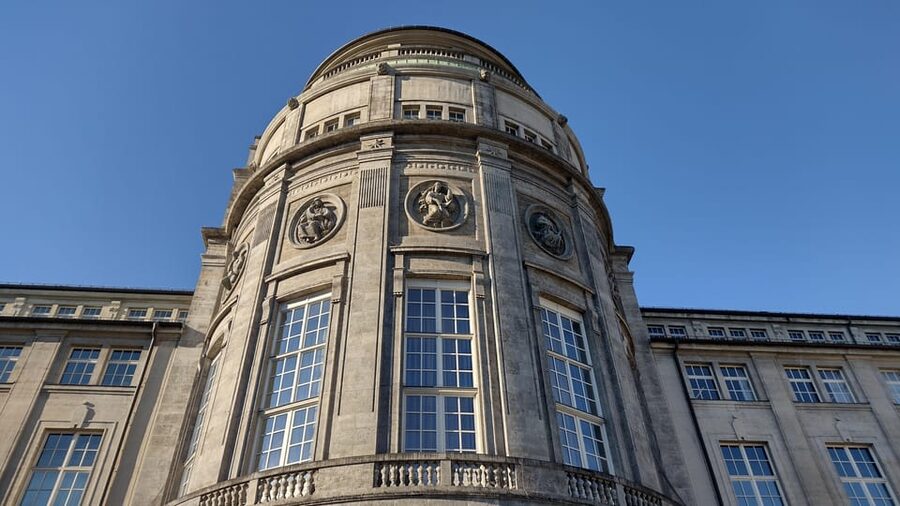
The Deutsches Museum is not a small collection you can casually sweep through before lunch. Its five floors contain about 100,000 objects from many areas of science and technology, so the sheer scale can work against you if you arrive without a plan.
That is where a guide earns their keep. Instead of spending your two hours choosing between astronomy, photography, food technology, physics, and metallurgy, you can ask for the main ideas and important objects in a logical order. You will not see everything, but you should leave with a better sense of how the museum fits together.
I like this approach for a first visit. A science museum can be full of excellent displays that make little sense without context, especially when technical terms and historical developments appear together. A good guide connects the objects to the larger story of how people tested ideas, built machines, and changed daily life.
The museum’s broad subject range also makes this tour useful for mixed groups. One person can care about astronomy, another about engineering, and another about photography or film. The guide can help keep the visit from becoming a tug of war between unrelated interests.
More Museums in Munich
- Munich: Beer and Food Tour with Dinner & Oktoberfest Museum
★ 4.7 · 1,086 reviews - Munich: FC Bayern Museum + Arena View
★ 4.5 · 944 reviews - Munich: FC Bayern Museum Entry Ticket
★ 4.6 · 193 reviews
Meeting at the cashier and starting the visit
You meet your guide at the museum’s cashier. This is a simple location, but it is worth arriving with enough time to find the entrance and identify the correct meeting point, particularly if you are unfamiliar with the building.
Admission is included, and the experience offers skip-the-ticket-line access. That matters most on a busy day, since you can begin with the guide rather than spending part of your limited two-hour tour waiting to buy entry.
The tour returns to the Deutsches Museum rather than moving through different parts of Munich. There is no transportation involved, so you can fit it into a day of sightseeing without arranging a separate transfer.
The guide service is offered in English or German. If you are comfortable in both, choose the language in which you can follow technical explanations most easily. Science vocabulary can become tiring when you are translating in your head, and the right language makes the tour much more useful.
The two-hour route through five floors
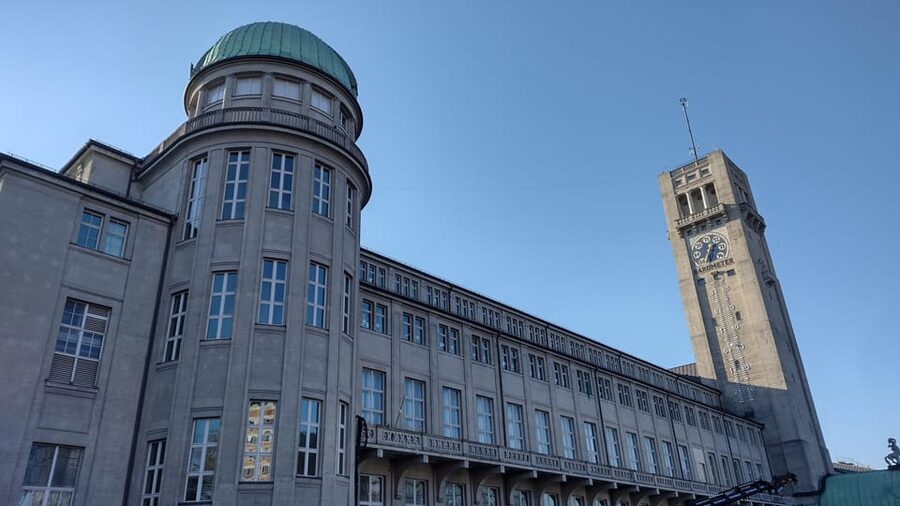
The official tour lasts two hours, which is long enough for a helpful introduction but not long enough to cover every floor in detail. Think of it as a guided framework for the museum, not a complete examination of its collections.
Your guide explains the museum’s themes and the reason objects are collected, preserved, and displayed. That background gives the visit purpose. Instead of seeing isolated machines and instruments, you can think about what each object teaches and why it belongs in a museum devoted to science and technology.
The route may include several different areas, with the guide pointing out the most important facts and displays. Because the museum covers such a wide range, the exact balance between subjects matters. If you have a strong interest in one area, tell the guide early rather than hoping the route will naturally spend enough time there.
A two-hour tour also requires some restraint. You may pass displays you would like to study longer, and you will not have time to read every label. That is not a flaw in the tour itself. It is the tradeoff for seeing a broad selection with professional interpretation.
Wear comfortable shoes. Five floors and a large collection mean you will be on your feet and moving through a substantial museum space. Wheelchair access is available, which makes the experience practical for visitors who need an accessible route, though you may still want to confirm the current route details when booking.
Astronomy and physics for the big ideas
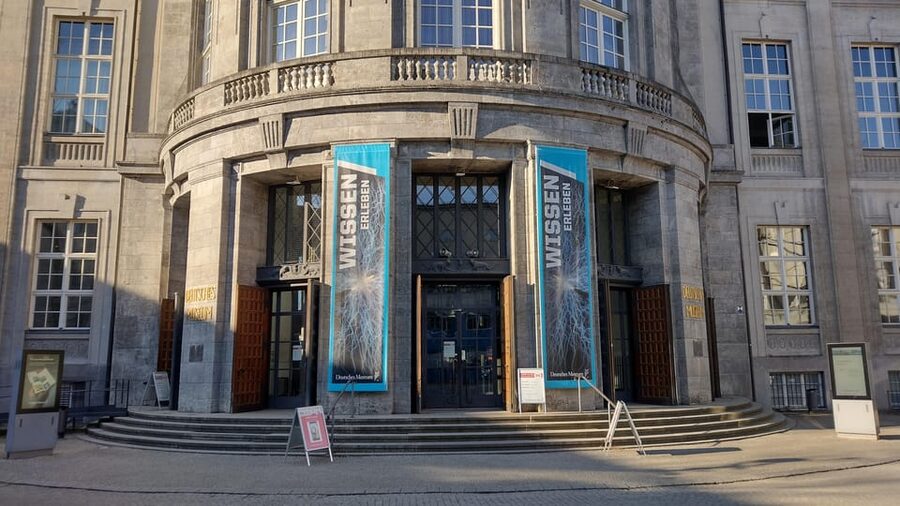
Astronomy gives the museum a natural way to begin thinking on a large scale. It connects human observation with questions about space, measurement, and the tools used to understand the universe. A guide can help you see how instruments and scientific methods relate to the subject, rather than treating astronomy as a collection of impressive objects.
Physics brings the discussion back to the rules governing the world around you. Even if you do not have a technical background, a guide can point out the ideas worth carrying with you and explain why particular objects matter.
These sections can be especially valuable for families and mixed-age groups, but the supplied information does not promise a child-specific tour. If you are booking for children, keep in mind that the guide’s language and pace may be designed for a general audience rather than young learners.
The benefit here is interpretation. You can read about an object on your own, but a live guide can decide which detail deserves your attention and answer questions as they come up. That makes a difference in subjects where the object’s importance is not obvious at first glance.
A few more Munich trips worth comparing
- Munich Hop-On Hop-Off Tour: 1-Day or 2-Day Ticket
★ 4.3 · 4,161 reviews - Munich: Studio of Wonders Entry Ticket
★ 3.9 · 602 reviews - Munich: Nymphenburg Palace Entry Ticket
★ 3.9 · 327 reviews - Munich: Law Library Guided Visit with Entry Tickets
★ 4.6 · 297 reviews
Metallurgy, agriculture, and food technology
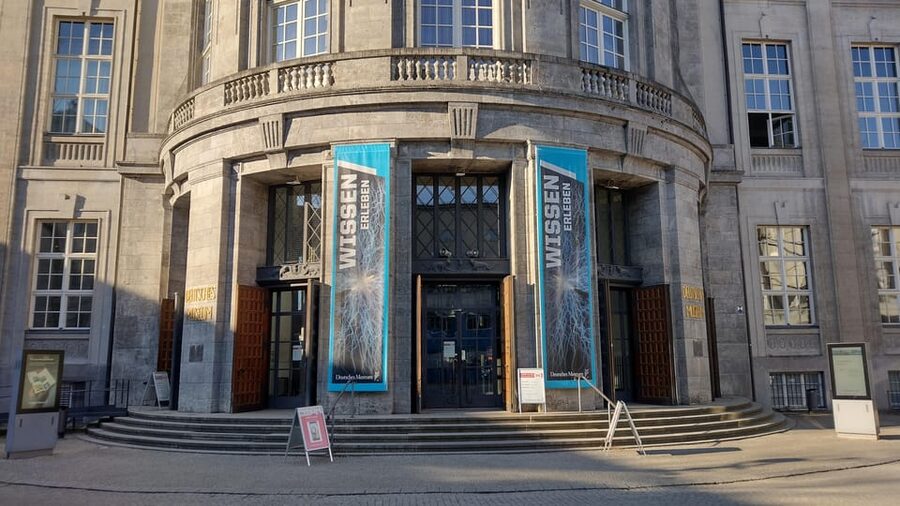
The museum also reaches into practical technology. Metallurgy shows how materials and production methods shape the tools and machines people use. It is a useful reminder that progress does not depend only on famous inventions. It also depends on the ability to work with materials reliably and at scale.
Agricultural and food technology bring science into everyday life. These displays can help you connect the museum’s technical subjects with farming, food production, and the systems that support ordinary routines.
I appreciate this part of the museum because it broadens the visit beyond space and machines. If you prefer technology that affects homes, work, and food, these sections may be more immediately understandable than displays built around abstract scientific principles.
The guide’s role is important here. A capable explanation can show how a technical change affected people, rather than leaving you with a list of dates and equipment. One highly praised guide, Genny, was noted for knowing the museum well and explaining the history of several sections clearly. Another German-language visit was praised for an interesting tour and a very capable guide.
Those comments point to the strongest reason to book this experience: the quality of the person leading it. The museum itself supplies the objects, but the guide determines how much meaning you take away.
Photography and film add a human scale
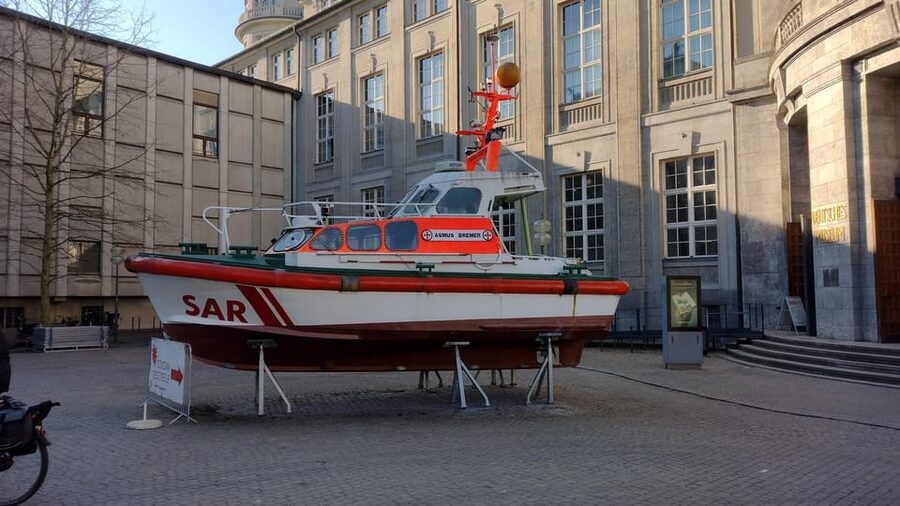
Photography and film give the visit a more familiar point of entry. Most people already understand the basic purpose of a camera or moving image, so these sections can make the museum’s wider subject range feel less technical.
They also show how technology changes the way people record and share the world. A guide can help you notice the shift from earlier methods to newer ones and explain why particular equipment belongs in the story of technological development.
This is another area where your own interests should shape the tour. If photography or film is high on your list, mention it when you meet the guide. The tour covers many themes, and two hours will not allow equal time in every department.
The range of subjects is both the museum’s great strength and its main challenge. You can move from the cosmos to food production, from physics to film, but the visit may feel fast if you want detailed attention in each area.
What the private guide adds
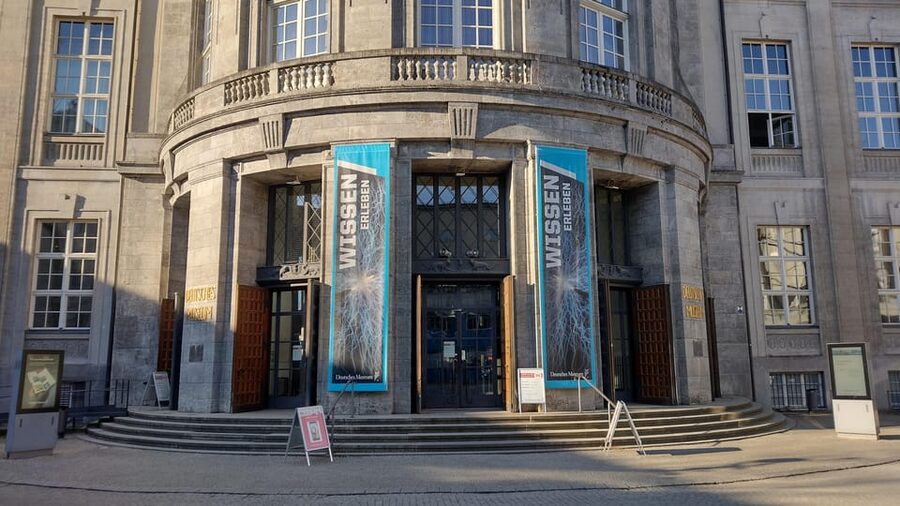
The private format gives you more control than a large public tour. You can ask questions, request emphasis on certain subjects, and tell the guide if you need a slower explanation. The information provided describes this as a private tour, though it does not give a maximum group size, so confirm the arrangement if that point matters to you.
A private guide can also help prevent the common museum problem of decision fatigue. With so many objects and departments, you may spend more time deciding where to go than looking at the exhibits. A guide removes much of that friction.
Still, private does not automatically mean perfect. One two-star experience reported tickets issued for a different date and a guide who did not know the museum areas well. That is a practical warning, not a reason to dismiss the tour entirely. Confirm the date on your booking and make sure the guide is prepared for the museum’s layout and your preferred language.
The overall rating is 3.9 from five ratings, with two very positive experiences praising the guides and one notably poor experience focused on date and area knowledge. The small number of ratings means I would not treat that score as a final verdict. Instead, I would see it as a reminder to pay close attention to confirmation details and guide quality.
Is $149 per person a fair price?
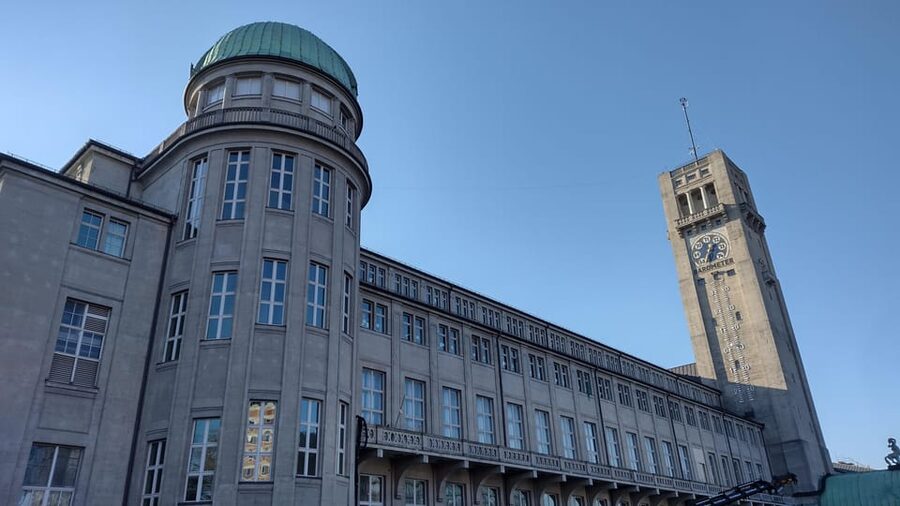
At $149 per person, this is not a budget museum visit. The fee includes the professional guide and museum admission, but the tour lasts only two hours. If you mainly want to enter the Deutsches Museum and browse independently, this will probably feel expensive.
The value improves if you want a private explanation in English or German and would otherwise struggle to choose among the five floors. The guide can help you see the museum’s main themes in a short period, then you can stay afterward and continue on your own.
That extra time matters. You do not have to regard the two-hour tour as the entire visit. Use the guided portion to build a map of the museum, then return to the sections that caught your attention. The admission remains useful after the guide leaves.
I would consider this a time-saving purchase rather than a cheap ticket. It is most defensible for a first visit, a short stay in Munich, or a group that wants a shared explanation without joining a large public group. It is less attractive for repeat visitors who already know which departments they want to see.
Tips for the guide are not included. You should treat any gratuity as optional and based on the quality of the service, especially since guide performance appears to be the central variable in the experience.
Who should book this museum tour?
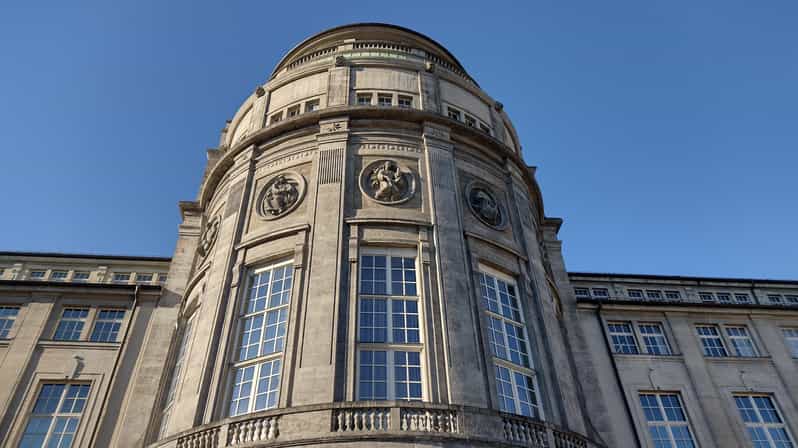
I would recommend it to you if you like museums but dislike wandering without direction. It also suits people who want science explained in plain language, families with different interests, and visitors with only a limited amount of time in Munich.
It is a good match for anyone interested in more than one subject. Astronomy fans, photography enthusiasts, engineering-minded visitors, and people curious about food or agricultural technology can all find an entry point.
You may want to skip it if your main goal is the lowest admission cost, if you prefer to read every label at your own pace, or if you already know the museum well. The guide’s value comes from selection and explanation, not from giving you unlimited time in each department.
Before booking, make three checks: confirm the date, choose English or German carefully, and decide which areas matter most to you. Those small steps address the main practical concern and make it more likely that the two hours will feel focused rather than rushed.
Should you book the Deutsches Museum guided tour?
Book this tour if you want a structured first look at a huge museum and are willing to pay for personal guidance. The five floors and roughly 100,000 objects are far easier to approach with someone who can identify the key sections and explain why they matter.
I would be selective about the booking, though. The strong experiences praised guides such as Genny for clear explanations and museum knowledge, while one poor experience raised concerns about the ticket date and unfamiliarity with the galleries. Confirm those details before you go.
For a visitor who values context, the $149 price can make sense because you receive admission, a private two-hour tour, and time to continue exploring afterward. For a self-guided museum fan on a tight budget, buy ordinary admission and spend the difference on extra time inside. That is the honest choice.
FAQ
How long is the Deutsches Museum guided tour?
The guided tour lasts two hours. Afterward, you can remain in the museum and explore further on your own.
What is included in the $149 price?
The price includes a professional guide and admission to the Deutsches Museum. Tips for the guide are not included.
Where do I meet the guide?
The meeting point is at the museum’s cashier.
Which languages are available?
The live tour is available in English and German.
Is the Deutsches Museum tour wheelchair accessible?
Yes, the activity is listed as wheelchair accessible.
Can I cancel the booking for a full refund?
Yes. You can cancel up to 24 hours in advance for a full refund. You can also reserve now and pay later.
Just added around Munich
- Pub crawl incl. Oktoberfest museum guided tour with beer tasting (private)★ 5.0 · 5 reviews
- South Tyrolean specialties and wine tasting★ 5.0 · 5 reviews
- Size Matters Beer Tour Munich★ 4.6 · 105 reviews
- Short & sweet: Tasting the Viktualienmarkt★ 4.8 · 37 reviews
- Secret Food Tours Munich★ 4.8 · 5 reviews
- Munich: Romantic Wine Experience for Two at Viktualienmarkt★ 4.2 · 14 reviews
- Residence of Munich private tour with skip the line ticket★ 5.0 · 4 reviews
- Munich: Resistance against Hitler – Historical Walking Tour★ 5.0 · 5 reviews
Museums, compared.



Skip-the-Line: Berlin Wall Museum at Checkpoint Charlie
Read our review →
Browse the lists this tour appears in